Last Updated on November 25, 2025 by Ugurkan Demir

Discovering a 1 cm kidney stone can be scary. But knowing your treatment options is the first step to feeling better. At Liv Hospital, we offer top-notch medical care and focus on you. We help you make the best treatment choices based on the latest research.
Kidney stones are common and can affect anyone. Today, we have new, less invasive treatments. These methods work well and help you recover faster. No matter the size of your stone, we’re here to support you every step of the way.
We aim to give you the best healthcare information. This way, you can make smart choices about your health. We’ll talk about treatments like shock wave lithotripsy and ureteroscopy. This will help you understand your options better.
Key Takeaways
- Understanding treatment options for a 1 cm kidney stone is key to feeling better.
- Liv Hospital offers patient-centered care and top medical outcomes.
- Modern, less invasive treatments are effective and quick to recover from.
- There are many treatments available, including shock wave lithotripsy and ureteroscopy.
- We provide full support to help you choose the right treatment.
Understanding Kidney Stones and Their Prevalence
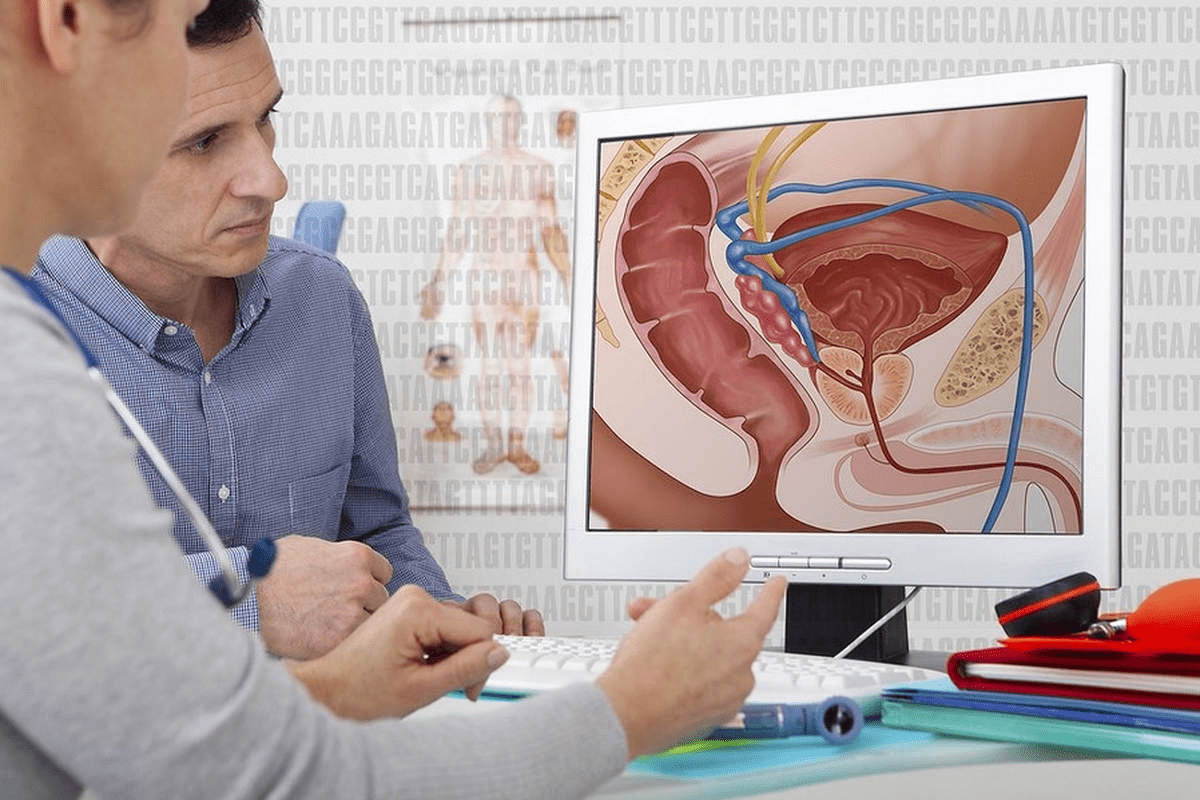
Kidney stones are hard deposits made of minerals and salts. They form inside the kidneys. These stones can be painful and sometimes need medical help.
What Defines a Kidney Stone
Kidney stones are solid masses of crystals. They can be as small as a grain of sand or as big as a golf ball.
Prevalence Statistics in the United States
Recent data shows that kidney stone prevalence is 9.9 percent in the United States. An annual incidence of stone passage is 1.8 percent. This means a lot of people get kidney stones every year.
The high prevalence of kidney stones highlights the need for awareness and prevention.
Gender Differences in Kidney Stone Formation
Research shows men are more likely to get kidney stones than women. Men get stones twice as often as women. This is due to hormonal differences and differences in what’s in their urine.
| Gender | Prevalence Rate |
| Male | 12% |
| Female | 6% |
Knowing about the prevalence and who gets kidney stones is key. It helps patients and doctors. It helps in finding risk factors and taking steps to prevent them.
The Significance of a 1 cm Kidney Stone

Kidney stones come in different sizes, and size is key. A 1 cm stone is considered small to moderate. Healthcare providers look at size when choosing treatment.
Size Classification of Kidney Stones
Kidney stones are sorted by size, type, and where they are. A 1 cm stone is small to moderate. Remember, 1 cm is 10 mm.
Comparing 1 cm to Other Sizes
Understanding a 1 cm stone’s size is important. A 1.1 cm stone is a bit bigger. Stones of 1.2 cm or 1.3 cm are even larger. Treatment might change with size.
Studies show stones 1 to 2 cm need more than just watching. A 1 cm kidney stone is in this range. So, it likely needs active treatment.
Why Size Matters in Treatment Decisions
The stone’s size affects how it’s treated. Bigger stones might need more serious procedures. Smaller stones might get less invasive treatments. For a 1 cm kidney stone, the goal is to remove it without too much pain.
Knowing why size is important helps everyone make better treatment choices. The stone’s type, where it is, and the patient’s health also matter a lot.
Common Symptoms of 1 cm Kidney Stones
Knowing the symptoms of 1 cm kidney stones is key. It helps you know when to get medical help. Spotting these signs early is important for quick diagnosis and treatment.
Pain Patterns and Locations
The pain from a 1 cm kidney stone can differ for everyone. It often starts in the flank area, below the ribs. It can then spread to the lower abdomen or groin. This pain, called renal colic, can be very intense and may feel like waves.
Pain Characteristics:
- Severe pain in the flank or side
- Pain radiating to the lower abdomen or groin
- Pain that comes in waves
Associated Urinary Symptoms
People with a 1 cm kidney stone may also have urinary symptoms. These include:
- Frequent urination
- Painful urination
- Blood in the urine (hematuria)
- Urgency to urinate
These symptoms happen because the stone blocks urine flow. This can irritate the area and might lead to infection.
Systemic Symptoms
At times, a 1 cm kidney stone can cause systemic symptoms, mainly if there’s an infection. These symptoms include:
| Symptom | Description |
| Fever | Elevated body temperature indicating infection |
| Nausea and Vomiting | Feeling queasy or vomiting, often associated with severe pain |
| Chills | Feeling cold, often accompanied by fever |
Seeing a doctor is important if you have these symptoms. They can show a more serious issue.
Diagnosing a 1 cm Kidney Stone
When someone shows signs of a kidney stone, doctors start a detailed check-up. Finding a 1 cm kidney stone takes several steps. This helps doctors confirm the stone and decide on treatment.
Initial Assessment and Physical Examination
The first step is a detailed medical history and physical check. Doctors will ask about symptoms and past kidney stone issues. They might find tenderness in the flank area, hinting at a stone.
Key components of the initial assessment include:
- Medical history
- Symptom evaluation
- Physical examination
Imaging Studies
Imaging tests are key for spotting kidney stones. The main ones used are:
| Imaging Modality | Advantages | Limitations |
| Non-contrast CT scan | High sensitivity and specificity for detecting kidney stones | Exposure to radiation, higher cost |
| Ultrasound | No radiation, quick, and non-invasive | Operator-dependent, may miss small stones |
| X-ray (KUB) | Quick, low cost | May not detect all types of stones, radiation exposure |
A study in the Journal of Urology found non-contrast CT scans are best for finding kidney stones. They are very accurate.
“Non-contrast helical CT has become the preferred imaging technique for the diagnosis of urinary calculi due to its high sensitivity and specificity.”
— Journal of Urology
Laboratory Tests
Laboratory tests are also important for diagnosing and managing kidney stones. These include:
- Urinalysis to check for blood, infection, or other abnormalities
- Blood tests to assess kidney function and check for signs of infection or other metabolic disorders
- Stone analysis if a stone is passed or retrieved
By combining the results of the initial assessment, imaging studies, and lab tests, doctors can accurately diagnose a 1 cm kidney stone. They can then create a good treatment plan.
When to Seek Emergency Medical Attention
For patients with a 1 cm kidney stone, emergency care is needed if severe symptoms appear. It’s important to know these signs to avoid serious issues.
Warning Signs and Symptoms
Some symptoms mean you need to get medical help fast. These include intense pain, vomiting, fever, and chills. If you see any of these, get help immediately.
Specific warning signs to watch for:
- Severe pain in the back, side, or lower abdomen
- Pain or burning sensation while urinating
- Difficulty starting or stopping the flow of urine
- Blood in the urine
- Fever and chills
- Nausea or vomiting
Complications Requiring Immediate Care
Kidney stones can cause serious problems if not treated. These include blockages, infections, or damage to the kidneys. It’s key to know the signs of these issues.
| Complication | Symptoms | Consequences if Untreated |
| Urinary Tract Obstruction | Severe pain, inability to urinate | Kidney damage, infection |
| Infection | Fever, chills, painful urination | Sepsis, kidney damage |
| Kidney Damage | Persistent pain, decreased kidney function | Chronic kidney disease |
What to Expect in the Emergency Room
When you go to the emergency room for a 1 cm kidney stone, you’ll get a detailed check-up. This includes a physical exam, imaging, and lab tests to see how you’re doing.
The doctors will then decide on the best treatment for you. This might include pain relief, staying hydrated, and possibly removing the stone.
Knowing what to expect can make you feel less worried about going to the emergency room. It’s important to follow the treatment plan and any advice for aftercare to get the best results.
Treatment Options for 1 cm Kidney Stone: An Overview
For those with a 1 cm kidney stone, knowing the treatment options is key. The stone’s size, location, and your health matter a lot. These factors help decide the best treatment.
Necessity of Intervention for 1-2 cm Stones
Stones of 1 cm need medical help because they often don’t pass on their own. Getting treatment helps ease symptoms and prevents problems. It also makes sure the stone is removed.
We’ll look at the different treatments available. We’ll talk about their good points and possible downsides. This will help you understand your choices better.
Factors Influencing Treatment Selection
Choosing a treatment for a 1 cm kidney stone depends on several things. The stone’s type, where it is, and your health history are important. For example, stones in the ureter might be treated differently than those in the kidney.
Key factors include:
- Stone size and location
- Patient’s overall health and medical history
- Stone composition (if known)
- Presence of any urinary tract obstruction or infection
Comparing Treatment Effectiveness
There are several ways to treat a 1 cm kidney stone. These include extracorporeal shock wave lithotripsy (ESWL), ureteroscopy with laser lithotripsy, and minimally invasive surgical approaches like mini-percutaneous nephrolithotomy.
| Treatment Option | Effectiveness for 1 cm Stones | Recovery Time |
| ESWL | Highly effective for stones | Typically short, 1-3 days |
| Ureteroscopy with Laser Lithotripsy | Very effective, | Generally short, 1-3 days |
| Mini-Percutaneous Nephrolithotomy | Effective for larger stones or complex cases | May be longer, 3-7 days |
Each treatment has its own use, benefits, and risks. Knowing these is key to picking the right one.
Healthcare providers consider your and the stone’s details to suggest the best treatment. This ensures the best results for you.
Extracorporeal Shock Wave Lithotripsy (ESWL)
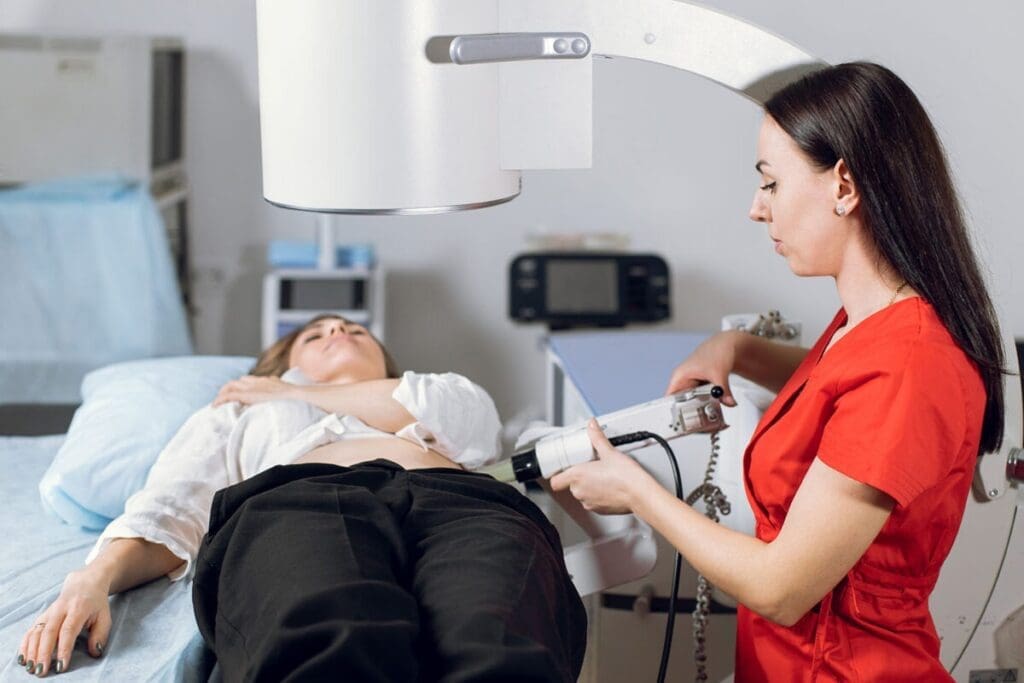
ESWL is a modern way to treat kidney stones without surgery. It’s a non-invasive method that has changed how we manage kidney stones. Patients find it effective and have little downtime after treatment.
The Mechanism of ESWL
ESWL uses shock waves from outside the body to break up kidney stones. These waves focus on the stone, turning it into smaller pieces. These pieces then pass through urine. The treatment is usually done on an outpatient basis and doesn’t need anesthesia, though some might get sedation.
Key aspects of the ESWL procedure include:
- Non-invasive: No surgical incisions are made.
- Outpatient: Most patients can go home the same day.
- Minimally painful: Sedation or local anesthesia may be used.
Effectiveness for Stones Smaller Than 2 cm
ESWL works best for stones under 2 cm. It has high success rates for these sizes. The success depends on the stone’s size, location, and the patient’s body.
| Stone Size | Success Rate of ESWL |
| Less than 1 cm | High (>90%) |
| 1-2 cm | Moderate to High (70-90%) |
Recovery and Aftercare
Recovery from ESWL is fast, with most back to normal in a few days. After the treatment, some pain might occur as the fragments move. Drinking lots of water helps pass these fragments.
“After ESWL, it’s key to stay hydrated to help pass the fragments. Drink at least 2-3 liters of water daily.”
— Medical Expert, Urologist
Potential Complications
Though ESWL is safe, some risks exist:
- Infection
- Bleeding
- Damage to surrounding tissues
- Failure to completely break the stone
Ureteroscopy with Laser Lithotripsy
Laser lithotripsy during ureteroscopy is a new way to treat kidney stones. It uses a small telescope and a laser to break stones into small pieces. These pieces can then be easily passed out of the body.
Procedure Overview
A urologist uses a ureteroscope to reach the stone. Then, a laser fiber is used to break the stone into smaller pieces. This method works well for stones up to 1.5 cm in size.
The procedure is done under general anesthesia or sedation. This makes the patient comfortable. It usually takes 30 minutes to a few hours, depending on the case.
Superior Stone Clearance Rates for 1-1.5 cm Stones
Ureteroscopy with laser lithotripsy is very effective for stones between 1-1.5 cm. It has high stone clearance rates, often over 90%. The laser’s precision helps ensure all stone pieces are removed.
- High success rates for stone clearance
- Minimally invasive with less recovery time
- Effective for stones in various locations within the urinary tract
Recovery Timeline
Recovery from this procedure is quick. Most people can go back to their normal activities in a few days. Some may feel mild discomfort or see blood in their urine, but these symptoms usually go away in a few days.
Patients are advised to drink plenty of water and may be given pain medication. Follow-up appointments are important to check if the stone is fully cleared and to address any complications.
Possible Side Effects
While safe, there are possible side effects. These include:
- Temporary discomfort or pain
- Blood in the urine
- Infection
- Rarely, injury to the ureter or surrounding structures
It’s important for patients to talk to their urologist about these risks. This helps understand the benefits and possible complications of the procedure.
Minimally Invasive Surgical Approaches
Managing 1 cm kidney stones has improved a lot with new surgical methods. These new ways are less invasive than old surgeries. They offer patients better options without the big risks of open surgery.
Mini-Percutaneous Nephrolithotomy
Mini-percutaneous nephrolithotomy is a new take on traditional PCNL. It uses a smaller cut to get to the kidney. This can mean less damage and fewer problems for the patient.
Benefits of Mini-Percutaneous Nephrolithotomy:
- Smaller incision size, leading to less tissue damage
- Reduced risk of complications
- Shorter recovery times in some cases
Retrograde Intrarenal Surgery (RIRS)
Retrograde intrarenal surgery (RIRS) is another new method for treating kidney stones. It uses a flexible scope to break down stones with a laser. It works well for stones up to 2 cm.
2025 Research on Hospital Stay Duration
Studies from 2025 show RIRS can cut down hospital stays. Patients with 1 to 2 cm stones often leave the hospital sooner than with other surgeries. This is good because it means less chance of getting sick in the hospital and quicker healing.
| Surgical Method | Average Hospital Stay | Complication Rate |
| Mini-PCNL | 2-3 days | 10% |
| RIRS | 1-2 days | 5% |
| Traditional PCNL | 3-5 days | 15% |
In conclusion, new surgical methods like mini-PCNL and RIRS are changing how we treat 1 cm kidney stones. They offer shorter hospital stays and fewer problems. These are big wins for both patients and doctors.
Recovery After 1 cm Kidney Stone Treatment
Recovering from a 1 cm kidney stone treatment involves several steps. These include managing pain, following up with your doctor, and slowly getting back to your usual activities. Understanding these steps is key to a smooth recovery.
Managing Pain and Discomfort
Managing pain is a big part of getting better. Patients are often given pain medication to ease their discomfort. The type and amount of medication depends on how much pain you’re in and your medical history. It’s important to take the medication as directed and tell your doctor if the pain doesn’t go away.
Applying heat to the area can also help with pain. Drinking plenty of water is important too. It helps get rid of any stone pieces left behind and lowers the chance of infection.
Follow-up Care and Imaging
Getting follow-up care is key to making sure the stone is gone and to watch for any problems. Imaging tests, like X-rays or CT scans, are usually done during these visits to check if the treatment worked.
These visits are also a chance for your doctor to answer any questions you have about getting better. It’s important to stick to the follow-up schedule to get the best results.
Timeline for Returning to Normal Activities
How long it takes to get back to normal depends on the treatment and your health. Usually, people can start doing normal things again in a few days to a week after treatment.
But, it’s best to avoid hard work or intense exercise for a while. Your doctor will tell you when it’s okay to start doing more. Slowly getting back to activities helps prevent problems and supports a healthy recovery.
Preventing Recurrence of Kidney Stones
To prevent kidney stones from coming back, you need to make changes in your diet, drink plenty of water, and sometimes take medicine. If you’ve had a kidney stone before, you might want to change your habits to avoid getting another one.
Dietary Modifications
Your diet is key in stopping kidney stones from coming back. Reducing salt intake is important because too much sodium can lead to more calcium in your urine. This can cause stones to form.
It’s also good to eat less animal protein. This can help lower the risk of uric acid and calcium stones. And, try to stay away from foods high in oxalate like spinach, beets, and rhubarb.
Hydration Requirements
Drinking enough water is very important to prevent kidney stones. Water helps to dilute your urine, making it less likely for minerals to form stones. Aim to drink enough water so your urine is clear.
The daily fluid intake recommendation is about 2.5 liters. This is a good starting point to keep your urine diluted.
Medication Options
For some, taking medicine can help prevent kidney stones. Thiazide diuretics can lower calcium in your urine. Potassium citrate can bind with calcium, helping to prevent certain types of stones.
The right medicine for you depends on the type of stone and your health.
Lifestyle Changes
Changing your lifestyle can also help prevent kidney stones. Keeping a healthy weight and staying active can lower your risk. It’s also important to manage health issues like high blood pressure and diabetes, as they can increase your risk of getting stones.
Conclusion
Treating a 1 cm kidney stone needs a deep understanding of kidney stone treatment and prevention methods. The stone’s size and where it is, plus the patient’s health, are key. They help decide the best treatment.
Knowing the different kidney stone treatment options is important. This includes ESWL, Ureteroscopy with Laser Lithotripsy, and other surgical methods. It helps patients choose the right care. Also, preventing stones is vital to avoid them coming back.
In conclusion, dealing with kidney stones is more than just treating the current one. It’s about preventing future ones too. By using the right treatment and prevention, patients can live better and avoid future stones.
FAQ
What are the common symptoms of a 1 cm kidney stone?
Symptoms include severe pain in the side or back. Pain can also spread to the lower abdomen or groin. You might feel nauseous, vomit, or have painful urination. Blood in the urine is another sign.
How is a 1 cm kidney stone diagnosed?
Doctors use a physical exam and imaging like CT scans or ultrasounds. They also do lab tests, like urinalysis, to check for blood or infection.
What treatment options are available for a 1 cm kidney stone?
Treatments include ESWL, Ureteroscopy with laser lithotripsy, and minimally invasive surgeries. These include mini-percutaneous nephrolithotomy or retrograde intrarenal surgery.
How effective is ESWL for stones smaller than 2 cm?
ESWL works well for stones under 2 cm. It has a high success rate for breaking stones. But, you might need more than one session.
What is the recovery process like after ureteroscopy with laser lithotripsy?
Recovery involves managing pain with meds and watching for complications. You’ll also need follow-up care to make sure the stone is gone.
Can dietary changes help prevent the recurrence of kidney stones?
Yes, changing your diet can help. Drink more water, eat less sodium and animal protein, and avoid foods high in oxalate.
How long does it take to return to normal activities after kidney stone treatment?
It depends on the treatment. But, most people can get back to normal in a few days to a week.
What are the possible complications of untreated kidney stones?
Untreated stones can cause severe pain, infection, and blockages. They can also damage your kidney over time.
When should I seek emergency medical attention for kidney stone symptoms?
Go to the emergency room for severe pain, fever, chills, trouble urinating, or signs of infection.
Are there any lifestyle changes that can help prevent kidney stones?
Yes, staying healthy, drinking plenty of water, and managing conditions like high blood pressure or diabetes can help prevent stones.
How does the size of a kidney stone, such as 1.1 cm or 1.2 cm, affect treatment decisions?
The stone’s size is key in choosing treatment. Larger stones might need more invasive methods.
What is the role of hydration in preventing kidney stone recurrence?
Drinking enough water is vital. It helps dilute your urine and lowers mineral levels that can cause stones.
Can medication help prevent the formation of kidney stones?
Yes, some meds can prevent stones. They work by lowering mineral levels in your urine or changing your urine’s pH.
References
National Center for Biotechnology Information. (2025). How to Treat a 1 cm Kidney Stone. Retrieved from https://www.ncbi.nlm.nih.gov/books/NBK348939/