Last Updated on November 27, 2025 by Bilal Hasdemir
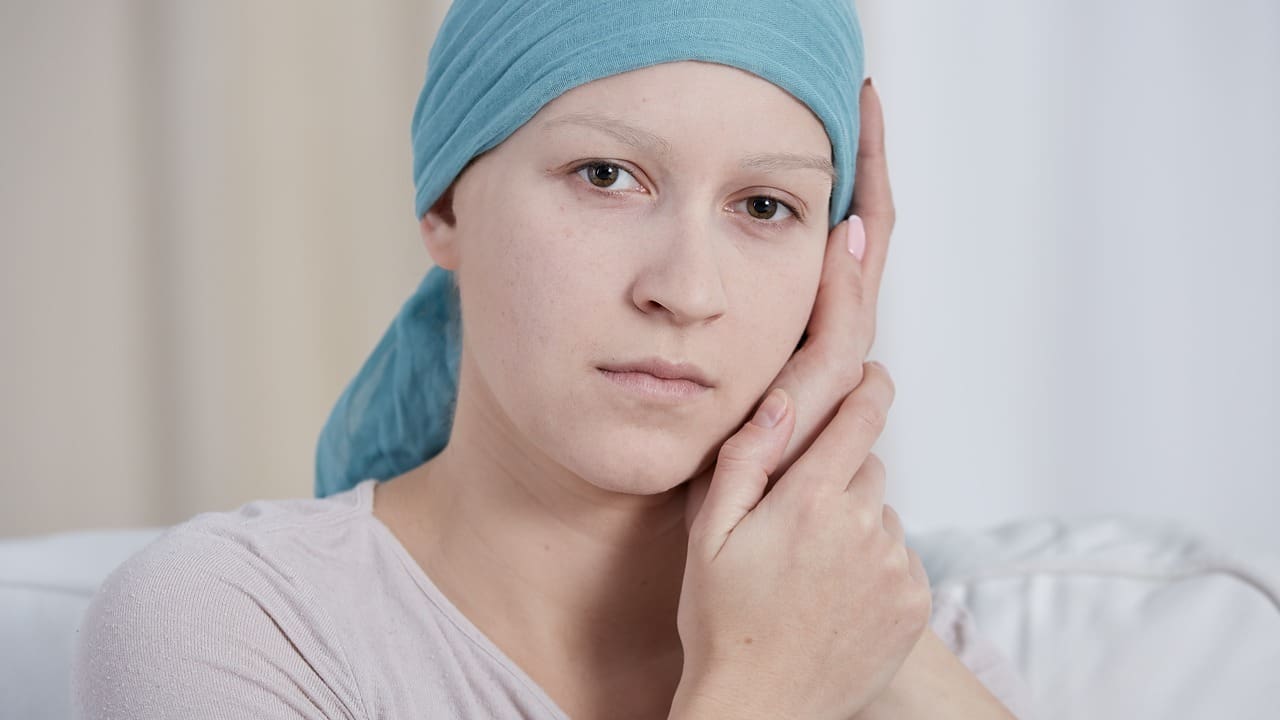
Having brain tumor surgery is scary, and the recovery can be tough. At Liv Hospital, we focus on your whole health, not just the surgery. We want to make sure you get the best care possible.
After surgery, you might feel headaches, fatigue, and changes in thinking. Knowing what to expect and how to deal with these issues can really help. It can make your recovery better and your life easier.
Our team is here to help you every step of the way. We’re experts in guiding you through recovery with kindness. We give you and your family the tools you need to feel confident in your recovery journey.
Key Takeaways
- Common challenges after surgery include headaches and fatigue.
- Cognitive changes are also a frequent occurrence.
- Recovery times vary, typically ranging from several weeks to months.
- Comprehensive care is key for your overall health.
- Understanding and managing side effects can improve your recovery.
Understanding Brain Tumor Surgery and Recovery Process
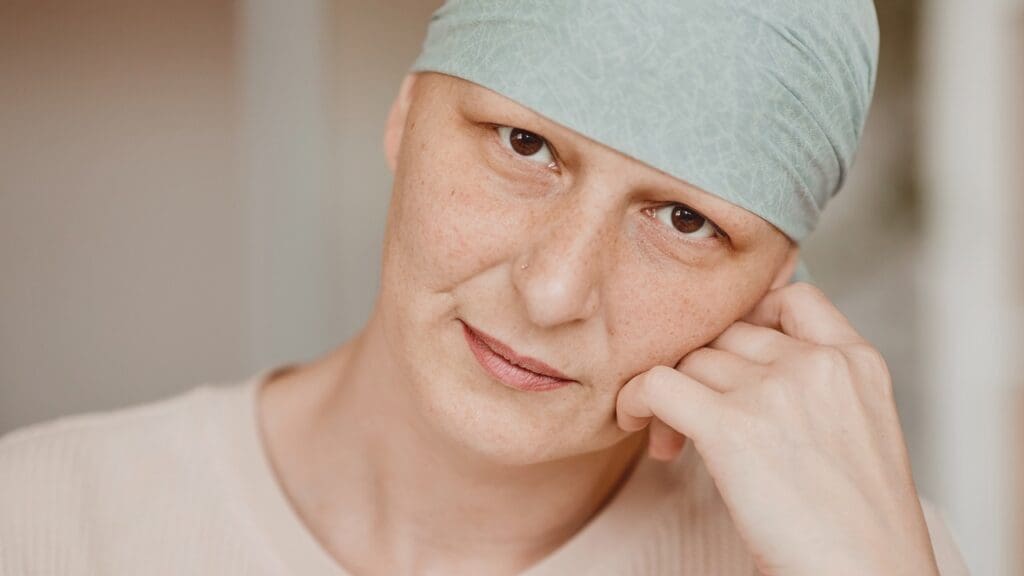
It’s important for patients to understand brain tumor surgery. This knowledge helps them manage their expectations and navigate the recovery journey. Brain tumor surgery is a specialized field with different techniques for each patient and tumor.
Types of Brain Tumor Surgeries
There are several types of brain tumor surgeries. These include craniotomy, biopsy, and laser ablation. The choice of surgery depends on the tumor’s location, size, and type. Craniotomy is the most common, where a part of the skull is temporarily removed to access the tumor.
Factors Affecting Recovery Outcomes
Recovery outcomes after brain tumor surgery depend on several factors. These include the patient’s age, overall health, and the tumor’s characteristics. Post-surgery expectations can vary greatly from one patient to another. This makes personalized care very important.
What to Expect Immediately After Surgery
After surgery, patients are closely watched in the ICU for any complications. Common side effects of brain tumor surgery include pain, swelling, and nausea.
| Surgery Type | Recovery Time | Common Side Effects |
|---|---|---|
| Craniotomy | 4-6 weeks | Pain, swelling, nausea |
| Biopsy | 1-2 weeks | Mild pain, swelling |
| Laser Ablation | 2-4 weeks | Minimal side effects |
Hospital Stay and Initial Recovery Period
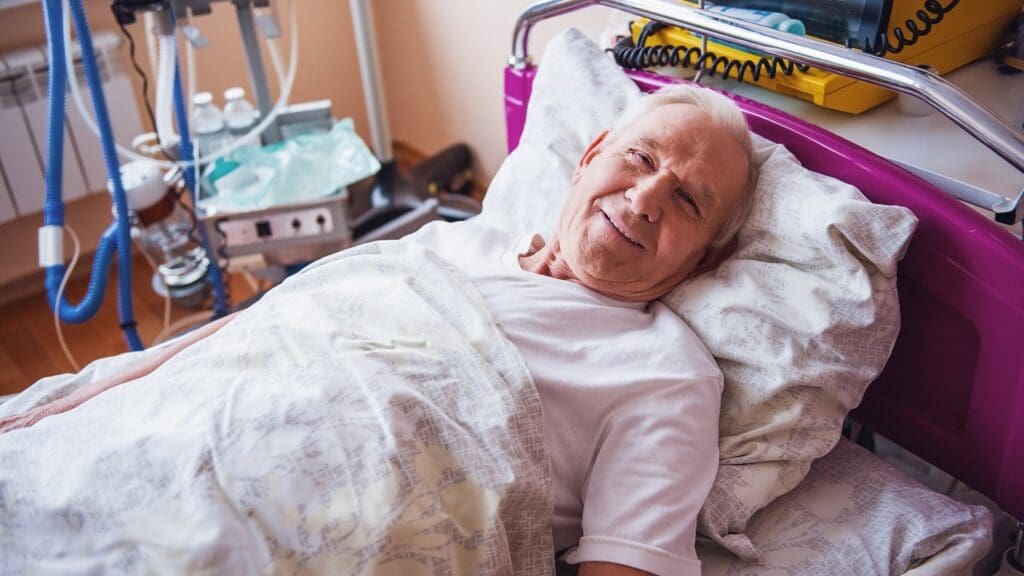
The time in the hospital after brain tumor surgery is very important. It needs careful watching and treatment. Patients are checked for any problems and their pain is managed well.
Typical Hospital Stay Duration
Studies show that hospital stays for brain tumor surgery patients usually last from 3 to 10 days. The exact time depends on the surgery type, the patient’s health, and how fast they recover.
Medical Monitoring and Care
In the hospital, patients get a lot of medical care. They see their neurosurgeon and nursing staff often. Medical monitoring is key to catch any issues early and act fast.
Preparing for Discharge Home
When patients get better, the medical team helps them get ready to go home. They teach patients and their caregivers about caring for the wound, taking medicine, and when to come back for more check-ups.
Common Post Brain Tumor Surgery Side Effects
After brain tumor surgery, patients face many side effects. These can affect their recovery. Knowing about them helps patients and caregivers manage better.
Pain and Headaches
Pain and headaches are common after surgery. They can come from the incision, swelling, or the body’s reaction. We’ll work with your team to find a pain management plan. This might include medicine and other treatments.
Swelling and Inflammation
Swelling and inflammation are usual after brain surgery. They can cause discomfort and lead to other issues. Your team will watch your condition and help reduce swelling.
Nausea and Vomiting
Nausea and vomiting are common after surgery. It’s important to manage these symptoms. This helps keep you nourished and hydrated during recovery.
Medication Options
Several medicines can help with nausea and vomiting. Your doctor might give you antiemetic drugs. It’s key to take the right amount and report any bad symptoms.
Non-Pharmaceutical Approaches
There are also non-medical ways to handle nausea. Eating small meals and avoiding strong smells can help. Relaxation techniques like deep breathing or meditation are also good.
Knowing about these side effects and how to manage them can make recovery better. By working with your healthcare team, you can create a plan to tackle these challenges. This supports your recovery fully.
Physical Side Effects and Management
Physical side effects after brain tumor surgery can be tough. But knowing how to handle them is key for a good recovery. Patients face many physical challenges that affect their daily life and health.
Weakness and Motor Difficulties
Weakness and trouble moving are common after surgery. Physical therapy is very important. It helps patients get stronger and move better. A special exercise plan can boost motor skills and lower the chance of lasting disability.
Balance and Coordination Issues
Problems with balance and coordination can lead to falls. We suggest exercises like standing on a foam pad or using a balance beam. Occupational therapy offers ways to improve coordination and lower injury risk.
Fatigue Management Strategies
Fatigue is a big side effect after surgery. To manage it well, try these strategies:
- Prioritize rest and sleep
- Do gentle exercises like yoga or short walks
- Eat a balanced diet full of nutrients
Energy Conservation Techniques
To save energy, pace activities and take breaks often. We recommend breaking tasks into smaller steps to avoid getting too tired.
Activity Pacing
Activity pacing means balancing rest and activity to keep energy up. By switching between active and rest periods, patients can stay energized and independent.
Cognitive and Neurological Changes
After brain tumor surgery, patients face many cognitive and neurological changes. These can affect their daily life. It’s important to understand these changes and how to manage them for a good recovery.
Memory and Concentration Issues
Memory and concentration problems are common after surgery. Patients might struggle to remember recent events or learn new things. Keeping a journal, using memory aids, and practicing mindfulness can help. Breaking tasks into simpler steps and avoiding multitasking is also beneficial.
Speech and Language Difficulties
Some patients face speech and language challenges after surgery. They might have trouble finding words, following conversations, or understanding written or spoken language. Speech therapy is often recommended to help regain communication skills.
Visual and Perceptual Changes
Visual and perceptual changes can occur, like blurred vision or trouble processing visual information. Visual rehabilitation therapy can help patients adapt to these changes and improve their vision.
Cognitive Rehabilitation Approaches
Cognitive rehabilitation is key after brain tumor surgery. It includes various therapies and strategies to help patients regain their cognitive function. support patients in reaching their recovery goals.
Emotional and Psychological Effects
Brain tumor surgery can deeply affect a patient’s emotional and mental health. It can lead to changes that need careful handling. It’s key to recognize and tackle these effects for full care.
Mood Changes and Emotional Lability
After brain tumor surgery, mood swings and emotional ups and downs are common. Patients might feel irritable, anxious, or depressed. These feelings can be tough for both the patient and their family.
Anxiety and Depression
Anxiety and depression are big worries after brain tumor surgery. They can come from the surgery’s stress, brain function changes, or uncertainty about the future.
Personality Changes
Some patients may see changes in their personality after surgery. These changes can upset both the patient and their loved ones. Knowing these changes come from the surgery helps manage expectations.
Mental Health Support Options
There are many mental health support options for patients. These include counseling, therapy, and support groups. They offer valuable advice and comfort.
| Support Option | Description | Benefits |
|---|---|---|
| Counseling | One-on-one therapy sessions to address emotional and psychological challenges | Personalized support, stress reduction |
| Support Groups | Group meetings for patients and families to share experiences and advice | Community support, shared understanding |
| Therapy | Targeted therapies to manage anxiety, depression, and other mental health concerns | Symptom management, improved mental health |
Brain Tumor Removal Recovery Timeline
Recovering from brain tumor surgery is a complex process. It varies a lot among people. The recovery time depends on the tumor type, its location, and the patient’s health.
Short-Term Recovery (First 4-6 Weeks)
The first 4-6 weeks are key. Patients often feel fatigue, headaches, and nausea. It’s important to rest and follow doctor’s orders for a smooth recovery.
Long-Term Recovery (Up to 12 Weeks and Beyond)
After the first 6 weeks, patients start a long-term recovery. This can last up to 12 weeks or more. Rehabilitation services, like physical and speech therapy, are very important in this phase.
Recovery Variations by Tumor Type and Location
The type and location of the tumor affect recovery. Tumors in motor control areas may lead to longer recovery times for physical strength and coordination.
Glioblastoma Stage 4 Recovery Expectations
Patients with glioblastoma stage 4 face tougher recovery challenges. Close monitoring and follow-up care are essential to manage symptoms and adjust treatment plans as needed.
Knowing the recovery timeline and what affects it helps patients and families prepare. By focusing on both short-term and long-term recovery strategies, patients can improve their outcomes.
Rehabilitation Services and Therapies
Rehabilitation services are key after brain tumor surgery. They help patients get back to normal, manage side effects, and live better lives. Our team creates plans tailored to each patient’s needs and goals.
Physical Therapy Benefits and Approaches
Physical therapy is vital for recovery. It helps patients regain strength, mobility, and balance. Our therapists use proven methods to boost motor function and prevent falls.
“Physical therapy can greatly help patients do daily tasks and stay independent,” says a top rehabilitation expert.
Occupational Therapy Interventions
Occupational therapy helps patients with daily tasks. Our therapists find ways to make dressing, bathing, and other activities easier.
Speech and Language Therapy
Speech and language therapy is key for those with communication or swallowing issues. Our speech therapists help improve speech clarity, understanding, and swallowing.
Neuropsychological Services
Neuropsychological services address cognitive and emotional changes after surgery. Our neuropsychologists offer assessments and help manage memory, mood, and other challenges.
These rehabilitation services help patients recover fully and improve their long-term outcomes. As a leading reseacher says, “A good rehabilitation program can greatly impact a patient’s recovery.”
Life After Brain Tumor Surgery: Long-Term Considerations
After brain tumor surgery, patients face many challenges that can change their daily lives. It’s important to be ready for these challenges to smoothly return to normal life.
Driving Restrictions and Transportation
Driving is a big concern after surgery. Doctors often tell patients not to drive until they say it’s okay. This is to avoid accidents due to seizures or slow reactions.
While waiting, using public transport or ride-sharing services is a good idea.
Returning to Work or School
Going back to work or school depends on how well you recover and what you do. It’s best to talk to your doctor about when you can go back.
Long-Term Side Effects to Monitor
Be aware of long-term side effects like seizures and hormone problems. Regular check-ups with your doctor are key to keeping an eye on these issues.
Seizure Management
Managing seizures is very important after surgery. You might need to take medicine for seizures. Your doctor will check if you need to change your dosage.
Hormone Imbalances
Hormone issues can happen, like if the tumor was near the pituitary gland. Blood tests and hormone checks can help manage these problems.
| Long-Term Side Effect | Monitoring Strategy | Management Approach |
|---|---|---|
| Seizure Activity | Regular neurological check-ups | Anti-seizure medications |
| Hormone Imbalances | Blood tests for hormonal levels | Hormone replacement therapy |
When to Seek Medical Attention
Knowing when to get medical help is key for those who have had brain tumor surgery. Spotting signs of complications early can greatly improve recovery.
Warning Signs of Complications
Patients should watch out for signs like infection, changes in the brain, or other bad effects after surgery. Keeping an eye out for these signs is important for getting help quickly.
- Increased redness, swelling, or discharge from the surgical site
- Severe headaches or changes in headache patterns
- Nausea or vomiting that persists
- Confusion, drowsiness, or difficulty staying awake
Follow-up Care Schedule
Having a follow-up care plan is key for checking on the patient’s healing and solving any issues. Regular check-ups help catch problems early.
Emergency Situations
If there’s a sudden emergency like severe brain symptoms or signs of infection, get help right away.
Infection Indicators
Fever, chills, or feeling more sensitive around the surgery area might mean an infection.
Neurological Red Flags
Quick changes in vision, trouble speaking, or weakness in limbs are serious and need quick medical help.
Conclusion: Navigating Your Recovery Journey
Recovering from brain tumor surgery is a complex journey. It needs patience, support, and understanding. We’ve talked about the many side effects, from physical to emotional challenges. At our institution, we’re here to help every step of the way.
Recovery is more than just managing symptoms. It’s about creating a supportive environment for healing.We believe the right guidance and support can help patients feel confident in their recovery.
Understanding the recovery process and having the right resources can help patients face challenges. Our goal is to support every patient through their recovery. We’re dedicated to providing top-notch healthcare and support for international patients.
FAQ
What are the common side effects after brain tumor surgery?
Common side effects include pain, headaches, and swelling. You might also feel nausea, weakness, and have trouble balancing. Fatigue, memory problems, speech issues, and visual changes are also common.
How long does it take to recover from brain tumor surgery?
Recovery time varies. It depends on the tumor type, location, and the patient. Short-term recovery is usually 4-6 weeks. Long-term recovery can take up to 12 weeks or more.
What can I expect during my hospital stay after brain tumor surgery?
You’ll be watched closely for complications. Your pain and discomfort will be managed. Hospital stays are usually 3-10 days.
How can I manage my physical side effects after brain tumor surgery?
To manage side effects, try energy-saving techniques and activity pacing. Physical and occupational therapy can help maintain function and independence.
Will I experience cognitive and neurological changes after brain tumor surgery?
Yes, surgery can cause changes. You might have memory, concentration, speech, and visual issues. Cognitive rehabilitation can help you adapt and recover.
Can I drive after brain tumor surgery?
Driving rules vary. It depends on your condition and local laws. Usually, doctors advise against driving until it’s safe.
How long does it take to return to work or school after brain tumor surgery?
Return time varies. It depends on your recovery, work or school type, and support needed.
What are the warning signs of complications after brain tumor surgery?
Watch for severe headaches, confusion, weakness, numbness, and speech issues. Also, look out for seizures and vision or mental status changes. Seek medical help if you notice these symptoms.
What rehabilitation services are available after brain tumor surgery?
Services include physical, occupational, speech, and neuropsychological therapy. They help patients regain abilities and improve quality of life.
What are the long-term side effects of brain tumor surgery that need to be monitored?
Long-term effects include seizure management, hormone imbalances, and cognitive and neurological changes. Regular follow-up care is key to managing these effects.
What can I expect after glioblastoma stage 4 surgery?
Recovery is complex and may involve chemotherapy and radiation. Recovery time and outcomes vary based on individual factors.