Last Updated on November 27, 2025 by Bilal Hasdemir

Many people worry about prostate gland cancer. While we can’t stop it completely, some changes can help a lot. Eating right and staying active are key.
At Liv Hospital, we focus on staying healthy. We recommend eating less and moving more. A diet full of fruits, veggies, and grains is best.
These evidence-based strategies help a lot. They make you healthier and lower your cancer risk. Start these habits today for a better tomorrow.
Key Takeaways
- Maintaining a healthy weight reduces prostate cancer risk.
- Regular physical activity contributes to overall well-being.
- A plant-based diet rich in fruits and vegetables is beneficial.
- Lifestyle changes and dietary adjustments can lower prostate cancer risk.
- Evidence-based strategies support long-term health improvement.
Understanding Prostate Cancer and Prevention Possibilities

Let’s start by understanding prostate cancer. It’s a common cancer in men. Some risks can’t be changed, but lifestyle choices can help.
Prostate cancer happens when cells in the prostate gland grow too much. The prostate gland is small, like a walnut, and is below the bladder and in front of the rectum. It helps make seminal fluid.
What is Prostate Cancer?
Prostate cancer can be aggressive or non-aggressive. Aggressive cancer grows fast, while non-aggressive grows slowly. Knowing the type helps decide treatment.
We don’t know the exact cause of prostate cancer. But, age, family history, ethnicity, and genetics play a role. Men over 50 and those with a family history are at higher risk.
Can Prostate Cancer Be Completely Prevented?
Preventing prostate cancer completely is not possible. But, making lifestyle changes can help. Eating well, exercising, and not smoking can improve health and lower cancer risk.
Research shows some factors affect prostate cancer risk. Here’s a table with key findings:
| Risk Factor | Influence on Prostate Cancer Risk |
|---|---|
| Diet rich in fruits and vegetables | May reduce risk |
| Regular physical activity | May reduce risk |
| Obesity | May increase risk |
| Smoking | May increase risk |
Knowing these risk factors and making smart choices can lower prostate cancer risk. While some risks can’t be changed, being aware helps with early detection and management.
Adopt a Plant-Based Diet Rich in Protective Nutrients
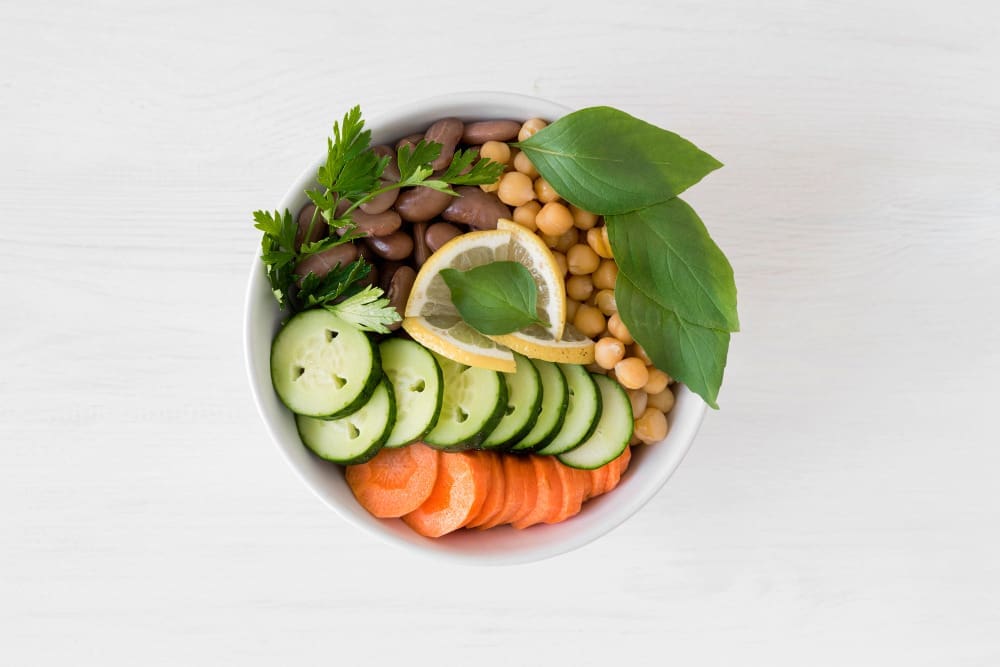
Switching to a plant-based diet is a great way to lower your risk of prostate cancer. This diet includes lots of fruits, vegetables, whole grains, and legumes. These foods give you important nutrients and antioxidants that keep you healthy.
Studies have found that a plant-based diet can help stop prostate cancer. It does this by giving you nutrients that protect your cells. These nutrients help keep your cells healthy and stop cancer from growing.
Fruits and Vegetables That Support Prostate Health
Fruits and vegetables are full of vitamins, minerals, and antioxidants. These are key for keeping your prostate healthy. Some of the best ones include:
- Cruciferous vegetables like broccoli and cauliflower, which contain sulforaphane.
- Tomatoes, rich in lycopene, an antioxidant that has been linked to reduced prostate cancer risk.
- Berries such as blueberries and strawberries, which are high in antioxidants.
- Leafy greens like spinach and kale, rich in folate and other essential nutrients.
Whole Grains and Legumes
Whole grains and legumes are also important for a plant-based diet. They are full of fiber, vitamins, and minerals.
Some examples include:
- Whole grains like brown rice, quinoa, and whole-wheat bread.
- Legumes such as lentils, chickpeas, and black beans.
These foods not only help your prostate but also lower the risk of other diseases. They are good for your overall health.
| Food Group | Examples | Key Nutrients |
|---|---|---|
| Fruits | Tomatoes, Berries | Lycopene, Antioxidants |
| Vegetables | Broccoli, Spinach | Sulforaphane, Folate |
| Whole Grains | Brown Rice, Quinoa | Fiber, Vitamins |
| Legumes | Lentils, Chickpeas | Protein, Fiber |
Limit Red and Processed Meat Consumption
Reducing red and processed meat in your diet is key to lowering prostate cancer risk. Studies show that eating a lot of these meats can up your risk. It’s vital to know how our food choices affect our health.
The Link Between Red Meat and Prostate Cancer Risk
Research links high red and processed meat intake to prostate cancer. This is due to saturated fats, cholesterol, and harmful compounds from cooking at high temperatures.
Key factors contributing to the increased risk:
- Carcinogenic compounds formed during grilling or frying
- High intake of saturated fats and cholesterol
- Presence of advanced glycation end (AGE) products in cooked meat
Healthier Protein Alternatives
There are many healthier protein options to replace red and processed meat. These can make your diet better and tastier.
| Protein Source | Nutritional Benefits | Prostate Cancer Prevention |
|---|---|---|
| Fish (salmon, sardines) | Rich in omega-3 fatty acids, low in saturated fats | Omega-3s may help reduce inflammation |
| Poultry (chicken, turkey) | Lower in saturated fats, rich in protein | Lean protein source, less risk |
| Legumes (lentils, chickpeas) | High in fiber, protein, and antioxidants | Fiber and antioxidants may help reduce risk |
| Nuts and Seeds | Rich in healthy fats, antioxidants, and minerals | Antioxidants and healthy fats support overall health |
Adding these healthier proteins to your diet can lower your prostate cancer risk. It also keeps your diet balanced and nutritious.
Maintain a Healthy Weight Through Proper Nutrition
Keeping a healthy weight is key to lowering prostate cancer risk. A healthy weight is linked to a lower risk of many cancers, including prostate cancer. We’ll look at how obesity increases prostate cancer risk and share tips for managing weight.
Obesity and Prostate Cancer Risk
Obesity raises the risk of several cancers, including prostate cancer. Studies show that obese men are more likely to get aggressive prostate cancer. They also face a higher chance of cancer coming back after treatment.
Key Factors Linking Obesity to Prostate Cancer:
- Hormonal Changes: Obesity can change hormone levels, like more estrogen and insulin, which can help cancer grow.
- Insulin Resistance: Linked to obesity, it leads to more insulin and IGF-1, which can make cancer cells grow.
- Chronic Inflammation: Obesity causes ongoing inflammation, which can harm DNA and lead to cancer.
Sustainable Weight Management Strategies
Getting and keeping a healthy weight needs good nutrition, regular exercise, and lifestyle changes. Here are some effective strategies:
| Strategy | Description | Benefits |
|---|---|---|
| Balanced Diet | Eat a variety of fruits, vegetables, whole grains, and lean proteins. | Gives essential nutrients, fiber, and helps you feel full. |
| Portion Control | Watch your portion sizes to avoid eating too much. | Helps control calorie intake and keep your weight stable. |
| Regular Exercise | Do at least 150 minutes of moderate or 75 minutes of vigorous exercise weekly. | Burns calories, boosts metabolism, and improves health. |
By using these strategies, men can lower their prostate cancer risk and improve their health. Keeping a healthy weight is a long-term effort that needs patience, persistence, and a full lifestyle change approach.
Engage in Regular Physical Activity
Regular physical activity is key in preventing prostate cancer. It boosts overall health and lowers the risk of prostate cancer.
How Exercise Reduces Prostate Cancer Risk
Exercise is good for prostate health. It reduces inflammation, boosts the immune system, and balances hormone levels. Regular physical activity also helps keep a healthy weight, which lowers prostate cancer risk.
- Reduces inflammation: Exercise has anti-inflammatory effects that can help protect against cancer cell growth.
- Improves immune function: Physical activity boosts the immune system, helping it to fight off cancer cells more effectively.
- Regulates hormone levels: Exercise can help balance hormone levels, including testosterone, which is linked to prostate health.
Creating a Sustainable Exercise Routine
To get the most from exercise in preventing prostate cancer, create a sustainable exercise routine. Find activities you like and add them to your daily life.
- Start with manageable goals: Begin with short, achievable sessions (20-30 minutes) and gradually increase duration and intensity.
- Mix it up: Combine different types of exercise, such as cardio, strength training, and flexibility exercises, to keep your routine interesting.
- Schedule it in: Treat exercise as a non-negotiable part of your daily routine, just like brushing your teeth or taking a shower.
By adding regular physical activity to your life, you can lower your risk of prostate cancer. The most important thing is to enjoy the activities you choose and make them a regular part of your routine.
Effective Ways to Avoid Prostate Cancer Through Stress Management
Managing chronic stress is key to preventing prostate cancer. Chronic stress can harm our health and may raise the risk of prostate cancer. We’ll look at how stress affects prostate cancer and share ways to reduce it.
The Connection Between Chronic Stress and Cancer Risk
Chronic stress can harm our bodies in many ways, possibly increasing cancer risk. Stress can weaken the immune system, making it harder to fight cancer cells. Studies show that stress can cause inflammation and hormonal changes that may lead to cancer.
A study on curcumin’s role in prostate cancer shows its benefits. For more, visit Gene Online.
Evidence-Based Stress Reduction Techniques
There are many ways to reduce stress. These include:
- Meditation and mindfulness practices
- Yoga and tai chi
- Deep breathing exercises
- Progressive muscle relaxation
- Regular physical activity
Using these methods can help manage stress. Meditation, for example, can lower stress hormones like cortisol, leading to better health.
| Stress Reduction Technique | Description | Benefits |
|---|---|---|
| Meditation | Practice mindfulness and focus on the present | Reduces cortisol levels, improves mental clarity |
| Yoga | Combine physical postures, breathing, and meditation | Enhances flexibility, reduces stress and anxiety |
| Deep Breathing | Focus on slow, deliberate breaths | Calms the nervous system, reduces stress |
By managing stress, we can lower our risk of prostate cancer. It’s important to make these practices a part of our daily lives for better health.
Quit Smoking and Limit Alcohol Consumption
Quitting smoking and drinking less are key to lower prostate cancer risk. These changes can greatly improve your health, focusing on your prostate.
Tobacco’s Effect on Prostate Health
Smoking is linked to many health problems, like heart disease and lung cancer. It also raises the risk of prostate cancer. Tobacco smoke’s chemicals harm prostate cells, causing cancer. Smoking also makes prostate cancer treatments less effective.
Guidelines for Moderate Alcohol Consumption
Drinking in moderation might have some health perks, but too much can harm. What’s considered moderate drinking? For men, it’s usually up to one drink a day.
| Drinking Category | Definition | Prostate Cancer Risk |
|---|---|---|
| Moderate Drinking | Up to 1 drink/day for men | Lower risk |
| Excessive Drinking | More than 1 drink/day for men | Higher risk |
Knowing the dangers of smoking and too much drinking helps make better choices. Stopping smoking and drinking less are big steps to lower prostate cancer risk and better health.
Consider the Potential Benefits of Regular Sexual Activity
New studies show that regular sex might help lower prostate cancer risk. Looking into the research, we see a link between sex and prostate health. It’s a complex relationship.
Research on how often men ejaculate and prostate cancer risk is interesting. A study in the Journal of the American Medical Association (JAMA) found a connection. Men who ejaculated 21 or more times a month had a 33% lower risk of prostate cancer.
Research on Ejaculation Frequency and Prostate Cancer
There are several reasons why this might be true. Frequent ejaculation could help remove harmful substances from the prostate. It might also reduce inflammation and improve prostate drainage. But the exact reasons are not fully understood.
It’s important to remember that these findings are promising but not definitive. Many factors, like overall health and lifestyle, can affect both sex and prostate cancer risk.
Maintaining Sexual Health as You Age
Keeping sexual health up is key for men as they get older. Regular sex can strengthen relationships, boost mental health, and support physical function.
To keep sexual health in check, men should focus on lifestyle. This includes regular exercise, a healthy diet, and managing stress. If sexual problems arise, seeing a healthcare provider is a good step.
Looking at ways to lower prostate cancer risk, regular sex is worth considering. It’s part of a broader approach to health that includes sexual well-being. This holistic approach can improve overall quality of life and support prostate health.
Explore Promising Supplements for Prostate Health
Eating well is key, but some supplements might also help fight prostate cancer. As we look for ways to lower prostate cancer risk, we should think about supplements too.
Evidence-Based Supplements That May Reduce Risk
Many supplements have been studied for their benefits in lowering prostate cancer risk. Here are some:
- Omega-3 fatty acids: Found in fish oil, these have anti-inflammatory effects.
- Vitamin D: Studies show it may help lower prostate cancer risk.
- Selenium: This mineral might have antioxidant properties.
- Zinc: Important for prostate health, zinc may lower cancer risk.
- Green tea extract: Some research suggests it may protect against prostate cancer.
| Supplement | Potential Benefit | Recommended Daily Intake |
|---|---|---|
| Omega-3 fatty acids | Anti-inflammatory effects | 1000 mg |
| Vitamin D | Regulation of cell growth | 600-800 IU |
| Selenium | Antioxidant properties | 55 mcg |
“The role of dietary supplements in cancer prevention is an area of ongoing research. While some supplements show promise, it’s vital to talk to healthcare providers before adding them to your routine.”
The Importance of Consulting Healthcare Providers
Before starting any supplements, talking to your healthcare provider is essential. They can guide you based on your health needs and risk factors.
Why consultation is key:
- To avoid possible interactions with medications.
- To make sure the supplement is right for your health conditions.
- To find the right dosage for you.
By talking to your healthcare provider and staying updated on research, you can make smart choices about supplements. This can help in your fight against prostate cancer risk.
Prioritize Early Screening and Regular Check-ups
Early detection is key in fighting prostate cancer. Regular screenings are essential for men’s health. Talking about prostate health might feel tough, but being informed and proactive can greatly improve treatment chances.
Regular check-ups help doctors assess your risk and suggest the right screening schedule. This approach ensures you get care that fits your needs.
Recommended Screening Guidelines by Age and Risk Level
Screening guidelines for prostate cancer depend on age, family history, and other risk factors. Men should talk to their doctor about screening around age 50. But, those with a family history or other risk factors might need to start earlier.
- Men aged 50-69 should discuss the benefits and risks of screening with their doctor.
- Those at higher risk, including African American men or those with a family history, should consider screening starting at age 45.
- Men with multiple risk factors may need to begin screening as early as age 40.
Having Productive Conversations with Your Doctor
Talking openly with your doctor is vital for preventing and detecting prostate cancer early. Prepare by knowing your risk factors and the latest guidelines.
Men should ask questions about their prostate health. This includes the benefits and limits of screening tests. By working with your doctor, you can make informed health decisions.
Key questions to discuss with your doctor include:
- What is my individual risk for prostate cancer based on my family history and other factors?
- Which screening tests are most appropriate for me, and how often should I undergo them?
- What are the possible benefits and risks of different screening and treatment options?
By focusing on early screening and regular check-ups, men can protect their health and lower prostate cancer risk.
Reduce Exposure to Environmental Toxins
To prevent prostate cancer, it’s key to know and lessen the harm of environmental toxins. Some chemicals have been linked to a higher risk of prostate cancer. We’ll look at common toxins and how to avoid them.
Identifying Common Environmental Risk Factors
Many environmental toxins can increase prostate cancer risk. These include pesticides, heavy metals, and industrial chemicals. For example, Agent Orange, used in Vietnam, has been linked to prostate cancer in veterans.
Pesticides like organochlorines and organophosphates can pollute soil and water. This leads to long-term exposure. Heavy metals like cadmium and lead can also build up in the body, raising cancer risk.
Practical Steps to Minimize Harmful Chemical Exposure
To cut down on toxin exposure, we need a few steps. Here’s what you can do:
- Choose organic produce to lower pesticide intake.
- Don’t heat food in plastic containers to avoid chemical leaching.
- Drink filtered water to cut down on contaminants.
- Opt for personal care products without harmful chemicals like parabens and phthalates.
- Stay away from industrial pollutants by avoiding industrial areas.
By knowing where toxins come from and how to avoid them, you can lower your prostate cancer risk. It’s a big part of staying healthy.
Conclusion: Creating Your Personalized Prostate Cancer Prevention Plan
To make a plan to prevent prostate cancer, mix the tips we’ve talked about. Eating a plant-based diet full of nutrients is key. Also, keep a healthy weight, exercise often, and manage stress well.
It’s also important to eat less red and processed meat. And try to avoid harmful environmental toxins.
For the best results, add these steps to your daily life. Talk to your doctor to find what works best for you. Taking action early can greatly lower your cancer risk.
Start taking care of your health today. Use these proven methods to keep your prostate and overall health in top shape.
FAQ
Can prostate cancer be completely prevented?
No, there’s no surefire way to prevent prostate cancer. But, making lifestyle changes and eating right can lower your risk a lot.
How can a plant-based diet help in preventing prostate cancer?
Eating lots of fruits, veggies, whole grains, and legumes can boost prostate health. It also cuts down the chance of getting prostate cancer.
Is there a link between red and processed meat consumption and prostate cancer risk?
Yes, eating a lot of red and processed meat might up your prostate cancer risk. Choosing better protein sources can help lower this risk.
How does obesity affect prostate cancer risk?
Being overweight can raise your prostate cancer risk. Eating well and staying active can help keep your weight in check and lower this risk.
Can regular physical activity help prevent prostate cancer?
Yes, regular exercise can cut down your prostate cancer risk. Finding a workout routine you can stick to is key.
Is there a connection between chronic stress and prostate cancer risk?
Research shows chronic stress might up your prostate cancer risk. Using proven ways to reduce stress can help manage it.
How do smoking and excessive alcohol consumption affect prostate health?
Smoking and drinking too much alcohol harm your prostate. Quitting smoking and drinking in moderation can protect your prostate health.
Can regular sexual activity help reduce prostate cancer risk?
Some studies link regular ejaculation to lower prostate cancer risk. Keeping your sex life healthy as you age is also important.
Are there any supplements that can help reduce prostate cancer risk?
Some supplements might help lower prostate cancer risk. But, always talk to your doctor before adding new supplements to your routine.
What are the recommended screening guidelines for prostate cancer?
Screening rules depend on your age and risk level. Talking to your doctor about prostate health and following screening guidelines can help catch cancer early.
How can exposure to environmental toxins be minimized?
Knowing common environmental risks and taking steps to avoid them can lower your prostate cancer risk. This includes avoiding harmful chemicals.
How can I create a personalized prostate cancer prevention plan?
By adding lifestyle changes, dietary tweaks, and other preventive steps to your daily life, you can make a plan to lower your prostate cancer risk.
FAQ
Can prostate cancer be completely prevented?
No, there’s no surefire way to prevent prostate cancer. But, making lifestyle changes and eating right can lower your risk a lot.
How can a plant-based diet help in preventing prostate cancer?
Eating lots of fruits, veggies, whole grains, and legumes can boost prostate health. It also cuts down the chance of getting prostate cancer.
Is there a link between red and processed meat consumption and prostate cancer risk?
Yes, eating a lot of red and processed meat might up your prostate cancer risk. Choosing better protein sources can help lower this risk.
How does obesity affect prostate cancer risk?
Being overweight can raise your prostate cancer risk. Eating well and staying active can help keep your weight in check and lower this risk.
Can regular physical activity help prevent prostate cancer?
Yes, regular exercise can cut down your prostate cancer risk. Finding a workout routine you can stick to is key.
Is there a connection between chronic stress and prostate cancer risk?
Research shows chronic stress might up your prostate cancer risk. Using proven ways to reduce stress can help manage it.
How do smoking and excessive alcohol consumption affect prostate health?
Smoking and drinking too much alcohol harm your prostate. Quitting smoking and drinking in moderation can protect your prostate health.
Can regular sexual activity help reduce prostate cancer risk?
Some studies link regular ejaculation to lower prostate cancer risk. Keeping your sex life healthy as you age is also important.
Are there any supplements that can help reduce prostate cancer risk?
Some supplements might help lower prostate cancer risk. But, always talk to your doctor before adding new supplements to your routine.
What are the recommended screening guidelines for prostate cancer?
Screening rules depend on your age and risk level. Talking to your doctor about prostate health and following screening guidelines can help catch cancer early.
How can exposure to environmental toxins be minimized?
Knowing common environmental risks and taking steps to avoid them can lower your prostate cancer risk. This includes avoiding harmful chemicals.
How can I create a personalized prostate cancer prevention plan?
By adding lifestyle changes, dietary tweaks, and other preventive steps to your daily life, you can make a plan to lower your prostate cancer risk.
References
National Cancer Institute (NCI). Prostate Cancer Prevention (PDQ®)–Patient Version. https://www.cancer.gov/types/prostate/patient/prostate-prevention-pdq
Harvard Health Publishing. What lifestyle changes can help me avoid prostate cancer? https://www.health.harvard.edu/mens-health/what-lifestyle-changes-can-help-me-avoid-prostate-cancer
American Cancer Society. Can Prostate Cancer Be Prevented? https://www.cancer.org/cancer/types/prostate-cancer/causes-risks-prevention/prevention.html