Last Updated on November 18, 2025 by Ugurkan Demir
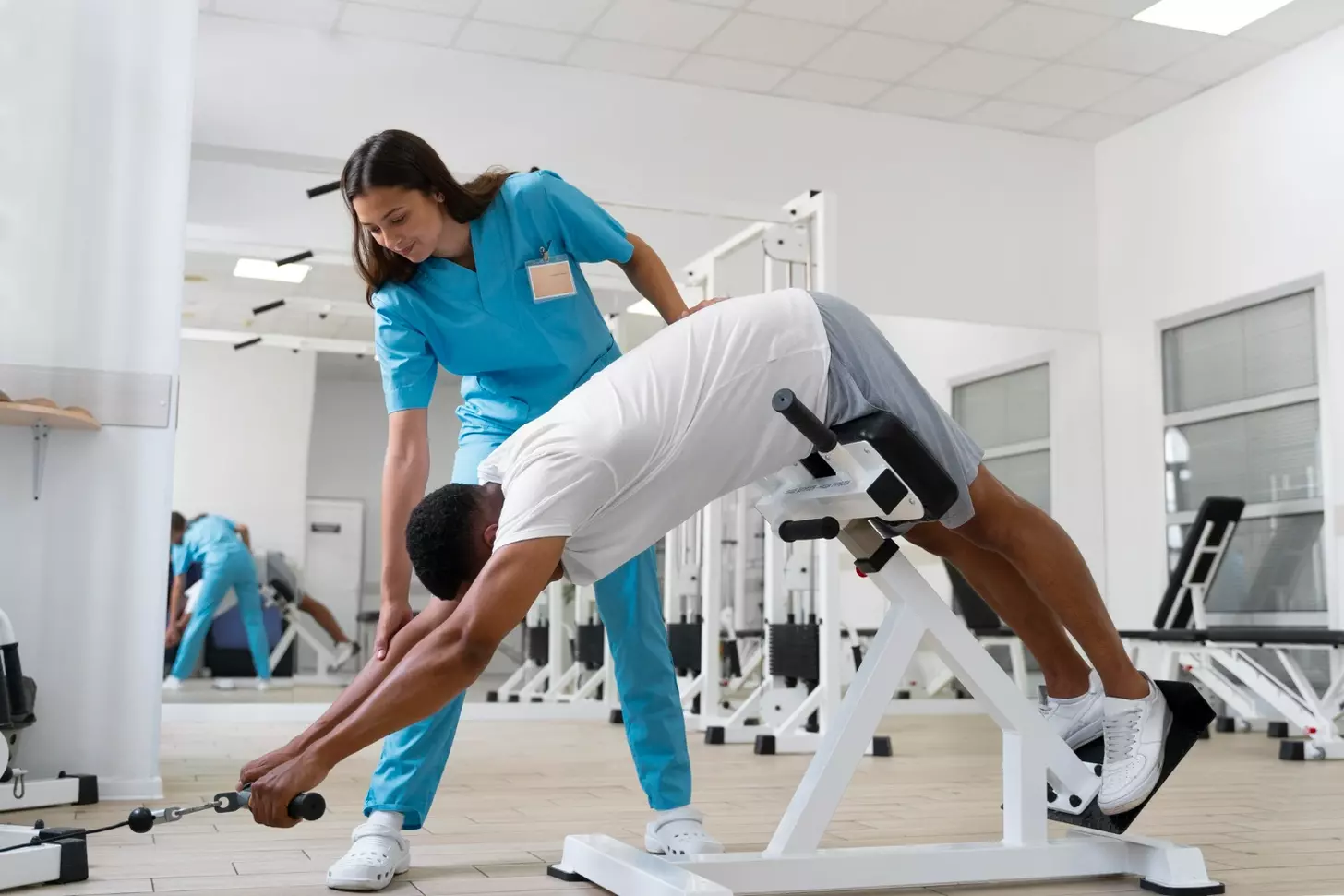
Recovering from an Anterior Cruciate Ligament (ACL) injury or surgery needs a clear plan. At Liv Hospital, we know how important a good ACL PT protocol is for full recovery.
Our rehab program is made just for each patient. It’s designed to help them safely get back to their activities. We focus on getting them back to normal, avoiding future injuries, and helping them succeed long-term.
For example, athletes like Christen Press show how important a detailed rehab plan is. After her ACL injury, she followed a thorough rehab program to fully recover.
Key Takeaways
- Structured and evidence-based rehabilitation is key for ACL recovery
- A well-designed ACL PT protocol ensures optimal recovery and prevents re-injury
- Personalized rehabilitation programs are tailored to each patient’s progress and goals
- Restoring function and promoting long-term success are key objectives
- A phased rehabilitation process ensures a safe and effective return to activity
Understanding ACL Injuries and Reconstruction
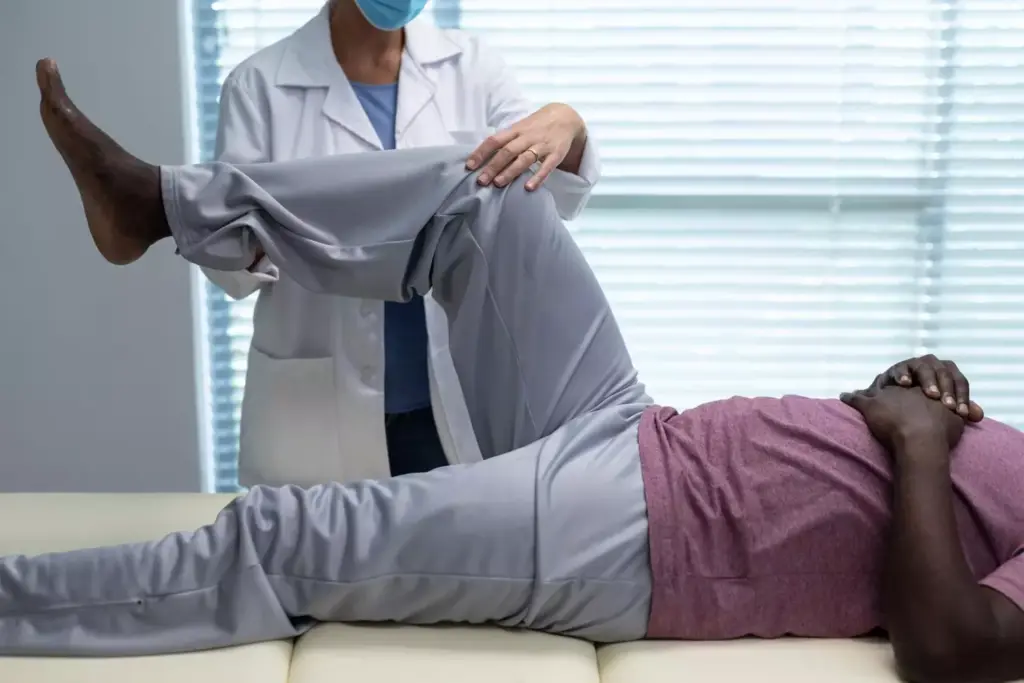
It’s key to understand ACL injuries well for a good recovery. ACL injuries are complex, affecting not just the ligament but also the knee’s function.
Anatomy of the ACL and Common Injury Mechanisms
The ACL is vital for knee stability. It often gets hurt in sports with sudden stops or changes in direction. This usually happens when the knee bends and twists, stressing the ACL too much.
Knowing the ACL’s anatomy and how injuries happen is vital. It helps us create ACL reconstruction physical therapy protocols that meet each patient’s needs.
Types of ACL Reconstruction Surgeries
There are many ways to fix an ACL, like using the patient’s own tissue or donor tissue. The choice depends on the patient’s age, how active they are, and their knee’s shape.
After surgery, following ACL guidelines, a good rehab plan is essential. It helps restore knee strength and stability. This way, patients can get back to sports or daily life.
Professional athletes like Trevon Diggs show how important rehab is. Their stories stress the need for detailed and tailored care for the best results.
The Importance of Evidence-Based Rehabilitation
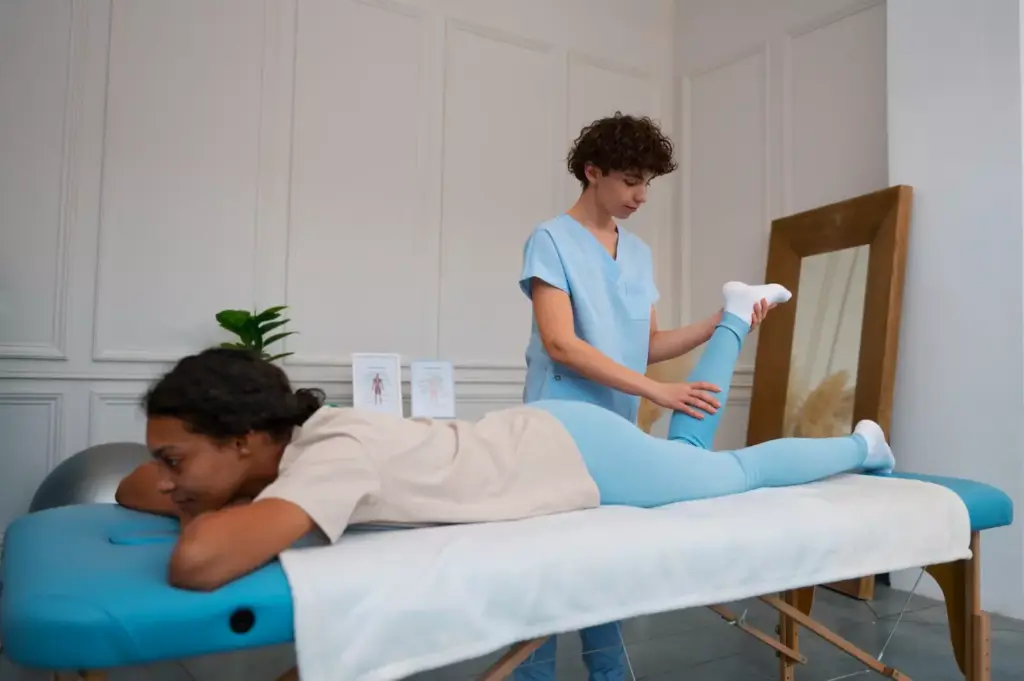
Evidence-based rehabilitation is now the norm for ACL reconstruction patients. We think a well-planned rehab program is key for the best results after ACL surgery.
Studies prove that evidence-based rehab leads to better results for ACL patients. Our team keeps up with new research and guidelines. This ensures our patients get the top care. Guidelines suggest starting physical therapy soon after surgery, focusing on pain, swelling, and knee extension.
Evolution of ACL Rehabilitation Approaches
ACL rehab has changed a lot over time, thanks to new research and practices. Old methods were based on stories or traditional ways. But, with more research, we now have better, evidence-based methods.
Now, we focus on personalized, functional rehab plans for each patient. This approach helps improve outcomes and safely gets patients back to sports.
Milestone-Based vs. Time-Based Progression
There’s a big debate in ACL rehab about milestone-based vs. time-based progression. Time-based plans follow a set schedule. Milestone-based plans advance based on reaching certain goals.
We support a milestone-based approach. It makes rehab more flexible and tailored to each patient. This way, patients move on to harder exercises only when they’re ready.
Using a milestone-driven, evidence-based rehab plan helps improve patient results and lowers the chance of problems or injuries after ACL surgery.
Pre-Surgery Preparation: Prehabilitation Phase
Getting ready for ACL surgery is more than just the surgery. A detailed prehabilitation plan is key for the best results. Prehab is a proactive step that gets the patient ready for surgery and rehab. It can lead to better outcomes and fewer complications after ACL surgery.
Reducing Swelling and Inflammation
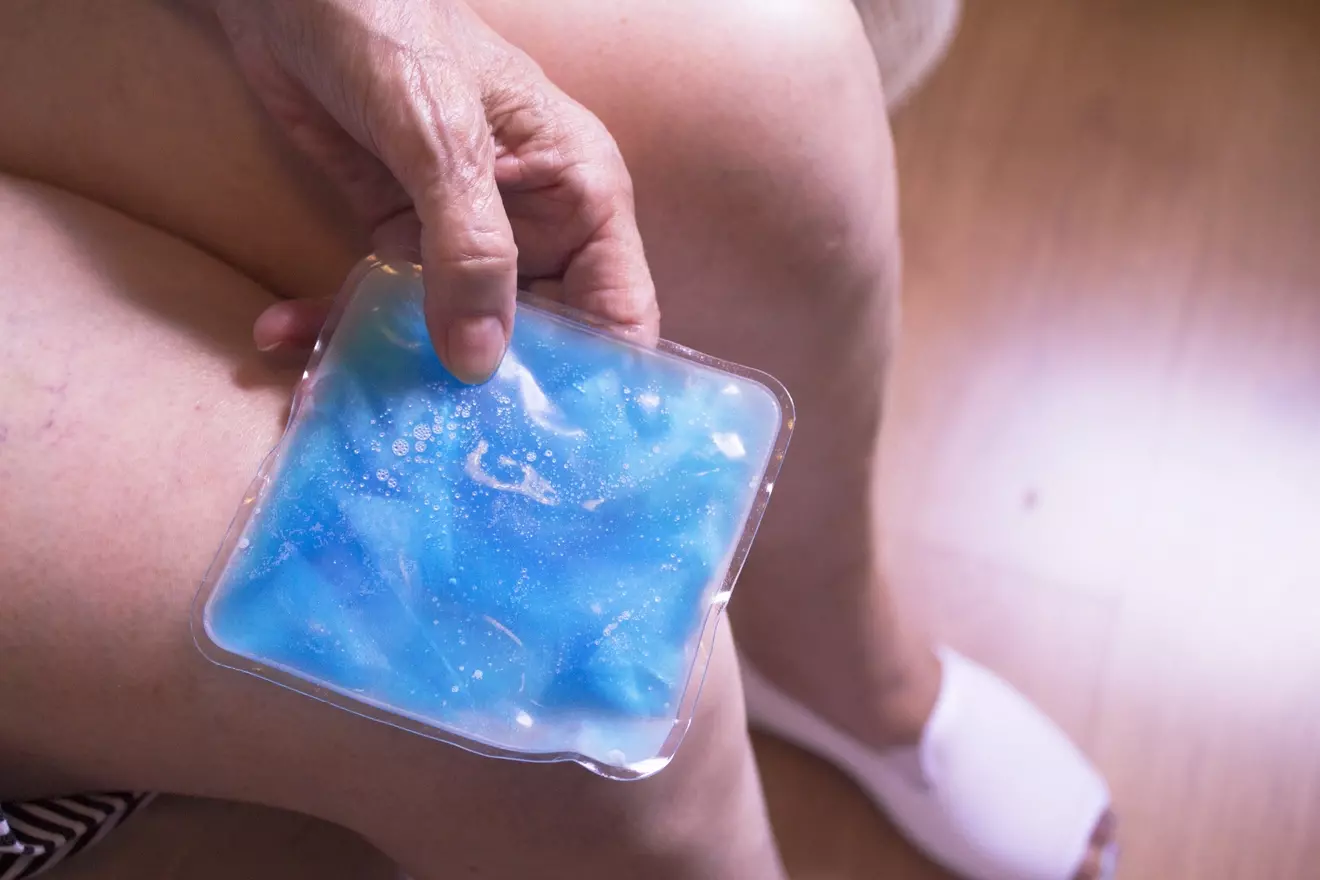
One main goal of prehab is to cut down swelling and inflammation in the knee. We use elevation, compression, and cryotherapy to do this. Lower swelling means better movement and less pain, making rehab easier.
Our prehab program includes:
- Elevating the leg above the heart to reduce swelling
- Using compression bandages or sleeves for support and to fight inflammation
- Cryotherapy to lessen pain and swelling
Maintaining Muscle Strength and ROM
Keeping muscle strength and range of motion (ROM) is also key in prehab. We create a acl rehab exercise program just for you. It strengthens knee muscles, boosts flexibility, and improves lower limb function.
| Exercise | Purpose | Frequency |
|---|---|---|
| Straight Leg Raises | Strengthen quadriceps without putting excessive strain on the ACL | 3 sets of 10 reps, daily |
| Knee Flexion Exercises | Improve knee flexion and strengthen hamstrings | 3 sets of 10 reps, daily |
| Wall Squats | Strengthen quadriceps, hamstrings, and glutes | 3 sets of 10 reps, every other day |
Mental Preparation for Surgery and Recovery
Mental prep is just as important as physical prep. We help patients develop coping strategies and educate them on the post operative acl protocol. This includes setting realistic goals, understanding rehab, and learning to manage stress and anxiety.
Our prehab program aims to give patients the tools for a successful ACL reconstruction and rehab journey.
Phase 1: Immediate Post-Operative Care (Days 1-7)
Right after surgery, the first seven days are key for ACL recovery. We focus on easing pain, reducing swelling, and starting gentle exercises. These steps help the knee heal and function better.
Pain Management Strategies
Managing pain well is very important right after surgery. We use a mix of methods like medicine, ice, compression, and elevation. Our team helps each patient create a pain plan that works for them, keeping them comfortable during recovery.
Some important strategies include:
- Using ice packs to reduce pain and inflammation
- Elevating the leg to minimize swelling
- Compression bandages or sleeves to provide support
- Prescribed pain medication to manage discomfort
For more detailed information on ACL rehabilitation protocols, patients can refer to comprehensive guides like the ACL Repair and Rehabilitation.
Edema Control Techniques
It’s important to control swelling to avoid problems and help healing. We use a mix of methods to manage swelling well.
Key techniques include:
- Regular application of ice to reduce inflammation
- Elevating the affected limb above heart level
- Using compression garments or bandages
- Performing gentle, controlled movements to promote circulation
Initial Range of Motion Exercises
We start with gentle exercises early to keep the knee moving and prevent stiffness. These exercises are chosen to not put too much stress on the ACL.
Examples of initial range of motion exercises include:
- Straight leg raises to maintain quadriceps strength
- Gentle knee bends within a comfortable range
- Ankle pumps to promote circulation
Starting these exercises early helps patients recover faster and get back to their normal activities sooner.
Phase 2: Early Rehabilitation (Weeks 1-4)
The early rehabilitation phase is key for a successful ACL recovery. It lasts from weeks 1 to 4. We focus on restoring knee function, improving range of motion, and strengthening muscles.
Restoring Full Knee Extension
Restoring full knee extension is a main goal. We use exercises to gently improve knee mobility. Early restoration of knee extension is critical to prevent long-term functional deficits. Patients are encouraged to do these exercises regularly, focusing on gradual progress.
“Full knee extension is essential for a normal gait pattern and overall knee function,” as emphasized by leading rehabilitation specialists. We use various techniques, including prone hang exercises and knee extension stretches.
Quadriceps Activation Exercises
Quadriceps activation is vital in early rehabilitation. We use specific exercises to strengthen the quadriceps muscles, which are key for knee stability. Effective quadriceps activation helps in reducing the risk of complications and improving overall knee function.
Recommended exercises include straight leg raises and quad sets. These are low-impact, ensuring patients can do them without stressing the knee.
Progressive Weight-Bearing Protocol
By week 2, patients start weight-bearing exercises and gait normalization. Our progressive weight-bearing protocol gradually increases knee load, improving strength and stability. This protocol is vital for preparing patients for more advanced rehabilitation phases.
“A well-structured progressive weight-bearing protocol is essential for optimal ACL rehabilitation outcomes,” according to recent studies on ACL rehabilitation.
We closely monitor patient progress, adjusting the protocol as needed. The acl rehabilitation protocol pdf is a helpful guide for patients and clinicians.
As patients move through Phase 2, we prepare them for the next stages, including the acl return to running protocol. This involves strengthening, mobility exercises, and functional training for a smooth return to normal activities.
Comprehensive ACL PT Protocol for Weeks 4-8
Weeks 4-8 are key for ACL recovery. Patients move from basic rehab to stronger exercises. This helps them get back to normal faster.
Gait Normalization Techniques
Gait normalization is vital for ACL rehab. We aim to fix bad walking habits to avoid more injuries. Techniques include:
- Visual gait analysis to spot issues
- Strengthening hip and ankle muscles for better walking
- Practicing normal walking on different surfaces
Advancing Strength Training
Strength training gets tougher to push the knee and muscles harder. We use exercises like:
- Squats and lunges for the legs
- Leg press for many muscles
- Resistance bands for extra challenge
Our physical therapists adjust the workout based on each patient’s progress and comfort.
Balance and Proprioception Exercises
Balance and proprioception exercises are key for full recovery and injury prevention. Examples include:
| Exercise | Description | Benefit |
|---|---|---|
| Single-leg squats | Squatting on one leg | Improves balance and strength |
| Balance boards | Standing on a balance board | Enhances proprioception |
| Single-leg deadlifts | Deadlifting on one leg | Challenges balance and strength |
A study shows that a good rehab program includes balance and proprioception exercises. This leads to better results rehabilitation protocol for ACL.
“The key to successful ACL rehabilitation is a well-structured and progressive program that addresses the patient’s specific needs and goals.”
Phase 4: Advanced Strengthening (Weeks 8-12)
Patients in weeks 8-12 of ACL rehab focus on advanced strengthening. This phase aims to boost knee strength, stability, and function. It’s all about getting ready for sports or daily activities again.
Progressive Resistance Training
Progressive resistance training is key in this phase. We create a plan that gets harder to build muscle strength. This might include:
- Weightlifting exercises targeting the quadriceps, hamstrings, and glutes
- Resistance band training for added resistance in various planes of motion
- Machine-based exercises for controlled strengthening
Our physical therapists adjust the resistance levels as needed. They ensure the strengthening process is safe and effective.
Functional Movement Patterns
Functional movement patterns help restore natural knee movement. We use exercises that mimic daily and athletic activities, such as:
| Exercise Type | Description | Benefit |
|---|---|---|
| Squats | Deep squats to strengthen quadriceps and glutes | Improves knee stability |
| Lunges | Forward and lateral lunges to enhance balance and strength | Enhances functional movement |
| Step-Ups | Step-up exercises to improve strength and coordination | Prepares for athletic movements |
Cardiovascular Conditioning
Cardiovascular conditioning is important for fitness and endurance. We suggest low-impact cardio like cycling, swimming, or elliptical. These keep the heart healthy without harming the knee.
By weeks 8-12, patients have come a long way in ACL rehab. Our program, including strength training, functional exercises, and cardio, prepares them for the next steps. They’re ready to return to sports or daily activities.
Phase 5: Return to Running Protocol (Months 3-4)
Patients usually reach a key point in their ACL rehab by months 3-4. This is when they start to return to running. It’s a critical phase that needs a detailed plan to ensure a safe and effective comeback.
Running Progression Guidelines
We take a slow and structured approach to getting back to running. We start with short runs on a treadmill or flat ground. Then, we gradually increase the time and intensity. Progressive overload is used carefully to prevent injuries.
The guidelines for running progression include:
- Start with short runs (20-30 seconds) followed by walking or jogging
- Slowly increase the running time and frequency
- Add different terrains and inclines
Monitoring Technique and Symptoms
We watch patients closely during the return to running phase. We check their running technique and any symptoms like pain or swelling. Proper running form is key to avoid injuries and make the transition smooth.
Monitoring includes:
- Regular checks on running technique
- Tracking symptoms
- Adjusting the running plan as needed
Integrating Agility Training
Once patients get comfortable running, we add agility training. This helps them move quickly and respond to different situations. We use drills like cone drills, ladder drills, and shuttle runs.
Agility training is important for:
- Boosting reaction time and speed
- Improving athletic performance
- Lowering the risk of future injuries
By sticking to a structured return to running plan and adding agility training, our patients can successfully get back to running.
Phase 6: Sport-Specific Training (Months 4-6)
Getting to the sport-specific training phase is a big step, usually between four to six months after ACL surgery. At this point, we create a training plan that meets the needs of the patient’s sport or activity.
Plyometric Exercise Progression
Plyometric training boosts power and explosiveness. We make plyometric exercises more challenging by:
- Increasing the height of jumps
- Enhancing the distance of hops
- Improving reaction time through varied stimuli
Plyometric exercises are customized for the individual’s sport. This ensures they’re ready for the specific movements and demands they’ll face when they return.
Sport-Specific Movement Patterns
We study the biomechanics of the patient’s sport to train key movement patterns. This includes:
- Agility drills that mimic the quick changes of direction required in their sport
- Speed training to enhance acceleration and deceleration
- Endurance exercises tailored to the sport’s specific energy system demands
By focusing on sport-specific movement patterns, we help patients regain the functional abilities needed for their sport.
Psychological Readiness Assessment
Psychological readiness is just as important as physical readiness. We look at factors such as:
- Confidence in the knee’s ability to perform under stress
- Fear of re-injury
- Motivation to return to sport
Our team works closely with patients to overcome any psychological barriers. This ensures they’re mentally ready to return to their sport.
With this detailed approach to sport-specific training, we help patients achieve the best outcomes. They can safely return to their sports or activities.
Return-to-Sport Testing and Criteria (Months 6-9)
Getting back to sports after ACL surgery needs careful checks. We test strength and how well the body works. This is key in our ACL rehabilitation protocol, happening between months 6 and 9.
Strength and Symmetry Assessments
Testing strength and balance in the legs is vital. We use special tools to compare the operated leg with the other. A goal is to get the operated leg as strong as the other, aiming for a Limb Symmetry Index (LSI) of 90% or more.
A study in the ACL Reconstruction Guideline shows how important strength tests are. They help decide when it’s safe to play sports again.
Functional Performance Tests
Functional tests are also key. They include hopping tests and agility drills. These tests check strength and how well the body moves.
Agility drills and cutting tests are used too. They help see if athletes can quickly change direction and stay in control. This is important for sports that need fast moves.
Decision-Making Framework for Clearance
After the tests, we decide if it’s okay to play sports again. We look at strength, how well the body works, and if the athlete is mentally ready.
If the athlete meets the criteria, we say it’s safe to play sports. This careful plan helps athletes get back to their sports safely and well, lowering the chance of getting hurt again.
By sticking to this ACL rehab exercises plan and testing rules, we help our patients get back to sports safely. This ensures the best results and a successful return to sports.
Long-Term Considerations and Injury Prevention
Keeping your knee healthy after ACL surgery takes ongoing effort. Our team helps you create a plan for long-term care and injury prevention.
Maintenance Exercise Program
A good maintenance exercise program is key to keeping your knee strong. It includes strength training, flexibility exercises, and cardio. This keeps your knee and muscles healthy, lowering the chance of injury.
It’s important to keep up with this program forever. Adjust it as needed to fit your lifestyle and any new symptoms. Regular exercise keeps your knee healthy and boosts your overall fitness.
Monitoring for Compensation Patterns
Watching for compensation patterns is critical for injury prevention. These patterns can come from muscle imbalances or poor movement. Our team teaches you to spot these, like uneven walking or muscle overuse.
Spotting and fixing these patterns early stops chronic problems. Regular check-ups with your healthcare team help keep your rehabilitation on track.
Risk Reduction Strategies
Using risk reduction strategies is key to avoiding future injuries. This includes exercises for balance, agility, and muscle control. Also, learning proper techniques for sports and activities helps prevent ACL injuries.
Wearing the right protective gear is also important. With a good exercise routine and regular check-ups, you can lower your injury risk and keep your knee healthy for years.
By focusing on long-term care and injury prevention, ACL surgery patients can recover well. Our team supports you beyond the initial recovery, helping you maintain knee health and overall well-being.
Conclusion
ACL rehabilitation is a complex process. It needs a structured and evidence-based approach for the best recovery after surgery. Studies show that a well-structured rehab program leads to better outcomes for ACL reconstruction patients.
We believe a successful rehab program is based on patience, dedication, and personalized care. Our team is dedicated to guiding patients through the rehab process. We ensure they achieve the best recovery and return to their desired function.
By following a milestone-based progression and incorporating functional movement patterns, patients can regain strength. They can also improve knee function and reduce the risk of future injuries. A well-structured rehab program is key to a successful outcome and helps patients return to their normal activities.
FAQ
FAQ
What is the typical ACL reconstruction physical therapy protocol?
Our ACL reconstruction physical therapy protocol is a structured plan. It guides patients from early mobility to sport-specific training. It’s based on evidence and helps patients recover fully.
What are the key components of an effective ACL rehabilitation program?
An effective ACL rehabilitation program focuses on several key areas. It includes restoring full knee extension and quadriceps activation. It also involves progressive weight-bearing exercises and gait normalization.
What is the typical ACL reconstruction physical therapy protocol?
Our ACL reconstruction physical therapy protocol is a structured plan. It guides patients from early mobility to sport-specific training. It’s based on evidence and helps patients recover fully.
What are the key components of an effective ACL rehabilitation program?
An effective ACL rehabilitation program focuses on several key areas. It includes restoring full knee extension and quadriceps activation. It also involves progressive weight-bearing exercises and gait normalization.
References
- Mammoth Orthopedic Institute. Anterior Cruciate Ligament Reconstruction Rehabilitation Protocol – Dr. Crall. https://www.mammothortho.com/pdf/acl-repair-crall.pdf
- Montefiore Einstein Orthopedic Surgery. ACL Reconstruction Accelerated Rehabilitation. https://monteortho.org/anterior-cruciate-ligament-reconstruction-accelerated-rehabilitation-protocol/