Last Updated on November 14, 2025 by
Leukemia is a serious disease that affects thousands of Americans each year. At Liv Hospital, we offer top-notch healthcare. We also support international patients with all they need.
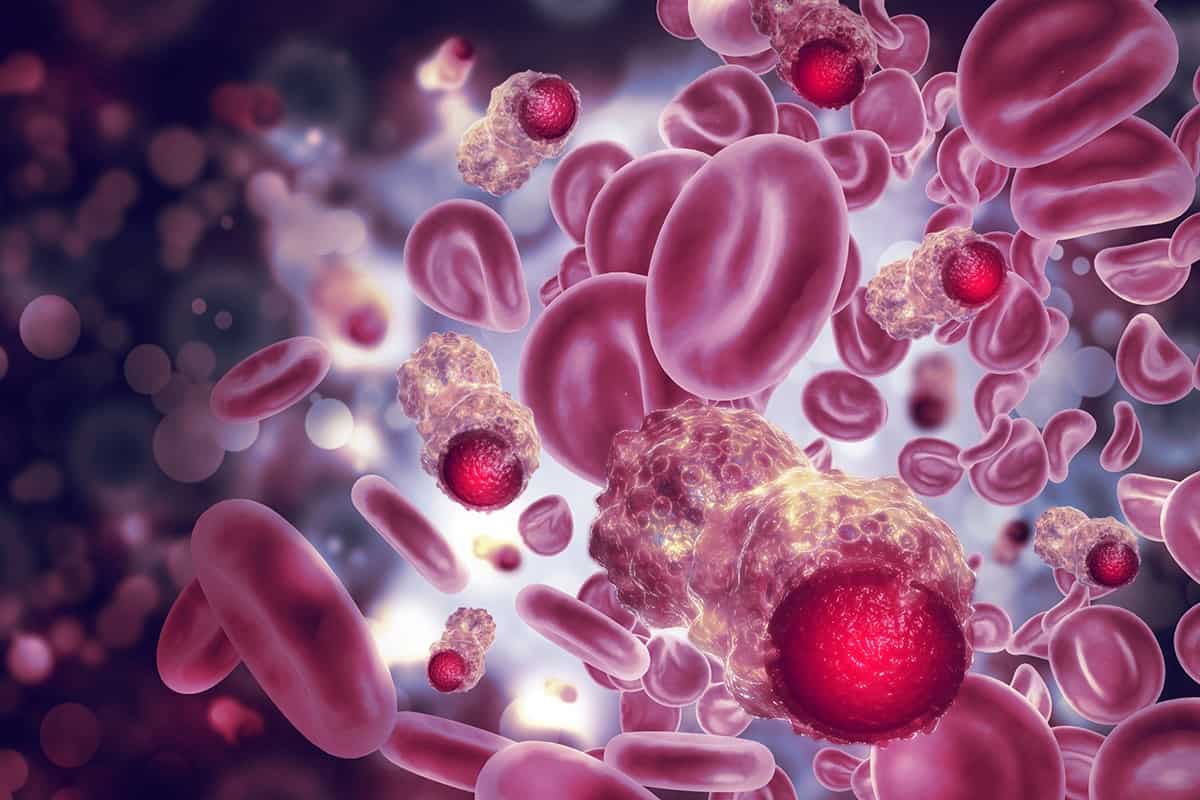
Knowing the risk factors and types of leukemia is key to catching it early and treating it well. Leukemia is a cancer of the blood and bone marrow. It has different types, like acute lymphocytic leukemia (ALL) and chronic lymphocytic leukemia (CLL). By 2025, about 66,890 new cases are expected in the U.S.
We dive into the causes of blood cancer, its signs, and how Liv Hospital fights this disease.
Key Takeaways
- Leukemia is a cancer of the blood and bone marrow.
- Several subtypes of leukemia exist, including ALL and CLL.
- Understanding risk factors is key to early detection.
- Liv Hospital provides top care for international patients.
- Projected new cases of leukemia in the U.S. are significant.
Understanding Blood Cancer: The Nature of Leukemia
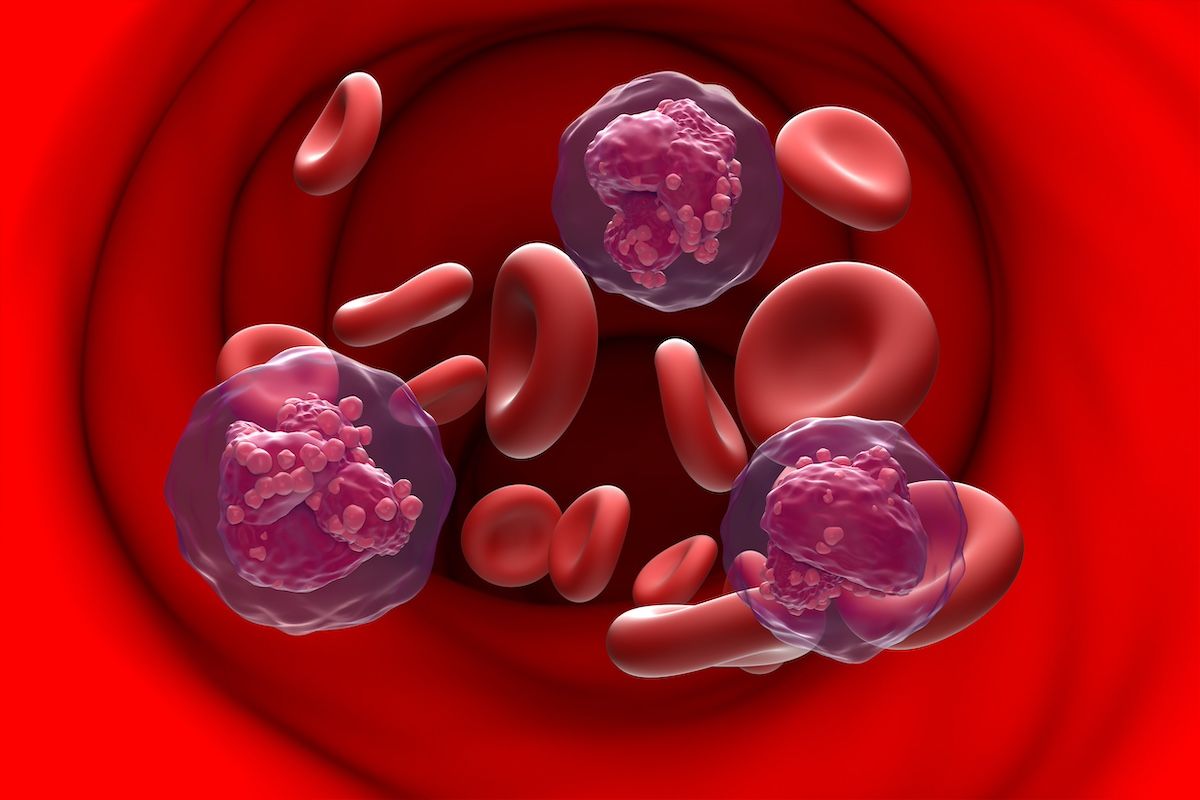
It’s key to understand leukemia to treat it well. Leukemia is a cancer that affects the blood-making tissues. This includes the bone marrow, where white blood cells are made. These cells help fight infections, and their abnormal growth is a sign of leukemia.
How Leukemia Develops in Blood-Forming Tissues
Leukemia mainly affects white blood cells, which fight infections. In leukemia, the bone marrow makes too many bad white blood cells. This can cause leukemia symptoms like tiredness, weight loss, and infections.
“The abnormal white blood cells crowd out the normal cells in the bone marrow, making it difficult for the body to fight infections.” This shows how leukemia harms the bone marrow’s ability to make healthy blood cells.
Current Statistics and Prevalence in the United States
Leukemia is a big health issue in the U.S. By 2025, about 66,890 new cases are expected. This is 3.3% of all cancers. Also, over 23,500 deaths from leukemia are forecasted. These numbers highlight the need for more research into leukemia.
- Leukemia accounts for 3.3% of all new cancer cases in the U.S.
- The projected number of new leukemia cases in 2025 is approximately 66,890.
- Over 23,500 deaths are expected due to leukemia in 2025.
At our institution, we focus on caring for leukemia patients. Our team works hard to understand and treat this complex disease. We aim to boost the leukemia survival rate with new therapies and support.
Major Types of Leukemia and Their Characteristics
Knowing the different types of leukemia is key for good care. Leukemia is split into types based on the cell type and how fast it grows. The main types are Acute Lymphocytic Leukemia (ALL), Acute Myeloid Leukemia (AML), Chronic Lymphocytic Leukemia (CLL), and Chronic Myeloid Leukemia (CML).

Acute Lymphocytic Leukemia (ALL): Most Common in Children
Acute Lymphocytic Leukemia (ALL) is the most common leukemia in kids. It’s when immature lymphocytes grow fast. ALL hits kids under 20 hard, but adults can get it too. Signs include tiredness, pale skin, and infections that won’t go away.
Acute Myeloid Leukemia (AML): Prevalent in Older Adults
Acute Myeloid Leukemia (AML) mostly affects older folks, mostly over 45. It’s when bad myeloid cells grow fast in the bone marrow. AML risks include being older, having had chemo, and being around chemicals like benzene.
Chronic Lymphocytic Leukemia (CLL): Age-Related Patterns
Chronic Lymphocytic Leukemia (CLL) mainly hits older adults, usually over 60. It’s when mature lymphocytes build up in the blood and bone marrow. CLL symptoms show up late, often found in routine blood tests.
Each leukemia type has its own traits and age links. Knowing these helps tailor care and treatment. At Liv Hospital, we aim to offer top-notch support and treatment for all leukemia types.
Genetic Factors That Trigger Leukemia Development
Leukemia’s genetic roots are complex, with both inherited and new mutations playing a part. It happens when blood cells undergo genetic changes or DNA mutations. These changes tell cells what to do.
Studies have found that genetic mutations are big risk factors for leukemia. We’ll look at the genetic causes of leukemia, including inherited and new mutations. Knowing these factors helps us find at-risk people and create better treatments.
Inherited Genetic Predispositions
Some people are born with a higher risk of leukemia due to genetic predispositions. These inherited mutations can make cells grow and divide differently, leading to cancer.
Examples of inherited conditions that may increase leukemia risk include:
- Down syndrome
- Li-Fraumeni syndrome
- Ataxia-telangiectasia
- Fanconi anemia
People with a family history of leukemia or cancer might be at higher risk. We suggest genetic counseling for families with such a history to understand their risk better.
Acquired Genetic Mutations and Their Mechanisms
Acquired genetic mutations happen over a person’s lifetime. They can be caused by chemicals, radiation, or DNA replication errors.
These mutations can lead to leukemia by:
- Disrupting normal cell growth and division
- Interfering with the cell’s ability to repair DNA damage
- Causing cells to become resistant to normal mechanisms that would eliminate damaged cells
Understanding how these mutations work is key to making better treatments. Our team at Liv Hospital is committed to leading in genetic research for leukemia treatment.
As we learn more about leukemia’s genetic triggers, we get closer to better prevention and treatment. By finding at-risk individuals and understanding leukemia’s genetic roots, we can tailor treatments to meet each patient’s needs.
“The genetic underpinnings of leukemia are complex, involving both inherited and acquired mutations. Understanding these factors is essential for identifying individuals at risk and developing targeted therapies.”
Environmental and Chemical Exposure Risks
It’s key to know what causes leukemia to prevent it and catch it early. At Liv Hospital, we focus on finding risk factors. This helps us give our patients the best care.
Benzene and Industrial Chemical Exposure
Benzene, a chemical in industrial places, raises leukemia risk. The Leukemia and Lymphoma Society found that high benzene exposure increases certain leukemia types.
Key risks from benzene include:
- Working in industries that use or produce benzene
- Being near gasoline and other petroleum products
- Being close to places that release benzene into the air
Radiation Exposure Effects on Blood Cells
Radiation, from accidents or treatments, harms blood cells and raises leukemia risk. We follow Overlook Medical Center’s guidelines to handle these risks.
Some radiation sources are:
- Industrial accidents with radioactive materials
- Radiation therapy for other cancers
- Being exposed to cosmic radiation in the air or space
Previous Cancer Treatments as Leukemia Triggers
Old cancer treatments, like chemotherapy and radiation, can lead to leukemia. Spotting leukemia signs early is vital for treatment.
Patients who have had cancer treatment need close monitoring for leukemia signs. This ensures early detection and treatment.
Knowing about these risks helps prevent and detect leukemia. Our team at Liv Hospital is dedicated to caring for leukemia patients.
Lifestyle and Demographic Risk Factors for Leukemia
Learning about lifestyle and demographic risk factors for leukemia helps us prevent it. We know some factors can make someone more likely to get leukemia.
Age as a Primary Risk Factor
Age is a big risk factor for leukemia. The risk goes up as we get older, hitting the elderly hard. As we age, our blood cells are more likely to get genetic mutations, leading to leukemia.
Older adults face a higher risk, with some types of leukemia, like CLL, being more common. Knowing this helps us focus our prevention and diagnosis efforts.
Smoking and Tobacco Use Connections
Smoking and using tobacco products raise the risk of getting certain leukemias, like AML. The harmful chemicals in tobacco smoke can cause genetic changes in blood cells, leading to leukemia.
Research shows smokers are more likely to get AML than non-smokers. This makes quitting smoking key to lowering leukemia risk.
Obesity and Its Impact on Leukemia Risk
Being overweight or obese might increase leukemia risk. Studies suggest obesity could lead to higher leukemia risk due to chronic inflammation and hormonal changes.
Keeping a healthy weight through diet and exercise is vital. It helps lower leukemia risk and improves overall health.
Key lifestyle and demographic risk factors for leukemia include:
- Age: The risk increases with age, especially in the elderly.
- Smoking: Tobacco use is linked to a higher risk of certain leukemia types.
- Obesity: Being overweight or obese may increase leukemia risk.
Understanding these risk factors helps us detect and prevent leukemia early. At Liv Hospital, we’re dedicated to providing top-notch care and support for leukemia patients. We tailor our approach to meet each patient’s unique needs.
Conclusion: Advances in Leukemia Prevention and Treatment
Leukemia treatment has seen big improvements, thanks to targeted and immunotherapies. This has greatly raised the chances of survival for patients. At Liv Hospital, we aim to give top-notch healthcare to all our patients, including those from abroad. Our team is always learning about the latest in leukemia research and treatment.
Leukemia is a serious blood cancer that affects many people worldwide. But thanks to ongoing research and new treatments, we’re getting better at fighting it. For more details on leukemia and how it’s treated, check out the National Center for Biotechnology Information.
Our goal at Liv Hospital is to always improve and offer the best care. We focus on ethics, teamwork, and using the newest treatments. Our team is ready to give our patients the best care possible, using the latest in leukemia treatment.
FAQ
What are the common symptoms of leukemia?
Symptoms of leukemia include feeling very tired and losing weight. You might also get sick a lot or bruise easily. Some people notice swollen lymph nodes, pale skin, or trouble breathing.
What are the major types of leukemia?
There are three main types of leukemia: Acute Lymphocytic Leukemia (ALL), Acute Myeloid Leukemia (AML), and Chronic Lymphocytic Leukemia (CLL). Each type affects different people and has its own traits.
What are the risk factors for developing leukemia?
Risk factors include genetic issues, exposure to chemicals like benzene, and radiation. Previous cancer treatments, age, smoking, and being overweight also increase your risk.
How is leukemia diagnosed?
Doctors use physical exams, blood tests, bone marrow biopsies, and imaging to diagnose leukemia. Knowing the signs is key to making an accurate diagnosis.
What is the survival rate for leukemia?
Survival rates for leukemia depend on the type and how advanced it is. Thanks to new treatments, more people are living longer. Our team at Liv Hospital is dedicated to giving you the best care.
Can leukemia be prevented?
Some risks can’t be changed, but avoiding harmful chemicals and living healthily can help. Not smoking is also important.
What are the treatment options for leukemia?
Treatments include chemotherapy, targeted therapy, radiation, and bone marrow transplants. Our team at Liv Hospital offers personalized care and keeps up with new treatments.
Is leukemia contagious?
No, leukemia is not contagious. It’s a blood and bone marrow cancer that can’t be spread by touching someone with it.
How does genetic research impact leukemia treatment?
Genetic research helps find the causes and leads to new treatments. Our team at Liv Hospital stays updated on this research to improve care
References
- National Cancer Institute. (2023). Adult Acute Lymphocytic Leukemia Treatment (PDQ ®)”Patient Version. Retrieved from https://www.cancer.gov/types/leukemia/patient/adult-all-treatment-pdq
- U.S. National Library of Medicine. (2022). Environmental Exposure to Benzene and Risk of Leukemia. Journal of the National Cancer Institute, 114(8), 1250-1258. https://www.ncbi.nlm.nih.gov/pmc/articles/PMC9358172/