Last Updated on November 27, 2025 by Bilal Hasdemir

When cancer spreads to the bones, it can really change a patient’s life. At Liv Hospital, we get how tough metastatic bone cancer is. We know bone metastases often happen in cancers like breast, prostate, and lung.
Up to 53% of breast cancer patients and 52% of prostate cancer patients get bone metastases. We aim to help patients understand symptoms and treatment options for metastatic bone cancer. This way, they get the care they need.
Key Takeaways
- Understanding the prevalence of bone metastases in various cancers.
- Recognizing the impact of metastatic bone cancer on patients’ quality of life.
- Exploring the different ways to treat bone metastases.
- The importance of catching cancer early and acting fast.
- How new ways to manage symptoms can help patients do better.
1. What Is Cancer Metastasis to Bone and How Does It Occur?
Bone metastases happen when cancer cells move from another part of the body to the bones. This creates secondary bone cancer. The process is complex, involving several steps. First, cancer cells detach from the main tumor. Then, they enter the bloodstream and settle in the bones.
The Biological Process of Cancer Spread to Bones
The spread of cancer to bones is complex. It starts with cancer cells breaking away from the main tumor. These cells then enter nearby blood vessels and travel through the bloodstream or lymphatic system to the bones.
Once in the bone, they can disrupt normal bone remodeling. This leads to various complications.
The bone microenvironment is key in this process. Cancer cells can interact with bone cells, such as osteoblasts and osteoclasts. This creates a cycle that promotes tumor growth and bone destruction.
Primary vs. Secondary Bone Cancer: Important Distinctions
It’s vital to know the difference between primary and secondary bone cancer. Primary bone cancer starts in the bone itself. Secondary bone cancer, or metastatic bone disease, happens when cancer from another part of the body spreads to the bone. Secondary bone cancer is more common and is a significant complication of advanced cancer.
- Primary bone cancer is rare and can arise from various bone tissues.
- Secondary bone cancer is a result of metastasis from a primary cancer site, such as the breast, prostate, or lung.
Osteoblastic vs. Osteolytic Metastases
Bone metastases can be classified into two main types based on their effects on bone tissue: osteoblastic and osteolytic metastases.
Osteoblastic metastases are characterized by increased bone density due to the deposition of new bone tissue. This type is often seen in prostate cancer metastases.
Osteolytic metastases, on the other hand, result in bone destruction, leading to lytic lesions. This type is commonly associated with breast cancer and multiple myeloma.
Understanding the type of bone metastasis is key for choosing the right treatment and managing symptoms effectively.
2. Prevalence and Statistics: Common Cancers That Metastasize to Bone

Different cancers have different rates of spreading to bones. This section looks at how often bone metastases happen in common cancers. We focus on breast, prostate, and lung cancer.
Breast Cancer: 53% Develop Bone Metastases
Breast cancer often spreads to bones. Research shows that 53% of breast cancer patients get bone metastases. This highlights the need to watch for bone metastases in these patients.
Bone metastases can really affect a patient’s life and treatment plan. It’s key to check for them often and catch them early.
Prostate Cancer: 52% Develop Bone Metastases
Prostate cancer also often spreads to bones. About 52% of prostate cancer patients get bone metastases. The bone environment is important for how prostate cancer grows in bones.
It’s vital to understand how prostate cancer cells interact with bone tissue. This knowledge helps in finding better treatments.
Lung Cancer and Other Primary Sites
Lung cancer also spreads to bones often. While not as common as in breast or prostate cancer, lung cancer’s high rate means bone metastases are not rare. Cancers like kidney and thyroid can also spread to bones, but less often.
Can Stage 1 Breast Cancer Spread to Bones?
The chance of bone metastases in stage 1 breast cancer is low. But it can happen. It’s important to keep up with follow-ups and assessments, even in early-stage breast cancer.
Early detection and treatment of breast cancer can lower the risk of metastasis. This includes spreading to bones. New diagnostic and treatment methods are helping improve outcomes for breast cancer patients.
3. Identifying Bone Metastases Symptoms and Warning Signs
It’s important to know the signs of bone metastases early. This can greatly improve a patient’s life. The symptoms need quick medical care.
Characteristic Bone Pain Patterns
Bone pain is a common symptom of bone metastases. The pain can be constant and get worse. It feels like a dull ache or sharp stabbing.
The pain’s feel can change based on where the metastasis is. For example, spinal metastases can cause pain in the arms or legs. Pelvic metastases can make walking or standing hard.
What Does Bone Cancer Feel Like?
People with bone cancer often feel a constant ache or discomfort. The pain can be mild or very strong. Knowing this pain is key to treating bone metastases well.
Other symptoms like swelling or tenderness can also happen. It’s important to tell your doctor if your symptoms change.
Pathological Fractures: Causes and Risks
Pathological fractures happen when cancer weakens a bone, causing it to break. These fractures can occur without a big injury because the bone is weakened by the tumor.
- Risk Factors: Bones with a lot of metastasis are more likely to fracture.
- Symptoms: Sudden, severe pain and loss of function in the affected limb or area.
- Management: Treatment may involve surgery, radiation, or other methods to prevent more fractures and manage pain.
Neurological Symptoms from Spinal Involvement
When bone metastases affect the spine, they can cause neurological symptoms. These include numbness, weakness, or paralysis in the limbs, and problems with bowel or bladder function.
Spinal cord compression is a serious emergency. It needs quick treatment to prevent lasting damage and to ease symptoms.
4. Common Sites Affected by Bone Metastases
Cancer spreading to bones often hits certain areas hard. This can lead to many problems. We’ll look at the most common bone sites affected by metastases. Knowing this helps us understand the disease better and manage symptoms well.
Spine: The Most Frequently Affected Site
The spine is the top spot for bone metastases. It greatly affects a patient’s life quality. Spinal metastases cause pain, nerve problems, and fractures. We’ll talk about what this means and the treatments available.
Pelvis and Hip Involvement
The pelvis and hip are also common targets. Metastases here can cause a lot of pain and make moving hard. We’ll look at how to deal with these issues and find ways to lessen their effects.
Long Bones and Ribs
Long bones like the femur and humerus, and the ribs, can also get metastases. These can cause fractures and other problems. We’ll explore how to manage these metastases and their complications.
Skull Metastases
Skull metastases are less common but serious. They can cause nerve issues and affect how we look. We’ll discuss how to spot and treat skull metastases early.
In summary, knowing where bone metastases often occur is key to caring for patients. By understanding the impact of metastases in different parts of the skeleton, we can tailor treatments. This helps address the unique challenges each area presents.
5. Diagnosing Cancer Metastasis to Bone
To find out if cancer has spread to the bones, we use many tools and methods. It’s important to know how far the disease has spread. This helps us decide the best treatment.
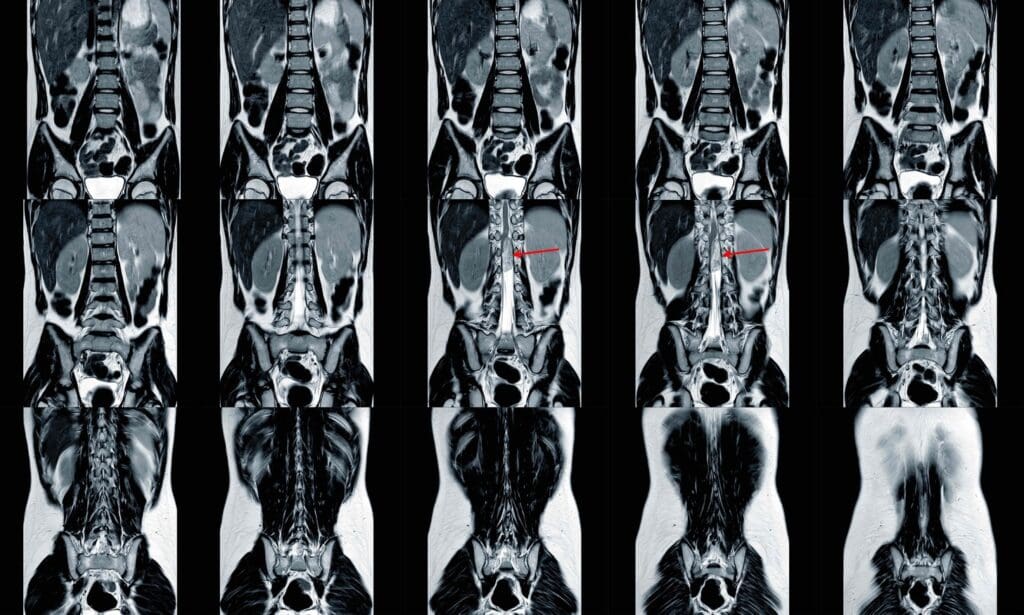
Imaging Technologies: X-rays, CT, MRI, and Bone Scans
Imaging is key in spotting bone metastases. We use different tools to see how much of the bone is affected.
- X-rays: Good for finding big bone problems and breaks.
- CT (Computed Tomography) scans: Show detailed bone pictures and find small issues.
- MRI (Magnetic Resonance Imaging): Very good at finding bone marrow and soft tissue problems.
- Bone scans: Use a tiny bit of radioactive stuff to show active bone areas, which might have metastases.
Blood Tests and Biomarkers
Blood tests and biomarkers help us confirm bone metastases and track how the disease is growing. We check different blood markers to see how the bones are doing and if there are any problems.
- Bone-specific alkaline phosphatase (BALP): High levels mean bone is making new tissue.
- C-terminal telopeptide (CTX): High levels suggest bone is breaking down.
- Cancer-specific markers: Like PSA for prostate cancer, help find where the cancer started.
Biopsy Procedures and Their Importance
Biopsies are very important to confirm cancer cells in bone tissue. We take tissue samples for detailed examination.
The results from biopsies are very helpful for:
- Confirming bone metastasis.
- Finding the original cancer type.
- Choosing the right treatment based on the tumor.
By using imaging, blood tests, and biopsies together, we can accurately diagnose and treat bone metastases. This helps improve patient care.
6. Treatment Approaches for Bone Metastases
Managing bone metastases needs a detailed treatment plan. It must tackle the cancer and its symptoms. We’ll look at systemic treatments, bone-modifying agents, radiation therapy, and surgery.
Systemic Treatments: Chemotherapy, Hormonal Therapy, and Targeted Agents
Systemic treatments aim at the whole body. For bone metastases, this includes chemotherapy, hormonal therapy, and targeted therapy. These methods help control cancer and ease symptoms.
- Chemotherapy: Using drugs to kill cancer cells.
- Hormonal Therapy: Reducing hormone levels to slow cancer growth.
- Targeted Therapy: Targeting specific cancer cell characteristics.
Bone-Modifying Agents: Bisphosphonates and Denosumab
Bone-modifying agents are key in managing bone metastases. They include bisphosphonates and denosumab. These agents prevent skeletal complications.
- Bisphosphonates: Drugs that strengthen bones and reduce fracture risk.
- Denosumab: A monoclonal antibody that targets the protein RANKL, reducing bone breakdown.
Radiation Therapy Options
Radiation therapy helps with pain and prevents fractures in bones with metastases. It includes external beam radiation therapy (EBRT) and stereotactic body radiation therapy (SBRT). It can greatly improve life quality.
- External Beam Radiation Therapy (EBRT): Delivering radiation from outside the body.
- Stereotactic Body Radiation Therapy (SBRT): Precise delivery of high-dose radiation.
Surgical Interventions for Bone Metastases
Surgery might be needed to stabilize bones, ease pain, or fix fractures. Options include internal fixation, joint replacement, and bone cement. Surgery can boost mobility and cut down pain.
- Internal Fixation: Stabilizing bones with rods or screws.
- Joint Replacement: Replacing damaged joints.
- Bone Cement: Strengthening bones with a special cement.
| Treatment Approach | Description | Benefits |
|---|---|---|
| Systemic Treatments | Chemotherapy, Hormonal Therapy, Targeted Therapy | Control cancer spread, alleviate symptoms |
| Bone-Modifying Agents | Bisphosphonates, Denosumab | Prevent skeletal complications, strengthen bones |
| Radiation Therapy | EBRT, SBRT | Relieve pain, prevent fractures |
| Surgical Interventions | Internal fixation, Joint replacement, Bone cement | Improve mobility, reduce pain |
7. Managing Complications of Bone Stage 4 Cancer
Managing bone stage 4 cancer complications is key to keeping patients’ quality of life high. When cancer spreads to the bones, it can cause serious issues that need quick medical help.
Hypercalcemia: Causes and Management
Hypercalcemia, or high blood calcium, is a common problem with bone metastases. It happens when cancer cells make the bones release calcium into the blood. Symptoms include confusion, constipation, and too much thirst. We treat hypercalcemia with hydration, medicines to lower calcium, and fixing the root cause.
First, we use hydration, like intravenous fluids, to get rid of extra calcium. Then, we use medicines like bisphosphonates to slow down bone breakdown. Sometimes, we also use corticosteroids or calcitonin to manage it well.
Spinal Cord Compression: A Medical Emergency
Spinal cord compression is a serious emergency. It happens when a tumor in the spine presses on the spinal cord. Symptoms include severe back pain, weakness or numbness in the legs, and loss of bladder or bowel control. Quick action is needed to avoid lasting damage.
We find spinal cord compression with MRI scans, which show the spine and spinal cord clearly. Treatment starts with corticosteroids to reduce swelling, then radiation to shrink the tumor. Sometimes, surgery is needed to relieve pressure and stabilize the spine.
Pain Management Strategies
Pain is a big problem with bone metastases, affecting patients’ lives a lot. We use many ways to manage pain, like medicines, radiation, and other methods.
We use medicines like opioids, NSAIDs, and bisphosphonates to help with pain. Radiation therapy can also help by making tumors smaller. Other treatments, like nerve blocks or surgery, might be needed too.
We make a pain plan with each patient to control their pain well. We aim to keep their pain under control while avoiding bad side effects.
8. Prognosis: When Cancer Metastasizes to the Bone
When cancer spreads to the bone, the outlook varies a lot. It depends on several important factors. Knowing these factors helps both patients and doctors make better choices about treatment and care.
Survival Expectations by Cancer Type
Survival chances for bone metastases differ by cancer type. For example, breast cancer patients often do better than those with lung cancer. We’ll look into these differences to help you understand what to expect.
Studies show survival times vary from months to years. For instance, prostate cancer patients might live several years with treatment. But lung cancer patients with bone metastases might not live as long. Always talk to your doctor to know your specific situation.
Factors That Influence Prognosis
Many things affect how long a patient might live with bone metastases. These include the cancer type and stage, how much bone is involved, and if there are other cancers. The patient’s health and how well they respond to treatment also matter.
- The primary cancer type and its biological characteristics play a significant role in determining prognosis.
- The extent of bone metastases and whether they are limited to one area or widespread.
- The presence of other metastatic sites, such as the liver or lungs.
- The patient’s performance status and ability to tolerate treatments.
Understanding these factors helps doctors create treatment plans that fit each patient. This can improve outcomes and quality of life. For more on detecting bone metastases, visit this resource about PET scans.
When Cancer Spreads to the Bones: How Long to Live
Predicting how long a patient will live with bone metastases is hard. It depends on how the disease and treatment affect each person. But doctors can give general survival estimates based on large groups of patients.
It’s vital for patients to talk to their healthcare team about their specific situation. New treatments and clinical trials can also change survival chances.
Quality of Life Considerations
While knowing the prognosis is important, keeping quality of life high is just as critical. We focus on managing symptoms, preventing complications, and helping patients with daily activities. We work with patients to create plans that meet their unique needs.
Improving quality of life means managing pain, keeping mobility, and addressing mental and emotional health. By focusing on these areas, we can enhance the well-being of patients with bone metastases.
9. Living with Bone Metastases: Practical Considerations
When cancer reaches the bones, patients face big challenges. They need both practical and emotional support. A good care plan should cover physical, emotional, and social needs.
Maintaining Mobility
Keeping mobility is key for bone metastases patients. Simple activities like walking or stretching help keep muscles strong. It’s wise to talk to a physical therapist for a tailored exercise plan.
Preventing Falls
Stopping falls is critical to avoid bone breaks and other issues. Patients can remove tripping hazards, use handrails, and brighten their home. Regular bone health checks are also important.
Psychological Support
Psychological support is essential for bone metastases patients. Counseling, support groups, and stress management help. We suggest exploring these to find what works best.
Collaboration with Healthcare Teams
Working with healthcare teams is vital for managing bone metastases. Regular visits, open talks about symptoms, and following treatment plans are key. A team effort ensures all health aspects are covered.
10. Conclusion: Advances in Bone Metastasis Research and Treatment
We’ve looked into the challenges of cancer spreading to bones. This includes symptoms, how it’s diagnosed, and treatment choices. It’s key to note the big steps forward in research and treatment for bone metastasis.
New research is helping us understand bone metastasis better. This knowledge leads to better treatments. Now, we have targeted therapies and agents that help manage bone metastases.
By supporting research and giving full care, we aim to better the lives of those with bone metastases. Our goal is to provide top-notch healthcare to all, including international patients.
FAQ
What is cancer metastasis to bone?
Cancer metastasis to bone happens when cancer cells from another part of the body, like the breast or lung, move to the bones. This creates secondary bone cancer.
How does cancer spread to bones?
Cancer cells can travel to bones through the blood or lymphatic system. Once there, they start new tumors in the bone tissue, causing bone metastases.
What are the symptoms of bone metastases?
Symptoms include bone pain, fractures, neurological issues, and high calcium levels. These depend on where and how much the cancer has spread.
Can stage 1 breast cancer spread to bones?
Yes, stage 1 breast cancer can spread to bones. This is more likely if the cancer is aggressive or has specific traits.
How are bone metastases diagnosed?
Doctors use X-rays, CT scans, MRI, and bone scans to find bone metastases. They also do blood tests and biopsies.
What are the treatment options for bone metastases?
Treatments include systemic therapies, drugs that help bones, radiation, and surgery. These aim to ease symptoms and improve life quality.
How can I manage bone pain caused by metastases?
Managing bone pain involves pain meds, radiation, and other treatments like bone drugs. These help reduce pain and improve life quality.
What is the prognosis for patients with cancer metastasis to bone?
The outlook varies based on the cancer type, how far the disease has spread, and other factors. Generally, it’s serious and can be life-limiting.
How can I maintain mobility and independence with bone metastases?
To stay mobile and independent, try physical therapy, use assistive devices, and make lifestyle changes. These help avoid falls and fractures.
What are the common sites affected by bone metastases?
Common sites include the spine, pelvis, long bones, and skull. The spine is most often affected.
Can bone metastases be prevented?
Preventing bone metastases is not guaranteed. But early cancer treatment and managing bone health can lower the risk.
- American Cancer Society (ACS). (n.d.). Key Statistics About Bone Cancer. Retrieved from https://www.cancer.org/cancer/types/bone-cancer/about/key-statistics.html
- ecancer. (n.d.). Study shows why breast cancer spreads to bone. Retrieved from https://ecancer.org/en/news/25539-study-shows-why-breast-cancer-spreads-to-bone
- National Cancer Institute (NCI), SEER Program. (n.d.). Cancer Stat Facts: Bone and Joint Cancer. Retrieved from https://seer.cancer.gov/statfacts/html/bones.html
- Research Article. (n.d.). PMC11763382. Retrieved from https://pmc.ncbi.nlm.nih.gov/articles/PMC11763382/