Last Updated on November 18, 2025 by Ugurkan Demir
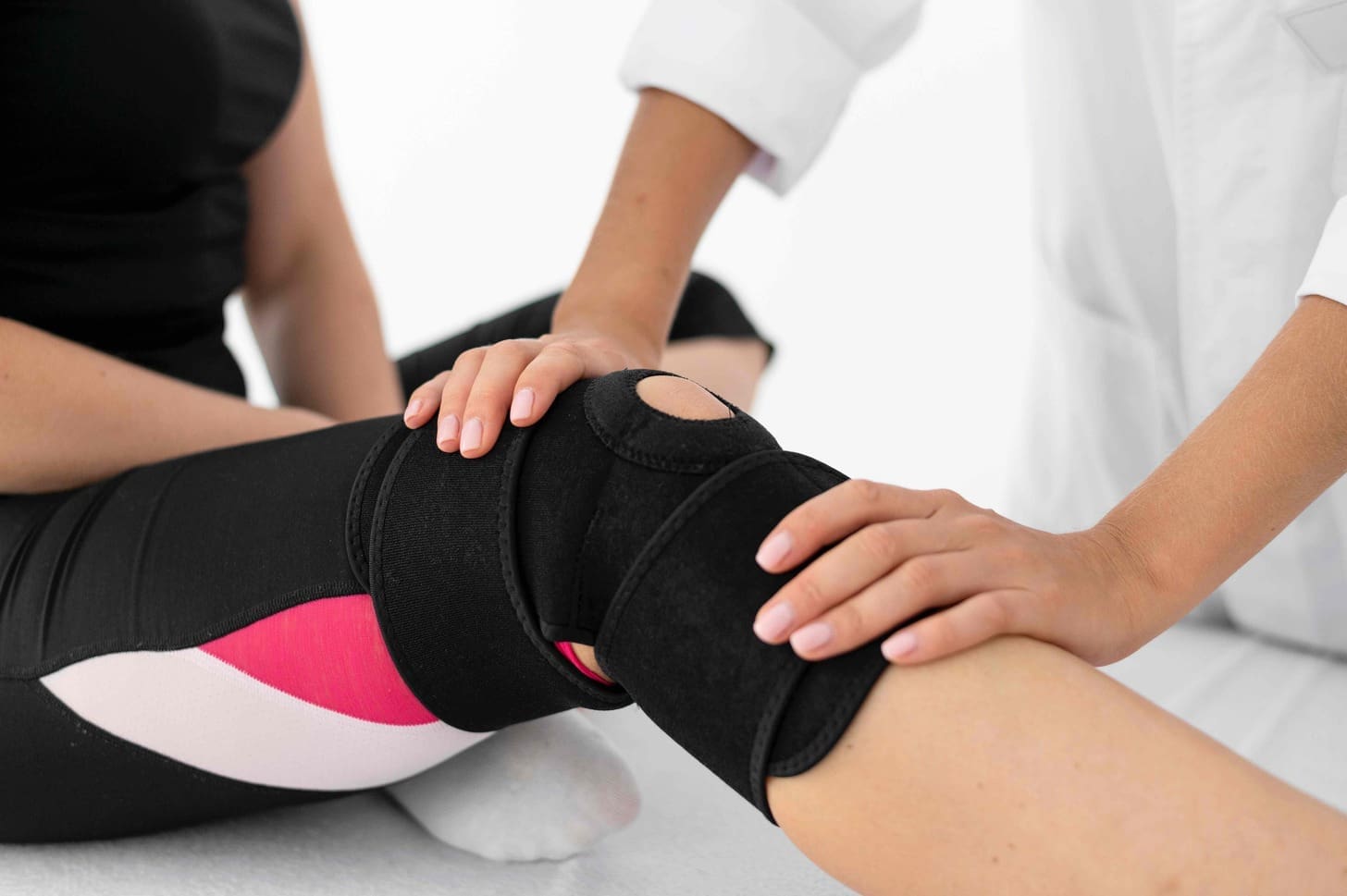
At Liv Hospital, we know how much knee pain can affect your life. For those with arthritis in just one part of the knee, unicompartmental knee replacement is a great option. This surgery is less invasive and only fixes the part of the knee with arthritis, keeping the rest healthy.
This method allows for a quicker recovery and a more natural feel compared to total knee replacement. Our team is committed to providing top-notch, patient-focused care. We aim to make your treatment as smooth and supportive as possible.
Learn about the advantages of unicompartmental knee replacement and how it can improve your mobility. With our expertise and dedication to your health, you can be confident in our care.
Key Takeaways
- Unicompartmental knee replacement is a minimally invasive surgery for knee arthritis.
- It targets the specific area affected by arthritis, preserving healthy knee parts.
- This surgery offers a faster recovery compared to total knee replacement.
- Patients can expect a more natural feeling in their knee after the procedure.
- Liv Hospital provides advanced, patient-centered orthopedic care.
Understanding Unicompartmental Knee Replacement: A Minimally Invasive Solution

Medial unicondylar knee arthroplasty targets the inner side of the knee. It’s a precise solution for those with arthritis in this area. This surgery is less invasive than total knee replacement, making it a good option for many.
Definition and Basic Concepts
Unicompartmental knee replacement, or partial knee replacement, replaces only the damaged part of the knee. It leaves the healthy parts alone. This method is based on the idea that not all parts of the knee are affected by arthritis.
Common Terminology: UKR, UKA, and Partial Knee Replacement
UKR, UKA, and partial knee replacement are terms for the same surgery. They all mean replacing only the damaged part of the knee. Medial UKR focuses on the inner compartment of the knee.
“The goal of unicompartmental knee arthroplasty is to provide a less invasive alternative to total knee replacement, with the potential for faster recovery and preservation of knee kinematics.” – Orthopedic Surgeon
The Evolution of Unicompartmental Knee Surgery
Unicompartmental knee surgery has improved a lot over time. Advances in techniques, implants, and who gets the surgery have made it better. Today’s UKR is more precise and has better results.
| Aspect | Traditional UKR | Modern UKR |
|---|---|---|
| Surgical Technique | More invasive, larger incisions | Minimally invasive, smaller incisions |
| Implant Design | Less sophisticated, more constrained | Advanced designs, more anatomical |
| Recovery Time | Longer rehabilitation period | Faster recovery, early mobilization |
Unicompartmental knee replacement is a valuable option for those with localized knee arthritis. It’s tailored to each patient’s needs. This makes it a personalized treatment choice for many.
Unicompartmental Knee Replacement vs. Total Knee Arthroplasty
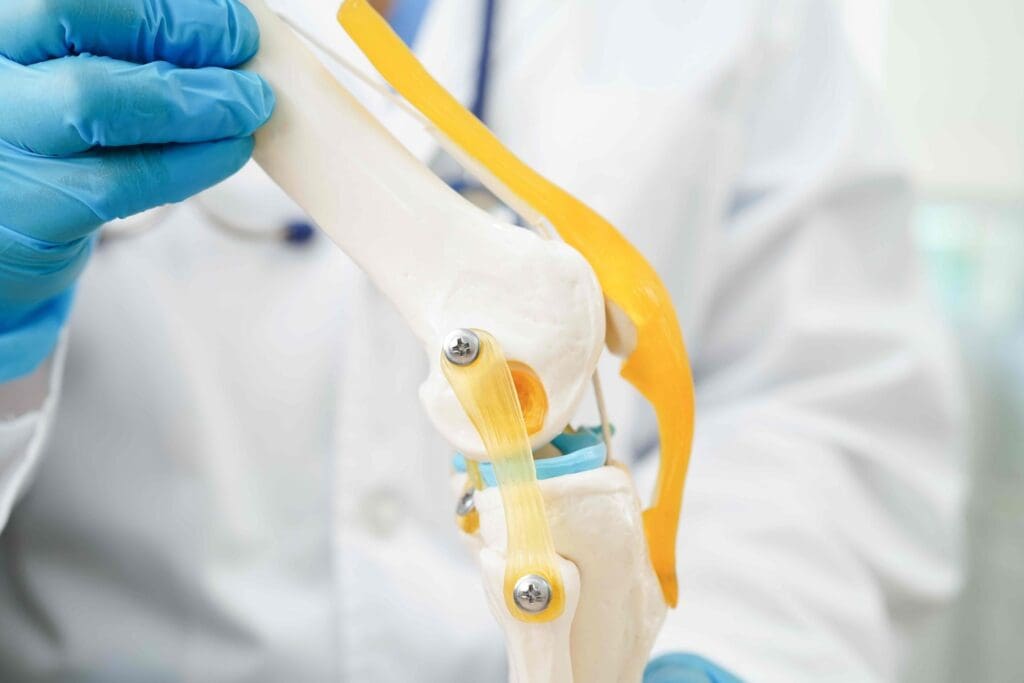
Unicompartmental knee replacement and total knee arthroplasty are two different surgeries for knee problems. Each has its own benefits and things to consider. It’s important for patients and doctors to understand these differences to make good choices.
Surgical Approach Differences
The main difference is how the surgery is done. Unicompartmental knee replacement (UKR) is less invasive. It only fixes or replaces the damaged part of the knee. This method causes less damage to the surrounding tissues.
Total knee arthroplasty (TKA) replaces the whole knee joint. It needs a bigger cut and affects more tissue and bone. The choice depends on the damage’s extent, the patient’s health, and how active they are.
Tissue and Bone Preservation Advantages
UKR is better because it keeps more tissue and bone healthy. It only fixes the damaged area. This makes the knee feel and work more naturally after surgery.
TKA is good for severe damage but removes more bone and cartilage. This can lead to longer recovery and more risks. UKR’s focus on preserving tissue and bone helps with less pain and quicker healing for many.
Recovery and Rehabilitation Comparison
Recovery and rehab are different for UKR and TKA. UKR patients usually have less pain and stay in the hospital less. They can get back to normal activities in a few weeks.
TKA patients face a tougher recovery. They need more physical therapy and take longer to get back to normal. This is because TKA affects more of the knee.
| Aspect | Unicompartmental Knee Replacement (UKR) | Total Knee Arthroplasty (TKA) |
|---|---|---|
| Surgical Approach | Minimally invasive, targets only the damaged compartment | More extensive, replaces the entire knee joint |
| Tissue and Bone Preservation | Preserves healthy tissue and bone | Removes more bone and cartilage |
| Recovery and Rehabilitation | Generally less pain, shorter hospital stay, and faster rehabilitation | Potentially longer recovery, more extensive physical therapy |
Medial Unicondylar Knee Arthroplasty: Targeting the Inner Knee
Medial unicondylar knee arthroplasty is a special surgery for the inner knee. It’s a partial knee replacement that fixes arthritis or damage in the medial compartment. This way, it keeps the healthy parts of the knee intact.
Anatomy of the Medial Compartment
The medial compartment is part of the knee, along with the lateral and patellofemoral compartments. It’s on the inner side and supports a lot of the body’s weight. It includes the femur and tibia’s medial condyles and the medial meniscus.
Keeping the medial compartment healthy is key for knee function. Problems here can cause a lot of pain and limit movement. Knowing the anatomy helps doctors diagnose and treat these issues.
When Medial UKR Is Recommended
Medial unicondylar knee arthroplasty is for those with arthritis or damage in the medial compartment. Patients often feel pain on the inner knee, mainly when they’re standing. Doctors suggest this surgery after other treatments haven’t worked.
Here are the main reasons for recommending medial UKR:
- Isolated medial compartment disease
- Intact anterior cruciate ligament (ACL)
- Minimal deformity
- Preservation of the lateral and patellofemoral compartments
Outcomes and Success Rates for Medial Compartment Replacement
Medial unicondylar knee arthroplasty usually works well, with happy patients. Research shows it can greatly reduce pain, improve knee function, and speed up recovery. This is compared to total knee arthroplasty.
| Outcome Measure | Medial UKR | Total Knee Arthroplasty |
|---|---|---|
| Recovery Time | 6-12 weeks | 12-24 weeks |
| Range of Motion | Improved | Variable |
| Pain Relief | Significant | Significant |
| Revision Rate | Lower | Higher |
In summary, medial unicondylar knee arthroplasty is a good choice for medial compartment arthritis. It balances preserving the knee’s natural anatomy with treating the diseased area.
The Ideal Candidates for Unicompartmental Knee Replacement
Choosing the right candidates for unicompartmental knee replacement is a detailed process. We look at many factors to make sure patients get the best treatment for their needs.
Age and Activity Level Considerations
Age and how active you are are key in deciding if UKR is right for you. UKR is often suggested for older adults with localized knee damage. But, some younger people with certain knee issues might also benefit from it.
We check your overall health, lifestyle, and what you hope to achieve. For example, if you’re active and at a healthy weight, UKR could help you stay mobile and reduce pain.
Types of Knee Damage Suitable for UKR
UKR works best for those with localized osteoarthritis or damage in just one part of the knee. This condition causes pain and limits movement because of cartilage wear in one area.
The table below shows the types of knee damage that are usually good for UKR:
| Type of Knee Damage | Description | Suitability for UKR |
|---|---|---|
| Localized Osteoarthritis | Wear and tear of cartilage in one compartment | Highly Suitable |
| Medial Compartment Damage | Damage to the inner knee compartment | Suitable |
| Lateral Compartment Damage | Damage to the outer knee compartment | Suitable with specific indications |
When UKR Is Not Recommended
UKR isn’t for everyone. It’s not the best choice for those with severe osteoarthritis in more than one part of the knee, or for those with significant knee instability. Certain other conditions also make UKR unsuitable.
Our team carefully checks each patient’s situation to find the best treatment. If UKR isn’t right, we might suggest total knee replacement or other treatments instead.
The Unicompartmental Knee Replacement Procedure Step-by-Step
Unicompartmental knee replacement surgery is a detailed process. It needs careful planning and execution. We will explain the main steps, from before the surgery to the implants used.
Preoperative Assessment and Planning
Before surgery, a detailed check-up is key. This includes X-rays and MRI scans to understand the knee’s condition. We use this info to plan the surgery, choosing the right implant and approach for each patient.
Planning also looks at the patient’s overall health and possible risks. This helps us make the surgery safer and more effective.
Surgical Technique and Approaches
The surgery uses a smaller incision than total knee replacement. This minimally invasive method causes less damage and trauma. It helps patients recover faster.
We use advanced techniques and tools for precise implant placement. The approach depends on the patient’s anatomy and the surgeon’s choice.
“The goal of unicompartmental knee replacement is to restore knee function while preserving as much of the natural knee as possible.” – Orthopedic Surgeon
Types of Partial Knee Implants and Materials
Partial knee implants vary in materials and design. Common ones are metal alloys and high-grade plastics.
The right implant depends on the patient’s age, activity level, and knee damage. We choose durable, compatible implants for each patient.
Advancements in UKR Technology
New technology has made unicompartmental knee replacement better. Improvements include better implant designs and advanced tools. These help in planning the surgery better.
These advancements make unicompartmental knee replacement a popular choice. With the latest tech, we offer more personalized and effective treatments.
Rapid Recovery After PKR Knee Surgery: What to Expect
PKR knee surgery offers a quick recovery, helping patients move and live independently fast. Most patients can walk on their own in 2-6 weeks. This is a big plus compared to traditional knee replacement surgeries.
Immediate Post-Surgery Phase (0-2 Weeks)
The first two weeks after surgery are key for a smooth recovery. Patients are watched closely for any issues, and managing pain is a top priority. Good pain management is key to start rehab without pain.
A top orthopedic surgeon says, “The first two weeks are all about managing pain and starting rehab. Patients who stick to their rehab plan do better.”
“The goal is to get the patient moving as soon as possible to prevent stiffness and promote healing.”
Early Mobility and Rehabilitation (2-6 Weeks)
In the early stages, patients start to get stronger and more mobile. Physical therapy is very important here. It helps patients move freely and build muscle around the knee.
- Patients start walking with help right away.
- They learn to walk on their own in 2-6 weeks.
- They start doing exercises to make their knee stronger.
Return to Normal Activities (6-12 Weeks)
By 6-12 weeks, most can do normal activities again, like sports. It’s important to follow the surgeon’s advice on when to do more challenging activities.
How fast you can get back to normal depends on your health, age, and how well you follow your rehab plan.
Physical Therapy and Long-term Recovery
Physical therapy is vital even after the first few weeks. Ongoing physical therapy helps keep the knee working well and prevents future problems.
Long-term recovery means keeping up with exercises and maybe seeing your doctor for check-ups. This helps keep your knee in good shape.
Key Benefits of Unicompartmental Knee Arthroplasty
Unicompartmental knee arthroplasty (UKA) is a great choice for those with knee osteoarthritis or other issues in one part of the knee. It offers many benefits, making it a good option for many people.
Preservation of Natural Knee Motion
UKA is known for keeping the knee’s natural motion. It only fixes the damaged part, unlike total knee replacement. This minimally invasive approach keeps the healthy parts of the knee, helping it move naturally.
Reduced Pain and Faster Rehabilitation
People who get UKA often feel less pain and recover faster than those with total knee replacement. The smaller cuts and less damage mean quicker healing. This lets patients get back to their daily activities sooner.
Lower Complication Rates Compared to Total Knee Replacement
UKA has lower complication rates than total knee replacement. It has fewer risks of problems like infections and blood clots. Keeping the knee’s ligaments and soft tissues also helps the surgery succeed.
Potential for Delayed Need for Total Knee Arthroplasty
UKA can also delay the need for total knee replacement. Fixing the damaged part early might mean you won’t need a bigger surgery later. This is good for younger patients who might need to replace their implant again.
In summary, UKA is a great option for certain knee problems. It keeps the knee moving naturally, reduces pain, and helps patients recover quickly. It also lowers the risk of complications and might delay the need for more surgery. This makes UKA a strong choice compared to more invasive surgeries.
Long-term Durability and Outcomes of UKA Knee Replacement
The success of UKA knee replacement depends on many factors. These include who gets the surgery and how long the implant lasts. Unicompartmental knee arthroplasty (UKA) is popular because it’s less invasive and has good results.
Expected Lifespan of Unicompartmental Implants
Research shows UKA implants can last 10 to 15 years or more. Choosing the right patient and doing the surgery right are key. A study found that about 90% of UKA implants last 10 years.
“The key to successful UKA lies in careful patient selection and meticulous surgical technique.” – Orthopedic Surgeon
Factors Affecting Longevity and Performance
Many things can affect how long and well UKA implants work. These include:
- Patient age and activity level
- How well the implant is placed
- How much arthritis is in other parts of the knee
- The design and materials of the implant
Regular check-ups with orthopedic specialists are important. They help catch any problems early.
Revision Surgery Considerations
If UKA implants fail or wear out, revision surgery might be needed. This surgery is often more complicated. It may require bone grafting or special implants. But, thanks to new techniques and implants, revision surgery is getting better.
Patient Satisfaction and Quality of Life Improvements
People who get UKA surgery often see big improvements. They can move their knee better and recover faster than with total knee replacement. This makes them happier with their choice. As we learn more about UKA, we can help our patients even more.
Conclusion: Making an Informed Decision About Unicompartmental Knee Replacement
Understanding unicompartmental knee replacement (UKR) is key for patients. We’ve looked at its benefits, how it’s done, and recovery. This helps patients make smart choices about their treatment.
UKR, or partial knee replacement, is good for those with arthritis in one part of the knee. It’s a less invasive option. This means patients might recover faster than with a total knee replacement.
The success of UKR surgery depends on many things. These include who the patient is, how the surgery is done, and care after surgery. Choosing the right surgeon and following a good rehab plan can lead to great results.
Knowing about unicompartmental knee replacement helps patients make sure choices. We suggest talking to doctors to see if UKR is right for you.
FAQ
What is unicompartmental knee replacement?
Unicompartmental knee replacement, or partial knee replacement, is a surgery. It replaces only the damaged part of the knee, not the whole knee.
How does medial unicondylar knee arthroplasty differ from total knee replacement?
Medial unicondylar knee arthroplasty focuses on the inner knee. It keeps the healthy parts of the knee. Total knee replacement, on the other hand, replaces the whole knee.
What are the benefits of unicompartmental knee arthroplasty?
Benefits include keeping natural knee motion and reducing pain. It also means faster recovery and lower risks of complications. Plus, it might delay the need for a total knee replacement.
Who is a suitable candidate for unicompartmental knee replacement?
Good candidates have knee damage or arthritis in just one part. They should be active and meet certain age and health criteria.
What is the recovery process like after PKR knee surgery?
Recovery starts right after surgery. It includes early movement and rehab. Then, you can return to normal activities. Physical therapy is key for long-term recovery.
How long do unicompartmental knee implants last?
Unicompartmental implants usually last 10 to 15 years. This depends on how active you are and your overall health.
What are the advantages of minimally invasive unicompartmental knee replacement?
This method has smaller cuts and less damage to tissue. It leads to faster recovery times.
Can unicompartmental knee replacement be revised if necessary?
Yes, it can be revised if needed. Thinking about this is important for long-term success.
How does unicompartmental knee arthroplasty impact patient satisfaction and quality of life?
It greatly improves life by reducing pain and improving mobility. It lets patients return to normal activities.
What advancements have been made in UKR technology?
UKR technology has improved a lot. New surgical methods, materials, and outcomes make it a better option for treatment.