Last Updated on November 27, 2025 by Bilal Hasdemir
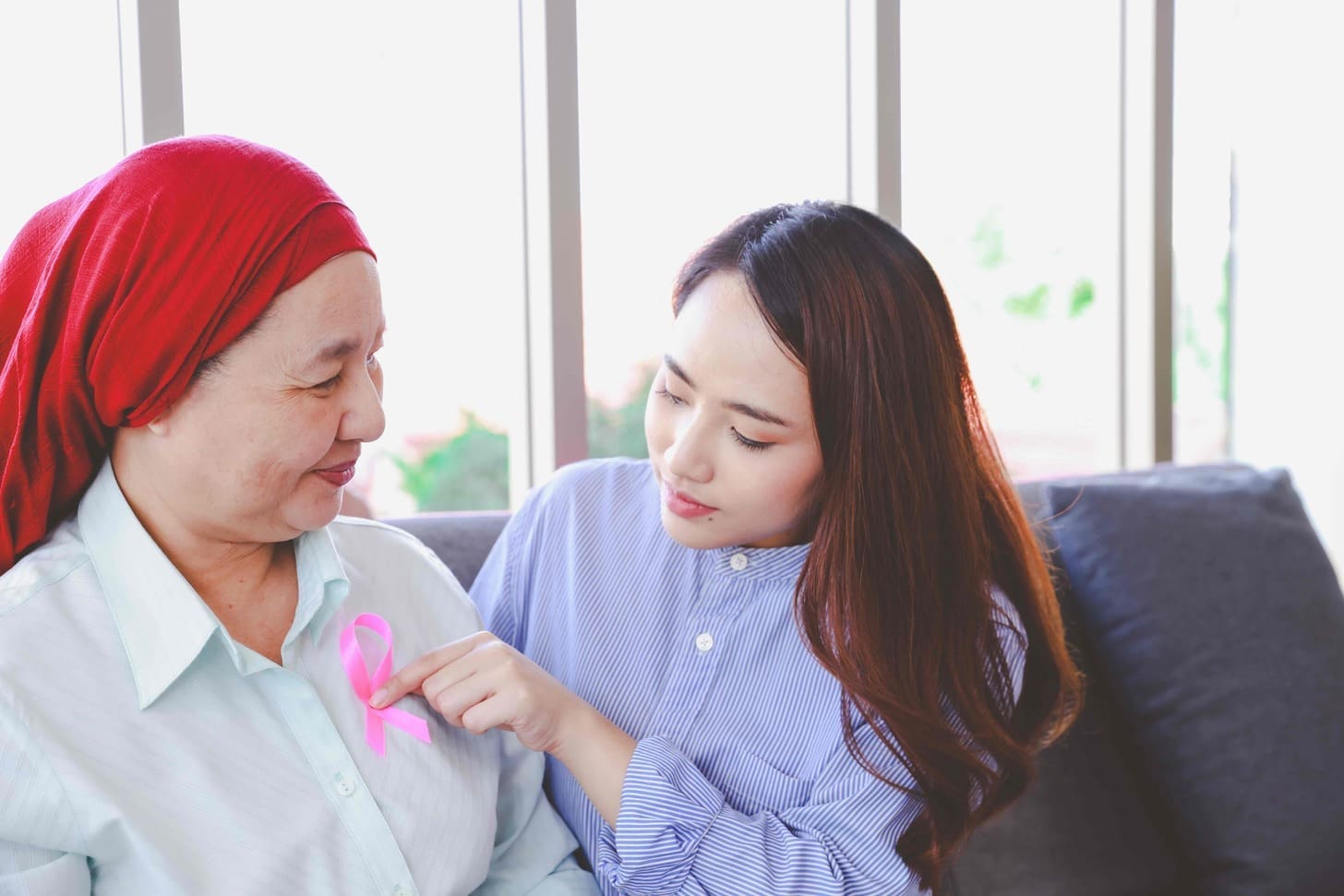
Starting chemotherapy for breast cancer can feel overwhelming. But knowing about the side effects can make it easier to prepare and cope.
At Liv Hospital, we get the tough parts of breast cancer chemotherapy. Our team is ready to offer you the latest care and support to handle the side effects of chemotherapy for breast cancer.
Most patients, up to 80-90%, face side effects from chemo treatment for breast cancer. Knowing what’s coming can help you take charge of your treatment journey.
Key Takeaways
- Understanding the possible side effects of chemotherapy can help you prepare and cope.
- Our team at Liv Hospital is committed to providing supportive care and the latest expertise.
- Up to 80-90% of patients experience side effects from chemotherapy.
- Knowing what to expect can help you navigate the treatment process with confidence.
- We are dedicated to helping you manage the side effects of chemotherapy.
Understanding Breast Cancer Chemotherapy Treatments
The world of breast cancer chemotherapy is changing fast. New treatments and personalized plans are helping patients more. Chemotherapy is a key part of fighting breast cancer, with many options available.
Common Chemotherapy Agents Used in Breast Cancer
Many chemotherapy agents are used to treat breast cancer. Each one works differently and can cause different side effects. Anthracyclines like doxorubicin and taxanes like paclitaxel are common. Antibody-drug conjugates, like trastuzumab emtansine (T-DM1), are also being used. They target cancer cells more accurately.
How Treatment Regimens Are Personalized
Chemotherapy plans are made just for each patient. They consider the cancer’s stage and type, the patient’s health, and genetic markers. For example, those with HER2-positive breast cancer might get trastuzumab. This targeted therapy aims at the HER2 protein.
Preparing for Your Chemotherapy Journey
Getting ready for chemotherapy is important. It’s about physical and emotional readiness. Talk to your doctor about possible side effects and how to deal with them.
Changing your lifestyle can also help. Eating well and staying hydrated are good steps. Emotional support from loved ones or support groups is also key. It helps you face the challenges of chemotherapy.
Managing Side Effects of Chemotherapy for Breast Cancer: An Overview
Managing side effects of chemotherapy for breast cancer is key to a good life during treatment. Chemotherapy affects not just cancer cells but also healthy ones. This leads to various side effects.
Studies show managing these side effects well can greatly improve life during chemotherapy. It involves talking openly with your healthcare team, making a personal plan, and using support resources.
Communicating with Your Healthcare Team
Talking openly with your healthcare team is the first step in managing side effects. It’s important to share any side effects you’re feeling, no matter how small. Your team can guide you on how to handle these and adjust your treatment if needed.
- Keep a symptom journal to track your side effects and their severity.
- Ask questions about your treatment and any possible side effects.
- Discuss any concerns or fears you have with your healthcare provider.
Developing a Side Effect Management Plan
A personalized plan can help you deal with chemotherapy’s challenges. This plan should be made with your healthcare team and fit your specific needs and treatment.
Key components of a side effect management plan may include:
- Medications to manage specific side effects, such as anti-nausea drugs.
- Lifestyle adjustments, like dietary changes or exercise recommendations.
- Alternative therapies that can help alleviate symptoms, such as acupuncture or relaxation techniques.
Support Resources During Treatment
A strong support system is vital in managing chemotherapy side effects. This support can come from family, friends, support groups, and healthcare professionals.
Some valuable resources include:
- Nutritional counseling to help manage dietary side effects.
- Emotional support from counselors or support groups.
- Practical assistance with daily tasks from family and friends.
By talking well with your healthcare team, having a good side effect management plan, and a strong support system, you can handle chemotherapy’s challenges better.
Hair Loss: Coping with Changes to Your Appearance
Hair loss is a big challenge from chemotherapy. It can be as tough as the treatment itself. For many, seeing their hair fall out is very hard.
What to Expect with Chemotherapy-Induced Alopecia
Hair loss from chemotherapy is common in breast cancer treatment. How much hair you lose depends on the treatment. Knowing what to expect can help.
Hair loss starts a few weeks into treatment. It can happen slowly or fast. Some people lose hair all over their body, not just on their head.
Scalp Cooling and Other Preventive Options
Scalp cooling is a way to try and keep more hair. It cools the scalp before, during, and after treatment. This might help keep more hair from falling out.
But, scalp cooling isn’t for everyone. It depends on your cancer type and treatment. Talk to your doctor to see if it’s right for you.
Wigs, Scarves, and Other Practical Solutions
Wigs, scarves, and hats are key for many during treatment. They help you feel normal and deal with hair loss.
There are many places to find the right wig or head covering. Some groups give free wigs to cancer patients. Cancer centers also help pick and care for them.
For more on dealing with hair loss, check out this resource on stem cell treatments.
Emotional Aspects of Hair Loss and Recovery Timeline
Hair loss affects more than just your looks. It can hurt your self-esteem and how you see your body.
It’s important to talk about these feelings. Get support from doctors, support groups, or family. Everyone’s journey is different, and having people to lean on helps a lot.
Hair usually starts growing back a few months after treatment ends. But, it might come back differently at first. It could be thicker or a different color.
Fatigue and Energy Management During Treatment
Chemotherapy-induced fatigue can really affect a patient’s life during breast cancer treatment. It’s a complex side effect that can be influenced by many things. We want to help patients manage fatigue with practical tips and advice.
Causes of Fatigue During Chemotherapy
Fatigue during chemotherapy comes from many sources. It can be due to the treatment itself, anemia, pain, emotional distress, and not getting enough sleep. Knowing what causes it is key to managing it well.
Factors Contributing to Fatigue:
- Chemotherapy regimen
- Anemia
- Pain
- Emotional distress
- Lack of sleep
Energy Conservation Techniques for Daily Activities
It’s important to save energy for daily tasks during chemotherapy. Simple steps can really help.
Practical Tips:
- Prioritize tasks based on importance and energy levels.
- Take regular breaks to rest.
- Delegate tasks when possible.
- Use energy-saving devices and tools.
| Activity | Energy Conservation Tip |
|---|---|
| Household chores | Break tasks into smaller segments, rest in between |
| Shopping | Use online shopping or ask someone to help |
| Cooking | Prepare meals in advance, use a slow cooker |
Exercise Recommendations During Treatment
Exercise might seem like the last thing you want to do when you’re tired. But gentle activities like walking or yoga can actually boost your energy.
“Exercise is a powerful tool in managing fatigue. Even small amounts of physical activity can make a significant difference in how patients feel during chemotherapy.”
When to Seek Medical Help for Extreme Fatigue
It’s important to know when fatigue is so bad it needs medical help. If it’s really affecting your daily life, talk to your doctor.
Signs that Require Medical Attention:
- Severe fatigue that lasts for more than a week
- Difficulty performing daily activities
- Shortness of breath or dizziness
Nausea and Vomiting: Prevention and Relief Strategies
Managing nausea and vomiting is key for those getting chemotherapy for breast cancer. These side effects can really affect a patient’s life. It’s important to know how to prevent and relieve them.
Understanding Anticipatory, Acute, and Delayed Nausea
Chemotherapy can cause three types of nausea: anticipatory, acute, and delayed. Anticipatory nausea happens before treatment, often due to certain sights or smells. Acute nausea occurs within 24 hours after treatment. Delayed nausea happens more than 24 hours later. Knowing these types helps in finding the right way to manage them.
Anti-Nausea Medications and Their Effectiveness
New anti-nausea medicines have made managing nausea better. Drugs like ondansetron, aprepitant, and palonosetron help prevent nausea. We help patients find the best medicine for their treatment and health history.
Dietary Adjustments and Natural Remedies
Changing your diet can help with nausea. Eating small, bland meals often is recommended. Also, avoid strong-smelling foods and eat cold or room-temperature meals. Some people find ginger or acupressure bands helpful. But, always talk to a doctor before trying these.
Creating a Comfortable Environment During Treatment
Making your treatment area comfortable can help avoid nausea. Try relaxation techniques like deep breathing or listening to calming music. Bringing comfort items, like a favorite blanket, can also help make your treatment more relaxing.
Nail and Skin Changes: Protection and Treatment
Chemotherapy can cause big changes in nails and skin. These changes can be mild or severe. They need the right care and management.
Common Nail Problems During Chemotherapy
Chemotherapy can make nails brittle, change color, and even fall out. This happens because chemotherapy targets fast-growing cells, like nail cells. Keeping nails short and avoiding harsh chemicals helps.
Using nail strengtheners and avoiding acetone in polish removers is good. Nail technicians who work with cancer patients can offer great advice on nail care.
Skin Dryness, Rashes, and Photosensitivity
Chemotherapy can also dry out the skin, cause rashes, and make it more sensitive to sunlight. These issues happen because chemotherapy affects the skin’s ability to heal and protect itself.
To fight dry skin, use gentle, fragrance-free moisturizers. For rashes, talk to your healthcare team for the right treatment. To avoid photosensitivity, stay out of the sun and use sunscreen with high SPF. Learn more about avoiding problems during chemotherapy on our page about what to avoid while on chemotherapy.
Recommended Skin and Nail Care Products
Choosing the right products for skin and nails is key during chemotherapy. For skin, pick fragrance-free and hypoallergenic products. For nails, go for acetone-free products with strengthening ingredients.
| Product Type | Recommended Features | Benefits |
|---|---|---|
| Moisturizers | Fragrance-free, Hypoallergenic | Reduces dryness and irritation |
| Nail Strengtheners | Acetone-free, Keratin-based | Helps to strengthen brittle nails |
| Sunscreen | High SPF, Broad-spectrum protection | Protects against photosensitivity and skin damage |
When to Report Changes to Your Doctor
Keep an eye on your nail and skin changes. Tell your doctor about any big issues. Severe dryness, intense rashes, or signs of infection need immediate attention.
Oral Mucositis: Preventing and Treating Mouth Sores
Managing oral mucositis is key for those on chemotherapy. It can cause pain and make sticking to treatment hard. We’ll cover how to prevent and treat mouth sores during chemo.
Oral Care Regimens During Chemotherapy
Good oral hygiene is vital during chemo to avoid oral mucositis. A strict oral care routine is recommended:
- Brush teeth gently with a soft-bristled toothbrush at least twice a day
- Use a mild, non-abrasive toothpaste
- Rinse with a saline solution or baking soda and water mix several times a day
- Avoid alcohol-based mouthwashes
Regular dental visits before and during chemo can spot oral health problems early.
Pain Management Options for Mouth Sores
Managing pain is key in treating oral mucositis. We suggest:
- Topical anesthetics like lidocaine or benzocaine to numb the area before eating or oral care
- Coating agents to protect and heal the mucosa
- Pain relief meds, including over-the-counter or prescription for severe pain
Foods to Avoid and Dietary Modifications
Diet is important in managing oral mucositis. Avoid:
- Spicy, acidic, or sharp foods that irritate the mouth
- Hot foods and drinks that worsen discomfort
- Hard-to-chew or swallow foods
Choose soft, bland foods and cool or lukewarm drinks instead. Nutritional supplements may also be suggested to ensure you get enough nutrients.
Dental Considerations During Treatment
Address dental issues before starting chemo to avoid complications. This includes:
- Treating any dental infections or conditions
- Removing dental appliances that could irritate
- Talking to your dentist and oncologist about any concerns
| Oral Care Tips | Benefits |
|---|---|
| Brushing with a soft-bristled toothbrush | Gentle on gums and mucous membranes |
| Rinsing with saline solution | Reduces inflammation and promotes healing |
| Avoiding alcohol-based mouthwashes | Prevents dryness and irritation |
By following these tips and working with your healthcare team, you can lessen oral mucositis risks during chemo. If you have symptoms or concerns, contact your healthcare provider for help and support.
Chemotherapy-Induced Peripheral Neuropathy
Many breast cancer patients face peripheral neuropathy as a side effect of chemotherapy. This condition damages the nerves, causing discomfort and affecting daily life. It can lead to various symptoms.
Recognizing Symptoms of Nerve Damage
Symptoms of chemotherapy-induced peripheral neuropathy include numbness, tingling, pain, or weakness in the hands and feet. Some may feel sensitive to cold or heat. Others might struggle with coordination and balance.
Common symptoms include:
- Numbness or tingling in extremities
- Pain or burning sensations
- Muscle weakness
- Sensitivity to temperature changes
Protective Strategies During Treatment
Several strategies can help reduce the risk or severity of peripheral neuropathy during chemotherapy. These include:
- Talking to your healthcare provider about neuroprotective agents
- Eating a healthy diet rich in vitamins and minerals, like B vitamins
- Avoiding cold temperatures
- Doing regular, gentle exercise
Physical Therapy and Exercise Interventions
Physical therapy and exercise programs can greatly help manage peripheral neuropathy symptoms. They improve mobility, balance, and strength. This reduces the risk of falls and improves quality of life.
| Exercise Type | Benefits |
|---|---|
| Balance Exercises | Improves stability and reduces fall risk |
| Strength Training | Enhances muscle strength and endurance |
| Aerobic Exercises | Promotes cardiovascular health and overall well-being |
Long-Term Management of Persistent Neuropathy
For some, peripheral neuropathy can last after chemotherapy ends. Long-term management includes:
- Medications for pain and symptoms
- Ongoing physical therapy for mobility and strength
- Lifestyle changes to reduce discomfort and prevent problems
Understanding chemotherapy-induced peripheral neuropathy and using proactive management strategies can help patients cope with this challenging side effect.
Increased Infection Risk: Protecting Your Immune System
Chemotherapy for breast cancer can make you more likely to get infections. It’s important to know how to keep your immune system strong. When you’re getting treatment, your body can’t fight off infections as well. This is because your white blood cells, which fight infections, are lower.
Understanding Neutropenia and Infection Vulnerability
Neutropenia is a big risk for infections in people getting chemotherapy. It happens when the drugs affect your bone marrow’s ability to make white blood cells. These cells are key in fighting off infections. You’re most at risk when your white blood cell count is lowest, usually 7 to 14 days after treatment.
Key Facts About Neutropenia:
- Neutropenia can increase your risk of developing serious infections.
- The condition can be managed with proper precautions and medical care.
- Monitoring your white blood cell count is critical during chemotherapy.
Practical Infection Prevention in Daily Life
To prevent infections during chemotherapy, you need to make some changes in your daily life. Here are some tips to help:
- Practice Good Hygiene: Wash your hands often with soap and water. Do this after using the bathroom, before eating, and after blowing your nose, coughing, or sneezing.
- Avoid Close Contact with Sick People: Keep a distance from anyone who is sick. Their illness could spread to you.
- Stay Away from Crowds: Avoid big gatherings or public places. They can expose you to more infections.
- Keep Your Environment Clean: Clean and disinfect surfaces and objects often. These are things that many people touch.
Food Safety During Immune Suppression
When your immune system is weak, food safety is very important. Follow these tips to lower the risk of getting sick from food:
- Handle and Store Food Properly: Keep raw and cooked foods separate. Store food at the right temperatures.
- Cook Food Thoroughly: Make sure meat, poultry, and eggs are cooked well. This kills bacteria.
- Avoid High-Risk Foods: Don’t eat raw or undercooked eggs, meat, and fish. Also, avoid unpasteurized dairy products and juices.
“Food safety is a critical aspect of infection prevention during chemotherapy. By being mindful of what you eat and how it’s prepared, you can significantly reduce your risk of infection.”
When to Seek Emergency Care
It’s important to know when to get medical help. If you have any of these symptoms, call your healthcare provider right away:
- Fever above 100.4°F (38°C)
- Chills or sweating
- Cough or sore throat
- Burning sensation while urinating
- Unusual vaginal discharge or irritation
Being careful about your health and taking steps to prevent infections can help. Always talk to your healthcare team if you have any questions or concerns.
Fertility and Menstrual Changes from Breast Cancer Treatment
It’s important for women of childbearing age to know how breast cancer treatment affects fertility. Treatments like chemotherapy, hormone therapy, and surgery can change menstrual cycles and fertility. We’ll look at these effects and talk about ways to preserve fertility and manage menopause symptoms.
Impact on Menstrual Cycles and Fertility
Breast cancer treatment can alter menstrual cycles, sometimes stopping them temporarily or permanently. Chemotherapy, in particular, can harm the ovaries, reducing estrogen and causing menopause symptoms. The severity of these effects depends on the type of chemotherapy, the patient’s age, and the treatment dose.
Chemotherapy-induced amenorrhea (CIA) is a common side effect, where menstruation stops during or after treatment. The risk of CIA varies based on the patient’s age and the chemotherapy regimen. Younger women are more likely to start menstruating again after treatment, while older women may not.
Fertility Preservation Options Before Treatment
Women worried about fertility can explore several options before starting treatment. These include:
- Egg freezing (oocyte cryopreservation): This involves freezing eggs for future use.
- Embryo freezing: This involves freezing embryos created from eggs and sperm.
- Ovarian tissue freezing: A less common but promising option where ovarian tissue is frozen for later use.
Talking to a fertility specialist before treatment is key to choosing the right option.
Managing Treatment-Induced Menopausal Symptoms
Women experiencing menopause due to breast cancer treatment need to manage symptoms. Symptoms include hot flashes, night sweats, vaginal dryness, and mood changes. Treatment options include hormone replacement therapy (HRT), but it’s used with caution. Non-hormonal treatments and lifestyle changes can also help.
Family Planning After Breast Cancer
Survivors thinking about family planning after treatment should talk to their healthcare providers. While there’s a risk of cancer coming back, many women have healthy pregnancies after treatment. Deciding to conceive should be done after careful thought and advice from oncologists and obstetricians.
Conclusion: Navigating Your Breast Cancer Treatment Journey
Dealing with breast cancer treatment means knowing how to handle chemotherapy side effects. This article has covered many parts of breast cancer chemotherapy. We talked about common treatments and how to deal with side effects.
Knowing what to expect from your treatment and side effects can make a big difference. Being informed and taking action can help you face chemotherapy challenges head-on.
It’s key to be well-informed and proactive about managing chemotherapy side effects. Working with your healthcare team and using available resources can help you get through your treatment journey. You can do it with confidence and strength.
FAQ
What is chemotherapy, and how is it used to treat breast cancer?
Chemotherapy uses drugs to kill cancer cells. It’s used to shrink tumors before surgery, kill any remaining cancer cells after surgery, or treat cancer that has spread. This helps fight breast cancer.
What are the common chemotherapy agents used for breast cancer?
Common agents include anthracyclines, taxanes, cyclophosphamide, and fluorouracil. The choice depends on the cancer’s stage and the patient’s health.
How can I manage the side effects of chemotherapy for breast cancer?
Managing side effects involves medication, lifestyle changes, and support. Use anti-nausea medication and follow energy conservation techniques. Also, take care of your skin and nails, and get emotional support.
What is scalp cooling, and can it help prevent hair loss during chemotherapy?
Scalp cooling cools the scalp before, during, and after chemotherapy. It may reduce hair loss by decreasing blood flow. Its success varies by treatment and individual response.
How can I cope with hair loss during chemotherapy?
Prepare for hair loss by using wigs, scarves, or hats. Seek emotional support from others who have gone through similar experiences.
Why do I feel so tired during chemotherapy, and how can I manage my energy levels?
Fatigue is due to the treatment’s effect on the body. Manage energy by pacing activities, taking breaks, exercising gently, and eating well.
How can I prevent or minimize nausea and vomiting during chemotherapy?
Use anti-nausea medications as directed. Eat small, frequent meals and create a comfortable environment during treatment.
What are the common nail and skin changes during chemotherapy, and how can I manage them?
Changes include dryness, brittleness, and discoloration. Use gentle products, protect from the sun, and moisturize regularly.
How can I prevent and treat mouth sores caused by chemotherapy?
Prevent mouth sores by brushing gently and avoiding irritating foods. Treat with topical pain relievers and gentle mouthwashes.
What is chemotherapy-induced peripheral neuropathy, and how is it managed?
It’s nerve damage from chemotherapy, causing numbness, tingling, and pain. Manage with protective strategies, physical therapy, and medication.
How can I reduce my risk of infections during chemotherapy?
Practice good hygiene, avoid sick people, follow food safety, and watch for infection signs.
How does breast cancer treatment affect fertility and menstrual cycles?
Treatment can affect fertility and menstrual cycles, causing changes. Fertility preservation options are available, and there are ways to manage symptoms.
What should I discuss with my healthcare team before starting chemotherapy?
Discuss your treatment plan, side effects, managing them, fertility preservation, and any concerns or questions you have.
Refrerences
American Cancer Society. (n.d.). Chemotherapy for Breast Cancer. Retrieved from https://www.cancer.org/cancer/types/breast-cancer/treatment/chemotherapy-for-breast-cancer.html
- breastcancer.org. (n.d.). Chemotherapy Side Effects. Retrieved from https://www.breastcancer.org/treatment/chemotherapy/side-effects
- National Breast Cancer Foundation. (n.d.). Side Effects of Breast Cancer Treatment and How to Manage Them. Retrieved from https://www.nationalbreastcancer.org/side-effects-of-breast-cancer-treatment-and-how-to-manage-them/
- Susan G. Komen. (n.d.). Short-Term Side Effects of Chemotherapy. Retrieved from https://www.komen.org/breast-cancer/treatment/type/chemotherapy/side-effects/short-term/