Last Updated on November 27, 2025 by Bilal Hasdemir

At Liv Hospital, we focus on top-notch cancer care. We use the latest research and holistic patient care. We look into natural ways to help with lung cancer treatment.
Even though there’s no sure natural cure for lung cancer yet, some natural remedies show promise. These include herbs with antioxidants, changes in diet, and supplements. They might help improve how well patients do when used with standard treatments.
Key Takeaways
- Holistic treatments can complement conventional lung cancer care.
- Certain natural remedies have shown promise in supporting treatment.
- Integrating natural approaches with standard care can enhance patient outcomes.
- Antioxidant herbs and dietary changes are among the natural remedies being studied.
- Patient-centered care is key in managing lung cancer effectively.
The Science Behind Natural Ways to Cure Lung Cancer

Exploring natural ways to cure lung cancer is important. We need to look at the evidence and what it means. More people are interested in using natural remedies alongside traditional treatments.
Current Research and Evidence Limitations
Studies on natural remedies for lung cancer are growing. They look at herbs, diet, and lifestyle changes. Some natural methods seem to help with symptoms and quality of life. But, we don’t have enough proof to use them alone for lung cancer.
Some herbs might fight cancer, but clinical trials are small and not standard. Lung cancer is complex. What works in labs might not work for people.
Complementary vs. Alternative Approaches
It’s key to know the difference between complementary therapies and alternative approaches. Complementary therapies, like acupuncture and meditation, can help with traditional treatments. They can make treatments work better and improve results.
But, alternative methods that ignore proven treatments can harm patients. Always talk to a doctor before adding natural remedies to your treatment plan.
Setting Realistic Expectations
Natural remedies can help with symptoms and overall health. But, we must be realistic about their ability to cure lung cancer. They should not replace proven treatments.
Knowing the research and limits of natural remedies helps patients make better choices. We suggest talking to your healthcare team. This way, you can create a treatment plan that uses the best of both worlds.
Herbal Remedies with Anti-Cancer Properties
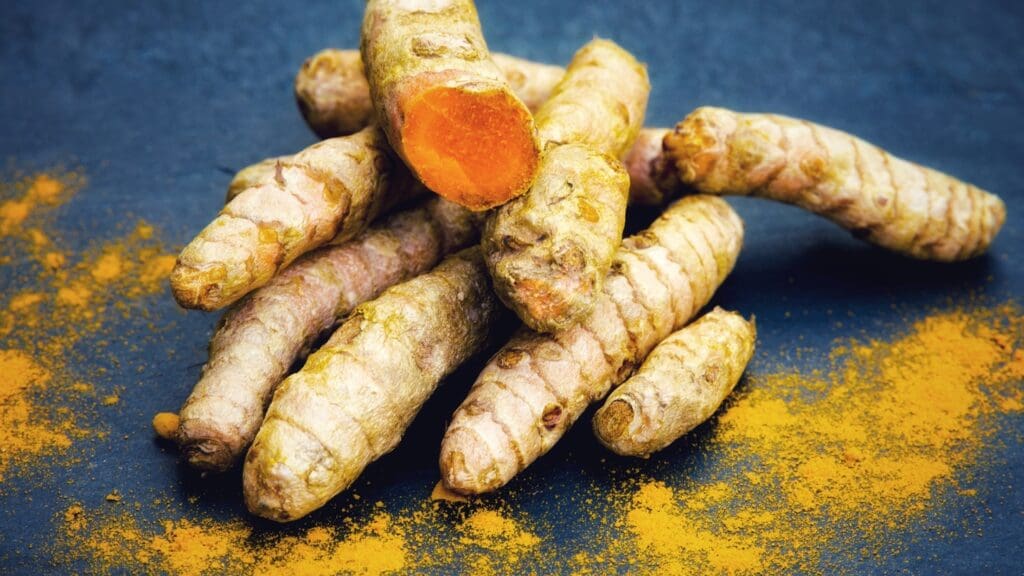
Herbal remedies with anti-cancer properties are being studied for lung cancer treatment. These natural substances have been used for centuries. They are now being looked at to complement traditional treatments.
Turmeric and Curcumin
Turmeric, a spice used in cooking, contains curcumin. Curcumin has strong anti-inflammatory and anti-cancer effects. It can stop cancer cells from growing and cause them to die. This makes it a promising addition to lung cancer treatments.
Green Tea and EGCG
Green tea is known for its anti-cancer properties, thanks to EGCG. EGCG stops cancer cells from growing and forming new blood vessels. Drinking green tea may lower the risk of lung cancer.
Astragalus and Immune Support
Astragalus boosts the immune system, as seen in traditional Chinese medicine. It helps the body fight cancer by strengthening the immune system. Astragalus is used with traditional treatments to improve outcomes and reduce side effects. We’re looking into its role in supporting lung cancer treatment.
Herbal remedies like turmeric, green tea, and astragalus show promise in lung cancer treatment. They offer natural ways to support treatment. As research grows, we may find new ways to improve lung cancer care.
Powerful Antioxidants for Lung Health Support
Eating foods high in antioxidants can help your lungs. Antioxidants fight off free radicals, which can lead to cancer. Adding certain foods and supplements to your diet can boost lung health.
Berries and Cruciferous Vegetables
Berries like blueberries, raspberries, and strawberries are full of antioxidants. These help fight inflammation and may stop cancer cells from growing.
Vegetables like broccoli, cauliflower, and kale also have antioxidants. They contain sulforaphane, which might fight cancer. Eating a variety of these veggies is good for your health.
Resveratrol and Grape Seed Extract
Resveratrol, found in grapes and berries, might help fight cancer. It could reduce inflammation and stop cancer cells from growing.
Grape seed extract is also packed with antioxidants. It has proanthocyanidins, which can protect against stress and inflammation. These compounds work well with other antioxidants to support health.
Implementation in Daily Diet
Adding these foods to your diet is easy. Here are some tips:
- Add berries to your breakfast cereal or yogurt.
- Include a variety of cruciferous vegetables in your meals.
- Consume grapes and berries as snacks.
- Consider taking resveratrol and grape seed extract supplements after consulting with a healthcare professional.
| Food | Antioxidant | Potential Benefit |
|---|---|---|
| Berries | Anthocyanins, Vitamin C | Anti-inflammatory, anti-cancer |
| Cruciferous Vegetables | Sulforaphane | Anti-cancer |
| Grapes, Berries | Resveratrol | Anti-inflammatory, anti-cancer |
| Grape Seeds | Proanthocyanidins | Antioxidant, anti-inflammatory |
Eating foods and taking supplements high in antioxidants can help your lungs. It’s important to eat well and talk to a doctor before making big changes.
Garlic, Ginger, and Cinnamon: Traditional Remedies with Modern Promise
Garlic, ginger, and cinnamon have been used in traditional medicine for a long time. Modern studies are now showing their possible role in fighting lung cancer. These common kitchen ingredients have been valued for their health benefits across cultures for centuries.
Anti-cancer Properties of Allicin in Garlic
Garlic has been a key part of traditional medicine for its health benefits. Recent studies have found it may have anti-cancer properties. The main compound, allicin, is made when garlic is crushed or chopped.
Allicin is thought to stop tumor growth and make cancer cells die.
- Allicin has been shown to slow down the growth of cancer cells.
- It may protect against DNA damage, which can lead to cancer.
- Studies suggest eating garlic can lower the risk of some cancers.
Ginger for Nausea Relief and Anti-inflammatory Effects
Ginger is known for helping with nausea and vomiting, common in lung cancer patients. Ginger’s active compounds, like gingerol and shogaol, have anti-inflammatory effects.
Ginger’s benefits go beyond just easing nausea. Its anti-inflammatory effects might help fight tumor growth. Research is showing ginger’s ability to change the body’s inflammatory response.
Cinnamon’s Emerging Role in Cancer Research
Cinnamon, a spice with a long history in traditional medicine, is being studied for cancer treatment. Cinnamaldehyde, found in cinnamon, has shown anti-cancer properties.
Cinnamon may also help control blood sugar levels, which is key for cancer patients’ health. We are looking into cinnamon’s benefits in cancer care through ongoing research.
Essential Vitamins and Minerals for Lung Cancer Patients
For lung cancer patients, eating right is key to staying healthy. Certain vitamins and minerals are very important. They help boost the immune system, manage side effects, and improve overall health.
Vitamin D’s Role in Immune Function
Vitamin D helps control the immune system. Studies show it might help lung cancer patients too. It’s important to keep vitamin D levels up, as low levels can lead to worse outcomes.
Benefits of Vitamin D:
- Supports immune system function
- May improve survival rates
- Helps regulate cell growth
Selenium and Zinc Supplementation
Selenium and zinc are important minerals for fighting cancer. Selenium has anti-cancer effects. Zinc helps with DNA repair and growth.
| Mineral | Role in Cancer Care | Food Sources |
|---|---|---|
| Selenium | Antioxidant, anti-cancer properties | Fish, Brazil nuts, turkey |
| Zinc | Immune support, DNA synthesis | Oysters, beef, chicken |
B Vitamins for Energy Support
B vitamins are vital for energy. They help fight fatigue, a common side effect of lung cancer treatment. Getting enough B vitamins can boost energy and improve life quality.
Key B Vitamins for Energy:
- B12: important for red blood cells
- B6: involved in many processes
- Folate: needed for DNA
Knowing the value of these vitamins and minerals helps lung cancer patients make better food choices. This can improve treatment results and overall health.
Home Remedies for Symptom Management in Lung Cancer
Home remedies are key in managing lung cancer symptoms. They help improve the quality of life for patients. By adding simple, natural methods to their daily routine, people can better handle their condition. We will look at various home remedies that can ease lung cancer symptoms.
Natural Approaches to Pain Relief
Pain is a big issue for lung cancer patients. There are natural ways to ease pain. These include:
- Acupressure: Applying pressure to specific points on the body can help reduce pain.
- Heat or Cold Therapy: Using heat or cold packs on the affected area can provide relief.
- Relaxation Techniques: Practices such as meditation and deep breathing can help reduce stress and alleviate pain.
Breathing Techniques for Shortness of Breath
Breathing techniques can greatly help with shortness of breath from lung cancer. Techniques like diaphragmatic breathing and pursed-lip breathing can improve lung function and reduce discomfort.
Herbal Teas for Cough and Fatigue
Herbal teas can help with cough and fatigue. Some good options include:
- Peppermint Tea: Known for its soothing effects on the respiratory system.
- Ginseng Tea: Can help boost energy levels and reduce fatigue.
- Licorice Root Tea: Has anti-inflammatory properties that can soothe a sore throat and cough.
| Symptom | Home Remedy | Benefit |
|---|---|---|
| Pain | Acupressure | Reduces pain by applying pressure to specific body points |
| Shortness of Breath | Diaphragmatic Breathing | Improves lung function and reduces discomfort |
| Cough and Fatigue | Peppermint Tea | Soothes the respiratory system and reduces cough |
Mind-Body Practices in Holistic Lung Cancer Treatment
Mind-body practices are key in treating lung cancer holistically. They offer benefits beyond traditional medicine. These practices connect the mind, body, and spirit, aiming to boost well-being and resilience against cancer.
Yoga and Breathing Exercises
Yoga combines poses, breathing, and meditation to reduce stress. It helps lung cancer patients feel more flexible, less tired, and improves their quality of life. Breathing exercises, like diaphragmatic breathing, can also help with shortness of breath.
Yoga benefits lung cancer patients in many ways:
- Reduces stress and anxiety
- Improves sleep quality
- Boosts physical function
- Helps manage treatment side effects
Meditation and Guided Imagery
Meditation and guided imagery help with the emotional and psychological effects of lung cancer. They help patients find inner peace and calm, reducing stress and anxiety.
“Guided imagery can transport patients to a more peaceful state, providing a mental escape from the challenges of cancer treatment,” says a specialist in integrative oncology.
Regular meditation and guided imagery can improve mood, reduce depression symptoms, and increase well-being.
Tai Chi for Balance and Energy
Tai chi is an ancient Chinese martial art known for its slow movements. It promotes balance, flexibility, and calm. For lung cancer patients, tai chi can improve physical function, reduce fatigue, and boost energy.
Tai chi benefits lung cancer patients in several ways:
- Improves balance and reduces fall risk
- Enhances cardiovascular health
- Reduces stress and improves mood
- Increases flexibility and range of motion
By adding yoga, meditation, guided imagery, and tai chi to their treatment, lung cancer patients can enjoy many benefits. These practices support their health and well-being.
Energy-Based Therapies: Acupuncture, Massage, and Reiki
Energy-based therapies like acupuncture, massage, and Reiki are getting more attention for lung cancer care. They aim to balance the body’s energy and improve overall health. This is very helpful for patients going through cancer treatment.
Acupuncture for Pain and Nausea Management
Acupuncture is a traditional Chinese medicine that uses thin needles to stimulate healing. It’s shown to help lung cancer patients manage pain and nausea from treatments. By focusing on certain points, it can reduce the need for pain meds and help with nausea, making life better for patients.
Benefits of Acupuncture:
- Reduces chemotherapy-induced nausea
- Helps manage cancer-related pain
- May improve fatigue and overall well-being
Therapeutic Massage Benefits
Therapeutic massage works on soft tissues to relax, ease muscle tension, and boost circulation. For lung cancer patients, it offers many benefits like less anxiety, better sleep, and more comfort. Adding massage to their treatment plan helps them cope with cancer’s physical and emotional side effects.
Massage therapy can be tailored to lung cancer patients’ needs, considering any sensitive areas or pain. This custom approach ensures patients get the most from massage therapy without discomfort.
Reiki and Energy Healing Approaches
Reiki is a form of energy healing where the practitioner’s hands transfer energy to the patient. While research is ongoing, many lung cancer patients find it helpful. They report feeling less stressed, happier, and more balanced. Reiki is attractive to those looking for a gentle, complementary therapy.
It’s key for patients to talk to their healthcare provider about Reiki. This ensures it’s safely added to their treatment plan.
Specialized Diets for Supporting Lung Cancer Treatment
Nutrition is key in caring for lung cancer patients. It affects how well treatments work and how patients feel. Let’s look at how special diets can help with treatment.
Anti-inflammatory Dietary Patterns
An anti-inflammatory diet includes lots of fruits, veggies, whole grains, and healthy fats. These foods help lower inflammation linked to lung cancer. Key components include:
- Omega-3 fatty acids found in fatty fish
- Antioxidant-rich foods like berries and leafy greens
- Whole grains such as quinoa and brown rice
Eating these foods can help manage symptoms and improve life quality for patients.
Plant-Based Approaches
Plant-based diets are getting more attention for cancer care. They focus on:
- High consumption of fruits, vegetables, and legumes
- Inclusion of whole grains and nuts
- Minimization of processed foods and animal products
Potential benefits include a stronger immune system, less inflammation, and better nutrition. It’s important for patients to get enough protein and nutrients on a plant-based diet.
Ketogenic Diet Considerations
The ketogenic diet is high in fat, moderate in protein, and low in carbs. It’s being studied for its anti-cancer effects. Some patients say it boosts energy and reduces symptoms.
Key considerations:
- Consult with a healthcare provider before starting
- Watch nutritional status and side effects
- Make sure to get enough protein to keep muscle mass
By learning about different diets, lung cancer patients can choose what’s best for them. This can help improve treatment results and life quality.
Promising Compounds Under Clinical Investigation
Recent studies have found natural compounds that might help fight lung cancer. Researchers are looking into new ways to treat cancer. Some natural substances are getting a lot of attention for their anti-cancer effects.
Berberine’s Possible Anti-cancer Actions
Berberine is found in many plants and might help fight cancer. Studies show it could stop cancer cells from growing and cause them to die. It also has anti-inflammatory effects, which could help in treating lung cancer.
Research shows berberine affects cancer growth by changing important cell pathways. This could slow down or stop lung cancer cells from growing.
Honokiol from Magnolia Bark
Honokiol comes from Magnolia bark and has been used for its calming and anti-inflammatory effects. Recent studies suggest it could also fight cancer, including lung cancer. It has been shown to slow down cancer cell growth and cause them to die.
Honokiol is special because it can get into the brain. This makes it useful for treating brain cancer that spreads from the lungs. Scientists are working on finding the best way to use honokiol in treatments.
Mushroom Extracts and Beta-Glucans
Mushroom extracts, rich in beta-glucans, are being studied for their immune-boosting effects. Beta-glucans help the immune system fight cancer cells better. Mushrooms like Reishi and Shiitake are being looked at for their anti-cancer properties.
Research shows beta-glucans can activate immune cells that fight cancer. This makes mushroom extracts interesting for helping with lung cancer treatments.
While these natural compounds are promising, they should only be used with a doctor’s advice. They should be part of a complete treatment plan.
Natural Support for Stage 4 Lung Cancer Patients
Stage 4 lung cancer patients face a tough journey. Natural support is key to improving their quality of life. They often turn to complementary therapies to ease symptoms, manage pain, and feel better overall.
Quality of Life Enhancement
Improving quality of life is a main goal for these patients. Natural support, like diet changes, mind-body practices, and energy therapies, helps a lot. We make sure these methods fit each patient’s needs.
Nutritional Support: Eating a balanced diet with fruits, veggies, and whole grains helps manage symptoms and supports health. Foods high in antioxidants can also help reduce inflammation and boost well-being.
Pain and Symptom Management
Managing pain and symptoms is vital for stage 4 lung cancer patients. Natural therapies, along with traditional treatments, can offer relief and comfort. Acupuncture, massage, and herbal remedies can help with pain, nausea, and other symptoms.
| Symptom | Natural Therapy | Potential Benefit |
|---|---|---|
| Pain | Acupuncture, Massage | Relief from pain |
| Nausea | Ginger, Herbal Teas | Reduced nausea |
| Fatigue | Meditation, Yoga | Improved energy levels |
Emotional and Spiritual Support
Emotional and spiritual support are essential for these patients. Mind-body practices like meditation, guided imagery, and yoga can reduce stress and improve well-being. Spiritual care is also important, helping patients cope with their condition deeply.
By adding natural support to their care, stage 4 lung cancer patients can see better quality of life, symptom management, and emotional and spiritual well-being.
Conclusion: Integrating Natural Remedies with Conventional Treatment
As we wrap up our look at natural remedies and holistic treatments for lung cancer, it’s clear they can boost patient care. Mixing these methods with traditional treatments can greatly improve health and well-being. This way, patients get a care plan that covers their physical, emotional, and spiritual needs.
We’ve seen how natural remedies like herbal supplements and antioxidants can help. They can also be used with traditional treatments to ease symptoms and side effects. This helps patients stay healthy overall.
It’s key to have a treatment plan that balances both traditional and natural therapies. This approach can make lung cancer care more personal and supportive. It can lead to a better quality of life and possibly better treatment results.
FAQ
What are some natural remedies that can help manage lung cancer symptoms?
Turmeric, green tea, and astragalus might help with symptoms. Antioxidants, vitamins, and minerals also boost the immune system.
Can natural remedies replace conventional lung cancer treatment?
No, they shouldn’t replace standard treatments. Instead, they can support and enhance care.
How can dietary changes help lung cancer patients?
Eating foods rich in antioxidants and following plant-based diets can help. This improves nutrition and symptom management.
What are some mind-body practices that can benefit lung cancer patients?
Yoga, meditation, and tai chi can reduce stress and improve mood. They enhance quality of life.
Are there any natural compounds being studied for their use in lung cancer treatment?
Yes, berberine, honokiol, and mushroom extracts are being researched. They might have anti-cancer properties.
How can energy-based therapies like acupuncture and massage help lung cancer patients?
These therapies can manage pain and nausea. They improve quality of life.
What vitamins and minerals are essential for lung cancer patients?
Vitamin D, selenium, zinc, and B vitamins are key. They help with immune function and managing fatigue.
Can natural remedies help stage 4 lung cancer patients?
Yes, they can improve quality of life and manage symptoms. They offer emotional and spiritual support.
How can patients integrate natural remedies with conventional lung cancer treatment?
Patients should talk to their doctor. This way, they can create a care plan that includes both natural and conventional treatments.
Are there any specific diets that can support lung cancer treatment?
Anti-inflammatory and plant-based diets are promising. They help manage symptoms and improve nutrition.
What are some home remedies that can help manage lung cancer symptoms?
Breathing techniques, herbal teas, and relaxation can help. They manage symptoms like pain and shortness of breath.
References
- National Center for Biotechnology Information (NCBI). Natural Products with Activity against Lung Cancer: A Review Focusing on the Tumor Microenvironment. https://www.ncbi.nlm.nih.gov/pmc/articles/PMC8509218/
- Lung Cancer Group. Natural Treatment for Lung Cancer. https://www.lungcancergroup.com/treatment/alternative/natural/
- WebMD. Lung Cancer: Alternative Treatments. https://www.webmd.com/lung-cancer/lung-cancer-alternative-treatments
- Medical News Today. Plant compound effective against lung cancer in laboratory setting. https://www.medicalnewstoday.com/articles/325625