Last Updated on November 27, 2025 by Bilal Hasdemir
At Liv Hospital, we know how vital it is to look at all care options for lung cancer. It’s the top cause of cancer deaths globally. So, more patients are looking for ways to help their treatments work better. We’re dedicated to giving innovative and patient-focused care, using the newest research on holistic treatments for lung cancer.
We mix the best of traditional and alternative treatments. Our goal is to use natural lung cancer treatments that make patients feel better. We want to give a full view of the care that’s out there.
Key Takeaways
- Integrating conventional and holistic treatments for complete care
- Growing interest in natural and alternative therapies for lung cancer
- Importance of patient-centered care in cancer treatment
- Exploring innovative and supportive approaches to lung cancer care
- Enhancing patient well-being through complementary therapies
The Current Landscape of Lung Cancer Treatment
Lung cancer treatment is evolving, blending traditional and natural methods. This approach is becoming more popular. It’s a big step in fighting lung cancer worldwide.
Understanding Lung Cancer Statistics and Challenges
Lung cancer is a major health issue globally. It affects many people and has a high death rate. Finding effective treatments that reduce side effects is a big challenge.
Survival rates for lung cancer patients vary a lot. This depends on when the cancer is found. Early detection and new treatments are key.
The Role of Complementary Approaches in Cancer Care
Complementary cancer care uses non-traditional therapies with standard treatments. This includes natural remedies and holistic methods. They aim to improve patient outcomes and quality of life.
Research shows some natural compounds can target cancer cells or boost the immune system. This offers hope for complementary cancer care.
Integrating Natural Remedies with Conventional Treatment
Combining natural remedies with traditional lung cancer treatment is a careful process. Patients want to use both to get the best care. This might include changing their diet, using herbal supplements, and more.
Studies suggest some natural treatments may have anti-cancer effects or help with treatment side effects. Herbal supplements, for example, can boost the immune system or lessen side effects. But, it’s important to talk to a doctor before adding natural remedies to treatment plans.
Understanding lung cancer treatment and complementary approaches helps patients and doctors. Together, they can create treatment plans that meet physical, emotional, and spiritual needs.
Medicinal Mushrooms as a Natural Cure for Lung Cancer
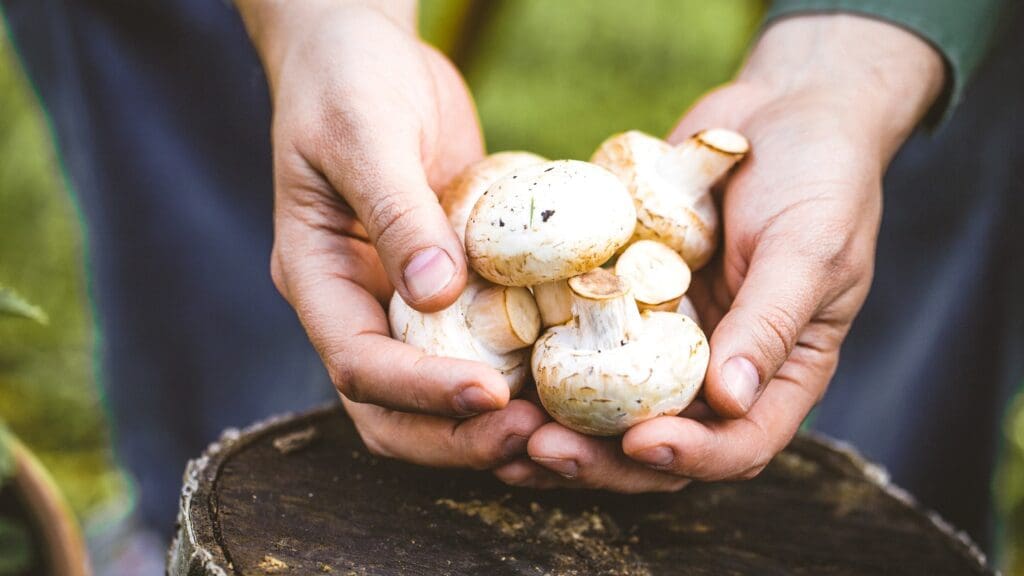
Medicinal mushrooms are being looked at as a natural way to fight lung cancer. They might help traditional treatments work better and make patients feel better.
Ganoderma Lucidum (Reishi) Research and Benefits
Ganoderma lucidum, or Reishi, has been used in medicine for a long time. It might help fight cancer by stopping tumors from growing and boosting the immune system. Research shows that Reishi’s compounds can make the immune system stronger against cancer cells.
Reishi mushrooms have special compounds that can fight cancer. This makes them a good addition to lung cancer treatment. More studies are supporting the use of Reishi in treatment plans.
Turkey Tail and Other Beneficial Mushrooms
Other mushrooms like Turkey Tail (Trametes versicolor) also show promise in fighting lung cancer. Turkey Tail has a compound called polysaccharide-K (PSK), used in Japan to help cancer patients.
- Turkey Tail: Boosts the immune system and is used with traditional cancer treatments.
- Cordyceps: May help with energy and reduce tiredness in cancer patients.
- Shiitake: Has lentinan, which can strengthen the immune system.
Integration with Conventional Lung Cancer Therapy
Adding medicinal mushrooms to lung cancer treatment needs careful planning. Patients should talk to their doctors to make a treatment plan that includes mushrooms.
Using traditional treatments with the help of medicinal mushrooms can lead to better care for lung cancer. This approach might make treatments more effective and improve patients’ lives.
Herbal Supplements with Anti-Cancer Properties
Herbal supplements are gaining attention for their anti-cancer properties. They offer a natural way to support lung cancer treatment. It’s important to know how these supplements can help patients during their treatment.
Berberine: Research and Possible Benefits
Berberine is a compound found in plants. Studies show it may stop cancer cells from growing and cause them to die. It could help in lung cancer treatment by:
- Stopping tumors from growing and spreading
- Making chemotherapy work better
- Having anti-inflammatory and antioxidant effects
More research is needed to fully understand berberine’s effects. But its promise as a complementary therapy is encouraging.
Astragalus for Immune Support During Treatment
Astragalus is a traditional Chinese medicine herb. It has been used for centuries to boost the immune system. In lung cancer, Astragalus may:
- Help the immune system fight cancer cells better
- Lessen chemotherapy and radiation side effects
- Improve overall health during treatment
Astragalus is often used with conventional treatments. Its immune-supporting effects can add to a more complete care plan.
Green Tea Extract and EGCG
Green tea extract, with its EGCG compound, has shown anti-cancer properties. EGCG may:
- Slow down lung cancer cell growth
- Make other cancer treatments more effective
- Offer antioxidant benefits, reducing oxidative stress
While more research is needed, green tea extract could be a valuable addition to lung cancer treatment plans.
Anti-Inflammatory Herbs for Lung Cancer Support
Anti-inflammatory herbs are getting more attention as a way to help with lung cancer. Inflammation can make cancer worse, and some herbs might help fight it. They could also make treatments work better.
Turmeric and Curcumin’s Anti-Cancer Effects
Turmeric is a spice found in many dishes. It has a part called curcumin that fights inflammation and is good for you. Curcumin can stop cancer cells from growing and spreading, which is good news for lung cancer patients.
Studies show curcumin can make chemotherapy and radiation better. It can also make these treatments less harsh. But, curcumin is hard to absorb, so better ways to take it are needed.
Ginger for Nausea and Inflammation Reduction
Ginger has been used for ages for its health benefits, like fighting inflammation. It’s also great for easing nausea, a common side effect of cancer treatments. Ginger’s compounds may help lower inflammation in lung cancer, making life better for patients.
You can eat ginger in many ways, like fresh, dried, or as a supplement. Its active parts, like gingerol, have been studied for fighting cancer.
Garlic and Allicin Compounds
Garlic is also good for fighting inflammation and might help with lung cancer. It has allicin, which has been shown to fight cancer. Allicin can make cancer cells die, which is important for cancer research.
Garlic is also good for your immune system. It can be added to many foods, but remember it’s part of a bigger treatment plan for cancer.
Nutritional Approaches and Dietary Modifications
For lung cancer patients, a good nutrition plan is key. It helps improve treatment results and life quality. Eating right is important during treatment.
Cancer-Fighting Foods and Phytonutrients
Some foods and nutrients can fight cancer. Broccoli and cauliflower are good because they have sulforaphane. Berries are also great because they have antioxidants.
“Eating a variety of colorful fruits and veggies is important,” says a top oncologist. Phytonutrients help fight inflammation and support health.
The Role of Antioxidant-Rich Foods
Antioxidant-rich foods are vital for lung cancer patients. They help reduce stress and inflammation. Leafy greens, nuts, seeds, and fruits like pomegranates are good choices.
- Nuts and seeds rich in vitamin E
- Fatty fish high in omega-3 fatty acids
- Colorful fruits and vegetables
Eating these foods boosts the body’s fight against cancer.
Creating a Lung-Supportive Meal Plan
Making a meal plan for lung health is important. Include foods like those mentioned. Drink plenty of water and avoid processed foods and sugars.
A sample meal plan could be:
| Meal | Foods Included |
|---|---|
| Breakfast | Oatmeal with berries and nuts |
| Lunch | Grilled chicken with roasted vegetables |
| Dinner | Salmon with quinoa and steamed broccoli |
By eating whole, nutrient-rich foods, patients can support their lung health and overall well-being.
Mind-Body Practices for Symptom Management
Mind-body practices like yoga, meditation, Tai Chi, and Qigong are helping lung cancer patients feel better. They offer a way to manage symptoms and improve health during treatment. This approach is holistic, focusing on the whole person.
Yoga and Specialized Breathing Techniques
Yoga combines physical poses, breathing, and meditation to reduce stress. It’s great for lung cancer patients because it can improve breathing capacity and ease symptoms like shortness of breath. The breathing techniques are key, helping to better lung function and health.
A study in the Journal of Clinical Oncology showed yoga helps with breathing problems in cancer patients. Adding yoga to treatment plans can lead to better physical function and less symptom distress.
Meditation for Stress Reduction and Healing
Meditation is a strong tool for lowering stress and aiding healing. It calms the body and mind, helping lung cancer patients deal with treatment side effects. This improves their quality of life.
Studies have found regular meditation can reduce anxiety and depression in cancer patients. It also helps with sleep, which is key for health and well-being during treatment.
Tai Chi and Qigong Benefits for Lung Cancer Patients
Tai Chi and Qigong are ancient practices that mix movement, meditation, and breathing. They help lung cancer patients by improving physical function, reducing stress, and boosting overall well-being.
| Practice | Benefits |
|---|---|
| Yoga | Improved breathing capacity, reduced symptom distress |
| Meditation | Reduced anxiety and depression, improved sleep quality |
| Tai Chi and Qigong | Improved physical function, reduced stress |
By adding these mind-body practices to their care, lung cancer patients can enjoy many benefits. These practices support their health and well-being during treatment.
Acupuncture and Traditional Chinese Medicine
In lung cancer care, acupuncture and TCM are becoming key complementary therapies. These ancient practices aim to boost health and well-being. Recent studies show they might help lung cancer patients too.
Acupuncture Points for Lung Support
Acupuncture uses body points to heal and balance. For lung cancer patients, some points are very helpful. They improve lung function, reduce pain and nausea, and boost overall health.
Some important acupuncture points for lung support are:
- LU 1 (Zhongfu): Helps lung function and eases coughing.
- LU 5 (Chize): Clears lung heat and reduces inflammation.
- BL 13 (Feishu): Supports lung health and eases breathing issues.
Chinese Herbal Formulations for Cancer Care
Chinese herbal medicine is a key part of TCM for cancer care. It may ease symptoms, improve life quality, and aid in healing.
Some common Chinese herbal formulas for cancer care are:
| Formulation | Benefits |
|---|---|
| Bu Fei Tang | Supports lung health and improves breathing. |
| Xiao Chai Hu Tang | Boosts immune function and eases symptoms. |
| Liu Jun Zi Tang | Improves digestion and energy. |
“The integration of Traditional Chinese Medicine into the treatment plan of lung cancer patients can significantly improve their quality of life and symptom management.”
Research on TCM for Stage 4 Lung Cancer Support
Research on TCM for stage 4 lung cancer is growing. It shows TCM can be a great addition to standard treatments. TCM may ease symptoms, lessen chemotherapy and radiation side effects, and even improve survival rates.
We see the value of TCM in lung cancer care plans. We keep up with new research to offer the best support for our patients.
Essential Nutritional Supplements for Lung Health
The right supplements can help a lot with lung health, alongside regular treatments for lung cancer. It’s key to know how certain supplements can boost well-being and help the body fight off diseases.
Vitamin D and Immune Function
Vitamin D is a vitamin that helps our immune system and how cells grow. Many cancer patients, including those with lung cancer, don’t get enough vitamin D. Having enough vitamin D is vital for a strong immune system and better health outcomes.
Research suggests vitamin D might help fight cancer by changing how cancer cells grow. While more studies are needed, getting enough vitamin D through sun, food, or supplements is a good step for health during lung cancer treatment.
Omega-3 Fatty Acids and Inflammation Reduction
Omega-3 fatty acids, like EPA and DHA, are good at reducing inflammation. Inflammation helps cancer grow, and cutting it down can slow tumors and improve treatment results. Omega-3 supplements can also help with side effects of treatment and keep patients healthy.
Eating foods rich in omega-3 or taking supplements might ease symptoms and make life better for lung cancer patients. But, always talk to a doctor before starting any new supplements to avoid any bad interactions.
Specialized Supplements for Lung Tissue Support
There are other supplements that might help lung health too. N-Acetylcysteine (NAC) could support lung function and reduce damage. Selenium and Coenzyme Q10 might also help lung health and overall well-being.
When looking at special supplements, it’s important to talk to a healthcare team. They can help make sure the supplements are safe and work well with other treatments. A plan made just for you can help you get the most benefits with the least risks.
Adding these key supplements to a treatment plan can offer extra support for lung cancer patients. Always check with doctors to find the best supplements for you.
Detoxification and Environmental Considerations
Detoxification and reducing exposure to harmful substances are key parts of lung cancer care. As we tackle lung cancer treatment, we must also look at environmental factors. These factors can affect patient health and treatment success.
Minimizing Exposure to Lung Carcinogens
Reducing exposure to lung carcinogens is critical for lung cancer patients. This means avoiding tobacco smoke, radon, asbestos, and certain chemicals at work or home. We suggest checking the patient’s living and work areas for harmful substances.
Key steps to minimize exposure include:
- Implementing a no-smoking policy in the home and car
- Testing for radon and mitigating its presence
- Avoiding exposure to asbestos and other occupational hazards
- Using personal protective equipment when handling chemicals
Effective Air Purification Methods
Air purification is vital for lung cancer patients. High-quality air purifiers can greatly reduce indoor pollution. This is very important for those with weak lungs.
| Air Purification Method | Description | Effectiveness |
|---|---|---|
| HEPA Filters | High-Efficiency Particulate Air filters capture 99.97% of particles as small as 0.3 microns | High |
| Activated Carbon | Adsorb gases, odors, and chemicals | Moderate to High |
| UV Light Purifiers | Use ultraviolet light to kill bacteria and viruses | Moderate |
Experts say air purification is key in reducing indoor pollutants. This is very important for those with respiratory issues.
“The use of air purifiers in homes and workplaces can lead to a significant reduction in airborne pathogens and pollutants.”
Gentle Detoxification Practices During Treatment
Gentle detoxification practices support the body during lung cancer treatment. These include dietary changes, staying hydrated, and supplements.
Nutritional approaches to detoxification include:
- Increasing consumption of antioxidant-rich foods
- Drinking plenty of clean, filtered water
- Incorporating foods with natural detoxifying properties, such as cruciferous vegetables
Always talk to healthcare providers before starting any detox program, even during treatment.
Emotional and Spiritual Healing Approaches
The journey through lung cancer treatment is not just physical. It’s also emotional and spiritual. It’s important to address the whole person – body, mind, and spirit.
Support Groups and Community Resources
Support groups are key in providing emotional support to lung cancer patients. They offer a safe space to share experiences and connect with others who face similar challenges.
We know how vital community resources are in lung cancer care. Support groups help patients deal with the emotional side of their diagnosis and treatment.
| Benefits of Support Groups | Description |
|---|---|
| Emotional Support | Provides a platform to share feelings and receive empathy |
| Community Connection | Helps patients feel less isolated and more connected |
| Information Sharing | Facilitates the exchange of information about treatment options and coping strategies |
Art and Music Therapy for Emotional Processing
Art and music therapy are powerful tools for emotional healing. They offer creative outlets for expressing feelings and emotions related to cancer.
Art therapy lets patients express their emotions through various art forms. It promotes self-expression and reflection. Music therapy uses music to help patients process their emotions, reduce stress, and enhance their well-being.
Spiritual Practices and Meaning-Making
Spiritual practices can offer comfort, peace, and a sense of purpose to lung cancer patients. They help individuals find meaning in their experience and connect with something larger than themselves.
We encourage patients to explore various spiritual practices. This includes meditation, prayer, or spending time in nature. These practices can provide solace and support during challenging times.
By integrating emotional and spiritual healing approaches into their care plan, lung cancer patients can experience a more holistic and supportive journey towards recovery.
Conclusion: Building a Holistic Lung Cancer Treatment Plan
A complete lung cancer treatment plan mixes traditional medicine with natural and complementary therapies. This includes lung cancer treatment options like medicinal mushrooms and herbal supplements. Mind-body practices also play a key role in supporting overall health.
A holistic plan helps patients deal with lung cancer’s challenges. It aims to improve survival rates and manage symptoms. Early detection and treatment are critical, with stage I lung cancer having a 5-year survival rate of up to 90%.
By using both traditional and natural treatments, patients can be more involved in their care. This approach boosts hope and empowerment. As we learn more about lung cancer, a holistic treatment plan remains the best support for patients on their healing path.
FAQ
What are some natural treatments for lung cancer?
We look at natural treatments like medicinal mushrooms and herbal supplements. These include Reishi and Turkey Tail mushrooms, and herbs like berberine and Astragalus. We also talk about anti-inflammatory herbs and foods that fight cancer.
How can natural remedies be integrated with conventional lung cancer treatment?
We explain how to mix natural remedies with traditional treatments. This approach helps patients get the best of both worlds, improving their care.
Are there any specific dietary modifications that can support lung cancer patients?
Yes, we talk about the importance of diet for lung cancer patients. Eating foods that fight cancer and taking in antioxidants is key. We also suggest a meal plan that supports the lungs.
Can mind-body practices help manage symptoms of lung cancer?
Absolutely, mind-body practices like yoga and meditation help. They reduce stress and aid in healing for lung cancer patients.
What is the role of acupuncture and traditional Chinese medicine in lung cancer care?
We explore acupuncture and traditional Chinese medicine for lung cancer. We look at specific points and herbal formulas that may help patients.
Are there any nutritional supplements that are beneficial for lung health?
Yes, we discuss supplements like vitamin D and omega-3 fatty acids. They boost the immune system and overall health in lung cancer patients.
How important is detoxification and reducing exposure to carcinogens in lung cancer care?
Detoxification and avoiding carcinogens are very important. We talk about air purification and detox practices that are safe during treatment.
Can emotional and spiritual healing approaches support lung cancer patients?
Yes, emotional and spiritual healing can help. We look at support groups, art therapy, and spiritual practices that improve well-being.
What is holistic treatment for lung cancer?
Holistic treatment combines medical treatments with natural remedies and mind-body practices. It aims to support overall well-being in lung cancer patients.
How can I treat lung cancer naturally?
Natural treatment for lung cancer includes natural remedies and dietary changes. It also involves mind-body practices and complementary therapies, all under medical guidance.
What are some natural cures for lung cancer?
We don’t claim to have a cure for lung cancer. But we discuss natural treatments and holistic options that can help patients, like medicinal mushrooms and herbal supplements.
Can stage 4 lung cancer be treated naturally?
We explore natural treatments and holistic approaches for stage 4 lung cancer. This includes acupuncture, traditional Chinese medicine, and nutritional supplements, alongside conventional treatments.
References
- National Center for Biotechnology Information (NCBI). Natural Products with Activity against Lung Cancer: A Review Focusing on the Tumor Microenvironment. https://www.ncbi.nlm.nih.gov/pmc/articles/PMC8509218/
- Lung Cancer Group. Natural Treatment for Lung Cancer. https://www.lungcancergroup.com/treatment/alternative/natural/
- WebMD. Lung Cancer: Alternative Treatments. https://www.webmd.com/lung-cancer/lung-cancer-alternative-treatments
- Medical News Today. Plant compound effective against lung cancer in laboratory setting. https://www.medicalnewstoday.com/articles/325625
- LUNGevity Foundation. Are Herbs and Spice Beneficial for Lung Cancer Patients? https://www.lungevity.org/blogs/are-herbs-and-spice-beneficial-for-lung-cancer-patients