Last Updated on November 25, 2025 by Ugurkan Demir
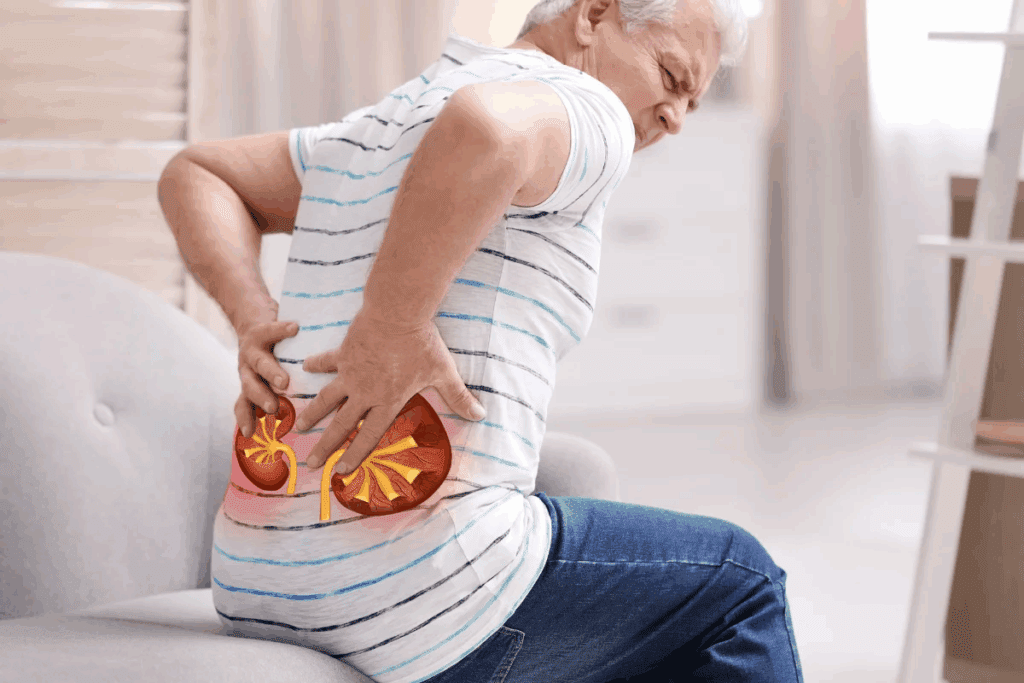
Imagine finding a kidney stone as big as a lemon inside you. Most kidney stones are tiny, but a large kidney stone is a serious issue that needs quick help. See 10cm kidney stone size guide with pictures and images.
Seeing pictures of kidney stone sizes helps people know when to get help. The National Kidney Foundation says kidney stones hit about 1 in 10 people. This number has gone up from 3.8 percent in the 1970s to 8.8 percent in the 2000s.
At Liv Hospital, we offer top-notch urological care for kidney stones of any size. We focus on our patients, aiming to give them the best care possible.
Key Takeaways
- Kidney stones can vary significantly in size, affecting their passage and treatment.
- A 10cm kidney stone is considered extremely large and requires immediate medical attention.
- Understanding kidney stone sizes helps patients recognize warning signs.
- Liv Hospital offers patient-centered urological care for kidney stones.
- Prevalence of kidney stones has increased over the years, affecting 1 in 10 people.
Understanding Kidney Stones and Their Prevalence

Kidney stones are a common health issue affecting millions worldwide. It’s important to understand them to address their growing problem.
What Are Kidney Stones?
Kidney stones are hard deposits made of minerals and salts. They form inside the kidneys. These stones can be painful and may cause serious complications if not treated.
Epidemiology: From 3.8% to 8.8% in Three Decades
The prevalence of kidney stones has risen significantly over the last three decades. Studies show it has gone from 3.8% to 8.8% during this time.
| Year | Prevalence (%) |
| 1990 | 3.8 |
| 2020 | 8.8 |
Risk Factors and Formation Process
Several factors contribute to kidney stone formation. These include dehydration, dietary habits, and genetic predisposition. Knowing these risk factors is essential for prevention.
- Dehydration: Not drinking enough water can lead to mineral concentration in urine, causing stones.
- Dietary Habits: Eating too much salt, sugar, and animal protein increases the risk.
- Genetic Predisposition: Family history significantly affects the likelihood of getting kidney stones.
Understanding these factors helps individuals take steps to prevent kidney stones.
Kidney Stone Size Classification System
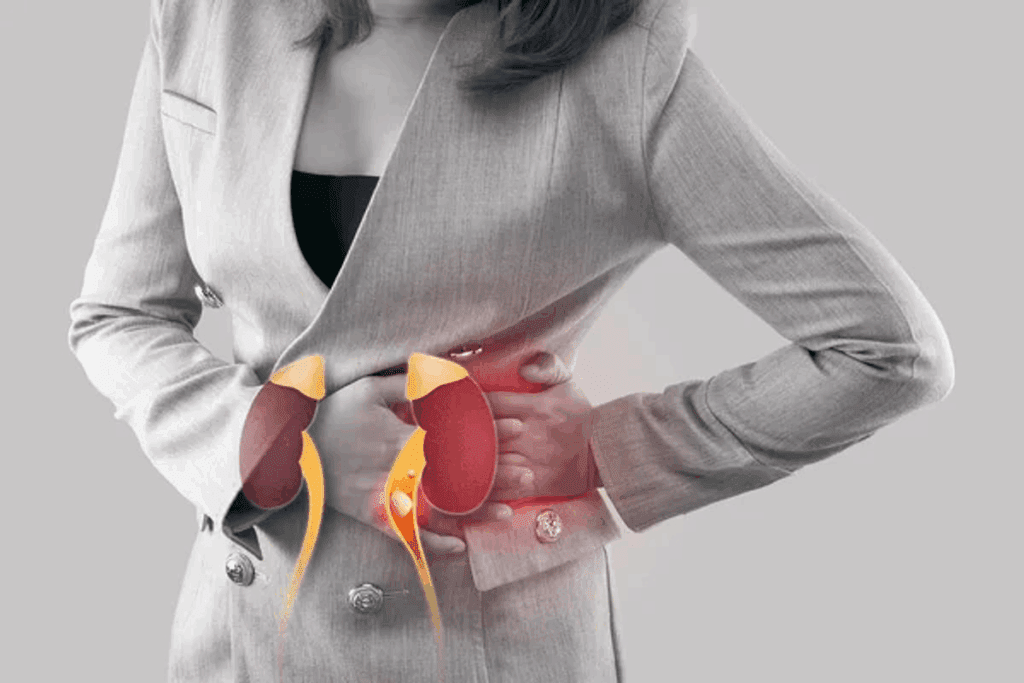
Knowing the size of kidney stones is key to picking the right treatment. Stones come in all sizes, and size matters for passing them or needing medical help.
Small Stones (Under 4mm)
Stones smaller than 4mm usually pass on their own. They often don’t cause symptoms and might not need much medical care.
Medium Stones (4-10mm)
Stones between 4mm and 10mm are a bit harder to pass. They might go on their own, but the chance drops as they get closer to 10mm.
Large Stones (10-20mm)
Stones between 10mm and 20mm rarely pass without help. The bigger they are, the harder it is to treat them.
Giant Stones (Over 20mm)
Stones over 20mm are rare and usually need surgery. They can cause a lot of pain and harm the kidneys.
We use a system to decide how to treat kidney stones based on their size. Knowing the stone’s size helps doctors create the best treatment plan for each patient.
10cm Kidney Stone: An Extreme Medical Case
A 10cm kidney stone is very rare and poses big medical challenges. Such cases are notable for their size and the issues they bring in diagnosis and treatment.
Rarity and Medical Significance
A kidney stone of this size is an extreme case. It’s rare because stones this big are not common. The big stone can cause severe symptoms and problems, like blockage, infection, and kidney damage.
The rarity of a 10cm kidney stone shows how important it is to understand how it forms and affects the urinary system. We will look into how such big stones develop and their effects on kidney function.
Visual Comparison to Everyday Objects
To understand the size of a 10cm kidney stone, compare it to everyday things. It’s about the size of a large orange or a baseball. This helps patients and doctors grasp the size and the challenges in managing it.
How These Massive Stones Develop
The growth of a 10cm kidney stone involves many factors. These include metabolic disorders, genetic predisposition, and environmental factors. Understanding these factors is key to preventing such large stones.
- Metabolic disorders, like hyperoxaluria, can lead to stone formation.
- Genetic predisposition increases the chance of getting big kidney stones.
- What you eat and how much you drink also matters.
Impact on Kidney Function and Structure
A stone this big can harm kidney function and structure. It can block the kidney, leading to injury or chronic damage. The damage includes harm to the renal pelvis and calyces, affecting the kidney’s function.
It’s vital to get medical help quickly for large kidney stones. Surgery is often needed to remove them.
Visual Guide to Kidney Stone Sizes with Images
Knowing the size and look of kidney stones is key for managing them well. Stones come in all sizes, and knowing this helps doctors plan treatment.
3mm Kidney Stone Images and Identification
5mm Kidney Stone Comparison Pictures
A 5mm stone is a bit bigger and may cause more pain. It’s about the size of a small pea. Stones this size might not pass as easily as the 3mm ones.
Large Stone Visuals (9mm and 10mm)
Stones that grow to 9mm or 10mm are harder to pass. A 9mm stone is like a large grape, and a 10mm one is like a small marble. At these sizes, doctors often need to step in to avoid serious problems.
How to Identify Passed Stones in Toilet or Urine
Finding passed kidney stones in the toilet or urine can be a big relief. Look for small, hard mineral bits. Straining urine through a fine-mesh sieve or gauze can help catch them. Knowing what passed stones look like can help prevent future problems.
Passage Rates by Size: What to Expect
The size of a kidney stone greatly affects if it can pass on its own. Kidney stones come in all sizes. Knowing how size affects passage rates helps in planning treatment.
Small Stones: High Passage Rate
Small kidney stones, under 4mm, often pass without help. Research shows that about 90% of stones under 4mm can move out naturally.
Medium Stones: Moderate Passage Rate
Medium-sized stones, around 5mm, pass less often. About 60% of 5mm stones can pass, but sometimes need medical help.
Large Stones: Minimal Chance of Natural Passage
Large stones, over 10mm, rarely pass on their own. The bigger the stone, the more likely it blocks and needs medical help.
10cm Stones: Surgical Intervention Required
A 10cm stone is huge and can’t pass naturally. Such big stones block and harm, needing surgery. We’ll look at surgery options later.
To sum up, small stones often pass naturally, but bigger ones, like 10cm, need surgery right away.
Symptoms and Complications of Extremely Large Stones
Large kidney stones, like those over 10cm, can cause severe symptoms. These symptoms need quick medical help. Such stones can harm not just the kidney but the whole body.
Pain Patterns and Severity
The pain from big kidney stones is very bad. The pain spreads from the flank to the lower abdomen and groin. It can also make you feel sick and throw up.
Experts say the pain is so bad, you should get medical help fast.
“Severe pain is a hallmark symptom, and its management is a critical aspect of treating patients with large kidney stones.”
Urinary Symptoms and Obstruction
Big kidney stones can block urine flow. This can cause intermittent or persistent pain while urinating. You might also have trouble starting or stopping to pee, or even not be able to pee at all.
Systemic Complications
Big kidney stones can also cause problems all over the body. For example, they can lead to urinary tract infections (UTIs). If not treated, UTIs can turn into sepsis, a very serious condition. Sepsis is a life-threatening condition that requires immediate medical intervention. Also, long-term blockage can damage the kidneys, affecting how well they work.
- Infection
- Sepsis
- Kidney damage
Long-term Kidney Damage Risks
Having a big kidney stone for a long time can harm the kidneys. The blockage can cause chronic damage or make existing problems worse. Prompt treatment is key to avoid long-term damage and keep the kidneys working right.
In summary, big kidney stones bring severe symptoms and complications. Knowing these risks helps both patients and doctors to treat these cases well.
Diagnostic Imaging for Kidney Stones
Accurate diagnosis of kidney stones relies on advanced diagnostic imaging techniques. These technologies help healthcare providers see the stones, measure their size, and find the best treatment.
CT Scans: The Gold Standard
CT scans are the top choice for diagnosing kidney stones. They are very accurate, allowing for precise measurements. CT scans can spot even small stones and tell what they’re made of.
Non-contrast CT is often used because it doesn’t need contrast agents. This reduces risks. CT scans are fast and accurate, making them key in emergencies.
Ultrasound Visualization
Ultrasound is also a valuable tool for kidney stones. It uses sound waves to create images of the kidneys and urinary tract. It’s not as good as CT scans for small stones but is safer for some patients.
Ultrasound is great for finding larger stones and checking for complications. It’s also safe for pregnant women and kids.
X-Ray and Other Imaging Options
X-ray imaging, like plain abdominal X-ray (KUB – Kidneys, Ureters, Bladder), is sometimes used. But it can’t find uric acid stones or small ones well.
Other tests, like intravenous pyelography (IVP), might be used to look at the urinary tract’s shape and function.
Laboratory Tests for Stone Composition
Imaging shows where and how big the stones are. But laboratory tests tell what the stones are made of. Tests on passed or removed stones help figure out the type.
This info is key for treatment decisions and preventing more stones.
Treatment Options for 10cm Kidney Stones
Treating a 10cm kidney stone is more than just giving medication. It needs a detailed plan. Such a large stone can cause severe pain, infection, and even damage to the kidney. The treatment must consider the person’s health, the stone’s type, and where it is in the urinary tract.
Why Conservative Management Fails
For stones this big, just managing pain and staying hydrated is not enough. A stone this size won’t pass on its own. The bigger the stone, the higher the risk of blockage, infection, or kidney damage.
“Large kidney stones, such as those measuring 10cm, rarely pass on their own and often require more aggressive treatment to prevent serious complications.”
– Medical Expert, Nephrologist
Surgical Interventions
For 10cm kidney stones, surgery is usually the best option. There are different surgeries, each with its own benefits and when to use them.
- Shock Wave Lithotripsy (SWL): This non-invasive method uses shock waves to break the stone into smaller pieces. But, it might not work for very large and hard stones like a 10cm one.
- Ureteroscopy: A small telescope is used to reach the stone. The stone can be removed or broken into smaller pieces with a laser. It’s good for smaller stones but might be tough for a 10cm stone.
- Percutaneous Nephrolithotomy (PCNL): This surgery involves a small cut in the back to directly access the kidney. PCNL is often the best choice for big stones because it can remove the stone in one go.
| Surgical Option | Effectiveness for 10cm Stones | Potential Complications |
| SWL | Limited due to stone size | Infection, bleeding |
| Ureteroscopy | Challenging but possible with laser fragmentation | Ureteral injury, infection |
| PCNL | Highly effective | Bleeding, infection, possible kidney damage |
Post-Surgical Recovery and Complications
After surgery, patients are watched for possible problems like bleeding, infection, or damage to the urinary tract. The recovery time varies based on the surgery. Patients usually feel some pain and take several weeks to fully recover.
Stone Analysis and Future Prevention
After removing the stone, it’s analyzed to find out what it’s made of. Knowing this helps prevent future stones. Changes in diet, drinking more water, and sometimes medication are suggested based on the stone type.
It’s important for patients with 10cm kidney stones to know about treatment options. While some treatments might not work, others can be very effective. Taking care after surgery and analyzing the stone are key to recovery and preventing future stones.
Conclusion
Knowing the size of kidney stones is key to finding the right treatment. We’ve looked at various stone sizes, from tiny ones under 4mm to huge ones over 20mm. We also focused on a massive 10cm stone.
A kidney stone size guide helps people grasp their situation and the treatment options available. For example, knowing about a 5mm kidney stone can tell patients if they can pass it on their own. A 5mm kidney stone comparison to common objects makes it easier to understand.
In summary, knowing the signs and symptoms of different stone sizes helps people get medical help quickly. This can lower the risk of serious problems and improve treatment results. Understanding the size of kidney stones helps us deal with this condition better and make smart choices about our health.
FAQ
What is a kidney stone, and how is it formed?
A kidney stone is a hard deposit made of minerals and salts. It forms inside the kidneys. The process starts when urine becomes concentrated, causing minerals to crystallize and form stones.
How does the size of a kidney stone affect its passage and treatment?
The size of a kidney stone matters a lot. Small stones (under 4mm) often pass on their own. But, larger stones (over 10mm) might need medical help. Stones as big as 10cm usually need surgery.
What are the symptoms of a 10cm kidney stone?
Symptoms of a 10cm kidney stone include severe pain. This pain can spread to the lower abdomen and groin. It can also cause urinary blockage and other serious issues.
How is a 10cm kidney stone diagnosed?
To diagnose a 10cm kidney stone, doctors use imaging like CT scans, ultrasound, or X-rays. They might also do lab tests to find out what the stone is made of.
Can a 5mm kidney stone pass naturally?
Yes, a 5mm kidney stone can pass on its own, with a 60% chance. But, it’s best to get medical help to make sure.
What are the treatment options for a 10cm kidney stone?
Treatment for a 10cm kidney stone usually means surgery. The type of surgery depends on the stone’s size, where it is, and the patient’s health.
How can I identify a passed kidney stone in the toilet or urine?
To spot a passed kidney stone, look for small, hard pieces in your urine or toilet. Compare them to pictures of kidney stones to see if they match.
What are the risks associated with extremely large kidney stones?
Large kidney stones, like a 10cm stone, can cause serious problems. These include blockages, infections, and damage to the kidneys if not treated quickly.
How can I prevent kidney stones from forming in the future?
To prevent kidney stones, change your diet, drink plenty of water, and manage health issues. Knowing what your stone is made of can also help prevent future stones.
What is the role of laboratory tests in determining stone composition?
Lab tests help figure out what a passed kidney stone is made of. This info is key to understanding why stones form and how to prevent them in the future.
Can you see a 3mm kidney stone on an X-ray?
Whether a 3mm kidney stone shows up on an X-ray depends on its makeup. Calcium-rich stones are more likely to be seen, but stones like uric acid might not show up.