Last Updated on November 27, 2025 by Bilal Hasdemir
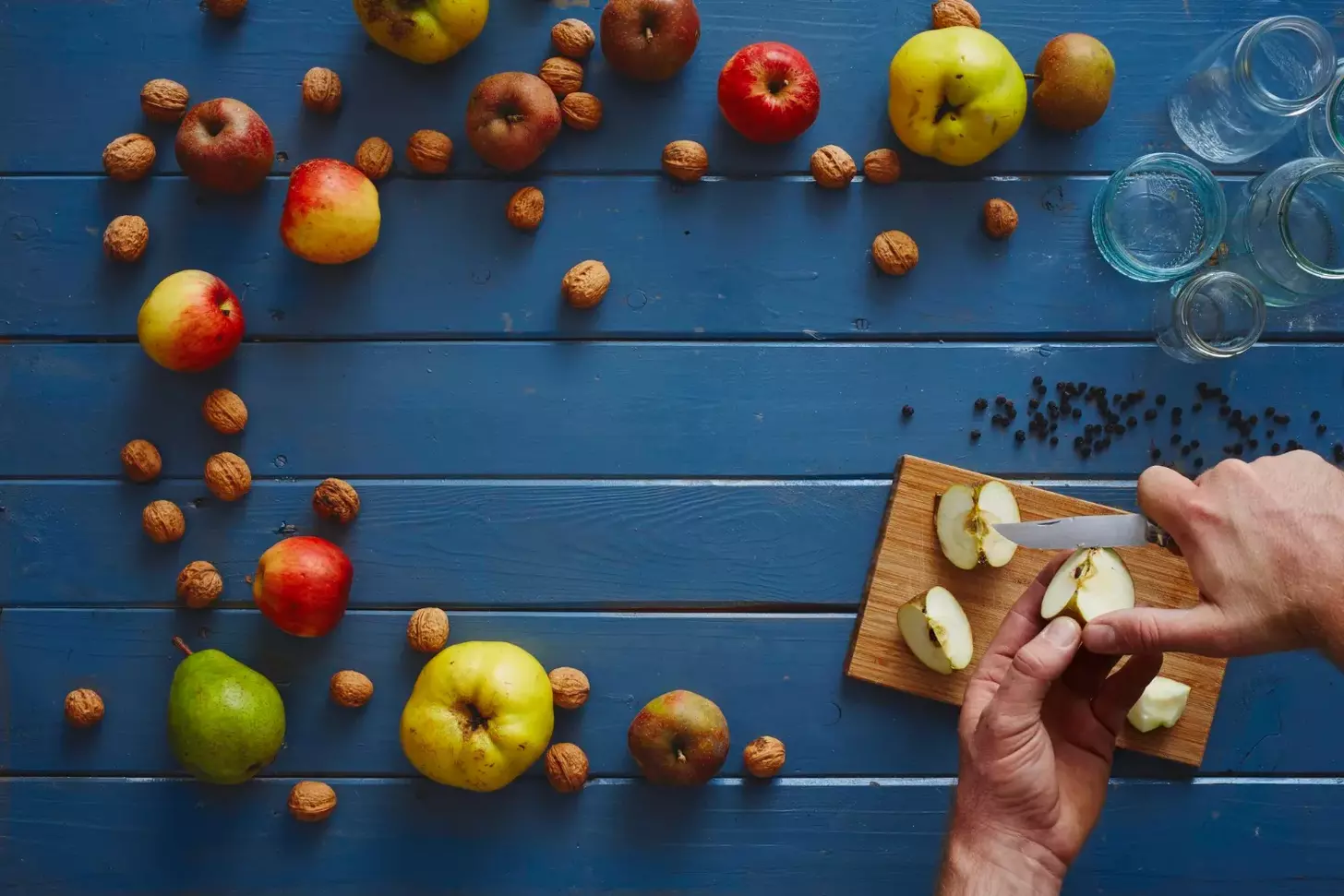
Recovering from prostate surgery requires a thoughtful approach to diet. A well-balanced diet plays a crucial role in promoting tissue healing, reducing inflammation, and maintaining strength. At Liv Hospital, we emphasize the importance of integrative health approaches, including diet, in recovery. highlights that a nourishing diet is essential for a smoother and faster recovery.
Adopting a prostate surgery recovery diet rich in essential nutrients can significantly impact your overall health and recovery from prostate surgery. By focusing on the right foods, you can reduce the risk of complications and support your body’s healing process.
Key Takeaways
- A balanced diet is crucial after prostate surgery for healing and reducing complications.
- Nourishing foods support overall health and recovery.
- Integrative health approaches, including diet, are vital for recovery.
- A well-planned diet can reduce the risk of post-surgery complications.
- Essential nutrients play a significant role in the recovery process.
The Importance of Proper Nutrition After Prostate Surgery

The importance of nutrition after prostate surgery cannot be overstated, as it directly influences the recovery trajectory and overall health outcomes. Proper nutrition supports the body’s healing process and reduces the risk of complications. According to health experts, including those at KFF Health News, adequate nutrition is vital for optimal recovery.
How Surgery Affects Your Body’s Healing Process
Surgery, including prostate surgery, triggers a complex healing process that involves various physiological responses. The body’s demand for nutrients increases to support tissue repair, immune function, and overall recovery. Adequate nutrition is crucial to meet these increased demands and ensure a smooth recovery.
During the healing process, the body requires a balanced mix of proteins, vitamins, minerals, and other essential nutrients. These nutrients play a critical role in wound healing, fighting infections, and restoring overall health. A deficiency in any of these nutrients can potentially delay healing or lead to complications.
Key Nutritional Goals During Recovery
During recovery from prostate surgery, several key nutritional goals should be prioritized. These include consuming sufficient protein to support tissue repair, maintaining adequate hydration, and ensuring a balanced intake of vitamins and minerals. Antioxidant-rich foods can also help reduce oxidative stress and promote healing.
Our nutritional goals during this period should focus on:
- Supporting immune function
- Promoting wound healing
- Reducing the risk of complications
- Maintaining overall health and well-being
By focusing on these nutritional goals, individuals can support their body’s healing process and improve their overall recovery outcomes after prostate surgery.
What Are the Best Foods to Eat After Prostate Surgery?

Eating the right foods after prostate surgery is essential for minimizing complications and supporting your body’s natural healing process. A well-balanced diet can significantly impact your recovery time and overall health.
The Science Behind Post-Surgical Nutrition
After surgery, your body requires essential nutrients to repair tissues, fight off infections, and regain strength. Nutrition plays a critical role in this process, providing the necessary building blocks for recovery. A diet rich in vitamins, minerals, and antioxidants can help reduce inflammation and promote healing.
For instance, stories like Ashley Sneddon’s highlight the impact of health challenges on life and the importance of nutrition in recovery. By focusing on nutrient-dense foods, patients can support their body’s healing process and potentially reduce the risk of complications.
How Diet Impacts Recovery Time and Complications
A well-planned diet can significantly influence your recovery time and reduce the risk of post-surgical complications. Foods high in antioxidants, fiber, and lean proteins are particularly beneficial. These nutrients help in reducing inflammation, preventing constipation, and supporting tissue repair.
Some of the best foods to eat after prostate surgery include lean proteins like chicken, turkey, and fish, which provide essential amino acids for tissue repair. Cruciferous vegetables such as broccoli and kale are rich in antioxidants and can help reduce inflammation. Additionally, whole grains like brown rice and quinoa offer sustained energy and fiber, aiding in overall recovery.
By making informed dietary choices, patients can take an active role in their recovery process, potentially leading to better outcomes and a faster return to normal activities.
Lean Proteins: Essential for Tissue Repair and Immune Function
Lean proteins play a vital role in tissue repair and immune function following prostate surgery. We recommend incorporating a variety of lean protein sources into your diet to support your body’s healing process.
Chicken and Turkey: Low-Fat Protein Options
Chicken and turkey are excellent sources of lean protein, providing essential amino acids for tissue repair. They are also low in fat, making them ideal for maintaining a healthy weight during recovery. Opt for baked or grilled preparations to maximize nutritional benefits.
Fish: Combining Protein with Anti-Inflammatory Benefits
Fish is not only a great source of protein but also rich in omega-3 fatty acids, which have anti-inflammatory properties. Salmon, sardines, and mackerel are particularly beneficial. Including fish in your diet can help reduce inflammation and promote healing.
Eggs: Complete Protein for Recovery
Eggs are considered a complete protein because they contain all nine essential amino acids necessary for the body. They are versatile and can be prepared in various ways, making them a convenient option for post-surgery nutrition.
Plant-Based Proteins: Tofu and Legumes
For those preferring plant-based options, tofu and legumes are excellent sources of lean protein. Legumes such as lentils, chickpeas, and black beans are also high in fiber, supporting digestive health during recovery. Tofu can be easily incorporated into meals, providing a protein boost.
Including a mix of these lean proteins in your diet can significantly support your recovery after prostate surgery. We recommend consulting with a nutritionist to develop a personalized meal plan that meets your specific needs.
Cruciferous Vegetables: Nature’s Anti-Inflammatory Agents
In the journey towards healing after prostate surgery, cruciferous vegetables emerge as key nutritional allies, rich in anti-inflammatory compounds. These vegetables are not only beneficial for reducing inflammation but also packed with vitamins, minerals, and antioxidants that support overall health.
Broccoli and Cauliflower: Powerhouses for Healing
Broccoli and cauliflower are standout cruciferous vegetables that are particularly beneficial after prostate surgery. They contain sulforaphane, a compound with potent anti-inflammatory and antioxidant properties. Incorporating these vegetables into your diet can be as simple as steaming them or adding them to soups and salads.
Nutritional Highlights:
- Rich in Vitamin C and K
- High in fiber, supporting digestive health
- Contain sulforaphane for anti-inflammatory benefits
Kale, Cabbage, and Brussels Sprouts: Nutrient-Dense Options
Kale, cabbage, and Brussels sprouts are other nutrient-dense cruciferous vegetables that can significantly enhance your post-surgery diet. Kale is rich in antioxidants and vitamins, while cabbage is known for its anti-inflammatory properties and high vitamin C content. Brussels sprouts are packed with fiber and contain compounds that may help in reducing inflammation.
| Vegetable | Key Nutrients | Health Benefits |
|---|---|---|
| Kale | Antioxidants, Vitamins A, C, and K | Supports eye health, immune function |
| Cabbage | Vitamin C, Fiber | Aids digestion, anti-inflammatory |
| Brussels Sprouts | Fiber, Vitamins C and K | Supports heart health, anti-inflammatory |
Easy Preparation Methods for Maximum Benefits
To maximize the nutritional benefits of cruciferous vegetables, it’s essential to prepare them correctly. Steaming is a great method as it preserves the nutrients. You can also sauté them lightly with a bit of olive oil and garlic for added flavor. Adding these vegetables to soups and stews is another easy way to incorporate them into your diet.
Tip: To retain the nutrients, avoid overcooking. A quick sauté or steam for a few minutes can make these vegetables both delicious and nutritious.
By incorporating a variety of cruciferous vegetables into your diet, you can harness their anti-inflammatory properties to support your recovery after prostate surgery. Whether steamed, sautéed, or added to your favorite dishes, these vegetables are a delicious and healthy addition to your meal plan.
Whole Grains: Sustained Energy for Recovery
Whole grains play a crucial role in providing sustained energy, which is vital for patients recovering from prostate surgery. We recommend incorporating whole grains into your diet as they are rich in fiber, vitamins, and minerals that support overall health and aid in the healing process.
Oatmeal: A Gentle, Fiber-Rich Breakfast Option
Oatmeal is an excellent choice for breakfast as it is gentle on the digestive system and rich in fiber. Steel-cut oats or rolled oats are good options, and they can be prepared with milk or water. Adding fruits or nuts can enhance the flavor and nutritional value.
Brown Rice, Quinoa, and Barley: Versatile Meal Bases
Brown rice, quinoa, and barley are versatile whole grains that can be used as bases for various meals. Quinoa, being a complete protein, is particularly beneficial. These grains can be paired with vegetables, lean proteins, or legumes to create balanced and nutritious meals that support recovery.
We suggest exploring different recipes that incorporate these whole grains to keep your diet interesting and varied. By doing so, you’ll not only be supporting your body’s recovery but also developing healthy eating habits that can benefit you in the long term.
Fiber-Rich Foods: Preventing Post-Surgical Constipation
A high-fiber diet is crucial for preventing constipation, a common post-surgical complication after prostate surgery. Constipation can cause discomfort, pain, and potentially serious complications if not managed properly. We recommend incorporating foods rich in fiber into your diet to facilitate a smoother recovery.
Fruits High in Fiber: Apples, Pears, and Berries
Fruits are an excellent source of dietary fiber. Apples, pears, and berries such as strawberries, blueberries, and raspberries are not only high in fiber but also rich in antioxidants and vitamins. These fruits can help regulate bowel movements and prevent constipation. We suggest consuming them fresh or dried, without added sugars.
Beans and Lentils: Dual Benefits of Protein and Fiber
Beans and lentils are another crucial component of a high-fiber diet. They offer the dual benefit of being rich in both protein and fiber, making them ideal for patients recovering from prostate surgery. Legumes such as black beans, chickpeas, and lentils can be easily incorporated into meals, providing sustained energy and supporting digestive health.
To maximize the benefits of fiber-rich foods, it’s essential to increase water intake. Adequate hydration helps fiber move through the digestive system, reducing the risk of constipation. We advise patients to drink plenty of water throughout the day.
Healthy Fats: Supporting Cellular Repair and Reducing Inflammation
The right fats can make a significant difference in recovery after prostate surgery by supporting cellular health and minimizing inflammation. We recommend incorporating healthy fats into your diet to aid in the healing process. Nutrition experts highlight the benefits of omega-3s and other healthy fats in supporting overall health during recovery.
Fatty Fish Rich in Omega-3s: Salmon and Sardines
Fatty fish are an excellent source of omega-3 fatty acids, which are known for their anti-inflammatory properties. Salmon and sardines are particularly beneficial due to their high omega-3 content. Omega-3s help in reducing inflammation, which is crucial for a smooth recovery after surgery. We suggest including these fish in your diet at least twice a week.
- Salmon: Rich in EPA and DHA, two important types of omega-3 fatty acids.
- Sardines: Packed with omega-3s and are a more sustainable option due to their lower mercury levels.
Plant-Based Fats: Avocados, Nuts, Seeds, and Olive Oil
In addition to fatty fish, plant-based fats are also crucial for a balanced diet during recovery. Avocados, nuts, seeds, and olive oil are excellent sources of healthy fats. These foods not only support heart health but also provide essential nutrients that aid in the healing process.
Here are some ways to incorporate these fats into your diet:
- Avocados: Add sliced avocado to your sandwiches or salads.
- Nuts and Seeds: Snack on almonds, walnuts, chia seeds, or flaxseeds.
- Olive Oil: Use it as your primary cooking oil or as a dressing for salads.
By including these healthy fats in your diet, you can support your body’s natural healing processes and potentially reduce the risk of complications after prostate surgery. We emphasize the importance of a balanced diet in the recovery process.
Greek Yogurt: Probiotics for Gut Health and Immunity
Greek yogurt is a nutritional powerhouse that supports gut health and immunity, making it an excellent choice post-surgery. Health professionals recommend Greek yogurt for its numerous nutritional benefits, particularly its high probiotic content.
How Probiotics Support Recovery After Surgery
Probiotics are live bacteria and yeasts that are beneficial for your health, especially your digestive system. After prostate surgery, probiotics can help in several ways:
- Enhance Gut Health: Probiotics maintain a healthy balance of gut bacteria, which is crucial for digestion and nutrient absorption.
- Boost Immunity: By supporting the gut barrier, probiotics help in strengthening the immune system, reducing the risk of infections.
- Reduce Inflammation: Certain probiotics can help in reducing inflammation, which is beneficial for a smoother recovery.
Selecting the Right Yogurt and Serving Suggestions
Not all Greek yogurts are created equal. When selecting a Greek yogurt, look for the following:
- High Probiotic Content: Choose yogurts that contain live and active cultures.
- Low Sugar Content: Opt for plain, unflavored varieties to avoid added sugars.
- High Protein Content: Greek yogurt is known for its high protein content, which is beneficial for recovery.
You can incorporate Greek yogurt into your diet in various ways:
- Enjoy it as a snack with fresh fruits or nuts.
- Use it as a base for smoothies.
- Add it to oatmeal or cereals.
- Make a tzatziki sauce with yogurt, cucumbers, and garlic as a healthy dip.
By including Greek yogurt in your prostate surgery recovery diet, you can support your gut health and immunity, contributing to a faster and more comfortable recovery.
Berries and Colorful Fruits: Antioxidant Protection
Berries and colorful fruits are not just a delight to the palate, but they also provide crucial antioxidant protection during recovery. Nutrition experts recommend a variety of fruits for their antioxidant properties, which help protect against cell damage and support overall health.
We understand that after prostate surgery, the body needs all the support it can get to heal efficiently. That’s why incorporating antioxidant-rich fruits into your diet can be highly beneficial. These fruits are rich in vitamins, minerals, and antioxidants that help in reducing inflammation and promoting healing.
Blueberries, Strawberries, and Raspberries: Recovery Superfoods
Blueberries, strawberries, and raspberries are standout fruits due to their high antioxidant content. Blueberries are particularly known for their high levels of anthocyanins, powerful antioxidants that have been shown to reduce inflammation. Strawberries are rich in vitamin C, which is essential for collagen synthesis and tissue repair. Raspberries are packed with fiber and antioxidants, making them an excellent choice for overall health.
| Fruit | Key Antioxidants | Health Benefits |
|---|---|---|
| Blueberries | Anthocyanins | Reduces inflammation, supports brain health |
| Strawberries | Vitamin C | Boosts collagen synthesis, enhances immune function |
| Raspberries | Ellagic acid | Rich in fiber, supports heart health |
Other Antioxidant-Rich Fruits: Citrus, Pomegranate, and Cherries
Beyond berries, other fruits are also rich in antioxidants and can support recovery. Citrus fruits like oranges and grapefruits are high in vitamin C, which is crucial for immune function. Pomegranates are known for their punicalagins, powerful antioxidants that have anti-inflammatory properties. Cherries, especially tart cherries, have been shown to reduce muscle soreness and inflammation.
We recommend incorporating a variety of these colorful fruits into your diet to maximize antioxidant intake. Whether you enjoy them fresh, frozen, or blended into smoothies, these fruits can play a significant role in supporting your recovery after prostate surgery.
Hydration: Water and Therapeutic Beverages
Hydration is a cornerstone of recovery after prostate surgery, supporting overall health and well-being. We emphasize the importance of adequate hydration to our patients, as it plays a critical role in the healing process.
Health professionals stress that staying hydrated is essential for recovery, as it helps in maintaining the body’s functions and supporting the healing of tissues. Adequate hydration can also help in reducing the risk of complications and promoting a smoother recovery.
Water: The Foundation of Recovery
Water is the most natural and effective way to stay hydrated. We recommend that patients drink plenty of water throughout the day to help their bodies recover from the surgery. The general recommendation is to drink at least eight glasses of water a day, but this can vary based on individual needs and activity levels.
Benefits of Water for Recovery:
- Helps in flushing out toxins and medications
- Supports the healing of tissues
- Maintains bodily functions
- Reduces the risk of dehydration and related complications
Herbal Teas and Clear Broths: Soothing Hydration Options
In addition to water, herbal teas and clear broths can provide soothing hydration options for patients. These beverages can be particularly helpful when water alone is not sufficient or when patients need a bit of variety in their hydration routine.
Herbal teas, such as peppermint or chamomile tea, can offer additional benefits like calming the digestive system or reducing stress. Clear broths can provide essential salts and minerals that may be lost during surgery or due to medication side effects.
| Hydration Option | Benefits |
|---|---|
| Water | Flushes out toxins, supports tissue healing, maintains bodily functions |
| Herbal Teas | Calms the digestive system, reduces stress, provides hydration |
| Clear Broths | Provides essential salts and minerals, supports hydration |
As highlighted by a study on post-surgical recovery, “adequate hydration is associated with reduced morbidity and mortality.” We emphasize this point to our patients to stress the importance of staying hydrated during their recovery period.
“Adequate hydration is crucial for patients recovering from surgery, as it supports the body’s natural healing processes and reduces the risk of complications.”
Foods to Avoid After Prostate Surgery
Certain foods can hinder your recovery after prostate surgery, so it’s essential to know what to avoid. A well-planned diet helps in healing, reduces the risk of complications, and supports overall health.
Inflammatory Foods: Red Meat, Processed Foods, and Sugars
Consuming inflammatory foods can prolong recovery and cause discomfort. It’s advisable to limit or avoid:
- Red meat, especially processed meats like sausages and bacon
- Processed foods high in preservatives and unhealthy fats
- Foods and beverages with high sugar content
Avoiding these foods can help reduce inflammation and support your body’s healing process.
Bladder Irritants: Caffeine, Alcohol, and Spicy Foods
Some foods and drinks can irritate the bladder, causing discomfort during the recovery period. Consider reducing or avoiding:
- Caffeine-containing beverages like coffee and tea
- Alcoholic drinks
- Spicy foods that can irritate the urinary tract
Reducing intake of these irritants can help minimize bladder discomfort.
Foods That May Interfere with Healing or Medication
Certain foods can interact with medications or affect the healing process. It’s crucial to be aware of:
- Foods high in vitamin K, which can affect blood clotting if you’re on anticoagulant medication
- Grapefruit and its juice, which can interact with certain medications
| Food Category | Examples | Reason to Avoid |
|---|---|---|
| Inflammatory Foods | Red meat, processed foods, sugary snacks | May prolong recovery and cause discomfort |
| Bladder Irritants | Caffeine, alcohol, spicy foods | Can irritate the bladder and urinary tract |
| Interfering Foods | Foods high in vitamin K, grapefruit | May interact with medications or affect healing |
Gradual Reintroduction of Foods After Recovery
Once you’ve recovered sufficiently, you can start reintroducing foods back into your diet gradually. It’s essential to:
- Monitor your body’s reaction to new foods
- Reintroduce foods one at a time to identify any sensitivities
- Maintain a balanced diet to support overall health
Conclusion: Creating a Practical Meal Plan for Optimal Recovery
Creating a practical and balanced meal plan is essential for optimal recovery after prostate surgery. We recommend planning meals in advance to ensure a smooth recovery. A well-structured meal plan can help you incorporate the recommended foods and avoid those that can cause issues, supporting a smoother and faster recovery.
A prostate surgery meal plan should include a variety of nutrient-dense foods, such as lean proteins, cruciferous vegetables, whole grains, and healthy fats. These foods provide the necessary building blocks for tissue repair, immune function, and overall well-being. By focusing on optimal recovery nutrition, you can help your body heal efficiently and reduce the risk of complications.
When developing your meal plan for recovery, consider your individual needs and preferences. We suggest consulting with a healthcare professional or registered dietitian to create a personalized diet after prostate surgery. This will help ensure you’re getting the necessary nutrients to support your recovery.
By following a well-planned meal plan, you can take an active role in your recovery and improve your overall health outcomes. We are committed to providing you with the necessary guidance and support to achieve optimal recovery.
FAQ
What are the best foods to eat after prostate surgery?
The best foods to eat after prostate surgery include lean proteins like chicken, turkey, and fish, as well as cruciferous vegetables, whole grains, fiber-rich foods, and healthy fats. These foods support the body’s healing process, reduce the risk of complications, and promote overall health.
Why is Greek yogurt beneficial after prostate surgery?
Greek yogurt is beneficial after prostate surgery because it is an excellent source of probiotics, which support gut health and immunity during recovery. Probiotics can help reduce the risk of complications and promote a smoother recovery.
Are boiled eggs good for prostate health?
Yes, boiled eggs are a good source of protein, which is essential for tissue repair and immune function after prostate surgery. Eggs are considered a complete protein, making them a beneficial food for recovery.
What foods should be avoided after prostate surgery?
After prostate surgery, it’s recommended to avoid inflammatory foods like red meat, processed foods, and sugars, as well as bladder irritants such as caffeine, alcohol, and spicy foods. Foods that may interfere with healing or medication should also be avoided.
Is oatmeal good for prostate health?
Yes, oatmeal is a gentle, fiber-rich breakfast option that can help support recovery after prostate surgery. Whole grains like oatmeal provide sustained energy and fiber, making them an essential part of a recovery diet.
How does diet impact recovery time and complications after prostate surgery?
A well-balanced diet that includes the recommended foods can help support the body’s healing process, reduce the risk of complications, and promote overall health. Adequate nutrition is crucial for making informed dietary choices that can impact recovery time and the risk of complications.
What are some tips for creating a practical meal plan after prostate surgery?
Creating a practical meal plan after prostate surgery involves incorporating the recommended foods, such as lean proteins, cruciferous vegetables, whole grains, and healthy fats, while avoiding foods that can cause issues. A balanced meal plan can support a smoother and faster recovery.
How important is hydration after prostate surgery?
Adequate hydration is crucial for recovery after prostate surgery. Water is the foundation of hydration, and herbal teas and clear broths can also provide soothing hydration options. Staying hydrated can help support the body’s healing process and reduce the risk of complications.