Last Updated on November 27, 2025 by Bilal Hasdemir
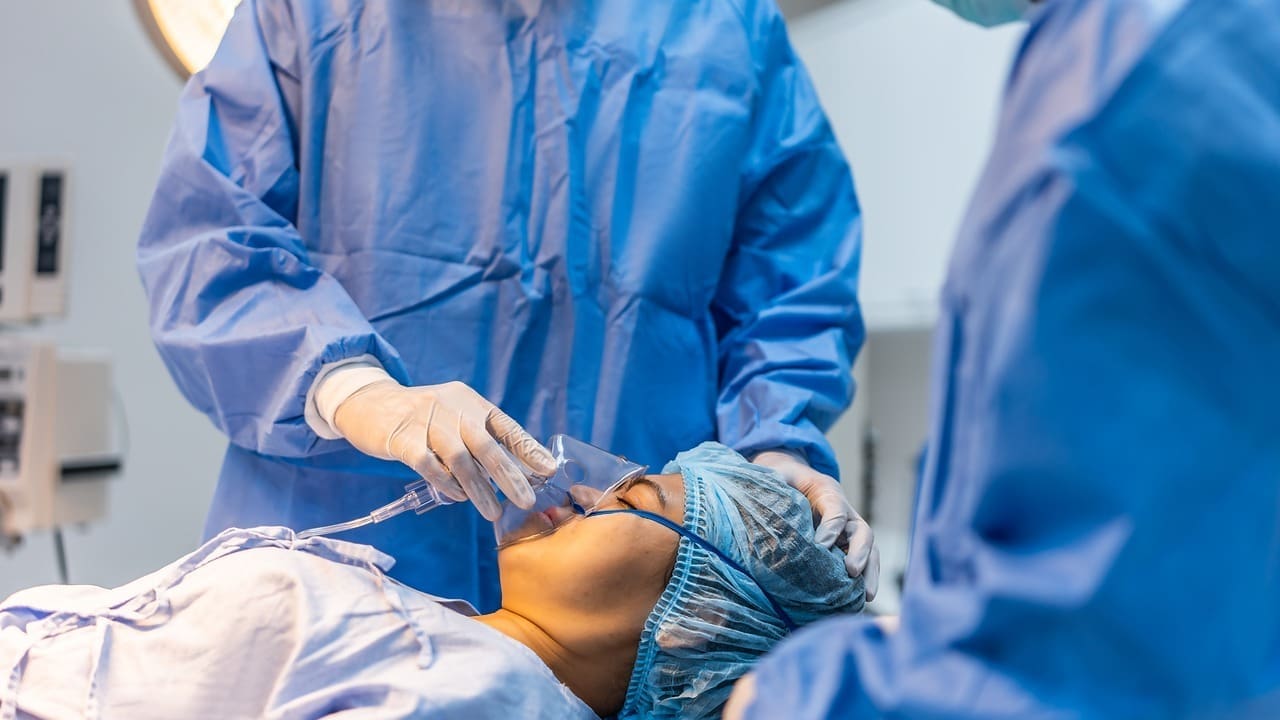
Going through brain tumor surgery can feel overwhelming. But, knowing what to expect and having a skilled medical team can make a big difference. At Liv Hospital, we focus on caring for you with kindness and knowledge. We want to help you recover as well as possible.
People with high-grade gliomas might have headaches, weakness, trouble speaking, seizures, and memory problems. Brain tumor surgery can help by removing tumors that don’t respond to other treatments. It can also ease these symptoms.
Key Takeaways
- Knowing the symptoms of brain tumors is key to managing them well.
- Brain tumor surgery is a vital treatment for many patients.
- Liv Hospital offers full care and support during surgery.
- Learning what to expect before and after brain tumor surgery can help your recovery.
- Our team is dedicated to giving you personalized, caring care.
Understanding Brain Tumors and Why Surgery Is Necessary
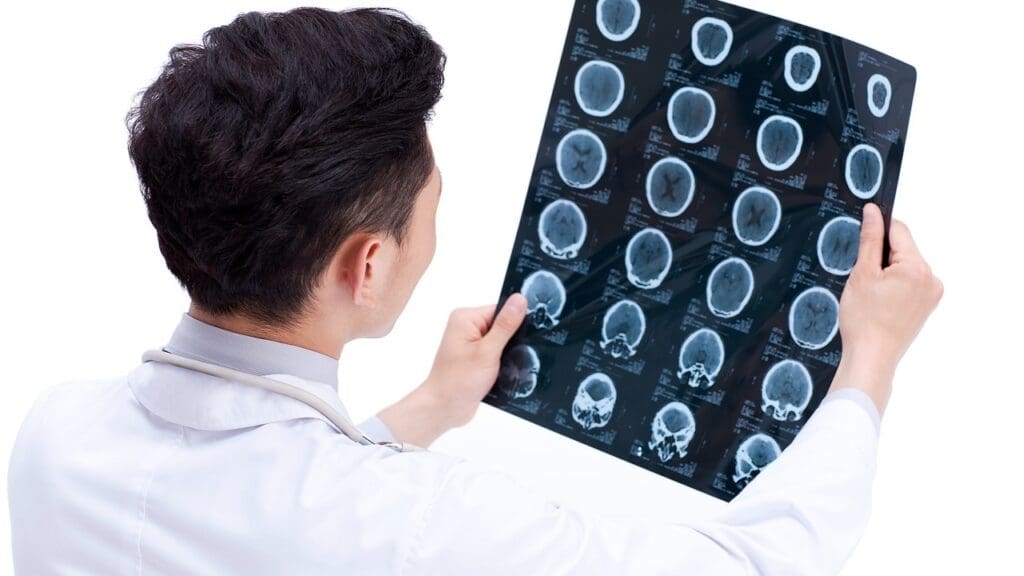
Brain tumors are abnormal growths in the brain. They can be benign or malignant. Knowing about them is key to finding the right treatment.
Types of Brain Tumors and Their Impact
Brain tumors vary in type, growth rate, and other features. The World Health Organization classifies them based on several factors. Knowing the type of tumor helps doctors choose the best treatment.
| Type of Brain Tumor | Characteristics | Impact on Patients |
|---|---|---|
| Meningioma | Typically benign, slow-growing | Often surgically removable, with a good prognosis |
| Gliomas | Can be benign or malignant, varying growth rates | May require surgery, radiation, or chemotherapy, depending on the grade and type |
| Metastatic Tumors | Originate from other parts of the body, often malignant | Require a complete treatment plan, including surgery, radiation, and systemic therapy |
When Surgery Becomes the Best Treatment Option
Surgery is often the first choice for many brain tumors. This is true for benign tumors or those that affect a patient’s quality of life. The decision to have surgery depends on the tumor’s size, location, and type, and the patient’s health.
Choosing to have brain surgery can be scary. But with the right info and support, patients can make good choices. Knowing about brain tumors and surgery helps patients understand their options.
Pre-Surgical Evaluation and Diagnosis
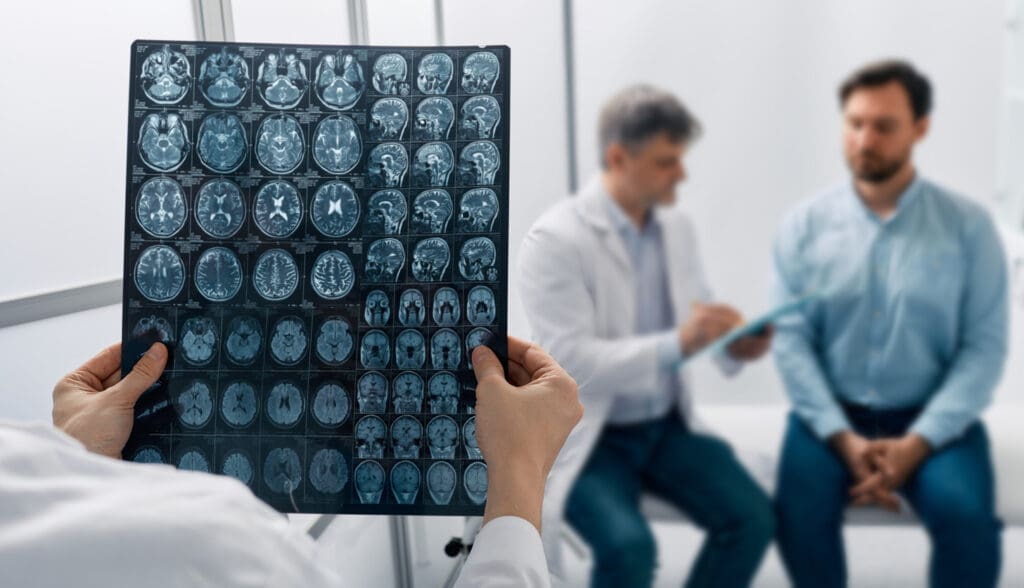
The journey to brain tumor surgery starts with a detailed pre-surgical evaluation and diagnosis. This important step makes sure patients get the right care for their needs.
Diagnostic Tests and Imaging
Diagnostic tests and imaging are key in the pre-surgical process. MRI (Magnetic Resonance Imaging) and CT (Computed Tomography) scans show the tumor’s size, location, and type. These tests give the neurosurgical team the info they need to plan the surgery.
Meeting With Your Neurosurgical Team
Talking to your neurosurgical team is a big part of the pre-surgical process. They will go over the diagnosis, explain the surgery, and talk about the risks and benefits. It’s also a chance for patients to ask questions and know what to expect before, during, and after the surgery.
A study on medial sphenoid wing meningiomas shows how important preoperative cranial nerve functioning is. It also points out the risk of postoperative cranial nerve deficits. This info helps the neurosurgical team plan the best surgical approach.
Preparing for Brain Tumor Surgery
Getting ready for brain tumor surgery means medical steps and practical things for your stay and recovery. Being well-prepared can really help your surgery go well and make your experience better.
Medical Preparations and Considerations
Before surgery, you need to finish all medical steps. This includes tests and scans your neurosurgeon says you need. Your medical team will check your health to see if there are any risks or problems during surgery.
Tell your neurosurgeon about all medicines you’re taking, including vitamins and supplements. They might tell you to stop some medicines before surgery to keep you safe.
Practical Preparations for Hospital Stay and Recovery
It’s also key to get ready in practical ways for a smooth recovery. Make sure someone can come with you to the hospital and stay with you when you first get home. You’ll need to get ready for care at home, like having the right supplies and support.
Knowing what to expect after brain surgery helps you get ready for recovery. This includes dealing with side effects, following a rehab plan, and going to follow-up visits with your neurosurgeon.
Types of Brain Tumor Surgical Procedures
There are many ways to surgically manage brain tumors. Each method is chosen based on the tumor’s size, location, and type. Every patient’s situation is different.
Craniotomy and Open Surgery
A craniotomy involves removing a part of the skull to reach the brain. This lets surgeons see and remove the tumor. It’s used for bigger tumors or those in hard-to-reach spots.
Minimally Invasive Techniques
Minimally invasive techniques use small cuts and less brain damage. They help patients heal faster and leave less scar. We use the latest tech for these precise surgeries.
Awake Surgery and Intraoperative Monitoring
Awake surgery keeps the patient awake during part of the surgery. It helps us avoid harming important brain areas. Intraoperative monitoring checks brain activity during surgery. This makes the surgery safer and more effective.
Every brain tumor surgery has its own pros and cons. Our team picks the best method for each patient. We aim for the best results for everyone.
What to Expect Before and After Brain Tumor Surgery
Knowing what to expect before and after brain tumor surgery can help reduce anxiety. We will guide you through the process. This includes understanding the steps and what happens after surgery.
The Day of Surgery: Step-by-Step
Patients usually arrive at the hospital early in the morning on surgery day. The steps include preparation for anesthesia, positioning for surgery, and the surgery itself. Here’s what you can expect:
- Pre-operative preparations, including anesthesia consultation
- Surgical team briefing and positioning
- The surgical procedure, which may involve intraoperative monitoring
Immediate Post-Operative Experience
After surgery, patients go to the ICU for close monitoring. The immediate post-operative experience can vary. But common aspects include:
| Symptom | Description | Typical Duration |
|---|---|---|
| Pain | Managed with medication | Several days |
| Fatigue | Common due to surgery and anesthesia | Several weeks |
| Nausea | Can be managed with anti-nausea medication | A few days |
The post-operative period can be tough. But with the right care and support, patients can get through it.
Does Brain Surgery Hurt? Understanding Post-Operative Pain
Many patients worry about pain before brain surgery. We know this is a big concern. It’s important to talk about it to help patients feel ready for their recovery.
The Reality of Pain After Brain Surgery
Pain after brain surgery varies from person to person. But, it’s a common feeling for many. Studies show that managing pain well is key for a smooth recovery.
Patients usually feel some pain or discomfort after surgery. This can be managed with the right medicine and care.
Pain Management Strategies and Medications
We focus a lot on pain management for brain surgery patients. We use different medicines and methods to reduce pain. Our team works with patients to understand their pain and adjust treatment plans.
We use medicines like pain relievers, from over-the-counter to prescription, based on what the patient needs. We also use relaxation exercises and special positions to help with pain and comfort.
Potential Complications and Risks to Be Aware Of
Brain tumor surgery is a lifesaving procedure but comes with risks. It’s important to know these risks and how to handle them. This way, you can manage them well.
Common Side Effects and Challenges
Patients may face side effects after surgery. These include headaches, fatigue, and neurological deficits like weakness or numbness. A top neurosurgeon, says, “The recovery can be tough, but with the right care, most patients can deal with these side effects.”
Understanding the Risk of Not Waking Up After Surgery
The risk of not waking up after surgery is a big worry for many. Though rare, it’s important to know that the risk depends on the surgery’s complexity and the patient’s health. We do everything we can to lower this risk, like thorough checks before surgery and watching closely during it.
When to Contact Your Doctor Immediately
It’s key for patients to know when to call their doctor fast. If you have severe headache, confusion, trouble speaking, or weakness on one side, get in touch with your doctor quickly. These signs might mean you need urgent care.
Knowing about the risks of brain tumor surgery helps patients take charge of their recovery. We aim to give full care and support every step of the way.
The Recovery Timeline After Head Surgery
Knowing the recovery timeline after head surgery is key for patients. It helps them understand their healing journey. The recovery has different stages, each with its own challenges and achievements.
Hospital Stay and Early Recovery
The recovery starts right after surgery, in the hospital. Doctors watch for any immediate problems or side effects. The hospital stay’s length depends on the surgery type and the patient’s health.
Usually, patients stay a few days to a week. During this time, doctors manage pain, check for infections, and start rehab.
Weeks 1-4: Initial Healing Phase
After leaving the hospital, patients start the initial healing phase. This phase lasts several weeks. In weeks 1-4 after head surgery, patients might feel tired, have headaches, and other symptoms as their brain heals.
It’s vital to follow the doctor’s post-operative instructions. This includes any activity restrictions, medication schedules, and follow-up appointments. Slowly, patients regain strength and start doing normal things again.
Months 1-6: Progressive Improvement
In months 1-6 after head surgery, patients see big improvements. Their brain keeps healing, and they can do things they did before surgery. But, everyone recovers at their own pace.
Some people get better fast, while others need more time. It’s important to keep up with regular check-ups with the neurosurgical team. This helps track progress and solve any problems that come up.
Throughout the recovery timeline after head surgery, staying in touch with healthcare providers is essential. This ensures the best recovery possible.
Physical and Cognitive Changes After Brain Surgery
After brain surgery, patients often face physical and cognitive changes. These changes need careful management and support. We aim to help you understand and navigate this journey.
Managing Fatigue and Physical Symptoms
Patients may feel tired, have headaches, and other symptoms after surgery. It’s important to manage these symptoms well. Rest, eat right, and do gentle exercises as your doctor suggests. Common symptoms include:
- Fatigue
- Headaches
- Numbness or weakness in certain areas
- Seizures (in some cases)
Cognitive and Neurological Adjustments
Cognitive changes can include memory problems, trouble focusing, and mood swings. Be patient and let your brain heal. Cognitive therapy can help regain lost functions. We create a personalized plan for each patient.
Healing Brain Surgery Scars: What to Expect
The scar from brain surgery will heal in stages. It may start red and swollen but will fade. Good wound care is key to avoid infection and aid healing. We give detailed care instructions and check on the healing progress.
Knowing about physical and cognitive changes after brain surgery helps prepare for recovery. Our team supports you, from managing symptoms to improving cognitive functions.
Conclusion: Life After Craniotomy and Brain Tumor Removal
Recovering from brain tumor surgery is a big step. Knowing what to expect can ease worries. The journey includes getting ready, a successful surgery, and careful care after.
Life after surgery can be tough, but with the right support, patients can live well. Studies show that follow-up care and rehab are key to long-term success. Always follow your neurosurgical team’s advice for a smooth recovery.
As patients get better, they might see big improvements. Sometimes, the scar from brain surgery fades over time. For those who had meningioma surgery, the outlook is usually good, with many seeing big gains.
We’re dedicated to top-notch healthcare and full support for international patients. By understanding the recovery process, patients can face it with confidence.
FAQ
What are the common symptoms of a brain tumor?
Symptoms include headaches, seizures, and nausea. Vomiting and changes in thinking or movement can also happen. These depend on where and how big the tumor is.
Why is surgery necessary for brain tumors?
Surgery helps relieve symptoms and remove the tumor. This improves life quality. The surgery type depends on the tumor’s details and where it is.
What diagnostic tests are used before brain tumor surgery?
Tests like MRI, CT scans, and PET scans are used. They help find the tumor’s size, location, and type. This helps the team plan the best surgery.
How can I prepare for brain tumor surgery?
You’ll need medical checks and to stop some medicines. Arrange for care after surgery. It’s also important to know the surgery’s risks and benefits.
Does brain surgery hurt?
Some pain might happen after surgery. But, there are ways to manage it. Medications and other methods help reduce discomfort.
What are the possible complications of brain tumor surgery?
Complications include infection, bleeding, and nerve problems. Reactions to anesthesia can also happen. Knowing these risks helps manage expectations and recovery.
What is the recovery timeline after brain tumor surgery?
Recovery time varies. It usually includes a hospital stay and several weeks or months of healing. Improvement happens gradually.
How is post-operative pain managed?
Pain management involves medications and other strategies. These are tailored to each person’s needs. This ensures comfort during recovery.
What physical and cognitive changes can occur after brain surgery?
Changes include fatigue and cognitive adjustments. These are usually temporary and improve as recovery progresses.
How long does it take for surgical scars to heal?
Scars take months to a year or more to fully heal. Proper care can help minimize their appearance.
When should I seek immediate medical attention after brain surgery?
Seek immediate help for severe symptoms like increased headache, confusion, fever, or weakness. These could be signs of complications.
What is the risk of not waking up after brain surgery?
The risk of not waking up is serious but rare. It’s important to understand individual risks and discuss them with the neurosurgical team.
What are the benefits of minimally invasive brain surgery techniques?
These techniques can cause less damage, reduce recovery time, and lower complications. This depends on the tumor’s characteristics and location.
How does awake surgery work for brain tumor removal?
Awake surgery keeps the patient awake during part of the surgery. This lets the team watch brain function and avoid damaging important areas.
References
- Duke Health Tisch Brain Tumor Center : https://tischbraintumorcenter.duke.edu/blog/how-long-does-it-take-brain-heal-after-tumor-removal
- Cancer Research UK : https://www.cancerresearchuk.org/about-cancer/brain-tumours/treatment/surgery/recovering