Last Updated on November 27, 2025 by Bilal Hasdemir
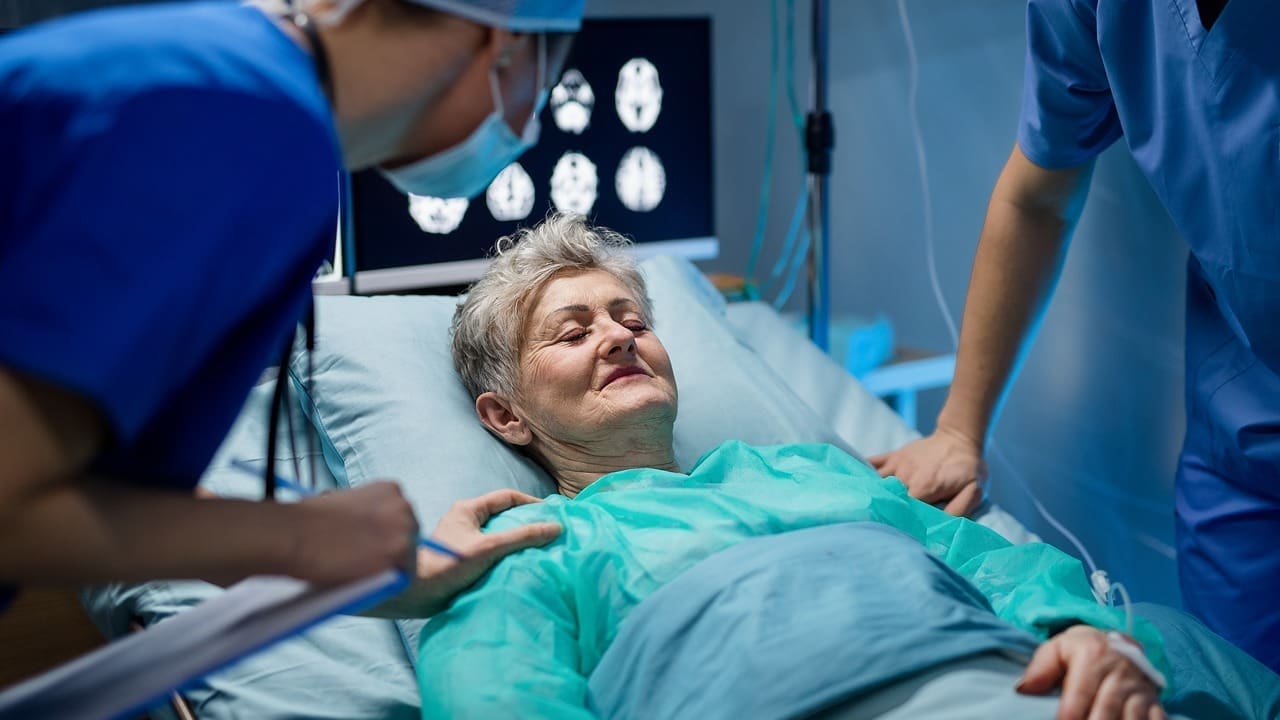
Recovering from brain tumor surgery is a unique journey. At Liv Hospital, we know that many things can affect how you heal. These include the tumor’s size and where it is, the surgery type, your age, and overall health.
After brain tumor surgery, you might need to stay in the hospital for 3 to 10 days. Then, you’ll need several weeks at home to recover. Most people start to feel better and get back to their usual life in about two months. Knowing what to expect during your recovery is key to getting through this tough time.
Key Takeaways
- Recovery from brain tumor surgery is influenced by multiple factors, including tumor size and location.
- A hospital stay of 3 to 10 days is typically required after surgery.
- Several weeks of home recovery are necessary before resuming normal activities.
- Most patients can return to their normal activities within two months.
- Understanding the recovery process is essential for managing expectations and achieving the best possible quality of life after brain tumor surgery.
Understanding Brain Tumor Surgery Basics
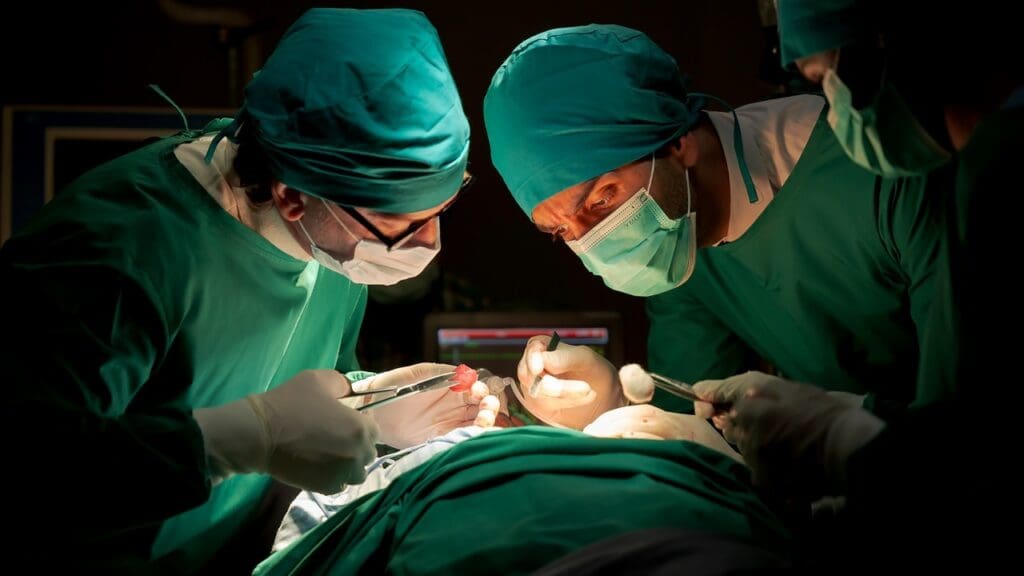
It’s key for patients to know the basics of brain tumor surgery to understand their treatment. This surgery is complex, needing careful planning and precise execution. It also requires detailed care after the surgery.
Common Types of Brain Tumors and Surgical Approaches
Brain tumors can be either benign or malignant. The type of tumor affects the surgical approaches used. Surgeons might use craniotomy, endoscopic surgery, or stereotactic surgery, based on the tumor’s location and size.
Knowing these differences helps patients understand what to expect during their brain tumor operation recovery.
What to Expect Before Your Operation
Before brain tumor surgery, patients get many tests like MRI and CT scans. These tests give detailed images of the tumor. They also meet with their surgical team to talk about the procedure, risks, and what to expect during brain tumor removal recovery.
This preparation is vital to make sure patients are ready physically and emotionally for the surgery.
The Surgical Procedure: What Happens in the Operating Room
During surgery, patients are under general anesthesia. This keeps them comfortable and pain-free. The surgical team uses advanced imaging and monitoring to remove the tumor accurately.
The amount of tumor removed depends on its location and the patient’s health.
Factors That Influence Head Surgery Recovery
It’s important for patients and caregivers to know what affects recovery after head surgery. The process depends on the tumor, the surgery, and the patient’s health.
Tumor Size, Type, and Location
The size, type, and where the tumor is located matter a lot. Larger tumors or those in key brain areas need more complex surgeries. This can make recovery take longer.
- Tumor size and its impact on surgical complexity
- Type of tumor and its aggressiveness
- Location of the tumor in relation to critical brain structures
Surgical Approach and Extent of Resection
The way the surgery is done and how much of the tumor is removed affects recovery. Less invasive methods might cause less damage and speed up healing. But bigger surgeries could need more time to heal.
Patient Age and Overall Health Status
A patient’s age and health are key to their recovery. Younger patients with fewer health problems usually heal faster than older ones or those with many health issues.
Pre-existing Medical Conditions and Medications
Conditions like diabetes or high blood pressure and some medicines can slow healing after surgery. It’s vital to manage these and adjust medicines as needed for a smooth recovery.
Knowing these factors helps patients and caregivers prepare for recovery. It lets them set realistic goals and take steps to help their healing.
The Hospital Phase of Head Surgery Recovery
The time after head surgery is very important. Patients need close care and watching in the hospital. This time is for careful watching and starting to get better.
Immediate Post-Operative Care (First 24-48 Hours)
In the first 24 to 48 hours, patients are watched closely in the ICU or a special neurosurgery unit. Doctors and nurses keep an eye on vital signs, brain function, and any signs of problems. This is key to catch and fix any issues fast.
Typical Hospital Stay Duration (3-10 Days)
How long a patient stays in the hospital varies. It depends on their health, the surgery’s complexity, and if there are any complications. Usually, patients stay 3 to 10 days. This time is for good care and starting to get better.
Medical Monitoring and Assessments
While in the hospital, patients get regular checks to see how they’re doing. These include brain checks, scans, and tests as needed. Keeping a close eye helps doctors adjust treatment plans.
Initial Mobility and Rehabilitation Efforts
Moving around early is important for recovery. Patients start with simple movements and exercises. Rehab plans are made just for them and might include physical, occupational, and speech therapy.
Good care in the hospital can greatly help patients recover from head surgery.
Transitioning to Home Recovery After Brain Surgery
Home recovery after brain surgery is a key phase that needs careful planning. Patients moving from the hospital to home must have the right knowledge and tools. This helps them start their recovery journey smoothly.
Preparing Your Home Environment
Before bringing a loved one home after brain surgery, preparing the home is vital. This includes:
- Clearing clutter and ensuring easy navigation through the home
- Setting up a comfortable recovery area with necessary amenities
- Ensuring that essential items are within easy reach
This preparation helps avoid accidents and supports a safe recovery space.
Activity Restrictions and Physical Limitations
After brain surgery, patients face certain restrictions and physical limitations. We advise patients to:
- Avoid heavy lifting, bending, or strenuous activities
- Limit driving and other activities that require concentration and quick reflexes
- Gradually increase mobility and exercise as advised by their healthcare provider
Following these guidelines is key for a safe and successful recovery.
Wound Care and Incision Healing
Proper wound care is essential for preventing infection and promoting healing. We teach patients how to:
- Keep the incision site clean and dry
- Monitor for signs of infection, such as redness, swelling, or discharge
- Follow a healthcare provider’s guidance on dressing changes and follow-up care
As “The care of the wound is a critical aspect of the recovery process”, we stress the importance of careful wound care.
When to Seek Immediate Medical Attention
It’s important for patients and caregivers to know when to seek immediate medical help. Warning signs include:
- Severe headache or increasing confusion
- Weakness or numbness in parts of the body
- Signs of infection, such as fever or redness around the incision site
Recognizing these signs and acting quickly can greatly impact recovery.
We guide patients through the transition to home recovery after brain surgery. We focus on a well-prepared environment, following activity restrictions, proper wound care, and being vigilant for urgent medical needs. By following these steps, patients can confidently navigate this critical phase with support.
Managing Physical Symptoms During Brain Tumor Recovery
After brain tumor surgery, patients face many physical challenges. These challenges can make daily life tough. We’ll talk about how to manage these symptoms for a smoother recovery.
Dealing with Post-Surgical Fatigue and Energy Conservation
Many patients feel very tired after surgery. It’s key to save energy and not overdo it. They can do this by focusing on important tasks, taking breaks, and doing gentle exercises as advised by their doctor.
Headache Management and Pain Control
Headaches are common during recovery. To manage them, a mix of medicine, rest, and relaxation is best. Patients should work with their healthcare team to find the right pain plan.
Swelling, Numbness, and Sensory Changes
Swelling, numbness, and changes in feeling are possible after surgery. These can be helped by elevating the area, gentle massage, and medicine. It’s important to watch these symptoms and tell the doctor about any changes.
Balance, Coordination, and Mobility Challenges
Many patients struggle with balance, coordination, and moving around after surgery. Physical therapy can help a lot. A special exercise plan can improve balance and lower the chance of falling.
| Symptom | Management Strategies |
|---|---|
| Post-Surgical Fatigue | Energy conservation, pacing activities, gentle exercises |
| Headaches | Medication, rest, relaxation techniques |
| Swelling, Numbness | Elevation, gentle massage, medication |
| Balance Challenges | Physical therapy, tailored exercise programs |
Handling physical symptoms after brain tumor surgery needs a team effort. This includes the patient, their family, and healthcare providers. Knowing the symptoms and using the right strategies can help patients recover better.
Potential Complications and Monitoring During Recovery
Recovering from brain tumor surgery is more than just healing from the operation. It also means managing possible complications that can happen. We guide patients through this important time, keeping an eye out for any issues that might affect their recovery.
Infection Prevention and Recognition
Infection is a big risk during recovery. We teach patients to watch for signs like redness, swelling, or discharge at the surgical site. We also tell them to look out for fever or chills. To avoid infection, we stress the importance of keeping the wound clean and dry. We also remind them to follow a proper wound care routine and to keep their follow-up appointments.
Seizure Risk and Management
Seizures can be a complication after brain tumor surgery. We help patients understand their risk and how to manage it. This might include taking antiepileptic medications and making lifestyle changes to lower the chance of seizures.
Cerebral Edema (Brain Swelling)
Cerebral edema, or brain swelling, is another issue that can occur. We watch patients for signs like headaches, nausea, or changes in how they think or feel. To manage this, we might use corticosteroids and other medications to reduce swelling.
Follow-up Appointments and Imaging
Regular check-ups and imaging tests are key to tracking recovery and catching any problems early. We schedule follow-up visits and imaging, like MRI or CT scans, to see how patients are doing. This helps us adjust their care plan as needed.
| Complication | Signs and Symptoms | Management Strategies |
|---|---|---|
| Infection | Redness, swelling, discharge, fever, chills | Wound care, antibiotics, follow-up appointments |
| Seizures | Convulsions, loss of consciousness, altered mental status | Antiepileptic medications, lifestyle adjustments |
| Cerebral Edema | Headaches, nausea, changes in mental status | Corticosteroids, other medications to reduce swelling |
By keeping a close eye on patients during recovery and tackling complications early, we aim for the best outcomes. This is for those who have had brain tumor surgery.
Cognitive and Emotional Aspects of Brain Tumor Surgery Recovery
Recovering from brain tumor surgery is more than just healing physically. It also means making big changes in how we think and feel. We must tackle the mental and emotional hurdles that come with surgery.
Memory, Concentration, and Cognitive Changes
After surgery, many patients notice changes in their memory and focus. These shifts can happen because of the surgery, where the tumor was, or the patient’s health. It’s important to find ways to deal with these changes.
Emotional Adjustment and Mood Fluctuations
Adjusting emotionally is a big part of getting better. Patients might feel anxious, depressed, or moody. These feelings can be tough for patients and their families.
Coping Strategies and Mental Health Support
Finding good ways to cope and getting mental health help are key to recovery. We suggest trying things like therapy, support groups, and stress-reducing activities. These can help with the emotional side of healing.
Family Impact and Caregiver Considerations
Brain tumor surgery affects not just the patient but also their family and caregivers. Caregivers are very important in the healing process. They should look for support for themselves too. This can include counseling, support groups, and breaks to handle the emotional and practical sides of caregiving.
By focusing on both the mental and emotional sides of recovery, we can offer better care. This care supports the well-being of patients and their families.
Quality of Life After Brain Tumor Surgery
After brain tumor surgery, it’s key for patients to understand their quality of life. The recovery journey is not just about healing. It’s also about getting back to what matters most to each patient.
Returning to Work and Daily Activities
Patients usually go back to their daily lives in 6 to 12 weeks. We stress the need for a slow return to normal activities. This lets the body heal right. The exact time depends on the patient’s health, surgery extent, and job type.
Long-term Functional Outcomes and Expectations
Long-term outcomes depend on the tumor and surgery type. We help patients set realistic goals and support them during recovery.
Rehabilitation Services and Therapies
Rehabilitation is key in the recovery process. It helps patients regain strength, mobility, and cognitive skills. We offer physical, occupational, and speech therapies to meet each patient’s needs.
Lifestyle Modifications for Optimal Recovery
Healthy lifestyle choices are vital for recovery. We guide patients on eating well, exercising, and managing stress. These habits improve their overall well-being and quality of life.
By focusing on these areas, we help our patients achieve the best quality of life after surgery.
Conclusion: Navigating Your Recovery Journey Successfully
Recovering well after head surgery needs a deep understanding of the process. It also requires a proactive approach to manage symptoms. Recovery is a long journey that includes many therapies like speech, physical, and occupational therapy.
Knowing what affects recovery can help patients prepare for challenges. It’s important to be aware of possible complications and how to prevent them. For example, preventing infections and managing seizures.
With the right care and support, patients can successfully navigate their recovery. This improves their life quality in many ways. We aim to provide top-notch healthcare and support for international patients, helping them through every step of their journey.
FAQ
What is the typical recovery time after brain tumor surgery?
Recovery time after brain tumor surgery varies. It depends on the tumor’s size, type, and location. It also depends on the person’s health. Generally, it takes several weeks to months to recover.
How long do I need to stay in the hospital after brain surgery?
Hospital stay after brain surgery is usually 3 to 10 days. It depends on the surgery’s complexity and the patient’s condition.
What are the common physical symptoms after brain tumor surgery?
Symptoms after brain tumor surgery include fatigue, headaches, and swelling. You might also feel numbness and have trouble moving. These can be managed with medical care and rehab.
Can I recover fully from a brain tumor?
Recovery from a brain tumor depends on several factors. These include the tumor’s type, size, and location. It also depends on the treatment’s success. Many patients can recover well and return to their normal lives.
How long does it take to return to work and daily activities after brain surgery?
Returning to work and daily activities after brain surgery takes time. Most patients need 6 to 12 weeks off.
What are the possible complications during brain tumor recovery?
Complications during recovery include infection and seizure risk. You might also face cerebral edema and changes in thinking or emotions. Close monitoring and quick medical help can reduce these risks.
How can I manage post-surgical fatigue?
To manage fatigue, conserve energy and pace yourself. Get enough rest. Follow your healthcare provider’s advice on rest and rehab.
What kind of support is available for coping with emotional changes after brain surgery?
There are many supports for emotional changes after brain surgery. You can talk to mental health professionals, join support groups, or seek counseling.
Are there any lifestyle modifications that can support optimal recovery?
Yes, healthy diet, regular exercise, and stress management help in recovery. These lifestyle changes support optimal recovery after surgery.
How often will I need follow-up appointments after brain tumor surgery?
Follow-up appointments vary based on your condition and treatment. Generally, you’ll have regular check-ups with your healthcare provider. They will monitor your progress and address any concerns.
What role does rehabilitation play in brain tumor recovery?
Rehabilitation is key in brain tumor recovery. It helps patients regain abilities, manage symptoms, and adapt to changes. Rehabilitation includes physical, occupational, and speech therapies.
References
- Cancer Research UK : https://www.cancerresearchuk.org/about-cancer/brain-tumours/treatment/surgery/recovering
- Brain Tumor Foundation : https://braintumor.org/news/what-to-expect-before-and-after-brain-surgery