Last Updated on November 18, 2025 by Ugurkan Demir
Understanding ACL reconstruction is key for those thinking about or going through it. At Liv Hospital, we aim to give a detailed visual guide through ACL reconstruction and recovery stages.
Thanks to new arthroscopic methods, surgeons can fix ACLs with small cuts. This means less scarring and good results. Our collection of images and photos aims to clear up the mystery. It shows real knee ligament repairs and before-and-after pictures.
Key Takeaways
- Visual understanding of ACL reconstruction stages
- Minimal scarring due to advanced arthroscopic techniques
- Real examples of knee ligament repair
- Before-and-after results of ACL reconstruction
- Comprehensive guide to ACL recovery
Essential ACL Surgery Images for Patient Education
ACL surgery images are key for teaching patients about their injury and surgery. They help understand the injury and the surgery steps. We look at these important images first.
Diagnostic images like MRI and X-ray are key for ACL injury diagnosis and treatment. MRI images show soft tissue injuries well, like ligament tears. These images help patients see their condition, making them understand why ACL reconstruction is needed.
MRI Images of Torn ACL
MRI images of a torn ACL show the injury clearly. They show how bad the tear is and if other knee parts are hurt. Knowing how severe the ACL tear is helps decide the best treatment.
Looking at MRI images helps patients understand their injury better. This visual info is very helpful for teaching patients, helping them make informed treatment choices.
X-ray Comparison of Healthy vs. Injured Knee
X-ray images compare a healthy knee to one with an ACL injury. X-rays can’t see soft tissues as well as MRI, but they show signs of ACL injuries. Seeing X-rays of healthy and injured knees helps patients see how the injury affects their knee.
Together, these images give a full picture of the ACL injury. They are key for teaching patients about their injury and the surgery. By seeing ACL surgery images, patients can make better choices about their care.
Pre-Surgery Preparation: Visual Guide
Getting ready for ACL surgery is a big deal. We show you the important steps in our visual guide. At this time, meticulous planning is key for a good outcome. Our team knows how important it is to be thorough and precise.
“The success of ACL reconstruction surgery heavily relies on the preparation phase,” says one of our leading orthopedic surgeons. “It’s a complex process that requires careful planning and execution.”
Pre-operative Marking and Planning Photos
Marking and planning before surgery are very important for ACL reconstruction. These steps help our surgeons know exactly what to do and how to do it. Accurate marking makes sure everyone is on the same page, lowering the chance of problems.
Surgical Equipment and Setup Images
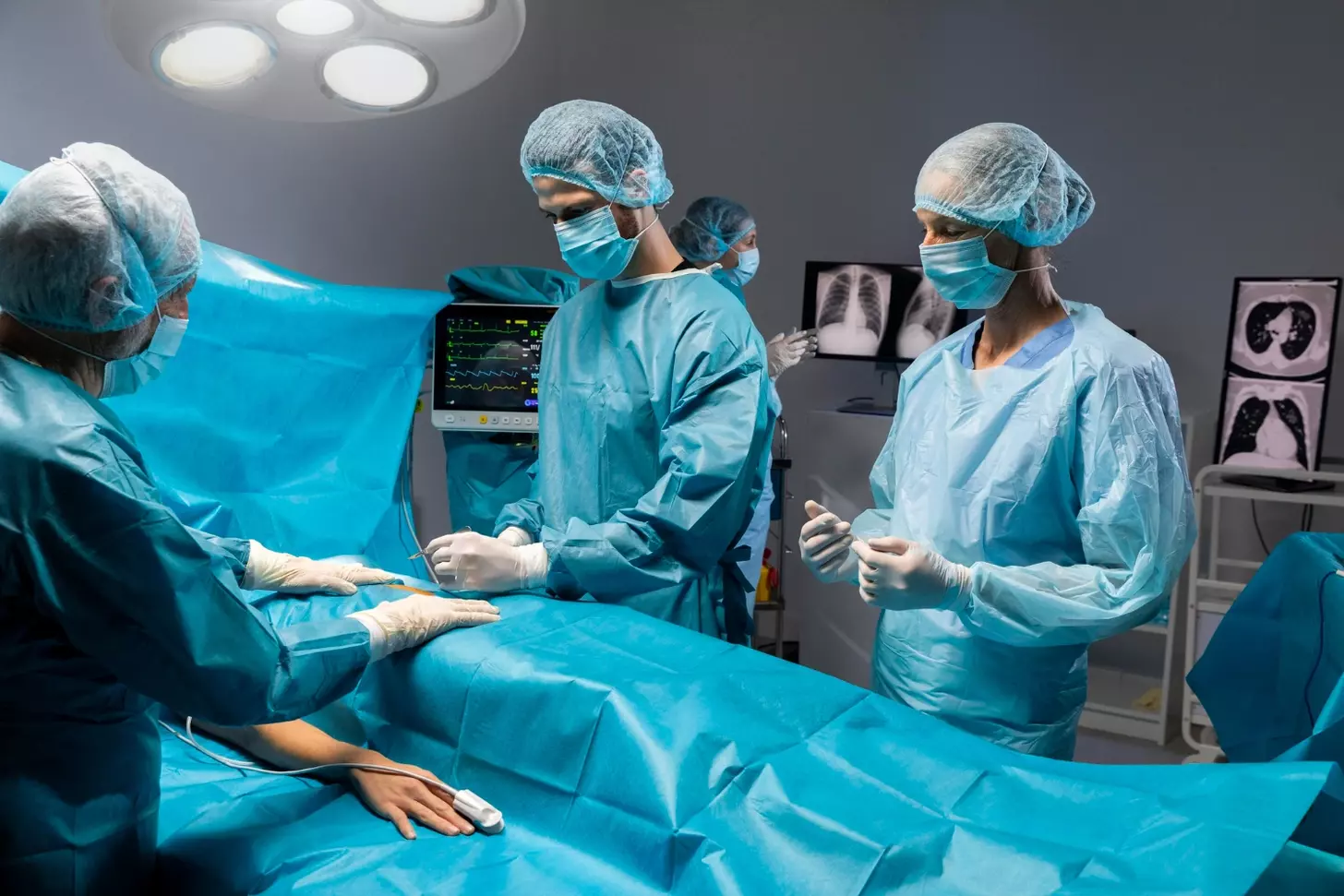
Setting up the surgical equipment is also key. Our operating rooms have the latest technology, like advanced arthroscopic tools and monitoring systems. Proper setup is essential for a smooth surgery.
Our visual guide shows pictures of the equipment and setup. This helps patients understand what happens during ACL reconstruction. It makes them feel more at ease and informed.
- Advanced arthroscopic equipment for precise visualization
- Specialized surgical instruments for graft harvesting and fixation
- Monitoring systems for real-time patient monitoring
By knowing about pre-surgery prep, patients can see the effort and care in ACL reconstruction surgery. We aim to give a full and supportive experience, from start to finish.
Inside the Operating Room: Step by Step ACL Reconstruction Pictures
Entering the operating room, we see the detailed work of ACL reconstruction surgery. New arthroscopic techniques have made this surgery very effective. It helps restore knee function well.
The ACL reconstruction process has many important steps. Each step is key for the surgery’s success. Surgeons use arthroscopic camera views to see inside the knee. This helps them place and fix the graft accurately.
Arthroscopic Camera Views During Surgery
Arthroscopic camera views give a clear look at the knee’s inside. These images are vital for diagnosing ACL injuries and planning the surgery.
The camera lets surgeons check the ACL and nearby tissues. They can see any extra damage that needs fixing during surgery.
Graft Harvesting and Preparation Photos
Graft harvesting is a key part of ACL reconstruction. The graft usually comes from the patient’s own body, like the hamstring or patellar tendon.
After harvesting, the graft is cleaned and sized. This makes it fit perfectly in the patient’s knee.
| Graft Type | Donor Site | Advantages |
|---|---|---|
| Hamstring Graft | Hamstring tendons | Less donor site morbidity |
| Patellar Tendon Graft | Patellar tendon | Strong graft, faster integration |
Tunnel Drilling and Fixation Method Images
Tunnel drilling is a precise step. It involves making tunnels in the tibia and femur for the graft. The choice of fixation method depends on the graft type and bone quality.
Fixation methods include interference screws, staples, or suspensiony devices. The right method ensures the graft’s stability.
Looking at ACL reconstruction step by step, we understand its complexity. We see how important precise technique is for success.
Immediate Post-Operative ACL Surgery Photos
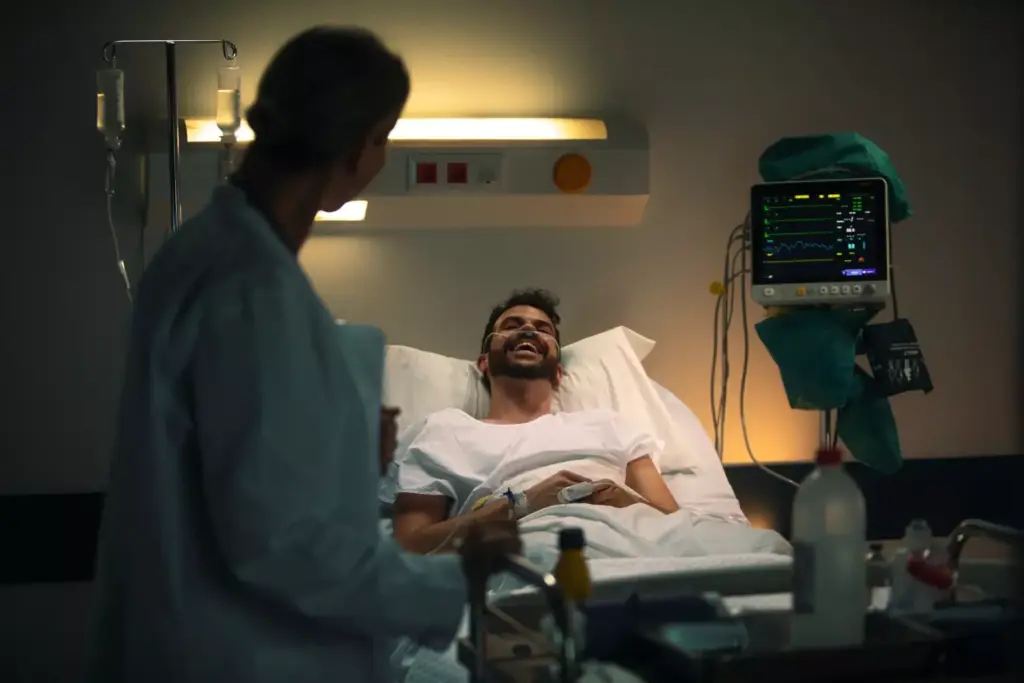
Knowing what happens right after ACL surgery can make recovery easier. The first steps after surgery are key. Understanding what to expect can really help.
Fresh Incision Sites and Initial Bandaging
Right after ACL surgery, watching the incision sites and the first bandage is important. Our photos show what these look like. This helps patients know what to expect when they see their knee.
Keeping the incision sites clean and dry is vital to avoid infection. We give detailed advice on how to do this during the first part of recovery.
Post-Surgery Swelling and Bruising
Swelling and bruising are common and temporary after ACL surgery. Our images show how much swelling and bruising can happen. This reassures patients that these signs are part of healing.
To lessen swelling, elevating the knee and using ice packs are good ideas. We share tips on handling these symptoms during recovery.
Knowing what to expect right after ACL surgery helps patients through recovery. Our photos and advice support them through this important time. They’re ready for the ACL reconstruction recovery.
ACL Surgery Scar Pictures: Timeline of Healing
ACL surgery scar pictures show how scars heal over time. They help patients know what to expect. Seeing how scars change can ease worries and manage hopes.
One Week After Surgery: Initial Healing
Right after ACL surgery, scars look red and swollen. This is okay. Proper wound care is key to avoid infection.
One Month After Surgery: Scar Formation
By a month, scars start to form and look less red. Swelling goes down, and scars flatten. Massage therapy helps during this time.
Six Months After Surgery: Final Appearance
After six months, scars fade and become less visible. The scar’s final look depends on skin type and healing.
| Time After Surgery | Scar Appearance | Care Tips |
|---|---|---|
| 1 Week | Red, Swollen | Keep clean, follow doctor’s instructions |
| 1 Month | Less red, Starting to flatten | Massage therapy can be started |
| 6 Months | Faded, Less noticeable | Continue with scar massage if recommended |
Knowing how ACL surgery scars heal can make recovery better. Patients can manage their recovery better by understanding the healing stages. This way, they can see their progress and feel more positive.
Recovery Milestone Photos: The ACL Surgery Timeline
Recovering from ACL surgery takes time and involves several stages. From starting with simple exercises to getting back to normal activities, it’s a journey. Knowing what to expect is key for patients.
We help our patients through each recovery stage. We offer support and guidance to ensure they do well. Our photos show the progress patients can make with the right care and rehab.
Early Rehabilitation Exercises (Weeks 1-2)
In the first two weeks, patients start with basic exercises. These help regain knee mobility and strength. Straightening and bending the knee, and strengthening muscles around it, are important.
We suggest working with a physical therapist to create a personalized plan. This plan helps patients progress at their own pace and addresses any specific needs or concerns.
Progressive Movement (Weeks 3-6)
By weeks 3-6, patients move on to more dynamic exercises. These include walking, balance exercises, and strengthening the knee. This stage is key for regaining knee function and preparing for more challenging activities.
We encourage patients to gradually increase their activity level. It’s important to listen to their body and not push too hard.
Strength Building (Weeks 7-12)
From weeks 7-12, the focus is on building strength. Exercises aim to improve knee stability and overall lower limb strength. This stage is critical for returning to demanding activities and sports.
We ensure patients perform exercises correctly and safely. This helps minimize the risk of re-injury.
Return to Activity (Months 4-9)
The final stage is returning to normal activities and sports. This stage requires careful planning and monitoring. We want to make sure patients are ready for the demands of their chosen activities.
Our team provides ongoing support and guidance. We help patients achieve a full recovery and return to their normal lifestyle.
| Recovery Stage | Timeline | Key Activities |
|---|---|---|
| Early Rehabilitation | Weeks 1-2 | Straightening and bending knee, strengthening surrounding muscles |
| Progressive Movement | Weeks 3-6 | Walking, balance exercises, strengthening knee |
| Strength Building | Weeks 7-12 | Improving knee stability, lower limb strength |
| Return to Activity | Months 4-9 | Returning to normal activities and sports |
Before and After Torn ACL Surgery: Visual Comparisons
Looking at pictures before and after ACL surgery helps us see how well the surgery works. By checking out ACL reconstruction pictures, patients can get a clearer idea of what to expect.
ACL surgery greatly improves knee function and movement. Pre-operative and post-operative comparisons show how much better the knee can move and stay stable.
Knee Function and Mobility Comparison
After ACL surgery, patients start a rehab program to build strength and mobility. These visual comparisons show how much progress they make.
For example, a patient might be able to do more daily tasks and sports moves after surgery. Knee ligament pics before and after show how much the knee has improved.
- Improved knee stability
- Enhanced range of motion
- Better overall knee function
Muscle Mass Recovery Images
Regaining muscle mass around the knee is key after ACL surgery. Muscle atrophy happens because of less activity, but with rehab, patients can get their strength back.
Looking at muscle mass recovery images before and after surgery shows the recovery clearly. These images can motivate patients to stick with their rehab.
“The visual comparison of before and after ACL surgery is a powerful tool for understanding the effectiveness of the procedure.” – Orthopedic Specialist
By looking at before-and-after torn ACL surgery images, patients can understand their recovery better. This visual info helps set realistic goals and keeps patients on track with their rehab.
Dog ACL Surgery Recovery Week by Week Pictures
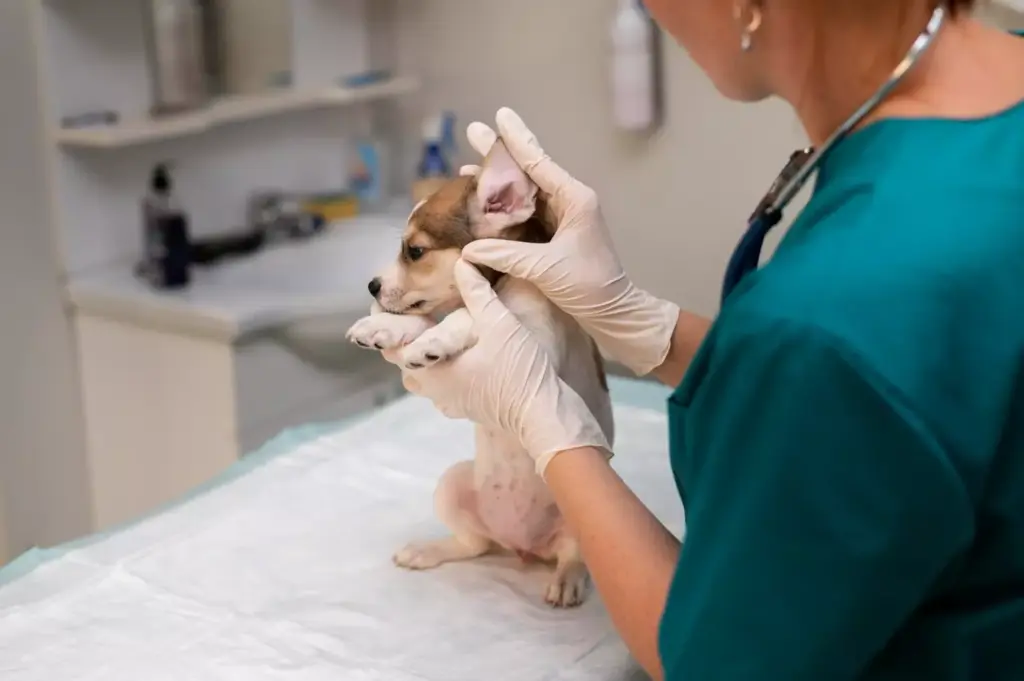
Knowing about canine ACL injuries is key for dog owners. They want to help their pets through surgery and healing. Human ACL surgery recovery shares some similarities with dog ACL surgery recovery.
Canine ACL Surgery Procedure Differences
Canine ACL surgery, or CCL surgery, is different from human ACL reconstruction. It’s made to fit the dog’s body and injury. One big difference is the use of extracapsular repair or tibial plateau leveling osteotomy (TPLO) techniques, which are more common in canine surgery.
| Procedure | Description | Recovery Time |
|---|---|---|
| Extracapsular Repair | A technique that stabilizes the knee joint externally. | 8-12 weeks |
| TPLO | A surgical procedure that alters the tibial plateau angle. | 12-16 weeks |
| Tibial Tuberosity Advancement (TTA) | A method that advances the tibial tuberosity to stabilize the knee. | 10-14 weeks |
Visual Timeline of Dog Recovery
The recovery for dogs after ACL surgery is slow but shows big improvements over weeks. Post-operative care and rehabilitation are key for the dog’s full recovery. Our pictures show the typical steps in dog ACL surgery recovery, from right after surgery to full recovery.
Rehabilitation Techniques for Dogs
Rehabilitation is vital for dog ACL surgery recovery. It includes controlled exercises, physical therapy, and using supportive devices. It’s important to work with a vet to create a rehab plan that fits the dog’s needs.
Understanding the differences in dog ACL surgery and rehab techniques helps owners support their dogs better. Our visual timeline and pictures are a great resource for those on this journey.
Conclusion: How ACL Surgery Images Support Recovery Success
ACL surgery images are key in helping patients understand their recovery. At Liv Hospital, we use these images to teach patients about their ACL reconstruction. This way, they can make better choices about their care.
Having clear acl reconstruction recovery photos helps patients understand their journey better. These images show the recovery stages, from diagnosis to rehabilitation. This helps patients feel more confident in their recovery.
We are dedicated to top-notch healthcare for all our patients, including those from abroad. By using acl surgery images, we help patients recover fully. This ensures they get the best medical results.
FAQ
What is ACL surgery and why is it necessary?
ACL (Anterior Cruciate Ligament) surgery fixes a torn ACL. This ligament is key for knee stability. It’s needed for those with a torn ACL who want to move better, like in sports.
What do MRI images of a torn ACL show?
MRI images show how bad the ACL tear is. They help doctors plan the surgery. These images give a clear view of the knee’s inside, helping assess the injury.
What is the typical recovery timeline for ACL surgery?
ACL surgery recovery takes 6 to 9 months. Early exercises start in the first weeks. The goal is to build strength and move better again.
What are the common complications associated with ACL surgery?
ACL surgery can lead to infection, blood clots, and stiffness. Though rare, these issues can be managed with good care after surgery.
How do ACL surgery scars heal over time?
ACL surgery scars start off red and swollen. They fade and become less visible over time. Our pictures show how scars change from the start to the end.
What rehabilitation techniques are used after ACL surgery?
After ACL surgery, patients do exercises to move better and build strength. These steps help them get back to their usual activities.
How does dog ACL surgery recovery compare to human ACL surgery recovery?
Dog ACL surgery recovery is similar but has some differences. Our pictures show how dogs recover, highlighting the unique aspects of their surgery and rehab.
What are the benefits of ACL reconstruction surgery?
ACL reconstruction makes the knee more stable and functional. It also lowers the chance of more knee problems. Our pictures show how effective this surgery is.
What is the cost of ACL surgery?
ACL surgery cost varies based on location, surgeon, and insurance. At Liv Hospital, we aim to offer top-notch care for international patients, ensuring the best results.
How can I prepare for ACL surgery?
Preparing for ACL surgery means understanding the procedure and following instructions. Our guide includes photos of preparation and surgery setup to help you prepare.