

Last Updated on November 27, 2025 by Bilal Hasdemir
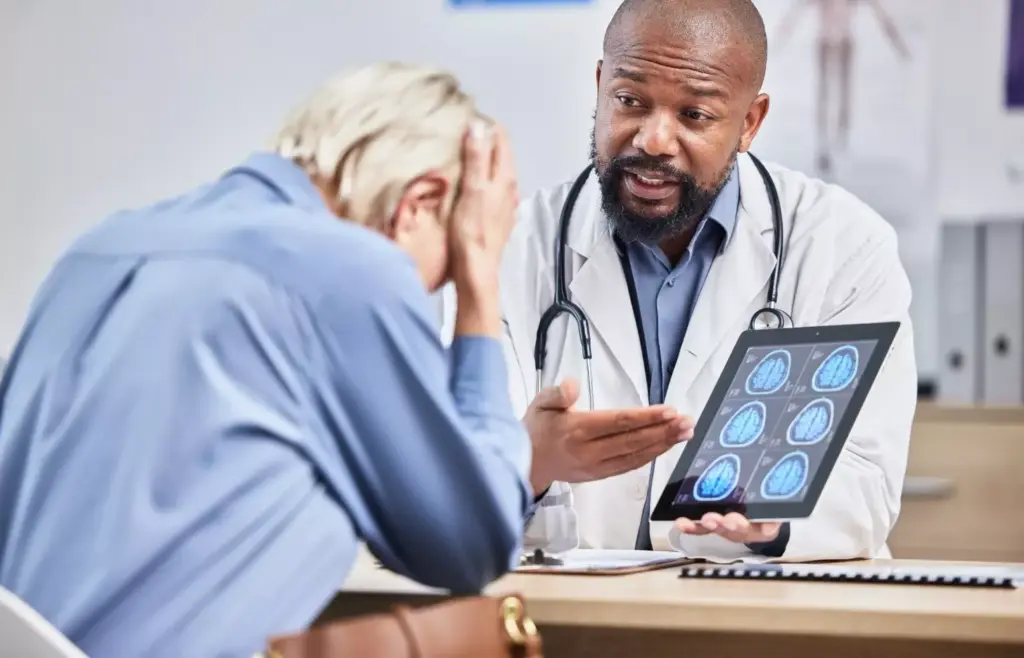
Medical research relies on top-notch datasets, and brain tumor research is no exception. We understand how vital accurate diagnosis and treatment are. That’s why we’re spotlighting the best resources out there.
The rise of MRI datasets has changed the game. They help researchers create better diagnostic tools. For example, the BRISC dataset has 6,000 high-resolution T1-weighted MRI scans. This has greatly improved diagnostic accuracy.
Big datasets, like the 17,136-image collection, have made deep learning models super accurate. They can spot tumors with up to 99.2% accuracy. We think these resources are key for doctors and scientists to better help patients.
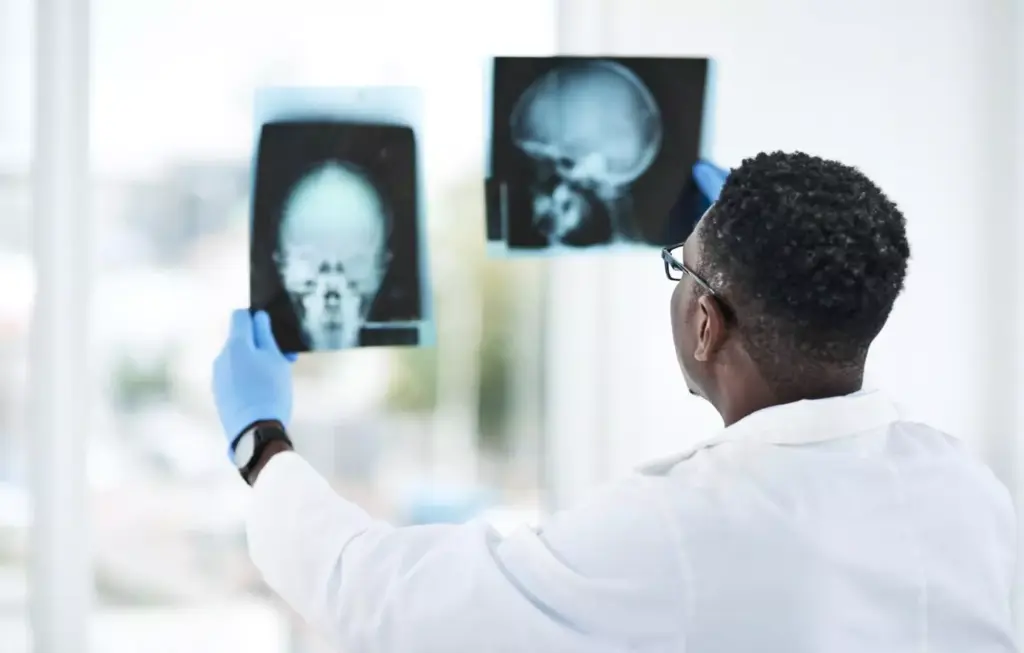
Modern research depends a lot on brain tumor imaging. It helps us understand how tumors work and find better treatments. MRI is a key tool in this field.
Brain tumor imaging is very important for improving diagnosis and treatment research. It lets us see tumors clearly. This helps us understand their behavior and characteristics.
Digital collections of brain tumor images have greatly improved diagnosis. They give researchers a huge amount of MRI data. This helps in making better diagnostic tools.
Studies show that MRI can help find and assess cognitive problems early. Large digital collections help make strong algorithms for tumor detection. These algorithms are key for better diagnosis and treatment plans.
MRI datasets are vital for treatment research. They give detailed information about tumors and how treatments work. Researchers use this data to find new ways to treat tumors.
Using MRI datasets has led to big improvements in treatment research. For example, studies have shown how different treatments work. They’ve also found new biomarkers for treatment success.
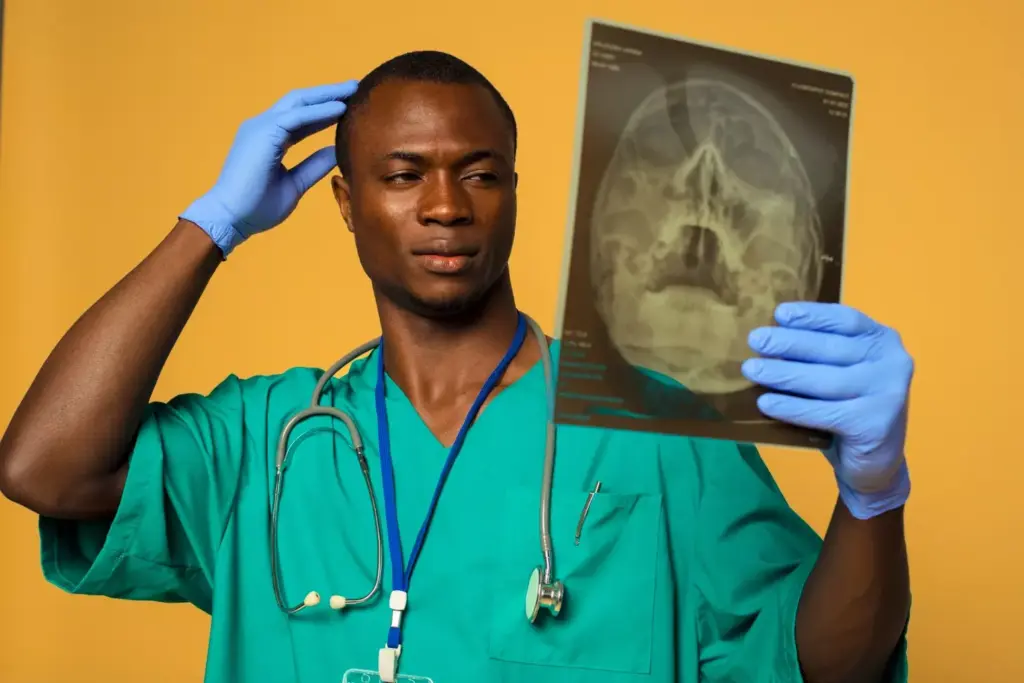
High-quality brain tumor images are key in clinical research. They help us understand tumors better, plan treatments, and do research. This is vital for moving forward in neuro-oncology.
High-resolution T1-weighted images are very useful. They show detailed anatomy, helping us see tumor size, location, and type. This clarity is essential for making good treatment plans and studying tumors.
These images help us understand brain tumor pathology. By looking at the detailed images, we learn more about how tumors interact with brain tissue.
Multi-planar visualization adds another layer to brain tumor research. It lets us see tumors from different angles. This is important for planning surgeries and understanding how tumors affect the brain.
The table below shows the benefits of high-resolution T1-weighted imaging and multi-planar visualization:
| Imaging Feature | Description | Clinical Benefit |
|---|---|---|
| High-Resolution T1-Weighted Imaging | Detailed anatomical imaging | Accurate tumor assessment and segmentation |
| Multi-Planar Visualization | Viewing tumors in multiple planes | Enhanced understanding of tumor morphology and surgical planning |
Using these advanced imaging methods improves clinical research in neuro-oncology.
The BRISC dataset is a big step forward in brain tumor research. It offers 6,000 MRI scans for detailed study. This large collection is key for creating and testing new ways to diagnose and treat brain tumors.
The BRISC dataset has a wide range of brain tumors. It includes glioma, meningioma, and pituitary tumors. This variety is important for making strong and reliable models in medical imaging research.
The BRISC dataset is very useful for segmentation research. This research aims to spot and separate specific parts in medical images. With 6,000 MRI scans, researchers can work on algorithms that can accurately find brain tumors. This is a key step for diagnosis and treatment planning.
Key uses of the BRISC dataset in segmentation research include:
By using the BRISC dataset, researchers can make big strides in brain tumor segmentation. This will help improve patient care.
The 17,136-image brain tumor collection is a game-changer in medical imaging. It’s a key resource for researchers globally. It helps improve diagnosis and treatment planning.
Deep learning models in this collection can spot tumors with 99.2% accuracy. Deep learning algorithms find complex patterns. This boosts diagnosis and helps tailor treatments.
Studies show deep learning on big datasets works wonders. For example, a study in a top medical journal found deep learning beats old methods in tumor tasks.
“The use of large datasets in conjunction with deep learning algorithms represents a significant advancement in the field of medical imaging. It has the power to change how we diagnose and treat brain tumors.”
Small brain tumor MRI images in the collection are very useful. They help create special detection tools. These tools can spot tumors early, which can save lives.
| Tumor Size | Detection Accuracy | Clinical Significance |
|---|---|---|
| Small (<1 cm) | 95% | Early detection improves treatment efficacy |
| Medium (1-3 cm) | 98% | Accurate diagnosis supports surgical planning |
| Large (>3 cm) | 99% | Effective for monitoring treatment response |
This collection covers all tumor sizes, including small ones. It’s a treasure trove for making and improving detection tools.
The BRATS Challenge Dataset and TCIA Resources have changed brain tumor research. They help researchers work together. This has led to better ways to analyze and segment brain tumors.
Working together has made the BRATS Challenge Dataset a success. Many institutions have shared their data. This has created a big dataset with many brain tumor cases.
This teamwork has helped make better algorithms for tumor segmentation. A study showed that having different data sources makes these algorithms more accurate here.
Combining clinical data with imaging is a big plus. It helps researchers understand brain tumors better. This mix allows for more advanced models that can predict patient outcomes.
Here’s a table that shows what the BRATS Challenge Dataset and TCIA Resources offer:
| Feature | BRATS Challenge Dataset | TCIA Resources |
|---|---|---|
| Number of Cases | Over 1,000 cases | Over 10,000 cases |
| Imaging Modalities | T1, T2, FLAIR, T1Gd | T1, T2, FLAIR, T1Gd, DWI |
| Clinical Data | Segmentation masks, clinical outcomes | Segmentation masks, clinical outcomes, treatment data |
The image below shows the variety of brain tumor cases in the BRATS Challenge Dataset:
The BRATS Challenge Dataset and TCIA Resources have greatly helped brain tumor research. They make it easier for researchers to work together. This has led to big advances in the field.
Specialized MRI datasets are key in brain tumor research, helping with specific patient groups. They give researchers the detailed info needed to tackle different brain tumor types.
These datasets are vital for better diagnosis and treatment. By focusing on certain brain tumor aspects, like pediatric cases or rare tumors, researchers can create more precise treatments.
Pediatric brain tumor collections are a big part of these MRI datasets. They focus on tumors in kids, giving insights into their unique traits.
A study on pediatric brain tumors found unique imaging features. These findings are key for creating treatments just for kids.
| Dataset | Description | Number of Cases |
|---|---|---|
| Pediatric Brain Tumor MRI | MRI scans of brain tumors in children | 500 |
| Pediatric Glioma Dataset | Detailed MRI scans of gliomas in pediatric patients | 200 |
Rare tumor archives are also important in these MRI datasets. They hold detailed records of unusual brain tumors. This is key for understanding all brain tumor types.
These archives help diagnose rare tumors and improve treatment plans. They give a full view of these tumors’ characteristics.
Using these specialized datasets, researchers can move neuro-oncology forward. Sharing these resources is essential for ongoing brain tumor research progress.
Open-access brain tumor photos have changed research by allowing scientists worldwide to work together. This move towards sharing knowledge is speeding up discoveries in diagnosing and treating brain tumors.
Public datasets are key in collaborative brain tumor research. They offer high-quality images to researchers globally, helping everyone understand brain tumors better.
The BRATS Challenge Dataset and TCIA Resources are big in advancing research. They provide many brain tumor images and clinical data, making studies more complete.
Keeping open-access datasets reliable is essential. Quality control standards and protocols help ensure the data stays good for research.
Important quality control steps include:
| Dataset | Number of Images | Annotation Quality |
|---|---|---|
| BRATS Challenge | 10,000+ | Expert-validated |
| TCIA Resources | 20,000+ | Multi-institutional validation |
| BRISC Dataset | 6,000 | High-resolution annotations |
By following strict quality control, researchers can rely on the data. This leads to more accurate and trustworthy results.
The use of AI in brain tumor research has changed the game. Now, we can analyze complex imaging data better and more accurately than before.
AI-optimized MRI collections are key in today’s brain tumor research. They are more than just image collections. They are carefully made datasets to help machine learning and improve diagnosis.
Pre-processed datasets are vital for machine learning. By making MRI scans standard, we cut down on the data variability that slows AI model training. This standardization is essential for creating models that work well across different patients and scans.
The benefits of pre-processed datasets include:
Transfer learning is a game-changer in brain tumor analysis. It uses pre-trained models on big, varied datasets. This way, we can fine-tune them for specific tasks like tumor segmentation or classification, even with less labeled data.
The benefits of transfer learning in brain tumor research are huge:
| Application | Benefit |
|---|---|
| Tumor Segmentation | Improved accuracy in delineating tumor boundaries |
| Tumor Classification | Enhanced ability to distinguish between tumor types |
| Outcome Prediction | Better prognostication of patient outcomes based on imaging characteristics |
By combining AI-optimized MRI collections with transfer learning, we’re making big strides in brain tumor research. These tools are not just helping us understand brain tumors better. They’re also leading to more tailored and effective treatments.
Multi-center brain tumor imaging resources have changed neuro-oncology research a lot. They bring together data from many places, giving us a huge collection of brain tumor images.
These resources are great because they let us study different patients and imaging methods. This variety is key for making strong, reliable machine learning models.
Having different imaging setups in studies makes research more reliable. Different scanners and protocols can change how images look. So, it’s important to include a wide range of data in our research.
A study showed big differences in image quality and tumor details when using different MRI scanners. These differences help us make better algorithms for analyzing images.
| Institution | Scanner Model | Imaging Protocol |
|---|---|---|
| Institution A | Siemens Trio | T1-weighted |
| Institution B | GE Discovery | T2-weighted |
| Institution C | Philips Achieva | FLAIR |
While having different setups is good, we also need to standardize data across places. This makes sure data from different centers can be compared and analyzed well.
To standardize, we use common imaging methods, data normalization, and quality checks. For example, phantom scans help match scanners from different places.
By finding the right balance between variety and standardization, we can make the most of multi-center brain tumor imaging. This will help us understand brain tumors better and improve treatments.
Annotated brain tumor datasets have changed how we do segmentation research. They are key for diagnosing and planning treatments. These datasets help train and test algorithms for accurate tumor segmentation.
Expert-labeled collections are vital for training models. They are carefully annotated by doctors and radiologists. The BRISC dataset, for instance, has 6,000 MRI scans annotated by experts. It’s a big help for researchers.
These collections help create models that can spot tumor boundaries well. This is very important for treatments. Accurate tumor identification can greatly improve treatment results.
Semi-supervised learning resources are getting more important in segmentation research. They use both labeled and unlabeled data to boost model performance. This way, researchers can make models that work well with new data.
Using semi-supervised learning helps with the problem of not having enough labeled data. It lets researchers use what they have to keep improving how well models can segment tumors.
New imaging technologies are changing how we find and treat brain tumors. Research keeps moving forward, bringing new methods and data. This gives us deeper insights into how brain tumors work and behave.
Advanced MRI methods are improving our ability to study brain tumors. Diffusion tensor imaging (DTI) and perfusion-weighted imaging (PWI) give us detailed info on tumor structure and blood flow. These advanced methods offer more precise and detailed views of tumors.
DTI lets us see brain white matter tracts, which is key for understanding tumor impact. PWI helps us see how active a tumor’s blood supply is, which shows how aggressive it might be.
Multimodal imaging collections are a big step forward in brain tumor research. By using MRI, CT, and PET together, researchers get a full picture of tumors. This approach helps us understand tumors better, including their metabolism, structure, and how they react to treatment.
These datasets are great for training AI models. By mixing data from different imaging types, models can spot complex patterns and connections. This leads to more accurate diagnoses and tailored treatments.
As we keep improving these imaging technologies, brain tumor research and treatment will see big leaps. The use of advanced MRI and multimodal imaging will be key in shaping neuro-oncology’s future.
Brain tumor datasets have greatly helped research move forward. They have improved how we diagnose and treat brain tumors. A recent study in Nature showed how important they are.
The study used MRI images from 847 patients. It found a way to accurately classify gliomas. This shows how valuable these datasets are for research.
These datasets are key for future research. They help us create better tools for diagnosing and treating brain tumors. By using them well, we can help patients more. Sharing these datasets is important for making healthcare better.
Brain tumor photos and MRI datasets are key in improving diagnosis and treatment research. They offer a wide range of images for researchers to study brain conditions. This helps in creating effective treatment plans.
For clinical research, high-resolution T1-weighted imaging and multi-planar visualization are vital. These images give detailed insights into brain tumors. This information is essential for accurate diagnosis and treatment.
The BRISC dataset includes 6,000 MRI scans of different tumors like glioma and meningioma. It’s used for advanced segmentation research. This helps in developing precise models for tumor detection and diagnosis.
Large collections, like the 17,000+ image collection, aid in deep learning. They provide a vast dataset for training models. This leads to high accuracy in tumor detection, with some models reaching up to 99.2% accuracy.
Small MRI images are critical for early tumor detection. They help in developing models that spot tumors early. This is key for better treatment outcomes and survival rates.
Open-access photos and repositories foster collaborative research. They offer a shared resource for researchers to access and contribute to. This promotes teamwork, knowledge sharing, and new discoveries.
Quality control standards and protocols are vital in brain tumor datasets. They ensure the data’s accuracy and reliability. This is critical for effective diagnosis and treatment plans.
AI-optimized MRI collections aid in machine learning and transfer learning. They provide pre-processed datasets for model training. This enables the development of accurate models for various clinical scenarios.
Multi-center imaging resources offer diverse data, aiding in model development for different scenarios. Yet, they require standardization to ensure consistency across institutions.
Annotated datasets, like expert-labeled collections, are key in segmentation research. They provide a benchmark for model training. This leads to accurate models for clinical use.
New imaging technologies, like advanced MRI and multimodal imaging, offer fresh insights into brain tumors. They help in creating more precise diagnostic and treatment plans.
Brain tumor diagnosis involves identifying and characterizing tumors using MRI and CT scans. A team of healthcare professionals, including radiologists and oncologists, performs this process.
Symptoms of brain tumors vary by tumor type and location. Treatment options include surgery, radiation, and chemotherapy. A healthcare team determines the best treatment based on the patient’s needs.
