Last Updated on November 27, 2025 by Bilal Hasdemir
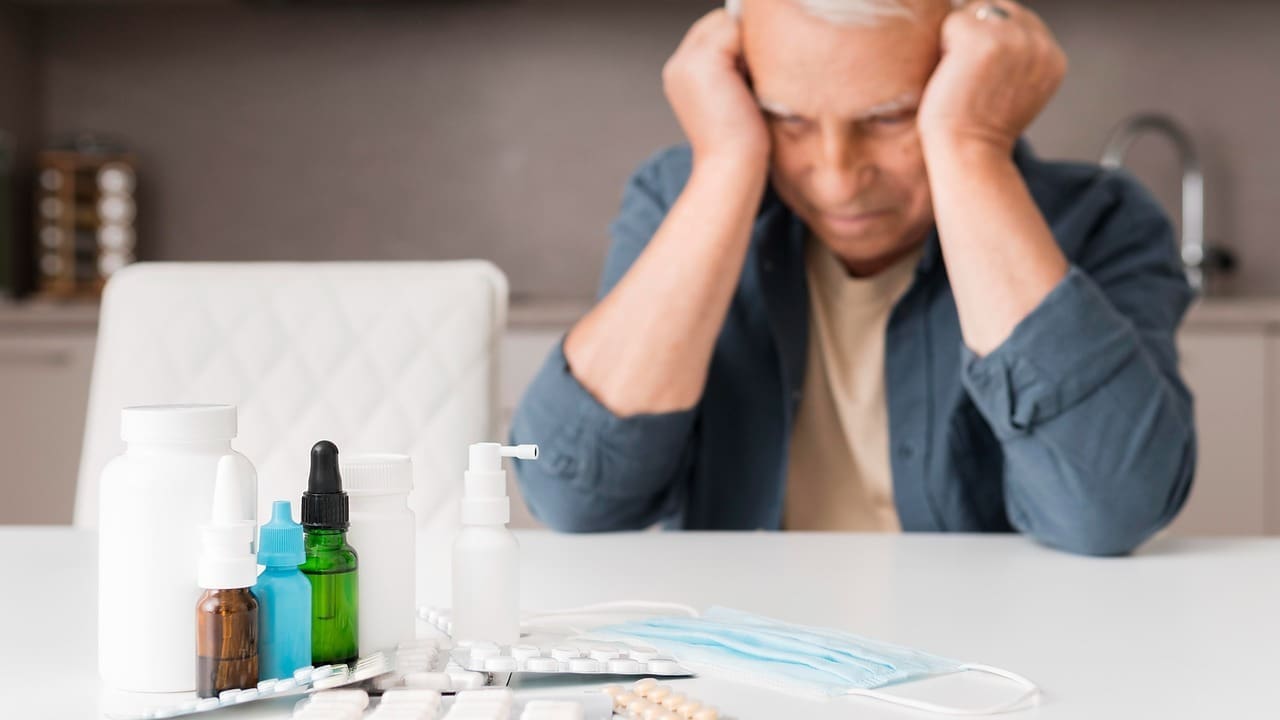
Dealing with carcinoma treatment side effects can be tough. At Liv Hospital, we get it. Patients getting treated for different types of carcinoma face many challenges.
Studies show that up to 80% of people getting treatments like chemotherapy, targeted therapy, and immunotherapy face side effects. These can really affect their life quality.
We want to help you through your treatment journey. In this article, we’ll look at the 15 most common side effects of modern treatments. We’ll also give tips on how to deal with them.
Key Takeaways
- Knowing the common side effects of carcinoma treatments can help patients prepare and manage their symptoms.
- Up to 80% of patients experience side effects from treatments like chemotherapy and targeted therapy.
- Liv Hospital is dedicated to providing complete support to international patients.
- Managing side effects well can greatly improve a patient’s quality of life.
- Our team is committed to helping you navigate your treatment journey with confidence.
Understanding Common Cancer Medicine Side Effects

It’s key for patients to know about common side effects of cancer treatments. These include chemotherapy, targeted therapy, and immunotherapy. These treatments can impact patients’ daily lives.
How Cancer Treatments Affect the Body
Cancer treatments target fast-growing cancer cells. But, they can also harm healthy cells. For example, chemotherapy might cause fatigue, nausea, and hair loss.
Prevalence and Impact on Quality of Life
Research shows up to 90% of cancer patients face side effects. These can greatly affect their quality of life. They can make everyday tasks hard and lower overall well-being. Common issues include:
- Fatigue and weakness
- Nausea and vomiting
- Hair loss
- Changes in appetite and taste
The Importance of Proactive Management
Managing side effects early is vital. It helps lessen their impact on patients’ lives. Strategies include medication, lifestyle changes, and supportive care. For more info, visit the American Cancer Society’s resource on side effects. Understanding and tackling these issues can enhance patients’ quality of life during and after treatment.
Fatigue and Energy-Related Side Effects
Fatigue and energy issues are big worries for those getting cancer treatment. We know it’s tough, but there are ways to handle these problems.
Cancer-Related Fatigue
Cancer-related fatigue hits up to 80% of cancer patients hard. It’s not just feeling tired; it’s a constant lack of energy that makes daily tasks hard.
Symptoms and Causes
Signs of cancer-related fatigue include feeling weak, tired, or lacking energy. The reasons can be many, like the cancer itself, treatment side effects, and emotional stress.
Energy Conservation Techniques
To fight fatigue, try energy-saving tips like pacing yourself, taking breaks, and focusing on important tasks. “Learning to listen to your body and save energy is key,” advises a cancer care expert.
Anemia
Anemia is a big cause of fatigue in cancer patients. It’s when you have too few red blood cells, making it hard for tissues to get enough oxygen.
Recognizing Symptoms
Signs of anemia include feeling weak, having pale skin, and shortness of breath. If you notice these, see your doctor right away.
Medical Interventions and Self-Care
Doctors might use iron supplements or blood transfusions for anemia. Eating a balanced diet full of iron can also help.
Understanding and managing fatigue and anemia can make life better for cancer patients getting treatment.
Digestive System Complications
Cancer treatment can be tough, with digestive issues being a big worry. These problems can really affect how well a patient feels. It’s key to know how to handle them well.
Nausea and Vomiting
Nearly 70% of patients face nausea and vomiting during treatment. Managing these symptoms is vital to avoid dehydration and malnutrition.
Antiemetic Medications
We give antiemetic meds to fight nausea and vomiting. They work well when used correctly.
Dietary and Lifestyle Adjustments
Changing what you eat can also help with nausea. We suggest eating small meals often and avoiding foods with strong smells. Drinking plenty of water is also important.
Diarrhea
Diarrhea is another common issue, which can cause dehydration if not managed right.
Prevention Strategies
To stop diarrhea, we tell patients to avoid foods high in fiber and fat. Drinking fluids with electrolytes is also key.
Treatment and Hydration
For diarrhea, we might suggest meds to slow down bowel movements. It’s vital to replace lost fluids and electrolytes to avoid dehydration.
By tackling these digestive problems, we can greatly improve life for those fighting cancer.
Oral and Appetite Disturbances
Oral and appetite issues are common in cancer treatment. They can make life harder for patients. Problems include mouth sores and changes in taste and appetite.
Mouth Sores (Mucositis)
Mouth sores are painful side effects of cancer treatment. To manage them, you can:
- Maintain good oral hygiene
- Use pain relief measures
Oral Hygiene Protocols
Brushing with a soft toothbrush and flossing gently helps. Using a saline mouthwash also prevents infection and aids healing.
Pain Management Options
“Topical anesthetics and pain-relieving drugs can ease mouth sore pain,” a top oncologist. It’s best to talk to your doctor about the right pain relief plan.
Changes in Appetite and Taste
Appetite and taste changes are common too. They make it hard for patients to eat well.
Nutritional Support Approaches
Eating small, frequent meals is key. Choose foods that are full of nutrients.
Working with Dietitians
Talking to a dietitian is helpful. They can create a nutrition plan tailored to you. This ensures you get the nutrients you need, even with taste and appetite changes.
Neurological Effects of Cancer Treatments
Cancer treatments can deeply affect the brain and nervous system. This can make life harder for patients. Knowing what causes these effects and their symptoms is the first step to better care.
Peripheral Neuropathy
Peripheral neuropathy is a common side effect of some cancer treatments. It damages the nerves outside the brain and spinal cord. This can lead to pain, numbness, and tingling in the hands and feet.
Protective Measures
To fight peripheral neuropathy, patients can wear comfy shoes and stay away from extreme temperatures. Early action is vital to manage symptoms well.
Pain Management Techniques
There are ways to manage pain from peripheral neuropathy. These include medicines and alternative methods like acupuncture. “Good pain management is key to keeping patients’ quality of life high,” say doctors.
Cognitive Changes (“Chemo Brain”)
Cancer treatment can also affect the brain. This is known as “chemo brain.” It can mess with memory, focus, and how fast you process information.
Memory and Concentration Strategies
Improving memory and focus is possible. Using memory tools, practicing mindfulness, and doing brain-stimulating activities can help. Keeping your mind active can lessen these brain changes.
Cognitive Rehabilitation Options
There are programs to help patients get their brain function back. These programs are made for each person’s needs. They use different therapies to help.
Hair Loss and Skin Reactions
Cancer treatment can cause hair loss and skin reactions. These are common and distressing side effects for patients.
Managing Alopecia
Alopecia, or hair loss, is a big worry for many. It can hurt a patient’s self-esteem and life quality.
Emotional and Psychological Impact
Hair loss has a big emotional and psychological impact. Patients often feel like they’ve lost their identity and feel less confident.
“Losing my hair was like losing a part of myself. It was a visual reminder of my illness.”
Head Coverings and Hair Care
Wearing head coverings like wigs or hats can help hide hair loss. Gentle hair care, like mild shampoos and avoiding heat, can also help.
- Choose soft, breathable fabrics for head coverings.
- Consider consulting a professional for wig fitting.
- Keep your scalp clean and moisturized.
Skin Changes and Sensitivity
Skin changes and sensitivity are common side effects of cancer treatment. They can range from dryness and itchiness to severe reactions like rashes.
Preventive Skin Care
Preventive skin care is key. Use gentle, fragrance-free cleansers and moisturizers to keep your skin healthy.
| Skin Care Tip | Benefit |
|---|---|
| Use gentle cleansers | Reduces irritation |
| Moisturize regularly | Prevents dryness |
| Avoid harsh products | Minimizes risk of allergic reactions |
Treating Rashes and Irritation
If you get rashes or irritation, treat them quickly. Use over-the-counter creams or prescribed meds for relief.
Understanding and managing these side effects can improve life during cancer treatment. We aim to provide care that tackles both physical and emotional challenges of cancer treatment.
Immune System and Blood-Related Side Effects
Cancer treatment often weakens the immune system, making patients more likely to get sick. This happens because treatments affect blood cells, like neutrophils. Neutrophils are key in fighting off infections.
Neutropenia and Infection Risk
Neutropenia is when there are not enough neutrophils in the blood. It’s a common side effect of chemotherapy. It raises the risk of getting infections.
Infection Prevention Strategies
To lower the risk of infections, patients can take a few steps:
- Avoid close contact with people who are sick
- Practice good hygiene, such as frequent handwashing
- Avoid undercooked foods and raw vegetables
When to Seek Medical Help
It’s important for patients to know when to get medical help. Signs that need immediate attention include:
- Fever above 100.4°F (38°C)
- Chills
- Sore throat
- Cough
Immune Suppression Management
Managing immune suppression involves several steps. This includes preventive measures and, in some cases, medication to boost the immune system.
Vaccination Considerations
Vaccinations are key in managing immune suppression. But, the type of vaccine and when to get it are very important.
Balancing Protection and Normal Activities
It’s important to protect oneself from infections. But, it’s not always necessary to avoid all daily activities. Patients should talk to their healthcare provider about finding a balance.
| Precaution | Purpose |
|---|---|
| Avoiding sick contacts | Reduce infection risk |
| Frequent handwashing | Prevent the spread of infection |
| Avoiding undercooked foods | Minimize risk of foodborne illnesses |
Cardiovascular and Circulatory Complications
Cancer treatments have made great strides, but they can harm the heart and blood system. These side effects can greatly reduce a patient’s quality of life and even their chances of survival.
Heart Function Changes
Cancer treatments can harm the heart, leading to long-term problems. It’s vital to watch for these changes closely.
Monitoring Protocols
Regular heart checks, like echocardiograms and biomarker tests, are key. We suggest these tests before, during, and after treatment.
Cardioprotective Strategies
Using cardioprotective strategies, like heart-protecting meds, can help. We create custom plans for each patient.
Blood Pressure and Circulation Issues
Cancer treatments can mess with blood pressure and blood flow. It’s important to manage these issues to avoid more problems.
Medication Management
Changing or adding meds can help control blood pressure and flow. We keep a close eye on how patients react to these changes.
Lifestyle Modifications
Medical care is just part of the solution. Lifestyle changes like diet, exercise, and stress reduction are also key.
Reproductive and Hormonal Side Effects
Cancer treatment can greatly affect a patient’s reproductive and hormonal health. This can lead to many side effects that are hard to handle. It’s important to understand these effects to give the best care possible.
Fertility Preservation Options
Many patients worry about their fertility before starting cancer treatment. We talk about options before treatment begins. These include:
- Freezing eggs or embryos
- Sperm banking
- Ovarian tissue preservation
Before Treatment Begins
Exploring fertility preservation options before starting cancer therapy is key. It helps increase the chances of successful preservation.
Future Family Planning Considerations
Patients should think about their future family plans. They should talk to their healthcare provider about these to make good choices.
Managing Hormonal Changes
Cancer treatments can cause big hormonal changes. These changes can affect a patient’s quality of life. Symptom relief strategies are important to manage these changes.
Symptom Relief Strategies
We use different strategies to help with symptoms from hormonal changes. This improves patient comfort and well-being.
Long-term Hormonal Support
Long-term support for hormonal balance is often needed. This is because cancer treatment can have lasting effects on hormones.
Conclusion: Building Your Side Effect Management Plan
Managing side effects from cancer medicine is key to better patient outcomes and quality of life. We’ve looked at common side effects like fatigue, digestive issues, and neurological problems.
Patients can lessen these side effects by understanding them and taking action early. We suggest working with healthcare providers to create a plan. This plan should cover all cancer treatment side effects.
With the right plan, patients can face their cancer treatment with confidence. They can manage side effects to get the best results. We’re here to support patients, providing care and advice on managing these challenges.
FAQ
What are the most common side effects of cancer treatments?
Common side effects include fatigue, nausea, and vomiting. Diarrhea, mouth sores, and hair loss are also common. Neurological effects like peripheral neuropathy and cognitive changes can occur too.
How can I manage cancer-related fatigue?
To manage fatigue, pace your activities and take breaks. Prioritize tasks. Managing anemia through diet and treatment can also help.
What can I do to prevent or minimize nausea and vomiting during cancer treatment?
Use antiemetic medications as directed. Eat small, frequent meals and avoid strong-smelling foods. These steps can help prevent nausea and vomiting.
How can I manage diarrhea caused by cancer treatment?
Follow a bland diet and stay hydrated. Avoid foods that worsen diarrhea. Work with your healthcare provider to find the cause and treatment.
What are the options for managing mouth sores and oral health during cancer treatment?
Keep your mouth clean and use gentle mouthwashes. Avoid spicy or acidic foods. Your healthcare provider can help with pain management.
Can I preserve my fertility before undergoing cancer treatment?
Yes, options like egg or sperm freezing are available. Discuss these with your healthcare provider to preserve your fertility.
How can I manage hair loss caused by cancer treatment?
Explore head coverings like wigs or hats. Care for your scalp gently. Emotional support can help cope with hair loss.
What are the risks associated with immune suppression during cancer treatment?
Immune suppression raises the risk of infections. Practice good hygiene and avoid sick people. Vaccinations are also important.
How can I manage cardiovascular and circulatory complications during cancer treatment?
Monitor your heart and blood pressure. Take cardioprotective medications as prescribed. A healthy diet and regular exercise are also key.
What are the long-term effects of cancer treatment on hormonal health?
Treatment can change hormone levels, causing symptoms like hot flashes. Work with your healthcare provider to manage these symptoms.
When should I seek medical help for side effects during cancer treatment?
Seek help for severe or persistent side effects. Report any changes in your condition to your healthcare provider.
How can I minimize the side effects of cancer medications?
Follow your treatment plan and report side effects. Make lifestyle adjustments to reduce complications.
What is the impact of cancer treatment on the immune system?
Treatment can weaken the immune system, increasing infection risk. Practice good hygiene and get vaccinated as recommended.
How can I manage the side effects of cancer infusion therapy?
Work closely with your healthcare provider to monitor and address side effects. This includes allergic reactions and infusion-related reactions.
What are the common side effects of cancer tablets or oral cancer medications?
Side effects vary by medication. Discuss them with your healthcare provider and plan to manage them.