Last Updated on November 18, 2025 by Ugurkan Demir

Feeling pain or pain in the butt can really mess up your day. At Liv Hospital, we get how tough it is when butt cheeks hurt for no reason.
Pain on one side of buttocks is a big problem. It’s often linked to muscle strain, nerve issues, and injuries. Our team works together to give you quick relief.
Our experts will show you the 15 main reasons for this pain. They’ll also share quick tips to help you feel better and move freely again.
Key Takeaways
- Knowing why you have pain on one side of buttocks is key to fixing it.
- Muscle strain and nerve problems are common culprits.
- Liv Hospital uses a team effort to treat buttock pain.
- Quick tips can ease your pain and help you move better.
- Our team is committed to giving personalized care to patients from around the world.
Understanding Buttock Pain and Its Impact
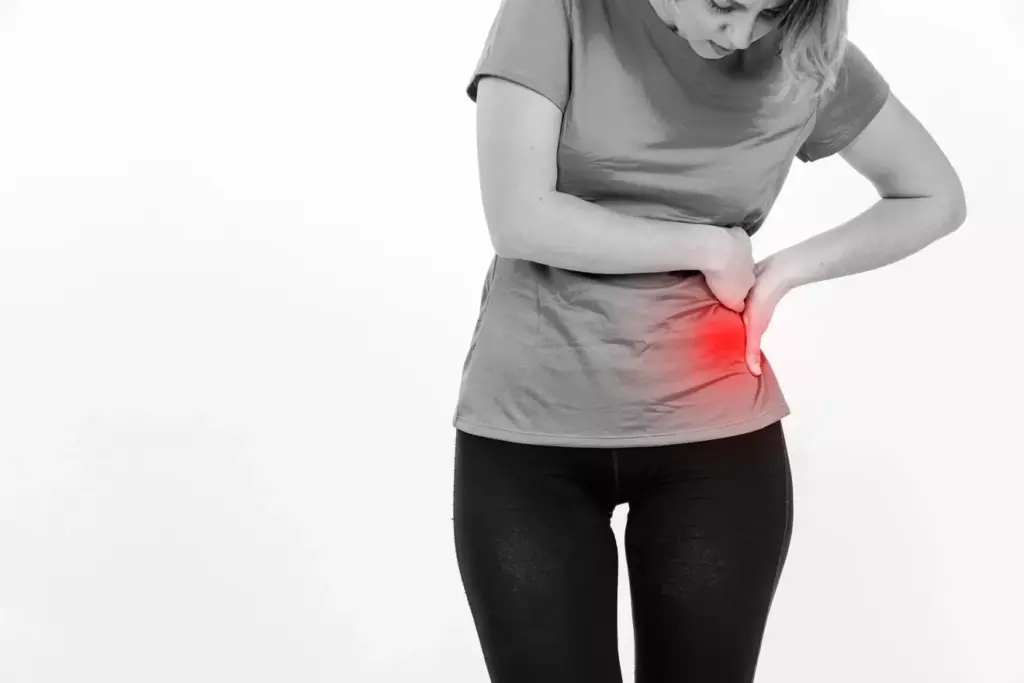
It’s important to know why buttock pain happens and how it affects us. Pain in the buttocks can show up in many ways. We’ll look at the common signs of pain in one buttock and how it changes our daily life.
Common Symptoms Associated with Unilateral Buttock Pain
Buttock pain can feel like soreness, aching, numbness, tingling, or weakness. These feelings can be strong or mild and may come and go. This pain can really change how we live our lives.
Some signs to watch for include:
- Pain or discomfort when sitting or standing
- Numbness or tingling sensations in the buttock area
- Weakness in the gluteal muscles
- Aching or soreness that worsens with activity
How Buttock Pain Affects Daily Activities
Buttock pain can make everyday tasks hard. Even simple things like walking or sitting can hurt. Chronic pain can also make us feel frustrated and less mobile.
| Activity | Impact of Buttock Pain |
|---|---|
| Sitting | Pain or discomfort when sitting for extended periods |
| Walking | Difficulty walking due to pain or weakness in the buttock area |
| Exercise | Limitation in performing physical activities due to pain |
Knowing the signs and effects of buttock pain is the first step to getting help. Finding the cause of the pain is key to feeling better and living a normal life.
Muscle-Related Causes of Pain on One Side of Buttocks

Muscle issues are a big reason for pain on one side of the buttocks. These problems can be from certain syndromes or injuries from too much use. They can really affect how well someone lives their life.
1. Piriformis Syndrome
Piriformis syndrome affects the muscle from the spine to the thigh. Studies show it’s often mistaken for sciatica. It causes pain in the buttock because of muscle irritation.
This irritation can press on the sciatic nerve. This leads to pain, numbness, and tingling in the buttocks.
2. Muscle Strain from Exercise or Overuse
Muscle strain is a common reason for buttock pain on one side. It happens from sudden exercise, too much use, or direct hits to the muscle. The gluteal muscles are often strained, mainly in athletes or those who do hard physical work.
3. Gluteal Muscle Trigger Points
Gluteal muscle trigger points are knotted, inflamed spots in the gluteal muscles. They cause pain and can send pain to other areas, like the buttock. These spots are often from too much use or repetitive strain.
| Condition | Common Causes | Symptoms |
|---|---|---|
| Piriformis Syndrome | Irritation of piriformis muscle, sciatic nerve compression | Pain, numbness, tingling in buttock |
| Muscle Strain | Sudden exercise, overuse, direct trauma | Pain, swelling, limited mobility |
| Gluteal Trigger Points | Overuse, repetitive strain | Pain, stiffness, referred pain |
Knowing about these muscle problems is key to managing pain in the buttocks. By figuring out the exact issue, people can find the right treatment. This can range from physical therapy to making lifestyle changes.
Nerve Compression Conditions
Nerve compression conditions like sciatica, herniated discs, and spinal stenosis often cause pain in one buttock. These issues can really hurt your daily life by making it hard to move and causing pain.
Sciatica and Sciatic Nerve Irritation
Sciatica is pain that spreads along the sciatic nerve. This nerve runs from the lower back, through the hips, and down each leg. When this nerve gets irritated or compressed, it can lead to pain on one side of the buttock.
Symptoms of Sciatica:
- Sharp, shooting pain in the buttock or leg
- Numbness or tingling sensations
- Weakness in the affected leg
Herniated Disc Causing Referred Pain
A herniated disc happens when the soft inner gel leaks out through a tear. This can irritate nearby nerves, causing pain in the buttock area.
Common Symptoms:
- Pain in the buttock or thigh
- Numbness or tingling in the leg
- Weakness in the muscles of the affected leg
Spinal Stenosis Effects on the Buttock
Spinal stenosis is when the spaces in the spine narrow. This can compress nerves and cause pain. When it happens in the lower back, it can lead to pain in the buttock.
Symptoms and Treatment:
| Symptoms | Treatment Options |
|---|---|
| Pain or numbness in the buttock or leg | Physical therapy |
| Weakness in the legs | Pain management medication |
| Difficulty walking | Surgical intervention in severe cases |
Knowing about these nerve compression conditions is key to managing buttock pain. By tackling the root cause, people can find relief and live better lives.
Joint and Bone Disorders
Many joint and bone disorders can cause pain in one side of the buttocks. These issues often involve inflammation, degeneration, or injury to the joints and bones in the pelvic area.
Sacroiliac Joint Dysfunction
Sacroiliac joint dysfunction happens when the sacroiliac joint gets inflamed or irritated. This joint connects the sacrum and ilium bones in the pelvis. It can cause pain on one side of the buttocks, spreading to the lower back and legs.
Symptoms: Pain when standing up from a seated position, climbing stairs, or during prolonged standing.
Treatment: Physical therapy, sacroiliac joint injections, and sometimes surgery are recommended.
Hip Osteoarthritis
Hip osteoarthritis is a degenerative joint disease that affects the hip joint. It leads to pain and stiffness. As the cartilage wears away, the joint becomes inflamed, causing pain in the buttocks.
Symptoms: Pain in the groin or buttocks, stiffness, and limited mobility.
Treatment: Physical therapy, pain management medications, and lifestyle changes are used first. In severe cases, hip replacement surgery may be needed.
Tailbone (Coccyx) Injuries
Tailbone injuries, or coccydynia, occur when the coccyx is bruised, fractured, or becomes inflamed. This condition causes pain in the buttocks, mainly when sitting or during bowel movements.
Symptoms: Pain when sitting, on hard surfaces, and during activities that put pressure on the coccyx.
Treatment: Using cushions to reduce pressure, physical therapy, and sometimes coccygectomy (surgical removal of the coccyx) are used.
| Condition | Common Symptoms | Treatment Options |
|---|---|---|
| Sacroiliac Joint Dysfunction | Pain when standing, climbing stairs | Physical therapy, injections, surgery |
| Hip Osteoarthritis | Pain in groin or buttocks, stiffness | Physical therapy, pain management, hip replacement |
| Tailbone Injuries | Pain when sitting, on hard surfaces | Cushions, physical therapy, coccygectomy |
Inflammatory Conditions Affecting the Buttocks
Inflammatory conditions can cause a lot of pain in the buttocks. This pain can affect your daily life and overall health. These conditions need a detailed approach for diagnosis and treatment.
There are several inflammatory conditions that can lead to buttock pain. We will look at three main ones: bursitis in the hip and buttock area, arthritis in the lower spine, and inflammatory bowel disease causing pain in the buttocks.
Bursitis in the Hip and Buttock Region
Bursitis is when a bursa, a fluid-filled sac, gets inflamed. It cushions joints and reduces friction. In the hip and buttock area, it can cause a lot of pain and discomfort.
- Symptoms: Pain on the outer hip or buttock area, tenderness, and swelling.
- Causes: Repetitive motion, direct trauma, or underlying conditions like rheumatoid arthritis.
- Treatment: Rest, ice, physical therapy, and sometimes corticosteroid injections.
Arthritis in the Lower Spine
Arthritis in the lower spine can cause buttock pain. This is because the spine is close to the buttock area. Osteoarthritis and ankylosing spondylitis are types of arthritis that can affect the spine.
- Symptoms: Chronic pain, stiffness, and limited mobility.
- Causes: Wear and tear, genetic predisposition, and autoimmune responses.
- Treatment: Medications, physical therapy, lifestyle changes, and sometimes surgery.
Inflammatory Bowel Disease and Referred Pain
Inflammatory bowel disease (IBD), like Crohn’s disease and ulcerative colitis, can cause pain in the buttocks. This happens because of the connection between the gut, nervous system, and other parts of the body.
- Symptoms: Abdominal pain, diarrhea, weight loss, and buttock pain.
- Causes: Genetic, immune system dysfunction, and environmental factors.
- Treatment: Medications for IBD, lifestyle changes, and sometimes surgery.
It’s important to understand these inflammatory conditions to manage buttock pain well. If you have persistent or severe pain, seeing a healthcare professional is key for the right diagnosis and treatment.
Less Common but Serious Causes
Buttock pain can sometimes be a sign of serious health problems. These include vascular claudication, tumors, and infections. It’s important to know about these to get medical help quickly.
Vascular Claudication
Vascular claudication causes pain in the buttocks or legs when you’re active. This pain goes away when you rest. It’s often linked to narrowed arteries in the legs.
Symptoms and Diagnosis: You might feel pain when walking or exercising that stops when you rest. Doctors check for risk factors and use tests like the ankle-brachial index to diagnose.
Tumors and Growths
Tumors or growths in the buttock area can be painful. They can be harmless or cancerous. These growths can press on nerves or harm nearby tissues, causing pain.
Types and Symptoms: There are many types of tumors, like soft tissue sarcomas. You might feel a lump, pain, or changes in bowel or urinary habits if the tumor is near these areas.
Infections in the Buttock Region
Infections in the buttock area are rare but serious. These can include abscesses or infected cysts. It’s important to treat them quickly to avoid bigger problems.
Symptoms and Treatment: Signs include pain, swelling, redness, and warmth. Treatment usually involves antibiotics or draining the abscess.
| Condition | Common Symptoms | Diagnostic Approaches |
|---|---|---|
| Vascular Claudication | Pain during activity, relieved by rest | Ankle-brachial index, physical exam |
| Tumors and Growths | Pain, palpable mass, changes in bowel/urinary habits | Imaging studies (MRI, CT scans) |
| Infections | Pain, swelling, redness, warmth | Physical exam, culture of affected area |
Quick Relief Tips for Muscle-Related Buttock Pain
Muscle pain in the buttocks can really hurt. But, there are quick ways to feel better. Finding relief is key to moving freely again.
Stretches for Piriformis and Gluteal Muscles
Stretching is a simple way to ease buttock pain. Piriformis stretches are great because they focus on the piriformis muscle. This muscle goes from the spine to the thigh bone.
- Lying Piriformis Stretch: Lie on your back, cross the affected leg over the other, and gently pull the knee toward the opposite shoulder.
- Seated Piriformis Stretch: Sit with the affected leg crossed over the other, place your hand on the knee of the crossed leg, and gently pull it toward your opposite shoulder.
Gluteal muscle stretches are also important. They help relax the buttocks. Doing glute bridges can strengthen and stretch these muscles.
Self-Massage Techniques and Foam Rolling
Self-massage and foam rolling can really help with buttock pain. Self-massage uses your fingers or a tool to press on the sore spot. This helps loosen tight muscles.
To do self-massage:
- Find the sore spot.
- Use your fingers or a tool to press gently.
- Hold for a few seconds and then release.
Foam rolling is another good method. It uses a foam roller to roll over the sore area. This applies pressure to release tension.
Adding these tips to your daily routine can help manage buttock pain. It can also make your life better overall.
Treatment Options for Nerve and Joint-Related Buttock Pain
Nerve and joint pain in the buttocks can be very uncomfortable. But, there are many ways to help manage this pain. The best approach often combines different treatments based on the person’s needs.
Heat and Cold Therapy Applications
Using heat or cold can be a simple yet effective way to ease buttock pain. Heat therapy relaxes muscles and boosts blood flow, which is great for long-term pain. Cold therapy, on the other hand, cuts down on swelling and numbs the pain, perfect for sudden injuries.
- Apply heat using a warm bath, heating pad, or warm compress for 15-20 minutes, several times a day.
- Use cold therapy with an ice pack or cold compress for 15-20 minutes, several times a day, ensuring a cloth barrier between the ice and skin.
Over-the-Counter Pain Management
For quick relief, over-the-counter (OTC) pain relievers can be a good start. Nonsteroidal anti-inflammatory drugs (NSAIDs) like ibuprofen or naproxen can lessen swelling and ease pain.
- Always follow the recommended dosage on the label.
- Consult with a healthcare provider before taking OTC medications for an extended period.
Supportive Devices and Ergonomic Adjustments
Using supportive devices and making ergonomic changes can also help a lot. Supportive cushions or ergonomic chairs can help keep your posture right and lessen pressure on sore spots.
- Use a supportive cushion on chairs, specially those without proper lumbar support.
- Adjust your workstation to promote good posture, keeping your feet flat on the floor or a footrest, and your monitor at eye level.
By adding these treatments to your daily routine, you can better manage nerve and joint pain in your buttocks. This can greatly improve your life quality.
When to Seek Medical Attention for Buttock Pain
Knowing when to see a doctor for buttock pain is key to getting better. Many times, you can handle it yourself. But sometimes, you really need a doctor’s help.
Red Flag Symptoms That Require Immediate Care
Some signs mean you should see a doctor right away. These red flag symptoms include:
- Severe pain that gets worse over time
- Pain with numbness, tingling, or weakness in the legs
- Loss of bladder or bowel control
- Recent injury to the buttock or lower back
- Unexplained weight loss or fever
If you notice any of these, get medical help fast. For example, if your butt hurts a lot when you stand up, it might be serious. If you have other red flag symptoms too, you need to see a doctor.
What to Expect During Medical Diagnosis
When you go to the doctor for buttock pain, they will do a full check-up. This usually includes:
- Talking about your medical history to find possible reasons
- A physical check to see how you move and if there’s any nerve damage
- Tests like X-rays, MRI, or CT scans to see what’s going on inside
A doctor says, “A good diagnosis is the first step to fixing your pain.”
“Finding out what’s causing your pain is the first step to fixing it. It could be muscle strain, nerve issues, or something else.”
| Diagnostic Tool | Purpose |
|---|---|
| Medical History | Find out what might be causing your pain |
| Physical Examination | Check how you move and if there’s nerve damage |
| Imaging Tests (X-rays, MRI, CT scans) | Look inside to find any problems |
Once they know what’s wrong, doctors can suggest the best treatment. This might include physical therapy, medicine, or other treatments.
Conclusion
We’ve looked into why you might feel pain on one side of your buttocks. This pain can come from muscle strain, nerve issues, or joint problems. Knowing what’s causing your pain is key to fixing it.
Once you find out why you’re in pain, you can start treating it. There are many ways to help, like simple home remedies, physical therapy, or even doctor visits.
If your pain doesn’t go away, see a doctor. They can figure out what’s wrong and tell you how to feel better. They’ll help you find the right treatment for your pain.
Knowing about pain causes and acting early can help prevent long-term pain. This way, you can get the help you need sooner.
FAQ
Why does my left bum cheek hurt?
Pain in one buttock can come from muscle strain, piriformis syndrome, or nerve issues. It’s best to see a healthcare professional for a correct diagnosis.
What are the common causes of buttocks pain?
Buttocks pain can be from muscle strain, piriformis syndrome, sciatica, or herniated discs. Other causes include sacroiliac joint dysfunction and hip osteoarthritis.
Why does the side of my buttocks hurt?
Side buttock pain can stem from muscle issues, nerve compression, or joint problems. Knowing the cause is key to treating it effectively.
Why does my bum hurt when I stand up?
Standing up pain might be from sacroiliac joint dysfunction, piriformis syndrome, or hip osteoarthritis. Seeing a healthcare professional for a proper check-up is important.
What are the symptoms of piriformis syndrome?
Symptoms include pain, numbness, and tingling in the buttock area. These can spread down the leg. Stretching and self-massage can help.
How can I alleviate pain in my butt cheeks?
Stretching, self-massage, and foam rolling can ease muscle pain. For nerve and joint pain, try heat and cold therapy, pain meds, and supportive devices.
When should I seek medical attention for buttock pain?
Seek medical help for severe pain, numbness, tingling, or weakness. Also, if pain is with other concerning symptoms, get help right away.
What can I expect during medical diagnosis for buttock pain?
A healthcare professional will do a physical exam, review your history, and might order imaging tests. This helps find the cause of your pain.
Why does my right butt cheek hurt?
Right buttock pain can be from muscle strain, piriformis syndrome, or nerve issues. A healthcare professional’s diagnosis is needed to find the cause.
What are the treatment options for nerve and joint-related buttock pain?
Treatments include heat and cold therapy, pain meds, supportive devices, and ergonomic changes. Sometimes, more medical help is needed.
References
- Healthline. Pain in Buttocks: What’s Causing It? Retrieved from https://www.healthline.com/health/pain-in-buttocks — A general overview of buttock pain causes, symptoms, and treatments.
- Practical Neurology. Diagnosis and Management of Piriformis Syndrome. Retrieved from https://practicalneurology.com/diseases‑diagnoses/neuromuscular/diagnosis-and-management-of-piriformis-syndrome/30772/ — Review article discussing hip/buttock pain due to sciatic nerve entrapment by the piriformis muscle. (Practical Neurology)
- Find a DO. Piriformis Syndrome – Real Pain in the Buttocks. Retrieved from https://findado.osteopathic.org/piriformis-syndrome-real-pain-buttocks — A practitioner‑oriented article on piriformis syndrome, its clinical presentation and treatment (Note: url validated by user).