Last Updated on November 27, 2025 by Bilal Hasdemir

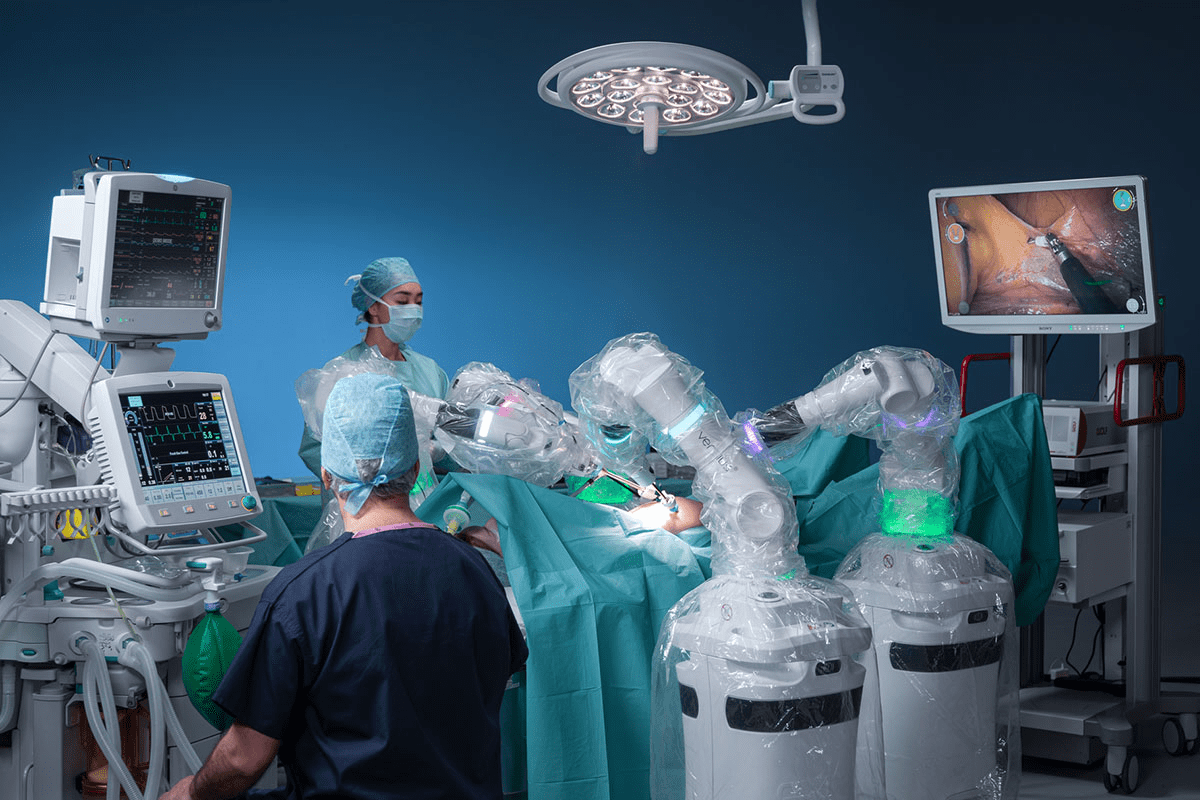
Understanding brain cancer diagnosis and treatment can be tough. But visual aids like CT scans and surgery photos help a lot. They educate both patients and doctors.
At Liv Hospital, we focus on our patients. We use the latest imaging and international knowledge. This helps us explain brain tumor diagnosis and treatment clearly.
Looking at real images of brain tumors and surgery photos helps us. We can see how complex this condition is. And we learn about new treatments.
Key Takeaways
- Visual aids like CT scans enhance understanding of brain cancer diagnosis.
- Liv Hospital’s patient-centered approach supports international patients.
- Advanced imaging techniques improve treatment options for brain tumors.
- International expertise at Liv Hospital ensures complete care.
- Real images of brain tumors aid in patient education.
The Critical Role of Medical Imaging in Brain Tumor Diagnosis
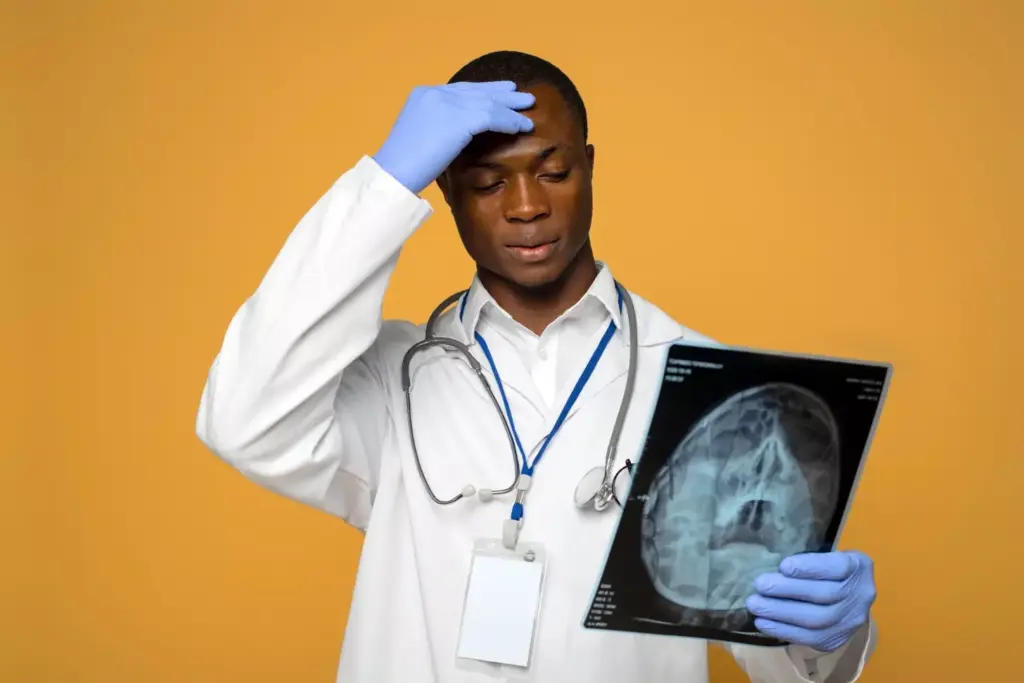
Medical imaging is key in finding and treating brain tumors. It has changed how we handle these serious conditions. CT scans and MRI are at the center, giving us brain tumor ct scan images and brain tumor MRI images needed for accurate diagnosis.
Doctors use these images to see the tumor’s size, where it is, and what it looks like. Reading these images is a complex task that needs a lot of skill. How Neurologists Interpret Brain Scans is very important. It helps decide the best treatment and affects how well a patient does.
Interpretation of Brain Scans
Doctors study brain scans to find out the tumor type, how aggressive it is, and how it affects the brain. They look for certain signs in neurological tumor real pictures to make a diagnosis. This is key for choosing the right treatment.
| Imaging Modality | Key Features | Clinical Utility |
|---|---|---|
| CT Scan | Quick, widely available, good for acute hemorrhage | Emergency settings, initial assessment |
| MRI | High soft tissue resolution, multiplanar imaging | Detailed tumor characterization, treatment planning |
Advancements in Visualization Technology
There have been big steps forward in seeing brain tumors. New tech like diffusion tensor imaging and functional MRI help us understand tumors better. These advances are vital for making brain tumor treatment visuals that help doctors and surgeons.
As we learn more about brain tumors, medical imaging will keep being very important. Places like St. Joseph’s Hospital and Medical Center are leading the way. They use the latest imaging tech to better care for patients.
Brain Tumor Real Images: What These Visuals Tell Medical Professionals

Brain tumor images are key for doctors to understand tumors. They use CT scans and MRI to see the tumor’s size, where it is, and how it affects the brain. This helps them plan the best treatment.
These images are vital for doctors to know if the tumor is benign or malignant. They help neurologists and oncologists create treatment plans that fit each patient’s needs.
Key Visual Markers That Indicate Brain Cancer
Doctors look for certain signs in brain tumor images to spot cancer. They check for irregular shapes, different enhancement patterns, and how the tumor affects nearby brain areas.
- Irregular tumor margins may suggest a more aggressive tumor type.
- Heterogeneous enhancement can indicate areas of necrosis or tumor vascularity.
- Mass effect and surrounding edema can signal increased intracranial pressure.
By looking at these signs, doctors can make accurate diagnoses and understand how severe the condition is.
How Images Guide Treatment Planning
Brain tumor images are essential for planning treatment. They give doctors detailed info about the tumor. This helps them choose the best treatment.
| Treatment Aspect | How Images Guide Planning |
|---|---|
| Surgical Planning | Images help surgeons identify the tumor’s location and its relationship to critical brain structures, allowing for more precise surgical planning. |
| Radiation Therapy | Detailed images enable radiation oncologists to target the tumor more effectively while minimizing exposure to surrounding healthy tissue. |
| Chemotherapy | Images can help assess the tumor’s response to chemotherapy, guiding adjustments to the treatment regimen as needed. |
Advanced imaging and careful analysis of brain tumor pictures help us create better treatment plans. These plans are tailored to each patient’s unique needs.
5 Revealing CT Scan Pictures of Common Brain Tumors
Computed Tomography (CT) scans are key in finding brain tumors. They give detailed images that doctors use to treat these conditions. These images help us understand different brain tumors and plan treatments.
Meningioma: Identifying Features on CT
Meningiomas are usually not cancerous and grow from the meninges. On CT scans, they look like clear, separate masses with dense calcifications and strong contrast enhancement. These signs help doctors tell meningiomas apart from other tumors.
The images show a clear line between the tumor and the brain. This is important for planning surgery. We look at these images to see how big the tumor is and where it is.
Glioblastoma Multiforme: The Aggressive Tumor’s CT Signature
Glioblastoma multiforme (GBM) is a very aggressive and dangerous brain tumor. CT scans show GBM as a heterogeneous mass with irregular margins and necrotic areas. It also shows contrast enhancement and peritumoral edema.
These signs are key in diagnosing GBM and differentiating it from other tumors. We study the CT scan pictures to see how far the tumor has spread. This helps us plan the best treatment.
Pituitary Adenomas: Small Tumors with Big Impact
Pituitary adenomas are benign tumors from the pituitary gland. On CT scans, they look like small, well-defined lesions in the sella turcica. Contrast enhancement helps us see the tumor better and its relation to nearby structures.
Even though they are small, pituitary adenomas can affect hormone levels. We use CT scans to check the tumor’s size and its impact on the area. This helps us decide on treatment to manage symptoms and avoid problems.
5 Advanced MRI Brain Tumor Images and Their Diagnostic Significance
Thanks to new MRI tech, we can see brain tumors in amazing detail. These advanced MRI methods are key in neuro-oncology. They help us understand tumors better and how they behave.
T1 vs. T2 Weighted Images: What Each Reveals
MRI scans use different weights to show different tissue features. T1-weighted images are great for seeing body structures and finding some tumors. On the other hand, T2-weighted images are better at showing water changes in tissues. This makes them perfect for spotting swelling and tumor spread.
Using both T1 and T2 images gives a full picture of the tumor and its effect on the brain. This info is vital for making the right diagnosis and treatment plan.
Contrast Enhancement: Before and After Visualization
Contrast-enhanced MRI uses a contrast agent to show specific brain areas. Contrast enhancement is great for seeing tumor edges and checking the blood-brain barrier.
Looking at images before and after contrast, doctors can learn about tumor blood flow and possible danger. This info is key for making treatment choices and checking if treatments work.
Diffusion Tensor Imaging: Mapping White Matter Tracts Around Tumors
Diffusion Tensor Imaging (DTI) is a top-notch MRI method. It shows white matter tracts in the brain. DTI is super helpful for surgery planning, helping surgeons avoid important brain paths.
DTI maps out white matter tracts around tumors. This gives surgeons the info they need to avoid brain damage and improve patient results.
3 Real Brain Surgery Images: Inside the Neurosurgical Theater
Join us as we explore brain surgery through real images. Brain surgery is a complex process that needs precision and skill. We’ll look at the key stages of brain tumor surgery, from start to finish.
Pre-Operative Marking and Planning
Before surgery starts, careful planning is key. Neurosurgeons use advanced imaging to map the brain and find the tumor. This step is important for choosing the best surgical approach and protecting the brain.
Key steps in pre-operative planning include:
- Reviewing MRI and CT scans to understand the tumor’s size and location
- Using neuronavigation systems to plan the surgical trajectory
- Marking the scalp to guide the surgical incision
Intraoperative Photography of Tumor Exposure
During surgery, the neurosurgeon carefully exposes the tumor. This part needs great precision to avoid harming the brain. Intraoperative photography gives insights into the surgical technique and the tumor’s look.
| Surgical Stage | Description | Key Considerations |
|---|---|---|
| Craniotomy | Opening the skull to access the brain | Preserving bone flap for replacement |
| Tumor Exposure | Gently retracting brain tissue to visualize the tumor | Avoiding damage to surrounding brain structures |
| Tumor Removal | Carefully dissecting the tumor from surrounding tissue | Ensuring complete removal while preserving function |
The Moment of Tumor Extraction
The final stage is extracting the tumor. This is the most delicate part, needing precision and gentleness. The goal is to remove as much tumor as possible while keeping the patient’s brain function intact.
The success of tumor extraction depends on various factors, including the tumor’s type, location, and the patient’s overall health.
By looking at real brain surgery images, we can see the complexity and skill needed in brain tumor surgery. These images not only teach medical professionals but also show the amazing work of neurosurgeons.
2 Brain Tumor Extraction Procedures Visualized Step-by-Step
Removing brain tumors is a precise and complex task. We use different methods to help our patients get the best care.
Minimally Invasive Keyhole Approaches
Keyhole surgery is a method that uses smaller cuts and less harm to nearby tissue. It uses special tools and images to remove tumors through small skull openings.
This surgery has benefits like shorter recovery times and less pain after. But, it’s important to check if it’s right for the tumor’s type and location.
Traditional Open Craniotomy Visualization
Open craniotomy involves a bigger cut and removing part of the skull. This gives a clearer view and direct access to the tumor.
Open craniotomy’s advantages include handling big or complex tumors and possibly removing more of the tumor. But, it means a longer recovery.
| Surgical Technique | Benefits | Challenges |
|---|---|---|
| Minimally Invasive Keyhole | Less tissue damage, quicker recovery | Limited access, requires advanced tools |
| Traditional Open Craniotomy | Broad access, possible complete removal | Longer recovery, more tissue damage |
Awake Craniotomy: Monitoring Brain Function During Removal
Awake craniotomy keeps the patient awake during surgery. This lets the team watch brain function and avoid harming key areas.
The main benefit of awake craniotomy is keeping important brain functions safe. But, it needs careful patient choice and a skilled team.
Knowing about brain tumor removal methods is key to picking the right treatment. Each method has its own pros and cons. The choice depends on the tumor’s size, type, and where it is.
Liv Hospital’s Advanced Approach to Brain Tumor Imaging and Treatment
At Liv Hospital, we’re proud of our advanced brain tumor imaging and treatment. We offer world-class healthcare with our top-notch facilities and technology.
Cutting-Edge Diagnostic Technology
We use the latest medical imaging to find brain tumors accurately. Our tech includes high-resolution MRI and CT scans. These tools help our experts see tumors clearly.
| Diagnostic Tool | Features | Benefits |
|---|---|---|
| High-Resolution MRI | Detailed imaging of soft tissues | Accurate tumor visualization |
| CT Scans | Quick and precise imaging | Effective for detecting calcifications and bone involvement |
International Expertise in Neuro-Oncology
Our team is made up of top neuro-oncology experts from around the world. We work together to create treatment plans that fit each patient’s needs.
- Multidisciplinary team approach
- Personalized treatment plans
- Access to clinical trials and innovative therapies
Patient-Centered Care Throughout the Treatment Journey
At Liv Hospital, we focus on supporting our patients. We offer care that meets their physical, emotional, and mental needs.
“The care I received at Liv Hospital was exceptional. The team was supportive and understanding throughout my treatment.”
We’re dedicated to patient-centered care. Our comprehensive support services include counseling, nutritional advice, and rehab programs.
Brain Cancer Progression: Visual Timeline Through Treatment
Visual timelines are key in tracking brain cancer treatment progress. They help us understand how the cancer is growing. We use top-notch imaging to tell the story of a patient’s treatment journey.
Initial Diagnosis Imaging
The first step is using advanced MRI and CT scans to see the tumor. These brain tumor images tell us a lot about the cancer. They help us plan the best treatment from the start.
Mid-Treatment Response Assessment
As treatment goes on, we check how the tumor is reacting. Treatment response assessment compares new scans to old ones. This helps us tweak the treatment plan for better results.
Post-Treatment Surveillance Scans
After treatment, surveillance scans keep an eye on the patient. They catch any signs of cancer coming back early. This is a big part of caring for patients after treatment.
Looking at the visual timeline of brain cancer treatment helps us see how well it’s working. Using brain tumor treatment visuals makes our care more focused on the patient.
Conclusion: The Future of Brain Tumor Visualization and Patient Outcomes
Medical technology is advancing fast, and brain tumor visualization is key to better patient care. High-resolution MRI and CT scans help us diagnose and treat brain tumors well.
Neuro-oncology is making big strides, thanks to brain tumor images. These images give us important details about tumors. They help doctors make better treatment plans, leading to better care for patients.
The future of treating brain tumors is bright. Research is ongoing to improve imaging and treatment plans. As we keep moving forward, brain tumor visualization will be more important than ever. It will help save lives and improve patient outcomes.
FAQ
What is the importance of brain tumor images in diagnosis?
Brain tumor images, like CT scans and MRI, are key in diagnosing brain tumors. They give detailed views. This helps doctors spot the tumor’s type, size, and where it is.
How do neurologists interpret brain scans?
Neurologists look at brain scans to find oddities, like tumors. They check the tumor’s size, shape, and spot to plan treatment.
What are the common types of brain tumors visible on CT scans?
CT scans can show common brain tumors like meningioma, glioblastoma multiforme, and pituitary adenomas. Each has unique signs that help doctors diagnose.
What is the role of MRI in brain tumor diagnosis?
MRI is vital in diagnosing brain tumors. It gives clear images. These images help doctors understand the tumor’s details and plan treatment.
What are the advanced MRI techniques used in brain tumor imaging?
Advanced MRI techniques include T1 and T2 weighted images, contrast enhancement, and diffusion tensor imaging. These methods give detailed tumor and tissue info.
How do brain tumor images guide treatment planning?
Brain tumor images help plan treatment. They give doctors detailed tumor info. This lets them choose the best treatment, like surgery or radiation.
What is the significance of brain surgery images?
Brain surgery images, like intraoperative photography, are very important. They help doctors plan and do complex surgeries with great precision.
What are the different brain tumor extraction procedures?
There are various brain tumor extraction procedures. These include minimally invasive keyhole approaches, traditional open craniotomy, and awake craniotomy. Each has its own benefits and challenges, chosen based on the tumor and patient needs.
How does Liv Hospital approach brain tumor imaging and treatment?
Liv Hospital uses a complete and patient-focused approach for brain tumor imaging and treatment. They use the latest diagnostic tech and international neuro-oncology expertise for the best results.
What is the future of brain tumor visualization?
The future of brain tumor visualization looks bright. New tech, like advanced MRI and artificial intelligence, will improve diagnosis and treatment planning. This will lead to better patient outcomes.
How are brain tumor images used in monitoring treatment progress?
Brain tumor images help track treatment progress. They show how the tumor responds to treatment. This lets doctors adjust the plan for the best outcome.
Reference
- National Cancer Institute. (n.d.). Brain Cancer Statistics. https://seer.cancer.gov/statfacts/html/brain.html
- American Cancer Society. (n.d.). Key Statistics About Adult Brain and Spinal Cord Tumors. https://www.cancer.org/cancer/types/brain-spinal-cord-tumors-adults/about/key-statistics.html
- National Brain Tumor Society. (n.d.). Brain Tumor Awareness Month. https://braintumor.org/events/brain-tumor-awareness-month
- Central Brain Tumor Registry of the United States. (n.d.). CBTRUS Fact Sheet. https://cbtrus.org/cbtrus-fact-sheet