e]Experiencing IVF failure can be very tough. It’s important to understand why it happened and to try new approaches. This is key to doing well in future cycles. 2 failed ivf cycles what next
Studies show that it often takes about three IVF cycles to get pregnant with your own eggs. But, success depends on many things. These include your age, egg quality, sperm quality, and how many eggs you have left.
After two failed IVF cycles, it’s time for a detailed check-up. Places like Liv Hospital offer top-notch medical care and support. They help you through this tough time and find ways to boost your chances of getting pregnant.
Key Takeaways
- Understanding the causes of IVF failure is key to future success.
- A detailed check-up is needed after two failed IVF cycles.
- Customizing your IVF plan can help increase your chances of success.
- Getting expert medical care and support is essential during IVF challenges.
- Many factors affect IVF success, including your age and egg quality.
Understanding IVF Success Rates and Expectations

IVF treatment is complex, and knowing success rates is key. Success rates depend on many factors. It’s important for patients to have clear expectations.
On average, it takes about three IVF cycles to get pregnant using your own eggs. But, this number can change a lot based on different factors.
Average Number of IVF Cycles Needed for Success
Many patients wonder how many IVF cycles they’ll need. Research shows that the more cycles you do, the higher your chances of success. Some get pregnant right away, while others may need to try several times.
- First Cycle Success: Some patients get pregnant in their first cycle.
- Cumulative Success: Success rates go up with more cycles.
- Individual Variability: How many cycles you need can vary a lot.
Age-Related Success Statistics
Age is a big factor in IVF success. Women under 35 have about a 40 percent chance of getting pregnant. But, success rates drop a lot as women get older because of egg quality and quantity issues.
Age Group | Live Birth Rate |
Under 35 | Approximately 40% |
35-37 | Decreased compared to under 35 |
38-40 | Further decrease |
41-42 | Significantly lower |
Individual Factors Affecting Success
Other factors also play a big role in IVF success. These include:
- Egg Quality and Quantity: Directly impacts the chances of successful IVF.
- Sperm Quality: Affects fertilization and embryo quality.
- Ovarian Reserve: Indicates the remaining egg supply.
- Uterine Health: Affects implantation and carrying a pregnancy to term.
Knowing these factors helps tailor treatment plans. This can improve success chances for each patient.
Common Causes of IVF Failure

IVF failure can happen for many reasons. We will look at these reasons closely. Knowing them helps plan better for future tries.
Embryo Implantation Failure
Embryo implantation failure is a big reason for IVF failure, making up over 95 percent of cases. This happens when the embryo can’t stick to the uterus. Problems like uterine abnormalities and endometrial receptivity issues can cause this.
To boost implantation chances, we need to tackle these problems. This might mean more tests and custom treatment plans.
Poor Embryo Quality
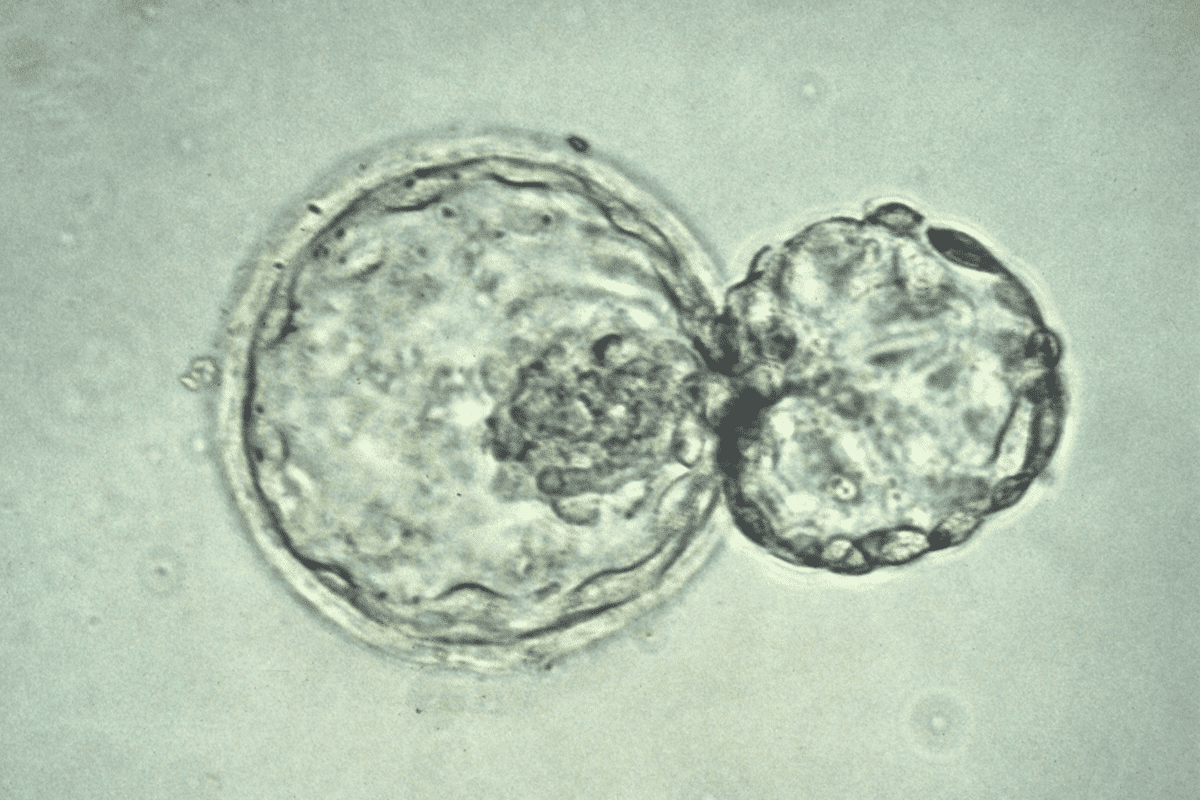
The quality of the embryo is key for IVF success. Poor embryo quality can stem from genetic problems or egg or sperm issues. Using Preimplantation Genetic Testing (PGT) can spot genetic flaws, raising the chance of a successful pregnancy.
Uterine and Endometrial Issues
Uterine and endometrial problems are also major reasons for IVF failure. Issues like endometriosis, fibroids, and adenomyosis can mess with the uterine environment. It’s vital to check the uterus thoroughly to find and fix these problems.
Hormonal Imbalances and PCOS
Hormonal imbalances, often linked to Polycystic Ovary Syndrome (PCOS), can also hinder IVF success. PCOS can cause irregular ovulation and insulin resistance. With the right treatment, these issues can be managed. Keeping a close eye on hormone levels is key to improving IVF results.
By grasping the common reasons for IVF failure, couples can improve their fertility journey. They can make smarter choices about their treatment.
The Physical Impact: Is IVF Hard on the Body?
Understanding the physical effects of IVF is key when starting this journey. IVF isn’t just a procedure; it affects your body in many ways.
Short-term Physical Effects
IVF medications can lead to bloating, mood swings, and tiredness. “These drugs can cause inflammation in the reproductive system, leading to discomfort,” says Medical Expert, a fertility expert. Knowing these effects helps manage them better.
Some people might face ovarian hyperstimulation syndrome (OHSS). This happens when ovaries produce too many follicles, causing swelling and pain.
Long-term Considerations
IVF is usually safe, but there are long-term effects to think about. Studies suggest that repeated use of IVF drugs might have long-term impacts, but more research is needed.
IVF also affects your mind and emotions. The stress can show physically. Stress management, like meditation or yoga, can help.
Recovery Between Cycles
It’s vital to have time to recover between IVF cycles. “Taking a break between cycles can lessen some of IVF’s physical effects,” says Medical Expert, a reproductive endocrinologist. This break helps your body recover and reduces risks.
Use this time to focus on a healthy lifestyle. Eat well, exercise regularly, and get enough sleep. These habits aid in your recovery and prepare you for the next cycle.
What Happens to Follicles After a Cancelled IVF Cycle?
When an IVF cycle is cancelled, many wonder about the fate of the stimulated follicles. The body’s natural response to stopping hormonal stimulation plays a big role in what happens next.
Natural Regression
After a cancelled IVF cycle, the stimulated follicles start to shrink. This happens because the hormones that helped them grow are no longer present. The body stops making the high estrogen levels needed for growth, causing the follicles to get smaller.
“The follicles don’t just disappear; they undergo atresia, a process where they degenerate and are reabsorbed by the body,” explains Medical Expert, a fertility specialist. This natural regression is a normal response to stopping hormonal stimulation.
Hormonal Changes
The hormonal changes after a cancelled IVF cycle are significant. The sudden drop in estrogen levels can lead to mood swings and hot flashes. It takes several weeks for the body to get back to its natural hormonal balance.
It’s important to know that these hormonal shifts are temporary. Monitoring these changes is key for managing symptoms and planning future treatment cycles.
Planning for Future Cycles
Understanding what happens to follicles after a cancelled IVF cycle is key for planning future treatments. The insights from previous cycles help healthcare providers adjust treatment plans to improve outcomes.
For example, studying the response to stimulation and the reasons for cancellation can guide changes to medication, dosage, or stimulation protocols in future cycles. This tailored approach can increase the chances of success in future IVF attempts.
By carefully reviewing past cycle outcomes and making informed adjustments, patients and healthcare providers can work together to improve future treatment strategies.
2 Failed IVF Cycles: What Next?
Two failed IVF cycles can feel like a big setback. But, there are steps you can take to boost your chances for the next try. A detailed check-up is key to moving forward.
Medical Review of Previous Cycles
Start by getting a close look at your past IVF cycles. Your doctor will check the details of your treatment. This includes how you were stimulated, the egg retrieval, and the embryo transfer. Your healthcare provider will look for ways to make your next cycle better.
They might also talk about embryo quality, how well your uterus accepts embryos, or other factors that could have led to failure.
Additional Testing to Consider
Your doctor might suggest more tests to find out what’s going on. These could include genetic tests, checks of your uterus, or hormone tests. These tests can help make your next treatment plan more effective. For example, genetic testing can find healthy embryos, and tests on your uterus can figure out the best time for transfer.
When to Seek a Second Opinion
If two failed IVF cycles haven’t given you the answers you need, it’s time to look elsewhere. Seeing a fertility specialist at a different clinic can offer new insights and options. A second opinion is great if you’re thinking about trying something new that your current doctor doesn’t suggest.
Stay active and open-minded as you move forward. Working with your doctor and exploring all your options can help you make the best decisions for your next IVF cycle.
Potential Protocol Adjustments for Future Cycles
Getting to a successful IVF outcome often means making changes to the treatment plan. These changes are based on what works best for each person. After two failed IVF cycles, it’s time to look at and possibly change the treatment plan for better results in the future.
Medication and Dosage Changes
Changing the medication and dosages used in the stimulation phase is a key adjustment. Medication changes can greatly affect how many eggs are retrieved and the quality of the embryos. For example, switching to a more personalized approach, like using different gonadotropins or adding letrozole, can lead to better results.
Some important things to consider include:
- Looking at how the patient reacted to previous medications
- Adjusting the dosage based on how the ovaries responded
- Trying different medications to reduce side effects
Different Stimulation Protocols
Choosing the right stimulation protocol is also vital. There are many protocols to choose from, depending on the patient’s needs and past responses. For example, a mild protocol might be best for those who don’t respond well, while a more intense protocol could be better for those with a higher ovarian reserve.
Some common protocols include:
- Conventional IVF protocol
- Mild IVF protocol
- Antagonist protocol
- Agonist protocol
Timing Adjustments
Timing is everything in IVF. Making changes to when certain procedures happen can help match the treatment to the patient’s natural cycle. This can improve the chances of implantation.
Important timing considerations include:
- Optimizing when hCG is given
- Adjusting how long stimulation lasts
- Personalizing when embryos are transferred
Embryo Transfer Strategies
Embryo transfer strategies are key to IVF success. Choosing the right time and method for embryo transfer can greatly affect implantation rates. This might mean transferring embryos at the blastocyst stage or using a frozen embryo transfer (FET) protocol.
Some strategies to consider include:
- Fresh vs. frozen embryo transfer
- Single vs. double embryo transfer
- Assisted hatching techniques
Advanced Treatment Options to Consider
Looking into advanced treatments is key for IVF success. After two failed cycles, new methods can greatly improve your chances of getting pregnant.
Preimplantation Genetic Testing (PGT)
Preimplantation Genetic Testing (PGT) is a cutting-edge method. It screens embryos for genetic issues before transfer. This way, you can pick healthier embryos for implantation.
- PGT-A (PGS) checks for the right number of chromosomes in embryos.
- PGT-M looks for specific genetic problems, great for families with known issues.
- PGT lowers the risk of miscarriage and failed implantation due to genetic problems.
Endometrial Receptivity Analysis (ERA)
Endometrial Receptivity Analysis (ERA) checks when the uterus is ready for an embryo. It helps time the embryo transfer perfectly, boosting success rates.
ERA involves taking a biopsy of the uterus lining. It’s then analyzed to find the best time for embryo transfer. This is very helpful for those who have had trouble with implantation before.
Immunological Treatments
Immunological treatments are becoming more popular. They help with immune issues that might stop IVF from working. These treatments aim to make the immune system more supportive of pregnancy.
“Immunological factors play a significant role in implantation and pregnancy success. Identifying and addressing these factors can be critical for those with repeated IVF failures.” – Expert in Reproductive Immunology
Surgical Interventions
Sometimes, surgery is needed to fix issues that affect IVF. Procedures like removing fibroids or fixing uterine problems can greatly improve IVF success.
Exploring these advanced treatments can help improve your chances of IVF success. It’s important to talk to a fertility specialist to find the best treatment for you.
Lifestyle Modifications That May Improve IVF Outcomes
Making some lifestyle changes can help with IVF success. By changing daily habits and focusing on well-being, people might see better results with IVF.
Nutrition and Dietary Changes
Eating a balanced diet is key for reproductive health. Foods rich in antioxidants, like fruits, veggies, and nuts, can boost egg quality and fertility.
Here are some dietary tips:
- Eat more omega-3s from fish and flaxseeds
- Choose lean proteins and whole grains
- Limit caffeine and processed foods
Nutrient | Food Sources | Benefits for IVF |
Omega-3 Fatty Acids | Salmon, Flaxseeds, Walnuts | Improves egg quality and hormonal balance |
Antioxidants | Berries, Spinach, Almonds | Reduces oxidative stress and improves embryo quality |
Folate | Leafy Greens, Legumes, Citrus Fruits | Essential for fetal development and preventing birth defects |
Stress Management Techniques
Too much stress can hurt IVF success. Finding ways to reduce stress is important.
Good stress management includes:
- Meditation and mindfulness
- Yoga and gentle exercise
- Cognitive-behavioral therapy (CBT)
Exercise and Weight Considerations
Keeping a healthy weight is vital for IVF success. Regular exercise helps with weight and reproductive health.
Here are some exercise tips:
- Do moderate exercise like brisk walking or swimming
- Avoid too much high-impact activities
- Try stress-reducing exercises like yoga
Avoiding Harmful Substances
Staying away from harmful substances is key for better IVF outcomes. This means less alcohol, no smoking, and avoiding toxins.
Important steps include:
- Quit smoking and avoid secondhand smoke
- Drink less alcohol
- Stay away from endocrine-disrupting chemicals (EDCs)
By making these lifestyle changes, people can improve their chances of success with IVF and feel better overall.
Conclusion: Navigating Your Fertility Journey After Failed Cycles
IVF failure can be tough, but it’s not the end. With the right care, you can find new paths. Knowing why IVF failed and trying new approaches are key to moving forward.
Dealing with IVF failure is hard, both in mind and body. But, by understanding why it failed and trying new treatments, you can keep moving forward. We’re here to support you, giving you the care and advice you need to become a parent.
Navigating Your Next Steps
- Review and adjust your treatment plan with your healthcare provider.
- Consider additional testing to identify possible causes of IVF failure.
- Look into advanced treatments like Preimplantation Genetic Testing (PGT) or Endometrial Receptivity Analysis (ERA).
- Make lifestyle changes to boost your chances in future cycles.
Support Strategies | Description | Benefits |
Medical Review | Review of previous IVF cycles to identify areas for improvement. | Personalized adjustments to treatment plans. |
Lifestyle Modifications | Changes to diet, stress management, and other lifestyle factors. | Improved overall health and fertility. |
Advanced Treatments | Consideration of PGT, ERA, and other advanced fertility treatments. | Enhanced chances of successful IVF outcomes. |
At our clinic, we get how tough IVF can be. Our team is here to support you every step of the way. We aim to give you the knowledge, care, and treatments you need to achieve your dream of parenthood.
What Should You Do After 2 Failed IVF Cycles?
Experiencing IVF failure can be tough on your mind and body. It’s important to understand why it happened and try new approaches for the next time.
At top fertility centers like Liv Hospital, we mix advanced medical skills with caring for you. Studies show it often takes about three IVF cycles to get pregnant using your own eggs. Success depends on many things like your age, egg quality, sperm quality, and how many eggs you have.
Knowing about IVF success rates helps set realistic hopes. Women under 35 have a 40 percent chance of a live birth. But, success rates drop a lot as you get older.
Key Takeaways
- Comprehensive evaluation is essential after two IVF attempts.
- IVF success depends on factors like age, egg quality, and sperm quality.
- Live birth rates vary significantly with age, specially after 35.
- Personalized protocol adjustments can improve future cycle success.
- Advanced fertility centers offer complete support and care.
Understanding IVF Success Rates and Expectations
It’s important to know about IVF success rates to set realistic expectations. Many things can affect how well IVF works. Knowing these factors helps you plan your treatment better.
Average Number of IVF Cycles Needed for Success
Most people need about three IVF cycles to get pregnant using their own eggs. But, this number can change a lot. It depends on your age, egg quality, and health.
Key statistics to consider:
- Women under 35 years old have higher success rates with IVF.
- The quality and quantity of eggs decline with age, impacting success rates.
- Individual factors such as sperm quality and ovarian reserve play a significant role in determining IVF success.
Age-Related Success Statistics
Age is a big factor in IVF success. Women under 35 have a 40 percent chance of a live birth. But, as you get older, the chances drop because of egg quality and quantity.
Age-related IVF success rates:
- Under 35 years: Higher success rates, approximately 40% live birth rate.
- 35-40 years: Success rates begin to decline.
- Over 40 years: Significantly lower success rates due to decreased egg quality.
Individual Factors Affecting Success
Many things can affect how well IVF works, not just age. Egg quality, sperm quality, and how many eggs you have are important. Knowing these helps tailor your treatment for better results.
For example, Preimplantation Genetic Testing (PGT) can find healthy embryos. Fixing hormonal or uterine problems can also help.
“The key to IVF success lies not just in the technology, but in understanding and addressing the unique factors that influence each individual’s journey.” – Medical Expert, Fertility Specialist
Understanding IVF success rates and what affects them helps you make better choices. This way, you can improve your chances of success in fertility treatment.
Common Causes of IVF Failure
IVF failure can happen for many reasons. Knowing these reasons is key to success. It helps couples and doctors plan better for the next try.
Embryo Implantation Failure
Embryo implantation failure is a big reason for IVF not working. It happens when the embryo can’t stick to the uterine lining, even if it’s healthy.
Factors contributing to embryo implantation failure include:
- Uterine abnormalities
- Inadequate endometrial receptivity
- Immunological factors
Poor Embryo Quality
The quality of the embryo is very important for IVF success. Poor quality can come from:
- Advanced maternal age
- Genetic abnormalities
- Environmental factors during embryo culture
Poor quality often means the embryo can’t implant or miscarries early.
Uterine and Endometrial Issues
Uterine and endometrial problems can affect IVF success. Issues like:
- Uterine fibroids
- Endometrial polyps
- Adenomyosis
can make it hard for the embryo to implant and grow.
Hormonal Imbalances and PCOS
Hormonal issues, like those in Polycystic Ovary Syndrome (PCOS), can hurt IVF chances. PCOS is linked to:
- Insulin resistance
- Hyperandrogenism
- Anovulation
Managing hormonal imbalances is key to better IVF results.
The table below shows common causes of IVF failure and how to improve next cycles:
Cause of IVF Failure | Potential Adjustments |
Embryo Implantation Failure | Endometrial receptivity analysis, immunological treatments |
Poor Embryo Quality | Preimplantation genetic testing, adjusting stimulation protocols |
Uterine and Endometrial Issues | Surgical interventions, tailored hormone therapy |
Hormonal Imbalances and PCOS | Hormone regulation, lifestyle modifications |
Understanding IVF failure helps couples and doctors plan better for the next try.
The Physical Impact: Is IVF Hard on the Body?
Thinking about the physical effects of IVF is key for those starting this journey. IVF isn’t just the procedure; it includes many physical effects to manage. Knowing these impacts helps manage treatment and keep well-being in check.
Short-term Physical Effects
Short-term effects of IVF come from the medications used. These can cause bloating, mood swings, and tiredness. The meds make ovaries work hard, leading to inflammation and discomfort.
It’s important for patients to know about these effects. This way, they can better prepare and stay comfortable during treatment.
Long-term Considerations
IVF is mostly safe, but there are long-term things to think about. A big worry is Ovarian Hyperstimulation Syndrome (OHSS), more common in women with PCOS. OHSS can be mild or severe, and in rare cases, it’s life-threatening.
Knowing the risks and getting regular check-ups can help avoid these problems.
Recovery Between Cycles
Recovery time between IVF cycles is important for the body to get back to normal. The meds used can mess with hormone levels, and recovery helps regulate hormonal balances. It’s also a time for emotional healing, as IVF can be tough on the mind.
We suggest talking to your healthcare provider about your recovery plan. This way, you’ll be ready for the next cycle.
What Happens to Follicles After a Cancelled IVF Cycle?
When an IVF cycle is cancelled, the body starts to change. Follicles are affected in different ways. Knowing these changes helps us plan for the future.
Natural Regression Process
After a cancelled IVF cycle, follicles go back to their normal state. This happens because hormone stimulation stops. The change is due to stopping GnRH agonists or antagonists, which helped grow follicles.
How fast follicles regress varies. It depends on age, ovarian health, and the treatment used. We’ll look into these factors to understand their role.
Hormonal Changes Post-Cancellation
After a cancelled IVF cycle, hormone levels change. Estrogen and progesterone levels drop after stimulation stops. This can cause a withdrawal bleed, like a period.
Hormonal shifts can affect how you feel. Knowing this helps manage symptoms and get ready for next cycles.
Planning for Future Cycles
Planning for future IVF cycles means learning from the past. We look at the previous cycle’s details. This includes the treatment, how well it worked, and any issues.
Changes to treatment might be needed for better results next time. This could mean adjusting medication or trying a new approach. We work with patients to create a personalized plan.
Understanding follicle changes after a cancelled IVF cycle helps us plan better. This way, we can increase the chances of success in future treatments.
2 Failed IVF Cycles: What Next?
Two failed IVF cycles mean it’s time for a closer look and a new plan. Understanding what went wrong is key to better chances next time.
Medical Review of Previous Cycles
Reviewing your past IVF cycles is vital. Look at the stimulation protocols, embryo quality, and transfer techniques. This helps spot where things went wrong.
Maybe the stimulation medication dosage was off. Or maybe the embryo quality was a problem. Your doctor can check these things to improve your next try.
Additional Testing to Consider
After two failed IVF cycles, more tests can reveal hidden issues. Preimplantation Genetic Testing (PGT) checks for genetic problems. An Endometrial Receptivity Analysis (ERA) looks at the uterus’s readiness.
Other tests might check for immunological factors or thrombophilias that could stop implantation. Your doctor will pick the best tests for you.
When to Seek a Second Opinion
Two failed IVF cycles are a good reason for a second opinion. A new doctor might spot things you missed and suggest new ways to try.
Bring all your medical records and previous test results when you get a second opinion. This helps the new doctor understand your situation fully.
Potential Protocol Adjustments for Future Cycles
After two failed IVF cycles, changing your treatment plan is key to success. Everyone’s fertility journey is different. So, it’s important to look at and possibly change your IVF treatment plan.
Medication and Dosage Changes
Changing IVF medications and dosages can greatly affect results. We might adjust the type or amount of stimulation meds to help more eggs grow and be retrieved.
Different Stimulation Protocols
There are various stimulation protocols to improve egg quality and number. We might switch to a more personalized approach like minimal stimulation IVF.
Timing Adjustments
We can also adjust the timing of IVF steps like egg retrieval or embryo transfer. Getting the timing right can boost implantation success.
Embryo Transfer Strategies
Embryo transfer strategies can be tweaked too. This includes choosing the right time for transfer (like blastocyst transfer) and using techniques like assisted hatching to help embryos implant better.
Stimulation Protocol | Description | Potential Benefits |
Conventional IVF | Standard protocol using higher doses of gonadotropins | Higher egg yield |
Minimal Stimulation IVF | Lower doses of gonadotropins, more natural cycle | Less medication, potentially lower cost, and reduced risk of OHSS |
Natural Cycle IVF | No or minimal stimulation, relies on the natural cycle | Minimal medication, lower risk of OHSS, more patient-friendly |
Advanced Treatment Options to Consider
After two failed IVF cycles, it’s time to look at new treatments. These advanced options can really help your chances of getting pregnant. They offer hope for those struggling with fertility.
Preimplantation Genetic Testing (PGT)
Preimplantation genetic testing (PGT) is a cutting-edge method. It screens embryos for genetic issues before they’re transferred. This way, it boosts the chances of a healthy pregnancy.
Benefits of PGT:
- Improved selection of healthy embryos
- Reduced risk of genetic disorders
- Enhanced IVF success rates
Endometrial Receptivity Analysis (ERA)
Endometrial receptivity analysis (ERA) checks when the uterus is ready for an embryo. It helps pick the best time for transfer. This can greatly improve IVF success.
ERA Benefits | Description |
Personalized Timing | Optimizes embryo transfer timing based on individual receptivity |
Improved Success Rates | Enhances the likelihood of successful implantation |
Immunological Treatments
Immunological treatments tackle immune issues that might stop IVF from working. They aim to make the body more welcoming to an embryo.
Surgical Interventions
Sometimes, surgery is needed to fix issues that affect IVF. Procedures like myomectomy or septum removal can improve the uterus. This can help with fertility.
Surgical Options:
- Myomectomy: Removal of uterine fibroids
- Septum removal: Correction of uterine septum
- Other corrective surgeries
Exploring these advanced treatments can make your IVF journey more effective. It’s a way to customize your approach for better results.
Lifestyle Modifications That May Improve IVF Outcomes
Making smart lifestyle choices can boost your chances of IVF success. A healthier lifestyle does more than just help with IVF. It also improves your overall health and well-being.
Nutrition and Dietary Changes
Eating a balanced diet is key for reproductive health. Adding more antioxidants, vitamins, and minerals can help improve egg quality and fertility. Foods like salmon and walnuts are great for this.
Keeping a healthy weight is also important. Being too thin or too heavy can mess with hormone levels and ovulation. A dietitian can create a meal plan that supports your IVF treatment.
Stress Management Techniques
Too much stress can hurt your chances of IVF success. Stress-reducing activities like meditation, yoga, and deep breathing can help. These practices lower stress and boost mental health.
Talking to a counselor or therapist can also help with the emotional side of IVF. Support groups offer a place to share experiences and find comfort.
Exercise and Weight Considerations
Regular exercise is good for your health and stress levels. But, finding the right balance is key. Too much exercise can harm fertility.
Walking, swimming, and cycling are great exercises. Listen to your body and adjust your routine as needed during IVF treatment.
Avoiding Harmful Substances
Staying away from harmful substances like tobacco, too much alcohol, and drugs is essential. These can harm fertility and the quality of eggs, sperm, and embryos.
It’s also wise to limit exposure to toxins and pollutants. Simple steps like using non-toxic cleaners and avoiding heavy metals can help a lot.
Conclusion: Navigating Your Fertility Journey After Failed Cycles
IVF failure can be tough, but it doesn’t mean your journey is over. We know you need support and guidance, even after two failed IVF cycles. It’s key to understand why IVF failed and find new ways to succeed.
Looking back at past cycles and considering more tests can help. Options like Preimplantation Genetic Testing (PGT) and Endometrial Receptivity Analysis (ERA) might also work. Making healthy choices, like eating right and managing stress, is also important.
Our fertility clinic is here to help you every step of the way. We offer detailed care and advice to help you become a parent. We invite you to book a consultation to talk about your options and make a plan for your journey.
FAQ
What is the average number of IVF cycles needed for success?
On average, it takes about three IVF cycles to succeed when using your own eggs.
How does age affect IVF success rates?
Women under 35 tend to have higher success rates with IVF. But, egg and sperm quality, and ovarian reserve also matter a lot.
What are the common causes of IVF failure?
IVF can fail for many reasons. These include embryo implantation failure, poor embryo quality, and issues with the uterus and endometrium. Hormonal imbalances can also play a part.
Is IVF hard on the body?
Yes, IVF can affect your body in both short and long terms. It’s important to understand these effects to manage your treatment and stay healthy.
What happens to follicles after a cancelled IVF cycle?
After a cancelled IVF cycle, follicles naturally shrink. Hormonal changes also occur.
What should I do after two failed IVF cycles?
After two failed IVF cycles, it’s key to understand what went wrong. Review your previous cycles, consider more tests, and decide if you need a second opinion.
What are the possible adjustments for future IVF cycles?
To boost IVF success, you might need to adjust your treatment. This could mean changing medications, trying different stimulation protocols, adjusting timing, or changing how embryos are transferred.
What advanced treatment options are available after previous IVF failures?
After failed IVF cycles, you can explore new options. These include genetic testing, endometrial analysis, immunological treatments, and surgery.
How can lifestyle modifications improve IVF outcomes?
Making smart lifestyle choices can help your IVF success. This includes eating right, managing stress, exercising, and avoiding harmful substances.