
Getting ready for bariatric surgery needs careful planning. A key part is following a preoperative liquid diet. This special diet is made for patients getting gastric bypass, gastric sleeve, and other weight loss surgeries.
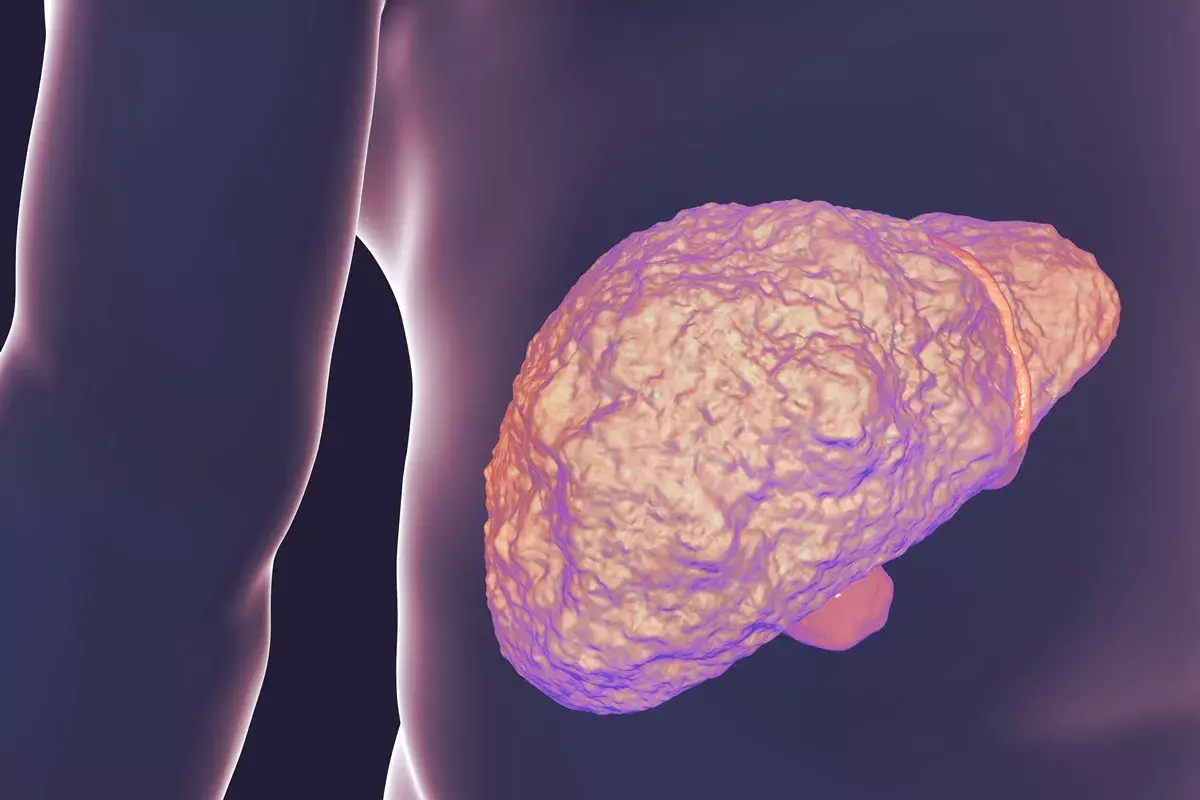
Sticking to the 2-week liquid diet before bariatric surgery can greatly help your surgery results. It also lowers the chance of problems. This diet makes the liver smaller, which makes surgery safer.
Key Takeaways
- Following a pre-operative liquid diet is key to shrinking the liver and making surgery easier.
- A 2-week liquid diet can help avoid problems during bariatric surgery.
- Sticking to this diet can greatly improve your surgery results.
- The liquid diet is a vital step in getting ready for weight loss surgery.
- Proper preparation is key for success after bariatric surgery.
Understanding the Purpose of Pre-Bariatric Surgery Preparation
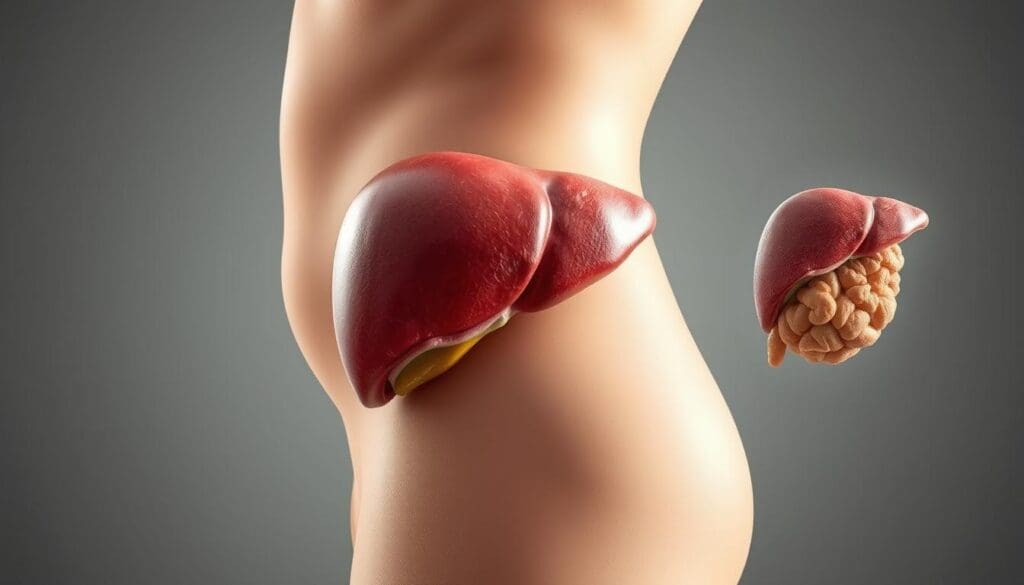
Surgeons stress the need for a liquid diet before surgery. This helps shrink the liver and makes surgery easier. It’s a key step to get the patient ready for surgery.
Why Surgeons Require a Pre-Operative Liquid Diet
A liquid diet before surgery is key to shrinking the liver. This makes it easier to reach the stomach during surgery. It also cuts down liver fat, which lowers surgery risks.
Doctors say a good diet before surgery is vital. It helps avoid complications and improves surgery results. Following the diet plan is important.
The Science Behind Liver Shrinkage and Surgical Access
Reducing liver size is based on losing belly fat through a liquid diet. Studies show liver size can drop by 25 percent. This makes surgery safer and easier.
Following a liquid diet for gastric bypass can greatly improve surgery results. It’s important to stick to the diet plan given by the surgeon. This ensures the best outcome.
The 2 Week Liquid Diet: What It Is and Why It Matters

The 2-week liquid diet is key for getting ready for bariatric surgery. It helps make sure you’re healthy and ready for surgery. This diet is made to get your body ready for the surgery.
Definition and Basic Requirements
This diet includes high-protein drinks, broths, and sugar-free drinks. You’ll eat 600 to 1200 calories a day. It’s designed to give you nutrients without risking surgery problems.
It’s filled with foods that are easy to digest. This helps your body focus on getting ready for surgery. It’s important to stick to this diet to get the best results.
High-protein drinks help keep your muscles strong. Clear broths keep you hydrated. Make sure sugar-free drinks don’t have any bad ingredients.
How It Differs from Other Pre-Surgery Diets
This diet is very strict, only allowing liquids. It’s not just a diet, but a medical necessity. It helps make surgery easier by shrinking the liver and reducing fat.
This diet might be hard, but it’s essential for your surgery. By doing this diet, you’re helping make your surgery a success.
Expected Weight Loss and Health Improvements
On this diet, you’ll likely lose weight. This is because you’re eating fewer calories and only liquids. It also improves your health by reducing inflammation and improving blood sugar control.
Many patients have successfully done this diet and had smooth surgeries. By following this diet, you’re setting yourself up for a great outcome and a healthier future.
Essential Nutritional Guidelines for Bariatric Patients
Getting ready for bariatric surgery means focusing on nutrition. It’s key to know the right foods to eat before surgery. This helps you recover well and have a good outcome.
Daily Protein Goals: 60-80g Per Day
It’s important to eat enough protein before surgery. Aim for 60-80 grams a day. You can get this from protein shakes, 3-5 times a day. Protein keeps your muscles strong and gets your body ready for surgery.
Caloric Intake Guidelines: 600-1200 Calories
For the 2-week liquid diet, eat 600-1200 calories a day. This helps you lose weight and makes surgery safer. It also makes your liver smaller, which is good for surgery.
Hydration Requirements and Importance
Drinking enough water is just as important as eating right. Drink at least 64 ounces a day. Water helps prevent problems and keeps you healthy during this time.
Meal | Protein Content | Caloric Intake | Fluid Intake |
Protein Shake (3-5 times) | 60-80g | 200-300 calories | 8-12 oz per shake |
Clear Broth/Soup | Variable | 100-200 calories | 8 oz |
Total Daily Intake | 60-80g | 600-1200 calories | 64 oz |
By sticking to these guidelines, you’ll be ready for your surgery. This makes the surgery safer and helps you recover better.
Approved Foods and Beverages for Your Pre-Op Diet
Your pre-op diet is key to getting ready for surgery. We’ll help you know what foods and drinks are okay. You’ll be drinking high-protein shakes, broths, and sugar-free drinks. These are important for a good surgical outcome.
High-Protein Shake Options and Brands
High-protein shakes are a big part of your diet before surgery. They help keep your muscles strong. Here are some good brands:
- Ensure Max Protein
- Boost High Protein
- Orgain Protein Shake
Make sure the shake you choose has 60-80g of protein. You can also use protein powder to meet your protein needs.
Brand | Protein Content per Serving | Calories per Serving |
Ensure Max Protein | 30g | 250 |
Boost High Protein | 30g | 240 |
Orgain Protein Shake | 21g | 170 |
Clear Broths and Soups
Clear broths are also important in your diet before surgery. They keep you hydrated and give you important salts and minerals. Choose broths that are low in sodium and don’t have solid particles.
“Clear broths can help keep you hydrated and provide necessary salts and minerals during your pre-op preparation.” – Dr. Jane Smith, Bariatric Surgeon
Here are some good clear broth options:
- Chicken broth
- Beef broth
- Vegetable broth
Sugar-Free Beverages
It’s important to stay hydrated before surgery. Sugar-free drinks can help. Choose drinks that are calorie-free and don’t have sugar.
Here are some good sugar-free drinks:
- Water
- Sugar-free flavored water
- Herbal tea
- Diet beverages without caffeine or with minimal caffeine
By sticking to these approved foods and drinks, you can make your pre-op diet a success. Always talk to your healthcare provider for advice on what’s best for you.
Foods and Drinks to Strictly Avoid
Before bariatric surgery, it’s key to know which foods and drinks to stay away from. The 2-week liquid diet helps avoid risks and makes surgery smoother. It’s important to avoid foods and drinks that could make your prep harder.
Solid Foods and Their Impact
Eating solid foods before surgery can harm your results. Solid foods are hard to digest and can block your stomach. Avoid all solid foods, like meats, veggies, fruits, and grains, to keep your stomach empty and ready.
Sugary and Carbonated Beverages
Sugary and carbonated drinks are bad during this time. They can make you feel bloated and uncomfortable. It’s important to avoid:
- Sugary drinks like soda and fruit juices
- Carbonated drinks, including sparkling water
- Energy drinks and sports drinks
Hidden Ingredients to Watch For
Some foods and drinks have hidden ingredients that can harm your diet before surgery. Watch out for:
- Products with high sugar content
- Items with caffeine
- Foods with artificial sweeteners
Always check labels to make sure you’re not eating or drinking something bad for your prep.
Category | Examples | Reason to Avoid |
Solid Foods | Meats, Vegetables, Fruits, Grains | Difficult to digest, may leave stomach residue |
Sugary Beverages | Soda, Fruit Juices, Energy Drinks | High sugar content, can cause bloating |
Carbonated Drinks | Sparkling Water, Soda | Can cause discomfort, bloating |
By avoiding these foods and drinks, you can lower the risk of problems and help your surgery go well. If you’re unsure or have questions, talk to your healthcare provider.
Day-by-Day Guide to Your 2 Week Liquid Diet
Before bariatric surgery, a 2-week liquid diet is key. It helps shrink your liver and boosts your health. This prep is essential for a good surgery outcome.
Week One: Getting Started
The first week is all about adjusting to the diet. Start with clear liquids and then add protein-rich ones. This helps control hunger and keeps you energized.
- Day 1-2: Begin with clear broths, water, and sugar-free drinks.
- Day 3-4: Add protein shakes, aiming for 60g of protein daily.
- Day 5-7: Keep up with protein shakes, clear broths, and sugar-free drinks. Make sure you get enough calories and protein.
Day | Liquid Diet Recommendations | Protein Intake |
1-2 | Clear broths, water, sugar-free beverages | N/A |
3-4 | Protein shakes, clear broths | 60g |
5-7 | Protein shakes, clear broths, sugar-free drinks | 60-80g |
Week Two: Maintaining Momentum
In the second week, you should feel more comfortable with the diet. Keep up your protein intake and drink plenty of water.
- Day 8-10: Stick to the same diet as the end of week one. Adjust as needed based on hunger and energy.
- Day 11-14: Begin to reduce protein shake intake as you prepare for surgery. Focus on clear liquids.
Staying committed to your 2-week liquid diet menu is vital for a smooth surgery and recovery.
By following this guide, you’ll be ready for your bariatric surgery. You’ll also be setting yourself up for long-term success.
The Final 48 Hours: Transitioning to Clear Liquids
As you get ready for your bariatric surgery, it’s time to start a clear liquid diet. This diet is key to getting your body ready for surgery. It also helps make your recovery smoother.
Clear Liquid Diet Guidelines
In the last 48 hours, we move to a clear liquid diet. You’ll drink clear broths and sugar-free drinks. Stay away from solid foods, sugary drinks, and caffeinated beverages.
Approved Clear Liquids:
- Clear broths (chicken or beef)
- Sugar-free gelatin
- Water
- Sugar-free beverages (electrolyte-rich drinks are recommended)
It’s important to avoid solid foods and wrong liquids. This diet lowers the risk of surgery complications.
Last-Minute Preparation for Surgery Day
There’s more to do before surgery. Make sure you have all your medical records and insurance info ready.
Preparation Task | Details |
Medical Records | Ensure all your medical records are up-to-date and ready for the hospital. |
Insurance Information | Have your insurance cards and relevant documents easily accessible. |
Personal Items | Pack a small bag with essentials like comfortable clothing, toiletries, and any personal items you may need during your hospital stay. |
What to Expect at the Hospital
On surgery day, our medical team will welcome you. They’ll help with pre-operative steps like signing forms and meeting your surgical team.
It’s normal to feel a mix of emotions on surgery day. Our team is here to support you every step of the way.
By following these guidelines and preparing well, you’re set for a successful surgery and easy recovery.
Managing Common Challenges During Your Liquid Diet
A liquid diet before bariatric surgery can be tough. But, knowing how to manage its challenges can make a big difference. You might feel hungry, crave certain foods, get tired, or feel mood swings as you prepare for surgery.
Dealing with Hunger and Cravings
Hunger and cravings are common during a liquid diet. To tackle these, drink lots of water and other clear liquids. Also, high-protein shakes can help you feel full longer.
- Drink at least 8 cups (64 oz) of water per day.
- Consume protein shakes as recommended by your healthcare provider.
- Avoid drinking liquids too quickly to prevent discomfort.
Addressing Fatigue, Headaches, and Mood Changes
Fatigue, headaches, and mood swings are common too. Getting enough rest and eating a balanced diet can help. It’s also key to follow your healthcare provider’s guidelines for food and supplements.
- Get plenty of rest and try to maintain a regular sleep schedule.
- Monitor your caloric intake to ensure you’re meeting your daily needs.
- Consider gentle stretching or short walks if your healthcare provider approves light physical activity.
Maintaining Social Activities While on Restriction
It can be hard to stay socially active on a liquid diet. But, it’s not impossible. Tell your friends and family about your diet to get their support. You can enjoy social events by choosing liquid-based drinks that fit your diet.
- Inform your friends and family about your liquid diet to garner their support.
- Opt for clear broths or sugar-free beverages when attending social events.
- Consider hosting your own gatherings where you can control the menu.
The Consequences of Non-Compliance with Pre-Op Instructions
Not following the pre-operative liquid diet can lead to serious issues with bariatric surgery. Patients who ignore the dietary guidelines face higher risks of problems during and after the surgery.
Surgical Risks and Complications
Ignoring the diet can make surgery more risky. A big liver can make the surgery harder. This can cause bleeding, infection, and other issues. It’s key for patients to stick to the pre-op diet to avoid these risks and have a smooth surgery.
Potential for Surgery Cancellation
In some cases, not following the diet can mean the surgery won’t happen. If the liver is too big or health issues arise, the surgery might be cancelled. This delay can also put the patient’s health at risk.
Impact on Long-Term Weight Loss Success
Not following the diet can also affect long-term weight loss. Patients might struggle with the post-surgery diet, leading to less weight loss. Sticking to the pre-op diet is important for long-term weight management.
We know it’s tough to stick to a liquid diet for two weeks. But it’s a key part of bariatric surgery. By following the diet, patients can lower their risk of problems and improve their surgery and weight loss outcomes.
Conclusion: Setting the Foundation for Your Bariatric Journey
Our guide on a 2-week liquid diet before bariatric surgery shows its importance. This diet is not just a suggestion. It’s a key part of making sure the surgery goes well.
Following this diet helps patients get better results from their surgery. It also lowers the chance of problems and helps with weight loss over time. We know it’s hard, but it’s a big part of the bariatric journey.
We want to stress how important it is to follow your healthcare team’s advice. This ensures a smooth move into your new life after surgery. And it helps you get the best results from your bariatric surgery.
FAQ
What is the purpose of a 2-week liquid diet before bariatric surgery?
The 2-week liquid diet aims to shrink the liver. It also makes surgery easier and safer.
What type of liquids can I consume during the 2-week liquid diet?
You can drink high-protein shakes, clear broths, and sugar-free drinks.
How much protein should I consume daily during the 2-week liquid diet?
Aim for 60-80g of protein daily. You can get this from 3-5 protein shakes a day.
What are the caloric intake guidelines for the 2-week liquid diet?
Keep your calorie intake between 600-1200 calories each day.
How much fluid should I drink daily during the 2-week liquid diet?
Drink at least 64 ounces of fluids every day.
What foods and drinks should I avoid during the 2-week liquid diet?
Stay away from solid foods, sugary drinks, and carbonated beverages. Also, avoid hidden ingredients that can slow your progress.
What happens if I don’t comply with the pre-operative liquid diet?
Not following the diet can raise surgery risks. It might even cancel your surgery. It also hurts your chances of losing weight long-term.
How do I manage hunger and cravings during the 2-week liquid diet?
To fight hunger and cravings, drink plenty of water. Also, have protein shakes and do some light exercise.
What can I expect during the final 48 hours before surgery?
In the last 48 hours, switch to a clear liquid diet. Avoid solid foods, sugary drinks, and caffeinated beverages.
How can I maintain social activities while on the 2-week liquid diet?
To stay social, talk openly about your diet. Find ways to join in without breaking your diet rules.
What is the clear liquid diet, and when should I start it?
The clear liquid diet is stricter, with only clear broths and sugar-free drinks. Start it 48 hours before your surgery.
What are the benefits of following a 2-week liquid diet before bariatric surgery?
A 2-week liquid diet can greatly improve your surgery results. It lowers complication risks and helps with long-term weight loss.
Reference
National Center for Biotechnology Information. Preoperative Liquid Diet for Bariatric Surgery: A Guide. Retrieved from https://pubmed.ncbi.nlm.nih.gov/12685188/