
At two weeks pregnant, your body is getting ready for a big change. Even though you’re not officially pregnant yet, this time is key for ovulation and conception. Doctors count pregnancy from the first day of your last period, so your body is gearing up for ovulation.Detailed look at symptoms roughly 2 weeks after conception. Many signs mimic PMS at 2 weeks after conception.
Exploring what it’s like to be 2 weeks pregnant is important. Some women might notice their breasts are sore or feel really tired. Others might not feel anything different.
Knowing about these early signs can help you understand what’s happening. We’ll look at the physical and emotional changes with a 2 week old embryo. This will give you a glimpse into what’s ahead.
Key Takeaways
- Pregnancy is calculated from the first day of your last menstrual period (LMP).
- At 2 weeks, the body is preparing for ovulation, and conception may not have occurred yet.
- Some women experience subtle signs like breast tenderness or unusual fatigue.
- Others may feel nothing at all during this early stage.
- Understanding early changes can help navigate this critical period.
Understanding Pregnancy Dating: What “2 Weeks Pregnant” Actually Means
The term “2 weeks pregnant” might be confusing. It counts from the first day of your last period, not when you actually conceived. This method can make it hard to understand your pregnancy timeline.
Medical Dating vs. Conception Dating
Pregnancy is counted from the first day of your last period. This means you’re actually around week 3 when you’re considered “2 weeks pregnant.” Medical dating is used because it’s a consistent way to track, even if it’s not the exact conception date.
Conception dating is when fertilization happens, usually 14 days after your last period in a 28-day cycle. Knowing both is key for expecting mothers to understand their pregnancy’s journey.
Week | Medical Dating | Conception Dating |
1-2 | Menstruation and ovulation preparation | |
3 | Conception typically occurs | |
4 | Implantation of the embryo | Implantation, embryonic development |
The Timeline of Early Pregnancy
10 to 14 days after conception, some women might see light spotting. This is due to the embryo attaching to the uterine lining. It’s a key time for early pregnancy.
Knowing the early pregnancy timeline helps mothers prepare for what’s to come. Remember, every pregnancy is different, and experiences can vary greatly.
The Biological Process 2 Weeks After Conception
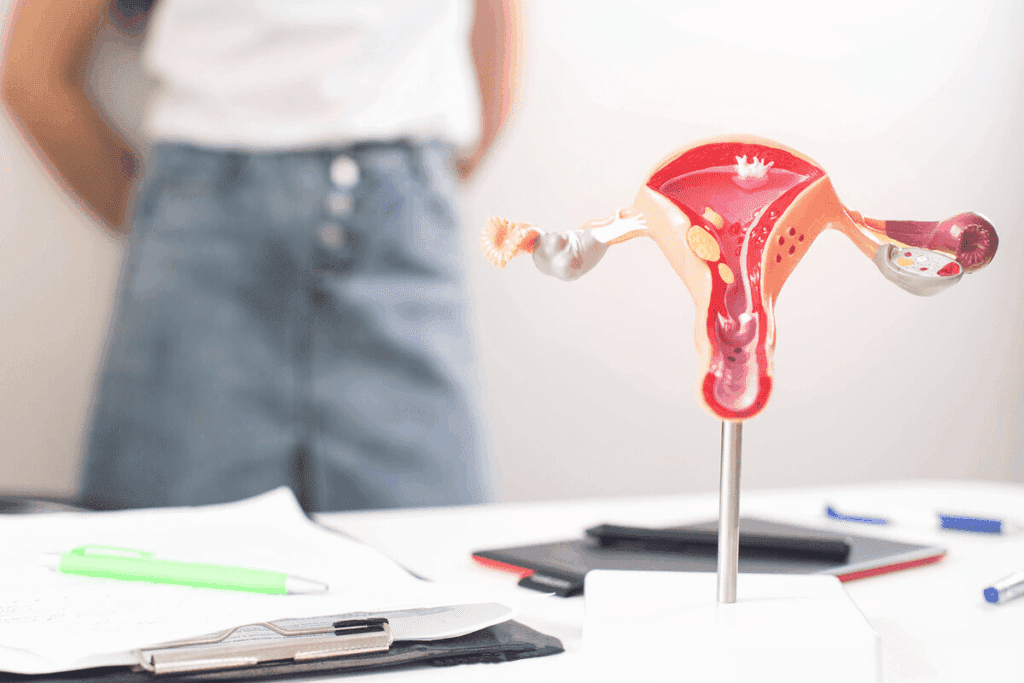
At two weeks after conception, the body is busy with important work. This time is key for fertilization and implantation. It also sees big hormonal changes to help the embryo grow.
Fertilization and Implantation
Fertilization happens when a sperm meets an egg in the fallopian tube. This creates a zygote. The zygote then divides into more cells as it moves to the uterus.
When it reaches the uterine lining, implantation starts. The zygote, now a blastocyst, attaches itself to the uterine wall. This step is vital for a healthy pregnancy.
Implantation might cause light bleeding
Hormonal Surges in Early Pregnancy
After implantation, the body starts to change a lot. A key hormone is human chorionic gonadotropin (hCG). It’s made by the embryo and helps keep the pregnancy going.
hCG makes sure the corpus luteum keeps making progesterone. These hormonal surges can cause symptoms like needing to pee more. This is because the body is getting ready for the growing embryo.
Knowing about these changes can help women spot early signs of pregnancy. It shows the amazing things happening in their bodies.
Embryo Development at 2 Weeks After Conception
The embryonic stage at two weeks after conception is the start of a new life. During this time, the embryo grows fast, changing from a zygote into a complex organism. It’s key to know the milestones of this critical phase.
From Zygote to Embryo
The journey from zygote to embryo is amazing. After fertilization, the zygote starts moving down the fallopian tube, dividing into cells. It turns into a blastocyst, a stage with a fluid-filled cavity and an inner cell mass that will form the fetus.
“The development from zygote to embryo is a complex and highly regulated process,” say embryologists. This process is vital for a healthy pregnancy.
Critical Early Development Milestones
In the second week, many important milestones happen. The blastocyst implants in the uterine lining, a process called implantation. This is key for the embryo’s growth, connecting it to the mother’s bloodstream.
- The embryo starts getting the nutrients and oxygen it needs from the mother.
- The trophoblast, the outer layer of the blastocyst, begins to form the placenta.
- The inner cell mass splits into two layers: the epiblast and the hypoblast.
These early milestones are essential for a healthy embryo. Knowing about these steps helps us understand early pregnancy better.
As the embryo grows, it changes a lot, preparing for future growth. The early stages of development are a time of fast growth and change, setting the stage for a new life.
Early Signs You Might Be 2 Weeks Pregnant
The journey to discovering you’re pregnant can start as early as two weeks. Several indicators can signal pregnancy. It’s a subtle start, but some women notice changes early on.
First Indicators of Pregnancy
At two weeks pregnant, the body starts to change. These changes might not be obvious right away. Some early signs include:
- Breast tenderness and swelling
- Fatigue and increased tiredness
- Light bleeding or spotting
- Mild cramping
These symptoms can vary among women. They’re not just for pregnancy. But, if you’re trying to conceive, these signs can be exciting.
When Symptoms Typically Begin
Symptoms of pregnancy can start as early as a week after conception. They often get more noticeable around the time of your missed period. For many, the first sign is a missed period, followed by other symptoms.
Remember, every pregnancy is different. Symptoms can start at different times. Some women notice breast changes, like darkening areolas and tender, swollen breasts.
Knowing these early signs can help you spot pregnancy early. If you’re experiencing several symptoms and think you might be pregnant, take a home pregnancy test or see a healthcare provider.
Implantation Bleeding: A Key Sign at 2 Weeks
Implantation bleeding is a key early sign of pregnancy. It happens when the embryo attaches to the uterine lining. Many think it’s just a light period, but it’s a big clue that you’re pregnant.
About 10 to 14 days after conception, some women see light spotting or bleeding. This is usually lighter than a regular period. It might come with other early signs of pregnancy.
What Implantation Bleeding Looks Like
Implantation bleeding is usually:
- Light to moderate flow, often looking like spotting or a pinkish discharge
- Shorter than a regular period, lasting a few hours to a few days
- Happens around 6-12 days after fertilization
Doctors say implantation bleeding is common but can vary a lot among women.
“The experience of implantation bleeding can be quite different from one woman to another, and even from one pregnancy to another.”
How to Distinguish from Menstruation
Telling implantation bleeding from a regular period can be tricky. But there are some key differences:
Characteristics | Implantation Bleeding | Menstrual Period |
Flow | Light to moderate | Variable, often heavier |
Duration | Few hours to a few days | Typically 3-7 days |
Color | Often pink or light brown | Red, may become darker |
Timing | Around 6-12 days post-fertilization | Varies with menstrual cycle |
Knowing these differences can help you figure out if it’s implantation bleeding or your regular period.
Breast Changes in Early Pregnancy
Early pregnancy brings many changes to the breasts, thanks to hormonal shifts. These changes are often the first signs of pregnancy and differ from woman to woman.
Tenderness and Sensitivity
One common change is tenderness and sensitivity in the breasts. Hormonal surges, like estrogen and progesterone increases, make breasts swell, become tender, and sensitive. This can feel like the tenderness before a period but is often more intense.
This sensitivity can be uncomfortable, but it’s normal in early pregnancy. It’s usually most noticeable in the first weeks. As the body gets used to the hormonal changes, the tenderness often lessens.
Changes in Appearance of Breasts and Areolas
Early pregnancy also brings changes in breast and areola appearance. The areolas, the areas around the nipples, may darken and enlarge. These changes are common and prepare the body for breastfeeding.
The breasts may look larger or fuller due to increased blood flow and milk duct expansion. These signs can show early pregnancy, even before a missed period or positive test.
Fatigue and Energy Levels 2 Weeks After Conception
Feeling extremely tired is one of the first signs of pregnancy. It usually starts about two weeks after conception. As the body starts to support the embryo’s growth, big changes happen. These changes can make you feel less energetic.
Why Extreme Tiredness Occurs
Rising progesterone levels play a big role in the fatigue of early pregnancy. Progesterone helps thicken the uterus lining for implantation. When progesterone levels go up, it can make you feel sleepy and tired.
The body also works hard to support the embryo’s growth. This extra work drains your energy. Feeling extreme tiredness is not just physical. It can also affect your mind, making you feel less well overall.
Managing Early Pregnancy Fatigue
To manage fatigue in early pregnancy, you need to make some lifestyle changes and take care of yourself. Getting enough rest and sleep is key. Try to sleep at the same time every night and make your bedroom a cozy sleep space.
- Prioritize rest and sleep whenever possible.
- Maintain a balanced diet rich in nutrients.
- Stay hydrated by drinking plenty of water.
- Engage in gentle exercises like walking or prenatal yoga.
By following these tips, you can handle your energy better and lessen the fatigue of early pregnancy.
Digestive Changes: Bloating, Gas, and Early Nausea
Digestive changes can be one of the first signs of pregnancy, often manifesting as bloating and gas. These symptoms are caused by hormonal changes that affect the digestive system.
Early Digestive Symptoms
Early pregnancy brings big hormonal changes. The rise in progesterone slows down digestion, causing bloating and discomfort. Women may also feel mild cramping and spotting, along with digestive issues.
Doctors say hormonal shifts can lead to bloating and more gas. This is common for many women in the early stages of pregnancy.
When Morning Sickness Typically Begins
Some women feel nausea as early as two weeks. But it usually gets worse around the 4th to 6th week. Morning sickness can happen at any time, thanks to quick hormonal changes.
Not all women get morning sickness. Its severity and when it starts can differ a lot.
“The onset of morning sickness can be quite unpredictable, and its severity can range from mild nausea to severe vomiting.”
Knowing about these early digestive changes can help women prepare for what’s ahead. If symptoms are bad or last a long time, see a healthcare provider.
Urinary Frequency and Other Physical Changes
Early pregnancy brings changes due to hormones. You might find yourself needing to pee more often. This is because your body is getting ready for the growing embryo.
Increased Urination Patterns
The hormone hCG and more blood in your body make you pee more. As your uterus grows, it presses on your bladder. This makes you need to pee even more.
Key Factors Influencing Urinary Frequency:
- Increased blood volume
- Hormonal changes, like the rise in hCG
- Uterine expansion and its pressure on the bladder
Cervical Mucus Changes
Cervical mucus changes a lot in early pregnancy. It becomes cloudy, sticky, and more. This helps protect your uterus from infections.
Characteristics | Pre-Pregnancy | Early Pregnancy |
Appearance | Clear or white, varying consistency | Cloudy, sticky, and more abundant |
Function | Facilitates sperm entry, varies with cycle | Forms a protective barrier against infections |
These changes help your body get ready for pregnancy. They support the embryo’s growth and protect your reproductive system.
Knowing about these changes can help you understand early pregnancy better. It lets you know what to expect and when to ask for medical help.
Sensory Changes: Heightened Smell and Temperature Fluctuations
Many women notice a stronger sense of smell and changes in body temperature early in pregnancy. These changes can be signs that a woman is pregnant.
Sensitivity to Odors
Women often find smells more intense during pregnancy. Some smells become unbearable, while others are more appealing. The exact cause is linked to hormonal fluctuations, like the rise in estrogen levels, which affects the sense of smell.
To deal with strong smells, women can avoid foods and perfumes with strong odors. They should also choose well-ventilated places. This can help lessen the discomfort from intense smells.
Body Temperature Variations
Some women also notice changes in their body temperature early on. These changes are due to hormonal shifts and more blood flow. Progesterone levels surge during early pregnancy, leading to a slight rise in body temperature.
Symptom | Cause | Management Tip |
Heightened sense of smell | Hormonal fluctuations | Avoid strong-smelling foods and perfumes |
Increased body temperature | Progesterone surge and increased blood flow | Stay hydrated and dress in layers |
Understanding these sensory changes can help women manage early pregnancy better. By knowing the causes and using simple tips, women can lessen discomfort. This way, they can focus on their health and well-being.
Pregnancy Symptoms vs. PMS: How to Tell the Difference
It can be hard to tell if you’re feeling premenstrual or if you might be pregnant. Some symptoms are the same, but there are key differences. These can help figure out what’s happening in your body.
Overlapping Symptoms
Both pregnancy and PMS can make your breasts sore, make you tired, and change your mood. These changes are because of hormones. During PMS, estrogen drops and progesterone goes up, causing bloating and sore breasts.
In early pregnancy, the rise in progesterone also makes you tired and sore in the breasts. Knowing these shared symptoms is key to telling pregnancy from PMS.
Distinctive Pregnancy Indicators
Some signs are more specific to pregnancy. Implantation bleeding happens when the fertilized egg attaches to the uterine lining, 6-12 days after fertilization. It’s lighter and shorter than a period.
Another sign is being more sensitive to smells. Many women in early pregnancy notice this.
Also, some women feel mild cramping as the embryo implants. While PMS can cause cramping too, it’s different in pregnancy. Knowing these signs can help you figure out if you’re pregnant or just experiencing PMS.
Conclusion: Your Next Steps After Early Pregnancy Signs
After noticing early signs of pregnancy, it’s important to confirm and start prenatal care. If you think you might be pregnant, the first thing to do is take a pregnancy test.
After getting a positive test result, it’s time to see your healthcare provider. They will help you set up a prenatal care plan. They’ll also answer any questions you have.
Starting prenatal care is key for a healthy pregnancy. Your healthcare provider will keep an eye on your baby’s growth. They’ll also give advice on staying healthy during pregnancy.
By following these steps, you can have a great pregnancy. We suggest you contact your healthcare provider to start your prenatal care.
FAQ
What does it mean to be 2 weeks pregnant?
Being 2 weeks pregnant means you’ve reached the second week after your last period. At this point, you haven’t actually conceived yet. But your body is getting ready for ovulation.
How is pregnancy dating calculated?
Pregnancy dating starts from the first day of your last period. This isn’t the same as when you actually conceive. Conception usually happens about two weeks later.
What are the early signs of pregnancy at 2 weeks?
Some early signs include tender breasts, feeling very tired, and changes in digestion. But these can also be signs of PMS. It’s hard to tell if they’re from pregnancy or not.
What is implantation bleeding, and how does it differ from regular menstruation?
Implantation bleeding happens when a fertilized egg attaches to the uterine lining. It’s lighter and shorter than a regular period.
How soon can I confirm pregnancy after experiencing early signs?
You can confirm pregnancy with a home test or a blood test at your doctor’s office. Wait until after a missed period for the most accurate results.
What are the next steps after confirming pregnancy?
After confirming, schedule a visit with your healthcare provider. Discuss prenatal care, nutrition, and any concerns or questions you have.
What are some common physical changes during early pregnancy?
You might notice more trips to the bathroom, changes in cervical mucus, tender breasts, and feeling very tired. Some women also notice their sense of smell is stronger.
How can I manage early pregnancy fatigue?
To fight fatigue, get plenty of rest, eat well, and drink lots of water. Prioritize tasks and don’t hesitate to ask for help.
When does morning sickness typically begin?
Morning sickness can start as early as 2-4 weeks after conception. But it usually begins around 6 weeks of pregnancy. Not all women get morning sickness, and its severity varies.
How can I distinguish between pregnancy symptoms and PMS?
Some symptoms are similar, but pregnancy might include a missed period, implantation bleeding, and a stronger sense of smell. If you’re unsure, a pregnancy test or a doctor’s visit can help figure out what’s going on.
References
National Health Service (NHS). Two Weeks Pregnant: Ovulation and Conception Preparation. Retrieved from https://www.nhs.uk/pregnancy/trying-for-a-baby/early-signs-of-pregnancy/