Women’s reproductive health is key to their overall well-being. Knowing about obstetrics and gynecology procedures can empower them. At Liv Hospital, we focus on safe, modern, and patient-centered care.
Our team of experts is here to guide you through your healthcare journey. We think informed patients make better choices about their care.
We offer a wide range of diagnostic, therapeutic, and surgical options. We will look at the essential gynecological surgery procedures important for women’s health.
Key Takeaways
- Understanding obstetrics and gynecology procedures is vital for women’s health.
- Liv Hospital provides patient-centered care and guidance.
- Various diagnostic and therapeutic interventions are available.
- Gynecological surgery procedures play a key role in women’s reproductive health.
- Staying informed empowers patients to make better decisions.
The Evolving Landscape of Women’s Reproductive Healthcare
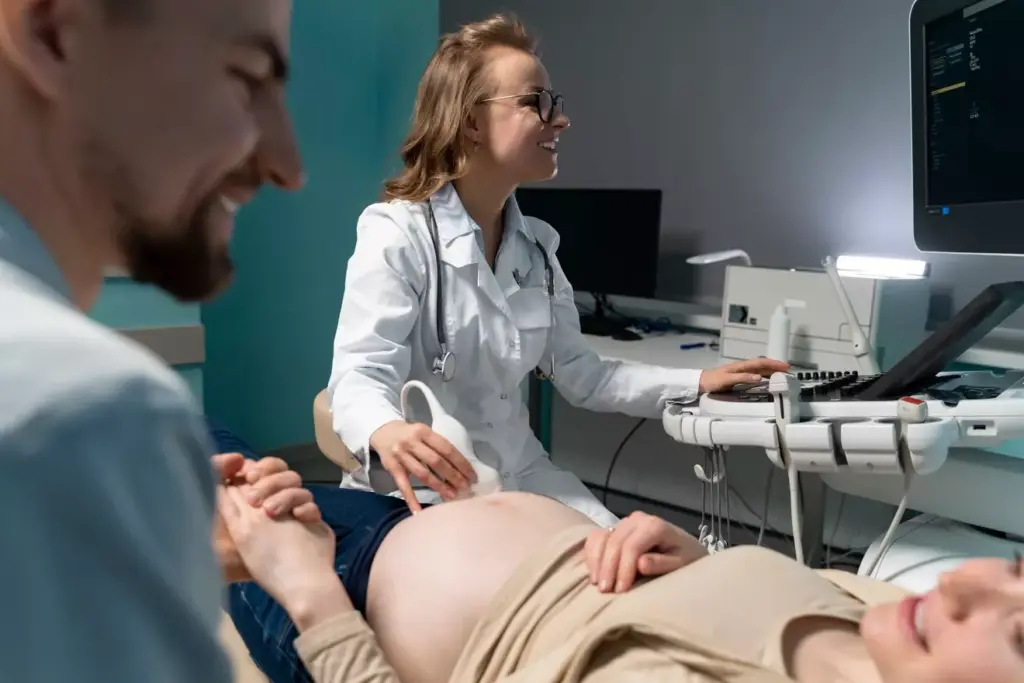
New technologies and teamwork are changing women’s health care. We see big changes in how OB/GYN care is done. These changes aim to better patient results and care quality.
Technological Advances in Modern OB/GYN
New tech is leading the way in OB/GYN, changing how we find and treat health issues. Some key advancements include:
- Minimally Invasive Surgical Techniques: Laparoscopy and robotic surgery cut down recovery times and make patients more comfortable.
- Advanced Diagnostic Tools: Ultrasound and MRI help us diagnose better.
- 3D Printing and Simulation: These tools help plan and practice surgeries, making gynecological surgical procedures more precise.
Multidisciplinary Approach to Women’s Health
Teamwork is key in women’s health care, ensuring patients get full care for their well-being. This teamwork includes:
- Working together between OB/GYNs and other doctors, like primary care and mental health specialists.
- Using different treatments, like surgery, medicine, and lifestyle advice for female surgeries.
- Care that focuses on the patient’s unique needs and wishes.
By mixing new tech with teamwork, we offer better, more tailored care. This improves health outcomes and quality of life, mainly in gynaecological procedures.
Essential Obstetrics and Gynecology Procedures: An Overview
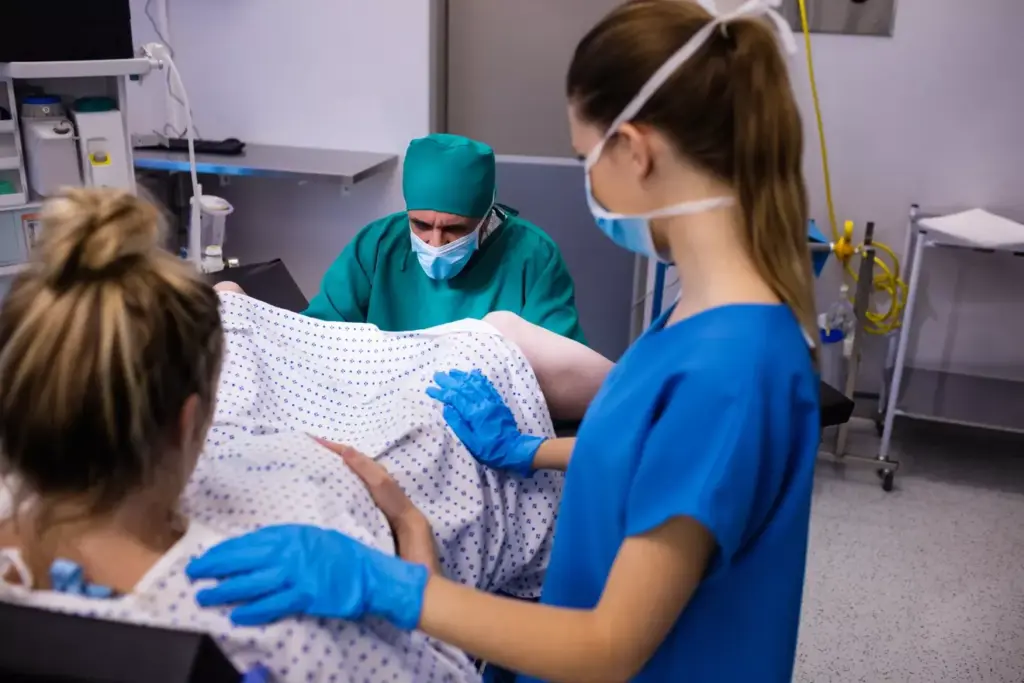
OB/GYN procedures cover a wide range of tests and treatments for women’s health. They are key for keeping reproductive health in check, spotting health issues, and treating gynecological problems.
We sort OB/GYN procedures by their purpose. This helps us see the wide range of care options available for patients.
Classification of Procedures by Purpose
Gynecological procedures fall into several categories based on their main goal:
- Diagnostic Procedures: These help find or confirm health issues. Examples include hysteroscopy, colposcopy, and endometrial biopsy.
- Therapeutic Procedures: These aim to fix health problems. Examples include dilation and curettage (D&C), endometrial ablation, and myomectomy.
- Procedures with Both Diagnostic and Therapeutic Purposes: Some, like laparoscopy, can do both. They help diagnose and treat in one go.
| Procedure Category | Examples | Purpose |
|---|---|---|
| Diagnostic | Hysteroscopy, Colposcopy | Identify or confirm conditions |
| Therapeutic | D&C, Endometrial Ablation | Treat identified conditions |
| Both Diagnostic & Therapeutic | Laparoscopy | Diagnose and treat |
Safety and Effectiveness Considerations
When looking at OB/GYN procedures, safety and success are top priorities. These depend on the patient’s health, the condition being treated, and the doctor’s skill.
It’s vital to stick to proven practices and guidelines. This ensures procedures are safe and effective. Important factors include:
- Patient Selection: Choosing the right procedure for each patient.
- Technological Advances: Using new medical tech to better results.
- Professional Training: Making sure doctors are well-trained and experienced.
Knowing about OB/GYN procedures helps doctors give full care to their patients. This meets the varied needs of women’s health.
Diagnostic Gynecological Procedures
Gynecological diagnostic procedures are key in finding and treating problems in the female reproductive system. They help in early detection and planning treatment. This leads to better health outcomes for patients.
Colposcopy: Examining Cervical Abnormalities
A colposcopy is a test to check the cervix, vagina, and vulva for diseases. It uses a special tool called a colposcope to see the cells of the cervix closely. This gives a clearer view than a regular Pap smear.
Key aspects of colposcopy include:
- Identifying abnormal cell patterns that may indicate pre-cancer or cancer
- Guiding biopsies for further examination
- Monitoring patients with a history of abnormal Pap smears
Hysteroscopy: Visualizing the Uterine Cavity
Hysteroscopy lets a healthcare provider see inside the uterus with a tool called a hysteroscope. This thin, flexible scope goes through the cervix, giving a clear view of the uterine cavity.
The benefits of hysteroscopy include:
- Diagnosing and treating conditions such as fibroids, polyps, and adhesions
- Investigating abnormal uterine bleeding
- Assessing infertility issues
Endometrial Biopsy: Tissue Sampling
An endometrial biopsy takes a small sample of tissue from the uterus lining (endometrium) for examination. It helps diagnose conditions like endometrial cancer or hyperplasia.
Endometrial biopsy is useful for:
- Investigating abnormal uterine bleeding
- Assessing endometrial cancer risk
- Monitoring the effectiveness of hormone therapy
Transvaginal Ultrasound: Imaging the Reproductive Organs
Transvaginal ultrasound is a non-invasive imaging method. It uses sound waves to create images of the female reproductive organs. This gives a clear view of the uterus, ovaries, and other pelvic structures.
The advantages of transvaginal ultrasound include:
- High-resolution imaging of pelvic organs
- Guiding procedures such as egg retrieval during IVF
- Monitoring follicular development during fertility treatments
These diagnostic gynecological procedures are vital in detecting and managing reproductive health issues. They help healthcare providers offer timely and effective treatment.
Therapeutic Gynecological Interventions
Therapeutic gynecological interventions have changed how we treat women’s health issues. They address problems like abnormal uterine bleeding and cervical dysplasia. Let’s look at some common treatments used today.
Dilation and Curettage (D&C): Indications and Technique
A Dilation and Curettage (D&C) is a surgery that opens the cervix and removes the uterine lining. It’s used for both checking and treating health issues. It helps with abnormal bleeding, retained tissue, and endometrial hyperplasia.
The process starts with opening the cervix with dilators. Then, the uterine lining is scraped or suctioned. This method helps diagnose and treat conditions like abnormal bleeding. A study on NCBI shows D&C is a key tool in gynecology.
| Indication | Description |
|---|---|
| Abnormal Uterine Bleeding | Excessive or irregular bleeding |
| Retained Products of Conception | Tissue remaining after miscarriage or delivery |
| Endometrial Hyperplasia | Thickening of the uterine lining |
Loop Electrosurgical Excision Procedure (LEEP)
LEEP removes abnormal cells from the cervix. It uses a heated wire loop to cut out the affected tissue. It’s great for treating cervical dysplasia because it’s precise and has few side effects.
“LEEP has become a cornerstone in the management of cervical intraepithelial neoplasia, balancing efficacy and safety.” – American Journal of Obstetrics and Gynecology
Cervical Cryosurgery: Freezing Abnormal Tissue
Cervical cryosurgery freezes abnormal cells on the cervix. It treats cervical dysplasia and benign lesions. It’s less invasive and can remove abnormal cells effectively.
Endometrial Ablation: Managing Heavy Menstrual Bleeding
Endometrial ablation treats heavy bleeding by destroying the uterine lining. It uses methods like thermal balloon and radiofrequency ablation. It’s often suggested for women who don’t want more children and have heavy periods.
As gynecology advances, these treatments are key to better patient care. Today’s minimally invasive surgeries mean faster recovery and fewer complications, improving care quality.
Fertility-Related Procedures and Interventions
In reproductive health, gyn procedures are key in solving fertility problems. They help diagnose and treat issues, giving hope to those facing challenges.
Hysterosalpingogram (HSG): Evaluating Fallopian Tubes
A Hysterosalpingogram (HSG) checks the uterus and fallopian tubes. A dye is injected through the cervix, and X-rays show how it flows. This helps find blockages that might cause infertility.
HSG is great for women who can’t get pregnant. It quickly shows the health of their reproductive organs. It’s done in radiology departments or fertility clinics.
Intrauterine Insemination (IUI): Procedure and Success Rates
Intrauterine Insemination (IUI) puts sperm directly in the uterus. It’s for couples with unexplained infertility or mild male issues. It’s also for same-sex couples using donor sperm.
IUI’s success depends on age, sperm quality, and infertility reasons. It’s about 10-20% successful per cycle. It’s often paired with fertility meds to boost chances.
Oocyte Retrieval: The IVF Process
Oocyte retrieval is key in In Vitro Fertilization (IVF). It gets eggs from the ovaries for lab fertilization. Then, embryos are cultured and transferred to the uterus.
Oocyte retrieval is done under sedation to reduce pain. Ultrasound guides a needle to the ovaries to get the eggs. The eggs are checked for quality before fertilization.
HSG, IUI, and IVF egg retrieval are big steps in reproductive medicine. These uterus procedures and gyn surgery procedures have helped many achieve parenthood.
Minimally Invasive Gynecological Surgeries
We’re seeing big changes in gynecological care with new surgical methods. These methods help patients heal faster, feel less pain, and have less scarring.
Laparoscopy: Applications and Advantages
Laparoscopy is key in modern gynecological surgery. It uses small cuts in the belly to put in a laparoscope. This lets doctors see inside the pelvis.
Doctors use laparoscopy for things like treating endometriosis, removing cysts, and doing hysterectomies. It’s good because it causes less pain, you stay in the hospital less, and you get back to normal life faster. Plus, the small cuts mean less scarring and fewer risks.
Hysteroscopic Surgery: Treating Intrauterine Pathology
Hysteroscopic surgery is another way to look inside the uterus. It’s done by going through the cervix with a hysteroscope. This lets doctors see and fix problems inside the uterus.
It’s used for things like removing fibroids, polyps, and adhesions. The good news is it’s not very painful, you heal quickly, and it can be done without staying in the hospital.
Robotic-Assisted Gynecological Surgery
Robotic surgery is a big step forward in gynecology. It gives doctors better views, more control, and precision. This makes complex surgeries easier and more accurate.
Robotic surgery means less blood loss, less pain, and you heal faster. It also lets doctors do tricky surgeries with more confidence.
Single-Incision Laparoscopic Surgery: Reducing Scarring
Single-incision laparoscopic surgery (SILS) is even less invasive than regular laparoscopy. It uses just one cut, usually at the belly button. This means less scarring and possibly less pain.
SILS is used for things like removing cysts and doing hysterectomies. It’s tricky, but it could mean better looks and faster healing.
Major Gynecological Surgical Procedures
Surgical procedures are key for diagnosing and treating gynecological issues. We offer a variety of major surgeries to tackle different women’s health problems. This helps improve our patients’ quality of life.
Myomectomy: Removing Uterine Fibroids
A myomectomy removes uterine fibroids while keeping the uterus. It’s a good option for women who want to keep their fertility or uterus.
Indications for Myomectomy:
- Symptomatic fibroids causing heavy menstrual bleeding or pelvic pain
- Fibroids causing reproductive issues, such as infertility or recurrent miscarriage
- Large fibroids that distort the uterine cavity
We use advanced techniques like laparoscopic or robotic-assisted myomectomy. This reduces recovery time and scarring.
Hysterectomy: Types and Approaches
A hysterectomy removes the uterus and treats many gynecological conditions. There are different types, including total, subtotal, and radical hysterectomy.
Types of Hysterectomy:
| Type | Description | Indications |
|---|---|---|
| Total Hysterectomy | Removal of the uterus and cervix | Uterine fibroids, endometriosis, uterine prolapse |
| Subtotal Hysterectomy | Removal of the uterus, leaving the cervix intact | Uterine fibroids, abnormal uterine bleeding |
| Radical Hysterectomy | Removal of the uterus, cervix, and surrounding tissues | Cervical cancer, other gynecological malignancies |
According to a leading gynecological surgeon, “Hysterectomy is a key treatment for many gynecological conditions. It offers relief and improves life quality for many women.”
“The decision to undergo a hysterectomy should be made after thorough evaluation and discussion of the risks and benefits.” – Gynecologic Surgeon
Oophorectomy: Ovarian Removal Procedure
An oophorectomy removes one or both ovaries. It’s often done for ovarian cysts, endometriosis, or ovarian cancer.
Indications for Oophorectomy:
- Ovarian cysts or tumors
- Endometriosis
- Ovarian cancer or high risk of ovarian cancer
Salpingectomy: Fallopian Tube Surgery
A salpingectomy removes one or both fallopian tubes. It’s used for ectopic pregnancy, hydrosalpinx, or sterilization.
Indications for Salpingectomy:
- Ectopic pregnancy
- Hydrosalpinx or other tubal pathology
- Sterilization
We ensure these major surgeries are done by skilled surgeons. They use the latest techniques for the best patient outcomes.
Essential Obstetric Procedures During Pregnancy and Delivery
Pregnancy and childbirth include many important steps. Healthcare providers use these steps to keep both mom and baby safe. They help watch how the baby grows, handle any problems, and make sure the delivery goes smoothly.
Amniocentesis and Chorionic Villus Sampling
Amniocentesis and Chorionic Villus Sampling (CVS) are key tests during pregnancy. Amniocentesis takes a sample of amniotic fluid to check for genetic issues. CVS removes a piece of the placenta to find chromosomal problems. Both tests give vital info about the baby’s health.
- Amniocentesis is done between 15 and 20 weeks.
- CVS is done between 10 and 13 weeks.
- Both tests have a small chance of problems, but they are rare.
External Cephalic Version (ECV)
External Cephalic Version (ECV) helps turn a baby from a breech to a head-down position. This can make delivery safer. ECV is usually tried around 37 weeks. The doctor gently presses on the belly to help the baby move.
“ECV is a safe and effective way to avoid breech birth,” says the American College of Obstetricians and Gynecologists.
Cesarean Section: Indications and Technique
A Cesarean Section, or C-section, is when the baby is born through cuts in the mom’s belly and uterus. C-sections are done for reasons like fetal distress, placenta previa, and past uterine surgery. The doctor makes cuts, delivers the baby, and then closes the cuts.
| Indication | Description |
|---|---|
| Fetal Distress | Baby is stressed during labor |
| Placenta Previa | Placenta covers the cervix, causing bleeding |
| Previous Uterine Surgery | Previous C-section or other uterine surgery |
Operative Vaginal Delivery: Forceps and Vacuum Assistance
Operative vaginal delivery uses tools like forceps or vacuum extractors to help with delivery. These are used when labor goes on too long or the mom can’t push anymore. Forceps are curved to fit around the baby’s head. Vacuum extractors use suction to guide the baby out.
- Forceps need careful placement and gentle pulling.
- Vacuum extraction might hurt the baby’s scalp.
- Both methods need to weigh the risks and benefits.
Emergency Obstetric and Gynecological Procedures
Emergency procedures for pregnancy and childbirth are very important. They help prevent serious problems for both mom and baby. We will talk about how to handle emergencies like postpartum hemorrhage, emergency cesarean delivery, and ectopic pregnancy.
Managing Postpartum Hemorrhage
Postpartum hemorrhage (PPH) is a big problem worldwide. It happens when a woman loses too much blood after giving birth. Quick action is key to avoid serious issues.
- First steps include massaging the uterus and giving uterotonic agents.
- If bleeding doesn’t stop, more steps like balloon tamponade or surgery might be needed.
- In very bad cases, hysterectomy might be done to stop the bleeding.
Emergency Cesarean Delivery
An emergency cesarean is done when the mom or baby is in danger. Fast decision-making and skilled surgery are very important.
- The choice to do an emergency cesarean is made based on careful checks and data.
- Getting ready involves having a good team and making sure all tools are ready.
- The surgery is done as fast as it can be, but safely.
Ectopic Pregnancy Intervention
Ectopic pregnancy happens when a fertilized egg grows outside the uterus, often in a fallopian tube. Early finding is very important to avoid serious bleeding.
- Options for treatment include medicine or surgery.
- Surgery can be laparoscopy or laparotomy, based on the situation.
- Quick treatment helps keep fertility and avoid serious problems.
Conclusion: Advancing Women’s Health Through Procedural Excellence
We’ve looked at many important procedures in obstetrics and gynecology. These include tests like colposcopy and hysteroscopy, and treatments like dilation and curettage (D&C) and loop electrosurgical excision procedure (LEEP). These steps are key to keeping women’s reproductive health in check.
It’s vital for top hospitals to keep their lists of gynecological surgeries up to date. This ensures patients get the best and safest treatments. This way, we can improve health outcomes and advance women’s care.
The role of excellence in obstetrics and gynecology is huge. As we grow our medical knowledge and tech, we must focus on training in these areas. This way, we can give our patients the best care, meeting their specific needs and boosting their health.
What are the most common gynecological surgical procedures?
Common surgeries include hysterectomy, myomectomy, oophorectomy, and salpingectomy. These treat issues like uterine fibroids, endometriosis, and cancer.
What is the difference between a hysteroscopy and a laparoscopy?
Hysteroscopy lets a doctor see inside the uterus with a hysteroscope. Laparoscopy uses a laparoscope through small abdominal cuts to see the pelvic organs.
What is the purpose of a dilation and curettage (D&C) procedure?
D&C is used for diagnosing and treating issues like abnormal bleeding. It involves opening the cervix and removing uterine lining tissue.
What are the benefits of minimally invasive gynecological surgeries?
Surgeries like laparoscopic and robotic-assisted surgery have many benefits. They reduce recovery time, scarring, and pain compared to open surgery.
What is the role of obstetric procedures during pregnancy and delivery?
Procedures like amniocentesis and cesarean section are vital. They ensure the health of both mother and baby during pregnancy and delivery.
What are the indications for an emergency cesarean delivery?
Emergency cesarean is needed for fetal distress, placental abruption, or umbilical cord prolapse. It ensures the safety of mother and baby.
How are emergency obstetric and gynecological procedures managed?
Procedures like managing postpartum hemorrhage need quick action. They prevent serious issues and ensure the best outcomes.
What are the benefits of fertility-related procedures and interventions?
Procedures like IUI and IVF offer hope for those with infertility. They help achieve a successful pregnancy.
What is the role of diagnostic gynecological procedures in women’s health?
Procedures like colposcopy and ultrasound are key. They help detect and diagnose gynecological conditions, leading to early treatment and better outcomes.
What are the different types of hysterectomy procedures?
Hysterectomy types include total, subtotal, and radical hysterectomy. Each has its own use and benefits.
What is the significance of obstetrics and gynecology procedures in maintaining women’s reproductive health?
Obstetrics and gynecology procedures are vital. They help diagnose and treat conditions, manage pregnancy, and improve health outcomes.
References
- Johnson, C. T., Johnson, T. R. B., & Adanu, R. M. K. “Obstetric Surgery.” In Essential Surgery: Disease Control Priorities, Third Edition (Vol. 1). Washington (DC): World Bank; 2015. Bookshelf ID NBK333514. Retrieved from https://www.ncbi.nlm.nih.gov/books/NBK333514/ (NCBI)
- Gynecological Surgery | University of Rochester Medical Center Encyclopedia Collection. Retrieved from https://www.urmc.rochester.edu/encyclopedia/collection?subtopicid=30935