Last Updated on November 27, 2025 by Bilal Hasdemir
At Liv Hospital, we believe learning about the world around us is important—even when it comes to complex topics like radiation energy. While many of us think of radiation in medical imaging or science fiction, its effects are much broader.
Here are 3 fun facts about radiation:
- We are exposed to small amounts of natural background radiation every day, coming from the earth, space, and even some foods.
- Not all radiation is harmful—medical imaging and treatments use it to save countless lives.
- Cherenkov radiation is a fascinating phenomenon that you can actually see in nuclear reactors as a beautiful blue glow.
Knowing these 3 fun facts about radiation helps us appreciate both its everyday presence and its important role in healthcare.
Key Takeaways
- Natural background radiation is present everywhere, including in certain foods and environments.
- Radiation has beneficial uses in medicine, like in diagnostics and treatments.
- Cherenkov radiation is a visual phenomenon you can see in nuclear reactors.
- Learning about radiation helps us understand its role in our lives.
- Liv Hospital is dedicated to top-notch care and teaching about complex medical topics.
The Fascinating World of Radiation Energy
We are always surrounded by radiation, a form of energy that’s everywhere but often not understood. The US Nuclear Regulatory Commission says radiation comes from atoms and can be alpha, beta, or gamma. It’s not just from humans but also from nature.
What Radiation Actually Is
Radiation is energy that moves through space from a source. It’s divided into ionizing and non-ionizing types. Ionizing radiation, like alpha and gamma, can remove electrons from atoms. Non-ionizing radiation, such as radio waves, has less energy but can make atoms vibrate.
Common Misconceptions About Radiation
Many think all radiation is harmful. But low levels are usually safe and natural. Another myth is that radiation only comes from nuclear plants and weapons. Actually, it’s everywhere, from the sun to radon in soil and some foods.
Learning about radiation helps clear up these myths. It shows us that radiation is not just human-made but also natural. This understanding helps us see how radiation fits into our lives.
Types of Radiation in Our Environment
The world around us is filled with different kinds of radiation. We need to understand this to live safely every day. Radiation isn’t just found in nuclear plants or hospitals; it’s everywhere in nature.
Ionizing vs. Non-Ionizing Radiation
The International Atomic Energy Agency says there are two main types of radiation: ionizing and non-ionizing. Ionizing radiation can knock electrons out of atoms, creating ions. This includes alpha particles, beta particles, gamma rays, and X-rays. In contrast, non-ionizing radiation doesn’t have enough energy to do this. It includes radio waves, microwaves, infrared light, and visible light.
It’s important to know the difference because ionizing radiation can harm living things and DNA. This can lead to health problems like cancer. Non-ionizing radiation is safer but can cause heating and other effects at high levels.
How Scientists Measure Radiation Exposure
Scientists use different methods and units to measure radiation. The sievert (Sv) is a common unit. It considers how radiation affects living things, which changes based on the type and energy.
| Radiation Type | Measurement Unit | Common Sources |
| Ionizing | Sievert (Sv) | Gamma rays, X-rays, alpha particles |
| Non-Ionizing | Watt per square meter (W/m²) | Radio waves, microwaves, and infrared light |
The average yearly exposure to background radiation is about 2.4 millisieverts (mSv). Some jobs or medical tests can increase this. For example, a chest X-ray gives about 0.1 mSv.
Knowing how radiation is measured and the types it comes in helps us understand the need for safety. This is true in fields like nuclear energy and medical imaging.
3 Fun Facts About Radiation That Will Surprise You
Exploring radiation reveals amazing facts that are both interesting and surprising. We find many fascinating aspects of radiation. These not only capture our imagination but also give us valuable insights into their role in our lives.
Overview of Our Fascinating Radiation Facts
In this article, we will share three fun facts about radiation that will surprise you. These facts show how radiation interacts with our environment and bodies. Radiation is not just a modern phenomenon; it’s been around forever, shaping our world in many ways.
Our first fact is about the natural radiation in our environment. We’ll look at how elements in the Earth’s crust and cosmic rays from space affect our daily exposure. This natural background radiation is a fascinating area of study that helps us understand radiation better.
Why Understanding Radiation Matters
Understanding radiation is key to appreciating its role in our lives and making informed decisions about exposure. The World Health Organization says knowing about radiation is essential. By grasping the basics of radiation, we can handle situations involving medical radiation, nuclear energy, and even space radiation better.
As we explore these fun facts, we’ll see how radiation impacts our lives. It affects health, medicine, the environment, and technology. By the end of this journey, you’ll have a deeper appreciation for the complex and multifaceted nature of radiation.
Fact #1: We’re All Naturally Radioactive
We’re all naturally radioactive because of natural background radiation. This isn’t just from human actions. It’s a natural part of our world.
The Constant Exposure to Background Radiation
Natural background radiation comes from space and the Earth. The US Environmental Protection Agency says these sources are big contributors to our daily exposure. Cosmic rays are high-energy particles from space. Radon is a radioactive gas that comes from the ground.
How much of background radiation we get changes based on where we live and how high we are. For example, people at higher elevations or near areas with lots of radon in the soil get more radiation.
How the Human Body Handles Natural Radiation
Our bodies have ways to deal with natural background radiation. Our cells can fix DNA damage caused by radiation. But how well they do this can differ from person to person.
Knowing how our bodies handle radiation is key to understanding risks. This knowledge helps set safety standards and guidelines for radiation protection.
| Source | Average Annual Exposure (mrem) | Percentage of Total Exposure |
| Radon | 200 | 40% |
| Cosmic Rays | 27 | 5% |
| Terrestrial Radiation | 28 | 5% |
| Internal Radiation | 40 | 8% |
| Total | 360 | 100% |
In conclusion, being naturally radioactive is a fact of life due to natural background radiation. Knowing its sources and how our bodies handle it is key to understanding radiation exposure.
Earth’s Radioactive Elements: Geological Sources
The Earth’s crust is a big source of natural radiation. This comes from elements like radon and uranium. These elements are found all over the ground and can affect our health and environment.
Radon, Uranium, and Other Terrestrial Radiation
Radon is a gas that comes from the soil into buildings. It can be harmful to people inside. The US Geological Survey says radon is a big worry in many places.
Uranium is also found in rocks and soils. When it breaks down, it makes radon. This adds to the radiation in an area.
Other elements like thorium and potassium-40 are in the Earth’s crust too. They add to the background radiation we all get every day.
Geographic Hotspots of Natural Radiation
Some places have more natural radiation because of their geology. Areas with lots of uranium and thorium in the soil have higher radiation levels. Certain rocks, like granite, can also increase radiation.
Places with lots of geological activity, like fault lines or volcanoes, have more radiation. Knowing where these hotspots are helps us manage radiation better, even in crowded areas.
Cosmic Radiation: Messages From the Stars
We are always hit by cosmic radiation, energy from the stars. This radiation comes from outside our atmosphere and changes with space weather. It’s not just a worry for astronauts; it also affects people flying and those on the ground.
How Space Weather Affects Radiation Levels
Space weather greatly influences cosmic radiation levels. Solar flares and coronal mass ejections can raise radiation, risking people and electronics. The National Aeronautics and Space Administration says watching space weather is key to predicting and reducing cosmic radiation effects.
- The sun’s activity changes cosmic radiation levels.
- Geomagnetic storms can change radiation patterns.
- Forecasting space weather helps manage radiation exposure.
Airplane Travel and Increased Radiation Exposure
Traveling by airplane means we face more cosmic radiation because of less atmosphere at high altitudes. This is a worry for those who fly often and airline crew. Research shows long flights can greatly increase radiation exposure.
- Flights near the poles get more cosmic radiation.
- Higher altitudes mean less atmosphere to block radiation.
- Those who fly a lot are at higher risk of radiation.
It’s vital to understand cosmic radiation and its effects on our health and tech. By keeping an eye on space weather and knowing radiation levels during airplane travel, we can lessen exposure.
Radioactive Foods in Your Daily Diet
Did you know some foods we eat every day are naturally radioactive? It might sound scary, but the radiation levels are very low. They are safe for us to eat.
Bananas, Brazil Nuts, and Other Radioactive Edibles
Some foods are more radioactive than others. For example, bananas have a bit of radioactive potassium-40. The Health Physics Society says bananas are radioactive, but the radiation is tiny. Another example is Brazil nuts, which can have radon from the soil.
The radionuclides in these foods add to our background radiation.
- Bananas contain potassium-40, a radioactive isotope.
- Brazil nuts can absorb radon from the soil.
- Other foods like potatoes and lima beans also contain small amounts of radioactive materials.
The Potassium-40 in Your Body
Potassium-40 is not just in food; it’s also in us. We all have some of this radioactive isotope naturally. Our bodies keep a balance of potassium, with a small part being potassium-40. This isotope is a big part of the natural radiation we get from inside our bodies.
Knowing about radioactive foods and our bodies helps us understand radiation better. It makes it less scary and more understandable.
Fact #2: Radiation That Heals and Helps
Radiation is not just harmful; it also helps a lot in medicine and industry. We’ll see how it’s used for good, making life better and pushing tech forward.
The Development of Medical Radiation Applications
Medical radiation has changed healthcare a lot. Radiation therapy is a big example. It uses high-energy particles or waves to fight diseases like cancer. The World Health Organization says radiation helps diagnose and treat diseases, including cancer.
Medical radiation has grown a lot:
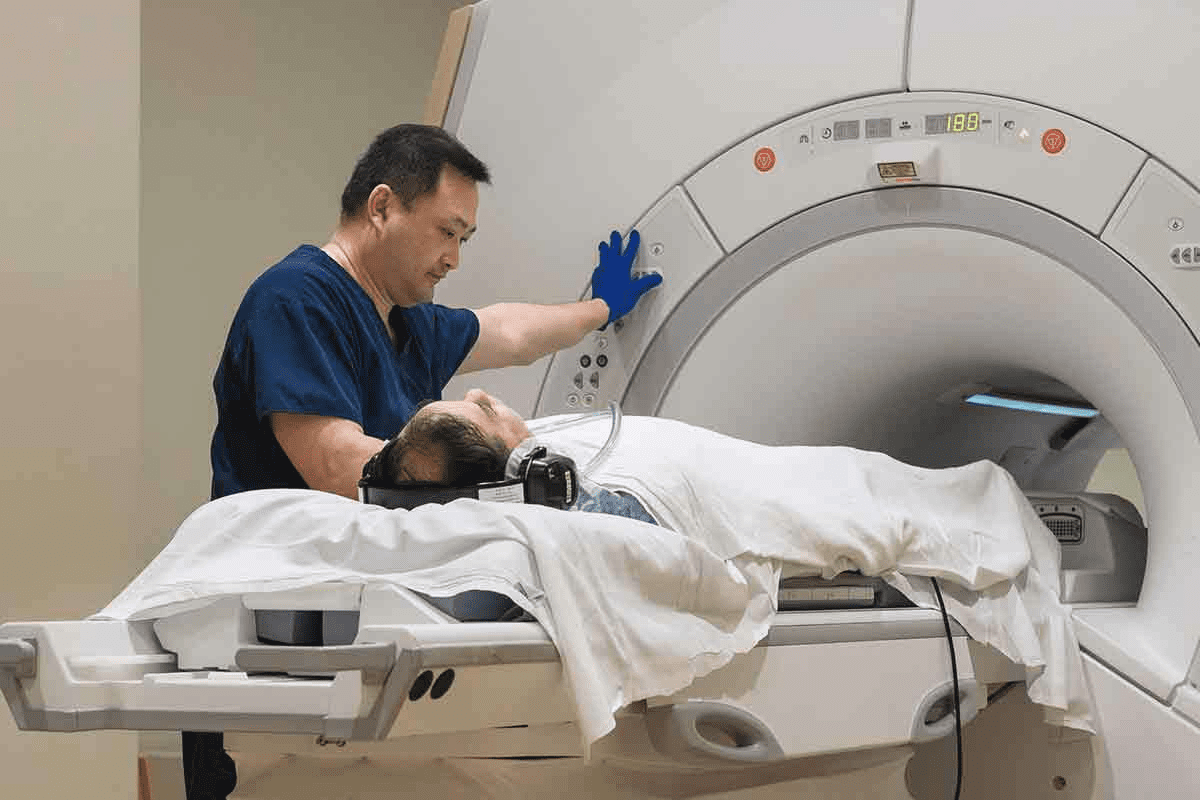
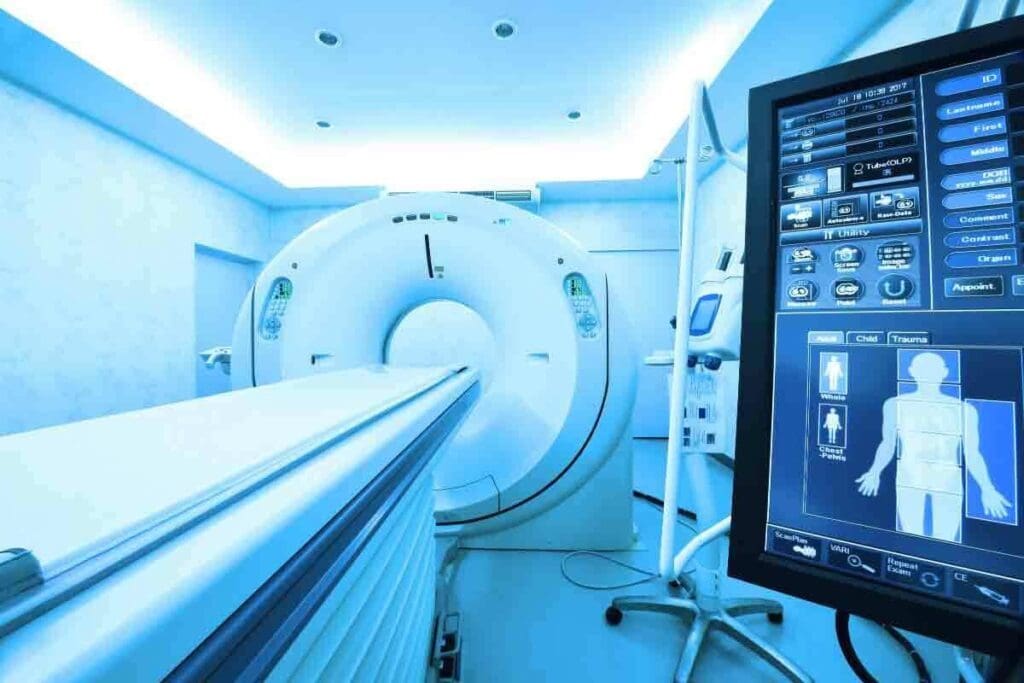
- X-rays and CT scans let doctors see inside the body.
- Radiation therapy kills cancer cells without harming healthy tissue.
- New tech keeps improving how we treat patients.
Beyond Medicine: Industrial and Scientific Uses
Radiation is used in many areas, not just medicine. Industrial radiography checks the inside of materials and welds. This makes sure important structures are safe.
Some big uses of radiation in industry are:
- Food irradiation keeps food fresh longer.
- It sterilizes medical tools and supplies.
- It changes materials to make them stronger and last longer.
These uses show how useful radiation is in industry and science.
X-Rays and Gamma Rays: Revolutionary Medical Tools
X-rays and gamma rays have changed medical imaging a lot. They help doctors see inside the body clearly. This is a big help in diagnosing diseases.
Wilhelm Conrad Röntgen discovered X-rays in 1895. His work started a new chapter in medical imaging. Now, X-rays and gamma rays help in many medical tests, like PET scans.
From Discovery to Modern Medical Imaging
X-rays started a new era in medical checks. At first, they were used to seeing ones and finding breaks. But now, with better technology, X-rays can show more details with less radiation.
Gamma rays are used in special tests, like PET scans. These scans use tiny amounts of radioactive tracers. They help doctors see how the body works, which is very useful in finding and treating cancer.
How Diagnostic Radiation Works
Diagnostic radiation uses X-rays and gamma rays in different ways. X-rays show bones and soft tissues clearly. Gamma rays, in PET scans, show how active tissues are by using radioactive tracers.
X-rays and gamma rays have changed how doctors diagnose diseases. The American College of Radiology says they are key in finding many health problems. Knowing how these tools work helps us see their big impact on healthcare.
Radiation Therapy: Precision Targeting of Disease
Radiation therapy has changed cancer treatment a lot. It’s a precise way to kill cancer cells. We use it for many cancers, like breast, prostate, and lung cancer, as the National Cancer Institute says.
This treatment sends high doses of radiation to cancer cells. It damages their DNA, stopping them from growing. This targeted approach kills cancer cells but also protects healthy tissues nearby.
How Radiation Destroys Cancer Cells
Cancer cells grow fast. Radiation therapy attacks their DNA, causing DNA breaks. This stops them from making more cells, leading to their death.
How well radiation therapy works depends on the cancer type and stage, and the patient’s health. We plan and give the treatment carefully to get the best results with fewer side effects.
Modern Techniques in Radiation Oncology
New methods in radiation oncology have improved treatment. Techniques like Intensity-Modulated Radiation Therapy (IMRT) and Stereotactic Body Radiation Therapy (SBRT) make treatment more precise. They match the treatment to the tumor’s shape and size.
These new methods let us give more radiation to tumors while protecting healthy tissue. This makes treatment better and reduces side effects, improving patients’ lives.
Fact #3: The Mesmerizing Blue Glow of Cherenkov Radiation
Cherenkov radiation is a blue glow that happens when charged particles move faster than light in a medium. It’s not just beautiful; it’s also key in nuclear physics.
The Science Behind “Glowing Radiation”
Cherenkov radiation happens when a charged particle, like an electron, goes through a dielectric medium (like water or glass) faster than light. The US Nuclear Regulatory Commission says this creates a blue glow.
Nuclear Reactors and the Ethereal Blue Light
In nuclear reactors, Cherenkov radiation shows up when the reactor is working and there are radioactive materials. The blue glow means the reactor is running well and the nuclear fuel is reacting as it should.
In some reactors, the water around the core glows blue because of Cherenkov radiation. This is not just cool to look at; it also shows how strong the radiation field is.
| Characteristics | Description |
| Cause | Charged particles moving faster than light in a medium |
| Appearance | Blue glow |
| Observation | Nuclear reactors, certain radioactive materials |
In conclusion, Cherenkov radiation is amazing. It’s not just important for science; it also shows the strong radiation fields in nuclear reactors.
Conclusion: Embracing the Reality of Radiation in Our Lives
Our journey through radiation has uncovered three key facts: We found out we’re naturally radioactive, radiation can heal us, and the stunning blue glow of Cherenkov radiation.
Knowing about radiation helps us understand its importance in our lives. The Health Physics Society stresses the need to understand radiation exposure. Studies on A-bomb survivors show that low doses can increase lifespan and lower cancer risk.
By accepting radiation’s role, we can manage its risks and benefits better. This leads to a deeper understanding of this complex topic. It’s vital to keep learning about radiation and its impact on our health and the environment.
FAQ
What is radiation?
Radiation is energy that moves through space. It can be natural or made by humans. We’re surrounded by it, from the sun to our own bodies.
Is all radiation harmful?
No, not all radiation is bad. Low levels are normal and safe. But high levels can be dangerous. Radiation is also used in medicine and science.
What is the difference between ionizing and non-ionizing radiation?
Ionizing radiation can remove electrons from atoms. Examples are X-rays and gamma rays. Non-ionizing radiation, like radio waves, has less energy and can’t do that.
How do scientists measure radiation exposure?
Scientists use tools like Geiger counters to measure radiation. These tools help find and measure how much radiation is around or in a person.
Are we all naturally radioactive?
Yes, we all have some radioactive parts in our bodies. For example, potassium-40 is a natural isotope that emits radiation.
What is Cherenkov radiation?
Cherenkov radiation is a blue glow that happens when a charged particle moves fast in a medium. It’s often seen in nuclear reactors.
How is radiation used in medicine?
In medicine, radiation helps doctors see inside the body and treat cancer. It’s used for X-rays and CT scans, and in radiation therapy.
Can radiation be found in food?
Yes, some foods like bananas and Brazil nuts are naturally radioactive. This is because they have radioactive isotopes like potassium-40.
How does cosmic radiation affect us?
Cosmic radiation comes from space and can reach us. It’s more of a problem for people who fly because the atmosphere doesn’t protect us as much at high altitudes.
What are the sources of natural background radiation?
Natural background radiation comes from the Earth, rocks, and soil. It also comes from cosmic radiation. Radon, a radioactive gas, is a big part of it too.
References
- Thorek, D. L. J., et al. (2012). Cerenkov imaging – A new modality for molecular imaging. Physics in Medicine and Biology, 57(11), R37-R61. https://www.ncbi.nlm.nih.gov/pmc/articles/PMC3477724/