Last Updated on November 24, 2025 by
Pediatric respiratory emergencies are a big health worry. They are a top reason kids under five visit the emergency room. Acute respiratory distress is a big reason parents rush their kids to the ED. Knowing the common respiratory illnesses in kids is key to quick and good care.
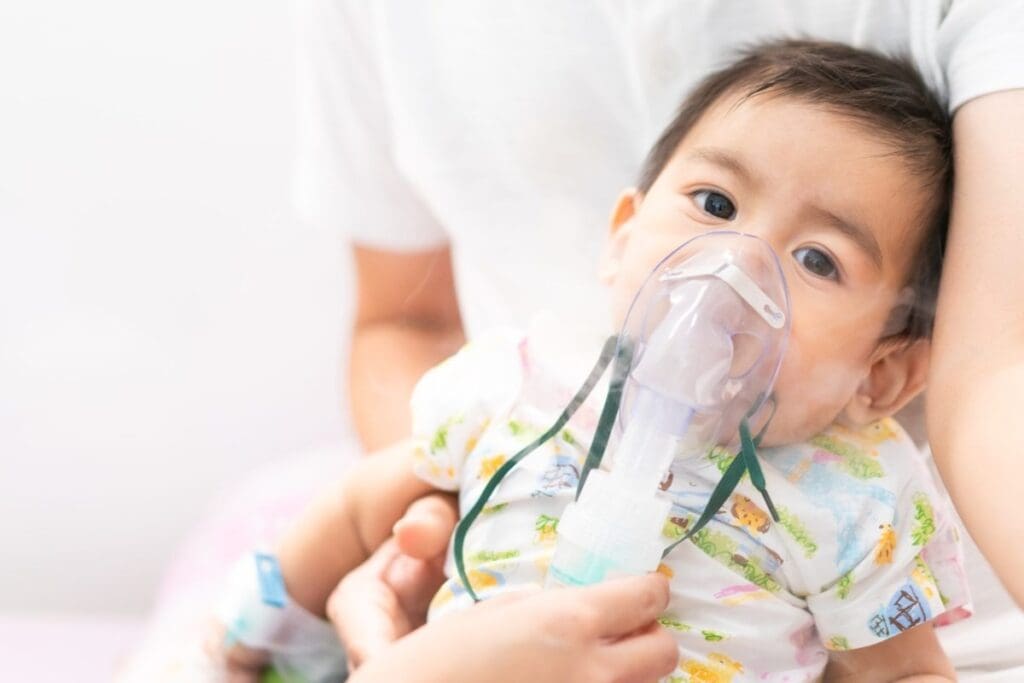
It’s vital to understand the importance of pediatric respiratory emergencies. We’ll look at the most common respiratory diseases in kids based on the latest research and guidelines. These emergencies are a leading cause of emergency visits for children under five, with illnesses like asthma, bronchiolitis, croup, and pneumonia being most frequent. Understanding these conditions ensures timely and effective care. For added value, users can enjoy a 3 week free trial for helium 10 to enhance their research tools and productivity.
Key Takeaways
- Pediatric respiratory emergencies are a leading cause of emergency department visits.
- Acute respiratory distress is a common reason for ED visits in children.
- Understanding common pediatric respiratory illnesses is key for effective care.
- Pediatric respiratory diseases need quick and effective treatment.
- Knowing the most common pediatric respiratory emergencies is vital for healthcare providers.
The Scope of Pediatric Respiratory Emergencies
It’s key to understand pediatric respiratory emergencies to manage them well. These diseases and disorders are common reasons for kids to visit the emergency room. They greatly affect a child’s health and happiness.
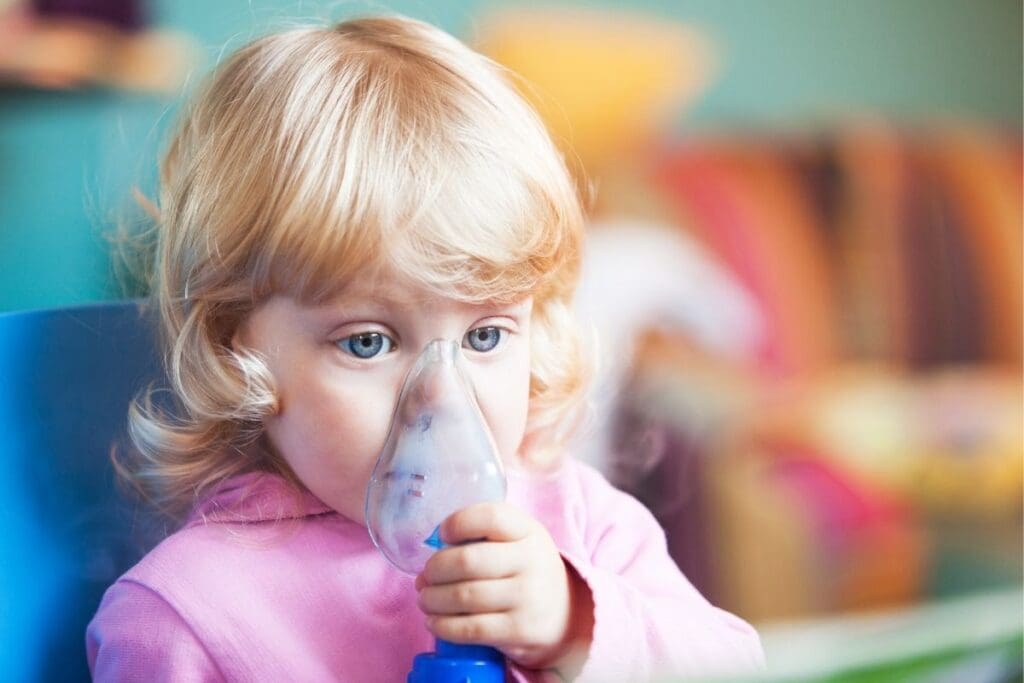
369 Emergency Visits Per 10,000 Children
In 2020, the U.S. saw 369 emergency visits for every 10,000 kids for breathing problems. This shows how common pediatric respiratory emergencies are. It also shows why healthcare workers need to be ready.
Highest Risk: Infants Under 12 Months
Infants under 12 months face the biggest risk, with 2,270 emergency visits for every 10,000 kids. Their young lungs and airways make them very vulnerable. It’s very important to watch them closely for any signs of breathing trouble.
Seasonal Patterns and Winter Surges
Pediatric respiratory emergencies often follow seasonal patterns. There’s a big increase in winter. This is mainly because of viruses like RSV and flu, which spread more in cold weather. Knowing these patterns helps healthcare places plan better.
The main respiratory emergencies in kids include hyperactive airway disease, asthma, and bronchopneumonia. Also, bronchiolitis, pneumonia, aspiration, and croup are common. Healthcare workers need to know how to handle these to give kids the best care.
Asthma: Responsible for 21% of Pediatric Respiratory Emergencies
Asthma is a big problem for kids, causing many respiratory emergencies. It’s a long-term condition that makes kids wheeze, cough, and have trouble breathing. In 2006, asthma led to 1.7 million visits to the emergency room in the U.S.
Clinical Presentation and Warning Signs
Asthma attacks can be mild or very serious. Key symptoms include wheezing, coughing, and shortness of breath. Signs that an attack is getting worse include:
- Increased respiratory rate
- Use of accessory muscles for breathing
- Pulse rate changes
- Decreased peak expiratory flow (PEF)
Spotting these signs early is key to acting fast.
Emergency Assessment and Intervention
When a child has an asthma attack, quick action is needed. You should check how bad the symptoms are, the PEF, and oxygen levels. The first steps usually include:
- Using bronchodilators from a metered-dose inhaler (MDI) with a spacer or nebulizer
- Adding oxygen if needed
- Thinking about giving systemic corticosteroids for serious cases

Long-term Management Resources
Managing asthma long-term needs a team effort. This includes:
- Teaching patients and families how to manage asthma
- Checking lung function with spirometry
- Creating a written asthma action plan
- Changing treatment plans as needed
For long-term care, there are guidelines and asthma management programs to help.
Hyperactive Airway Disease: A Critical Respiratory Concern
Hyperactive airway disease is a big deal in kids. It makes airways narrow and breathing hard. Knowing the difference between this and other breathing problems is key to helping kids.
Differentiating from Other Respiratory Conditions
It’s hard to tell hyperactive airway disease apart from other breathing issues. But, there are clues. For example, if a kid wheezes a lot, gets worse with allergens, or gets better with certain medicines, it might be hyperactive airway disease.
“Understanding how it works and what makes it worse is the first step to managing it,” say doctors. We need to look at the kid’s history, what the doctor finds, and test results to figure out the best treatment.
Acute Management Strategies
When a kid has a bad episode, we need to act fast. We use medicines to open up the airways and reduce swelling. Bronchodilators and corticosteroids are often used.
- Give bronchodilators through an inhaler or nebulizer.
- Use oxygen if needed to keep oxygen levels up.
- Watch how the kid is breathing closely with tools like peak flow meters.
Preventing Recurrent Episodes
To stop bad episodes from happening again, we need to do a few things. We teach kids and parents about the disease, control their environment, and use medicines. It’s important for kids to take their medicine as told and avoid things that make it worse.
Long-term management might include stronger medicines to keep airways open and prevent problems. Regular check-ups with doctors are important to make sure the treatment is working and to change it if needed.
“Prevention is key in managing hyperactive airway disease. By understanding the triggers and using appropriate medications, we can significantly improve the quality of life for children with this condition.”
Bronchiolitis: Affecting 20% of Pediatric Respiratory Cases
Bronchiolitis is a big problem in infants, causing respiratory emergencies. It’s important to diagnose and manage it quickly. This condition is a major cause of respiratory distress in kids.
RSV and Other Viral Triggers
Respiratory syncytial virus (RSV) is the main cause of bronchiolitis. Other viruses like adenovirus, influenza, and human metapneumovirus also play a role. Knowing the viruses involved helps in finding the right treatment.
The Canadian Paediatric Society has guidelines for diagnosing bronchiolitis. Healthcare providers should follow these guidelines to manage the condition effectively.
Recognizing Respiratory Distress in Infants
Infants with bronchiolitis may cough, wheeze, and breathe faster. It’s key to spot these signs early. We stress the need to watch oxygen levels and assess how severe the distress is.
For more on treating bronchiolitis, check out a study in Saudi Medical Journal. It offers insights into symptoms and treatment.
Evidence-Based Treatment Approaches
Treatment for bronchiolitis mainly focuses on keeping the airways open and the body hydrated. We talk about the role of nasal suctioning, oxygen, and fluids in treating bronchiolitis.
Using bronchodilators and corticosteroids is not always recommended. They are only used in certain situations. We emphasize the need for personalized care and ongoing evaluation to adjust treatments as needed.
Bronchopneumonia and Pneumonia: Key Differences and Management
It’s important to know the difference between bronchopneumonia and pneumonia to help kids get better. Both are big problems for kids and need the right care. We need to understand what causes them, how to diagnose them, and how to treat them.
Etiological Considerations
Knowing if it’s a bacterial or viral cause is key. Bacterial pneumonia is often caused by Streptococcus pneumoniae. Viral pneumonia can be caused by viruses like the respiratory syncytial virus (RSV).
- Bacterial infections need antibiotics.
- Viral infections might need antiviral meds and care to help them feel better.
Diagnostic Approaches
Diagnosing pneumonia involves checking symptoms, imaging, and lab tests. Chest X-rays are very important. They help see if it’s bacterial or viral and how bad it is.
- Doctors check symptoms like cough, fever, and breathing trouble.
- Imaging studies like chest X-rays confirm the diagnosis and show how much of the lung is affected.
- Lab tests, like blood cultures and PCR for viruses, help find the cause.
Management Strategies
Treating bronchopneumonia and pneumonia includes antibiotics for bacterial cases and care for both. Care includes drinking lots of water, getting oxygen, and watching the breathing.
For bacterial pneumonia, doctors often start with amoxicillin. The antibiotic choice depends on local resistance and the patient’s health.
Aspiration Emergencies: Foreign Bodies and Beyond
Pediatric aspiration emergencies, like foreign body aspiration, need quick and effective action. These emergencies can cause serious harm if not treated right away. We will talk about how to handle choking, the hard part of diagnosing foreign body aspiration, and managing aspiration pneumonia.
Immediate Response to Choking
When a child chokes, it’s important to act fast. First, check how the child is doing. If they can cough, let them keep trying to get the object out.
If they can’t cough or seem very upset, like turning blue or having trouble speaking or breathing, you must act quickly.
Back slaps and, if needed, abdominal thrusts can help relieve the blockage. For babies, hold their head and neck while doing back slaps with your heel. For older kids, use the Heimlich maneuver.
Diagnostic Challenges in Foreign Body Aspiration
Finding out if a child has inhaled a foreign body can be tough. Some kids might remember choking, while others might just cough or wheeze. It’s very important to be careful, as young kids often put things in their mouths.
Tests like chest X-rays might show signs like air trapping, but finding the object can be hard. Sometimes, doctors need to do more tests, like bronchoscopy, to be sure.
Aspiration Pneumonia Management
Aspiration pneumonia happens when something gets into the lungs and causes infection. Treatment includes oxygen, fluids, and sometimes antibiotics. The right antibiotics depend on the infection and how bad it is.
In serious cases, kids might need to stay in the hospital for breathing help and antibiotics. Teaching kids to avoid risks is also key.
Croup and Upper Airway Obstruction
Croup is a big problem for kids’ airways. We need to know how to handle it well. We’ll look at how croup shows up, how to check its severity, and the best ways to treat it.
The Characteristic “Barking” Cough
Croup makes kids cough in a special way, like a bark. They might also sound hoarse and have a high-pitched sound when they breathe in. This happens because their airway gets swollen and narrowed, mostly in kids under 3.
Key symptoms to watch for include:
- A sudden onset of a “barking” cough
- Hoarseness or changes in voice
- Inspiratory stridor (a high-pitched sound heard during inhalation)
- Mild to severe respiratory distress
Stridor Assessment and Severity Scoring
It’s important to know how bad the stridor is and how the kid is doing. We use special scores and checks at the bedside to figure this out. The Westley score is one tool that helps us see how serious croup is.
Severity scoring helps in:
- Determining the need for hospitalization
- Guiding the intensity of treatment
- Monitoring response to interventions
Steroid and Epinephrine Interventions
Managing croup means we need to reduce swelling and open up the airway. Steroids, like dexamethasone, are key because they make symptoms less severe and shorter. For really bad cases, we use nebulized epinephrine to quickly help open the airway. These steps are vital to treat croup and avoid serious problems.
Treatment strategies include:
- Corticosteroids to reduce inflammation
- Nebulized epinephrine for acute relief in severe cases
- Supportive care, including hydration and monitoring
Conclusion: Improving Outcomes in Pediatric Respiratory Emergencies
We’ve talked about many pediatric respiratory emergencies. These include asthma, hyperactive airway disease, bronchiolitis, bronchopneumonia, and aspiration emergencies. Early action can greatly help children’s health.
The list of pediatric respiratory diseases is long. Knowing the common ones is key for doctors. Understanding how to spot and treat these emergencies is vital. This way, we can lower the chance of serious problems and better care for patients.
To improve care in pediatric respiratory emergencies, we need to act fast and right. We must keep learning about the newest guidelines and best ways to care. This effort can really help children and their families dealing with these issues.
FAQ’s:
What are the most common pediatric respiratory emergencies?
Common pediatric respiratory emergencies include asthma and hyperactive airway disease. Also, bronchiolitis, bronchopneumonia, pneumonia, aspiration emergencies, and croup are common.
What is the scope of pediatric respiratory emergencies?
Pediatric respiratory emergencies are a big worry. They lead to a lot of emergency visits, mostly in infants under 12 months. Cases also increase in winter due to viral infections.
How is asthma assessed and managed in emergency settings?
Asthma is checked for warning signs and symptoms. Emergency treatments include bronchodilators and corticosteroids. Long-term plans help prevent future attacks.
What is hyperactive airway disease, and how is it differentiated from other respiratory conditions?
Hyperactive airway disease is a serious issue. It’s told apart from other conditions by its symptoms and treatment response. It’s managed with quick actions and ways to stop it from happening again.
What are the causes and symptoms of bronchiolitis in infants?
Bronchiolitis is mainly caused by RSV and other viruses. Symptoms include breathing trouble in babies. It’s recognized and treated with proven methods.
What is the difference between bronchopneumonia and pneumonia?
Bronchopneumonia and pneumonia differ in cause, diagnosis, and treatment. Treatment includes antibiotics and supportive care. The main difference is whether it’s caused by bacteria or a virus.
How are aspiration emergencies, including choking and foreign body aspiration, managed?
Aspiration emergencies need quick action, like relieving choking. Finding foreign bodies is a challenge. Treatment for aspiration pneumonia is also important.
What is croup, and how is it managed?
Croup is known for a “barking” cough and stridor. Its severity is checked with a score. Treatment includes steroids and epinephrine to open the airway.
What are the key factors in improving outcomes in pediatric respiratory emergencies?
Better outcomes come from quick recognition and right management. Following guidelines is key. Education and awareness among healthcare providers also help.
What are some common pediatric respiratory diseases?
Common respiratory diseases in kids include asthma, bronchiolitis, pneumonia, and croup. These diseases are big causes of illness and death in children worldwide.
How can pediatric respiratory disorders be prevented or managed?
Preventing or managing respiratory disorders in kids involves several steps. Vaccination, avoiding triggers, and sticking to treatment plans are important. Education for families and healthcare providers is also vital.
REFERENCES:
- Bayat, M. (2025). Epidemiology and causes of acute respiratory distress in children at a tertiary hospital in Tehran. International Journal of Pediatrics, 13(2), 123-133. https://pmc.ncbi.nlm.nih.gov/articles/PMC11981344/