Last Updated on November 25, 2025 by Ugurkan Demir
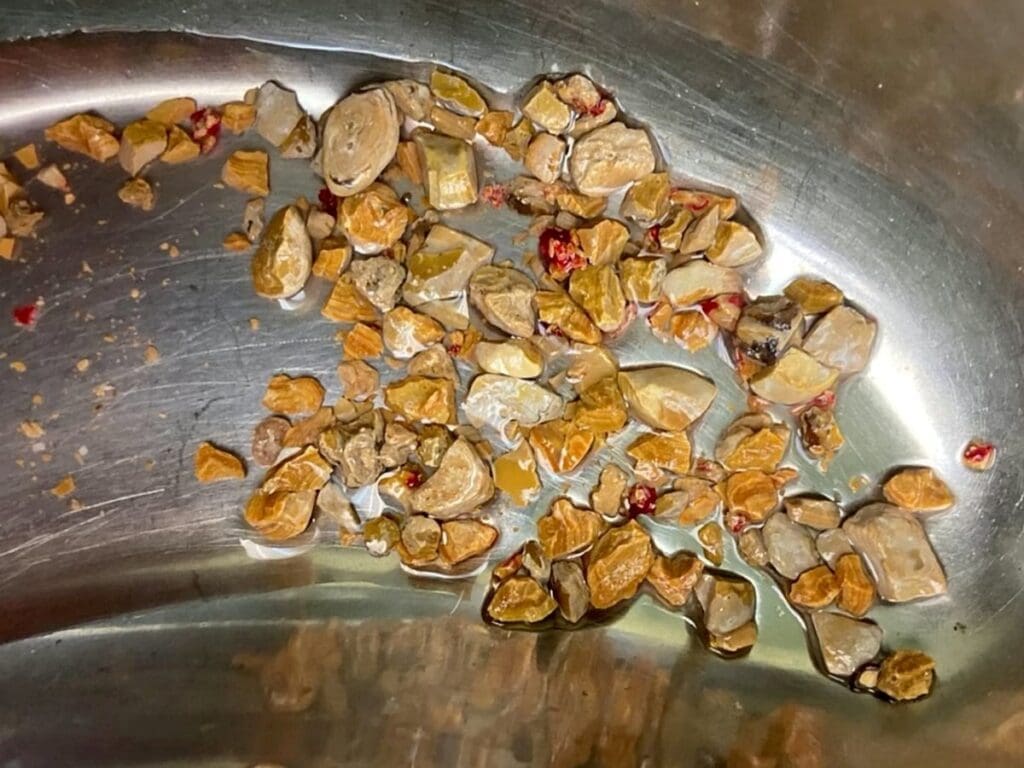
Discovering you have a kidney stone can be scary. But knowing its size helps a lot. A 3mm kidney stone is tiny, about the size of a grain of rice or small pebble. Learn 3mm kidney stone size and if it will pass naturally.
At Liv Hospital, we use the latest tech and care with kindness. We know a 3mm stone is small. Most people with such stones can get better without big treatments.
Key Takeaways
- A 3mm kidney stone is small and likely to pass on its own.
- Knowing the stone’s size helps pick the right treatment.
- For small stones, doctors often suggest not doing much.
- Liv Hospital gives full care and support for kidney stone patients.
- We use advanced tech to help decide how to treat you.
Understanding Kidney Stones: The Basics
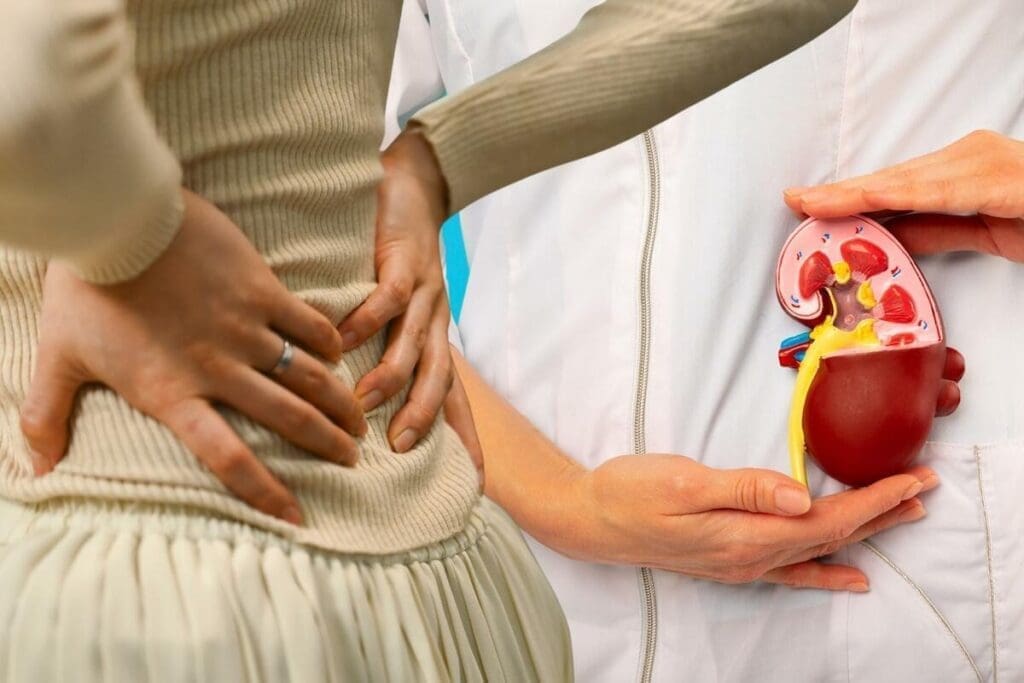
Kidney stones, also known as renal calculi, are small, hard mineral deposits. They form inside the kidneys when there’s an imbalance of water, salts, and other substances in the urine. This condition can cause severe pain and discomfort. Knowing the basics is key for managing and treating it effectively.
What Are Kidney Stones?
Kidney stones are solid masses of crystals that form in the urinary tract. They can be made of different materials, like calcium oxalate, uric acid, and cystine. Kidney stones can vary in size, from as small as a grain of sand to as big as a golf ball. A 3mm kidney stone is small and often passes on its own.
How Kidney Stones Form
The formation of kidney stones is complex and influenced by many factors. These include reduced urine flow, urinary tract infections, changes in urine pH, and genetic predisposition. When the balance of water, salts, and other substances in the urine is disrupted, minerals can crystallize, forming stones. Eating too much sodium, oxalate, or animal protein can also increase the risk of getting kidney stones.
Common Types of Kidney Stones
There are several types of kidney stones, each with different compositions and causes. The most common types include:
- Calcium stones: Usually in the form of calcium oxalate, these are the most common type of kidney stone.
- Uric acid stones: Often associated with diet and metabolic disorders.
- Cystine stones: Rare and typically occur in people with a genetic disorder that causes cystine to leak through the kidneys.
- Struvite stones: Usually result from a urinary tract infection.
Knowing the type of kidney stone is important for choosing the right treatment and prevention strategies. Studies show that 3mm kidney stones have a good chance of passing naturally. This highlights the importance of staying hydrated and keeping an eye on them.
3mm Kidney Stone Size: A Detailed Perspective
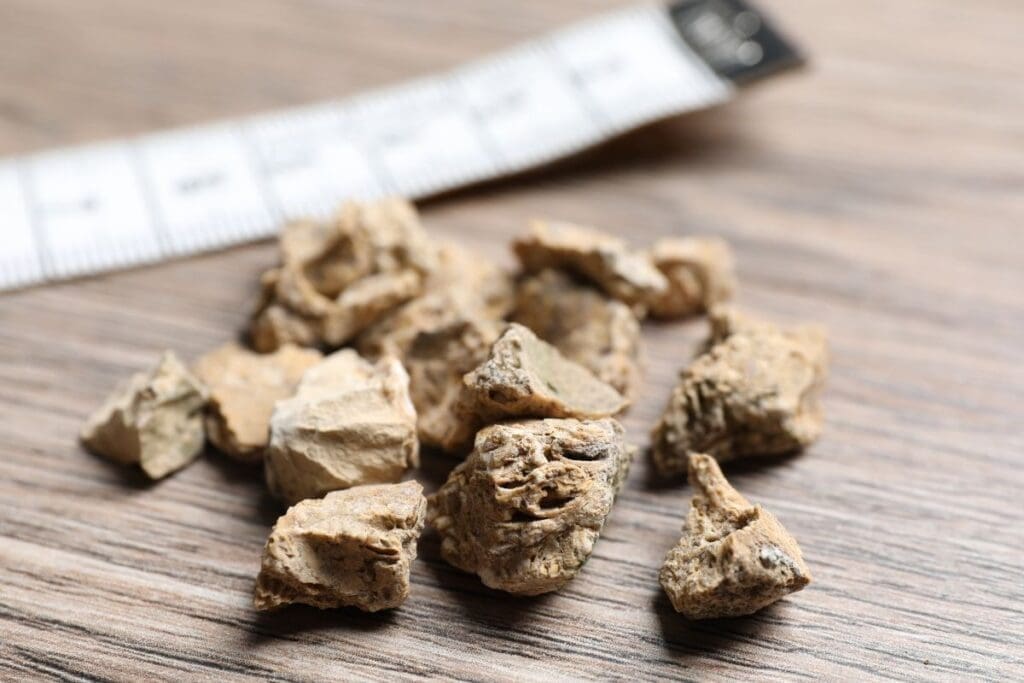
Visualizing a 3mm kidney stone helps us grasp its size. It’s about the size of a grain of rice or a small pebble. This makes it easier to understand how tiny it is.
The size of a kidney stone affects how easily it can move through the urinary tract. Smaller stones are more likely to pass on their own without needing medical help.
Visual Comparisons for Understanding
Let’s look at some comparisons to get a better idea of a 3mm kidney stone’s size:
- A grain of rice: This is a common comparison for a 3mm kidney stone, as it’s small and easily relatable.
- A small pebble: This gives a slightly more textured understanding, as pebbles can vary in shape and smoothness.
- The tip of a pencil lead: Some might find it helpful to compare it to the tip of a pencil lead, which is roughly the same size.
Anatomical Considerations for a 3mm Stone
From an anatomical perspective, a 3mm kidney stone is small. The urinary tract is designed to handle small objects like stones. But, how easily a stone passes depends on its size, shape, and the person’s anatomy.
| Stone Size | Likelihood of Passing Naturally | Typical Symptoms |
| 1-3 mm | High | Mild to moderate pain |
| 4-6 mm | Moderate | Moderate to severe pain |
| 7 mm or larger | Low | Severe pain, possibly requiring medical intervention |
The table shows a 3mm stone has a good chance of passing naturally. But, it’s important to watch symptoms and get medical help if they get worse or if complications arise.
“The size of the kidney stone is a key factor in treatment. Smaller stones, like those 3mm, are more likely to pass on their own.”
— Medical Expert, Urologist
In conclusion, knowing the size of a 3mm kidney stone helps us understand if it can pass naturally and how much medical attention it might need. By looking at visual comparisons and considering anatomy, we can better understand what a stone of this size means.
Will a 3mm Kidney Stone Pass Naturally?
A 3mm kidney stone might pass on its own, but many things can change this. We’ll look at how likely it is for a 3mm stone to pass naturally. We’ll also talk about what can make it more or less likely.
Statistical Passage Rates
Studies show that stones smaller than 4 mm often pass naturally. About 80% of 3mm stones go away within 31 days. This good news is for people with small stones.
Key statistics to consider:
- 80-90% passage rate for stones under 4 mm
- Average passage time: 31 days for 3mm stones
Factors Affecting Natural Passage
Size is important, but it’s not the only thing. Other things can also affect a 3mm stone’s journey:
- Hydration levels: Drinking enough water helps the stone move.
- Urinary tract anatomy: The shape and size of the tract matter.
- Stone composition: The type of stone affects its passing chances.
- Patient’s overall health: Some health issues can impact the urinary system.
Knowing these factors helps both patients and doctors decide how to handle 3mm kidney stones.
Timeline: How Long Does It Take for a 3mm Kidney Stone to Pass?
Knowing how long it takes for a 3mm kidney stone to pass is key. It helps set realistic expectations for patients. Doctors use certain guidelines to help patients understand this.
Average Passage Time for 3mm Stones
Research shows that small kidney stones, like 3mm ones, often pass on their own. A 98% spontaneous passage rate within 20 weeks has been observed in studies. This means most people with 3mm stones can pass them naturally in a short time.
Drinking lots of water is a common advice for treating 3mm kidney stones. Increased fluid intake is associated with a higher likelihood of spontaneous stone passage. We tell patients to drink enough to keep their urine clear or pale yellow.
What to Expect During the Waiting Period
While waiting, patients might feel some discomfort or pain as the stone moves. Pain management strategies and hydration practices are key. We suggest patients stay hydrated and follow their doctor’s pain advice.
“The key to managing the passage of a kidney stone is patience and proper hydration.”
It’s important for patients to watch their symptoms and get help if they have severe pain, fever, or other concerns. We’re here to support our patients, giving them guidance and care as needed.
Symptoms Associated with Passing a 3mm Kidney Stone
When a 3mm kidney stone starts to pass, it can cause a lot of discomfort. We’ll look at these symptoms closely. This will help you know what to expect.
Common Symptoms During Passage
A 3mm kidney stone moving through the urinary tract can cause several symptoms. You might feel sharp pain in your lower back or abdomen. This pain can be very severe and is often described as extremely painful.
You might also see blood in your urine, known as hematuria. Feeling nauseous or vomiting can happen if the stone gets stuck.
When Symptoms Indicate Complications
While many 3mm kidney stones pass without problems, some symptoms can mean trouble. Look out for intense pain that doesn’t go away, fever, chills, or trouble urinating. If you notice any of these, you should see a doctor right away.
Here’s a summary of common symptoms and possible complications in a table:
| Symptom | Description | Potential Complication |
| Sharp pain in lower back or abdomen | Severe pain as the stone moves | Possible obstruction |
| Blood in urine (Hematuria) | Presence of blood due to stone irritation | Infection or damage to urinary tract |
| Nausea and vomiting | Associated with pain and possible obstruction | Dehydration, electrolyte imbalance |
| Fever and chills | Signs of infection | Severe infection (sepsis) |
Conservative Treatment Options for 3mm Kidney Stones
For 3mm kidney stones, the first step is often to try conservative treatments. We’ll look at these options closely. They help manage symptoms and aid in passing the stone.
Fluid Intake Recommendations
Drinking more water is key in treating 3mm kidney stones. It’s advised to drink 2-3 liters of water each day. Adequate hydration aids in passing the stone and lowers the chance of new stones forming.
Pain Management Strategies
Managing pain is also vital in conservative treatment. Over-the-counter pain meds are often suggested to ease discomfort. Sometimes, stronger pain relief is needed.
Alpha-Blocker Medications
Alpha-blocker meds help relax the ureter muscles. This makes it easier for the stone to pass. They’re useful for larger stones but can also help with 3mm stones causing a lot of pain.
By using more water, managing pain, and possibly alpha-blocker meds, many can pass their 3mm kidney stones. This avoids the need for more serious treatments.
Medical Interventions: When Is Treatment Necessary for a 3mm Kidney Stone?
A 3mm kidney stone is small, but sometimes it needs medical help. We know talking about treatment can be scary. But, it’s important to know when you need it to avoid problems and feel better.
Indications for Medical Intervention
Most 3mm kidney stones go away on their own. But, some might need medical help. You should see a doctor if you have:
- Severe pain that can’t be controlled with regular pain meds
- Persistent nausea and vomiting
- Signs of infection, like fever or chills
- Blood in your urine
- Difficulty urinating
These signs might mean the stone is causing trouble or not moving. Our doctors will check you and decide what to do next.
Treatment Procedures for Small Kidney Stones
When you need medical help, there are a few options for small stones. The right treatment depends on the stone’s size, where it is, and your health.
| Treatment Option | Description | Typical Use |
| Watchful Waiting | Monitoring the stone with regular imaging to see if it passes naturally | Small stones with minimal symptoms |
| Extracorporeal Shock Wave Lithotripsy (ESWL) | A non-invasive procedure that uses shock waves to break the stone into smaller pieces | Stones that are too large to pass naturally or are causing significant symptoms |
| Ureteroscopy | A minimally invasive procedure where a small scope is used to remove the stone or break it up with laser energy | Stones that are lodged in the ureter or are causing significant obstruction |
Talking to your doctor about these options is key. They will help find the best treatment for you. We want to give you the best care and support during your treatment.
Comparing 3mm and Larger Kidney Stones
It’s important to know the difference between a 3mm kidney stone and bigger ones. The size of a stone decides how it will be treated. Bigger stones usually need more serious treatments.
3mm vs. 5mm Kidney Stones
A 3mm stone is a bit smaller than a 5mm one. But, even a small difference can affect how easy it is to pass. A 5mm stone might take longer to pass and could hurt more.
Stones up to 5mm often pass on their own. But, the bigger the stone, the harder it is for the body to pass it. Knowing this helps in planning the right treatment.
3mm vs. 3cm (30mm) Kidney Stones
A 3cm stone is much bigger than a 3mm one. It’s as big as a large grape or a small egg. This size makes it hard for the body to pass it naturally.
For a 3cm stone, doctors usually use shockwave lithotripsy or surgery. This is because of its size and the risks it poses.
The Stone Size Spectrum
Kidney stones come in all sizes. Knowing where a stone fits in this range is key to choosing the right treatment. Small stones might pass on their own, while big ones need medical help.
Doctors compare stone sizes to guide patients. This helps manage what to expect and choose the best treatment. It’s all about getting the best results for the patient.
Prevention Strategies: Avoiding Future 3mm Kidney Stones
To avoid getting kidney stones again, it’s key to follow a good prevention plan. This includes what you eat, how much you drink, and your lifestyle. By doing these things, you can lower your chance of getting new stones.
Dietary Modifications
Your diet is very important in preventing kidney stones. Lowering sodium intake is a must because too much sodium can lead to more calcium in your urine. This can increase your risk of getting stones. It’s also good to cut down on foods high in oxalate, like spinach and beets, if you’re at risk for calcium oxalate stones.
- Eat more citrate-rich foods like lemons and oranges. Citrate helps prevent stones from forming.
- Add calcium-rich foods to your diet. They help bind oxalate in your intestine, which lowers stone risk.
- Don’t eat too much animal protein. It can raise your risk of uric acid and calcium stones.
Hydration Practices
Drinking enough water is a top way to prevent kidney stones. Water helps dilute urine substances that can cause stones. Aim to drink 8-10 glasses of water a day. Drink more if you’re active or live in a hot place.
- Check your urine color. It should be light yellow or clear if you’re drinking enough water.
- Drink more water if you’ve had stones before.
Lifestyle Changes
Changing your lifestyle can also help prevent kidney stones. Keeping a healthy weight and staying active can lower your risk. It’s also key to manage health issues like high blood pressure and diabetes, as they can up your stone risk.
- Don’t take too much vitamin C and D. They can increase your risk of stones.
- Avoid long periods of sitting. It can raise your risk of getting stones.
By making these changes part of your daily life, you can greatly lower your risk of getting kidney stones again. Always talk to a healthcare provider to make sure these steps fit your needs.
When to Seek Medical Attention for a 3mm Kidney Stone
Knowing when to get medical help for a 3mm kidney stone is key. Many small stones pass easily, but some symptoms mean you need to see a doctor right away.
Warning Signs That Require Immediate Care
If you notice any of these, seek medical attention immediately:
- Severe pain that doesn’t subside
- Fever or chills, which may indicate an infection
- Difficulty urinating or a significant decrease in urine output
- Blood in your urine
- Nausea or vomiting that prevents you from keeping down fluids
These symptoms can signal complications such as infection or obstruction, which need quick medical help. If you’re not sure about your symptoms, it’s better to be safe and talk to your doctor.
Follow-up Care After Passing a Stone
After passing a 3mm kidney stone, follow-up care is essential to check for any remaining fragments or complications. Your healthcare provider may suggest:
- A follow-up appointment to check for any residual stone fragments
- Imaging tests to verify that the stone has passed completely
- Dietary adjustments to reduce the risk of future stones
This is also a chance to talk about any worries or questions you have about your condition or treatment.
Questions to Ask Your Healthcare Provider
When talking to your healthcare provider about a 3mm kidney stone, consider asking:
- What are the chances that the stone will pass on its own?
- What pain management options are available to me?
- Are there any specific dietary changes I should make to prevent future stones?
- How can I manage symptoms while waiting for the stone to pass?
Being informed and proactive about your care can make a big difference in your experience and results.
Conclusion: Managing Your 3mm Kidney Stone Journey
Knowing about a 3mm kidney stone is key to handling it well. Most people with 3mm kidney stones can get better with the right care. We’ve covered the size, how they pass, symptoms, and treatment choices.
To manage kidney stones well, you need both simple steps and medical help. For a 3mm stone, management often means drinking lots of water, controlling pain, and using alpha-blocker meds to help the stone move.
At times, kidney stone treatment is needed to make sure the stone goes away safely. Knowing your treatment options and how to prevent stones can help you manage your condition better.
By using the right strategies and getting medical help when needed, you can handle your 3mm kidney stone journey. This helps keep your kidneys healthy.
FAQ
How big is a 3mm kidney stone?
A 3mm kidney stone is quite small, measuring 3 millimeters in diameter. It’s about the size of a grain of sand or a small sesame seed.
Will a 3mm kidney stone pass naturally?
Yes, a 3mm kidney stone usually passes on its own. Most stones this size can move out without needing medical help. But, staying hydrated and managing symptoms is key.
How long does it take for a 3mm kidney stone to pass?
The time it takes for a 3mm kidney stone to pass varies. It can take a few days to a few weeks. Hydration, health, and the stone’s location play a role.
What are the symptoms of passing a 3mm kidney stone?
Common symptoms include severe pain, nausea, vomiting, and possibly blood in the urine. If you have these symptoms, seek medical help if they get worse or if you’re worried.
Can I prevent future 3mm kidney stones?
Yes, you can lower the risk of new stones by making dietary changes, staying hydrated, and living a healthy lifestyle. Talk to your healthcare provider for advice tailored to you.
When should I seek medical attention for a 3mm kidney stone?
Get immediate medical care for severe pain, trouble urinating, fever, or if you’re worried about your symptoms. It’s also important to follow up after passing a stone.
How does a 3mm kidney stone compare to larger stones?
A 3mm kidney stone is small and often passes naturally. But, larger stones, like those 3cm, might need more treatment.
What are the treatment options for a 3mm kidney stone?
For 3mm kidney stones, treatment often includes drinking lots of fluids and managing pain. Sometimes, alpha-blocker medications are used to help the stone pass.
Is a 3mm kidney stone considered large?
No, a 3mm kidney stone is considered small. The size of the stone helps decide how it should be treated.
Can a 3mm stone in the kidney cause complications?
Even though a 3mm kidney stone is small, it can cause problems if it gets stuck or if symptoms are severe. It’s important to watch your condition and get medical help if you have concerns.
References
National Center for Biotechnology Information. (2025). How Big Is a 3mm Kidney Stone and. Retrieved from https://pubmed.ncbi.nlm.nih.gov/15645890/