Last Updated on November 27, 2025 by Bilal Hasdemir
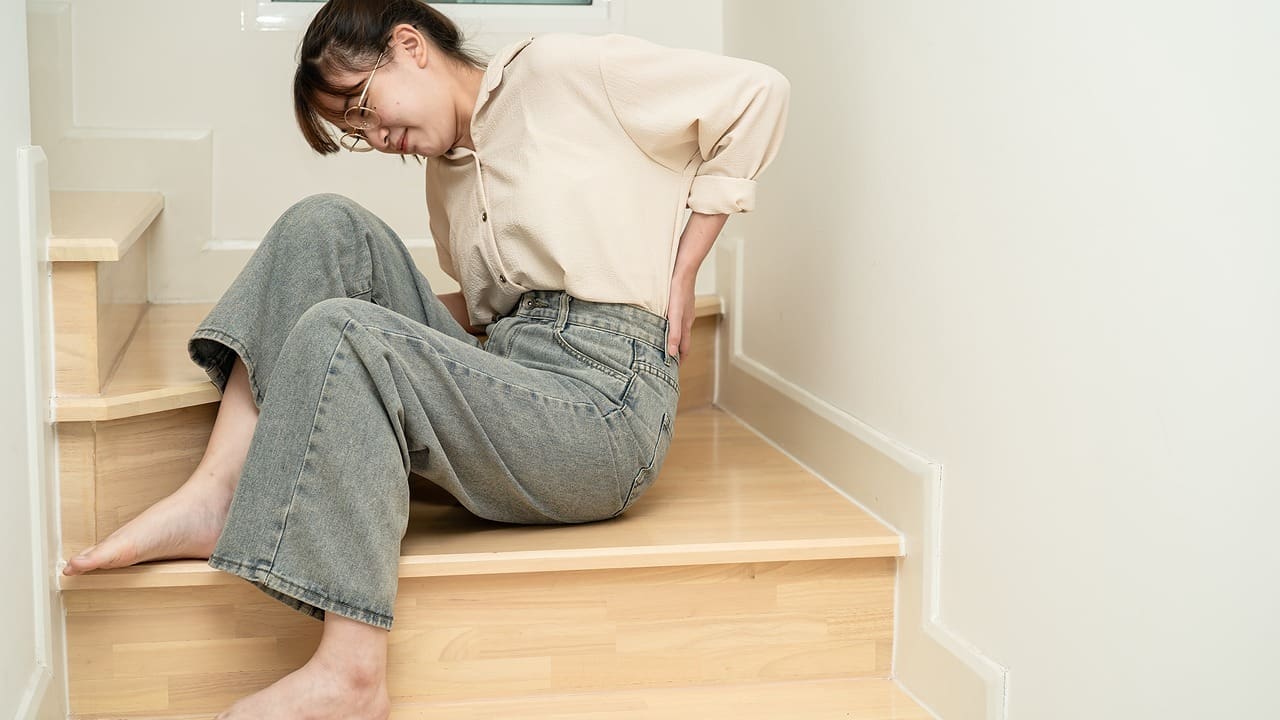
Knowing how disc herniation gets worse is key to catching it early and treating it right. At Liv Hospital, we stress the need to spot the signs of each stage of disc herniation.
Disc herniation is a common spinal issue that can lead to a lot of pain. It goes through clear stages, each with its own symptoms. We help our patients understand their spinal health journey, giving them top-notch care that meets international standards.
Recent studies show how important it is to act fast to avoid serious problems later. By knowing the herniation stages, patients can get help quickly. This ensures they get the best treatment possible.
Key Takeaways
- Disc herniation progresses through four distinct stages.
- Early recognition of symptoms is vital for effective treatment.
- Liv Hospital provides advanced care for spinal health conditions.
- Understanding the stages of disc herniation helps prevent long-term complications.
- Timely medical intervention is key for the best results.
Understanding Spinal Disc Anatomy and Function
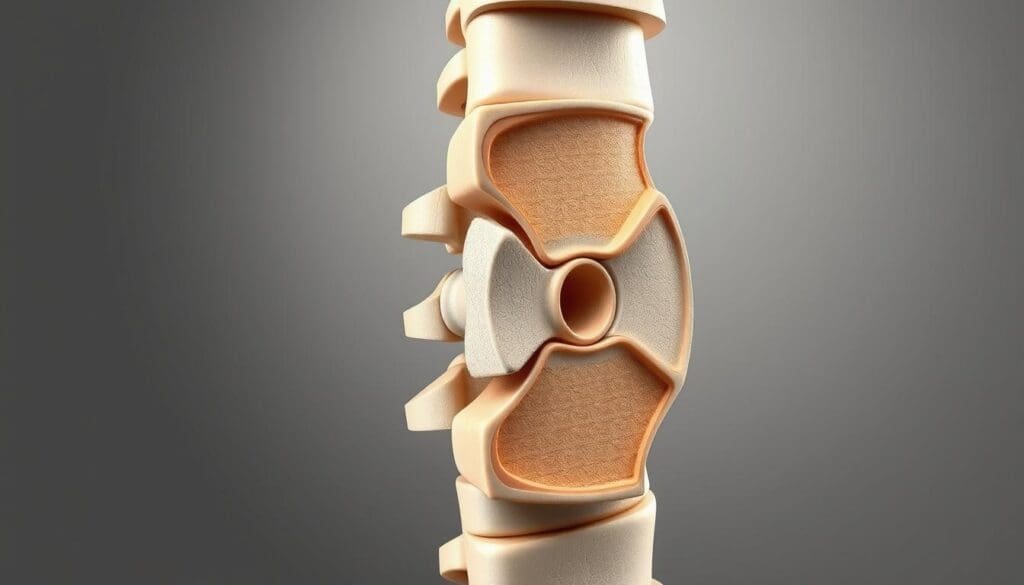
To understand disc herniation, we must first know about spinal discs. These discs are between our vertebrae. They help us move and absorb shock.
Normal Disc Structure and Composition
A spinal disc has two main parts: the nucleus pulposus and the annulus fibrosus. The nucleus pulposus is soft and gel-like. The annulus fibrosus is tougher and on the outside. This setup helps the disc absorb shock and move our spine.
How Discs Support Movement and Absorb Shock
Spinal discs let our spine bend, twist, and extend. They act as shock absorbers, spreading out forces during daily activities. Healthy discs keep our spine flexible and prevent wear on vertebrae.
Early Warning Signs of Disc Problems
Early signs of disc trouble include changes in height and signal intensity. You might also see bulges or herniations. These signs can cause pain and limit movement. Spotting them early can stop further damage.
| Disc Component | Function | Impact of Damage |
|---|---|---|
| Nucleus Pulposus | Shock absorption | Loss of shock absorption capability |
| Annulus Fibrosus | Structural support | Tears or fissures leading to herniation |
The 4 Stages of Disc Herniation: Complete Breakdown
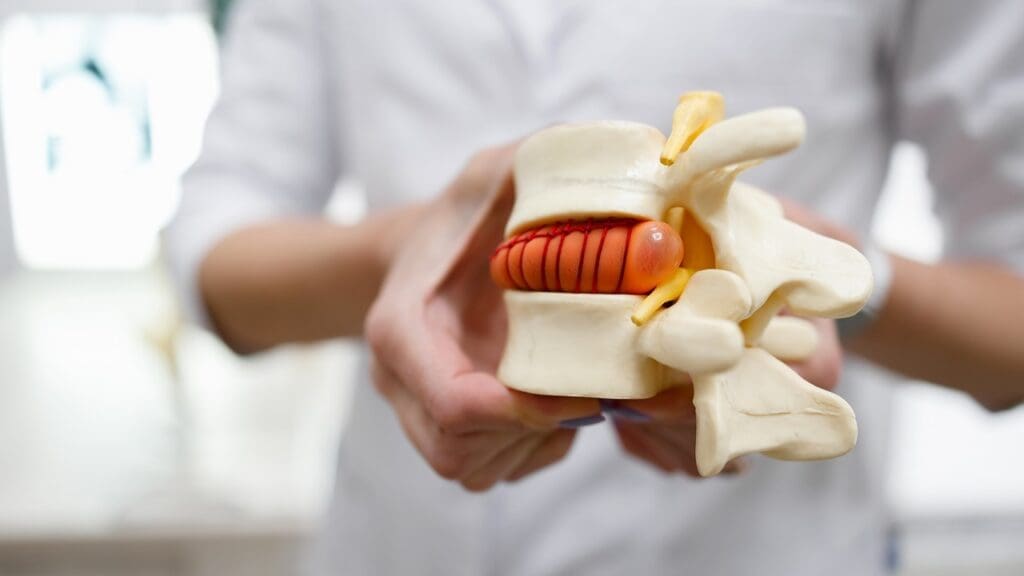
Knowing how disc herniation progresses is key for good treatment and avoiding more problems. This condition goes through four stages: degeneration, prolapse, extrusion, and sequestration. Each stage has its own signs, symptoms, and treatment needs.
How Herniation Develops and Progresses
It usually starts with disc degeneration, where the disc loses height and can’t absorb shock as well. As it gets worse, the disc may prolapse or bulge, pressing on nerves. In severe cases, the disc can extrude, with the nucleus breaking through, or even sequester, where the nucleus separates from the disc.
Diagnostic Methods for Identifying Stages
Getting a correct diagnosis is vital for knowing the herniation stage. MRI and CT scans are used to see the disc and tissues clearly. These tests help doctors figure out the herniation stage and any nerve issues.
Why Stage Identification Matters for Treatment
Knowing the herniation stage is important for choosing the right treatment. Early stages might be treated with conservative methods like physical therapy and pain relief. But, more serious stages might need interventional procedures or surgery. Understanding the stage helps doctors create a treatment plan that meets the patient’s needs.
Stage 1: Disc Degeneration – The Beginning Phase
Understanding disc degeneration is key. It’s the first step towards disc herniation. It shows changes in disc height and signal intensity.
Recognizing Early Degeneration Symptoms
Early signs of degeneration are often mild. They might show as back pain or stiffness. It’s vital to catch these signs early to stop it from getting worse. Symptoms can include:
- Mild back pain that gets worse with activity
- Stiffness in the morning that gets better as the day goes on
- Less flexibility in the spine
Imaging Findings and Clinical Presentation
Imaging studies, like MRI, are key in spotting disc degeneration. These images show changes in disc height and signal intensity, signs of degeneration. How symptoms show can vary, with some feeling a lot of pain and others not feeling anything.
| Imaging Findings | Clinical Presentation |
|---|---|
| Reduced disc height | Mild to moderate back pain |
| Changes in signal intensity | Stiffness and reduced flexibility |
| Disc bulging or protrusion | Possible radiating pain or neurological symptoms |
Lifestyle Modifications to Slow Progression
Changing your lifestyle can slow down disc degeneration. Keeping a healthy weight, exercising, and good posture are important. Also, not smoking and managing stress can help slow it down.
By catching disc degeneration early, you can take steps to keep your spine healthy. This might help prevent more serious problems with disc herniation.
Stage 2: Disc Prolapse – The Bulging Phase
As we move to the second stage of disc herniation, we see disc prolapse. This is when the nucleus pulposus pushes against the annulus. It causes discomfort and neurological issues. The disc starts to bulge beyond its normal size, which can irritate nearby nerves.
Distinguishing Features of Prolapsed Discs
A prolapsed disc happens when the nucleus pulposus presses on the annulus fibrosus. This pressure makes the disc bulge. It can compress or irritate nerves nearby. The bulging is a key sign of a prolapsed disc, setting it apart from earlier stages of disc wear.
The bulging can be either contained or non-contained. The non-contained type is more severe. It has a higher risk of further herniation.
Pain Patterns and Neurological Symptoms
Pain from disc prolapse can vary a lot. People often feel pain in the back that spreads to the legs or arms. This depends on where the prolapsed disc is. Symptoms can also include numbness, tingling, or weakness in the limbs due to nerve issues.
“The pain from disc prolapse can be very bad. It affects not just the back but also other areas. This makes everyday tasks hard.”
Conservative Treatment Approaches
For disc prolapse, treatment aims to ease pain and stop it from getting worse. This might include physical therapy to strengthen the spine muscles. It also includes pain management with medicine and making lifestyle changes like better posture and gentle exercise.
- Physical therapy to improve spinal stability
- Pain management through medication or injections
- Lifestyle changes to reduce strain on the spine
Understanding disc prolapse and using the right treatments can help manage symptoms. This might prevent the need for more serious procedures.
Stage 3: Disc Extrusion – When the Nucleus Breaks Through
The third stage of disc herniation is called disc extrusion. It happens when the nucleus goes through the annulus. This makes the condition worse, causing a lot of pain and nerve compression. We will look at the symptoms, how it’s diagnosed, and treatment options.
Characteristic Symptoms and Nerve Compression
Disc extrusion leads to nerve compression and a lot of pain. People often feel pain that spreads, numbness, and weakness in their limbs. How bad the symptoms are depends on where and how much the disc is herniated.
Diagnostic Criteria on MRI and CT Scans
Imaging tests are key in finding disc extrusion. MRI and CT scans help see how bad the herniation and nerve compression are. MRI shows soft tissues well, while CT scans show bones clearly.
| Diagnostic Modality | Key Features in Disc Extrusion |
|---|---|
| MRI | Visualizes the herniated nucleus and nerve compression |
| CT Scan | Provides detailed images of bony structures and foraminal narrowing |
Interventional Treatment Options
When other treatments don’t work, interventional treatment is considered. This might include epidural steroid injections to lessen pain and inflammation. Or, it could be minimally invasive procedures to ease nerve pressure.
Knowing the symptoms and how disc extrusion is diagnosed is key to picking the right treatment. By tackling the root cause of pain and nerve compression, we can help patients feel better and live better lives.
Stage 4: Disc Sequestration – The Most Severe Stage
Disc sequestration is the most severe stage of disc herniation. It comes with serious neurological symptoms and might need surgery. This stage happens when the annulus fibrosus completely ruptures. The nucleus pulposus then breaks off and moves away from the disc space.
Acute Neurological Manifestations
People with disc sequestration face acute neurological symptoms. These symptoms come from nerves being compressed or irritated. Symptoms include:
- Severe pain radiating to the arms or legs
- Muscle weakness or paralysis
- Numbness or tingling sensations
- Bowel or bladder dysfunction in severe cases
Emergency Warning Signs to Never Ignore
Some symptoms are medical emergencies that need immediate help. These include:
- Sudden onset of severe pain
- Progressive weakness or paralysis
- Loss of bladder or bowel control
- Numbness or tingling in the genital area
If you see these symptoms, get medical help right away.
Surgical Considerations and Outcomes
Surgery is often needed for disc sequestration. It aims to relieve nerve pressure and prevent more damage. The surgery’s goal is to remove the sequestered disc and stabilize the spine. The success of surgery depends on the condition’s severity and how quickly it’s treated.
Understanding disc sequestration is key to effective treatment. Quick medical action can greatly improve a patient’s outcome.
Symptom Progression Across Herniation Stages
It’s important to know how symptoms change with disc herniation stages. This helps doctors diagnose and treat better. As the condition gets worse, symptoms can shift, affecting life quality and treatment plans.
From Localized Pain to Radiating Symptoms
In the early stages, pain is mainly in the spine area. This is because the disc is degenerating or bulging, irritating nerves. When it gets worse, like in disc extrusion or sequestration, pain spreads to other areas. It follows the nerve path, causing discomfort in arms or legs.
- Localized Pain: Pain starts in the area around the herniated disc.
- Radiating Symptoms: As it gets worse, pain spreads along the nerve, causing arm or leg discomfort.
Neurological Changes and Functional Limitations
As disc herniation worsens, nerve compression or irritation increases. This can lead to numbness, tingling, or weakness in limbs. It also makes daily tasks harder for the patient.
Some common changes include:
- Numbness or tingling in limbs
- Muscle weakness, which can reduce mobility
- Reflex changes, showing nerve root compression
Red Flags Indicating Serious Complications
Some symptoms mean serious problems with disc herniation and need quick medical help. These include sudden severe pain, big neurological problems, or signs of cauda equina syndrome like bladder or bowel issues.
If you notice any of these, get medical help right away:
- Sudden severe pain or neurological symptoms
- Loss of bladder or bowel control
- Progressive weakness in the legs
What Causes Disc Herniation: Risk Factors and Prevention
Disc herniation comes from several factors like degeneration, trauma, and genetics. Knowing these causes helps in preventing and treating the issue.
Age-Related Degeneration Processes
As we get older, our spinal discs naturally degenerate. They lose water and become less flexible. This makes us more likely to get a disc herniation. Age-related degeneration is a big factor because our discs can’t absorb shock as well as they used to.
Trauma and Repetitive Strain Injuries
Events like falls or car accidents can hurt the spinal discs right away, causing herniation. Also, repetitive strain injuries from heavy lifting or bending can weaken the discs over time, raising the risk of herniation.
Genetic Factors and Predisposition
Genetics can also play a big part in disc herniation. People with a family history of back problems might be more likely to have disc issues. This is because inherited traits can affect how healthy the discs are.
Preventive Strategies for High-Risk Individuals
For those at higher risk, there are steps to take to lower the chance of disc herniation. Keeping a healthy weight, exercising regularly, and lifting correctly are all important.
| Preventive Measure | Benefit |
|---|---|
| Maintaining a healthy weight | Reduces pressure on spinal discs |
| Regular exercise | Strengthens back muscles and improves flexibility |
| Proper lifting techniques | Minimizes strain on spinal discs |
By knowing the causes and risk factors of disc herniation, we can take steps to protect our spinal health.
Conclusion: Managing Your Spinal Health
Keeping your spinal health in check is key to avoiding disc herniation and its problems. We’ve talked about the four stages of disc herniation and why knowing the symptoms and how they progress is important. A healthy lifestyle, with regular exercise and a balanced diet, can greatly lower your risk of disc herniation.
Good posture and avoiding injuries from repetitive strain are also vital. We suggest doing exercises that strengthen your back and improve flexibility. Taking care of your spinal health can help prevent disc herniation and keep your spine working well.
Managing your spinal health well means making lifestyle changes and sometimes getting medical help. By focusing on your spinal health, you can live better and avoid the complications that come with disc herniation.
FAQ
What are the four stages of disc herniation?
The stages are degeneration, prolapse, extrusion, and sequestration. Knowing these stages helps in treating and managing the condition effectively.
What causes disc herniation?
Causes include age, trauma, repetitive strain, and genetics. Finding the cause is key to treatment.
What are the symptoms of disc herniation?
Symptoms range from pain to neurological changes. The severity depends on the herniation stage.
How is disc herniation diagnosed?
MRI and CT scans are used for diagnosis. They show the herniation’s stage and severity.
What are the treatment options for disc herniation?
Treatments vary by stage and severity. Options include lifestyle changes and physical therapy for mild cases. Severe cases might need surgery.
Can disc herniation be prevented?
Some risks can’t be avoided, but preventive measures help. These include maintaining a healthy weight and exercising regularly.
What is disc degeneration, and how can it be slowed?
It’s the first stage, caused by wear and tear. Slowing it down involves regular exercise and a balanced diet.
What are the distinguishing features of disc prolapse?
It’s the second stage, where the disc bulges. This can cause pain and neurological symptoms. Conservative treatments often help manage symptoms.
When does disc herniation require surgical intervention?
Surgery is considered when conservative treatments fail. Severe cases, like disc sequestration, often need surgery.
How can I manage my spinal health to prevent disc herniation?
Keep your spine healthy with exercise, proper posture, and a balanced diet. Regular health check-ups are also important.
References
- NCBI Bookshelf : https://www.ncbi.nlm.nih.gov/books/NBK441822