Last Updated on November 27, 2025 by Bilal Hasdemir
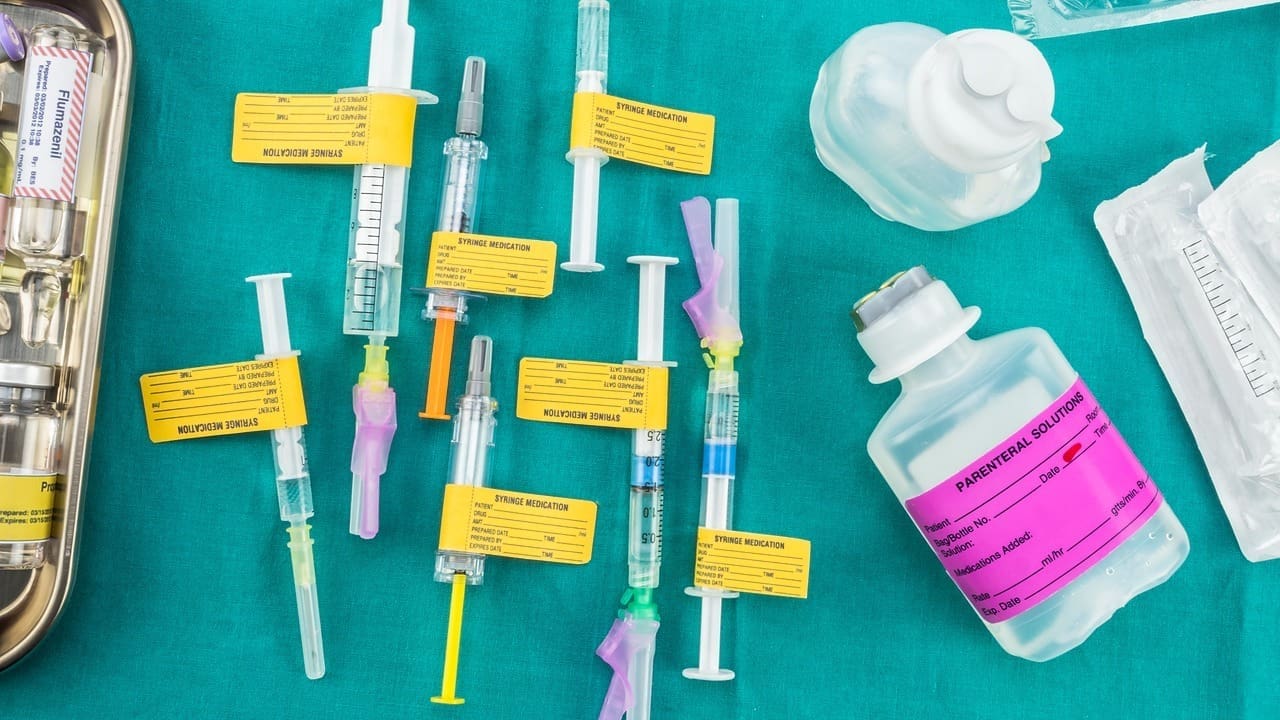
We are on the brink of a major breakthrough in fighting cancer with cancer vaccines. These vaccines prevent millions of cancers every year, giving hope to people all over the world. At Liv Hospital, we’re dedicated to top-notch healthcare and the latest in cancer prevention and treatment.
Cancer vaccines are changing oncology by opening up new ways to prevent and treat cancer. We’ll look at the four main cancer vaccines types. This includes preventive vaccines like HPV and hepatitis B, and therapeutic vaccines like Provenge and BCG. We’ll also cover personalized neoantigen vaccines and the new mRNA vaccines. These vaccines are showing great promise in trials and could help prevent and treat many cancers.
Key Takeaways
- Cancer vaccines are revolutionizing cancer prevention and treatment.
- Four main types of cancer vaccines are being explored for their potential.
- Preventive vaccines like HPV and hepatitis B are key in cancer prevention.
- Therapeutic vaccines such as Provenge and BCG are showing promise in treatment.
- Emerging mRNA vaccines offer new hope for cancer patients.
The Revolutionary Role of Vaccines in Cancer Prevention and Treatment

Cancer vaccines are changing how we fight cancer. They use the body’s immune system to attack cancer cells. This can stop cancer from starting or help treat it by making the immune system stronger.
How Cancer Vaccines Mobilize the Immune System
Cancer vaccines get the immune system to fight cancer cells. They introduce antigens, which start an immune response. This helps the body find and kill cancer cells before they cause problems.
The Growing Impact of Immunization for Cancer
Cancer vaccines are making a big difference in health. New vaccines and treatments are changing how we prevent and treat cancer. For example, HPV and hepatitis B vaccines have cut down on cervical and liver cancers.
As research keeps improving, cancer vaccines could greatly reduce cancer rates. This is very hopeful for the future.
| Vaccine | Cancer Type | Impact |
|---|---|---|
| HPV Vaccine | Cervical Cancer | Reduces incidence by up to 90% |
| Hepatitis B Vaccine | Liver Cancer | Reduces incidence by up to 85% |
What Are the 4 Types of Cancer Vaccines?

Cancer vaccines have changed the way we fight cancer. They offer new ways to prevent and treat the disease. It’s important to know about the different types of vaccines available.
Classification of Cancer Prevention and Treatment Vaccines
The main types of cancer vaccines are preventive, therapeutic, personalized neoantigen, and mRNA vaccines. Preventive vaccines like HPV and hepatitis B vaccines help prevent cancer. They protect against infections that can cause cancer. Therapeutic vaccines, such as Provenge and BCG, help the immune system fight cancer.
- Preventive vaccines (e.g., HPV, hepatitis B)
- Therapeutic vaccines (e.g., Provenge, BCG)
- Personalized neoantigen vaccines
- mRNA vaccines
How Cancer Shots Target Malignant Cells
Cancer shots work by getting the immune system to attack cancer cells. Personalized neoantigen vaccines and mRNA vaccines are new technologies. They are made for each patient’s needs. These vaccines teach the immune system to find and destroy cancer cells.
Knowing about the different cancer vaccines helps us see the progress in fighting cancer. These vaccines are a big hope for better patient care.
Preventive Cancer Vaccines: Injections to Prevent Cancer
Preventive cancer vaccines are a big step forward in fighting cancer. They offer injections that can lower the risk of getting certain cancers. These vaccines target viruses that can cause cancer, helping us prevent it before it starts.
There are many preventive cancer vaccines out there. Each one protects against different viruses that can lead to cancer. The HPV vaccine and the Hepatitis B vaccine are two of the most important ones.
HPV Vaccines: Shots That Prevent Cervical Cancer
The HPV vaccine is key in stopping cervical cancer. HPV is a common virus that can cause cervical and other cancers. By getting vaccinated against HPV, we can greatly lower the risk of these cancers.
Studies show that HPV vaccination can cut cervical cancer rates by over 80%. It’s recommended for both boys and girls, given in a series of shots.
- The HPV vaccine is recommended for both males and females, typically administered in a series of shots.
- It is most effective when given before exposure to HPV, so it’s best to get vaccinated at a young age.
- By preventing HPV infections, the vaccine not only reduces the risk of cervical cancer but also other cancers like anal, oropharyngeal, and genital cancers.
Hepatitis B Vaccines: Preventing Liver Cancer
The Hepatitis B vaccine is also very important. It protects against the Hepatitis B virus (HBV), which can cause liver cancer. Hepatitis B is a serious infection that can lead to liver disease and liver cancer.
The key benefits of the Hepatitis B vaccine include:
- Prevention of Hepatitis B infection, which is a major risk factor for liver cancer.
- Reduction in the incidence of liver cancer, mainly in areas with high Hepatitis B rates.
- Protection against chronic liver disease and its complications.
Both the HPV and Hepatitis B vaccines are vital in our fight against cancer. They offer a proactive and effective way to prevent certain cancers. By understanding and using these vaccines, we can make a big difference in reducing cancer worldwide.
Therapeutic Cancer Vaccines: Cancer Injection Treatments
Therapeutic cancer vaccines are changing how we fight cancer. They help the immune system find and destroy cancer cells. These vaccines aim to treat cancer that’s already there by boosting the body’s defenses.
We’re seeing a big change in cancer treatment with these vaccines. They’re not like vaccines that prevent cancer. Instead, they treat cancer that’s already there. They make the immune system better at fighting cancer cells.
Provenge: Cancer Shot for Prostate Cancer Patients
Provenge is a vaccine for advanced prostate cancer. It uses the patient’s own immune cells to attack prostate cancer cells. For more on how immunotherapy works, check out our page on immunotherapy.
Provenge has many benefits, including:
- It helps men with advanced prostate cancer live longer
- It’s a personalized treatment using the patient’s own cells
BCG: Therapeutic Vaccine for Bladder Cancer
BCG (Bacillus Calmette-Guérin) is a vaccine for early-stage bladder cancer. It’s put directly into the bladder to fight bladder cancer cells.
BCG therapy has many advantages, such as:
- It greatly lowers the chance of bladder cancer coming back
- It’s been used for decades and is proven to work
T-VEC: Immunotherapy Shots for Melanoma
T-VEC (Talimogene laherparepvec) is a treatment for certain melanomas. It’s an oncolytic virus that’s injected into tumors. There, it grows and makes the tumor cells burst, releasing antigens that boost the immune response against melanoma.
T-VEC has several benefits, including:
- It targets melanoma tumors directly
- It triggers a wider immune response against cancer
Personalized Neoantigen Vaccines: Customized Anti-Cancer Vaccines
Personalized neoantigen vaccines are changing how we fight cancer. They are made just for each patient. These vaccines aim at specific parts of cancer cells, helping the body’s immune system attack cancer better.
Development Process of Personalized Cancer Shots
Creating these vaccines starts with finding unique cancer markers in a patient’s cells. AI is key in picking the right markers for a strong immune response. Then, these markers are used to make a vaccine just for that person.
Precision is key in this step. The vaccine must hit cancer cells hard but not harm healthy ones.
Current Clinical Trials and Patient Outcomes
Studies on these vaccines are showing great hope. Patients are seeing smaller tumors and stronger immune systems.
“The advent of personalized neoantigen vaccines marks a significant milestone in cancer treatment, opening new therapy paths,”
As research keeps improving, these vaccines look very promising. They could lead to more effective and targeted cancer treatments in the future.
mRNA Cancer Vaccines: Next-Generation Cancer Immunization
The rise of mRNA cancer vaccines is changing the game in cancer treatment. It brings new hope to patients everywhere. Thanks to mRNA tech, we’re seeing a big change in how we fight cancer.
How mRNA Technology Revolutionizes Cancer Vaccination
mRNA cancer vaccines work by telling cells to make proteins that fight cancer. This method is quick and can be made just for each patient. Studies show these vaccines are promising for preventing and treating cancer biomarker research.
These vaccines are special because they can really get the immune system going. They also might work better when used with other treatments.
“The flexibility of mRNA technology allows us to quickly adapt to new cancer targets and develop novel therapies.” –
Breakthrough Research in mRNA Cancer Prevention
Scientists are working hard to make mRNA vaccines even better. They’ve made big strides in showing these vaccines can stop cancer in people at high risk. A study showed these vaccines can really get the immune system ready to fight cancer.
| mRNA Vaccine Characteristics | Benefits |
|---|---|
| Flexibility in design | Rapid adaptation to new cancer targets |
| Personalized approach | Tailored to individual patients’ needs |
| Strong immune response | Potential for improved treatment outcomes |
We’re excited about the future of mRNA cancer vaccines. With more research, they could be a big part of fighting cancer.
The Impact of Vaccines That Prevent Cancer: Statistics and Success Stories
Vaccines are a key weapon in the fight against cancer. They have shown great success in preventing some cancers. This is a big win for public health and for the lives of many individuals.
We are moving towards a future where some cancers might become rare. This is thanks to the power of vaccines.
HPV Vaccination: Reducing Cervical Cancer Rates by 80%
The HPV vaccine has changed the game in fighting cervical cancer. It has been shown to cut cervical cancer rates by over 80%. This is a huge win, as cervical cancer is a common cancer in women worldwide.
The vaccine targets the human papillomavirus, a major cause of cervical cancer.
Success with the HPV vaccine is clear in the numbers. Places with high vaccination rates have seen cervical cancer cases drop sharply. For example, in Australia, where many young women have been vaccinated, cervical cancer cases have fallen significantly.
Measuring the Effectiveness of Cancer Treatment Shots
Cancer vaccines are also used to treat cancer. We measure their success by looking at how well patients do. This includes how long they live and their quality of life.
Vaccines like Provenge for prostate cancer and T-VEC for melanoma have shown great promise. They help patients live longer and feel better.
| Cancer Type | Vaccine | Outcome |
|---|---|---|
| Prostate Cancer | Provenge | Improved Survival |
| Melanoma | T-VEC | Reduced Symptoms |
| Cervical Cancer | HPV Vaccine | 80% Reduction in Incidence |
These numbers and stories show the big impact of cancer vaccines. As research goes on and more vaccines are made, we’ll see even bigger changes in fighting cancer.
2024-2025 Innovations: Is There a Universal Vaccine for Cancer?
The search for a universal cancer vaccine is moving forward fast. New technologies and a better understanding of cancer are leading the way. These advancements are changing how we develop cancer vaccines.
AI-Enhanced Vaccine Development
Artificial intelligence (AI) is changing cancer vaccine development. AI algorithms look through huge amounts of genetic data. They find new targets for cancer vaccines. This AI-enhanced approach makes vaccines better and faster.
Advanced RNA-Based Manufacturing Techniques
RNA-based vaccines are showing great promise. New ways to make RNA vaccines are making them more efficient. This means we can make vaccines that fit each patient’s needs quickly.
Progress Toward Multi-Cancer Prevention Vaccines
Scientists are working on vaccines that can fight many cancers. These vaccines target common cancer markers. This could protect against many types of cancer. Key steps include:
- Identifying common cancer targets
- Creating vaccines that fight multiple cancers
- Testing these vaccines in clinical trials
Who Should Consider Cancer Vaccines: Guidelines and Recommendations
It’s important to know who should get cancer vaccines. These vaccines are not for everyone. They are recommended based on age, risk factors, and other factors.
Age-Specific Recommendations for Preventive Cancer Shots
Preventive cancer vaccines are for certain age groups. For example, HPV vaccination is recommended for adolescents and young adults, aged 11 to 26. This vaccine helps prevent cervical cancer and other HPV-related cancers. Hepatitis B vaccines are also recommended for newborns and those at high risk of infection.
- HPV vaccine for adolescents and young adults (11-26 years)
- Hepatitis B vaccine for newborns and high-risk individuals
Candidacy for Therapeutic Cancer Vaccination
Therapeutic cancer vaccines are for people already diagnosed with cancer. Who gets these vaccines depends on the cancer type and stage, and the patient’s health. For instance, Provenge is a therapeutic vaccine approved for advanced prostate cancer. BCG is used to treat early-stage bladder cancer.
Accessing Cancer Vaccines: How to Get Cancer Prevention and Treatment Shots
Cancer vaccines are getting better, and it’s key to know how to get them. They help prevent and treat cancer. But, getting them can be tricky.
Insurance Coverage and Cost Considerations
Insurance for cancer vaccines changes a lot. It depends on the vaccine, your insurance, and your situation. For example, the HPV vaccine is often covered for teens and young adults. But, treatment vaccines might not be covered as much.
It’s important to talk to your insurance about what’s covered. Costs can add up, so discuss payment plans with your doctor.
Finding Clinical Trials for Emerging Cancer Vaccines
Clinical trials are a big way to get new cancer vaccines. You can look up trials on ClinicalTrials.gov or the National Cancer Institute’s site. Also, ask your doctor about trials that might fit your needs.
Joining a trial can give you access to new treatments. It also helps cancer research move forward.
Conclusion: The Future of Cancer Prevention Through Vaccination
Cancer vaccines have changed the way we fight cancer. They offer new ways to prevent and treat it. At Liv Hospital, we’re dedicated to top-notch care, and vaccines are a big part of that.
The future of cancer prevention looks good. Research is making vaccines better. Vaccines like HPV and Hepatitis B are already helping prevent some cancers. mRNA and personalized vaccines are promising too.
We’re excited for the future of cancer care. With new vaccines, we hope to see better patient results and fewer cases of cancer. Our goal is to give patients the best treatments, including the latest vaccine technology.
FAQ
What are cancer vaccines and how do they work?
Cancer vaccines are a special kind of treatment that uses the body’s immune system to fight cancer. They help the immune system find and attack cancer cells.
Are there different types of cancer vaccines?
Yes, there are four main types of cancer vaccines. These include preventive vaccines, therapeutic vaccines, personalized neoantigen vaccines, and mRNA vaccines. Each type has its own way of helping prevent or treat cancer.
What are preventive cancer vaccines?
Preventive cancer vaccines, like HPV and hepatitis B vaccines, help prevent cancer by stopping infections that can cause it. They are very effective in stopping certain cancers.
What are therapeutic cancer vaccines?
Therapeutic cancer vaccines, such as Provenge and BCG, help the immune system fight cancer that already exists. They are a big step forward in cancer treatment, giving hope to many patients.
How are personalized neoantigen vaccines developed?
Personalized neoantigen vaccines are made by finding special proteins on a patient’s cancer cells. Then, a vaccine is created to target those proteins. This makes the vaccine fit each patient’s needs.
What is the role of mRNA technology in cancer vaccination?
mRNA cancer vaccines use messenger RNA to tell cells to make specific proteins. This triggers an immune response against cancer cells. This technology is changing how we make vaccines, making it faster and more flexible.
Who should consider cancer vaccines?
Who should get cancer vaccines depends on age, risk factors, and other things. It’s best to talk to a healthcare provider to see if a vaccine is right for you.
How can I access cancer vaccines?
Getting cancer vaccines involves looking at insurance, cost, and where they are available. Talk to your healthcare provider to understand how to get them and find out about new vaccines in clinical trials.
Are cancer vaccines suitable for everyone?
No, cancer vaccines aren’t for everyone. They are recommended based on individual factors. Your healthcare provider can tell you if a vaccine is right for you.
Is there a universal vaccine for cancer?
Researchers are working on a universal vaccine that can fight many types of cancer. But, it’s not ready yet. It’s in the experimental stages.
How effective are cancer vaccines in preventing cancer?
Cancer vaccines have been very effective in preventing some cancers, like cervical and liver cancer. They have made a big difference in public health.
Can cancer vaccines be used to treat existing cancer?
Yes, some cancer vaccines can treat cancer that already exists. They help the immune system fight cancer cells. They are a new way to treat cancer and have shown good results in trials.
References
- National Center for Biotechnology Information (NCBI) / PMC: https://pmc.ncbi.nlm.nih.gov/articles/PMC12153701/
- Cancer Research Institute (CRI): https://www.cancerresearch.org/immunotherapy-by-treatment-types/cancer-vaccines
- Worldwide Cancer Research: https://www.worldwidecancerresearch.org/news-and-press/news-and-press/new-type-of-cancer-vaccine-could-stop-cancers-before-they-come-back/