Last Updated on November 27, 2025 by Bilal Hasdemir
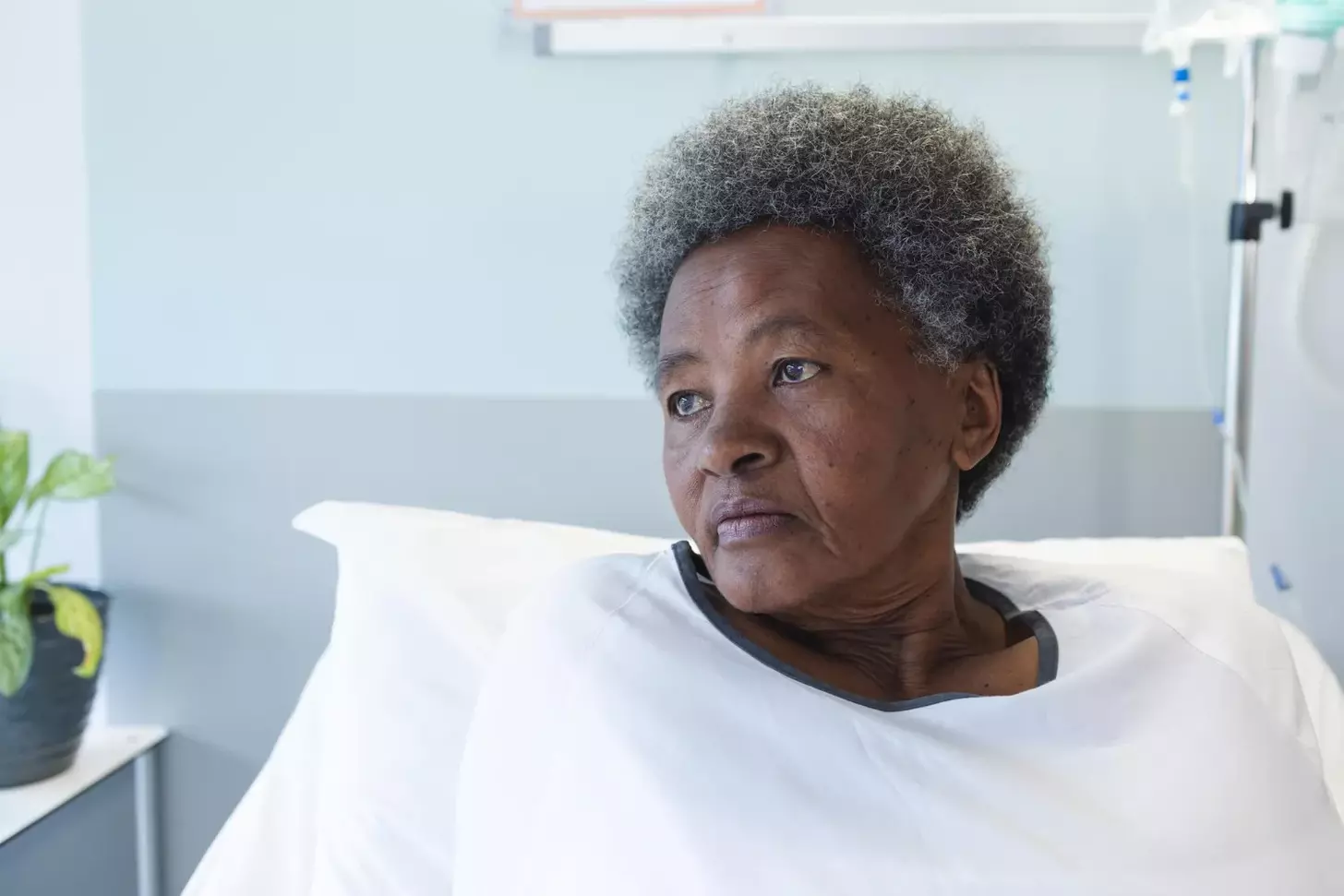
Surviving cancer is often seen as a victory. But for millions, life after chemotherapy is a hidden struggle. It’s marked by relentless physical symptoms, emotional trauma, and daunting challenges.
At Liv Hospital, we focus on patient-centered care and innovation. We know that the journey through chemotherapy is just the start of a long road to recovery for many cancer survivors.
The phrase “chemo ruined my life” is harsh reality for some. They face not only the physical aftermath but also emotional and psychological trauma.
Key Takeaways
- Cancer survivors often face significant physical and emotional challenges after chemotherapy.
- Recovery after cancer treatment is a long and complex process.
- Emotional trauma is a common experience among cancer survivors.
- Patient-centered care is key for supporting survivors through their recovery journey.
- Innovative approaches to cancer treatment can help mitigate the challenges faced by survivors.
The Reality of Cancer Survivorship in America

The world of cancer survivorship in America is changing fast. Thanks to better treatments, more people are beating cancer. This brings hope but also new challenges for survivors, doctors, and the healthcare system.
Current Statistics and Projections
By 2025, about 18.6 million people in the U.S. will be cancer survivors. This number is expected to jump to over 22 million by 2035. This growth means more people living with cancer, needing special healthcare.
Key Statistics:
| Year | Number of Cancer Survivors | Percentage of Total U.S. Population |
|---|---|---|
| 2025 | 18.6 million | 5.6% |
| 2035 | >22 million | >6.5% |
The Growing Population of Cancer Survivors
The rise in cancer survivors shows we’re getting better at treating cancer. But it also shows we need more support and healthcare for them. Survivors need help with long-term side effects, mental health, and getting back to normal life.
The Gap Between Medical Success and Quality of Life
Medical progress has greatly improved survival rates. Yet, many survivors face ongoing physical and emotional issues. To improve their lives, we need better care, support, and resources after treatment.
Surviving cancer is more than just beating the disease. It’s about living well after treatment. By tackling the challenges survivors face, we can make their lives better and more dignified.
“Chemo Ruined My Life”: Understanding Post-Treatment Struggles
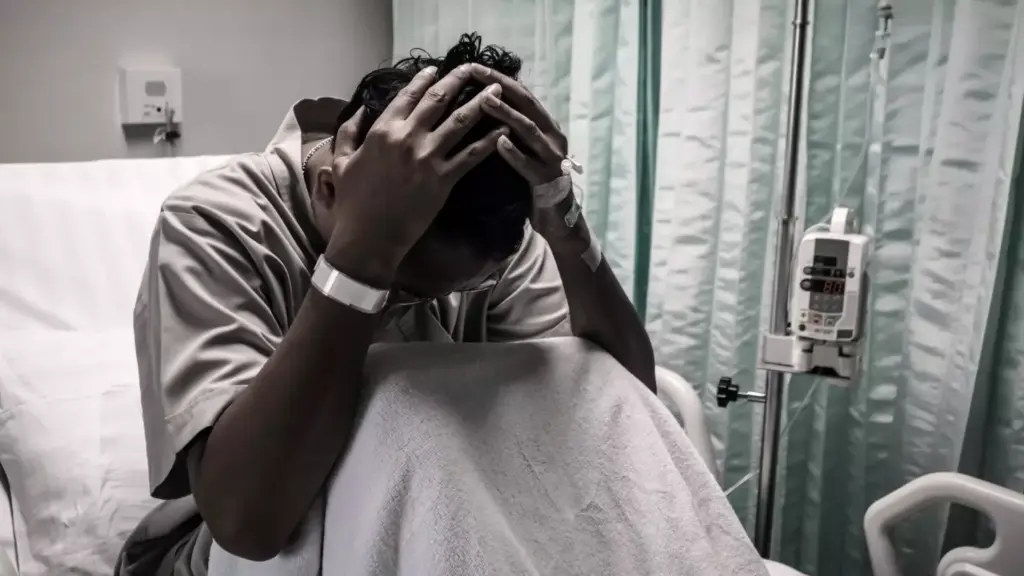
Many cancer survivors feel like “chemo ruined my life” as they face the tough realities after treatment. The journey through cancer treatment is tough, and the aftermath can be just as hard.
The Physical Aftermath of Chemotherapy
Chemotherapy saves lives but can deeply affect the body. Survivors often deal with persistent fatigue that lasts for months or years. They may also experience “chemo brain,” which affects memory and focus.
Chemotherapy’s physical effects can cause neuropathy, leading to numbness, tingling, or pain in hands and feet. These side effects can make everyday tasks hard.
When Side Effects Become Chronic Conditions
For some, chemotherapy side effects don’t go away; they become long-term health issues. This can include heart problems, secondary cancers, or other ongoing health problems.
Going from being a cancer patient to a survivor is uncertain, mainly when dealing with chronic conditions. Survivors must find their way in a new healthcare world, seeing many specialists and treatments.
The Disconnect Between Expectations and Reality
There’s a big gap between what people expect after cancer treatment and the real life that follows. Survivors might hear they’re “cured” or in remission, but their new life is far from what they expected.
This gap can cause frustration, isolation, and disappointment. Survivors may find it hard to accept their new identity, leading to a complex emotional journey that needs support and understanding.
Brutal Truth #1: Recovery Is Not Linear or Guaranteed
The path to recovery after chemotherapy is often unpredictable. It’s filled with surprises and challenges. Even if treatments remove cancer, the road to full recovery is different for everyone.
Many people think cancer survivors bounce back easily. But, the truth is, recovery is not simple. It’s not just about getting back to how things were before.
The Myth of “Getting Back to Normal”
Survivors often believe they’ll return to their old life after treatment. But, this isn’t always true. Chemotherapy can leave lasting effects, making it hard to regain health and energy.
“I thought I’d be back to normal after chemo. But, my body was weak, my mind foggy, and I was tired all the time. It took months to accept that I was creating a new normal.”
Navigating the Unpredictable Recovery Timeline
Recovery after cancer is unique to each person. Some might recover quickly, while others take longer. The unpredictable timeline can be tough and emotional.
- Physical recovery: Building strength, managing side effects, and gaining energy.
- Emotional recovery: Dealing with cancer trauma, anxiety, depression, and finding emotional balance.
Knowing that recovery is a personal journey can help manage expectations. It can also reduce frustration.
When Healing Plateaus: Accepting New Limitations
At times, healing stops, and survivors face new limits. This can be hard to accept, as it challenges the dream of returning to the past.
| Common Challenges | Strategies for Coping |
|---|---|
| Persistent fatigue | Pacing activities, prioritizing rest |
| Cognitive fog | Using memory aids, staying organized |
| Emotional distress | Seeking professional help, joining support groups |
Accepting these new limits and finding ways to adapt is key. It’s about redefining what “recovery” means for you.
We know that dealing with chemotherapy’s aftermath takes patience, resilience, and support. Understanding the complexities of recovery helps survivors navigate their healing journey.
Brutal Truth #2: The Emotional Trauma Can Eclipse the Physical
Going through cancer treatment brings both physical and emotional challenges. While the body’s recovery is often the main focus, the emotional scars can last a long time. These scars can deeply affect survivors.
Post-Treatment Depression and Anxiety
Many survivors feel sad and anxious after treatment ends. These feelings come from the trauma of cancer, fear of it coming back, and adjusting to life again. Some survivors even hate their life after cancer, feeling lost and unsure about the future.
Common symptoms of post-treatment depression and anxiety include:
- Persistent feelings of sadness or hopelessness
- Increased anxiety or fear about the future
- Difficulty sleeping or concentrating
- Loss of interest in activities once enjoyed
- Feelings of guilt or shame about having cancer
Processing Trauma from the Cancer Experience
Healing from cancer trauma is key to moving on. This involves therapy, support groups, and mindfulness. By facing the emotional effects of treatment, survivors can start to rebuild their lives and find new purpose.
Survivors must deal with both physical and emotional challenges after treatment. By recognizing the trauma and getting the right support, they can heal and start anew.
Brutal Truth #3: Your Social World Often Fractures
Cancer survivorship brings many changes, not just physically but also in social life. Going through cancer treatment changes how survivors interact with their world and people.
Changed Relationships and Support Systems
One big challenge after cancer treatment is changes in relationships and support systems. Support from family and friends is key, but these relationships often change. Some get closer, while others drift apart.
Survivors might feel out of touch with friends who haven’t had cancer. Their view on life and priorities changes. But, the bond with other survivors can be a strong support.
Feeling Misunderstood by Those Who Haven’t Experienced Cancer
A common issue for cancer survivors is feeling not understood by those who haven’t gone through it. The emotional and psychological effects of cancer are deep, and sharing these feelings can be hard.
This can make survivors feel isolated, even with friends and family. Joining support groups can help find understanding and a sense of community.
Navigating Workplace Reintegration and Career Impacts
Going back to work after cancer treatment can be tough. Survivors might face cognitive fog, fatigue, and emotional vulnerability, making it hard to work.
Talking about reasonable work accommodations with employers is vital for a smooth return. Survivors might also need to rethink their career goals and priorities, possibly leading to a career change or adjustment.
Understanding these challenges and seeking the right support can help cancer survivors deal with the complex social changes after treatment.
Brutal Truth #4: The Fear of Recurrence Becomes a Lifelong Companion
Many cancer survivors live with the fear of recurrence. This fear is not just about the cancer coming back. It’s also about the uncertainty and loss of control.
Living with Perpetual Uncertainty
Survivors often feel trapped between moving on and fearing cancer’s return. This fear can affect simple choices, like what to eat or where to work.
This uncertainty is overwhelming. It affects not just physical health but also emotions and mind. Survivors often feel like they’re always waiting for something bad to happen.
Coping with Scan Anxiety and Medical Vigilance
Scan anxiety is a big challenge for survivors. The days before a scan are stressful, as they wait for results. This anxiety can hurt not just the person but also their loved ones.
To deal with scan anxiety, survivors can try mindfulness, meditation, and support groups. A pre-scan routine can help calm nerves. Focusing on the present moment is key.
| Coping Strategy | Description | Benefits |
|---|---|---|
| Mindfulness | Practice being present in the moment | Reduces anxiety, improves mental clarity |
| Meditation | Regular meditation practice | Decreases stress, enhances emotional well-being |
| Peer Support | Connecting with others who have experienced similar challenges | Provides emotional support, reduces feelings of isolation |
When Every New Symptom Triggers Panic
Every new symptom can make survivors panic, fearing cancer’s return. This constant alertness can be draining and disrupt daily life.
It’s important to find ways to manage these fears. Keeping a symptom journal, practicing relaxation, and talking to doctors can help. If fears become too much, seeking professional help is a good idea.
Understanding the fear of recurrence helps us support survivors better. It’s about learning to live with this fear, not letting it control their lives after chemo.
Brutal Truth #5: Your Identity and Purpose Require Redefinition
Survivors of cancer often face a big challenge: finding a new sense of self. The journey through chemotherapy changes not just the body but also the mind and spirit.
As they recover, survivors find their identity and purpose have changed a lot. They may feel like they’ve lost their old self and need to find new meaning in life.
The Death of Your Former Self
Cancer treatment can deeply change a person, leading to a loss of identity. Survivors may struggle to accept these changes, feeling disconnected from their past life.
Rediscovering oneself after cancer means acknowledging these changes and adapting. It’s about understanding that their experience has reshaped their identity and it’s okay to grieve the loss of their former self.
Finding Meaning in the “After” Life
Survivors often need to find new meaning and purpose after treatment. This can involve trying new hobbies, rekindling old passions, or finding new ways to help others.
Creating a new sense of purpose is a key step in healing. It helps survivors move past their cancer and build a fulfilling life.
| Strategies for Redefining Identity | Description | Benefits |
|---|---|---|
| Exploring New Hobbies | Engaging in activities never tried before | Discovering new passions, meeting new people |
| Re-engaging in Old Passions | Returning to activities enjoyed before cancer | Reclaiming a sense of identity, finding comfort |
| Volunteering | Giving back to the community through volunteering | Finding purpose, helping others |
Rebuilding Self-Image and Worth Beyond Survivorship
Rebuilding self-image and worth is key after cancer. Survivors need to look beyond their cancer experience and find value in who they are now.
Focusing on personal strengths, accomplishments, and what makes them unique helps survivors rebuild their self-image. It’s also important to remember that their worth and identity go beyond their cancer experience.
By embracing these changes and focusing on personal growth, survivors can emerge from their cancer journey with a renewed sense of purpose and identity.
“I Hate My Life After Cancer”: Addressing Post-Treatment Depression
For many cancer survivors, the journey doesn’t end with treatment. It moves into a tough recovery and adjustment phase. The emotional and psychological effects of treatment can be deep. This can lead some to say “I hate my life after cancer.”
This feeling often comes from post-treatment depression. It shows a deep dissatisfaction with life after treatment.
Recognizing the Signs of Post-Cancer Depression
Post-cancer depression can show in many ways. It’s key to know its signs. Symptoms include feeling sad, hopeless, and not caring about things you used to enjoy.
Survivors might also have changes in appetite, sleep problems, and trouble focusing. It’s important to tell these apart from normal adjustment issues after treatment.
To understand how common and impactful post-treatment depression is, let’s look at some numbers:
| Statistic | Percentage |
|---|---|
| Survivors experiencing depression | 15-20% |
| Survivors experiencing anxiety | 10-15% |
| Survivors reporting decreased quality of life | 30-40% |
The Unique Nature of Post-Cancer Mental Health Challenges
Post-cancer depression is more than just feeling sad. It’s a complex mental health issue shaped by the cancer experience. The trauma of diagnosis, the challenges of treatment, and the fear of cancer coming back all play a role.
Also, the change in identity and life roles after treatment can cause feelings of loss and confusion.
Survivors face unique challenges, such as:
- Coping with the fear of cancer recurrence
- Adjusting to a new normal after treatment
- Dealing with the physical and emotional aftermath of treatment
- Navigating changes in personal and professional relationships
When and How to Seek Professional Help
Knowing when to seek professional help is key in managing post-treatment depression. Survivors should look for help if they feel depressed for a long time or if it affects their daily life. Help can be in the form of therapy, counseling, or medication.
It’s important to remember that asking for help is a sign of strength, not weakness. We suggest looking into different support options, like:
- Oncology professionals who can guide on mental health
- Mental health specialists with experience in post-cancer depression
- Support groups for cancer survivors
- Online resources and communities
By facing the challenges of post-treatment depression and seeking help, survivors can take big steps towards reclaiming their lives. They can find a new sense of purpose and fulfillment.
Reclaiming Your Life: Practical Strategies for Moving Forward
The journey after chemotherapy is more than healing. It’s about building a life full of meaning and purpose. Survivors face many challenges, from physical side effects to emotional trauma. It’s key to find effective ways to move forward.
Effective Physical Coping Mechanisms
Getting back physically is a big part of life after chemo. Gradual exercise is a top choice. It helps regain strength and fight off fatigue. Walking, yoga, or swimming are great options.
- Nutritional Support: Eating well, with lots of fruits, veggies, and lean proteins, aids in recovery.
- Rest and Relaxation: Resting well is vital for healing. Meditation and deep breathing can also help manage stress.
Psychological Healing Techniques
It’s just as important to tackle the mental side of cancer and chemo. Cognitive-behavioral therapy (CBT) is a good way to handle anxiety and depression.
- Support Groups: Being part of a support group offers a sense of community and understanding.
- Mindfulness Practices: Mindfulness, like meditation or journaling, helps process emotions and lowers stress.
Setting Realistic Expectations for Your New Life
Survivors need to understand that life after chemo is a journey of adjustment. Setting realistic goals helps navigate this new chapter.
- Re-evaluating Priorities: It’s helpful to reassess what’s important and focus on it.
- Seeking Professional Help: Getting help from therapists or counselors can offer extra support when needed.
By using these strategies, survivors can tackle the challenges of life after chemo. They can work towards a life that’s fulfilling and meaningful.
Building Your Post-Chemo Support System
The journey doesn’t end with chemotherapy; it’s just the start of a new chapter. A strong support network is key for survivors. It makes a big difference in their quality of life.
Professional Support Resources
Professional support is vital for recovery. This includes oncology specialists, nurses, and psychologists. Cancer treatment centers often provide or recommend various support services, like counseling and rehabilitation programs.
Many cancer centers have survivorship programs. These programs help survivors plan their life after treatment. They offer follow-up care, nutritional counseling, and physical rehabilitation to help regain strength and confidence.
Peer Support and Survivor Networks
Peer support from others who have had cancer is very valuable. Sharing experiences and advice with fellow survivors can provide emotional support and practical insights into managing recovery. Many cancer organizations and treatment centers have support groups for survivors to connect with others who understand their journey.
Some notable organizations that offer peer support include:
- Cancer Survivors Network
- American Cancer Society’s Cancer Survivors Network
- Local cancer support groups
Digital Communities and Online Resources
In today’s digital age, online communities and resources are essential for many cancer survivors. Digital platforms provide access to a wealth of information, support forums, and social networks dedicated to cancer survivorship. Survivors can connect with others worldwide, share their stories, and find support at any time.
“The internet has been a lifeline for me, providing a community of people who understand what I’m going through.” – Cancer Survivor
Involving Family in the Healing Process
Involving family members in the recovery process can also be beneficial. Family support can provide emotional comfort and practical assistance. Educating family members about the survivor’s needs and involving them in support groups or counseling sessions can strengthen their ability to provide effective support.
| Support Type | Description | Benefits |
|---|---|---|
| Professional Support | Medical and psychological support from healthcare professionals | Addresses physical and emotional needs, provides expert guidance |
| Peer Support | Support from others who have experienced cancer | Emotional support, practical advice, sense of community |
| Digital Communities | Online forums and resources for cancer survivors | Access to information, global support network, flexibility |
By leveraging these different types of support, cancer survivors can build a robust network. This network aids in their recovery and helps them navigate the complexities of life after chemotherapy.
Conclusion: Embracing Life After Cancer on Your Own Terms
Our journey through life after chemotherapy shows it’s complex and full of challenges. Survivors deal with chronic side effects and finding their identity again. We understand that embracing life after cancer means facing these challenges head-on.
By facing the harsh realities of survivorship, we can help those on this path. We urge survivors to use support systems like professional help, friends, or online groups. This way, they can rebuild their lives with strength and hope. Life after cancer is about starting anew, not going back to before.
To those who feel cancer has ruined their life, we see you and support you. We believe a fulfilling life is possible after cancer. It’s about honoring your experiences and growing from them.
FAQ
What are the long-term effects of chemotherapy?
The long-term effects of chemotherapy vary. They depend on the type and dosage of treatment, and on the individual. Common effects include fatigue, changes in thinking, and a higher risk of getting another cancer. Managing these effects is key for survivors.
How can I cope with the emotional trauma after cancer treatment?
Dealing with emotional trauma after cancer treatment needs a few steps. You might want to see a therapist, join a support group, or try self-care like meditation. We’re here to help survivors through these tough times.
Why is recovery after cancer treatment not always linear or guaranteed?
Recovery after cancer treatment is complex. It depends on the cancer type, treatment success, and your health. Healing can be unpredictable, with ups and downs. Knowing this helps us support you better.
How can I manage the fear of cancer recurrence?
To manage fear of cancer coming back, try a few things. Stay informed about your health, use coping tools like mindfulness, and talk to healthcare pros or support groups. We’re here to help you through this.
What resources are available for building a post-chemo support system?
There are many ways to build a support system after chemotherapy. Look into oncology rehab programs, join survivor groups, or find online communities. Family support is also important. We can help you find these resources.
How can I redefine my identity and purpose after cancer?
Finding a new sense of self after cancer takes time. Try new things, work on your self-image, and find meaning in your journey. Therapy, support groups, and loved ones can help. We’re here to support you.
What are the signs of post-cancer depression, and how can I seek help?
Signs of post-cancer depression include feeling sad all the time, losing interest in things, and changes in appetite or sleep. If you notice these, talk to a doctor or therapist. We know how important it is to address these issues.
How can I effectively cope with the physical aftermath of chemotherapy?
Managing the physical effects of chemotherapy takes effort. Manage side effects, live a healthy lifestyle, and consider rehab programs. We can guide you through these physical challenges.
What are the challenges of life after chemotherapy, and how can I navigate them?
Life after chemotherapy comes with many challenges. These include physical and emotional changes, fear of cancer coming back, and finding new purpose. To navigate these, seek support, take care of yourself, and consider rehab. We’re here to support you.