Last Updated on October 20, 2025 by

When you get a cancer diagnosis, you might look for more than just chemotherapy and radiation. At Liv Hospital, we use the latest science and care ethics. We add CAM therapies to cancer treatment.
CAM therapies, like acupuncture and nutrition advice, are becoming more common. But, the growth of alternative medicine cancer clinics makes us wonder about their safety and results.
We look into the good and bad of these methods. Our goal is to help you understand integrative cancer therapy options better.
Key Takeaways
- CAM therapies are used alongside conventional cancer treatments.
- Alternative medicine cancer clinics offer non-conventional treatments.
- Understanding the evidence behind CAM therapies is key.
- Liv Hospital integrates CAM therapies into cancer care.
- Patient-centered care is at the heart of our mission.
Understanding Alternative Medicine in Cancer Treatment
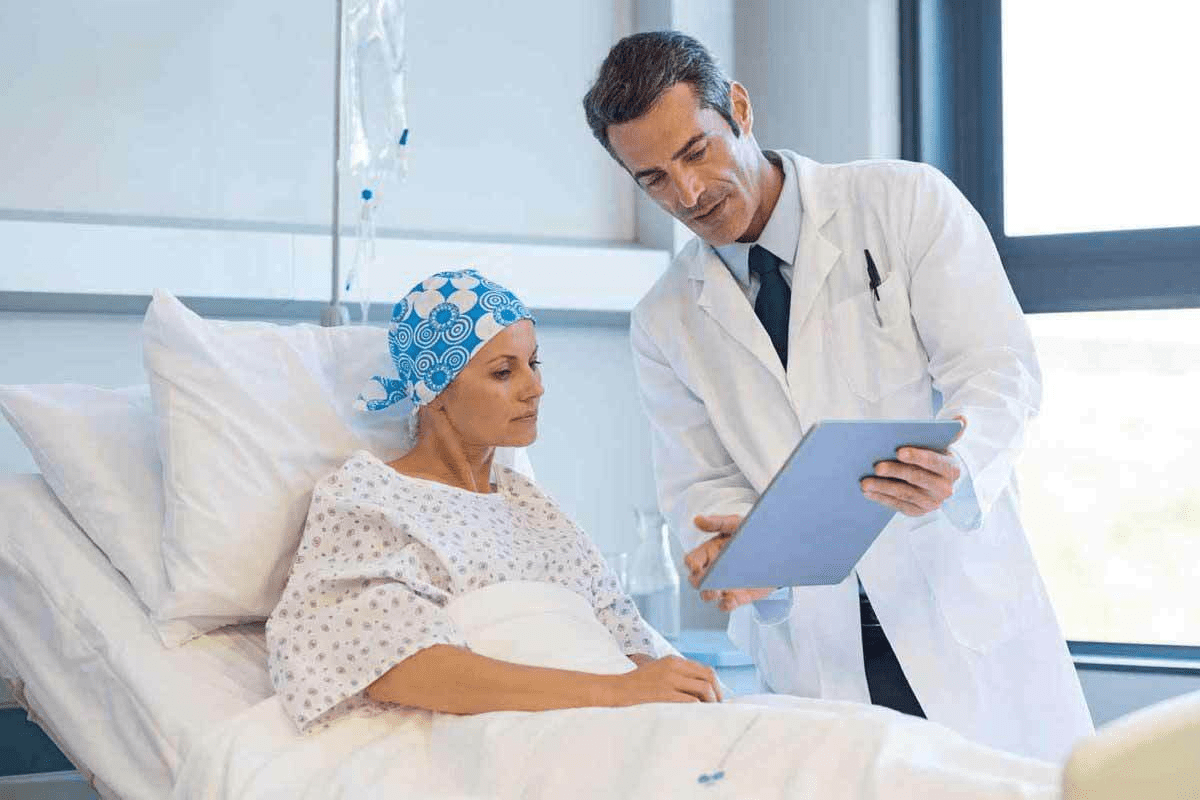
Cancer patients are now looking at alternative medicine to go along with their usual treatments. This change shows a growing interest in health and wellness, focusing on cancer care.
Defining Complementary vs. Alternative Medicine
It’s key to know the difference between complementary and alternative medicine. Complementary medicine is used with standard care, while alternative medicine replaces it. Treatments like acupuncture and massage can help with symptoms and improve life quality.
A study in the Journal of Clinical Oncology shows almost 70% of cancer patients use these therapies. This shows how important it is to understand and see the benefits of these treatments.
The Rise of Integrative Oncology
Integrative oncology mixes standard cancer treatments with proven complementary therapies. It aims to care for the whole patient, not just the disease.
“Integrative oncology is not about replacing conventional treatments but about enriching them with complementary therapies that have been shown to be safe and effective.”
A survey found many cancer centers in the U.S. now offer integrative oncology services. These include meditation, yoga, and nutritional counseling.
| Service | Description | Benefits |
|---|---|---|
| Meditation | Mindfulness practice to reduce stress | Reduces anxiety, improves sleep |
| Yoga | Physical postures and breathing techniques | Improves flexibility, reduces fatigue |
| Nutritional Counseling | Dietary guidance for optimal nutrition | Supports overall health, manages treatment side effects |
Why Patients Seek Alternative Cancer Treatments
Patients look for alternative treatments for many reasons. They want more control over their care and to manage side effects. Some feel conventional treatments don’t cover their overall well-being.
A study in the Journal of Alternative and Complementary Medicine found patients using alternative therapies were happier with their care. They also managed symptoms better. This shows the value of patient-centered care in cancer treatment.
The Current Landscape of Alternative Medicine Cancer Clinics

The world of cancer care is changing. Now, alternative medicine clinics offer new ways to treat cancer. More clinics are using alternative therapies to meet the needs of cancer patients.
Types of Alternative Cancer Clinics
Alternative cancer clinics vary a lot. They focus on different therapies. For example:
- Nutritional therapy, which looks at diet and supplements for cancer treatment.
- Energy healing practices like Reiki and qigong.
- Herbal medicine and botanical treatments.
Some clinics offer a mix of alternative and traditional cancer treatments.
Geographical Distribution and Regulatory Differences
Alternative medicine clinics are found all over the world. But, how they operate and the rules they follow differ a lot. For example:
- In some places, alternative therapies are part of the healthcare system.
- In others, these clinics don’t follow the usual medical rules, which can be risky for patients.
We need to think about these differences when looking at alternative medicine clinics.
Cost Considerations and Insurance Coverage
The cost of treatments at alternative medicine clinics can be different. Insurance coverage is often not complete. Patients should know that:
- Some insurance plans might cover certain alternative therapies.
- Many clinics offer payment plans or deals for those paying out-of-pocket.
It’s important to understand these costs when thinking about alternative cancer care.
5 CAM Therapies for Cancer Care: Evidence and Applications
CAM therapies are becoming more popular in cancer care. We will look at the evidence for five such therapies. These therapies help manage symptoms and improve life quality for cancer patients.
Acupuncture for Symptom Management
Acupuncture is a CAM therapy that involves thin needles in specific body points. It’s studied for managing cancer symptoms like pain, nausea, and fatigue. Research shows acupuncture can reduce pain and improve symptom management in cancer patients. We’ll dive into the evidence and its use in cancer care.
Acupuncture offers many benefits for cancer patients:
- Reduced pain and discomfort
- Improved management of chemotherapy-induced nausea
- Enhanced overall well-being
Therapeutic Massage and Body Work
Therapeutic massage is a popular CAM therapy in cancer care. It involves soft tissue manipulation to relax, ease tension, and improve circulation. Studies show massage therapy can reduce anxiety and depression in cancer patients, improving their quality of life. We’ll explore different massage therapies and their use in cancer care.
Therapeutic massage offers many benefits for cancer patients:
- Reduced stress and anxiety
- Improved sleep quality
- Enhanced physical comfort
Reiki and Energy Healing Approaches
Reiki is an energy healing therapy that transfers energy from the practitioner’s hands to the patient’s body. It’s based on the idea that energy imbalance can cause illness. While Reiki evidence is mostly anecdotal, some studies suggest it can reduce stress and promote relaxation in cancer patients. We’ll look into Reiki’s principles and its role in cancer care.
Nutritional Therapies and Dietary Interventions
Nutritional therapies are key in cancer care, helping manage symptoms and support recovery. We’ll discuss dietary interventions in cancer care, including specific nutrients and supplements for patient health. Key considerations for nutritional therapies include:
- Ensuring adequate nutrition during treatment
- Managing treatment-related side effects through diet
- Using supplements to support overall health
By examining these five CAM therapies, we can better understand their role in cancer care.
Evaluating the Scientific Evidence Behind CAM Therapies
Exploring CAM therapies in cancer care is essential. We need to look at the scientific evidence supporting them. The rise in interest has led to more research, but challenges remain in building a strong evidence base.
Research Challenges in Alternative Medicine
Researching CAM therapies is tough. Studying non-conventional treatments is complex. These treatments often involve many steps and are hard to standardize. Also, getting funding for CAM research is tough because these therapies are not traditional.
Another big challenge is the variety in treatment methods and practitioner skills. For example, acupuncture results can vary based on the technique and the practitioner’s experience. This makes it hard to conclude a therapy’s effectiveness.
“The lack of standardization in CAM therapies makes it difficult to design studies that can be replicated across different settings.”
Current Studies on CAM Effectiveness
Despite the challenges, many studies have looked into CAM therapies in cancer care. For instance, acupuncture has shown promise in managing nausea and pain from chemotherapy. A review of 22 studies found acupuncture significantly reduced pain and improved life quality.
Here’s a table showing CAM therapies and their uses in cancer care:
| CAM Therapy | Primary Use in Cancer Care | Level of Evidence |
|---|---|---|
| Acupuncture | Pain management, nausea relief | Moderate to strong evidence |
| Massage Therapy | Pain relief, anxiety reduction | Moderate evidence |
| Meditation and Mindfulness | Stress reduction, improved mental well-being | Strong evidence |
| Reiki and Energy Healing | Pain relief, anxiety reduction | Limited evidence |
Understanding Evidence Hierarchies in Cancer Care
It’s key to know the hierarchy of evidence when looking at CAM therapies. Systematic reviews and meta-analyses are top because they combine data from many studies. Randomized controlled trials (RCTs) are also highly valued for their ability to reduce bias.
But, not all CAM research can use RCTs. Observational studies and qualitative research offer insights into real-world effectiveness and patient experiences.
Distinguishing Between Proven and Unproven Therapies
It’s important to know the difference between proven and unproven CAM therapies. Proven therapies have been shown to be safe and effective through solid research.
Unproven therapies lack solid evidence or may be harmful. It’s wise to approach them with caution and talk to healthcare professionals before using them.
Understanding the evidence behind CAM therapies helps patients make informed choices. As research grows, we’ll learn more about integrating CAM therapies into cancer care plans.
Integrating Conventional and Alternative Approaches
The move towards integrative oncology is changing cancer treatment and care. It mixes traditional cancer treatments with complementary and alternative medicine (CAM) therapies. This way, we offer full care for patients.
The Integrative Oncology Model
Integrative oncology puts the patient first. It uses traditional cancer treatments and evidence-based CAM therapies. The goal is to meet the physical, emotional, and spiritual needs of cancer patients.
Communication with Conventional Healthcare Providers
Talking openly with healthcare providers is key when adding CAM therapies to cancer care. We suggest patients share their CAM use with their doctors. This ensures safe and effective care.
Creating a Complete Cancer Care Plan
A good cancer care plan includes both traditional treatments and CAM therapies. We help patients create a plan that fits their needs and goals.
Timing of CAM Therapies During Cancer Treatment
When to use CAM therapies is important. We tell patients to match their CAM use with traditional treatments. This helps get the most benefits and avoids problems.
By blending traditional and alternative methods, we offer comprehensive cancer care. This improves patients’ quality of life and overall health.
Potential Benefits of CAM Therapies in Cancer Care
CAM therapies offer a holistic approach to cancer care. They address both physical and emotional needs. This makes them a key part of cancer care, improving the patient’s experience.
Symptom Management and Quality of Life Improvements
One major benefit of CAM therapies is managing cancer symptoms. Acupuncture and therapeutic massage can reduce pain, nausea, and fatigue. This improves patients’ quality of life.
| CAM Therapy | Symptom Management | Quality of Life Improvement |
|---|---|---|
| Acupuncture | Reduces pain and nausea | Enhances overall well-being |
| Therapeutic Massage | Decreases anxiety and fatigue | Improves sleep quality |
| Meditation and Mindfulness | Reduces stress | Promotes emotional balance |
Psychological and Emotional Support
CAM therapies also provide psychological and emotional support. Reiki and energy healing offer comfort and reassurance. They help patients deal with the emotional challenges of cancer.
These therapies empower patients, giving them a sense of control. By participating in their care, patients feel more engaged and hopeful about their recovery.
Addressing Treatment Side Effects
CAM therapies can effectively address treatment side effects. They reduce pain, nausea, and fatigue. This makes treatment more manageable for patients.
Patient Empowerment and Participation in Care
Healthcare providers can empower patients with CAM therapies. This encourages patients to take an active role in their care. It leads to better outcomes and improved patient satisfaction.
Exploring CAM therapies shows they are valuable in cancer care. They address physical, emotional, and psychological needs. This significantly improves patients’ quality of life.
Risks and Limitations of Alternative Cancer Treatments
More people are trying alternative cancer treatments. It’s important to know the risks. These treatments might offer hope but can also harm patient outcomes.
Unproven Claims and False Promises
Alternative cancer treatments often have unproven claims. Some clinics make treatments sound better than they are. This can give patients false hope.
We should be wary of treatments called “miracle cures” or “guaranteed successes.” There’s no solid science to back these claims.
Potential Interactions with Conventional Treatments
Alternative treatments can mess with standard treatments. This can cause bad side effects or make standard treatments less effective.
For example, some herbal supplements might mess with chemotherapy or radiation. It’s key to tell your doctor about any alternative treatments you’re using.
Delayed Access to Evidence-Based Care
One big risk of alternative treatments is delaying proven care. Patients might skip or delay treatments that work.
This delay can be very harmful. It can let cancer get worse, making treatment harder or even impossible.
We think it’s best to use alternative treatments with the help of doctors. This way, patients can avoid risks and get the most from their treatment.
How to Evaluate an Alternative Medicine Cancer Clinic
When looking at alternative medicine cancer clinics, it’s important to think about several key points. Patients need to do a thorough check to make sure they get the best care.
Essential Questions to Ask Before Treatment
Before starting treatment, patients should ask important questions. These include:
- What experience do you have in treating cancer patients?
- What therapies do you offer, and how are they tailored to individual needs?
- How will you monitor my progress and adjust treatment as needed?
- How do you collaborate with conventional healthcare providers?
These questions help patients understand the clinic’s approach and capabilities.
Red Flags and Warning Signs
When checking out an alternative medicine cancer clinic, watch for red flags. These include:
- Claims of a “miracle cure” or guaranteed success
- Lack of transparency about treatment protocols or practitioner credentials
- Pressure to stop conventional treatments in favor of alternative therapies
- Unusually high costs or demands for upfront payment
Knowing these warning signs can help patients avoid harmful or ineffective treatments.
Verifying Practitioner Credentials
It’s key to check the credentials of practitioners at an alternative medicine cancer clinic. Patients should:
- Check for relevant certifications and licenses
- Research the practitioner’s experience in oncology
- Ask about their approach to integrating alternative and conventional therapies
By checking practitioner credentials, patients can make sure they’re in good hands.
Patient Reviews and Testimonials
Patient reviews and testimonials offer valuable insights into a clinic’s quality. But, it’s important to look at them critically. Consider:
- The source of the testimonials
- The consistency of positive reviews across multiple platforms
- Any red flags or common complaints
By carefully looking at patient feedback, patients can get a full picture of a clinic’s strengths and weaknesses.
The Future of Integrative Oncology and CAM Research
The world of cancer care is changing fast. This is thanks to integrative oncology and CAM research. We’re seeing more use of both traditional and alternative treatments.
Emerging Research Directions
Research in integrative oncology is growing. It’s looking at many CAM therapies. For example, acupuncture is being studied for symptom relief. Nutritional therapies are being checked for cancer prevention. And mind-body interventions are being tested for better patient results.
Some new areas of research include:
- Looking at how CAM therapies can boost traditional cancer treatments
- Studying lifestyle changes for cancer prevention and care after treatment
- Seeing how CAM therapies affect quality of life and symptom control
Experts say, “Adding CAM therapies to cancer care could lead to better results and a better life for patients.” Learn more about alternative cancer treatments.
Institutional Acceptance and Integration
More cancer centers are starting to accept integrative oncology and CAM therapies. They see the good these treatments can do for patients.
“The inclusion of CAM therapies in cancer care is a big step towards better, more focused care.”
Technology and Access to Alternative Treatments
Technology is helping more people get alternative treatments. With telemedicine and online resources, patients can access CAM therapies easily, no matter where they are.
Patient-Centered Research Initiatives
Patient-centered research is leading the way in integrative oncology and CAM research. It focuses on what patients need and want. This makes sure research is relevant and helpful.
By knowing where integrative oncology and CAM research are headed, we can better understand the future of cancer care. This helps ensure patients get the best treatment available.
Conclusion: Making Informed Decisions About Alternative Cancer Care
When dealing with cancer, it’s key to make smart choices about treatment. Patients need to know the good and bad of complementary and alternative medicine (CAM) therapies. This helps ensure they get the best care possible.
We’ve looked at CAM therapies like acupuncture, massage, and nutrition. We’ve talked about their benefits and risks. Knowing the facts helps patients choose wisely, blending traditional and alternative treatments.
Understanding all your options is vital. We urge patients to talk to their doctors about their care plans. This way, they get treatment that meets their physical, emotional, and mental needs.
By giving patients the knowledge they need, we can help them get better and live better lives. It’s important to keep studying CAM therapies. This way, we can make sure patients get the best care available.
FAQ
What is Complementary and Alternative Medicine (CAM) in cancer care?
CAM stands for Complementary and Alternative Medicine. It includes various medical systems and practices not part of regular medicine. In cancer care, CAM therapies are used alongside or instead of traditional treatments. They help manage symptoms, improve quality of life, and support overall well-being.
What is the difference between complementary and alternative medicine?
Complementary medicine is used alongside traditional treatments. Alternative medicine is used instead of them. Integrative oncology combines both to offer complete care.
What are some examples of CAM therapies used in cancer care?
CAM therapies in cancer care include acupuncture, massage, Reiki, and nutritional therapies. They help manage symptoms, reduce side effects, and improve quality of life.
Are CAM therapies regulated, and how can I ensure I’m receiving safe treatment?
CAM therapies are not regulated like regular medicine. To get safe treatment, research the practitioner’s qualifications and experience. Discuss your treatment plan with your regular healthcare provider.
Can CAM therapies interact with conventional cancer treatments?
Yes, some CAM therapies can interact with cancer treatments. Always tell your healthcare provider about any CAM therapies you’re using. This avoids interactions or complications.
How can I find a reputable alternative medicine cancer clinic?
Look for a clinic’s credentials and read patient reviews. Check the qualifications and experience of their practitioners. Be wary of clinics making false claims or promising miracles.
What should I consider when evaluating the cost of CAM therapies?
Consider the practitioner’s qualifications, therapy type, and frequency. Also, check if your insurance covers any CAM therapies. This helps evaluate the cost.
Can CAM therapies be used during cancer treatment, and if so, when?
Yes, some CAM therapies can be used during treatment. But, discuss timing and coordination with your healthcare provider. This ensures safe and effective care.
What are some possible benefits of using CAM therapies in cancer care?
CAM therapies can manage symptoms, improve quality of life, and reduce side effects. They also offer psychological and emotional support.
What are some possible risks or limitations of using CAM therapies in cancer care?
Risks include unproven claims, interactions with treatments, financial and emotional costs, and delayed access to proven care.
How can I make informed decisions about using CAM therapies in my cancer care?
Research the therapy and practitioner, discuss with your healthcare provider, and weigh benefits and risks. Be cautious of false claims and prioritize proven care.