Last Updated on November 18, 2025 by Ugurkan Demir
Choosing the right approach for L5 S1 fusion and ALIF surgery is key for recovery and spine health. At Liv Hospital, we focus on patient care, following top medical standards for safe and effective treatment.
Research shows fusion success rates vary, from about 73 percent to over 85 percent. This depends on the method and patient factors. For more details, a recent study emphasizes the need to understand these procedures.
Key Takeaways
- Fusion success rates range from 73% to over 85%.
- Patient factors and technique influence outcomes.
- ALIF surgery is one of the approaches used.
- Understanding the procedure is key for recovery.
- Liv Hospital prioritizes patient-centered care.
Understanding the Lumbosacral Junction: Anatomy and Function
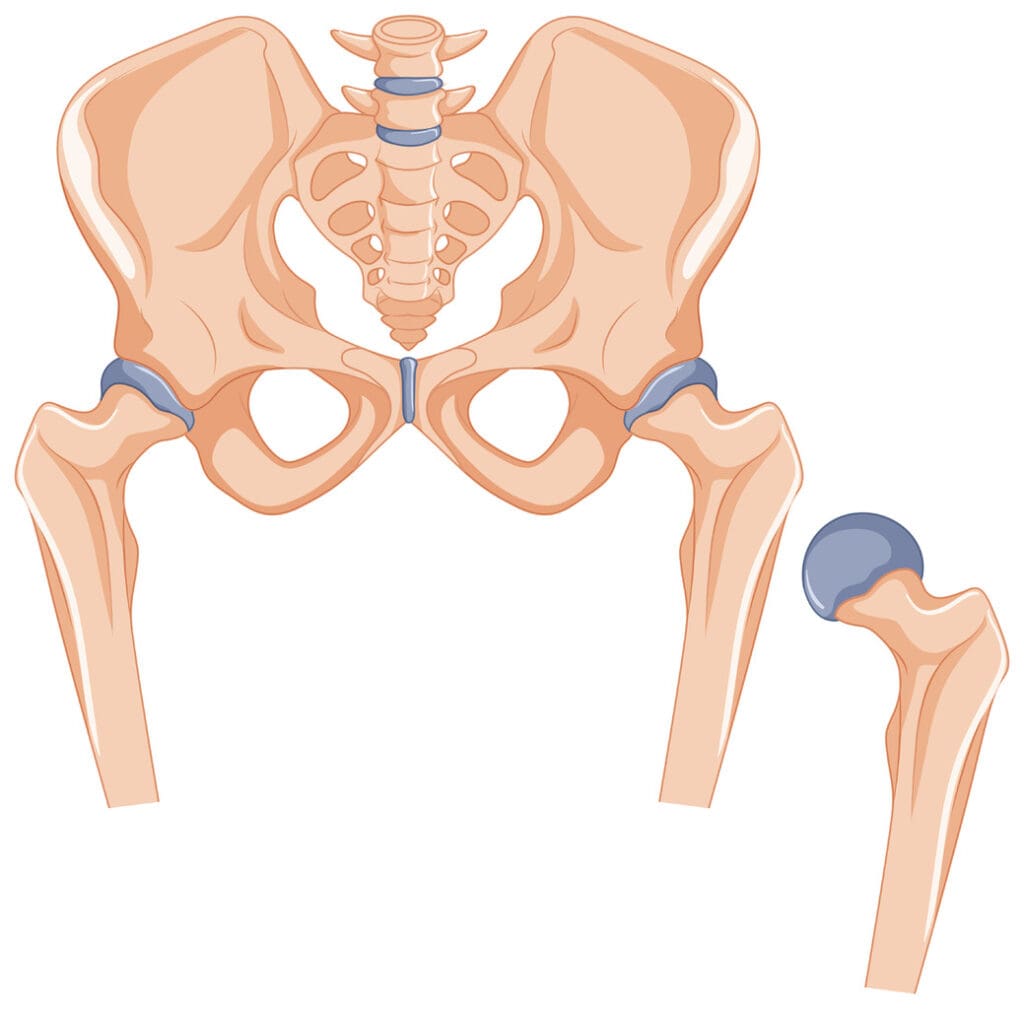
The lumbosacral junction is where the lumbar spine meets the sacrum. It’s a complex area that plays a big role in our body’s function. The L5-S1 segment is key for spine stability and movement.
The Critical Role of L5 S1 in Spine Stability
The L5-S1 segment is crucial for spinal stability. It supports a lot of our body’s weight and handles stress. Keeping this area strong is important to avoid lower back pain.
This junction helps spread the load from the lumbar spine to the sacrum and pelvis. It’s vital for balance and movement, like bending and twisting.
Biomechanical Stress at the Lumbosacral Region
The lumbosacral region faces a lot of biomechanical stress. This stress can damage the discs, joints, and ligaments over time. It may lead to surgery, like L5 S1 fusion or ALIF.
Common Pathologies Affecting L5 S1
Conditions like degenerative disc disease, spondylolisthesis, and spinal stenosis often hit the L5-S1 segment. These can cause a lot of pain and limit movement. Knowing about these issues helps doctors find the right treatment, like L5 S1 fusion.
Getting the right diagnosis and treatment is key. Understanding the lumbosacral junction helps doctors improve patient care. This leads to better health outcomes and happier patients.
L5 S1 Fusion: Definition, Indications, and Approaches
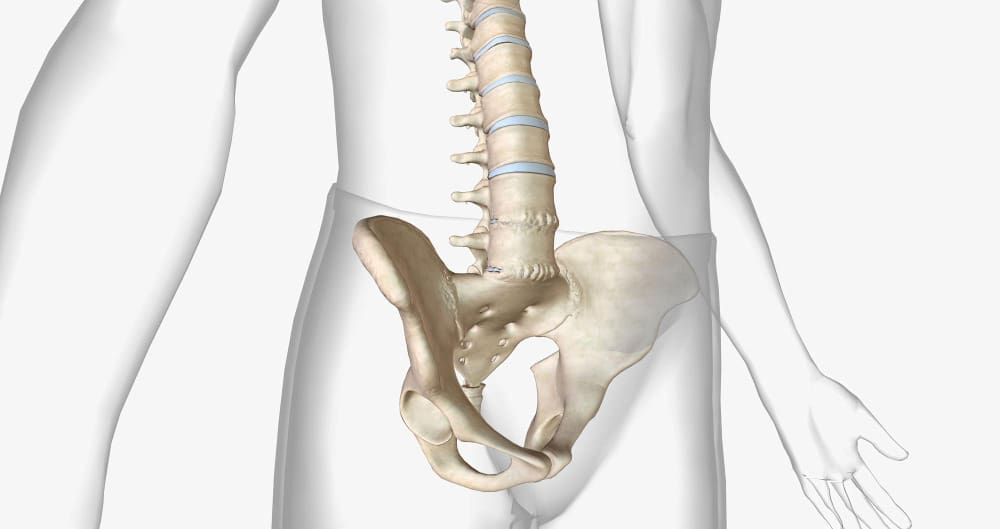
Understanding L5 S1 fusion is key for those with lower back pain. This surgery stabilizes the lumbosacral junction, a stressed area prone to degeneration.
What Constitutes a Successful L5 S1 Fusion
A successful L5 S1 fusion joins the L5 and S1 vertebrae. This stops their motion, reducing pain and stabilizing the spine. Success depends on several factors, including:
- Accurate Diagnosis: Correctly identifying the pain cause is vital.
- Surgical Technique: The surgical method greatly affects outcomes.
- Patient Selection: Health, bone quality, and lifestyle also play a role.
Medical Conditions Requiring Surgical Intervention
L5 S1 fusion is often needed for degenerative disc disease, spondylolisthesis, and spinal stenosis. These conditions can cause severe pain and disability if not treated.
Some key conditions needing L5 S1 fusion include:
- Degenerative disc disease causing chronic pain.
- Spondylolisthesis, where one vertebra slips over another.
- Spinal stenosis, leading to nerve compression.
Overview of Available Surgical Techniques
Several surgical techniques exist for L5 S1 fusion, each with its own benefits and considerations. The main approaches are:
- Anterior Lumbar Interbody Fusion (ALIF): An approach from the front of the body.
- Posterior Lumbar Interbody Fusion (PLIF): An approach from the back.
- Transforaminal Lumbar Interbody Fusion (TLIF): A variation of the posterior approach.
We will explore these techniques further, discussing their advantages and the factors that influence technique choice for L5 S1 fusion.
Essential Fact #1: L5 S1 Fusion Success Rates and Influencing Factors
Looking into L5 S1 fusion, we see many factors that affect its success. This surgery aims to stabilize the lumbosacral junction, a key spine area. Success depends on the patient, the surgery method, and care after surgery.
Statistical Analysis of Fusion Outcomes (73-85% Success)
Research shows L5 S1 fusion works for 73% to 85% of people. This success is based on solid fusion, better pain and function, and patient happiness.
A statistical analysis shows success rates vary. This is due to the surgery method, patient health, and any other health issues.
Impact of BMI and Bone Quality on Fusion Success
BMI and bone quality greatly affect L5 S1 fusion success. Studies find higher BMI patients face lower success rates. This is because implants face more stress and bone quality is worse.
Poor bone density can cause implant failure or pseudoarthrosis. So, improving bone health is key for successful fusion.
- Higher BMI is associated with lower fusion success rates.
- Poor bone quality can lead to instrumentation failure.
- Optimizing bone health is critical for successful fusion.
How Surgical Technique Affects Fusion Rates
The surgical technique for L5 S1 fusion greatly influences success. Techniques like ALIF, PLIF, and TLIF have different success rates.
The choice of technique depends on the patient’s anatomy, the surgeon’s skill, and the condition being treated. Knowing each technique’s strengths and weaknesses is vital for the best results.
Essential Fact #2: Anterior Lumbar Interbody Fusion (ALIF) Advantages
Anterior Lumbar Interbody Fusion (ALIF) is a top-notch surgical method for certain spinal issues. It’s key to know the good points ALIF surgery brings to patients.
The Science Behind ALIF’s Effectiveness
ALIF works well because it directly targets the disc space. This lets us remove the disc fully and place the cage right. It helps bring back the disc’s natural height and supports fusion.
The front approach also means less damage to the back muscles. This could lead to less pain after surgery and quicker recovery. Research shows better fusion rates because of the bigger surface area and larger cages.
Pain Relief and Functional Improvement Statistics
ALIF surgery has been well-studied, showing big wins in pain relief and function. Here’s what the studies say:
- 70-90% of patients see a big drop in pain
- 60-80% notice better function
- 80-95% are happy with the results
These numbers highlight ALIF’s power to boost patients’ lives.
Patient Selection for Optimal ALIF Outcomes
Choosing the right patients is key for ALIF success. We look at:
- Diagnosis: Like degenerative disc disease or spondylolisthesis
- Spinal shape and how it moves
- How healthy the patient is and their lifestyle
By picking the right patients, we aim for the best results from ALIF surgery.
Essential Fact #3: ALIF Surgery Procedure and Technical Considerations
The anterior lumbar interbody fusion (ALIF) surgery is a complex procedure. It needs precise technical considerations for the best results. Understanding the details of ALIF surgery is key.
Anterior Approach Methodology
The ALIF surgery uses the anterior approach. This means surgeons access the lumbar spine from the front of the abdomen. It lets them directly work on the intervertebral disc space.
Key steps in the anterior approach include:
- Careful dissection through the abdominal layers to reach the spine
- Retraction of vital structures to access the target disc space
- Verification of the correct spinal level using fluoroscopy
Disc Space Preparation and Implant Placement
After gaining access, the next step is preparing the disc space for fusion. This involves removing the disc material and preparing the endplates for fusion.
The choice of implant is also critical. It must provide immediate stability and promote long-term fusion. There are various implants available, like cages filled with bone graft or other materials.
Modern Instrumentation and Biologics in ALIF
Modern ALIF surgery benefits from new instrumentation and biologics. These advancements improve the precision and stability of the constructs. They also enhance the chances of successful fusion.
“The integration of advanced biologics and instrumentation in ALIF surgery has significantly enhanced fusion rates and patient outcomes.” – Spine Surgeon
Some of the modern advancements include:
- Use of navigation systems for improved accuracy
- Development of new biomaterials for implants
- Application of growth factors to enhance fusion
Essential Fact #4: Why L5 S1 Fusion is More Challenging Than L4 L5
L5 S1 fusion is harder than L4 L5 fusion because of its unique anatomy. The area where L5 S1 is located carries a lot of the body’s weight. This makes fusion here very tough.
Anatomical Differences Between Segments
The L5 S1 segment is different from L4 L5 in many ways. Key differences include:
- The lumbosacral angle is more pronounced at L5 S1, leading to more shear force.
- The vertebrae at L5 S1 are often larger and more irregular.
- The muscles and ligaments around L5 S1 are more complex.
Comparative Fusion Rates: L5 S1 vs. L4 L5
Research shows that fusion success rates differ between L4 L5 and L5 S1. Both are effective, but success rates are influenced by anatomy and biomechanics. L4 L5 fusion usually has a higher success rate because of its simpler anatomy and biomechanics.
Specialized Techniques for L5 S1 Fusion Success
To tackle L5 S1 fusion challenges, surgeons use special techniques. These include:
- Robust instrumentation to handle the stresses at the lumbosacral junction.
- Advanced imaging and navigation for accurate hardware placement.
- Special bone grafting to improve fusion rates.
By understanding these challenges and using the right techniques, surgeons can better the outcomes of L5 S1 fusion. This helps patients find relief from severe back pain.
Essential Fact #5: Recovery Timeline and Expectations After ALIF Surgery
Knowing how to recover after Anterior Lumbar Interbody Fusion (ALIF) surgery is key. It helps patients set realistic goals and get the best results. The time it takes to recover can change based on several things. These include the patient’s health, how complex the surgery is, and following the doctor’s advice.
Hospital Stay and Immediate Post-operative Phase
Patients usually stay in the hospital for 1 to 3 days after ALIF surgery. During this time, doctors watch over them, manage pain, and start their recovery. The front approach in ALIF surgery often causes less damage than the back approach. This might lead to less pain and a quicker start to recovery.
Important things in the first days after surgery include:
- Managing pain with medicine and other methods
- Moving around early to avoid problems and help healing
- Watching for any signs of trouble or bad reactions
Accelerated Recovery Benefits of Anterior Approach
The front approach in ALIF surgery has many benefits for faster recovery. These include:
- Less muscle damage because of the surgical path
- Lower chance of nerve damage and related problems
- Possibly less pain after surgery
Long-term Rehabilitation and Return to Activities
Recovery right after surgery is important, but long-term care is just as vital. This stage includes:
- Physical therapy to build back muscle strength and flexibility
- Slowly going back to normal activities, like work and hobbies
- Making lifestyle changes to keep the spine healthy and prevent future problems
Patients are often told not to lift, bend, or twist too much for weeks or months. How long it takes to get back to doing everything depends on the person and the doctor’s advice.
By knowing what to expect during recovery from ALIF surgery, patients can prepare better. They can work closely with their healthcare team to get the best results.
Comparing ALIF to Alternative L5 S1 Fusion Techniques
Surgical options for L5 S1 fusion have grown, giving patients and doctors many choices. From traditional open surgeries to newer, less invasive methods, there’s a lot to consider. Anterior Lumbar Interbody Fusion (ALIF) is a common choice, but others like Posterior Lumbar Interbody Fusion (PLIF) and Transforaminal Lumbar Interbody Fusion (TLIF) are also used a lot.
PLIF and TLIF: Posterior Approaches
PLIF and TLIF are back approaches to the spine. PLIF needs a bigger cut in the back, while TLIF is less invasive. Both methods help relieve pressure on nerves and support fusion.
Choosing between PLIF and TLIF depends on the doctor, the patient’s body, and the problem being fixed. TLIF is often chosen for its lower risk of nerve harm and less damage to tissues.
Minimally Invasive Options for L5 S1 Fusion
Minimally invasive surgeries are becoming more popular for L5 S1 fusion. They promise shorter recovery times and less damage to tissues. These surgeries use smaller cuts and special tools for fusion.
Though they offer benefits, these surgeries also have challenges. They can be harder for doctors to learn and might make it harder to see what’s happening during surgery.
Hybrid Techniques and Their Applications
Sometimes, doctors use hybrid techniques that mix different surgical methods. For example, ALIF with posterior support or a mix of minimally invasive and open surgeries.
Hybrid methods can combine the best of both worlds, fitting the patient’s needs. But, they can also make the surgery more complex and need careful planning.
Pre-operative Preparation for Anterior Lumbar Interbody Fusion Surgery
Getting ready for ALIF surgery is key to a smooth experience. We’ll guide you through the steps to prepare for Anterior Lumbar Interbody Fusion surgery.
Essential Medical Evaluations
Before ALIF surgery, patients need thorough medical checks. These checks make sure you’re a good candidate for the surgery. They include:
- Comprehensive Medical History: Looking at past medical conditions, surgeries, and allergies to spot risks.
- Physical Examination: Checking your overall health and any conditions that might affect surgery or recovery.
- Imaging Studies: Using X-rays, MRI, or CT scans to see the spine’s condition and plan the surgery.
- Laboratory Tests: Doing blood work and other tests to check your health and find any hidden conditions.
Lifestyle Modifications to Improve Outcomes
Changing your lifestyle can greatly improve your results after ALIF surgery. We suggest:
- Smoking Cessation: Quitting smoking 4-6 weeks before surgery to avoid complications and help healing.
- Weight Management: Keeping a healthy weight to lessen spine stress and boost overall health.
- Nutritional Optimization: Eating enough proteins, vitamins, and minerals to aid in healing and recovery.
- Exercise and Physical Conditioning: Doing gentle exercises to boost flexibility and strength, with a healthcare professional’s guidance.
For more on preparing mentally for back surgery, visit our resource page.
Mental and Physical Preparation Strategies
Medical checks and lifestyle changes are just the start. Mental and physical prep are also key for ALIF surgery success. Strategies include:
- Mindfulness and Relaxation Techniques: Using stress-reducing activities like meditation or deep breathing.
- Education and Support: Learning about the surgery and having a support system to lower anxiety and improve results.
- Prehabilitation Exercises: Doing exercises that strengthen the core and improve flexibility, with professional help.
By focusing on these pre-operative steps, patients can greatly improve their chances of a successful ALIF surgery and a smooth recovery. We’re committed to supporting you every step of the way.
Potential Complications and Risk Management in L5 S1 Fusion
Choosing L5 S1 fusion surgery means looking at its benefits and risks. This surgery can greatly improve life for those with spinal issues. But, it’s key to know the possible problems and how to handle them.
ALIF-Specific Surgical Risks
ALIF, or Anterior Lumbar Interbody Fusion, has its own risks. These include damage to blood vessels, bowel, and issues with ejaculation in men. The front approach helps reach the spine but brings unique challenges for surgeons.
General Fusion Complications
There are also common issues with L5 S1 fusion. These include infection, nerve damage, and when the bones don’t fuse. Knowing these risks helps patients make better choices about their treatment.
| Complication | Description | Management Strategies |
|---|---|---|
| Infection | Bacterial or fungal infection at the surgical site | Antibiotics, wound care, possible need for more surgery |
| Nerve Damage | Injury to nerves during surgery | Monitoring, physical therapy, might need more surgery |
| Nonunion | Failure of the bones to fuse | More surgery, bone grafting, and stabilization methods |
Strategies to Minimize Adverse Outcomes
To lower the chance of problems, it’s important to choose patients carefully and perform surgery with great care. Good post-op care and lifestyle changes, like quitting smoking and staying healthy, also help.
By knowing the risks and taking steps to manage them, patients can get the most from L5 S1 fusion surgery. Our team works hard to give each patient the best care possible.
Long-term Outcomes and Adjacent Segment Considerations
L5 S1 fusion is a common surgery for lower back pain. Its outcomes vary over time. It’s important to look at both success rates and possible complications.
Five-Year and Ten-Year Success Rates
Research shows L5 S1 fusion can greatly help with lower back pain. Success rates are high, with 70% to 85% success after five years. After ten years, success rates are 60% to 75%.
Here’s a summary of success rates from different studies:
| Study Duration | Success Rate Range | Average Success Rate |
|---|---|---|
| 5 Years | 70-85% | 77.5% |
| 10 Years | 60-75% | 67.5% |
Adjacent Segment Disease Prevention
One big concern after L5 S1 fusion is adjacent segment disease (ASD). ASD happens when the segments next to the fusion site wear out. This can cause new pain. To avoid this, staying healthy, exercising regularly, and eating well are important.
Preventing ASD needs a few steps. Here’s how:
- Keeping a healthy weight to ease spine stress
- Exercising often to keep the spine flexible and strong
- Eating a diet full of calcium and vitamin D for bone health
- Seeing doctors regularly to check on the spine
Lifestyle Modifications for Fusion Longevity
Living a healthy lifestyle is key to making L5 S1 fusion last. Healthy habits can improve outcomes and lower risks. Regular exercise, a balanced diet, and managing stress are important for spinal health.
Understanding L5 S1 fusion’s long-term effects and taking care of your spine can greatly improve your life after surgery.
Conclusion: Making Informed Decisions About L5 S1 Fusion
L5 S1 fusion is a complex surgery that needs careful thought. Anterior lumbar interbody fusion (ALIF) is a top choice for fixing problems at the lumbosacral junction. It helps relieve symptoms and can lead to successful fusion.
Those thinking about L5 S1 fusion should know the good and bad sides. They should also learn about the different ways to do the surgery. Knowing the facts about L5 S1 fusion and ALIF can help you choose the right treatment.
Talking to a skilled doctor is key to finding the right treatment for you. This way, you can be ready for the recovery and get the best results.
Understanding L5 S1 fusion and ALIF is important for making good choices. We urge patients to be involved in their care. Getting advice from experienced doctors can lead to the best outcomes.
FAQ
What is L5 S1 fusion, and how does it differ from other spinal fusion procedures?
L5 S1 fusion is a surgery that joins the L5 and S1 vertebrae in the lower back. It helps stabilize the spine and reduce pain. This procedure is different because of its location and the methods used to fuse the vertebrae.
What is Anterior Lumbar Interbody Fusion (ALIF) surgery, and what are its benefits?
ALIF surgery is a type of L5 S1 fusion done from the front. It has benefits like quicker recovery, less muscle damage, and better fusion rates.
What are the indications for L5 S1 fusion surgery?
This surgery is for those with severe disc disease, spondylolisthesis, or pain in the lower back. It’s for conditions that cause instability and pain.
How successful is L5 S1 fusion surgery, and what factors influence its success?
Success rates range from 73-85%. Factors like BMI, bone quality, and surgical technique play a role.
What are the advantages of ALIF surgery compared to other L5 S1 fusion techniques?
ALIF surgery has better fusion rates and quicker recovery. It also causes less muscle damage. But, it’s not right for everyone, and the choice depends on individual needs.
How does the anterior approach in ALIF surgery benefit patients?
The front approach in ALIF surgery gives direct access to the disc space. This allows for removing the damaged disc and restoring spine height. It can lead to better pain relief and function.
What are the possible complications and risks of L5 S1 fusion surgery?
Risks include infection, nerve damage, and implant failure. To reduce these risks, careful patient selection and precise surgical technique are key. Post-operative care is also important.
How long does it take to recover from ALIF surgery, and what are the expectations during the recovery period?
Recovery time varies, but most return to normal activities in months. The front approach can lead to faster recovery. Following a rehabilitation program is essential for the best results.
What are the long-term outcomes of L5 S1 fusion surgery, and how can patients maintain the success of the procedure?
Outcomes are generally good, with high success rates at five and ten years. To keep the procedure successful, patients should lead a healthy lifestyle. This includes regular exercise, a balanced diet, and avoiding smoking.
How does L5 S1 fusion compare to L4 L5 fusion in terms of complexity and outcomes?
L5 S1 fusion is often more challenging due to the lumbosacral junction’s unique anatomy. Yet, with the right technique and patient selection, both procedures can have good outcomes.
What is the importance of pre-operative preparation for ALIF surgery?
Preparing before ALIF surgery is vital. It helps identify risks, improves health, and enhances outcomes. This includes medical checks, lifestyle changes, and mental and physical preparation.
What is L5 S1 fusion, and how does it differ from other spinal fusion procedures?
L5 S1 fusion is a surgery that joins the L5 and S1 vertebrae in the lower back. It helps stabilize the spine and reduce pain. This procedure is different because of its location and the methods used to fuse the vertebrae.
What is Anterior Lumbar Interbody Fusion (ALIF) surgery, and what are its benefits?
ALIF surgery is a type of L5 S1 fusion done from the front. It has benefits like quicker recovery, less muscle damage, and better fusion rates.
What are the indications for L5 S1 fusion surgery?
This surgery is for those with severe disc disease, spondylolisthesis, or pain in the lower back. It’s for conditions that cause instability and pain.
How successful is L5 S1 fusion surgery, and what factors influence its success?
Success rates range from 73-85%. Factors like BMI, bone quality, and surgical technique play a role.
What are the advantages of ALIF surgery compared to other L5 S1 fusion techniques?
ALIF surgery has better fusion rates and quicker recovery. It also causes less muscle damage. But, it’s not right for everyone, and the choice depends on individual needs.
How does the anterior approach in ALIF surgery benefit patients?
The front approach in ALIF surgery gives direct access to the disc space. This allows for removing the damaged disc and restoring spine height. It can lead to better pain relief and function.
What are the possible complications and risks of L5 S1 fusion surgery?
Risks include infection, nerve damage, and implant failure. To reduce these risks, careful patient selection and precise surgical technique are key. Post-operative care is also important.
How long does it take to recover from ALIF surgery, and what are the expectations during the recovery period?
Recovery time varies, but most return to normal activities in months. The front approach can lead to faster recovery. Following a rehabilitation program is essential for the best results.
What are the long-term outcomes of L5 S1 fusion surgery, and how can patients maintain the success of the procedure?
Outcomes are generally good, with high success rates at five and ten years. To keep the procedure successful, patients should lead a healthy lifestyle. This includes regular exercise, a balanced diet, and avoiding smoking.
How does L5 S1 fusion compare to L4 L5 fusion in terms of complexity and outcomes?
L5 S1 fusion is often more challenging due to the lumbosacral junction’s unique anatomy. Yet, with the right technique and patient selection, both procedures can have good outcomes.
What is the importance of pre-operative preparation for ALIF surgery?
Preparing before ALIF surgery is vital. It helps identify risks, improves health, and enhances outcomes. This includes medical checks, lifestyle changes, and mental and physical preparation.
References
London Spine. Fat Infiltration of Paraspinal Muscles As an Independent Risk for Bone Nonunion After Posterior Lumbar Interbody Fusion. https://www.londonspine.com/fat-infiltration-of-paraspinal-muscles-as-an-independent-risk-for-bone-nonunion-after-posterior-lumbar-interbody-fusion-london-spine/
PubMed. Risk Factors for Nonunion Following Posterior Lumbar Interbody Fusion at L5‑S1: Importance of Bilateral Bicortical Purchase of S1 Pedicle Screws. https://pubmed.ncbi.nlm.nih.gov/40550485/
PMC. Risk Factors for Nonunion Following Posterior Lumbar Interbody Fusion at L5‑S1: Importance of Bilateral Bicortical Purchase of S1 Pedicle Screws. https://pmc.ncbi.nlm.nih.gov/articles/PMC12187704