Last Updated on November 18, 2025 by Ugurkan Demir
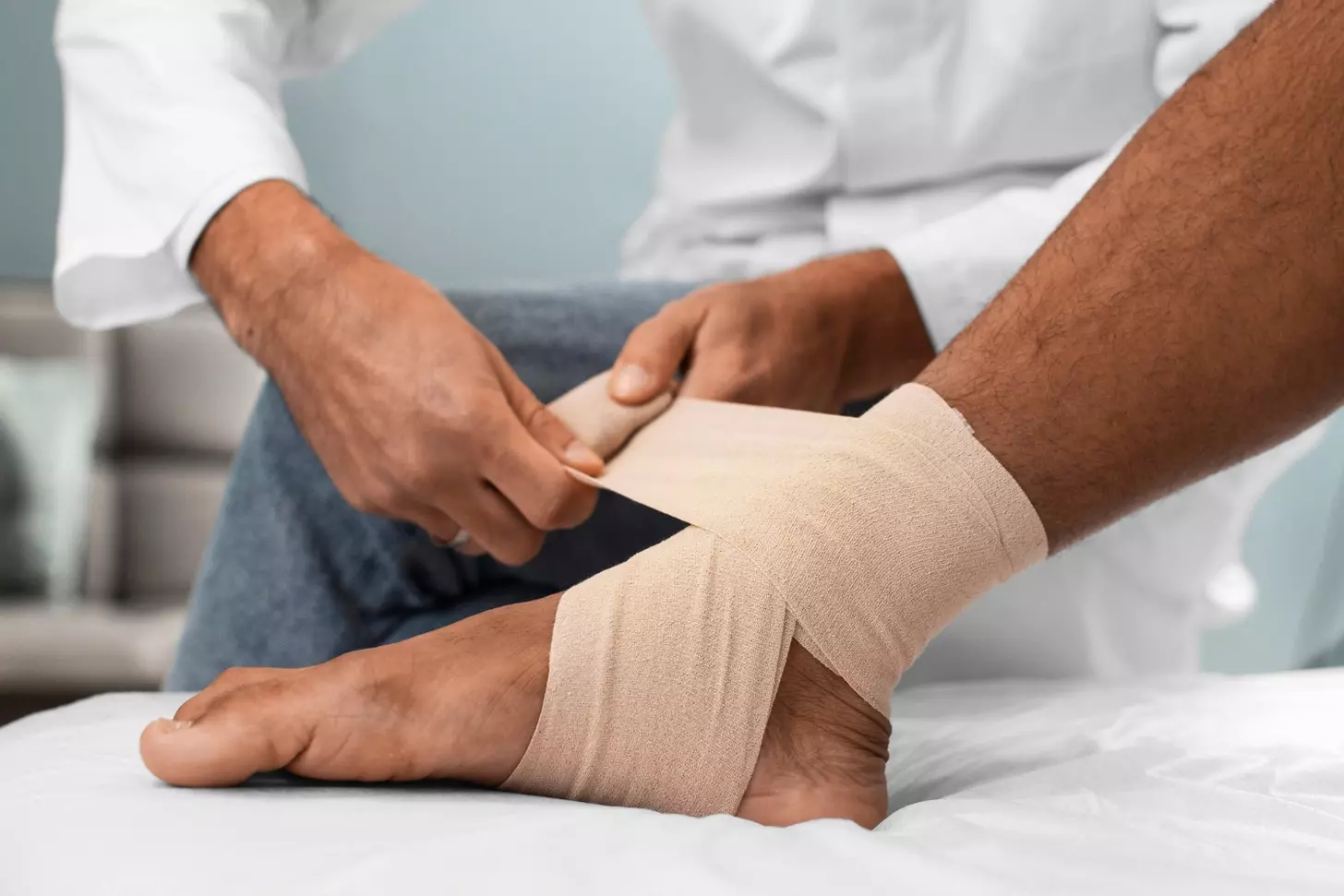
If you have severe arthritis or joint damage in both knees, bilateral knee replacement surgery can change your life. We know how complex and worrying this choice can be.
At Liv Hospital, we focus on you, using the latest in surgery to make recovery easier. Our team helps you move better and get back to your life sooner.
It’s key to know about the surgery, recovery time, and physical therapy for the best results. We’re here to help you understand these important points. This way, you can make a well-informed choice about your care.
Key Takeaways
- Understanding the benefits and risks of bilateral knee replacement surgery.
- Insights into the surgical process and what to expect during recovery.
- The importance of physical therapy in regaining mobility and strength.
- Overview of the expected recovery timeline and milestones.
- Tips for preparing for surgery and ensuring a smooth rehabilitation process.
Understanding Bilateral Knee Replacement: What You Need to Know

Learning about bilateral knee replacement is key for those thinking about it. This surgery replaces both knee joints with artificial ones. It helps those with severe arthritis or damage in both knees feel better and move easier.
Definition and Medical Terminology
Bilateral knee arthroplasty means both knees are replaced with artificial ones. This can happen all at once or in stages, depending on the patient’s health and the doctor’s advice. Knowing the medical terms helps understand the treatment and care after surgery.
Prevalence and Statistics of Bilateral Knee Arthroplasty
About 6 to 8 percent of knee replacement surgeries are for both knees. This shows many people choose this major surgery. Doctors decide based on how bad both knees are and the patient’s health.
How Double Knee Surgery Differs from Single Knee Replacement
Bilateral knee surgery is much more complex than replacing one knee. It takes longer to recover and needs more rehab. Replacing both knees means more surgery and a harder recovery.
Who Qualifies for Double Knee Surgery?
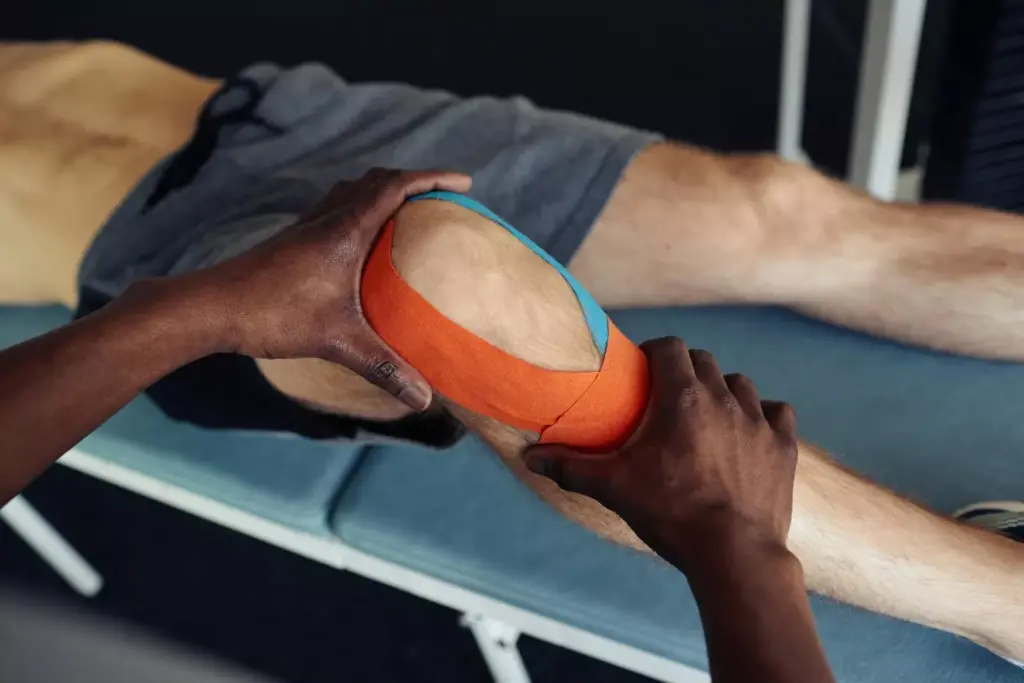
Bilateral knee replacement is a big surgery for people with severe knee disease or arthritis in both knees. We look at several important factors to see if someone is right for this surgery.
Common Conditions Leading to Bilateral Knee Replacement
Severe arthritis, like osteoarthritis or rheumatoid arthritis, often leads to this surgery. Other serious joint problems can also require it. Many patients see a big improvement in their life after surgery.
Age, Health, and Lifestyle Considerations
We look at a patient’s age, health, and lifestyle when deciding on surgery. Age is important, but it’s not the only thing we consider. A patient’s overall health and lifestyle play a big role too.
The Evaluation Process for Bilateral Candidates
For those considering surgery, we do a detailed review. This includes looking at their medical history, doing a physical exam, and checking imaging studies. We also check how well they can do daily tasks and their pain level. This helps us find the best treatment for each person.
In short, getting double knee surgery needs a careful look at many things. This includes the knee condition, overall health, and lifestyle. Understanding these helps patients make good choices about their care.
Essential Insight #1: Simultaneous vs. Staged Knee Replacements
Bilateral knee replacement can be done at once or in stages. Each method has its own good and bad points. This choice is key for both patients and doctors, affecting recovery time and outcomes.
Can You Get Both Knees Replaced at the Same Time?
Replacing both knees at once is called simultaneous bilateral knee replacement. It’s for patients who are healthy enough and have severe knee problems. We check each patient to see if this is right for them.
Benefits of Bilateral Knee Operation
Simultaneous bilateral knee replacement has big advantages. It means less time recovering compared to doing each knee separately. Patients only need one rehab session, which is quicker. They also spend less time under anesthesia and stay in the hospital for a shorter time.
This method can also mean less disruption to a patient’s life. They only have to go through surgery and recovery once.
Potential Drawbacks and Risk Factors
But, there are downsides to doing both knees at once. Risks include infections, blood loss, and heart problems. Patients might need closer watch after surgery. We think about these risks when deciding if bilateral knee operation is best.
In short, choosing between doing both knees at once or in stages depends on many things. These include the patient’s health, age, and lifestyle. Knowing the pros and cons helps patients make better choices about their care.
Essential Insight #2: Complete Preparation for Bilateral Knee Surgery
Getting ready for bilateral knee surgery is more than just the surgery. It’s about getting ready for a smooth recovery. The right preparation is key for a successful surgery and recovery.
Medical Preparation and Pre-operative Testing
Before bilateral knee replacement, patients need to prepare thoroughly. This includes tests to check overall health, like blood work and imaging studies. “A detailed pre-operative check is vital to spot any risks and get the patient ready for surgery,” says an orthopedic surgeon.
Home Modifications for Post-Surgery Mobility
Changing your home is a big part of getting ready for bilateral knee surgery. You need to make your home safe and easy to move around in during recovery. This might mean putting in handrails, removing tripping hazards, and making a clear path for walkers or wheelchairs. Small changes can make a big difference in your recovery, making it safer and more comfortable.
Building Physical and Mental Resilience Before Surgery
Getting physically and mentally strong before surgery is important for a good recovery. Patients should do exercises to strengthen the muscles around the knee. They should also prepare mentally with stress management, like meditation or counseling. As one patient said, “Getting mentally ready for surgery helped a lot with my recovery.”
By focusing on these areas, patients can make sure they’re well-prepared for bilateral knee surgery. This sets them up for the best possible outcome.
Essential Insight #3: The Bilateral TKR Surgical Procedure
Knowing about the bilateral TKR surgical procedure is key for those thinking about double knee replacement. This complex surgery replaces both knee joints at once. It’s important to understand the procedure well to make good choices.
Surgical Approaches and Techniques
The way to do bilateral TKR surgery can differ based on the patient’s health and the surgeon’s style. Traditional open surgery and minimally invasive techniques are often used. The choice depends on the patient’s health, the knee damage, and the surgeon’s skill.
a top orthopedic surgeon, says, “The success of bilateral TKR depends on the right placement of prosthetic parts and managing soft tissues well.”
“The goal is to make the knee work like it did before while making sure the implant lasts long.”
Anesthesia Options and Considerations
Anesthesia is very important in bilateral TKR surgery. Patients have choices like general anesthesia, regional anesthesia, and combined anesthesia. The anesthesiologist talks about the pros and cons of each to find the best one.
- General anesthesia makes the patient unconscious, so they don’t feel pain.
- Regional anesthesia numbs the legs, giving pain relief without the risks of general anesthesia.
- Combined anesthesia combines the benefits of both, for the best pain management and comfort.
What Happens During the Operation
In the bilateral TKR surgery, the surgeon makes cuts in both knees to get to the damaged joints. The old cartilage and bone are taken out, and new prosthetic parts are put in. The whole thing takes a few hours, and the patient is watched closely.
The surgical team works together to make the surgery go smoothly. They keep the patient comfortable and pain-free the whole time.
Essential Insight #4: Double Knee Replacement Recovery Timeline
Knowing the recovery timeline is key for those getting double knee replacement surgery. This journey has many phases, each with its own challenges and goals.
Immediate Post-Operative Phase (0-2 Weeks)
The first recovery phase is vital and lasts from 0 to 2 weeks. Patients are watched closely for any issues and pain is managed. It’s important to follow the doctor’s instructions for a smooth recovery.
Early Recovery Phase (2-12 Weeks)
In the early recovery phase, patients start to feel better. This stage, from 2 to 12 weeks, sees more movement and a return to daily life. Physical therapy is key here, helping patients get stronger and more flexible.
Long-Term Recovery (3-18 Months)
The long-term recovery can last from 3 to 18 months. During this time, patients see more improvement in their knee and mobility. We suggest a healthy lifestyle, including exercise and a balanced diet, to aid in long-term recovery.
The Critical Role of Rehabilitation in Bilateral Recovery
Rehabilitation is essential after double knee replacement surgery. A good rehab program helps patients regain knee function, move better, and avoid complications. We create a rehab plan that fits each patient’s needs.
| Recovery Phase | Timeline | Key Milestones |
|---|---|---|
| Immediate Post-Operative | 0-2 Weeks | Pain management, monitoring for complications |
| Early Recovery | 2-12 Weeks | Increased mobility, return to daily activities |
| Long-Term Recovery | 3-18 Months | Continued improvement in knee function and mobility |
Essential Insight #5: Managing Complications and Optimizing Outcomes
Knowing the risks of double knee surgery can help improve results. Bilateral knee replacement is effective but has challenges. Understanding these and how to handle them is key for a good recovery.
Common Complications After Bilateral Knee Surgery
Bilateral knee surgery has risks like any big surgery. Some common issues include:
- Infection: There’s a chance of infection with bilateral knee replacement.
- Blood Clots: Deep vein thrombosis (DVT) is a risk after major surgery, including bilateral knee replacement.
- Implant Failure: Though rare, implants can fail, requiring additional surgery.
- Nerve Damage: Nerve damage is a possible complication, leading to numbness or pain.
Knowing these risks helps patients and doctors prevent and manage them.
Effective Pain Management Strategies
Managing pain well after bilateral knee surgery is important. Ways to do this include:
- Multimodal Analgesia: Using a mix of pain medications to manage pain effectively.
- Regional Anesthesia: Techniques like nerve blocks can provide significant pain relief.
- Physical Therapy: Gentle exercises and physical therapy can help reduce pain and improve mobility.
Using these methods helps patients manage pain better, making recovery smoother.
Recognizing Success vs. Warning Signs
It’s important to know the difference between normal recovery symptoms and warning signs of complications. Success is often seen when:
- Improving mobility and strength.
- Reducing pain over time.
- Increasing range of motion.
Warning signs, on the other hand, may include:
- Increasing pain or swelling.
- Redness or warmth around the surgical site.
- Fever or chills.
Financial Aspects of Bilateral Knee Arthroplasty
It’s important for patients to know the financial side of bilateral knee arthroplasty. The cost can change a lot based on where you are and your insurance.
Average Costs and Economic Considerations
In the United States, the cost for this surgery can be between $60,000 and $100,000 or more. This depends on how complex the surgery is and your health. A study on Springer Link shows the financial impact is big. Patients should think about these costs when deciding on their care.
Several things can affect the cost:
- Hospital stay and care
- Surgical fees
- Rehabilitation costs
- Insurance coverage and deductibles
Insurance Coverage and Reimbursement Strategies
Most insurance plans cover this surgery, but how much they cover varies. It’s key to check your policy to know what you’ll pay out of pocket. Talking to your healthcare provider and insurance about money matters is a must.
As an expert says, “Planning your finances is key before surgery.” You need to understand your costs to avoid surprises.
Conclusion: Making an Informed Decision About Bilateral Knee Replacement
Bilateral knee replacement is a big surgery that needs careful thought. Understanding the basics of double knee replacement surgery and recovery helps patients make the right choice for them.
We talked about checking if you’re a good candidate for the surgery. We also looked at the differences between doing both knees at once or one at a time. Plus, we covered how to get ready for a successful surgery.
Knowing about bilateral knee replacement helps patients deal with the process better. It also helps them avoid risks and get the best results. We suggest talking to your doctor about your needs and worries to make a smart choice about your care.
FAQ
What is bilateral knee replacement surgery?
Bilateral knee replacement surgery is when both knees are replaced with artificial joints at once. It’s for people with severe arthritis or joint damage in both knees.
Can you get both knees replaced at the same time?
Yes, it’s possible to replace both knees at once. This is called simultaneous bilateral knee replacement. But, the choice depends on your health, age, and medical history.
What are the benefits of bilateral knee replacement surgery?
Getting both knees replaced at once means less recovery time. You only need one surgery and one recovery period. It also improves both knees’ alignment and function.
What are the possible drawbacks of bilateral knee replacement surgery?
Risks include infection, blood clots, and breathing problems. Talk to your surgeon about these risks to see if it’s right for you.
How long does it take to recover from bilateral knee replacement surgery?
Recovery time varies by patient and surgery specifics. Generally, it takes weeks to months. Most people get back to normal in 3-6 months.
What is the average cost of bilateral knee replacement surgery?
Costs vary by location, surgeon, and hospital. Talk to your surgeon and insurance about estimated costs and coverage.
Will insurance cover bilateral knee replacement surgery?
Coverage varies by insurance and policy. Check with your provider to know what’s covered and what you’ll pay out-of-pocket.
What is the role of physical therapy in bilateral knee replacement recovery?
Physical therapy is key in recovery. It helps regain strength and mobility in both knees. A physical therapist will create a personalized plan for you.
Can I undergo bilateral knee replacement surgery if I have other medical conditions?
Deciding on surgery with other conditions depends on their severity. Discuss your medical history with your surgeon to understand risks and benefits.
How do I prepare my home for post-surgery mobility after bilateral knee replacement?
Make your home safe by removing hazards and installing handrails. Talk to your healthcare team about the best home modifications for a smooth recovery.
References
- Orthobethesda. (n.d.). Bilateral Knee Replacement Recovery Tips. Retrieved from https://orthobethesda.com/blog/bilateral-knee-replacement-recovery-tips
- Practice Plus Group. (n.d.). Knee Replacement Recovery Guide. Retrieved from https://practiceplusgroup.com/knowledge-hub/knee-replacement-recovery-guide
- Ventura Orthopedics. (n.d.). Knee Surgery Recovery Time. Retrieved from https://venturaortho.com/knee-surgery-recovery-time
- OrthoIndy. (2022). What Can I Expect with Bilateral Knee Replacement Surgery?. Retrieved from https://blog.orthoindy.com/2022/01/21/what-can-i-expect-with-bilateral-knee-replacement-surgery