Last Updated on October 20, 2025 by
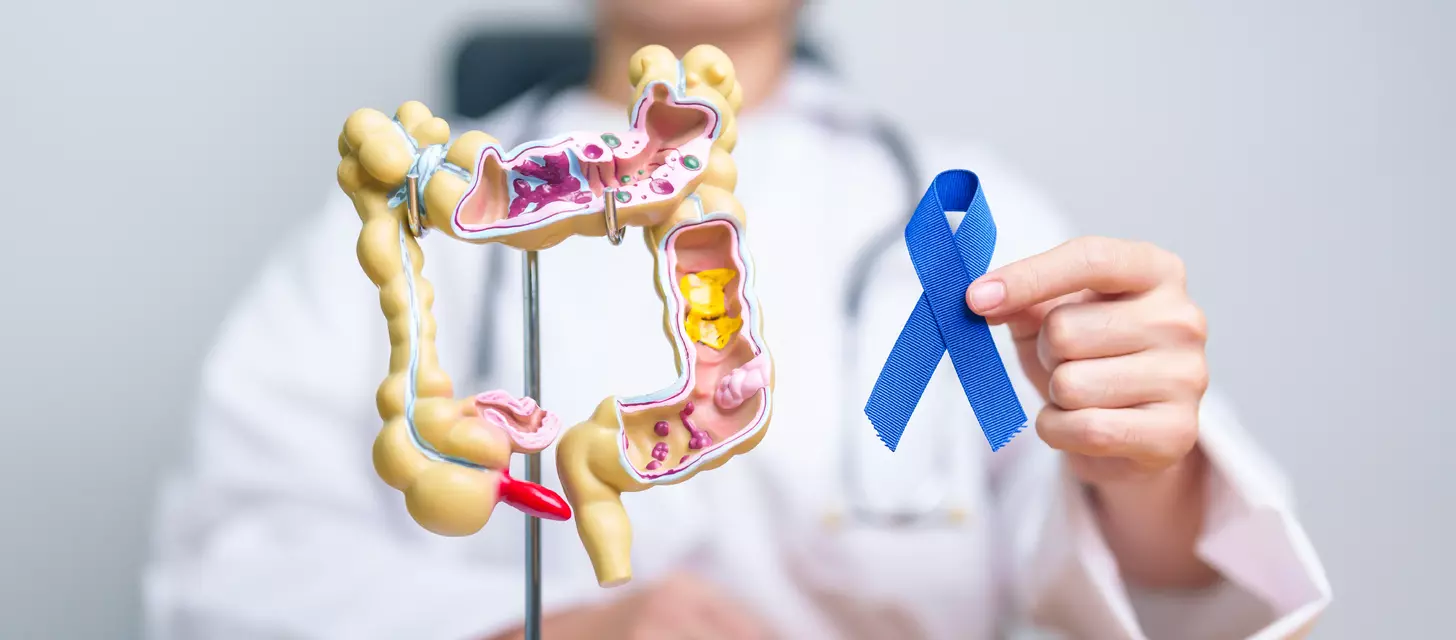
Colon cancer is a significant health problem worldwide. The World Health Organisation said there were 1.8 million cases in 2018. They estimate that this number could increase to over 3 million new cases annually by 2040.
As more people get colon cancer, more are looking into holistic medicine for colon cancer and other natural treatment options.
At Liv Hospital, we strive to deliver exceptional healthcare with comprehensive support for international patients. We recognize the need for innovative, patient-centered approaches to treating cancer. This includes alternative treatments that can help with traditional care.
Key Takeaways
- Colon cancer cases are projected to exceed 3 million annually by 2040.
- There is a growing interest in holistic and natural therapies for colon cancer.
- Liv Hospital is at the forefront of integrating innovative, patient-centered care.
- Complementary therapies can support traditional colon cancer treatment.
- Patients are seeking alternatives to conventional colon cancer therapies.
The Rising Global Challenge of Colon Cancer

Colon cancer is becoming more common worldwide, putting a big strain on healthcare. It’s one of the top cancers globally, affecting millions. We need to understand its impact and the current treatments.
Current Statistics and Future Projections
Colon cancer, also known as colorectal cancer, is a significant cause of death. Recent statistics show a worrying trend: the global cases of colon cancer are expected to grow significantly in the next ten years. The World Health Organization (WHO) attributes this to the aging of populations and lifestyle changes.
There’s a change in who gets colon cancer, with more young people affected. This means we need to find ways to catch it early and prevent it. By 2030, the number of colon cancer cases could go up by up to 60%, showing we need to act fast.
Limitations of Conventional Treatment Approaches
Standard treatments for colon cancer include surgery, chemotherapy, and radiotherapy. These treatments have helped more people live longer, but they can also cause serious side effects. Chemotherapy’s side effects, like nausea and fatigue, are well-known and can make life hard for patients.
We know conventional treatments are key in fighting colon cancer. But, there’s growing interest in other therapies to help with the side effects. Research is showing that natural medicines and alternative therapies might help improve treatment results and patient quality of life.
Why Patients Seek Alternative Treatment for Bowel Cancer

More people are looking into alternative treatments for bowel cancer. They want to find ways to manage their condition better. This includes improving their overall health and well-being.
Managing Side Effects of Conventional Therapies
Chemotherapy and radiation can cause severe side effects. These treatments harm not just cancer cells but also healthy ones. This can lead to nausea, hair loss, and feeling very tired.
Alternative treatments aim to lessen these side effects. They help patients handle conventional therapies better. This makes it easier for them to go through treatment.
Some herbal medicines and nutritional supplements can help with nausea and vomiting caused by chemotherapy. Adding these to their treatment plan can improve their quality of life.
Improving Quality of Life During Treatment
Alternative treatments also focus on improving patients’ quality of life. They address physical, emotional, and spiritual needs. Practices like meditation, yoga, and mindfulness can reduce stress and anxiety.
Other approaches, like modulated electro-hyperthermia (mEHT) and certain diets, are being studied. They aim to fight cancer cells while supporting the patient’s health.
The Complementary Care Philosophy
The philosophy of complementary care is to work alongside conventional treatments. It aims to create a more complete treatment plan. This recognizes that each patient’s needs are different.
By combining alternative therapies with conventional treatments, patients get a more holistic care approach. This can lead to better outcomes, a higher quality of life, and a more empowered patient experience.
Alternative #1: Plant-Based Compounds and Herbal Medicines
Plant-based compounds are gaining attention as a possible treatment for colon cancer. Research has found natural medicines that could help colorectal cancer patients.
Studies have shown that plants like Schisandra chinensis and Salvia miltiorrhiza may fight colon cancer. These plants have been used in medicine for a long time. Now, scientists are looking into their anti-cancer effects.
Schisandra Chinensis (Magnolia Berry) Research
Schisandra chinensis, or Magnolia Berry, is being studied for its anti-cancer properties. Research suggests that its extracts might slow down cancer cell growth.
- The lignans in Schisandra chinensis may stop cancer cells from growing.
- It could also make traditional cancer treatments work better.
Salvia Miltiorrhiza’s Anti-Tumor Properties
Salvia miltiorrhiza, or Red Sage, is another herbal medicine being studied. It’s used in Chinese medicine and might help with colon cancer.
- Salvia miltiorrhiza extracts can make cancer cells die.
- It might also stop tumors from getting the blood they need to grow.
Other Promising Botanical Compounds
Other plants are also being researched for colon cancer treatment. These include:
- Turmeric and its compound curcumin are known for their anti-inflammatory properties.
- Green tea extracts, which contain catechins that may help in preventing cancer cell growth.
These plant-based compounds are a promising area for treating colon cancer. As research continues, they could become a significant aid in treating the disease.
Alternative #2: Integrative Naturopathic Oncology
Naturopathic oncology is a holistic way to manage colon cancer. It combines conventional treatments with natural therapies. This aims to improve patient outcomes and quality of life.
The Naturopathic Model for Cancer Care
Naturopathic oncology treats the whole person, not just the cancer. It uses natural therapies with conventional treatments to help the body heal. This includes dietary changes, supplements, mind-body therapies, and more to manage symptoms.
Naturopathic oncologists collaborate closely with conventional healthcare providers to develop a comprehensive treatment plan. This teamwork ensures the best conventional treatments are used with naturopathic therapies. This can improve patient well-being and outcomes.
Clinical Evidence for Survival and Quality of Life
Research shows integrative naturopathic oncology can improve survival and quality of life for colorectal cancer patients. Studies found patients with naturopathic care may have fewer side effects and better overall well-being.
| Study | Findings | Implications |
|---|---|---|
| Journal of Clinical Oncology, 2018 | Improved survival rates in colorectal cancer patients receiving naturopathic care | Integrative naturopathic oncology may enhance conventional treatment outcomes |
| Integrative Cancer Therapies, 2020 | Reduced chemotherapy side effects in patients receiving naturopathic support | Naturopathic therapies can improve patient quality of life during treatment |
Finding Qualified Naturopathic Oncologists
To benefit from integrative naturopathic oncology, find a qualified naturopathic oncologist. Look for those with specialized training and experience with colorectal cancer patients. The American Association of Naturopathic Physicians can help find licensed naturopathic doctors with oncology expertise.
When choosing a naturopathic oncologist, consider their approach, experience, and teamwork with your healthcare team. A skilled naturopathic oncologist can create a personalized plan. This can lead to better outcomes and a higher quality of life.
Alternative #3: Modulated Electro-Hyperthermia (mEHT)
Modulated electro-hyperthermia (mEHT) is a new way to fight colorectal cancer. It’s getting more attention because of its promising results. This method could help traditional cancer treatments work better.
Scientific Mechanism of Action Against Cancer Cells
mEHT uses electromagnetic fields to heat up cancer cells. This method tries to kill cancer cells without hurting healthy ones. It has shown to start processes that help fight tumors.
One key way mEHT works is by making cancer cells die naturally. Studies show it can make tumors smaller and slow their growth. It also makes cell membranes more open, helping drugs get to cancer cells better.
Clinical Research on Colorectal Cancer Applications
Research on mEHT for colorectal cancer looks good. It seems to help manage symptoms and improve life quality for those with advanced cancer. Some studies also suggest it can make other treatments like chemo and radiation work better.
What’s special about mEHT research is its focus on how it affects patients. It aims to manage symptoms and potentially enhance the effectiveness of treatments. This makes mEHT a valuable addition to traditional treatments.
Treatment Protocols and Accessibility
How mEHT is treated can change based on the patient and their needs. It’s given using special equipment that sends electromagnetic fields to tumors. The treatment’s length and frequency depend on the patient’s situation and goals.
As more people learn about mEHT, it’s becoming easier to get. More cancer centers are adding mEHT to their treatment options, helping patients get a more complete care plan.
Alternative #4: Therapeutic Nutrition and Dietary Interventions
Nutrition plays a big role in cancer treatment, including colon cancer. Research shows a strong link between diet and cancer. This has led to exploring how nutrition can help with treatment.
Anti-Cancer Diets Specific to Colorectal Health
Some diets can help with colorectal health. A diet high in fiber can lower colon cancer risk. It helps with regular bowel movements and reduces harmful substances.
Anti-cancer diets focus on fruits, vegetables, and whole grains. Foods like beans, berries, carrots, and cruciferous vegetables are good for fighting cancer.
Key Nutrients and Foods with Anti-Cancer Properties
Nutrients are key in fighting cancer. Some foods are packed with antioxidants, vitamins, and minerals. These help fight cancer cells.
| Food | Nutrient | Anti-Cancer Property |
|---|---|---|
| Berries | Antioxidants | Neutralizes free radicals |
| Cruciferous Vegetables | Sulforaphane | Inhibits cancer cell growth |
| Beans | Fiber, Folate | Promotes healthy bowel movements, DNA synthesis |
Fasting Protocols and Metabolic Approaches
Fasting and metabolic methods are being studied for cancer treatment. They aim to make it harder for cancer cells to grow.
Fasting can lessen chemotherapy side effects and boost treatment response. But, patients should talk to their doctor before starting a fast.
Alternative #5: Mind-Body Medicine for Cancer Support
Mind-body therapies in cancer care show great promise. They focus on the link between our thoughts, feelings, and health. This approach treats cancer holistically.
Stress Reduction and Its Impact on Cancer Progression
Chronic stress can harm cancer progression. High stress levels can raise cortisol, weakening the immune system and possibly growing tumors. Techniques like meditation and yoga can reduce stress.
Stress management improves sleep, mood, and immune function in cancer patients.
Meditation, Yoga, and Mindfulness Practices
Mindfulness practices like meditation and yoga are becoming popular in cancer care. They help patients be more aware of their thoughts and feelings. This leads to relaxation and less anxiety.
Studies show these practices improve emotional well-being and reduce symptoms in cancer patients.
- Meditation: Focuses on calming the mind and reducing stress.
- Yoga: Combines physical postures, breathing techniques, and meditation to promote overall well-being.
- Mindfulness: Encourages living in the present moment, reducing worries about the past or future.
Psychoneuroimmunology: The Mind-Cancer Connection
Psychoneuroimmunology (PNI) studies the link between our mind and immune system. It shows how stress and emotions can affect cancer. By managing stress and emotions, patients can boost their immune system and possibly improve their cancer outcomes.
For more on stress and cancer, check out Liv Hospital’s article on stress. Understanding the mind-body connection helps patients take charge of their cancer care.
The Role of Pan-Asian Medicine in Colon Cancer Care
When it comes to treating colon cancer, Pan-Asian medicine offers a unique blend of old and new. It combines traditional healing methods with modern medical knowledge. This includes Traditional Chinese Medicine (TCM) and Ayurveda, both used for centuries to fight diseases like cancer. Let’s dive into how these ancient practices help in colon cancer care.
Traditional Chinese Medicine Formulations
Traditional Chinese Medicine (TCM) is gaining attention for its role in colon cancer treatment. TCM uses special herbal mixes made just for each patient’s needs.
Some key herbs in TCM for cancer include:
- Scutellaria baicalensis (Baikal skullcap)
- Camptotheca acuminata (Happy tree)
- Panax ginseng (Ginseng)
These herbs are thought to fight cancer, boost the immune system, and lessen side effects from other treatments.
Ayurvedic Approaches to Digestive System Cancers
Ayurveda, a part of Pan-Asian medicine, takes a holistic view to treat digestive cancers like colon cancer. Ayurvedic doctors aim to balance the body and boost its healing powers.
Ayurvedic treatments might include:
- Diet changes
- Herbs like Curcuma longa (Turmeric) and Withania somnifera (Ashwagandha)
- Panchakarma detox procedures
These methods aim to improve overall health and possibly make other treatments work better.
Integration with Western Medical Protocols
Combining Pan-Asian medicine with Western treatments is becoming more common in cancer care. This mix aims to use the best of both worlds.
A study on mixing TCM with standard cancer treatment showed good results. Here are some key findings:
| Treatment Approach | Survival Rate | Quality of Life Improvement |
|---|---|---|
| Conventional Treatment Alone | 60% | 40% |
| Conventional Treatment + TCM | 75% | 65% |
| Conventional Treatment + Ayurveda | 70% | 60% |
Pan-Asian medicine plays a big role in colon cancer care, blending traditional and modern treatments. By understanding and using these methods together, patients can get a more complete care plan.
Evidence-Based Supplements and Nutraceuticals
Looking into ways to help with colon cancer, some supplements and nutraceuticals show promise. It’s key to know which ones are backed by science and which aren’t.
Vitamins D and B Complex Research
Studies on vitamins D and B complex suggest they might help colon cancer patients. Vitamin D could help prevent colon cancer from coming back. Folate (B9) is important for fixing DNA, which might slow down cancer growth.
A study in the Journal of Clinical Oncology found vitamin D helps colon cancer patients live longer. More research is needed, but it looks like vitamin D is good for these patients.
Medicinal Mushrooms and Immune Support
Medicinal mushrooms might boost the immune system in cancer care. Reishi, Shiitake, and Turkey Tail have compounds that could help fight cancer.
- Reishi mushroom: It helps the immune system and might fight tumors.
- Turkey Tail mushroom: It has PSK, which boosts the immune system and helps cancer patients live longer.
While mushrooms show promise, they should not replace regular cancer treatment.
Potential Interactions with Chemotherapy
Supplements and nutraceuticals can be helpful but might not work well with chemotherapy. Some might make chemotherapy less effective or more toxic.
For example, too many antioxidants could block the effects of some chemotherapy. Always talk to your doctor before adding supplements to your treatment plan.
Knowing the good and bad of supplements can help colon cancer patients make better choices. Always check with a healthcare professional before starting any new supplements.
Creating Your Personalized Holistic Treatment Plan
Creating a personalized holistic treatment plan is key for those looking to mix alternative therapies with traditional colon cancer treatments. This method lets patients actively participate in their care. It combines the strengths of traditional medicine with the benefits of alternative therapies backed by science.
Communicating with Your Conventional Medical Team
Talking openly with your traditional medical team is vital when adding alternative therapies to your plan. We suggest being clear about your interest in alternative methods. This helps your doctors understand your needs and preferences. Together, you can avoid any problems between traditional and alternative treatments, making your plan safer and more effective.
To make this conversation easier, consider these steps:
- Keep a list of the alternative therapies you’re interested in or using.
- Set up a special meeting to talk about your treatment plan with your doctors.
- Ask about any possible issues between traditional and alternative treatments.
Selecting Compatible Alternative Therapies
Choosing the right alternative therapies to go with your traditional colon cancer treatment is important. We stress the need to talk to qualified healthcare experts in integrative oncology. They can help you make the best choices.
When picking alternative therapies, think about these things:
- Is the therapy based on science and does it have clinical evidence?
- Could it interact with your traditional treatment?
- Is the person providing the therapy well-qualified and experienced?
Monitoring Progress and Adjusting Approaches
It’s important to keep an eye on how you’re doing with your holistic treatment plan. Track not just how your cancer is responding but also your overall health and any side effects. This way, you and your healthcare team can adjust your plan as needed.
To track your progress well, consider:
- Writing down your symptoms and side effects in a journal.
- Having regular check-ups with your healthcare team to see how you’re doing.
- Being open to changing your treatment plan based on your progress and needs.
By following these tips and working closely with your healthcare team, you can make a holistic treatment plan. This plan can help you fight colon cancer better and improve your overall health.
Navigating the Challenges of Alternative Cancer Care
Patients looking into alternative cancer care face many hurdles. They must assess scientific evidence and manage their finances. Understanding these challenges is key to exploring these options.
Evaluating Scientific Evidence and Claims
One big challenge is checking the science behind treatments. We must be cautious of claims that seem too good to be true. It’s important to find treatments with solid research backing.
Critical thinking is key when looking at online and other sources of information. Patients should be careful of misinformation and seek out trusted sources.
Financial Considerations and Insurance Coverage
The cost of alternative cancer care can be a big worry. Many treatments aren’t covered by insurance, so patients have to pay themselves. Understanding the financial implications is vital for making informed choices.
We suggest talking to healthcare providers about financial options. Look for financial aid programs and make a budget to manage costs.
Finding Qualified Practitioners and Support
Finding the right practitioners for alternative cancer care can be tough. Patients should seek out professionals with a good track record and reputation.
Support from loved ones and support groups is also essential. We encourage patients to find these resources to help them through their journey.
Conclusion: Embracing a Comprehensive Approach to Colon Cancer
Dealing with colon cancer treatment shows us the need for a complete plan. This plan should mix traditional treatments with alternative ones. It helps meet the physical, emotional, and spiritual needs of those with the disease.
Combining traditional medicine with alternative therapies is key. It gives patients more options, which can make their lives better and increase their chances of survival.
Every person’s fight against colon cancer is different. A single approach doesn’t work for everyone. A holistic care model lets doctors create plans that fit each patient’s needs. This makes care more supportive and welcoming.
FAQ
What are the benefits of using alternative treatments for colon cancer?
Alternative treatments for colon cancer can help manage side effects. They improve quality of life and offer a holistic approach to care. These treatments can be used alongside conventional therapies to enhance overall well-being.
Are plant-based compounds and herbal medicines effective in treating colon cancer?
Research shows that certain plant-based compounds, like Schisandra chinensis and Salvia miltiorrhiza, have anti-tumor properties. They may be beneficial in treating colon cancer. More research is needed to fully understand their effectiveness.
What is integrative naturopathic oncology, and how can it help colon cancer patients?
Integrative naturopathic oncology combines conventional treatments with naturopathic therapies. This approach can improve survival rates, quality of life, and overall well-being for colon cancer patients.
How does modulated electro-hyperthermia (mEHT) work in treating colon cancer?
mEHT uses modulated electromagnetic fields to target cancer cells. Research shows it can be effective in treating colorectal cancer. It’s often used with other therapies.
What role does nutrition play in colon cancer treatment, and what dietary interventions are recommended?
Nutrition and dietary interventions are key in colon cancer treatment. Anti-cancer diets, key nutrients, and fasting protocols support overall health and well-being during treatment.
Can mind-body medicine really make a difference in colon cancer treatment?
Yes, mind-body medicine can positively impact colon cancer treatment. Stress reduction techniques, meditation, and mindfulness practices reduce stress. They improve quality of life and may influence cancer progression.
How can Pan-Asian medicine, such as traditional Chinese medicine and Ayurveda, be integrated into colon cancer care?
Pan-Asian medicine can complement Western medical protocols in colon cancer care. Traditional Chinese medicine formulations and Ayurvedic approaches support overall health and well-being.
Are there any evidence-based supplements and nutraceuticals that can support colon cancer treatment?
Yes, supplements like vitamins D and B complex, and medicinal mushrooms, have shown benefits in colon cancer treatment. Always consult a healthcare professional before adding supplements to your treatment plan.
How can I create a personalized holistic treatment plan for colon cancer?
To create a personalized holistic treatment plan, communicate with your conventional medical team. Choose compatible alternative therapies and monitor progress. Work with qualified practitioners to develop a plan that meets your unique needs.
What are some of the challenges of alternative cancer care, and how can I navigate them?
Alternative cancer care faces challenges like evaluating scientific evidence and financial considerations. Finding qualified practitioners is also a challenge. Be informed, work with reputable practitioners, and communicate openly with your healthcare team to navigate these challenges.
What is CAM treatment, and how is it used in colon cancer care?
CAM (Complementary and Alternative Medicine) treatment uses non-conventional therapies like natural remedies and mind-body practices. These therapies support colon cancer care and can be used with conventional therapies to enhance overall well-being.
Can natural treatments cure colon cancer?
Natural treatments can support colon cancer care but should not be the only treatment. A combination of conventional and alternative therapies is often the most effective way to manage the disease.
How can I find qualified practitioners to support my colon cancer treatment?
To find qualified practitioners, ask for referrals from your healthcare team or search online. Check with professional organizations that certify practitioners in alternative therapies. Always research and evaluate the qualifications and experience of any practitioner before seeking their services.
References
- NCI at Frederick. (n.d.). Natural product shows effectiveness in combating colorectal cancer. https://ncifrederick.cancer.gov/about/theposter/content/natural-product-shows-effectiveness-combating-colorectal-cancer
- Izadi-Najafabadi, S., et al. (2025). Integrative naturopathic treatment model for colorectal cancer: A retrospective study. Global Advances in Integrative Medicine & Health. https://pmc.ncbi.nlm.nih.gov/articles/PMC11909678/
- Portsmouth University. (2024, February 26). Natural compound promising new alternative treatment for colon cancer. https://www.port.ac.uk/news-events-and-blogs/news/natural-compound-promising-new-alternative-treatment-for-colon-cancer
- McCulloch, M., Broffman, M., van der Laan, M., Hubbard, A., Kushi, L., Abrams, D. I., Gao, J., & Colford, J. M. Jr. (2011). Colon cancer survival with herbal medicine and vitamins combined with standard therapy: Ten-year follow-up data analyzed with marginal structural models and propensity score methods. Integrative Cancer Therapies, 10(3), 240“259. https://divisionofresearch.kaiserpermanente.org/publications/colon-cancer-survival-with-herbal-medicine-and-vitamins-combined-with-standard-therapy-in-a-whole-systems-approach-ten-year-follow-up-data-analyzed-with-marginal-structural-models-and-propensity-scor/
- National Cancer Institute. (n.d.). *Colorectal cancer treatment (complementary and alternative medicine) ” PDQ ®. * U.S. National Institutes of Health. https://www.cancer.gov/types/colorectal/hp/colorectal-treatment-pdq