
Keloid steroid injections offer a promising solution for those with persistent scars. These injections, mainly triamcinolone acetonide, can reduce keloid appearance in up to 80 percent of cases. It’s important to know their side effects before starting treatment.
Healthcare providers focus on international medical standards and patient care. Cortisone shots for keloids can be effective but come with risks. These risks include temporary skin changes to serious systemic complications. It’s key to consider the benefits and risks of steroid injections for keloids for the best results.
Key Takeaways
- Keloid steroid injections can reduce keloid appearance in up to 80 percent of cases.
- Potential side effects range from temporary skin changes to serious systemic complications.
- Understanding the risks and benefits is key for making informed decisions.
- Healthcare providers carefully evaluate each patient’s condition to minimize risks.
- Cortisone shots for keloids can have varying outcomes based on individual factors.
Understanding Keloid Steroid Treatment
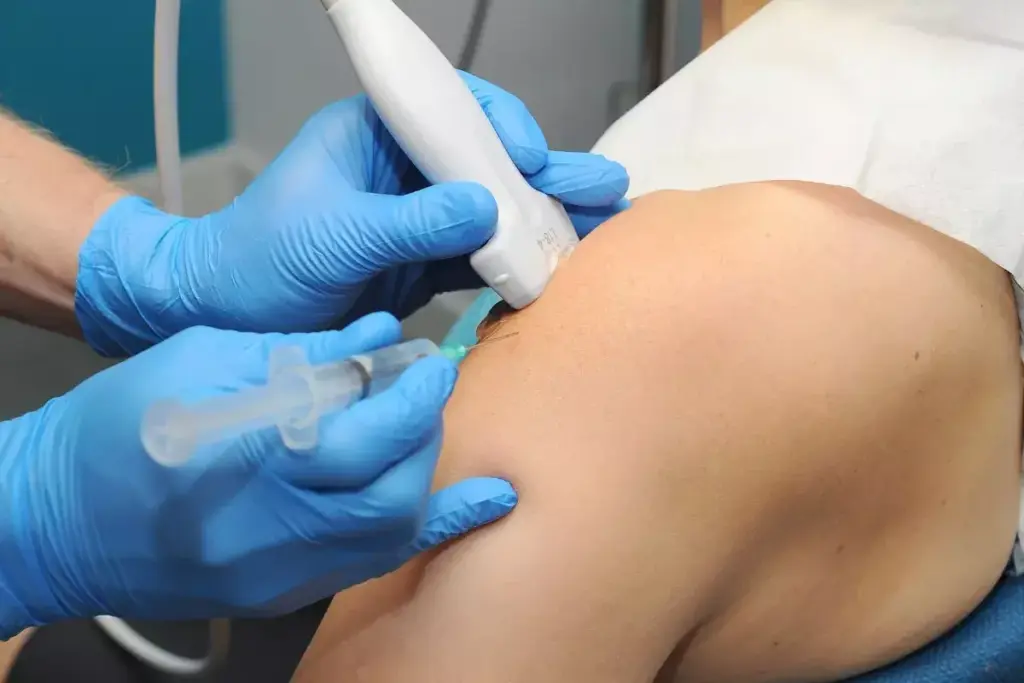
Keloid scars can be tough to treat, but steroid injections offer hope. We’ll look into how these injections work and their success in treating keloid scars.
What Are Keloid Steroid Injections?
Keloid steroid injections use a corticosteroid, like triamcinolone acetonide, directly in the scar. This treatment aims to lessen inflammation and stop collagen production. It also flattens the scar tissue.
By focusing on the keloid tissue, these injections can ease symptoms like itching and discomfort. The steroids’ anti-inflammatory properties are key to this treatment.
Effectiveness of Triamcinolone Acetonide
Triamcinolone acetonide is a strong corticosteroid used for keloids. It targets the keloid tissue, reducing inflammation and collagen production. Studies show it can shrink keloid scars and lessen symptoms.
Many clinical studies back triamcinolone acetonide‘s success in treating keloids. They show most patients see a clear improvement in their scar’s look after treatment.
5 Common Keloid Injection Side Effects
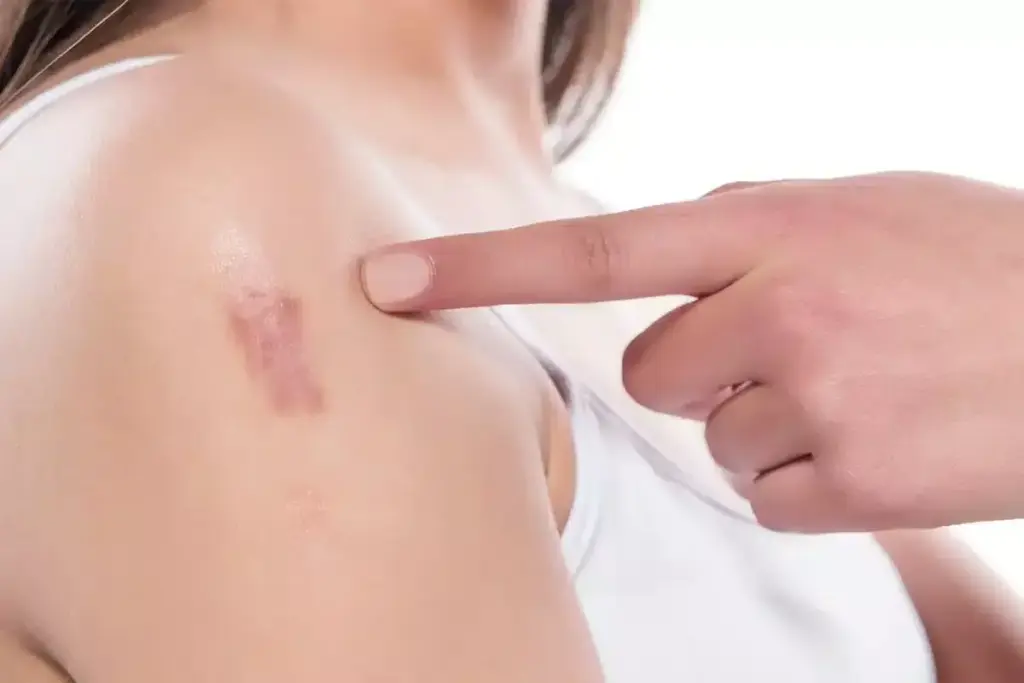
It’s important to know the possible side effects of keloid steroid injections. These injections are a common treatment for keloids. But, they can cause several local side effects that patients should be aware of.
Skin Thinning and Atrophy
One common side effect is skin thinning and atrophy. The steroid can make the skin thinner and weaker. This can lead to a depression or indentation at the injection site. Sometimes, this thinning can be permanent, but it’s usually mild.
Hypopigmentation and Hyperpigmentation
Changes in skin pigmentation are another possible side effect. Hypopigmentation is when the skin lightens, and hyperpigmentation is when it darkens. These changes can be distressing, as they can be noticeable. We tell patients that these changes are usually temporary but can sometimes last forever.
Telangiectasia (Dilated Blood Vessels)
Telangiectasia is when small blood vessels near the skin’s surface get bigger. This can make them visible, looking red or purple. While it’s not usually harmful, it can be a concern for patients, as it can be unsightly.
Skin Necrosis and Ulceration
In rare but serious cases, keloid steroid injections can cause skin necrosis and ulceration. This is when the skin tissue dies, leading to an ulcer. We stress that while this is rare, it’s a serious issue that needs immediate medical attention.
Knowing these possible side effects is key for patients thinking about keloid steroid injections. We believe that being informed helps patients make the best choices for their care.
Systemic Complications and Considerations
Keloid steroid injections are usually safe, but there are risks. These include Cushing’s syndrome, adrenal insufficiency, and gastric ulcers. These problems can happen if too much corticosteroid builds up in the body.
People getting these injections need to watch for side effects. Look out for weight gain and mood swings from Cushing’s syndrome. Also, be aware of fatigue and dizziness, signs of adrenal insufficiency.
Doctors should be careful with the amount and how often they give these injections. This helps keep patients safe and effective. It reduces the chance of bad side effects.
FAQ:
What are keloid steroid injections?
Keloid steroid injections are a treatment that uses corticosteroids. These are injected into keloid scars. They aim to reduce the scar’s size, inflammation, and pain.
How do keloid steroid injections work?
These injections work by lowering inflammation and stopping keloid growth. This makes the scar smaller and less noticeable.
What are the common side effects of keloid steroid injections?
Side effects include skin thinning and atrophy. You might also see changes in skin color, like hypopigmentation or hyperpigmentation. Other issues include dilated blood vessels and skin damage.
Can keloid steroid injections cause systemic complications?
Yes, though rare, they can lead to systemic problems. This includes changes in blood sugar, mood swings, and adrenal gland suppression. This is more likely with repeated or high-dose treatments.
How can I minimize the risks associated with keloid steroid injections?
To lower risks, stick to the treatment plan and attend all follow-up appointments. Always tell your doctor about any side effects or concerns.
Are keloid steroid injections effective in treating keloid scars?
Yes, they are a common and effective treatment. Studies show they can significantly reduce keloid size and symptoms.
What is triamcinolone acetonide, and why is it used for keloid injections?
Triamcinolone acetonide is a corticosteroid used for keloid injections. It’s chosen for its anti-inflammatory effects and ability to stop keloid growth.
How many keloid steroid injections will I need?
The number of injections needed varies. It depends on the scar’s size, severity, and how well you respond to treatment. Usually, it’s a few injections spaced weeks apart.
References:
National Center for Biotechnology Information. Evidence-Based Medical Guidance. Retrieved from https://pmc.ncbi.nlm.nih.gov/articles/PMC4228202/



 Departments
 Related Videos
 Our Doctors
 News
News