Last Updated on November 4, 2025 by mcelik

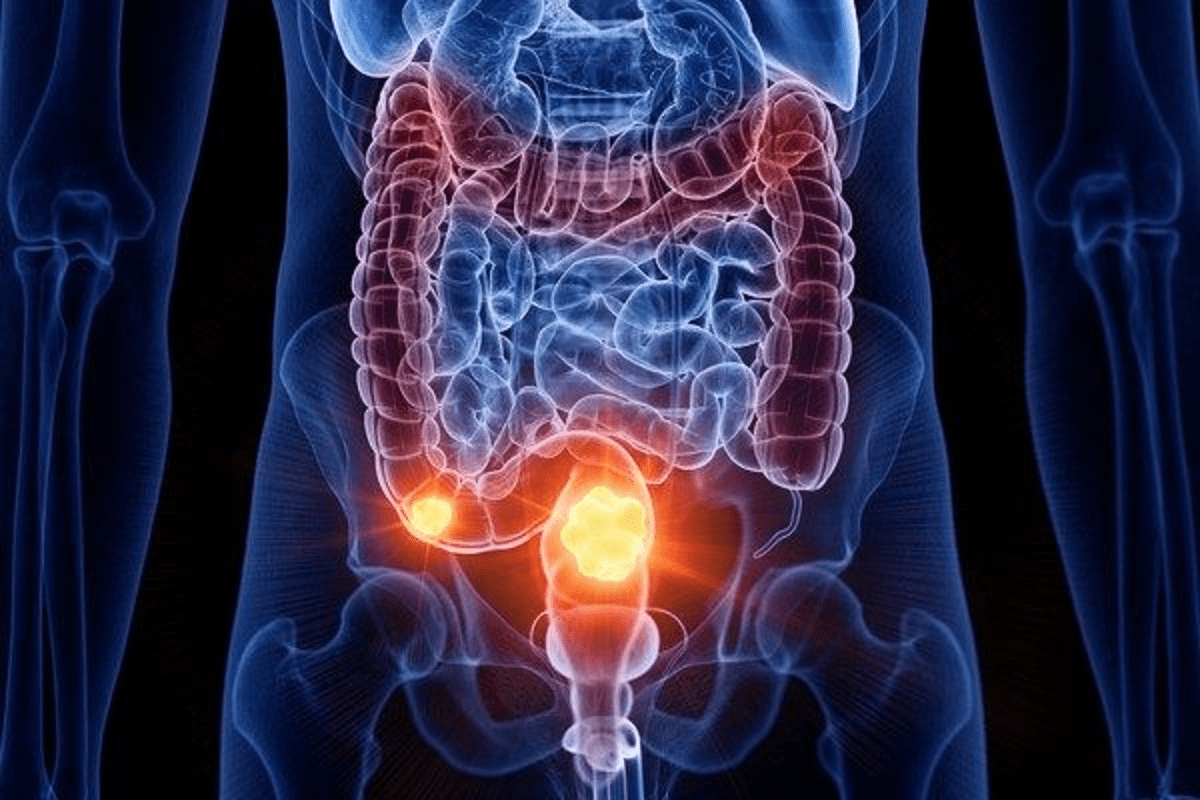
Did you know that about 1 in 50 adults get a disc herniation each year? This can cause a lot of pain and affect daily life. We’re here to help you understand the progression of a herniated disc and its stages. Learn the 5 Stages Herniated Disc process, from early bulging to severe compression, and how to manage pain.
Knowing the stages of disc herniation is important for managing and treating it. We’ll look at the symptoms, how to diagnose, and treatment options for each stage. Our aim is to give you the knowledge to handle this condition confidently.
Key Takeaways
- Herniated discs progress through distinct stages.
- Understanding these stages is key to effective management.
- Symptoms and treatment options vary across the stages.
- Early diagnosis is critical for the best results.
- Comprehensive care includes both medical and supportive treatments.
Understanding Herniated Discs: Anatomy and Function
Spinal discs are vital for our spinal health. Knowing how they work helps us understand herniated discs. The spine has many vertebrae, and between them are discs. These discs absorb shock and help the spine move.
Spinal Disc Structure
A spinal disc has two main parts: the nucleus pulposus and the annulus fibrosus. The nucleus pulposus is soft and gel-like, acting as a cushion. The annulus fibrosus is tougher and keeps the nucleus in place, supporting the disc.
Normal Disc Function
Spinal discs do several important things:
- They absorb shock and spread pressure evenly.
- They help the spine move and stay flexible.
- They keep the spine tall, affecting our posture and height.
When they work right, these discs let us move freely without pain.
What Happens During Herniation
When a disc herniates, the annulus fibrosus weakens or tears. This lets the nucleus pulposus bulge out. This can happen for many reasons, like age, injury, or genetics.
As the nucleus bulges, it can press on nerves. This causes pain, numbness, and other symptoms of herniated discs.
Knowing about spinal discs helps us understand herniation and its effects on our spine.
Causes and Risk Factors for Disc Herniation
Age, injuries, and lifestyle choices are main reasons for disc herniation. Knowing these factors helps in preventing and treating the condition.
Age-Related Degeneration
As we get older, our spinal discs naturally change. They lose water, becoming less flexible and more likely to tear. This can be sped up by genetics, lifestyle, and past injuries.
Key changes include:
- Loss of disc height and hydration
- Increased stiffness and reduced flexibility
- Greater susceptibility to cracks and tears
Traumatic Injuries
Events like golf cart accidents can cause disc herniation. The sudden impact can damage the disc, leading to herniation.
Examples of traumatic injuries include:
- Falls
- Vehicle accidents
- Sports injuries
Lifestyle and Occupational Factors
Some lifestyles and jobs increase the risk of disc herniation. Jobs that involve heavy lifting or bending can stress the discs. A sedentary lifestyle or poor posture also contributes to disc issues.
Occupational risk factors include:
- Heavy lifting and manual handling
- Prolonged sitting or standing
- Frequent bending or twisting
Genetic Predisposition
Genetics can also play a part in disc herniation. People with a family history of back problems may be more likely to have herniated discs. This is due to inherited traits that affect disc health.
Understanding these causes and risk factors is key for prevention and treatment. By knowing the risks, people can take steps to protect their spinal health.
The 5 Stages Herniated Disc Classification System
Herniated discs are divided into five stages, each with its own symptoms and treatment. This system helps doctors understand the condition’s progression and choose the best treatment.
Medical Classification Overview
The medical classification of herniated discs ranges from mild to severe. Accurate staging is key for doctors to assess the condition’s impact and plan treatment.
Doctors consider several factors, like disc degeneration and prolapse, when classifying herniated discs. Each stage shows a different level of damage and symptoms.
Progression From Early to Advanced Stages
Herniated discs progress from mild to severe through changes in structure and function. Initially, the disc degenerates, leading to bulging or prolapse. As it worsens, the disc may extrude or sequester, causing more severe symptoms.
Understanding this progression helps predict the condition’s course and plan interventions. Early intervention can significantly improve outcomes by preventing further deterioration and reducing complications.
| Stage | Description | Common Symptoms |
| Stage 1 | Disc Degeneration | Mild back pain, stiffness |
| Stage 2 | Disc Prolapse (Bulging) | Moderate back pain, radiating pain |
| Stage 3 | Disc Extrusion | Severe back pain, neurological symptoms |
| Stage 4 | Disc Sequestration | Severe pain, significant neurological deficits |
| Stage 5 | Disc Space Collapse | Chronic pain, significant functional limitations |
Importance of Accurate Staging
Accurate staging of herniated discs is critical for selecting the right treatment. It helps doctors determine the severity and choose between conservative management and surgery.
Accurate staging also improves patient outcomes by tailoring treatments to the specific stage. This personalized approach makes treatments more effective and reduces complications.
Stage 1: Disc Degeneration
Disc degeneration marks Stage 1 of a herniated disc. It happens when the spinal discs start to break down. This breakdown is caused by different factors.
Early Degenerative Changes
Early degenerative changes happen when the spinal discs wear out. They lose their natural height and flexibility. This is often linked to osteochondrosis or spondylosis, which affect the spine.
As we get older, our spinal discs naturally degenerate. But, some factors can speed up this process. This can include the disc losing water and small tears in the outer layer.
Symptoms and Pain Patterns
The symptoms of disc degeneration vary. They often include pain in the back that can spread to other areas. The pain’s pattern depends on the degeneration’s severity and nerve compression.
Pain from disc degeneration can get worse with activities like lifting or bending. It can be either constant or come and go, based on the degeneration’s extent.
Diagnostic Findings
Imaging studies like MRI or CT scans are used to diagnose disc degeneration. These studies show how much the disc has degenerated. They can also spot disc bulging or osteophytes.
Imaging is key for diagnosing disc degeneration. An MRI shows the disc’s hydration level. A CT scan details the bones. X-rays check the spine’s alignment and for bone issues.
Impact on Daily Activities
Disc degeneration can greatly affect daily life. It limits mobility and flexibility, making simple tasks hard.
Even basic activities like walking or sitting for long can hurt. So, people may need to change their daily routines to cope with their pain.
Stage 2: Disc Prolapse (Bulging)
Stage 2 of a herniated disc is marked by disc prolapse or bulging. At this point, the disc material bulges beyond its normal limits. This can press on nearby nerves.
Structural Changes
In Stage 2, the disc’s structure weakens. The outer layer, the annulus fibrosus, starts to break down. This lets the inner nucleus pulposus bulge outward. This bulging disc can put pressure on nerves, causing pain and other symptoms.
Symptom Progression
As the disc bulges, symptoms get worse. People may feel:
- More pain in the back or neck
- Pain that spreads to the arms or legs
- Numbness or tingling
- Muscle weakness
These symptoms happen because the bulging disc presses on nerves.
Functional Limitations
Stage 2 symptoms can make everyday tasks hard. Simple actions like bending, lifting, or sitting for long can be tough. People might need to change their daily routines to handle their condition.
Work and Lifestyle Adjustments
To deal with symptoms and limitations, people may need to adjust their work and life. This includes:
- Changing work setups to reduce strain
- Stretching and moving regularly
- Avoiding heavy lifting or bending
- Doing physical therapy to strengthen muscles
By making these changes, people can manage their condition better and improve their life quality.
Stage 3: Disc Extrusion
We now look at Stage 3, where the disc material pushes out, causing severe symptoms. At this point, the herniated disc material goes beyond the disc space. It can press on or irritate nearby nerves.
Defining Characteristics
Disc extrusion means the disc material goes beyond its normal area. This can cause nerve compression, leading to neurological symptoms.
- Nerve root compression or irritation
- Disc material extrusion beyond the disc space
- Potential for significant neurological deficits
Neurological Symptoms
When the disc material presses on nerves, patients may feel numbness or tingling. They might also have muscle weakness and changes in reflexes.
- Numbness or tingling sensations in the limbs
- Muscle weakness
- Reflex changes
These symptoms can make daily life hard, affecting a patient’s quality of life.
Pain Intensity and Patterns
The pain from disc extrusion can be very intense. It often feels sharp or shooting and can get worse with movement or certain positions.
Common pain patterns include:
- Radicular pain following the nerve root distribution
- Increased pain with movement or straining
- Pain relief with rest or specific positioning
Quality of Life Considerations
The effects of disc extrusion on a patient’s life are huge. The pain and neurological symptoms can limit daily activities. This affects both physical and emotional health.
At this stage, it’s key to have a full care plan. This includes managing pain, physical therapy, and sometimes surgery. These steps help ease symptoms and improve life quality.
Stage 4: Disc Sequestration
Stage 4 herniated disc, known as disc sequestration, is serious. It happens when disc material separates, causing severe symptoms. At this point, the disc fragment has moved away from its original place.
Fragment Migration
During disc sequestration, the disc material breaks off and moves to other parts of the spine. This can irritate nerves, leading to more pain and neurological issues.
While the body might absorb the fragment, sometimes it needs medical help to ease symptoms and prevent more problems.
Severe Symptoms
The symptoms of disc sequestration are intense. Patients often feel sharp pain, numbness, and tingling. This is because the migrated disc fragment presses on nerves.
These symptoms can really affect a person’s life. They make simple tasks hard and require quick medical care.
Potential Complications
If not treated, disc sequestration can cause chronic pain and nerve problems. In severe cases, it can lead to cauda equina syndrome. So, it’s important to get medical help fast when symptoms get bad.
Urgent Treatment Needs
Because of the serious symptoms and possible complications, urgent treatment is often needed. Doctors might perform surgery to remove the disc fragment and ease nerve pressure.
| Treatment Options | Description | Benefits |
| Surgical Intervention | Removal of the migrated disc fragment | Relieves pressure on nerves, reduces pain |
| Conservative Management | Physical therapy, pain management | May avoid surgery, improves function |
| Minimally Invasive Procedures | Procedures like epidural injections | Reduces inflammation, relieves pain |
Every patient is different, and the best treatment depends on their specific needs and how severe their condition is.
Stage 5: Disc Space Collapse
Disc space collapse is the final stage of disc degeneration. The spinal disc loses its height and structure. This stage brings significant changes to the spinal anatomy, affecting health.
End-Stage Changes
In Stage 5, the disc has severely degenerated, losing its height. This collapse narrows the space between vertebrae. It can cause or worsen spinal stenosis.
Imaging studies like MRI or X-ray show the disc’s reduced height. They also reveal any spinal changes.
Chronic Pain Development
Chronic pain often follows disc space collapse. The changed spinal mechanics and nerve compression cause ongoing pain. Various treatments aim to manage this pain.
Chronic pain greatly affects a person’s life. It impacts their physical and mental health.
Functional Limitations
People with disc space collapse face pain and reduced mobility. Simple tasks become hard, requiring lifestyle changes and possibly physical therapy.
Long-term Prognosis
The long-term outlook for disc space collapse varies. It depends on the collapse’s extent, spinal health, and treatment success.
| Prognostic Factor | Description | Impact on Prognosis |
| Extent of Disc Collapse | Degree to which the disc has lost its height | More extensive collapse generally indicates a poorer prognosis |
| Overall Spinal Health | Presence of other spinal conditions or degenerative changes | Presence of other conditions can complicate treatment and affect prognosis |
| Effectiveness of Treatment | Response to conservative or surgical interventions | Successful treatment can significantly improve prognosis |
Knowing these factors helps create an effective treatment plan. It improves the patient’s quality of life.
Diagnosing Herniated Disc Stages
To diagnose herniated disc stages, we use physical exams, imaging studies, and neurological tests. This approach helps doctors understand the condition well. It also helps decide the best treatment.
Physical Examination Techniques
A detailed physical exam is key in finding herniated discs. We check for tenderness, muscle spasm, and how well the patient moves. We also test reflexes and muscle strength.
Specific tests, like the straight leg raise test, help us see if symptoms are real. A top orthopedic specialist says, “A careful physical exam is vital to find and judge a herniated disc’s severity.”
Imaging Studies (MRI, CT, X-ray)
Imaging studies are key to confirming a herniated disc diagnosis. We often use MRI, CT, and X-rays.
| Imaging Modality | Advantages | Limitations |
| MRI | Excellent soft tissue visualization, sensitive to disc herniation | Contraindicated in patients with certain metal implants, claustrophobia |
| CT | Quick and widely available, good for bony structure evaluation | Less sensitive to soft tissue changes, radiation exposure |
| X-ray | Low cost, quick, and easy to perform | Limited soft tissue visualization, radiation exposure |
MRI is best for seeing soft tissues like discs, nerves, and the spinal cord.
Neurological Testing
Neurological tests are vital to see how a herniated disc affects the nervous system. We check motor function, sensory function, and reflexes.
These tests help us find nerve compression or damage. They guide our treatment choices.
Differential Diagnosis
Differential diagnosis is important to rule out other conditions that might look like a herniated disc. We look at other possible causes, like:
- Degenerative disc disease
- Spinal stenosis
- Spondylolisthesis
- Other spinal problems
A detailed diagnostic process helps us give an accurate diagnosis. Then, we can create a treatment plan that fits the patient’s needs.
Conservative Treatment Approaches by Stage
We know each stage of a herniated disc needs its own treatment plan. These plans aim to ease symptoms, boost function, and stop the condition from getting worse.
Early Stage Interventions
In the early stages, we focus on cutting down inflammation and pain. Conservative treatments might include rest, ice or heat, and pain meds you can buy without a prescription. Gentle exercises and stretches help keep you flexible and strong.
Physical Therapy Protocols
As the condition gets worse, physical therapy becomes key. Physical therapists create special exercise plans to better your posture, strengthen your core, and increase flexibility. They might also use manual therapy and other treatments like ultrasound or electrical stimulation.
Medication Management
Medication management is important for controlling pain and swelling. This might include NSAIDs, muscle relaxants, or steroids. Sometimes, injections like corticosteroids or epidural injections are suggested to lessen inflammation and pain.
Pain Management Techniques
Good pain management is essential for treating herniated discs. Methods might include acupuncture, chiropractic care, or therapy to deal with chronic pain’s mental side. Teaching you how to move properly, stand right, and lift safely is also key.
By matching treatment to the disc’s stage, we can get better results. This improves your life quality and might even keep surgery out of the picture.
Advanced Treatment Options for Later Stages
In later stages of herniated discs, advanced treatments are needed. These include interventional procedures and surgery. They help to ease severe symptoms and improve life quality.
Interventional Procedures
When other treatments don’t work, interventional procedures are considered. These include:
- Epidural Steroid Injections: To reduce inflammation and relieve pain.
- Facet Joint Injections: To address pain from the facet joints.
- Nerve Root Blocks: To target specific nerves causing pain.
“Interventional procedures offer a valuable middle ground between conservative management and surgery,” notes a leading pain management specialist. “They can provide significant relief for patients who are not yet ready or suitable for surgical intervention.”
Surgical Indications and Techniques
Surgery is considered for severe symptoms that haven’t responded to other treatments. Surgical indications include:
- Significant neurological deficits
- Severe pain that interferes with daily activities
- Cauda equina syndrome
Surgical techniques vary based on the patient’s condition. They may include discectomy, microdiscectomy, or spinal fusion. “The goal of surgery is to relieve pressure on the nerves and stabilize the spine,” explains a renowned spine surgeon.
Minimally Invasive Approaches
Minimally invasive surgical techniques are popular. They offer smaller incisions, less tissue damage, and quicker recovery times. These approaches may involve:
- Endoscopic Discectomy: A procedure that uses a small camera and instruments to remove disc material.
- Laser Discectomy: A technique that uses laser energy to vaporize disc material.
Minimally invasive approaches can offer significant advantages. They reduce the risk of complications and promote faster healing.
Post-Surgical Rehabilitation
Post-surgical rehabilitation is key to recovery. It involves:
- Physical therapy to restore strength and flexibility
- Pain management strategies to control post-operative pain
- Gradual return to normal activities
A well-structured rehabilitation program is essential. It ensures optimal outcomes and minimizes future complications.
Recovery Timeline and Expectations
Understanding the recovery process for a herniated disc is key. It involves different stages, each with its own challenges and goals. Knowing what to expect at each stage is important.
Stage-Specific Recovery Patterns
The recovery from a herniated disc is not straightforward. It changes at each stage. Early stages focus on controlling pain and swelling. Later stages aim to build strength and improve function.
- In Stage 1, the focus is on conservative management through rest, physical therapy, and pain management.
- By Stage 2 and 3, patients often start to experience improvements in pain levels and begin to engage in more strenuous activities.
- In Stage 4 and 5, the focus is on rehabilitation and regaining full functionality, with some patients requiring surgical intervention.
Milestones and Progress Markers
Knowing the milestones and progress markers at each stage is helpful. It keeps patients motivated and tracks their progress. Key milestones include:
- Reduction in pain and discomfort
- Improvement in mobility and flexibility
- Return to daily activities and work
Managing Setbacks
Setbacks are a normal part of recovery. Managing them effectively involves recognizing early signs and adjusting treatment plans. This may include:
- Modifying physical activities
- Adjusting medication
- Seeking additional medical intervention when necessary
Return to Work and Activities
Returning to work and normal activities is a big milestone. The timeline varies based on the disc’s stage, work type, and health. A gradual return, guided by healthcare professionals, is often recommended.
Preventing Herniated Disc Progression
To stop herniated discs from getting worse, we need to make changes in how we work, exercise, and live. By making these changes, we can lower the chance of our discs getting worse and the pain that comes with it.
Ergonomic Considerations
Changing how we set up our workspace is key to stopping herniated discs from getting worse. This means making sure our chairs, monitors, and keyboards are all in the right spots. These small tweaks can make a big difference.
- Maintain a neutral spine position while sitting or standing
- Use an ergonomic chair with proper lumbar support
- Position computer monitors at eye level to avoid tilting the head
Exercise and Strengthening Programs
Working out regularly is important for keeping our spines healthy and stopping herniated discs from getting worse. A good workout plan should include:
| Exercise Type | Benefits |
| Core strengthening exercises | Improves spinal stability and support |
| Flexibility and stretching exercises | Enhances range of motion and reduces muscle tension |
| Aerobic exercises | Promotes overall health and reduces inflammation |
Lifestyle Modifications
Changing our lifestyle is also important in stopping herniated discs from getting worse. This means staying at a healthy weight, not smoking, and managing stress. A healthy lifestyle can greatly lower the risk of disc degeneration and related symptoms.
Preventive Medical Interventions
Sometimes, we need medical help to stop herniated discs from getting worse. This can include:
- Regular check-ups with a healthcare provider to monitor spinal health
- Physical therapy to address any biomechanical issues
- Medications to manage pain and inflammation
Living with a Herniated Disc: Long-Term Management
Managing a herniated disc long-term needs medical care, lifestyle changes, and self-care. It’s tough, but the right steps can help control symptoms and enhance life quality.
Chronic Pain Strategies
Chronic pain management is key when you have a herniated disc. A mix of medicine, physical therapy, and therapies like acupuncture and meditation is recommended. Creating a personalized pain plan with healthcare experts is vital.
Effective strategies include:
- Regular exercise to keep flexibility and strength
- Heat and cold therapy to lessen pain and swelling
- Relaxation methods like deep breathing and muscle relaxation
Adaptive Equipment and Techniques
Adaptive tools and methods can greatly help daily life with a herniated disc. Look into ergonomic furniture, assistive devices, and simpler daily routines to ease spine strain.
For instance, a back support or ergonomic chair can help keep your posture right and cut down on sitting discomfort. Remember to stretch and move often.
| Adaptive Equipment | Benefits |
| Ergonomic Chair | Improves posture, reduces discomfort |
| Back Support | Stabilizes the spine, reduces strain |
| Assistive Devices | Helps with daily tasks, reduces physical exertion |
Mental Health Considerations
A herniated disc can affect mental health a lot. It’s important to focus on emotional health as much as physical. Getting help from mental health experts, support groups, or online resources is very helpful.
Ways to keep mental health up include:
- Staying in touch with loved ones
- Doing things that make you happy
- Using stress-reduction methods like meditation or yoga
Support Groups and Resources
Connecting with others facing similar issues can offer great support and advice. We suggest joining support groups, online or in-person, to share and learn.
There are many resources out there, like educational materials, forums, and healthcare services, to help manage a herniated disc.
When to Seek Immediate Medical Attention
We stress the need to spot red flag symptoms for herniated discs that need urgent care. Some conditions can turn into emergencies, needing quick action to avoid serious harm.
Red Flag Symptoms
Red flag symptoms warn of serious issues. For herniated discs, look out for:
- Severe pain that doesn’t get better with rest or meds
- Numbness or tingling in the legs or groin
- Weakness in the leg muscles
- Loss of bladder or bowel control
- Progressive neurological deficits
Emergency Situations
At times, a herniated disc can cause emergencies needing quick medical help. These include:
- Cauda equina syndrome, where nerves in the spinal canal get compressed, causing severe pain, numbness, and leg weakness.
- Severe neurological deficits, like foot drop or significant leg weakness.
Cauda Equina Syndrome
Cauda equina syndrome is a medical emergency needing immediate surgery. Symptoms are:
- Pain in the lower back, spreading to the legs
- Numbness or tingling in the groin or legs
- Weakness in the legs, making walking hard
- Loss of bladder or bowel control
Progressive Neurological Deficits
Progressive neurological deficits mean symptoms like numbness, weakness, or paralysis get worse over time. If not treated, these can cause permanent damage, showing the urgency for medical help.
Knowing these red flag symptoms and emergency situations helps people get medical help fast. This can prevent long-term problems and improve treatment results.
Conclusion
Knowing the 5 stages of a herniated disc is key to managing it well. Recognizing how it progresses helps patients get the right care. They can then make smart choices about their treatment.
At our institution, we aim to give top-notch healthcare to everyone. We support international patients fully. Our team creates treatment plans that fit each patient’s needs, whether it’s for symptoms or advanced treatments.
Early action and proper care are vital. They help ease symptoms, stop problems from getting worse, and boost life quality. We urge patients to be proactive in managing their condition. And to seek medical help when needed.
FAQ
What are the typical symptoms of a herniated disc?
A herniated disc can cause back pain, numbness, and tingling. You might also feel weakness in your limbs. In severe cases, you could experience intense pain, limited mobility, and neurological issues.
How is a herniated disc diagnosed?
Doctors use a physical exam, medical history, and imaging tests like MRI or CT scans. They might also do neurological tests to check nerve function.
What are the stages of a herniated disc?
There are five stages of a herniated disc. Stage 1 is disc degeneration. Stage 2 is when the disc bulges. Stage 3 is when it extrudes, and Stage 4 is when it sequestrates. Stage 5 is when the disc collapses.
How is a herniated disc treated?
Treatment depends on the herniation’s stage and severity. Early stages might involve physical therapy and medication. For more severe cases, surgery or minimally invasive procedures might be needed.
Can a herniated disc be prevented?
While some risks can’t be avoided, you can take steps to prevent a herniated disc. Stay at a healthy weight, exercise regularly, and maintain good posture. Avoid heavy lifting and bending.
What are the possible complications of a herniated disc?
Complications can include chronic pain, neurological issues, and limited mobility. In severe cases, you might experience cauda equina syndrome or other emergencies that need immediate care.
How long does it take to recover from a herniated disc?
Recovery time varies. Conservative treatments might take weeks to months to show results. Surgery recovery can take several months.
What lifestyle changes can help manage a herniated disc?
Changes like maintaining a healthy weight, exercising, and improving posture can help. Avoiding heavy lifting also helps manage symptoms and slow disease progression.
When should I seek immediate medical attention for a herniated disc?
If you have severe pain, sudden numbness or weakness, or loss of bladder or bowel control, seek medical help right away. These are red flag symptoms.
Reference
- Kreiner, D. S., Hwang, S. W., Easa, J. E., Resnick, D. K., Baisden, J. L., Bess, S., … Reitman, C. A. (2014). An evidence-based clinical guideline for the diagnosis and treatment of lumbar disc herniation with radiculopathy. The Spine Journal, 14(1), 180–191. https://pubmed.ncbi.nlm.nih.gov/24361399/