Last Updated on December 1, 2025 by Bilal Hasdemir
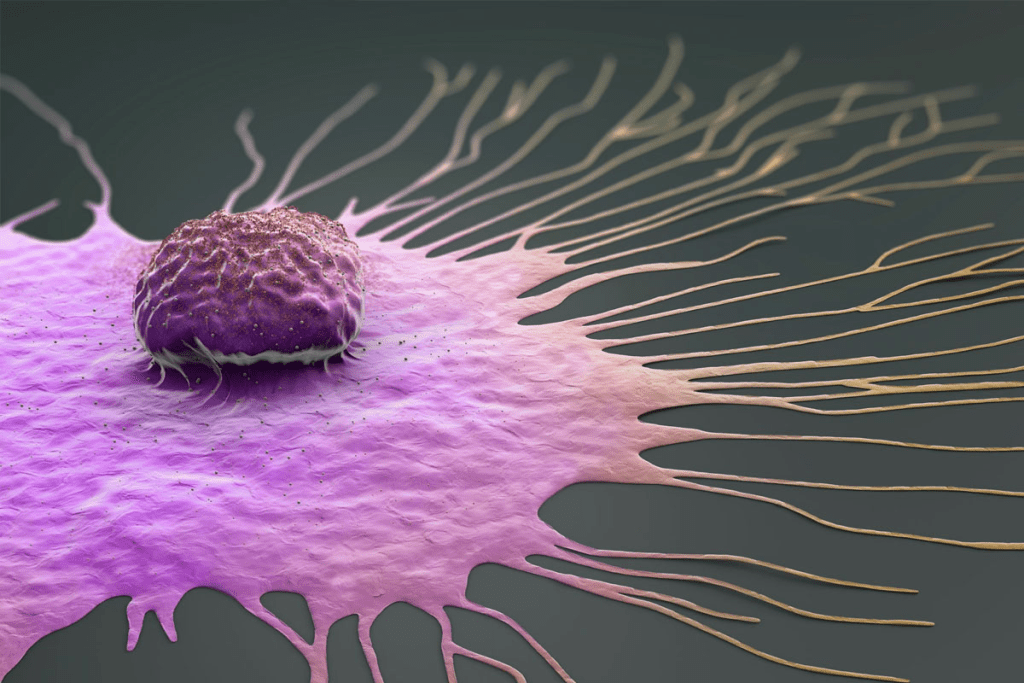
The 50 cancer test Galleri complements a PET scan, a powerful tool doctors use to find and manage health issues like cancer. A PET scan uses radioactive sugar to create 3D color images showing how the body’s cells function. The Canadian Cancer Society highlights this nuclear medicine imaging test as key for detecting how cancer spreads in the body.
Key Takeaways
- A PET scan helps detect cancer and understand its spread.
- It uses radioactive sugar to create detailed 3D images.
- PET scans are important for early cancer detection and management.
- Understanding PET scan results helps patients make informed choices.
- A PET scan is a valuable tool in the fight against cancer.
Understanding PET Scans in Cancer Diagnosis
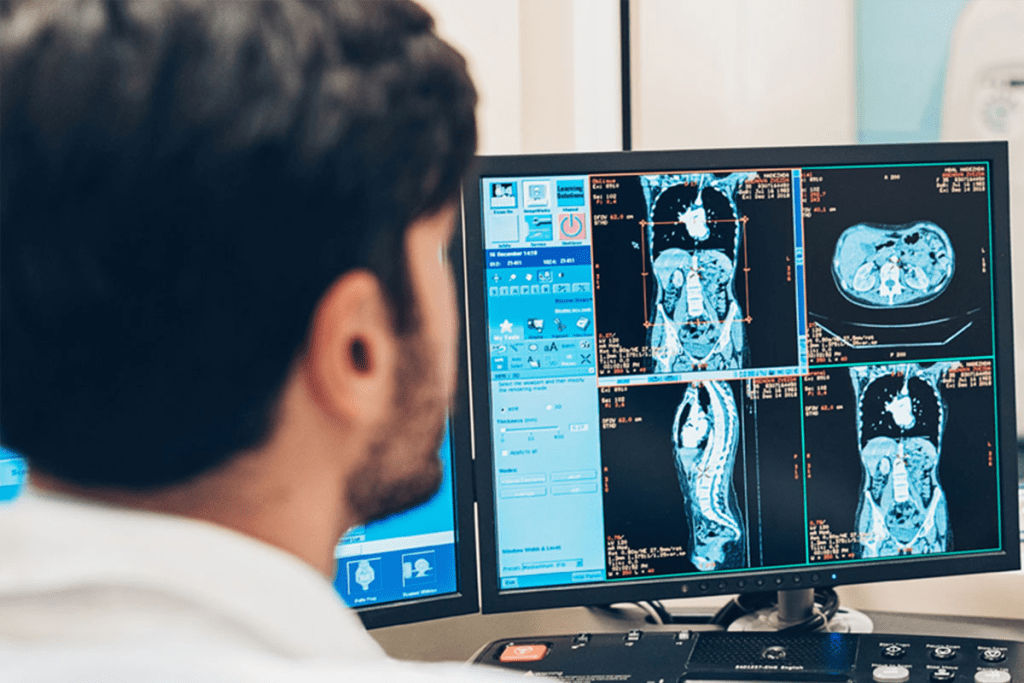
PET scans are key in cancer diagnosis. They show the metabolic differences between cancer cells and healthy cells.
What is a PET scan?
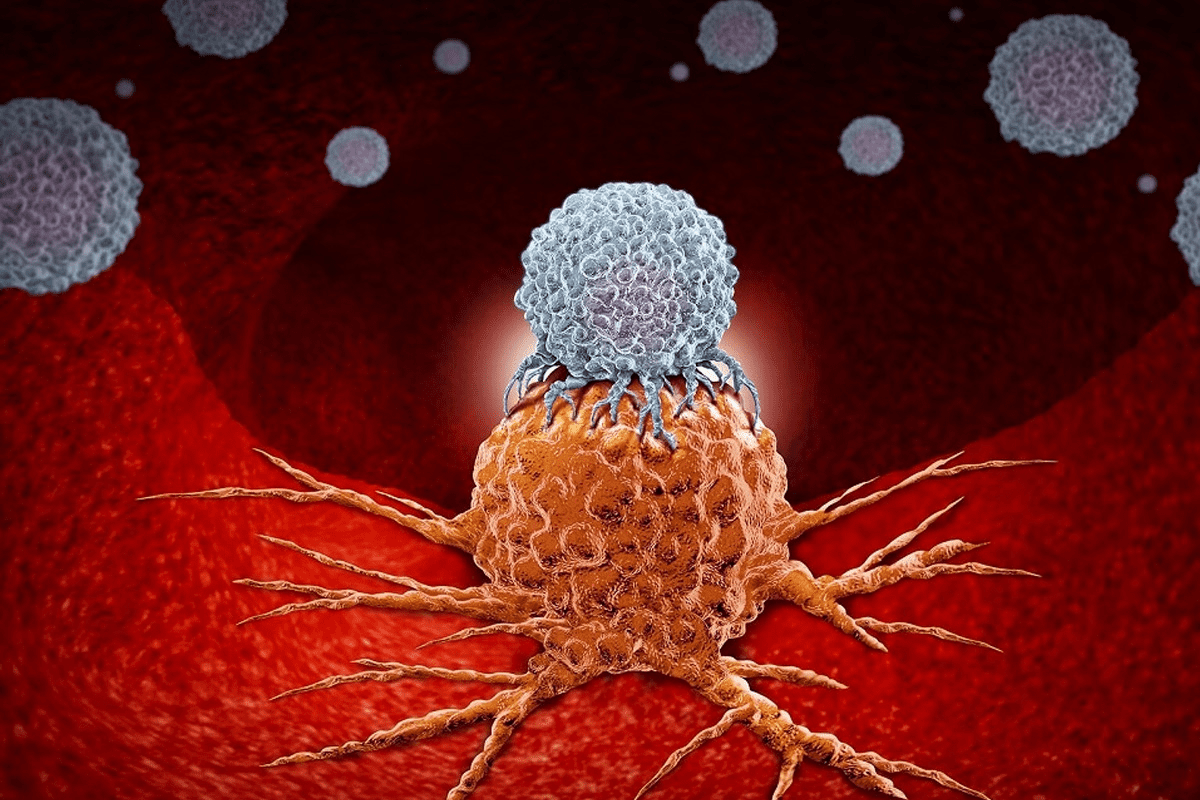
A PET scan is a test that uses a radioactive drug, called a tracer, to show metabolic activity in the body. This tracer is often glucose. Cancer cells, with their high metabolic rate, take up more of this tracer. This makes them visible on PET scan images.
How PET scans work in detecting cancer
PET scans find cancer by spotting high metabolic activity. Cancer cells, being more active, take up more tracer. This makes them show up as bright spots on the scan.
The tracer is injected into the bloodstream and spreads throughout the body. The PET scanner then detects the radiation from the tracer. This creates detailed images of the body’s metabolic activity.
PET scans are great at showing cell activity, not just structure. This helps them spot cancerous tissues that other scans might miss.
| Characteristics | PET Scan | Other Imaging Tests |
| Metabolic Activity Detection | Excellent for detecting metabolic changes in cells | Limited to structural imaging |
| Cancer Detection Capability | Highly effective for detecting cancerous cells based on metabolic activity | May not detect cancer if structural changes are minimal |
| Use in Cancer Staging | Valuable for assessing the spread of cancer due to its ability to highlight metabolically active cancer cells | Primarily used for assessing the anatomical extent of cancer |
The Role of PET Scans in Detecting Cancer Metastasis
PET scans are key in fighting cancer. They help doctors see how far cancer has spread. This information is vital for making treatment plans.
How PET Scans Identify Cancer Spread
PET scans find cancer by looking for high activity in the body. Cancer cells use more energy than normal cells. So, they show up on PET scans, even when they’re small.
Key benefits of PET scans in detecting cancer spread include:
- High sensitivity in detecting metabolically active cancer cells
- Ability to scan the whole body in a single session
- Helps in identifying the most appropriate biopsy site
Limitations in Detecting Microscopic Metastases
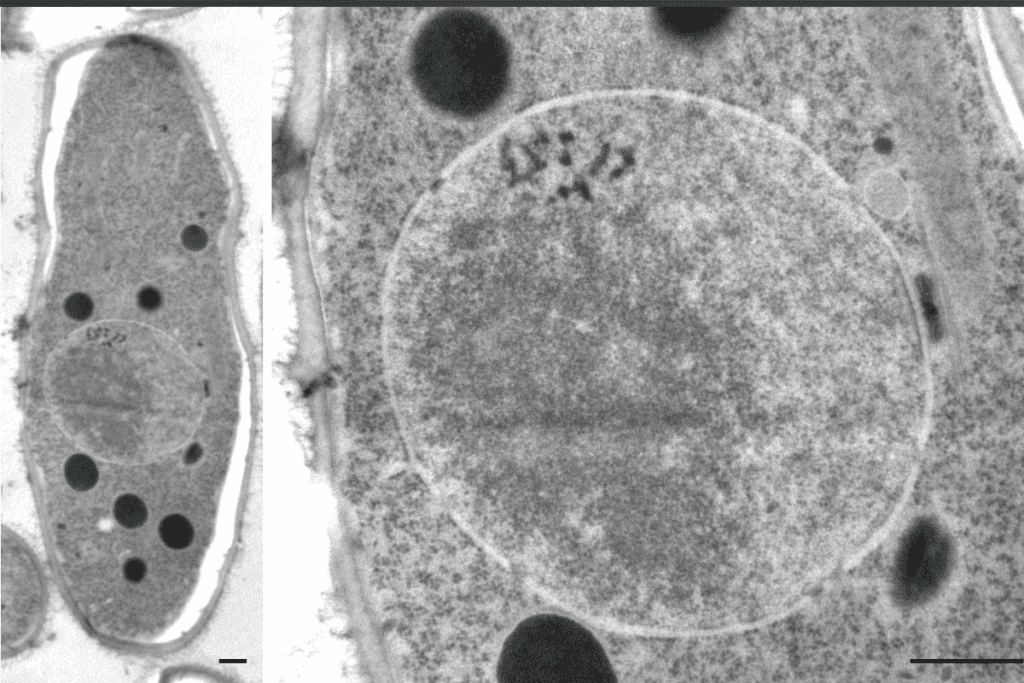
PET scans are very useful but have some limits. They can’t always find tiny cancer cells. These small cells might not show up because they’re too small or not active enough.
The table below shows what PET scans can and can’t do:
| Capability | Limitation |
| Detects cancer spread based on metabolic activity | May not detect microscopic metastases |
| Whole-body scanning in a single session | Limited by the resolution of the scanner |
| Guides treatment decisions based on cancer spread | False negatives possible in slow-growing tumors |
It’s important to know how PET scans work. This helps doctors and patients make better choices about cancer treatment.
Interpreting PET Scan Results: What They Really Mean
Understanding PET scans is complex. They give us SUV values and can have false readings. These results are key in finding and treating cancer. But, they must be looked at with other tests too.
Understanding SUV Values
SUV stands for Standardized Uptake Value. It shows how much a tracer is taken up in the body. A high SUV value might mean cancer is present. Yet, it’s important to see the big picture, not just the SUV value.
SUV values can be affected by many things. This includes the PET scanner, when the scan is done, and blood sugar levels. Knowing these can help us understand the scan better.
| SUV Value Range | Interpretation |
| Low (<2.5) | Generally considered benign or low metabolic activity |
| Moderate (2.5-4.0) | May indicate inflammation or low-grade malignancy |
| High (>4.0) | Often associated with malignant tissues |
False Positives and False Negatives
PET scans are not perfect. False positives happen when they show cancer where there isn’t any. This can be due to inflammation or infection. False negatives occur when they miss cancer that is there. This might be because the cancer cells are not active or are too small.
The Canadian Cancer Society says, “PET scan results are often used with other imaging and lab test results. Other tests are needed to determine whether an area that collected a lot of radioactive material is non-cancerous or cancerous.”
Knowing about these issues is key for doctors and patients. It shows why we need a full look at all the data. This helps us make the best choices for cancer treatment.
When Doctors Order PET Scans for Cancer Patients
Cancer patients may get PET scans at various stages of their treatment. These scans help diagnose cancer, see how far it has spread, check if treatment is working, and watch for signs of cancer coming back.
Initial Cancer Staging
Doctors often use PET scans to stage cancer at the start. They use the scan to find out how big the cancer is and if it has spread. PET scans are great at finding cancer in other parts of the body that other tests might miss.
A PET scan can spot the main tumor and any other tumors. Knowing this helps doctors plan the best treatment.
Treatment Response Evaluation
Doctors also use PET scans to see how well treatment is working. They compare scans before and after treatment to see if the cancer is getting smaller, staying the same, or growing.
This info is key for changing treatment plans. For example, if a tumor isn’t shrinking, doctors might try a different treatment.
Recurrence Monitoring
After treatment ends, PET scans help watch for cancer coming back. They can find cancer early, so doctors can act fast.
Watching for cancer to come back is very important. It lets doctors catch and treat it quickly.
| PET Scan Application | Description | Benefit |
| Initial Cancer Staging | Determining the extent of cancer spread | Accurate staging for appropriate treatment planning |
| Treatment Response Evaluation | Assessing the effectiveness of treatment | Allows for adjustments to treatment plans |
| Recurrence Monitoring | Detecting cancer recurrence early | Timely intervention for improved outcomes |
In conclusion, PET scans are very important in cancer care. They help from the start of diagnosis to after treatment. Knowing when and why doctors use PET scans helps patients understand their cancer care better.
Comparing PET Scans to Other Imaging Methods
Different imaging methods like PET scans, CT scans, and MRI are key in finding and managing cancer. Knowing their strengths and weaknesses is vital for accurate diagnosis and treatment plans.
PET vs. CT Scans
PET and CT scans are both important for diagnosing, but they focus on different things. PET scans use a radioactive tracer to show where cancer cells are because they use more energy than normal cells. CT scans, on the other hand, use X-rays to show the body’s structure, helping to find tumors’ size and location.
CT scans are great for seeing structural issues, but they can’t always tell if a tissue is cancerous. PET scans can help by showing which tissues are most active, pointing out cancerous areas.
PET vs. MRI
MRI uses magnets and radio waves to create detailed images of the body’s inside. MRI is best for seeing soft tissues and can show how far a tumor has spread.
Choosing between PET scans and MRI depends on what you’re trying to find out. PET scans are better at finding cancer cells that are active. MRI is better for seeing how tumors affect soft tissues nearby.
Combined PET-CT Imaging
Combined PET-CT imaging has changed how we diagnose and stage cancer by giving both functional and anatomical details at once. This hybrid method helps pinpoint active cancer areas and understand tumors better.
This combined approach improves how well we can diagnose, decide on treatments, and see how well treatments work. It’s a big step forward in cancer imaging, giving a clearer picture of the disease.
The “50 Cancer Test Galleri” and Other Emerging Detection Methods
The “50 Cancer Test Galleri” is a new way to find many cancers early. It’s part of a group of tests that can spot different cancers with just one blood sample.
How the Galleri Test Works
How the Galleri test works
The Galleri test finds DNA from tumors in the blood. It uses advanced tech to look for patterns that show different cancers. A study in the Annals of Oncology showed it’s very good at finding many cancers.
“The ability to detect cancer early, when it is more treatable, is a critical step towards improving patient outcomes,” said a leading oncologist.
Comparing blood tests to imaging studies
Blood tests like the Galleri test are better than old methods in many ways. They’re less scary, can be done more often, and catch cancers early. But, imaging like PET scans give more details about where and how far cancer has spread.
Comparison of Detection Methods
| Detection Method | Advantages | Limitations |
| Galleri Test | Multi-cancer detection, less invasive | Limited information on cancer spread |
| PET Scans | Detailed information on cancer spread | Invasive, radiation exposure |
In conclusion, new tests like the “50 Cancer Test Galleri” are changing how we find cancer. They have many benefits but also some downsides to think about.
Early Cancer Detection: Beyond PET Scans
New ways are being looked into for finding cancer early. Old imaging methods have their limits. So, new tech is being made to spot cancer early, which could lead to better treatment.
Multi-cancer Screening Approaches
Multi-cancer screening tests for many cancers at once. It aims to find cancers before symptoms show up. The Galleri test is one example. It can spot over 50 cancers from just one blood sample.
“The development of multi-cancer screening tests represents a significant advancement in cancer detection,” says a top oncologist. These tests could change how we screen for cancer. They offer a detailed and easy way compared to today’s methods.
Liquid Biopsy Technology
Liquid biopsy tech looks at blood or fluids for cancer DNA. It’s a promising way to find cancer early. Liquid biopsies are gentler than traditional biopsies and can catch cancer sooner.
Liquid biopsies are good for spotting cancer early, tracking how treatments work, and finding therapy resistance. Scientists are working to make these tests better for doctors to use.
“Liquid biopsies represent a significant step forward in cancer diagnosis and treatment monitoring. They offer a non-invasive means of detecting cancer DNA in the bloodstream, which can guide treatment decisions and improve patient outcomes.”
As research gets better, we’ll see more advanced tests and tech. These new tools promise to help find cancer early and improve treatment results.
The Future of Cancer Detection: Circulating Tumor DNA Testing
Circulating tumor DNA testing is a new way to find cancer early. It looks for DNA bits from tumors in the blood. This method is more sensitive and can spot cancer sooner than old imaging ways.
Detecting Cancer through ctDNA
Circulating tumor DNA (ctDNA) tests find cancer by looking for special DNA in the blood. This DNA comes from tumors. Advanced tests can find DNA changes linked to cancer.
It starts with a simple blood test. This is less scary than old biopsy methods. The blood is checked for ctDNA, showing if cancer cells are present.
Advantages Over Traditional Imaging
ctDNA testing beats old imaging like PET scans in many ways. It can find cancer early, even before it shows up on scans. It also gives detailed genetic info for better treatment plans.
Key Benefits of ctDNA Testing:
- Early detection of cancer
- Less invasive than biopsy
- Provides genetic information for personalized treatment
| Feature | ctDNA Testing | PET Scans |
| Detection Method | Analyzing DNA in blood | Imaging metabolic activity |
| Stage of Detection | Potentially earlier | After tumor formation |
| Invasiveness | Simple blood draw | Involves radiation exposure |
As research gets better, ctDNA testing will be key in fighting cancer. It opens doors for early treatment and custom medicine.
Preparing for a PET Scan: What Patients Should Know
Knowing what to do before a PET scan can make patients feel less anxious. A PET scan checks how active your body’s cells are. It helps doctors find and treat cancer.
Before the Scan
To get ready for a PET scan, follow these steps:
- Avoid eating or drinking for 4 to 6 hours before the scan, but water is okay.
- Tell your doctor about any medical conditions or medicines you take.
- Get there at least 30 minutes early to fill out forms and get ready.
Wear comfy, loose clothes and no metal jewelry or clothes.
During the Procedure
During the scan, you’ll lie on a table in a big machine. It’s painless but might feel tight. Here’s what to expect:
- The scan takes about 30 to 60 minutes.
- You might get a tracer that shows active body parts.
- You might change positions or hold your breath briefly.
After the Scan
After the scan, you can usually go back to normal unless told not to. Here’s what to do next:
- Drink lots of water to clear the tracer.
- Follow your doctor’s advice on food, medicine, and appointments.
- Wait for your doctor to talk about the scan results with you.
Understanding the PET scan process helps patients feel more ready for it.
Emotional and Psychological Impact of Cancer Imaging Results
Cancer imaging results are key for diagnosis and treatment planning. Yet, they deeply affect patients emotionally and psychologically. The wait for test results, like those from PET scans, can be very stressful and anxiety-inducing.
Coping with Scan Anxiety
Many cancer patients feel anxious about imaging tests and waiting for results. To deal with this, patients can:
- Seek emotional support from family, friends, or support groups
- Try relaxation techniques, like meditation or deep breathing
- Learn about their condition and treatment options
Healthcare providers are also vital in managing scan anxiety. They can explain the imaging process and results clearly. They also offer emotional support.
Understanding the Limitations of Diagnostic Tests
It’s important for patients to know that diagnostic tests, like PET scans, are not 100% accurate. They can sometimes show false positives or negatives. Knowing this can help manage expectations and reduce anxiety.
Patients should talk to their healthcare providers about their concerns and questions. This way, they can understand their diagnosis and treatment plan better. Being informed and supported helps patients face the challenges of cancer imaging results.
Conclusion: The Evolving Landscape of Cancer Detection
Cancer detection is changing fast with new tech like PET scans and liquid biopsies. These tools help doctors find cancer sooner and more accurately. This means they can plan better treatments.
New technologies are making cancer detection better. Tests like the Galleri test can spot many cancers from just one blood sample. This is a big step forward in finding cancer early.
As tech keeps getting better, we’ll see even more precise tests for cancer. These advancements are key to better treatment and saving lives. The future of finding cancer will keep getting brighter with new tech and ideas.
FAQ
What is a PET scan and how is it used in cancer diagnosis?
A PET scan uses a special sugar molecule to find cancer cells. Cancer cells take up more sugar than normal cells. This makes them show up on a PET scan. Doctors use it to find cancer, see how far it has spread, and check if treatment is working.
How does a PET scan detect cancer metastasis?
A PET scan finds cancer by looking for high sugar uptake in the body. This shows where cancer cells might be. Doctors use this to see if cancer has spread.
What are SUV values in PET scan results, and what do they mean?
SUV values show how much sugar an area in the body is using. Higher values mean cancer might be more aggressive or present. This helps doctors understand the cancer’s behavior.
Can PET scans produce false positive or false negative results?
Yes, PET scans can show cancer when there isn’t any (false positive) or miss it when it’s there (false negative). Things like inflammation or small tumors can cause these errors.
When do doctors typically order PET scans for cancer patients?
Doctors order PET scans for cancer patients at the start, to check treatment progress, and for follow-ups. They help see how far cancer has spread, how well treatment is working, and if cancer comes back.
How does a PET scan compare to other imaging methods like CT scans and MRI?
PET scans show how active the body’s cells are, while CT scans and MRI show the body’s structure. PET scans are often used with CT scans (PET-CT) to get both views.
What is the “50 Cancer Test Galleri”, and how does it work?
The “50 Cancer Test Galleri” is a blood test that looks for DNA from cancer cells. It can find many types of cancer early. This test aims to catch cancer before it grows.
How does liquid biopsy technology compare to traditional imaging methods like PET scans?
Liquid biopsy technology, like ctDNA testing, finds cancer DNA in blood. It’s a non-invasive way to detect cancer. While PET scans show where tumors are, liquid biopsies reveal genetic details about the cancer.
What should patients do to prepare for a PET scan?
Patients should follow their doctor’s instructions before a PET scan. This might include fasting, avoiding certain medicines, and arriving early.
How can patients cope with scan anxiety related to cancer imaging results?
Patients can talk to their doctor about their worries. They can also get support from family or support groups. Focusing on the scan’s benefits in managing care helps too.
What are the limitations of diagnostic tests like PET scans in cancer detection?
Diagnostic tests like PET scans can have false positives or negatives. They might not catch all cancers or early stages. Knowing these limits helps in understanding results and making decisions.
What is the role of multi-cancer screening approaches in early cancer detection?
Multi-cancer screening, like the “50 Cancer Test Galleri”, aims to find many cancers early with one test. This could lead to better outcomes by catching cancer sooner.
How does circulating tumor DNA (ctDNA) testing work in cancer detection?
ctDNA testing finds DNA from cancer cells in blood. It looks for genetic changes linked to cancer. This could help find cancer early and track its progress.
Reference
- Griffeth, L. K. (2005). Use of PET/CT scanning in cancer patients: Technical and practical considerations. Clinical Nuclear Medicine, 30(1), 1-15.