Last Updated on November 27, 2025 by Bilal Hasdemir

At National Vascular Associates, we focus on treating leg aneurysms, like those behind the knee, known as popliteal artery aneurysms. If not treated, these can cause serious problems, like limb ischemia and even losing a limb. We offer top-notch care in Baltimore, MD, and Richmond, VA, using the latest tech and outpatient procedures.
Symptoms of popliteal artery aneurysms include pain, swelling, and a pulsing feeling behind the knee. Catching it early is key to avoid serious issues and get the right treatment. We’ll look at six important facts about aneurysm leg surgery, covering symptoms, risks, and treatment, to help you understand this condition better.
Key Takeaways
- Popliteal artery aneurysms are a type of arterial aneurysm located behind the knee.
- Symptoms include pain, swelling, and a pulsing sensation behind the knee.
- Early detection is key to avoid serious issues like limb ischemia and limb loss.
- Advanced diagnostic tech is used to find popliteal artery aneurysms.
- There are minimally invasive outpatient procedures for treatment.
Understanding Arterial Aneurysms in the Leg
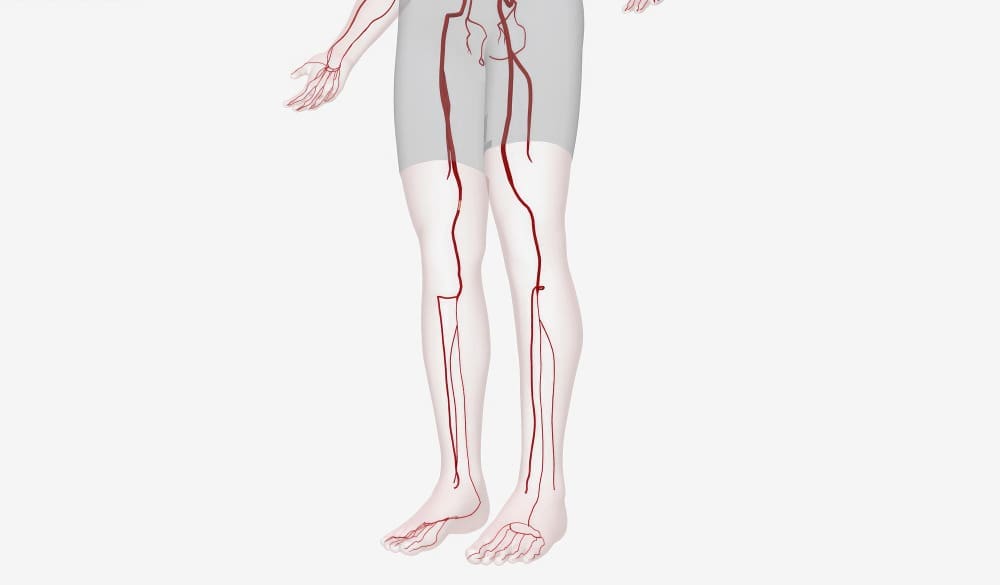
It’s important to know about arterial aneurysms in the leg for early treatment. Aneurysms behind the knee are a big vascular issue that needs quick medical help.
What Is a Popliteal Artery Aneurysm?
A popliteal artery aneurysm is when the artery behind the knee gets too big. This is a serious problem because it can cause problems like not enough blood flow, blood clots, and even rupture. Popliteal artery aneurysms are the most common type of peripheral aneurysm and often happen with other aneurysms.
“The popliteal artery is a key blood vessel for the lower leg,” a vascular specialist says. “An aneurysm here can cut off blood flow and cause serious issues if not treated fast.”
Common Locations of Leg Aneurysms
While popliteal artery aneurysms are common, other areas like the femoral artery in the thigh can also be affected. Smoking, high blood pressure, and a family history of aneurysms increase the risk.
Knowing where and why aneurysms happen in the leg is key for catching them early. We’ll look at symptoms and risks next.
Key Fact #1: Recognizing Symptoms of a Leg Aneurysm

Spotting a leg aneurysm early is all about knowing its symptoms. These signs can differ from person to person. We’ll look at the common signs that might mean you have a leg aneurysm. This will help you know when to get medical help.
Pain, Swelling, and Pulsing Sensations
Pain behind the knee is a key symptom of a leg aneurysm. You might also see swelling and feel a pulsing sensation. This happens because the aneurysm puts pressure on nerves and tissues, causing pain.
Claudication and Numbness
Some people get claudication, which is pain in the legs when walking that goes away with rest. You might also feel numbness or tingling. This is because of less blood flow or nerve pressure.
Color Changes in the Affected Leg
A leg aneurysm can make the affected leg look different. It might get cooler or turn bluish because of impaired circulation.
It’s important to recognize these symptoms early. If you notice any of these signs, see a doctor right away.
Key Fact #2: How Serious Is a Leg Aneurysm?
It’s important to know how serious a leg aneurysm is. This is because it can lead to serious problems if not treated quickly.
Risk of Limb Ischemia and Tissue Damage
A leg aneurysm can block blood flow to the leg. This blockage can damage tissues because they don’t get enough oxygen. If not treated, it can cause a lot of pain, even when you’re not moving.
It’s very important to get treatment right away. This can stop long-term damage. The risk of limb ischemia shows why early detection and treatment are key.
Potential for Limb Loss in Severe Cases
In very bad cases, a leg aneurysm can cause limb loss. This happens when the aneurysm cuts off blood flow, causing permanent damage. The chance of losing a limb is a big reason to see a doctor fast.
Getting help quickly can stop these bad outcomes. By watching and managing leg aneurysms, we can lower the chance of losing a limb.
Understanding Rupture Risk
Even though it’s rare, a leg aneurysm can burst. This can cause a lot of bleeding and serious health risks. The risk of rupture is higher in bigger aneurysms and those not watched or treated.
We think it’s key for people with leg aneurysms to know about rupture risk. Going for regular check-ups and following treatment plans can help lower this risk.
In summary, a leg aneurysm is very serious. It can lead to problems like limb ischemia, the risk of losing a limb, and rupture. We urge everyone to get medical help and follow treatment plans to avoid these issues.
Key Fact #3: Diagnosing Aneurysms Behind the Knee
Diagnosing aneurysms behind the knee is complex. It needs a mix of clinical checks and advanced imaging. We use many tools to spot and check these aneurysms. This ensures patients get the right care.
The Role of Popliteal Aneurysm Pictures in Diagnosis
Popliteal aneurysm pictures are key in diagnosis. They show abnormal bulges in arteries. This helps us confirm an aneurysm’s presence.
By looking at these pictures, we can see the aneurysm’s size and where it is. This info is vital for treatment planning.
Accurate diagnosis is critical. It lets us make a good treatment plan. Popliteal aneurysm pictures give us a clear view of the aneurysm’s details.
Ultrasound and Other Imaging Techniques
We also use other imaging to diagnose aneurysms behind the knee. Ultrasound is a common choice because it’s non-invasive and shows images in real-time. CT scans and MRI might also be used for more detailed info.
These methods are key for accurate diagnosis. They help us understand the aneurysm’s size, shape, and location. This info guides our treatment choices.
When to Seek Medical Attention
Patients should know when to see a doctor if they think they have an aneurysm. Signs like pain, swelling, or a pulsing leg need quick medical check-ups. We tell patients to watch their health and see a doctor for unusual symptoms.
“Early detection and treatment of aneurysms can significantly improve patient outcomes. If you’re experiencing symptoms or have concerns about your vascular health, don’t hesitate to seek medical attention.”
Understanding the diagnostic process and knowing when to seek help is important. This way, patients can get timely and effective care for aneurysms behind the knee.
Key Fact #4: Aneurysm Leg Surgery Indications and Timing
Deciding to operate on a leg aneurysm involves looking at several key factors. These factors help us choose the best treatment for popliteal artery aneurysms.
Size Thresholds for Intervention
The size of the aneurysm is a major factor in deciding on surgery. Usually, surgery is considered for aneurysms over 2 cm in diameter. This size guideline helps weigh the risks of surgery against the dangers of aneurysm rupture or other problems.
Key size-related factors include:
- The diameter of the aneurysm
- The rate of growth
- The presence of symptoms
Symptomatic vs. Asymptomatic Management
Whether symptoms are present or not is also important. Aneurysms causing pain, swelling, or other symptoms need quick attention. On the other hand, aneurysms without symptoms might be watched unless they grow or reach a certain size.
Symptomatic patients may experience:
- Pain or discomfort in the leg
- Swelling or pulsatile masses
- Claudication or numbness
Risks of Delaying Treatment
Waiting too long to treat a leg aneurysm can lead to serious issues. These include limb ischemia, tissue damage, and even losing the limb. Though less common in leg aneurysms, rupture is a risk that can have severe effects.
Risks associated with delayed treatment include:
- Limb ischemia due to thrombosis or embolism
- Tissue damage from inadequate blood flow
- Increased complexity of surgical repair
Knowing these factors helps us make better decisions about when and if to operate on an aneurysm. We consider both the aneurysm’s size and symptoms to create a treatment plan that meets each patient’s needs.
Key Fact #5: Popliteal Artery Aneurysm Treatment Options
Treating popliteal artery aneurysms needs a careful plan. This plan includes both open surgery and less invasive methods. The right treatment depends on the aneurysm’s size, location, and the patient’s health.
Open Surgical Repair Techniques
Open surgery is a traditional way to fix popliteal artery aneurysms. It involves making a cut to reach the aneurysm. Then, the doctor either bypasses it or repairs it directly. Open surgery has a proven track record and works well for big aneurysms or those causing symptoms.
A study in the Journal of Vascular Surgery found open surgery to be very effective. It has high success rates and few complications. Vascular surgeons say it’s a key treatment for popliteal artery aneurysms.
Minimally Invasive Endovascular Approaches
Endovascular techniques are a less invasive option. They use stent grafts to block blood flow to the aneurysm. Endovascular repair is great for patients at high risk for open surgery or with specific anatomical needs.
A recent study showed endovascular repair has benefits. It leads to quicker recovery and fewer complications than open surgery. But, its long-term success is being closely watched.
Factors Influencing Treatment Selection
Choosing the right treatment for popliteal artery aneurysms depends on several factors. These include the aneurysm’s size and location, the patient’s health, and anatomical details. Treatment plans are made to fit each patient’s needs.
Doctors stress the importance of choosing the right treatment. They consider many factors to find the best option for each patient.
Key Fact #6: Outcomes and Prognosis After Treatment
Patients often wonder about their future after aneurysm leg surgery. It’s key to know about success rates, possible complications, and long-term results. This knowledge helps manage expectations and make informed decisions.
Success Rates for Different Procedures
The success rates for aneurysm leg surgery are high. Both open surgery and endovascular methods show good results. Open surgical repair is traditional and effective. It removes the aneurysm and restores blood flow.
Endovascular repair is less invasive. It uses stents or grafts to block the aneurysm. The choice between them depends on the patient’s health, aneurysm size and location, and personal preference.
Potential Complications
Though surgery is safe, complications can happen. These include infection, bleeding, graft problems, or endoleaks with endovascular repairs. Knowing these risks helps patients make informed choices.
Long-term Results and Quality of Life
Long-term results are mostly positive. Successful surgery improves quality of life. It reduces the risk of losing a limb and enhances function.
Patients often return to normal activities. Some need ongoing checks for late complications. This ensures they stay healthy and active.
| Surgical Method | Success Rate | Potential Complications | Long-term Outcomes |
|---|---|---|---|
| Open Surgical Repair | 85-95% | Infection, Bleeding | High Quality of Life |
| Endovascular Repair | 80-90% | Endoleaks, Graft Occlusion | Good Quality of Life |
In conclusion, outcomes after aneurysm leg surgery are mostly good. Both methods have high success rates and can greatly improve life quality. Personalized care and ongoing monitoring are key to the best results.
Popliteal Aneurysm Repair: The Surgical Process
Surgical repair of a popliteal aneurysm is a detailed process. It includes getting ready for surgery, the surgery itself, and care after. We know this complex process can seem scary. But our team is here to offer top-notch care and support to patients from around the world.
Preoperative Preparation
Before popliteal aneurysm repair, patients go through a lot of preparation. They have tests to check their health and the aneurysm. Our team helps patients understand the surgery and answers their questions.
Tests like ultrasound or CT scans are used to see the aneurysm’s size and location. Blood tests and other exams check the patient’s health. This careful preparation helps reduce risks and improve results.
Step-by-Step Surgical Procedure
The surgical process for popliteal aneurysm repair varies based on the case and technique. The surgery starts with an incision behind the knee. Then, the artery is carefully opened to find the aneurysm.
Next, the surgeon might use a graft or repair the artery directly. The choice depends on the patient’s health, the aneurysm’s size and location, and the surgeon’s skills.
Immediate Post-Operative Care
After surgery, patients are watched closely for any problems. Postoperative care is key for a smooth recovery. Patients learn about managing pain, wound care, and the need for follow-up visits.
Our team gives detailed care instructions and support. By following these steps and attending follow-ups, patients can avoid complications and get the best results.
Recovery After Aneurysm Leg Surgery
Recovering from aneurysm leg surgery takes time and effort. Knowing what to expect helps both patients and doctors plan better.
Hospital Stay Duration
How long you stay in the hospital after surgery depends on several things. These include the surgery’s complexity and your health. Usually, you’ll stay a few days to watch for any problems and manage pain.
Factors influencing hospital stay duration include:
- The type of surgical procedure performed (open repair vs. endovascular)
- The presence of any comorbidities or preoperative health issues
- The patient’s response to the surgery and any postoperative complications
Physical Therapy and Rehabilitation
Physical therapy is key to getting better after surgery. It helps you regain strength, move better, and avoid blood clots.
A typical physical therapy regimen may include:
- Gradual mobilization to prevent stiffness and promote circulation
- Strengthening exercises for the affected leg
- Balance and coordination training to reduce the risk of falls
Return to Normal Activities
When you can go back to normal activities varies. It’s important to listen to your doctor’s advice to recover safely and well.
General guidelines for returning to normal activities include:
- Avoiding heavy lifting and strenuous activities for several weeks
- Gradually resuming daily activities as comfort and mobility improve
- Attending follow-up appointments to monitor the healing process
By understanding the recovery process and following the recommended guidelines, patients can improve their outcomes after surgery.
Can You Die From a Leg Aneurysm? Understanding Mortality Risk
It’s important for patients and doctors to know about the risk of dying from a leg aneurysm. Though death is rare, knowing what increases this risk and the signs of danger is key.
Rarity of Fatal Outcomes
Most people with leg aneurysms don’t die because they get treated before it’s too late. Studies show that most patients can be saved with the right treatment.
Key statistics on leg aneurysm mortality:
| Condition | Mortality Rate | Survival Rate with Treatment |
|---|---|---|
| Unruptured Leg Aneurysm | <1% | >99% |
| Ruptured Leg Aneurysm | 10-20% | 80-90% |
Risk Factors That Increase Danger
Some things can make the risk of dying from a leg aneurysm higher. These include:
- Being older
- Having other health problems like heart disease or diabetes
- The size and where the aneurysm is
- Not getting diagnosed or treated quickly enough
People with these risk factors need to be watched more closely and treated quickly to avoid serious problems.
Warning Signs of Life-Threatening Complications
It’s important to know the signs of serious problems. These signs are:
- Severe pain in the leg
- Rapid swelling
- Coldness or paleness of the leg
- Weakness or numbness
If you notice any of these, you need to see a doctor right away to avoid worse problems.
In summary, though dying from a leg aneurysm is rare, knowing the risks and warning signs is critical. This knowledge helps in managing the condition and lowering the risk of death.
Conclusion: Importance of Early Detection and Treatment
Early detection and treatment of leg aneurysms are key to avoiding serious problems. We’ve looked at the facts about aneurysm leg surgery. This shows how important quick and right care is. Patients and doctors can work together to handle aneurysms well.
Spotting aneurysms early is very important. It lowers the chance of losing a limb and boosts quality of life. Treatments like open surgery or endovascular methods can greatly help patients. Aneurysm leg surgery works well if done quickly.
We stress the need to know about leg aneurysms, mainly for those at risk. By focusing on early detection and treatment, we can help patients with this condition. It’s all about teamwork between patients and doctors for the best results.
FAQ
What are the common symptoms of a popliteal artery aneurysm?
Symptoms include pain, swelling, and a pulsing sensation behind the knee. You might also feel numbness and see color changes in your leg.
How serious is a leg aneurysm and what are the possible complications?
A leg aneurysm is very serious. It can harm your limb and even be life-threatening. If not treated quickly, it can lead to serious damage or even loss of the limb.
What is the role of imaging techniques in diagnosing aneurysms behind the knee?
Imaging like ultrasound is key in finding aneurysms behind the knee. It shows pictures of the bulges in the artery. This helps doctors diagnose and treat the aneurysm better.
When is surgery necessary for a popliteal artery aneurysm?
Surgery is needed when the aneurysm is too big, when symptoms show up, or when health issues require it. Waiting too long can make things worse.
What are the treatment options available for popliteal artery aneurysms?
You can choose between open surgery and less invasive endovascular methods. The right choice depends on the aneurysm’s size, location, and your health.
What are the outcomes and prognosis after treatment for popliteal artery aneurysms?
Most people do well after treatment, with good results from both surgery and endovascular methods. But, it’s important to know about possible complications to manage expectations.
What is the recovery process like after aneurysm leg surgery?
Recovery includes a hospital stay, physical therapy, and slowly getting back to normal. How long you stay in the hospital and when you can return to activities varies.
Can you die from a leg aneurysm?
While it’s rare, a leg aneurysm can be deadly if not treated fast. Knowing the risks and warning signs is key to good care.
What are the risk factors that increase the danger of a leg aneurysm?
Danger increases with aneurysm size, location, symptoms, and overall health. Knowing these helps understand why early detection and treatment are so important.
How can I prevent complications from a leg aneurysm?
To avoid complications, catch it early and treat it fast. Recognizing symptoms, getting medical help quickly, and following treatment plans can prevent serious issues and improve outcomes.
References
National Center for Biotechnology Information (NCBI). Peripheral Aneurysm. https://www.ncbi.nlm.nih.gov/books/NBK430863/
Legs Matter. Popliteal aneurysm. https://www.legsmatter.org/information-and-support/health-concerns/popliteal-aneurysm/