Last Updated on November 18, 2025 by Ugurkan Demir
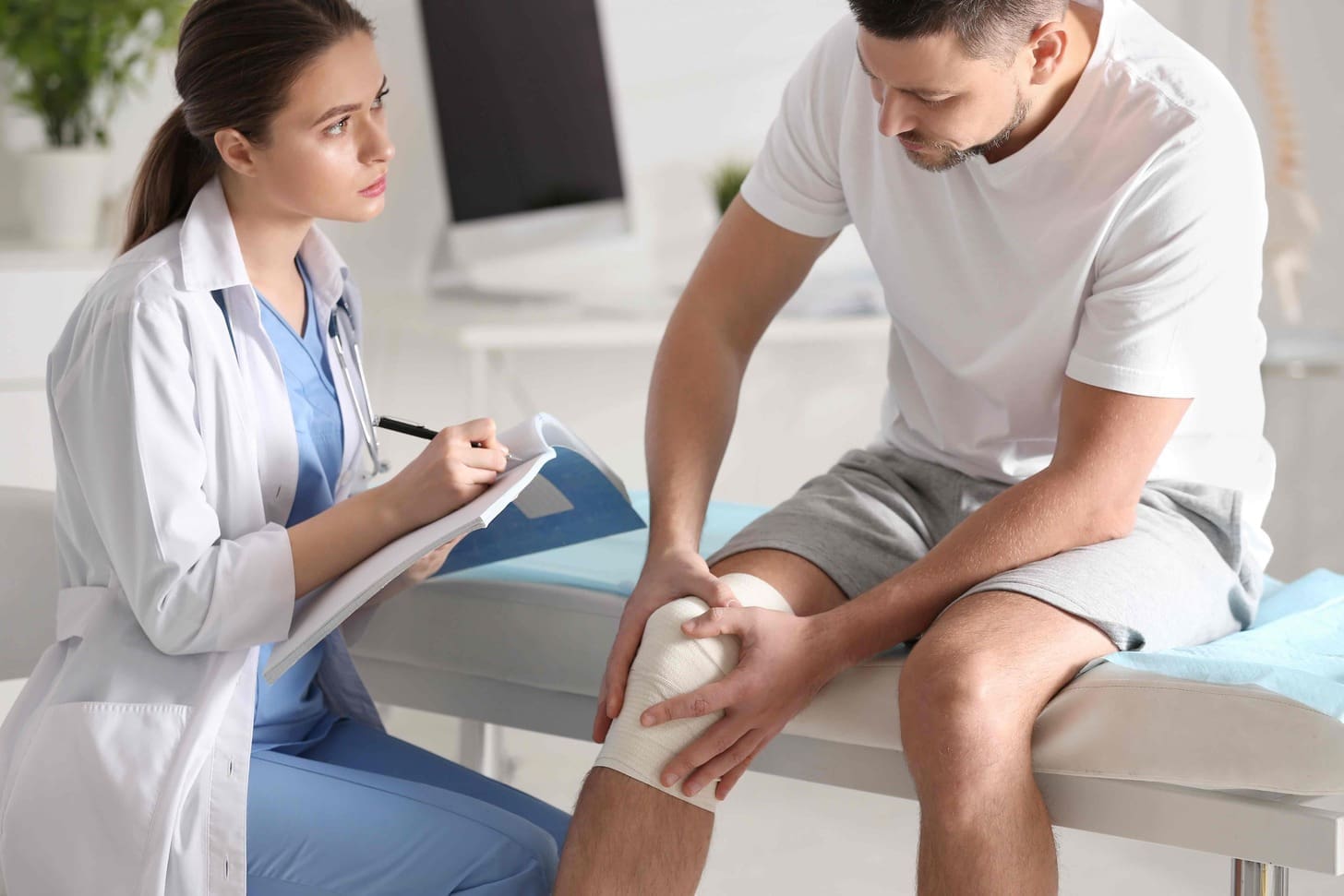
Are you tired of knee pain and looking for real solutions? We get it. We’re here to give you the best, non-surgical options that are trusted and innovative.
Studies show that non-surgical methods like physical therapy can help many. At Liv Hospital, we aim for the highest care and treatments. This article will show you the 7 top alternatives to knee replacement surgery. We want to help you make the best choice for your health.
Key Takeaways
- Non-surgical alternatives can provide relief for knee pain sufferers.
- Emerging treatments offer new hope for those seeking to avoid surgery.
- Liv Hospital is committed to providing world-class healthcare with complete support.
- Patients have numerous alternatives to consider before opting for surgery.
- Expert insight from Liv Hospital guides patients through the best options.
The Growing Need for Knee Replacement Alternatives

Knee osteoarthritis is becoming more common. This is because more people are getting older and obesity is increasing. So, finding non-surgical treatments is key.
Understanding Bone-on-Bone Knee Osteoarthritis
Bone-on-bone knee osteoarthritis is a severe condition. It happens when the cartilage between the bones wears away. This causes pain, stiffness, and less mobility.
Studies show that non-surgical methods like physical therapy and weight loss can help many patients.
“For patients with bone-on-bone knee osteoarthritis, the thought of surgery is scary,” says a top orthopedic specialist. “That’s why it’s important to look at all other options before surgery.”
Limitations and Risks of Traditional Knee Replacement
Traditional knee replacement surgery has its downsides. Risks include infection, blood clots, and nerve damage. There’s also a chance the implant might fail or need to be replaced.
The recovery is long and hard, needing a lot of rehab.
- Potential complications include infection and implant failure
- Long recovery times and extensive rehabilitation
- Limited lifespan of the implant, potentially requiring revision surgery
Many are looking for alternatives to knee replacement surgery. New medical technologies and treatments offer hope for those with knee osteoarthritis.
By looking into these alternatives, patients can make better choices. They might avoid the risks of traditional surgery.
Exploring Options for Knee Replacement: A Complete Overview
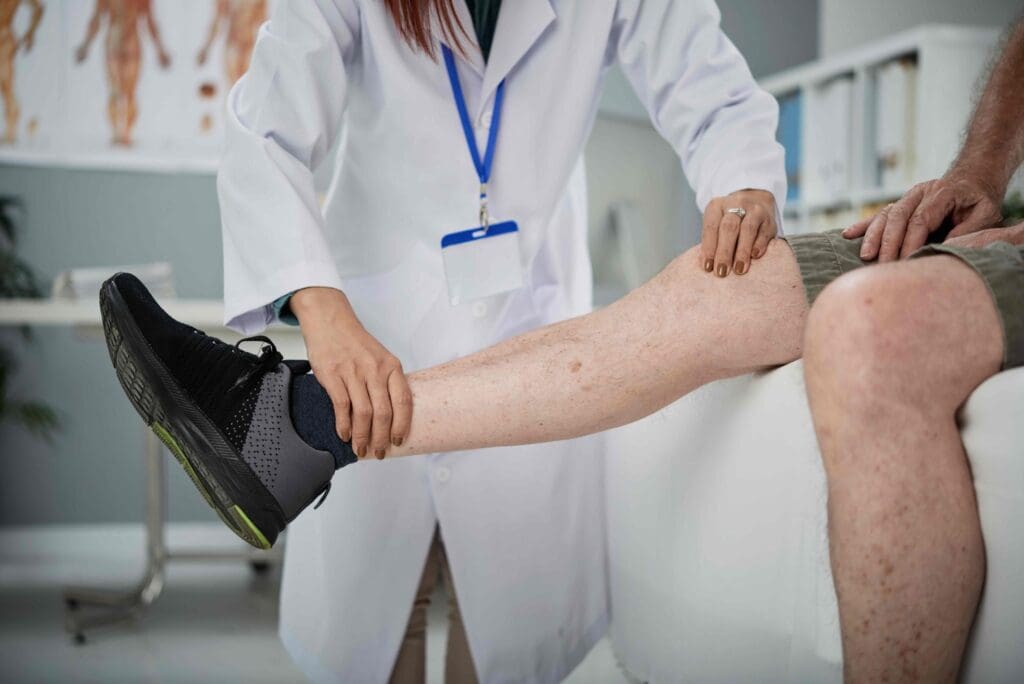
The world of knee replacement alternatives is changing fast. Now, patients have many choices beyond just surgery. Thanks to new technology, they can find treatments that fit their needs.
Why Patients Seek Alternatives
Many people look for knee replacement alternatives because surgery is big and recovery is long. Others want to keep their knee as natural as possible or delay surgery. Non-surgical options can help without the risks of big surgery.
Some patients want to avoid surgery’s risks like infections or blood clots. Others might not be good candidates for surgery because of health issues. For them, finding other treatments is key.
Evaluating Non-Surgical vs. Minimally Invasive Approaches
When looking at knee replacement alternatives, it’s important to think about non-surgical and minimally invasive options. Non-surgical methods like physical therapy and injections can help a lot. Minimally invasive procedures offer quick relief but are less invasive than full surgery.
Here’s a table comparing these options:
| Treatment Approach | Key Benefits | Potential Drawbacks |
|---|---|---|
| Non-Surgical Treatments | Avoids surgery, potentially fewer complications | May not provide immediate relief, requires commitment to therapy |
| Minimally Invasive Procedures | Less recovery time than full replacement, preserves more natural tissue | May not be suitable for advanced osteoarthritis, some risk of complication |
| Traditional Knee Replacement | Can provide long-term relief, well-established procedure | Major surgery with significant recovery time, risk of complications |
The Importance of Personalized Treatment Plans
Personalized treatment plans are key for treating knee osteoarthritis well. Healthcare providers tailor plans to meet each patient’s needs. This approach improves outcomes and quality of life.
Healthcare providers consider many factors like osteoarthritis severity and overall health. They create plans that might include non-surgical treatments, lifestyle changes, and surgery if needed.
Physical Therapy: Strengthening Your Way to Pain Relief
Recent studies show that physical therapy can help with severe knee osteoarthritis. It’s a good alternative to surgery. Physical therapy strengthens muscles, improves flexibility, and boosts body awareness. This can greatly reduce pain and improve how well you can move.
Evidence-Based PT Protocols for Severe Knee Osteoarthritis
Physical therapy for severe knee osteoarthritis includes exercises for the quadriceps, hamstrings, and hip muscles. These plans are made just for you, considering your osteoarthritis and any other health issues. Studies show these exercises can greatly improve pain and function, helping you manage your condition better.
Specialized Exercises for Bone-on-Bone Conditions
For bone-on-bone knee osteoarthritis, special exercises are needed. These might include low-impact activities like cycling or swimming. They keep the joint moving without making it worse. Strengthening the muscles around the knee also helps stabilize the joint and lessen pain. It’s important to have a skilled physical therapist guide these exercises to ensure they are done right and safely.
Measuring Success and Setting Realistic Expectations
Success in physical therapy is measured by how much pain is reduced, how well you can function, and your overall quality of life. You and your therapist will set goals together, like walking further without pain or doing daily tasks more easily. Regular checks help adjust the therapy to keep it effective and meet your changing needs.
With a thorough physical therapy program, you might avoid knee replacement surgery. This can greatly improve your life without surgery. It’s a journey that needs dedication and the right guidance, but the rewards are worth it.
Weight Management: Reducing Knee Stress by 40 Pounds Per Step
Keeping a healthy weight is key to lessening knee stress and easing pain from knee osteoarthritis. For every pound you weigh, your knee joint feels the extra pressure, more so when walking or climbing stairs.
The Science Behind Weight and Knee Pressure
Studies reveal that losing weight can greatly reduce knee stress. Losing just 10 pounds can cut knee pressure by 40 pounds per step. This is because the knee joint takes on all your body weight, and each step increases this stress. By controlling your weight, you can lessen the knee’s burden.
Effective Weight Loss Strategies for Joint Health
Effective weight loss involves changing your diet, exercising more, and possibly using low-impact exercises. It’s vital to aim for lasting lifestyle changes, not quick fixes. Eating well and staying active can help you keep a healthy weight.
Combining Weight Management with Other Therapies
Weight management works best with other treatments to ease knee pain and boost joint health. This might include physical therapy, injection therapies, or other non-surgical methods. A holistic approach can help avoid knee replacement surgery and enhance your life quality.
Activity Modification and Assistive Devices
Changing how you do things and using tools can help with knee pain without surgery. Simple changes in your daily life and the right tools can lessen pain and improve your life.
Low-Impact Exercise Alternatives
Doing low-impact exercises keeps your joints moving and strong without making pain worse. Cycling, swimming, and elliptical trainer workouts are good choices. They help with weight and keep your heart healthy.
Cycling is easy on the knees and can be done indoors or outdoors. It’s great for all fitness levels. Swimming works your whole body without hurting your knees.
Braces, Supports, and Walking Aids
Braces and supports offer extra stability and relief for sore knees. Knee braces come in different types, like medial or lateral support. The right one can ease pain by spreading out weight and giving support.
Canes and walkers are also helpful. They take some pressure off your knee, letting you move more without pain. Choosing between a cane or walker depends on your balance, strength, and knee pain level.
Adapting Daily Activities to Protect Your Knees
Making small changes in your daily life can help a lot with knee pain. Using ergonomic furniture keeps you in the right position and eases knee strain. Taking breaks when standing or walking also helps.
Changing how you do things can also help. For example, using a cart or trolley for heavy things instead of carrying them is easier on your knees. Avoiding deep squats and heavy lifting also prevents more harm.
By using these strategies, you can protect your knees, lessen pain, and stay independent. It’s about making smart choices and using the right tools for knee health.
Injection Therapies: Temporary to Medium-Term Relief
Injection therapies are a good option for those looking for knee pain relief without surgery. They are popular for treating knee osteoarthritis, even in severe cases. These treatments offer temporary to medium-term relief.
Hyaluronic Acid Injections for Joint Lubrication
Hyaluronic acid injections help keep the knee joint lubricated. Injecting this acid into the knee can restore its natural cushioning. This reduces friction between bones and can greatly improve pain and mobility.
Benefits: Better joint lubrication, less pain, and more mobility.
Risks: Some might feel pain at the injection site, could have allergic reactions, or get infections.
Corticosteroid Injections for Inflammation Control
Corticosteroid injections are great for managing knee pain from osteoarthritis. They reduce inflammation in the joint. This helps alleviate pain and improves joint function.
“Corticosteroid injections can provide rapid relief for patients with knee osteoarthritis, even during flare-ups.”
The effects of these injections can last from weeks to months. This depends on the individual and their condition’s severity.
Platelet-Rich Plasma (PRP) for Tissue Healing
Platelet-rich plasma (PRP) therapy uses the patient’s own platelets. These platelets have growth factors that help heal the knee. This can lead to long-term pain relief and tissue repair.
| Therapy | Mechanism | Benefits | Duration of Relief |
|---|---|---|---|
| Hyaluronic Acid | Joint lubrication | Pain relief, improved mobility | Several months |
| Corticosteroid | Inflammation reduction | Rapid pain relief | Weeks to months |
| PRP | Tissue healing | Potential for long-term relief | Variable, potentially long-term |
Knowing about these injection therapies can help patients make better choices. They might avoid or delay knee replacement surgery.
BioKnee Procedures: Biological Restoration Techniques
New advancements in orthopedic care have led to BioKnee procedures. These focus on regrowing damaged knee tissues. They offer hope for those looking beyond traditional knee replacement surgery.
Stem Cell Therapy for Cartilage Regeneration
Stem cell therapy is a BioKnee procedure that uses stem cells to grow new cartilage. It takes stem cells from the patient’s body, usually from fat or bone marrow. These cells are then injected into the knee to help repair it naturally.
Benefits: It’s less likely to be rejected, and it can grow a lot of new cartilage.
Risks: It might not work for everyone, and it could cause some discomfort where it’s injected.
Autologous Chondrocyte Implantation (ACI)
ACI is a two-step BioKnee procedure. First, healthy cartilage cells are taken from the knee. Then, these cells are grown in a lab and put back into the damaged area. This aims to fix the cartilage and improve joint function.
ACI works best for those with small cartilage defects.
Bone Marrow Aspirate Concentrate (BMAC)
BMAC takes bone marrow from the pelvis or other areas. It’s then concentrated to get stem cells and growth factors. These are injected into the knee to help it heal. It combines stem cell therapy with growth factors for healing.
- It uses stem cells and growth factors to heal.
- It can reduce inflammation and help repair tissues.
- It’s a minimally invasive procedure.
Knowing about BioKnee procedures helps patients make better choices. These methods offer a new way to treat knee pain without traditional surgery. They could lead to long-term relief and a better quality of life.
Genicular Artery Embolization (GAE): Targeting Inflammation at Its Source
GAE, or genicular artery embolization, is a new procedure that fights knee pain by cutting down inflammation. It’s a small, non-invasive treatment that might help those with knee osteoarthritis avoid knee replacement surgery.
Mechanism of GAE in Reducing Knee Pain
Genicular artery embolization blocks blood to the knee’s inflamed areas, reducing pain and swelling. A catheter is used to send embolic agents to the genicular arteries. This cuts down blood flow to the inflamed tissues, easing pain and improving movement.
“The idea behind GAE is to attack the abnormal blood vessels linked to knee pain and swelling,” explains an expert in interventional radiology. “This way, we might help those who haven’t gotten better with other treatments.”
Ideal Candidates and Contraindications for GAE
GAE is good for people with moderate to severe knee osteoarthritis who haven’t tried other treatments. But, finding the right candidates is key. This involves checking with imaging and clinical tests.
- Those with a lot of knee pain and trouble moving
- People who can’t have surgery because of health issues
- Those who want to avoid or delay knee replacement surgery
But, there are some who shouldn’t get GAE. This includes those with certain blood vessel problems or who can’t handle embolization. Talking to a doctor is important to see if GAE is right for you.
Clinical Evidence and Success Rates of GAE
Many studies have looked at GAE’s effect on knee pain and quality of life. Early results are encouraging, with many patients feeling much better and moving easier.
| Study | Number of Patients | Success Rate |
|---|---|---|
| Study A | 50 | 80% |
| Study B | 30 | 75% |
As more research comes in, GAE might become a more accepted way to treat knee osteoarthritis. It could offer a good alternative to traditional surgery.
Pain Management Alternatives: Nerve Blocks and Radiofrequency Ablation
For those looking for knee replacement surgery alternatives, nerve blocks and radiofrequency ablation are promising options. These methods aim to ease chronic knee pain. They are perfect for those not suited for surgery or wanting less invasive treatments.
Disrupting Pain Signals for Long-Term Relief
Nerve blocks inject medication into or around a nerve to stop pain signals. This method offers quick relief and helps find pain sources. Radiofrequency ablation uses heat from radio waves to damage nerves, giving longer pain relief.
Nerve blocks are done under local anesthesia and can be outpatient. They can last from days to months. Radiofrequency ablation also uses local anesthesia and can last 6 to 12 months or more.
Procedure Details and Recovery Process
Both procedures are quick, with nerve blocks taking 15-30 minutes and radiofrequency ablation 30-60 minutes. Recovery is simple, with most back to normal in a few days. Some may feel soreness or numbness at the site.
Combining with Other Treatment Modalities
Nerve blocks and radiofrequency ablation can be part of a broader pain management plan. This plan might include physical therapy, medication, or lifestyle changes. A personalized treatment plan can greatly improve results.
| Procedure | Duration | Recovery Time | Relief Duration |
|---|---|---|---|
| Nerve Block | 15-30 minutes | A few days | Days to weeks/months |
| Radiofrequency Ablation | 30-60 minutes | A few days | 6-12 months or more |
Partial Knee Replacement: When Total Replacement Isn’t Necessary
For those with knee damage in just one area, partial knee replacement is a good option. It’s for people with osteoarthritis in one or two parts of the knee. This way, the healthy parts of the knee stay intact.
Unicompartmental vs. Bicompartmental Approaches
Partial knee replacement comes in two types: unicompartmental and bicompartmental. Unicompartmental knee replacement fixes only the damaged part, like the inner or outer side. Bicompartmental knee replacement covers two areas, like the inner and kneecap sides.
We decide which one is best based on how bad the osteoarthritis is and the knee’s overall health.
| Type of Replacement | Description | Typical Compartment(s) Involved |
|---|---|---|
| Unicompartmental | Replaces one damaged compartment | Medial or Lateral |
| Bicompartmental | Replaces two damaged compartments | Medial and Patellofemoral |
Minimally Invasive Techniques
Partial knee replacement surgery uses minimally invasive techniques. This means smaller cuts than with total knee replacement. It can cause less damage, less blood loss, and quicker healing.
We use the latest tools and methods to be precise and gentle with the surrounding tissue.
Recovery Advantages Over Total Knee Replacement
Partial knee replacement has big recovery advantages over total knee replacement. Patients usually feel less pain, stay in the hospital less, and get back to normal faster.
Our data shows patients are happier with partial knee replacement. They like that it keeps more of the knee healthy and is less invasive.
- Faster recovery times
- Less postoperative pain
- Preservation of healthy knee compartments
Choosing partial knee replacement when it’s the right choice helps patients. It’s a more gentle surgery that tackles knee pain without harming the whole joint.
How to Prevent Knee Replacement Surgery: Proactive Strategies
Early knee pain management and lifestyle changes can help avoid knee replacement surgery. By focusing on knee health early, people can live better and stay mobile.
Early Intervention for Knee Pain
Acting fast when knee pain starts is key. It helps manage knee pain and stops knee osteoarthritis from getting worse. Seeing a doctor early can lead to better treatment.
Timely medical intervention helps find the cause of knee pain. It could be from injury, overuse, or osteoarthritis. Early action stops more damage and lowers surgery risks.
Lifestyle Modifications for Joint Preservation
Changing your lifestyle helps keep your joints healthy. Staying at a healthy weight, doing low-impact exercises, and avoiding knee-straining activities are important. Also, doing exercises that strengthen knee muscles helps a lot.
- Maintaining a healthy weight to reduce pressure on the knees
- Engaging in low-impact activities such as swimming or cycling
- Avoiding high-impact activities that strain the knee joint
Creating a Long-Term Knee Health Plan
A long-term plan for knee health includes regular doctor visits and a healthy lifestyle. It’s about keeping an eye on your knees and adjusting your care as needed. This helps keep your knees working well and avoids surgery.
By being proactive and working with doctors, you can lower your risk of needing knee replacement. It’s about making smart choices and taking care of your knees.
Conclusion: Making an Informed Decision About Your Knee Treatment
Patients should know all about their knee treatment options. Understanding the options for knee replacement helps them take charge of their health. This includes both non-surgical and minimally invasive methods.
We’ve looked at many alternatives for knee replacement. These include physical therapy, weight management, and injection therapies. Bio-regenerative procedures are also available. Each option has its own benefits and can be customized for each person.
For those who don’t want knee replacement without surgery, there are many good alternatives. We aim to offer top-notch healthcare to international patients. This helps them make smart choices about their care.
By looking at all the treatment options and talking to healthcare experts, patients can create a plan. This plan helps manage knee pain and improves their life quality.
FAQ
What are the alternatives to knee replacement surgery?
We offer many alternatives, like physical therapy and weight management. We also have activity modification, injection therapies, and BioKnee procedures. Genicular artery embolization and pain management options like nerve blocks are also available.
Can I avoid knee replacement surgery?
Yes, many patients can avoid or delay knee replacement surgery. We help patients find alternative treatments and make lifestyle changes. This way, we create treatment plans that meet their needs and goals.
What is bone-on-bone knee osteoarthritis, and how is it treated?
Bone-on-bone knee osteoarthritis happens when cartilage wears away. This causes pain and stiffness. We treat it with physical therapy, injection therapies, BioKnee procedures, and pain management options.
How effective is physical therapy in managing knee pain?
Physical therapy is very effective for knee pain. It’s a non-invasive way to manage pain and improve function. Our physical therapists create personalized exercise programs for each patient.
What is the role of weight management in reducing knee stress?
Keeping a healthy weight is key to reducing knee stress and pain. By maintaining a healthy weight, patients can lower their risk of surgery and improve their life quality.
Are there any emerging treatments for knee osteoarthritis?
Yes, new treatments like BioKnee procedures are available. These include stem cell therapy, autologous chondrocyte implantation, and bone marrow aspirate concentrate. They help repair and regenerate knee tissues.
What is genicular artery embolization, and how does it work?
Genicular artery embolization is a minimally invasive procedure. It targets inflammation to relieve knee pain. It works by blocking the blood supply to the inflamed areas of the knee.
Can nerve blocks and radiofrequency ablation provide long-term pain relief?
Yes, nerve blocks and radiofrequency ablation offer long-term pain relief. They disrupt pain signals to the brain, providing relief from knee pain.
Is partial knee replacement a viable alternative to total knee replacement?
Yes, partial knee replacement is a conservative option for knee pain. It’s suitable for those with limited damage and offers faster recovery times than total knee replacement.
How can I prevent knee replacement surgery?
To prevent knee replacement surgery, start early with pain treatment and make lifestyle changes. Create a long-term plan for knee health. This approach can reduce surgery risk and maintain quality of life.
What are the benefits of seeking alternatives to knee replacement surgery?
Alternatives to knee replacement surgery offer many benefits. They avoid major surgery, reduce recovery time, and improve life quality. We help patients find personalized treatment plans that meet their needs and goals.