Last Updated on November 27, 2025 by Bilal Hasdemir
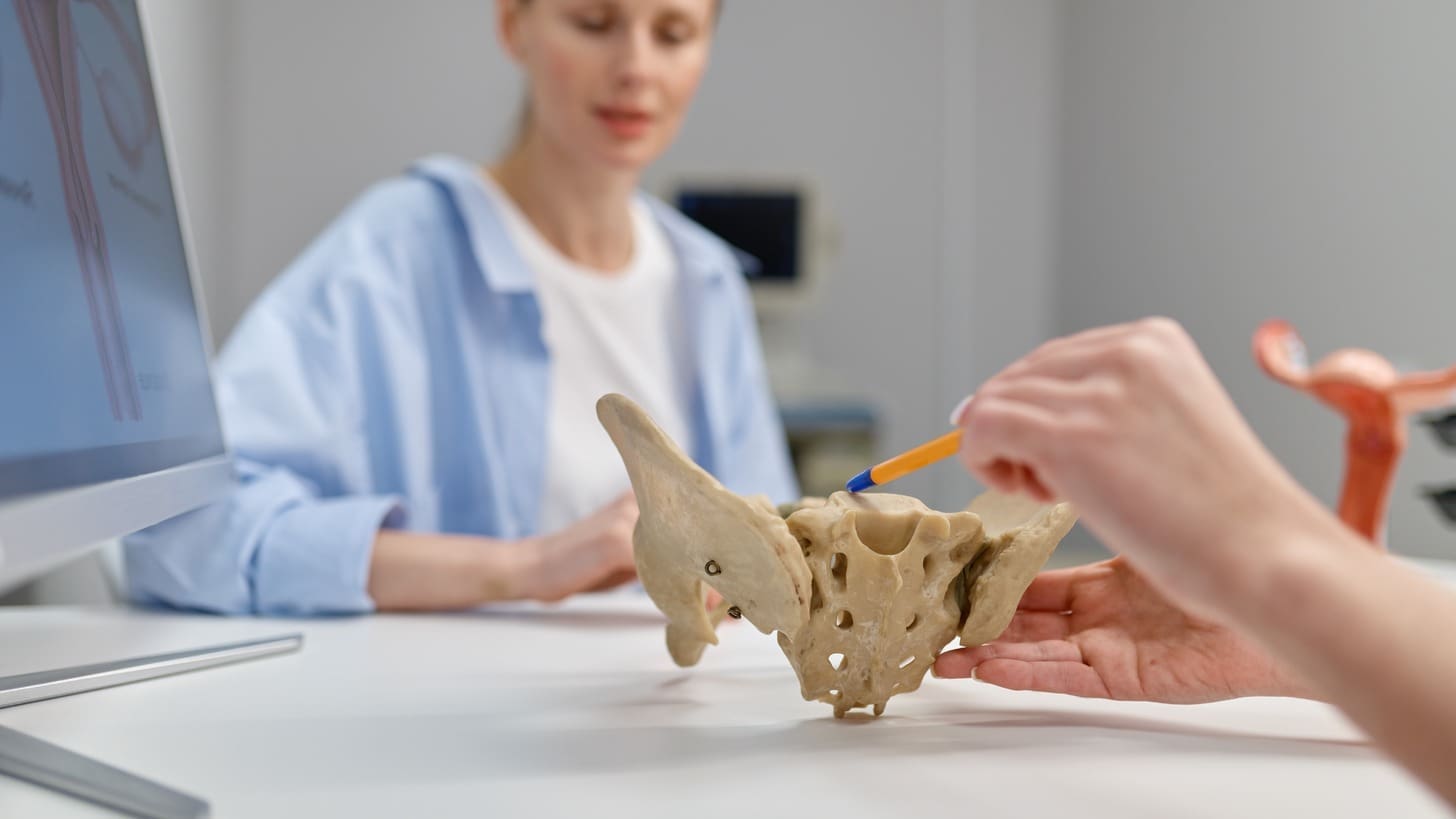
For those with bone cancer, finding the right care is key. We aim to explore holistic treatment options that go beyond standard care. Our focus is on methods backed by research for pain relief and better living.
Recent studies show the benefits of adding natural remedies to cancer care. We’ll look at natural treatments and remedies for bone cancer pain. This includes turmeric/curcumin, omega-3 fatty acids, and acupuncture.
Key Takeaways
- Holistic approaches can complement standard bone cancer care.
- Natural remedies may help alleviate pain and improve quality of life.
- Research-backed treatments include turmeric/curcumin and omega-3 fatty acids.
- Acupuncture is another possible therapy for pain relief.
- Compassionate care is essential for patients and their loved ones.
Understanding Bone Cancer and Its Impact

It’s important for patients to understand bone cancer to make good treatment choices. Bone cancer can be scary, but knowing the facts helps patients deal with it.
Types of Bone Cancer and Metastases
Bone cancer can start in the bones (primary) or spread from other parts (metastatic). Primary bone cancer includes osteosarcoma, chondrosarcoma, and Ewing’s sarcoma.
Metastatic bone cancer is more common. It comes from cancers like breast, prostate, and lung, causing pain and discomfort.
Conventional Treatment Approaches
Doctors use surgery, chemotherapy, and radiation to treat bone cancer. The treatment depends on the cancer’s type, stage, and location.
| Treatment | Description | Benefits |
|---|---|---|
| Surgery | Removing the tumor and surrounding tissue | Can be curative if cancer is localized |
| Chemotherapy | Using drugs to kill cancer cells | Effective for treating systemic disease |
| Radiation Therapy | Using high-energy rays to kill cancer cells | Can relieve pain and reduce tumor size |
While these treatments work well, they can have side effects. Natural remedies and complementary therapies help support patients’ well-being.
The Role of Natural Treatments in Bone Cancer Care

Natural treatments play a big role in bone cancer care. They help patients find relief from pain and improve their life quality. It’s key to know how these treatments work with traditional ones.
Complementary vs. Alternative Approaches
It’s important to know the difference between complementary and alternative natural treatments for bone cancer. Complementary therapies add to traditional treatments to make them better. Alternative approaches replace traditional treatments.
We suggest using natural treatments as complements to traditional bone cancer care. This way, patients can manage symptoms, lessen side effects, and feel better overall.
Importance of Integrated Care
Integrated care is vital in managing bone cancer. It mixes traditional medical treatments with natural therapies. This approach meets patients’ physical, emotional, and spiritual needs, leading to better results and life quality.
Adding natural treatments to a care plan can make bone cancer management more complete. This might include nutrition advice, mind-body practices, and other natural therapies that work well with traditional ones.
Turmeric and Curcumin: Anti-inflammatory Powerhouses
Turmeric and curcumin are key players in fighting bone cancer. They are known for their anti-inflammatory and anti-cancer effects. Turmeric, a common spice, contains curcumin, which has been studied for its health benefits.
Research on Curcumin’s Anti-Cancer Properties
Many studies have looked into curcumin’s effects on cancer. It can affect cancer development and growth. Curcumin stops cancer cells from growing, causes them to die, and blocks new blood vessel formation. In bone cancer, it may slow down cancer cell growth and cause cell death.
Curcumin also fights inflammation, which helps in managing bone cancer. Chronic inflammation can make cancer worse. Curcumin’s ability to control inflammation may help control the disease.
Recommended Dosage and Administration
The best dose of curcumin for cancer treatment is being studied. But, research suggests 1-3 grams a day may help. Remember, curcumin is not easily absorbed by the body. So, it’s often taken with piperine to improve absorption.
| Dosage Form | Daily Dose | Bioavailability Enhancer |
|---|---|---|
| Curcumin Extract | 1-3 grams | Piperine |
| Turmeric Powder | 1-2 teaspoons | Black pepper |
Potential Interactions with Cancer Treatments
Curcumin is usually safe but can interact with some cancer treatments. It can change how some drugs work, affecting their effectiveness or increasing side effects. So, it’s important to talk to a doctor before using curcumin supplements.
It’s best to discuss treatment plans with a healthcare provider. This ensures curcumin is safely added to your care.
Omega-3 Fatty Acids for Inflammation and Pain Relief
Omega-3 fatty acids are good for reducing inflammation and pain. They are found in EPA and DHA. Studies show they can help manage pain in cancer patients. “Omega-3 fatty acids have been recognized for their ability to reduce inflammation,” which is key in managing cancer pain, as noted in recent research.
Sources of Omega-3s
You can get omega-3s from food and supplements. Fatty fish like salmon, sardines, and mackerel are full of them. If you can’t get enough from food, good supplements can help. Make sure to pick supplements that are tested by third-party groups for quality.
Benefits for Bone Cancer Patients
Omega-3s are good for bone cancer patients. They help reduce inflammation and can make you feel better overall. They might also help with pain from bone cancer. Plus, they support how your body handles cancer treatment.
Key benefits include:
- Reduced inflammation
- Potential pain relief
- Support for overall health during cancer treatment
Dosage Guidelines and Safety
It’s important to know how much omega-3 to take. The usual dose is 1 to 2 grams of EPA and DHA each day. But, the right amount can depend on your health and what you’re treating. Always talk to a doctor to figure out the best dose for you.
Remember, safety first with supplements. Know the possible side effects and how they might interact with other medicines or treatments. Taking too much omega-3 can make bleeding more likely.
Knowing about omega-3s can help bone cancer patients make smart choices about using them. This can be part of their treatment plan.
Acupuncture for Cancer Pain Management
Acupuncture is a traditional Chinese medicine that helps manage cancer pain. It involves putting thin needles into specific body points to start healing.
We look into how acupuncture can help with cancer pain. We’ll cover its methods, the evidence, and advice for those interested.
Mechanisms Behind Acupuncture for Cancer Pain
Acupuncture works by stimulating nerves, muscles, and tissue. This boosts natural painkillers and improves blood flow. It can also change how the brain handles pain, making it less intense.
Key mechanisms include:
- Stimulating the release of endorphins, the body’s natural pain-relieving chemicals
- Influencing pain processing in the brain and spinal cord
- Enhancing blood flow to affected areas, potentially aiding in healing
Research Supporting Acupuncture for Cancer Patients
Many studies have looked into acupuncture’s effect on cancer pain. While results vary, most show it can help.
A systematic review found acupuncture reduces pain in many patients. But, more research is needed to fully understand its benefits.
Finding a Qualified Practitioner
Choosing the right acupuncture practitioner is key. Look for licensed professionals with cancer experience.
Tips for finding a practitioner:
- Check for licensure and certification
- Ask about experience with cancer patients
- Discuss your treatment plan with your oncologist to ensure acupuncture complements your care
Adding acupuncture to your care plan can offer more pain relief. This can greatly improve your life during treatment.
Herbal Compounds with Anti-Cancer Potentials
Herbal compounds are getting a lot of attention for fighting cancer. They might help traditional treatments work better.
Berberine: Mechanisms and Research
Berberine is found in many plants and might fight cancer. Studies show it can stop cancer cells from growing and dying.
How berberine works is complex:
- It messes with how cancer cells make energy, slowing them down.
- It changes important pathways in cancer cells.
- It might make traditional treatments more effective.
Research shows berberine could help with breast, lung, and colon cancers. But, we need more studies to know for sure.
Plumbagin and Oridonin: Emerging Research
Plumbagin and oridonin are also being studied for cancer. Plumbagin comes from the Plumbago plant and:
- Causes cancer cells to die
- Stops cancer cells from spreading
- Blocks new blood vessels that feed tumors
Oridonin, from Rabdosia rubescens, has shown:
- It stops cancer cells from dividing
- It makes cancer cells die
- It boosts the immune system to fight cancer
These findings are exciting, but we need more research to be sure they work in people.
Safety Considerations and Drug Interactions
Herbal compounds might be helpful, but we must think about their safety. They could react with other cancer treatments. Important things to consider include:
| Compound | Potential Side Effects | Drug Interactions |
|---|---|---|
| Berberine | Gastrointestinal side effects, hypoglycemia | May interact with diabetes medications, blood thinners |
| Plumbagin | Toxicity at high doses, skin irritation | May interact with chemotherapy agents, radiation therapy |
| Oridonin | Gastrointestinal side effects, possible liver damage | May interact with certain chemotherapy drugs, immunosuppressants |
It’s critical to talk to a doctor before using herbal compounds, if you’re getting traditional cancer treatment.
Herbal compounds might help in cancer care, but they need careful use and doctor’s watch.
Halotherapy and Physical Modalities for Symptom Relief
Managing symptoms is key in bone cancer care. Halotherapy, or salt therapy, is a helpful approach. It’s important to add these therapies to treatment plans to improve comfort and well-being.
Halotherapy, or salt therapy, is getting more attention for its health benefits. The calm environment of a salt room can lessen stress and help with bone cancer symptoms.
Salt Therapy Benefits
Halotherapy means spending time in a room filled with salt-infused air. It’s believed to reduce inflammation, improve breathing, and relax the body. While more studies are needed, many people find it helpful.
“The calming atmosphere and the negative ions in salt rooms may help lower stress and improve well-being.”
Massage and Touch Therapies
Massage therapy is also beneficial for bone cancer patients. Skilled therapists can ease pain, reduce anxiety, and boost blood flow. They use various techniques based on the patient’s needs.
We suggest trying different massages, like Swedish or deep tissue, to see what works best. It’s important to choose a licensed therapist with cancer experience.
Heat and Cold Therapy Applications
Heat and cold therapies are simple but effective for pain and discomfort. Heat relaxes muscles and boosts blood flow. Cold reduces inflammation and numbs pain.
- Heat therapy can be used with warm baths, heating pads, or warm compresses.
- Cold therapy can be applied with ice packs, cold compresses, or cold baths.
It’s important to talk to your healthcare provider to find the best therapy for you. They can help ensure it’s safe and effective.
Bone Cancer Natural Treatment: Complete Nutritional Approaches
Nutrition plays a big role in bone cancer care. It affects how well patients do and their overall happiness. Eating right can help with symptoms, support treatments, and make life better.
Anti-Inflammatory Diet Principles
An anti-inflammatory diet is key for bone cancer patients. It’s all about eating foods that fight inflammation. This helps slow down cancer and reduce side effects from treatment.
Key Principles:
- Focus on whole, unprocessed foods
- Eat a variety of colorful fruits and vegetables
- Choose whole grains over refined ones
- Go for lean protein sources
- Avoid processed and high-sugar foods
Foods to Emphasize and Avoid
Some foods help, while others hurt when fighting cancer. Knowing which to eat and which to skip is important for bone cancer patients.
| Food Category | Recommended Foods | Foods to Limit or Avoid |
|---|---|---|
| Fruits | Berries, citrus fruits, apples | Fruits with added sugars |
| Vegetables | Leafy greens, cruciferous vegetables, carrots | Starchy vegetables with high glycemic index |
| Grains | Whole grains like quinoa, brown rice, whole wheat | Refined grains, white bread |
| Protein | Lean meats, fish, legumes, nuts | Processed meats, high-fat protein sources |
Meal Planning for Cancer Patients
Good meal planning is vital for bone cancer patients. It ensures they get the nutrients they need to support their treatment and health.
Tips for Meal Planning:
- Get help from a registered dietitian or nutritionist
- Make meals rich in nutrients
- Think about when and how often to eat based on treatment
- Drink lots of water to stay hydrated
- Change meal plans as needed based on side effects and nutritional needs
By using a complete nutritional plan, bone cancer patients can manage their condition better. This improves their quality of life.
Mind-Body Approaches for Coping and Pain Reduction
Managing bone cancer is not just about treating the body. It also involves the mind and emotions. Mind-body approaches are key in this holistic care, helping patients cope better.
Mind-body therapies connect the brain, mind, body, and spirit. They help patients feel better and manage pain more effectively.
Meditation and Mindfulness Practices
Meditation and mindfulness help reduce stress and anxiety from cancer. They teach patients to live in the present, not worrying about the future or past.
Research shows meditation can lower pain, improve mood, and help sleep. Mindfulness-based stress reduction (MBSR) programs, which include meditation and yoga, are very helpful.
Yoga and Gentle Movement
Yoga combines poses, breathing, and meditation for relaxation. For bone cancer patients, gentle yoga is great. It boosts flexibility and strength without risking injury.
Studies prove yoga can fight cancer fatigue, improve sleep, and lessen pain. It’s vital for patients to learn from experienced instructors who know how to adapt yoga for them.
Guided Imagery for Pain Management
Guided imagery uses visualization to relax and reduce pain. It’s a powerful tool when used with other pain management methods.
Healthcare providers guide patients through imagery exercises. This helps them develop coping skills and use less pain medication. It’s very useful during painful procedures or times of high pain.
Home Remedies for Bone Cancer Pain Relief
Bone cancer pain can be tough to handle, but there are home remedies that help. We know how important it is to manage pain well. This helps patients live better lives. Here, we’ll look at natural remedies and DIY solutions for bone cancer pain.
Coping with Chemotherapy-Related Bone Pain
Chemotherapy is a common bone cancer treatment but can cause pain. Natural remedies like turmeric have anti-inflammatory properties. They might help reduce pain from chemotherapy. Omega-3 fatty acids in fish oil supplements also help with pain and inflammation.
Always talk to your doctor before trying new supplements. This ensures they won’t harm your current treatments.
Simple DIY Pain-Relief Solutions
There are easy DIY ways to ease bone cancer pain. Using heat or cold therapy on the painful area can help. Gentle exercises like yoga or tai chi can also improve flexibility and reduce pain.
Acupuncture is another effective method. It involves thin needles in specific body points to stimulate healing and pain relief. Research shows acupuncture can help manage cancer pain.
Knowing When to Seek Medical Attention for Pain
Home remedies and natural treatments are great, but knowing when to see a doctor is key. If your pain is severe, doesn’t go away, or gets worse, see your doctor. They can check your condition and adjust your treatment if needed.
Watch for new or strange symptoms like numbness, tingling, or trouble moving. These could mean a serious issue that needs medical help.
Can Bone Metastases Be Cured with Natural Treatments?
The question of curing bone metastases with natural treatments is complex. Bone metastases happen when cancer spreads to the bones. This makes the disease harder to treat. There’s growing interest in how natural treatments can help alongside conventional ones.
Current Scientific Understanding
Natural treatments can support managing bone metastases, research shows. Substances like curcumin, omega-3 fatty acids, and herbal extracts may help. They can reduce pain, improve life quality, and make conventional treatments work better.
Key Natural Compounds:
- Curcumin: Known for its anti-inflammatory properties
- Omega-3 Fatty Acids: May help in reducing inflammation and pain
- Herbal Extracts: Some have shown promise against cancer
Realistic Expectations for Natural Approaches
It’s important to have realistic hopes for natural treatments for bone metastases. These therapies can greatly help but shouldn’t replace standard cancer treatments. They should be used alongside conventional treatments to better outcomes and comfort.
Realistic Benefits:
- Pain management
- Improved quality of life
- Potential enhancement of conventional treatment effectiveness
Combining Conventional and Natural Therapies
Using both conventional and natural therapies can be a good strategy for managing bone metastases. This approach combines the strengths of medical and natural treatments. For example, conventional treatments can fight cancer while natural therapies help with side effects and overall well-being.
| Therapy Type | Primary Benefits | Examples |
|---|---|---|
| Conventional | Directly targets cancer cells, reduces tumor size | Chemotherapy, Radiation Therapy |
| Natural | Manages side effects, improves quality of life | Curcumin, Omega-3 Fatty Acids, Acupuncture |
| Integrated | Combines benefits of both, potentially improves outcomes | Conventional treatments + Natural therapies |
Conclusion: Creating a Personalized Holistic Treatment Plan
Creating a personalized holistic treatment plan is key for bone cancer patients. It mixes traditional treatments with natural ones. This helps improve patient outcomes and quality of life.
A good care plan looks at the cancer type, stage, and patient’s health. It includes surgery, radiation, and chemotherapy. It also adds natural therapies like nutrition, mind-body practices, and herbal compounds.
Using bone cancer natural treatment with traditional care helps patients. It meets their physical, emotional, and social needs. This boosts their overall well-being and personalized care.
Creating a holistic treatment plan needs teamwork between healthcare providers and patients. It tailors therapies to fit individual needs. This makes treatments more effective and satisfying for patients.
FAQ
What are some natural treatments for bone cancer?
Natural treatments for bone cancer include turmeric and curcumin, omega-3 fatty acids, and acupuncture. Herbal compounds and halotherapy are also options. Mind-body approaches like meditation and yoga can help too.
Can bone cancer be cured with natural treatments alone?
Natural treatments can help manage symptoms and improve life quality. But, bone cancer usually needs conventional treatments like surgery, chemotherapy, and radiation. Always use natural treatments with a healthcare provider’s guidance.
How can I manage bone cancer pain naturally?
To manage bone cancer pain naturally, try acupuncture, heat or cold therapy, and massage. Meditation and guided imagery can also help. Omega-3 fatty acids and anti-inflammatory diets may reduce pain and inflammation.
Are there any natural remedies for chemotherapy-related bone pain?
Yes, omega-3 fatty acids, curcumin, and acupuncture may help with chemotherapy-related bone pain. Always talk to a healthcare provider before starting new therapies.
Can bone metastases be cured with natural treatments?
Natural treatments can help manage symptoms and improve life quality. But, bone metastases usually need conventional treatments. Natural treatments can be used alongside conventional ones for better care.
What is the role of nutrition in bone cancer care?
Nutrition is key in bone cancer care. An anti-inflammatory diet, rich in fruits, vegetables, and whole grains, can help manage symptoms and improve health.
How can I find a qualified practitioner for acupuncture or other natural therapies?
To find a qualified practitioner, ask your healthcare provider or cancer support groups for referrals. Check for certifications and licenses from reputable organizations.
Are there any herbal compounds that have anti-cancer properties?
Yes, some herbal compounds like curcumin, berberine, and plumbagin may have anti-cancer effects. But, always consult with a healthcare provider before using herbal supplements.
Can mind-body approaches like meditation and yoga help with bone cancer symptoms?
Yes, meditation, yoga, and guided imagery can help with symptoms, reduce stress, and improve well-being in bone cancer patients.
Is there a cure for bone cancer?
The cure for bone cancer depends on several factors, including the type and stage. While some cases can be cured, others may need ongoing management and supportive care.
Can natural treatments help alleviate bone pain from chemotherapy?
Yes, natural treatments like omega-3 fatty acids, curcumin, and acupuncture may help with chemotherapy-related bone pain. Always consult with a healthcare provider to find the best approach.
References
- Pharmacy Times. Turmeric may be the answer to osteosarcoma treatment. https://www.pharmacytimes.com/view/turmeric-may-be-the-answer-to-osteosarcoma-treatment
- National Center for Biotechnology Information (NCBI). The role of phytochemicals in cancer prevention and therapy (PMC9370649). https://pmc.ncbi.nlm.nih.gov/articles/PMC9370649/
- National Center for Biotechnology Information (NCBI). Curcumin: a review of its effects on human health (PMC5307970). https://pmc.ncbi.nlm.nih.gov/articles/PMC5307970/
- Frontiers in Oncology. Dietary phytochemicals and cancer: mechanisms and therapeutic potential. https://www.frontiersin.org/journals/oncology/articles/10.3389/fonc.2021.672490/full