Last Updated on November 27, 2025 by Bilal Hasdemir

Choosing the right brain aneurysm treatment is a big decision. At Liv Hospital, we offer top-notch care for all aneryseum types. Knowing the different aneurysms and their treatment options helps make better choices.
There have been big steps forward in aneurysm treatment. We have options like surgical clipping and endovascular coiling for different aneryseums. Our goal is to give the best healthcare, with full support for patients from abroad.
Key Takeaways
- Understanding different types of aneryseum is key for treatment.
- Surgical clipping and endovascular coiling are treatment choices.
- Liv Hospital offers innovative care for aneurysm patients.
- Advanced treatments are made for each patient’s needs.
- We provide full support for patients from other countries.
What Is an Aneryseum? Understanding Brain Bulges

An aneurysm is a bulge or ballooning in a brain artery wall. It happens when the wall weakens. This can be very dangerous if it bursts. We’ll look at what aneurysms are, their types, and how they form.
Common Types of Brain Aneurysms
Brain aneurysms come in different types. They are classified by their location, shape, and size. Here are the most common ones:
- Saccular Aneurysms: These are the most common type. They look like berries and usually happen at artery branch points.
- Fusiform Aneurysms: These aneurysms are a uniform dilation of the artery. They don’t have a distinct neck.
- Dissecting Aneurysms: These occur when there’s a tear in the artery’s inner layer. Blood leaks between the layers of the vessel wall.
How Aneurisms Form and Develop
Aneurysms form when the arterial wall weakens. This can be due to genetics, high blood pressure, or atherosclerosis. The process involves the breakdown of the extracellular matrix and loss of the artery’s structural integrity.
It’s important to understand how aneurysms form and develop. This helps doctors choose the best treatment. The size, location, and shape of the aneurysm, along with the patient’s health, are key factors.
Risk Factors and Warning Signs of Anerysum

Knowing the risk factors and symptoms of an aneurysm is key for quick medical help. We’ll look at the main factors that raise the chance of getting an aneurysm. We’ll also talk about the signs that show a possible rupture.
Who Is at Risk for Developing an Aneurysm?
Some people are more likely to get an aneurysm because of their genes, lifestyle, and environment. Family history is a big factor; if a close relative has had an aneurysm, you’re at higher risk. Other risk factors include:
- High blood pressure
- Smoking
- Atherosclerosis (the buildup of plaque on artery walls)
- Certain genetic disorders, such as polycystic kidney disease or Ehlers-Danlos syndrome
Recognizing the Symptoms of a Ruptured Aneurysm
A ruptured aneurysm is a serious emergency. Spotting the symptoms quickly can save lives. Common signs include:
| Symptom | Description |
|---|---|
| Severe headache | Often described as “the worst headache” ever experienced |
| Nausea and vomiting | May occur due to increased intracranial pressure |
| Confusion or loss of consciousness | Indicates possible brain damage or increased pressure |
If you have these symptoms, get medical help right away. Quick treatment can greatly improve your chances.
Knowing the risk factors and symptoms can help manage and prevent aneurysm complications. Regular check-ups and screenings are important for those at higher risk.
Diagnosis Methods for Brain Aneuyrism
Diagnosing brain aneurysms has become much better with new imaging tech. Finding and treating aneurysms quickly is key to better health outcomes.
Imaging Techniques for Detection
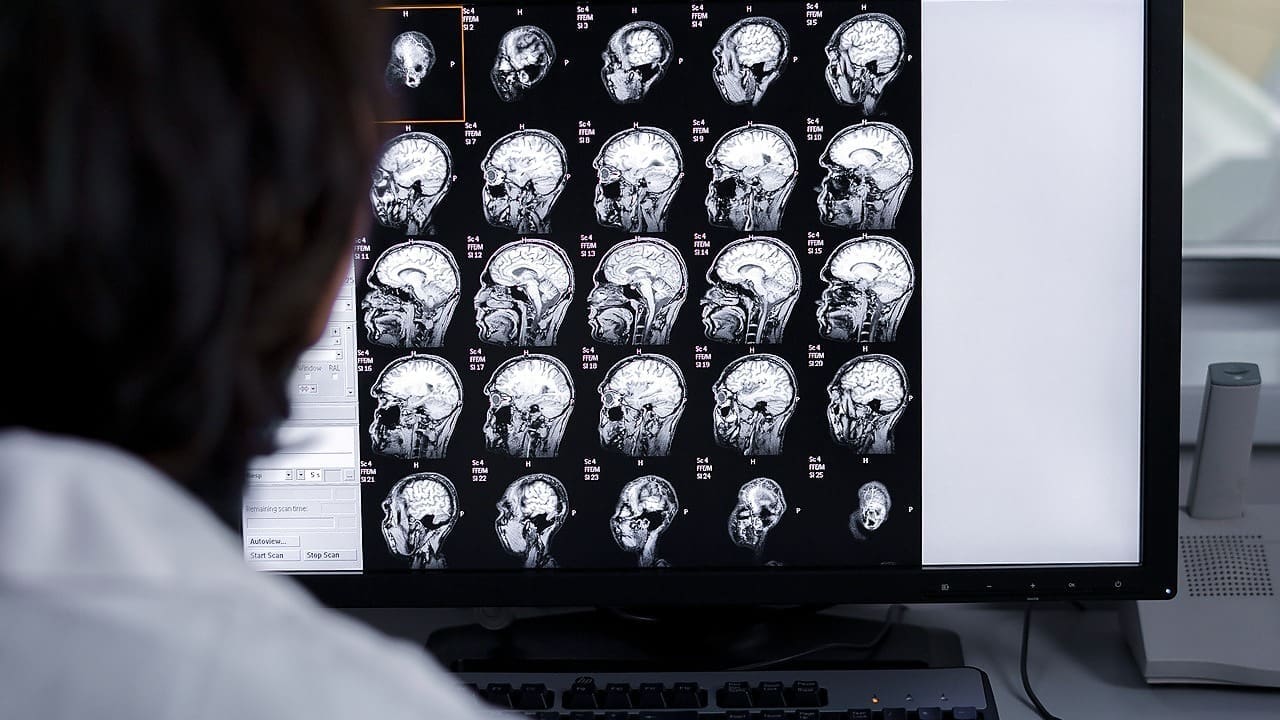
Many imaging methods help find brain aneurysms. Computed Tomography (CT) scans are often first used in emergencies. They quickly spot bleeding in the brain.
Magnetic Resonance Imaging (MRI) and Magnetic Resonance Angiography (MRA) show detailed blood vessel images. They’re great for finding aneurysms that haven’t burst yet. Cerebral angiography is the top choice. It uses a contrast agent to see the aneurysm’s details.
These methods help find aneurysms and plan treatment. For example, an aneurysm’s size and location decide between surgery or coiling.
Novel Imaging Advancements for Rupture Prediction
New imaging tech helps predict aneurysm ruptures. 4D flow MRI and high-resolution MRI give insights into blood flow and vessel walls. This helps spot risky aneurysms.
Studies like the SEAL system trial are exploring new treatments. These efforts show the need for ongoing research in aneurysm diagnosis and treatment.
Using these new imaging tools helps us understand rupture risks better. This leads to more tailored treatments. It improves patient care and brain aneurysm management.
Brain Aneurysm Treatment: Overview of Options
Brain aneurysm treatment has grown, with many options for each aneurysm. The right treatment depends on the aneurysm’s size, location, and if it has burst.
Factors That Determine Treatment Selection
Many things affect the choice of treatment for a brain aneurysm. These include the patient’s health, the aneurysm’s shape, and symptoms. We use these to pick the best treatment.
- Aneurysm Size and Location: Larger aneurysms or those in certain spots might need stronger treatments.
- Rupture Status: Burst aneurysms need quick action, while unruptured ones might be watched or treated based on risk.
- Patient Health: The patient’s health and past medical issues are key in choosing treatment.
Ruptured vs. Unruptured Aneurysm Approaches
Treating a brain aneurysm changes a lot if it has burst. For burst aneurysms, stopping more bleeding is the main goal. This usually means quick surgery or endovascular treatment.
| Treatment Aspect | Ruptured Aneurysm | Unruptured Aneurysm |
|---|---|---|
| Urgency | Quick treatment is often needed to stop more bleeding. | Treatment can be planned based on the aneurysm’s risk profile. |
| Treatment Options | Surgical clipping or endovascular coiling are common approaches. | Options include monitoring, surgical clipping, or endovascular coiling. |
| Goal | Prevent further bleeding and manage symptoms. | Prevent rupture and manage risk factors. |
Every patient is different, and the best treatment is chosen for each case. We look at the aneurysm and the patient’s health to offer the best care.
Surgical Clipping: Traditional Approach
For decades, surgical clipping has been a key treatment for brain aneurysms. This method involves a surgery where the aneurysm is clipped to stop bleeding or rupture.
Procedure Overview
The surgery starts with a craniotomy, where part of the skull is removed to reach the brain. The neurosurgeon then finds the aneurysm and clips it at the neck. This clip stays in place forever.
We use top-notch imaging during the surgery to place the clip correctly. Our goal is to block the aneurysm without harming nearby blood vessels.
Success Rates and Recovery
Surgical clipping works well for many patients, with high success rates. Recovery time depends on the patient’s health and the surgery’s complexity.
- Immediate recovery: Patients are watched closely in the ICU for any issues.
- Short-term recovery: Most patients stay in the hospital for 7-10 days after surgery.
- Long-term recovery: Full recovery can take weeks to months.
Ideal Candidates
Not every patient with brain aneurysms is right for surgical clipping. The aneurysm’s location, size, and the patient’s health are key. Surgical clipping is often suggested for:
- Patients with aneurysms that are easy to reach.
- Those with ruptured aneurysms who can safely have surgery.
- Patients who can’t have endovascular treatments.
We look at each case carefully to choose the best treatment. We consider the aneurysm‘s details and the patient’s wishes.
Endovascular Coiling: Minimally Invasive Solution
The treatment for aneurysms has changed a lot with endovascular coiling. This method is less invasive and has a shorter recovery time. It’s now a top choice for many patients.
The Coiling Procedure Explained
Endovascular coiling uses a catheter to reach the aneurysm through blood vessels. A doctor then places coils in the aneurysm. This helps stop it from rupturing.
The procedure is done under general anesthesia for comfort. Advanced imaging helps place the coils accurately. This makes the treatment safer and more effective.
90% Immediate Closure Rate: Understanding Effectiveness
Endovascular coiling is very effective, closing over 90% of aneurysms right away. This is key in preventing rupture and avoiding more treatments.
The success of this method comes from better coil technology and skilled doctors. The size, location, and shape of the aneurysm also matter.
Key benefits of endovascular coiling include:
- Minimally invasive, reducing tissue damage and scarring
- Shorter recovery times compared to open surgery
- High immediate closure rates for aneurysms
- Effective for treating aneurysms in difficult-to-reach locations
Recovery and Follow-up Requirements
After the procedure, patients stay in a recovery area for a few hours to a day. They are then sent home. They need to manage any pain and keep up with follow-up appointments.
Long-term check-ups are key to make sure the aneurysm stays treated. These may include imaging studies to check on the aneurysm and blood vessels.
Knowing about endovascular coiling helps patients and their families make better choices. It’s a big step forward in treating aneurysms, balancing safety and effectiveness.
Flow Diversion Stenting for Complex Anueysm
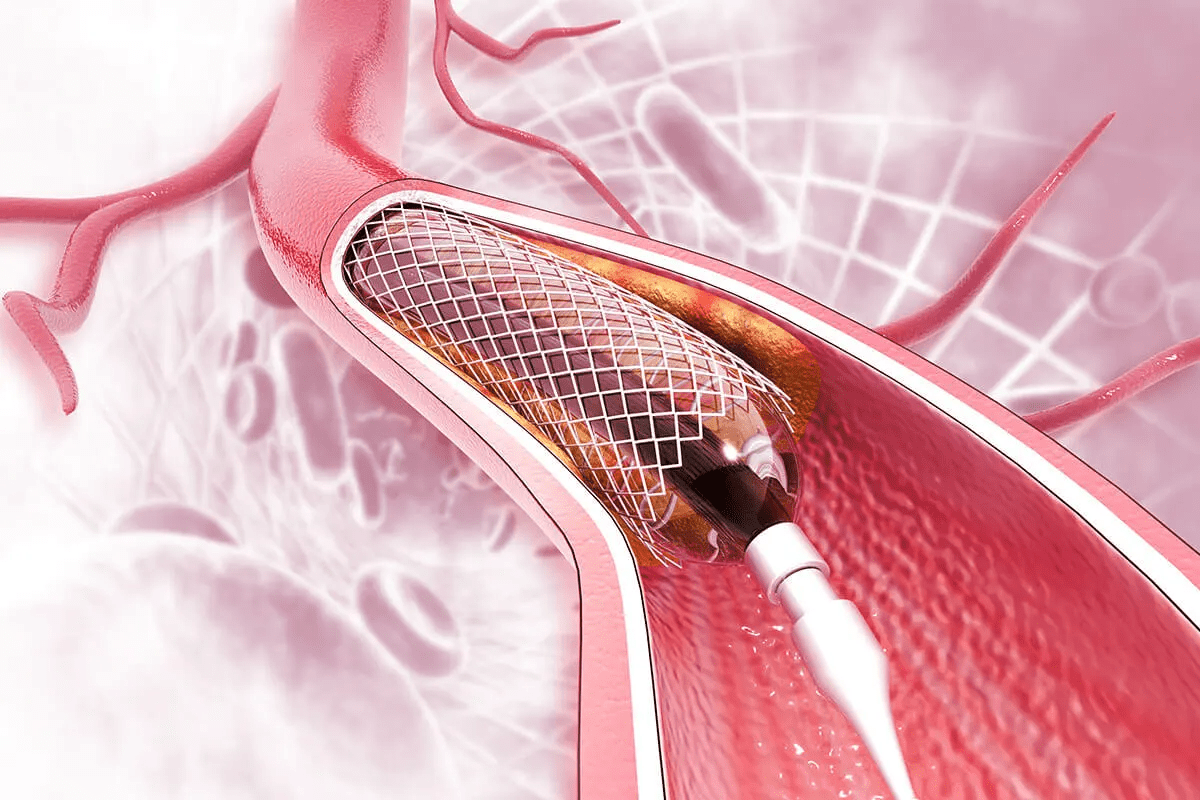
Flow diversion stenting is a key treatment for tough aneurysms. It uses a special stent that looks like a mesh. This stent covers the aneurysm’s neck, steering blood flow away from it.
How Flow Diverters Redirect Blood Flow
Flow diverters change the blood flow in the artery. They help stop blood from flowing into the aneurysm. This makes the aneurysm less likely to burst and helps it heal.
The success of this method depends on how well the stent fits and is placed.
Ideal Candidates for Flow Diversion
People with big or giant aneurysms or those in hard-to-reach spots are good candidates. Doctors decide on a case-by-case basis. They consider the patient’s health and the aneurysm’s details.
Long-term Outcomes and Success Rates
Research shows flow diversion stenting works well, with few complications. It’s important to keep an eye on the aneurysm over time. This method helps the aneurysm heal naturally.
Balloon and Stent-Assisted Coiling Techniques
Balloon and stent-assisted coiling have changed how we treat aneurysms. These new methods help with wide-neck and complex aneurysms. They are hard to fix with just standard coiling.
Balloon-Assisted Coiling for Wide-Neck Aneurysm
Balloon-assisted coiling helps with wide-neck aneurysms. It uses a balloon to keep coils from going into the main artery. This makes the treatment safer and more effective.
This method lowers the chance of coil migration. It also helps pack the aneurysm better. It’s great for patients with wide-neck aneurysms who face risks with other treatments.
Stent-Assisted Coiling for Complex Cases
Stent-assisted coiling uses a stent to support coil placement. It’s for complex aneurysms with tough anatomy or wide necks. This method is for cases where standard coiling won’t work.
This technique has opened up new possibilities for aneurysm treatment. It offers hope to patients who were thought untreatable. It improves outcomes and lowers the chance of the aneurysm coming back.
Pipeline Embolization Device for Large Annyuerism
The Pipeline Embolization Device is a major breakthrough in treating complex aneurysms. It offers a minimally invasive method with promising results for large aneurysms.
How the Pipeline Device Works
The Pipeline Embolization Device diverts blood flow from the aneurysm. It promotes clotting inside the aneurysm sac. This leads to the aneurysm being cut off from blood flow.
Key benefits of the Pipeline Embolization Device include:
- Minimally invasive procedure
- Effective for large and complex aneurysms
- Promotes clotting and exclusion of the aneurysm from circulation
Results from Clinical Studies
Clinical studies show the Pipeline Embolization Device is effective and safe for large aneurysms. The studies found high aneurysm occlusion rates with low complication rates.
| Study | Aneurysm Occlusion Rate | Complication Rate |
|---|---|---|
| PUFS Study | 73.6% at 180 days | 6.5% major ipsilateral stroke or death |
| Pipeline Flex Study | 85% at 1 year | 4.8% neurological mortality |
The Pipeline Embolization Device is a proven treatment for large aneurysms. Clinical studies confirm its safety and effectiveness. The choice to use this device should be based on the patient’s specific needs and medical history.
Watchful Waiting: When Treatment Can Be Delayed
Watchful waiting is a good option for unruptured aneurysms, but it needs careful watching. It means regular check-ups and tests to see if the aneurysm changes size or shape.
Monitoring Unruptured Aneurysm
For those with unruptured aneurysms, regular checks are key. They help spot any changes that might need treatment. Tests like MRI or CT scans are used to keep an eye on the aneurysm.
A study in the Journal of Neurosurgery found that watching unruptured aneurysms closely can help find those at risk of bursting. This allows for early treatment.
“The goal of watchful waiting is to monitor the aneurysm for any signs of growth or rupture, enabling preemptive treatment if necessary.”
Risk Assessment and Decision-Making
Assessing risk is vital in deciding if watchful waiting is right. The size, location of the aneurysm, and the patient’s health are all important. These factors help figure out the risk of rupture.
| Risk Factor | Description | Impact on Decision |
|---|---|---|
| Aneurysm Size | Larger aneurysms are at higher risk of rupture. | Increases likelihood of recommending treatment. |
| Aneurysm Location | Aneurysms in certain locations are more prone to rupture. | Affects the decision to treat or continue monitoring. |
| Patient Health | Patients with certain health conditions may be at higher risk. | May influence the choice between watchful waiting and treatment. |
As shown in the table, a detailed risk assessment is key for making the right choice for unruptured aneurysms.
Choosing watchful waiting or treatment should be a team decision. It should consider the patient’s situation and the latest medical knowledge.
Emerging Treatments and the SEAL Clinical Trial
New treatments, like the SEAL clinical trial, are changing how we treat brain aneurysms. Doctors are always looking for better ways to help patients. The SEAL system is leading this change.
The SEAL System for Minimally Invasive Treatment
The SEAL system is a big step forward in treating brain aneurysms without big surgery. It aims to be safer and more effective. This could mean patients recover faster and do better overall.
Key benefits of the SEAL system include:
- Minimally invasive procedure, reducing the risk of complications
- Potential for shorter recovery times compared to traditional surgical methods
- Innovative technology designed to improve treatment efficacy
Genome Studies and Personalized Approaches
Genome studies are becoming key in treating brain aneurysms. They help us understand what makes aneurysms happen. This lets us create treatments that fit each patient’s needs.
Personalized medicine is changing aneurysm treatment. It lets us focus on specific genetic markers. This could make treatments more effective and safer for patients.
Conclusion: Making Informed Decisions About Aneuryysm Care
It’s key to make smart choices about aneurysm care for the best treatment. We’ve looked at different ways to treat brain aneurysms, like surgery and stenting. Knowing these options helps both patients and doctors.
The right treatment depends on the aneurysm’s size, location, and type. New methods like the SEAL System and genome studies are showing promise. Staying up-to-date with these advances helps patients make better choices.
We stress the need for teamwork in fighting brain aneurysms. Patients, doctors, and researchers must work together. This way, we can improve care and find better treatments for aneryseum and aneurism.
FAQ
What is a brain aneurysm, also known as aneryseum or anuerisim?
A brain aneurysm is an abnormal bulge in a brain artery wall. It’s important to know the different types of aneurysms. This helps decide the best treatment.
What are the risk factors associated with developing an aneryseum or anyruism?
Risk factors include genetic predisposition, high blood pressure, and smoking. Knowing who is at risk is key for early medical help.
What are the symptoms of a ruptured aneurysm or anuerysm?
Severe headache is a symptom of a ruptured aneurysm. It’s vital to seek medical help quickly.
How are brain aneurysms diagnosed using imaging techniques?
Diagnosis uses CT scans, MRI, and cerebral angiography. New imaging tech helps predict when an aneurysm might rupture.
What are the treatment options for brain aneurysms, including surgical clipping and endovascular coiling?
Treatment options include surgical clipping, endovascular coiling, flow diversion, and watchful waiting. The choice depends on the aneurysm’s size, location, and type.
What is the difference between ruptured and unruptured aneurysm approaches?
Ruptured aneurysms need immediate treatment. Unruptured aneurysms may be monitored or treated based on risk assessment.
What is the pipeline embolization device used for treating large annyuerism?
The pipeline embolization device is for treating large aneurysms. It diverts blood flow away from the aneurysm.
What is the SEAL clinical trial, and how does it relate to aneurysm treatment?
The SEAL clinical trial studies a new treatment system for aneurysms. It explores new ways to treat them.
How do genome studies contribute to personalized approaches in aneurysm treatment?
Genome studies help find genetic factors in aneurysm development. This leads to personalized treatment plans.
What is flow diversion stenting, and how does it redirect blood flow?
Flow diversion stenting redirects blood flow away from the aneurysm. It promotes clotting and reduces rupture risk.
What are balloon and stent-assisted coiling techniques used for?
Balloon and stent-assisted coiling are for treating wide-neck and complex aneurysms. They provide extra support during coiling.
References:
- https://www.bafound.org/treatment-recovery/treatment-options
- https://stanfordhealthcare.org/medical-clinics/brain-aneurysm/treatments.html
- https://news.louisville.edu/news/uofl-physicians-neurosurgery-first-kentucky-join-innovative-brain-aneurysm-treatment-clinical
- https://news.llu.edu/health-wellness/understanding-endovascular-brain-aneurysm-treatment-modern-approach-life-saving-care