Last Updated on November 18, 2025 by Ugurkan Demir
Ever felt a sharp ache or soreness on the inner side of your knee? It happens a lot, like when you squat, climb stairs, or stand up. This pain often means there’s something wrong, like arthritis.
At Liv Hospital, we know how important it is to find out why your knee hurts. We use top standards and care that focuses on you. We’re here to help you figure out what’s causing your pain and find the best treatment.
Knee arthritis is common, hitting adults over 50 hard. Osteoarthritis is the top type. Knowing why and how to ease the pain is key to feeling better and moving freely.
Key Takeaways
- Inner knee pain can be a symptom of underlying arthritis.
- Osteoarthritis is the most common form of arthritis affecting the knee.
- Diagnosing the root cause is key for effective relief.
- Liv Hospital offers personalized care for international patients.
- Understanding the causes of knee pain is the first step towards recovery.
Understanding Arthritis Inside Knee Pain
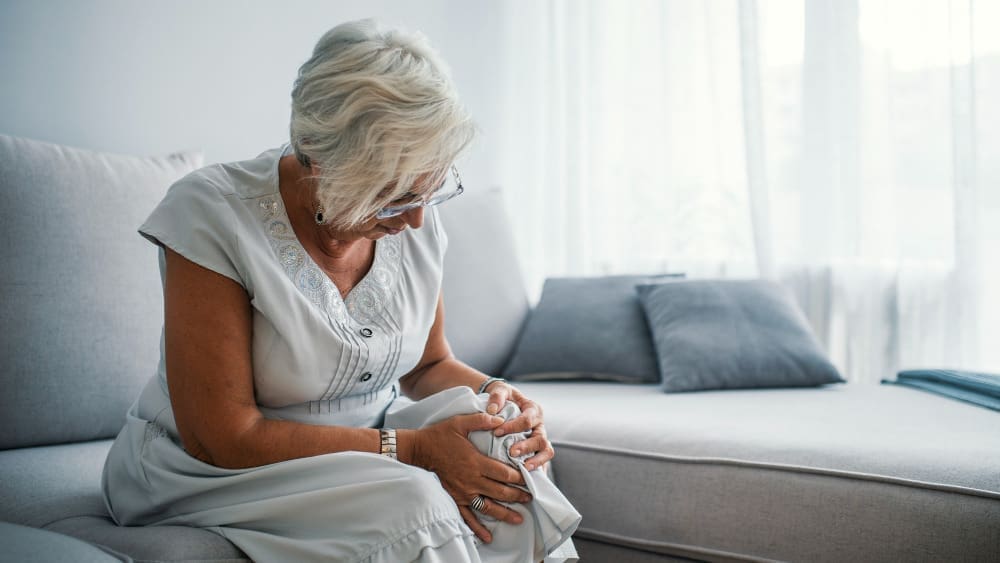
Knee arthritis often causes pain in the inner knee. This pain can make it hard to move and do daily tasks. We will look at why this pain happens and why the inner knee is more at risk.
What Happens in Knee Arthritis
Knee arthritis damages the cartilage and bone in the joint. This leads to pain and stiffness, mainly after rest. It can also make the knee swell and hurt more.
Studies show that stronger knee muscles can help with pain. Stronger knee extensor muscles can ease some of the stress on the joint, which might reduce pain.
| Factors | Impact on Knee Arthritis |
|---|---|
| Knee Extensor Power | Associated with reduced knee pain severity |
| Cartilage Degeneration | Leads to increased pain and stiffness |
| Inflammation | Causes swelling and further discomfort |
Why the Inner Knee Is Vulnerable
The inner knee, or medial compartment, is more likely to get arthritis. This is because it bears a lot of stress, mainly when you’re standing or moving. Poor alignment or uneven force can make this stress worse, causing more wear and tear.
When you squat, the inner knee takes a lot of strain. This can make pain worse for people with knee arthritis. Knowing how this works is key to finding good treatments.
Understanding knee arthritis and why the inner knee is vulnerable helps us tackle pain better. We can then find ways to relieve this pain more effectively.
Osteoarthritis: The Primary Cause of Inner Knee Pain
Inside knee pain can be really tough to deal with. Osteoarthritis is often the main reason. It’s a disease where cartilage breaks down, causing bones to rub against each other and a lot of pain.
Osteoarthritis is more common in older people because of joint wear and tear. But, it can also affect younger people. Obesity, past injuries, and genetics can increase your risk.
Cartilage Degeneration in the Medial Compartment
The medial compartment of the knee is often hit by osteoarthritis. Cartilage degeneration here can cause pain inside the knee. This makes simple tasks hard. As cartilage disappears, the joint space gets smaller, and bone spurs can form, making pain worse.
The medial compartment carries a lot of our body’s weight. This makes it more likely to wear out. Conditions like genu varum (bowleggedness) can raise the risk of osteoarthritis in this area.
Risk Factors for Developing Knee Osteoarthritis
Several factors can lead to knee osteoarthritis. These include:
- Age: The risk goes up with age because of more wear and tear.
- Obesity: Being overweight adds extra stress on the knee joints.
- Previous knee injuries: Trauma to the knee can start degenerative changes.
- Genetic predisposition: Family history can influence your risk.
- Repetitive stress or strain: Jobs or activities that stress the knee joint.
Knowing these risk factors helps us take steps to prevent osteoarthritis. It also helps manage its symptoms better.
Post-Traumatic Arthritis Following Knee Injuries
Knee injuries can lead to post-traumatic arthritis. This condition causes inside knee ligament pain and soreness on the medial side. A knee injury can start a chain of events that may damage the joint over time.
Common Injuries Leading to Arthritis Development
Several knee injuries can raise the risk of post-traumatic arthritis. These include:
- Anterior Cruciate Ligament (ACL) Tears: ACL injuries are common, often seen in athletes. They can cause knee instability, raising the risk of arthritis.
- Meniscus Tears: The meniscus is a cartilage that cushions the joint. Tears can put more stress on the joint, leading to arthritis.
- Fractures: Fractures near the knee can change how the joint works. This can lead to post-traumatic arthritis.
People with these injuries are more likely to get post-traumatic arthritis. This can cause inside knee soreness and stiffness.
Timeline and Progression After Injury
The time it takes to develop post-traumatic arthritis varies. Some may see symptoms a few years after the injury. Others may not experience it until decades later.
Several factors can affect how fast it progresses. These include:
- The severity of the initial injury
- The success of the treatment and rehabilitation
- Genetic predisposition to arthritis
As post-traumatic arthritis gets worse, people may feel more pain and stiffness. They may also find it harder to move their knee.
“Early intervention and proper management of knee injuries are key to preventing or delaying post-traumatic arthritis.”
Medial Meniscus Tears and Resulting Arthritis Inside Knee Pain
Arthritis inside knee pain can start with medial meniscus tears. This is a common knee injury. The medial meniscus is a cartilage part in the knee that can get damaged. This damage can cause pain and might lead to arthritis.
Damage Mechanisms Leading to Arthritic Changes
When the medial meniscus tears, it can cause lower medial knee pain. This is because the tissues around it get irritated. Over time, this can lead to arthritic changes as the knee joint tries to adjust without the meniscus.
The process involves several steps:
- The initial tear causes pain and inflammation.
- The knee joint becomes less stable, leading to abnormal wear on the cartilage.
- As the cartilage degenerates, interior knee pain becomes more pronounced.
- Eventually, the degenerative changes can result in osteoarthritis, characterized by persistent sore inner knee pain.
Distinguishing Between Acute Tears and Degenerative Changes
It’s important to tell the difference between acute medial meniscus tears and degenerative changes. Acute tears usually happen from a specific injury, like a sudden twist or blow to the knee.
| Characteristics | Acute Tears | Degenerative Changes |
|---|---|---|
| Cause | Trauma or sudden injury | Wear and tear over time |
| Onset of Pain | Sudden | Gradual |
| Patient Profile | Often younger, active individuals | Typically older adults |
Knowing why the medial meniscus tear happened is key to treating it right. As said, “Accurate diagnosis is the cornerstone of effective management for patients with medial meniscus tears and associated arthritis inside knee pain.”
MCL Injuries Contributing to Inner Knee Arthritis
The medial collateral ligament (MCL) is key to knee stability. Injuries to it can lead to arthritis inside the knee. Damage to the MCL causes instability and changes in how the knee moves, leading to wear and tear over time.
Mechanism of MCL Damage and Arthritis Development
MCL injuries often happen from a direct hit to the outer knee. This can stretch or tear the ligament. It starts an inflammatory response, causing pain inside the knee.
If not treated, this can cause long-term instability. This increases the chance of osteoarthritis in the knee’s medial part.
Chronic instability and changes in how you walk after an MCL injury can wear down the knee unevenly. This speeds up the degenerative process. As cartilage wears down, people may feel pain in the inner left knee or right knee, depending on the side affected.
Recognizing MCL-Related Arthritis Symptoms
It’s important to know the symptoms of MCL-related arthritis early. Common signs include:
- Pain on the inside of the knee, worse when you’re on your feet
- Swelling and stiffness in the knee
- Feeling like the knee is unstable or giving way
- Back inner knee pain that might spread to other areas
As
“The knee is a complex joint, and injuries to one structure can have far-reaching consequences,”
says, an orthopedic specialist. Spotting these symptoms early helps in starting the right treatment to slow arthritis’s progress.
Managing MCL-related arthritis well needs both non-surgical and surgical treatments. Knowing how MCL injuries and inner knee arthritis are linked helps doctors give better care. This helps reduce pain on the inside of the knee and improves patient results.
Pes Anserine Bursitis and Its Relation to Arthritis Inside Knee Pain
Pes anserine bursitis can cause a lot of pain on the inside of the knee. It’s often mistaken for arthritis pain. This condition happens when the pes anserine bursa gets inflamed. The bursa is a small sac filled with fluid that helps reduce friction in the knee.
The Connection Between Bursitis and Arthritis
Pes anserine bursitis and arthritis often happen together, making it hard to tell them apart. Both can come from overuse, injury, or how the knee moves. They share many risk factors and are close to each other in the knee.
Arthritis, like osteoarthritis, can make the knee joint change. This can put more stress on the knee and irritate the pes anserine bursa. This irritation can lead to inflammation and pain.
“The relationship between pes anserine bursitis and knee arthritis is complex, with each condition potentially exacerbating the other.” – Orthopedic Specialist
Differentiating Bursitis Pain from Arthritic Pain
Telling apart pain from pes anserine bursitis and arthritis is important for the right treatment. Both can hurt the inside of the knee, but the pain is different. The location and how it feels can help figure out the cause.
| Characteristics | Pes Anserine Bursitis | Arthritis Inside Knee Pain |
|---|---|---|
| Location of Pain | Lower inner aspect of the knee | Typically more diffuse, can be anywhere on the inside of the knee |
| Nature of Pain | Sharp, specially with movement or pressure | Dull ache, stiffness, specially after rest |
| Aggravating Factors | Activities that involve knee flexion or direct pressure | Weight-bearing activities, prolonged standing or walking |
Knowing the differences helps manage pain better. It’s best to see a healthcare professional for a proper diagnosis and treatment plan.
Medial Plica Syndrome: An Overlooked Cause of Inner Knee Arthritis
Medial plica syndrome is often missed but can really hurt the inner knee. The medial plica is a part of the knee’s membrane. When it gets inflamed, it can cause pain on the inside of the knee.
Inflammation and Arthritic Changes
Inflammation from medial plica syndrome can harm the knee. Plica inflammation can rub against the cartilage, causing damage. This can make the knee hurt and feel uncomfortable.
Studies link medial plica syndrome to knee osteoarthritis. For more on how it affects knee pain, check out the article on unlocking the hidden role of retinacular bands in medial plica.
Diagnostic Challenges and Solutions
Finding medial plica syndrome can be hard because it looks like other knee problems. We use patient history, physical checks, and sometimes images to diagnose it. Knowing what medial plica syndrome is helps us tell it apart from other inside knee pain when squatting.
Good diagnosis means checking the medial plica and how the knee bends. Sometimes, we need to look inside the knee with a camera to be sure. By knowing what we’re dealing with, we can treat it right and ease the pain.
Fast Relief Tips for Arthritis Inside Knee Pain
Managing arthritis inside knee pain needs a mix of quick fixes, lifestyle changes, and medical help. Dealing with pain on the inside of the right knee can be tough. But, there are many ways to ease lower medial knee pain.
Immediate Pain Management Strategies
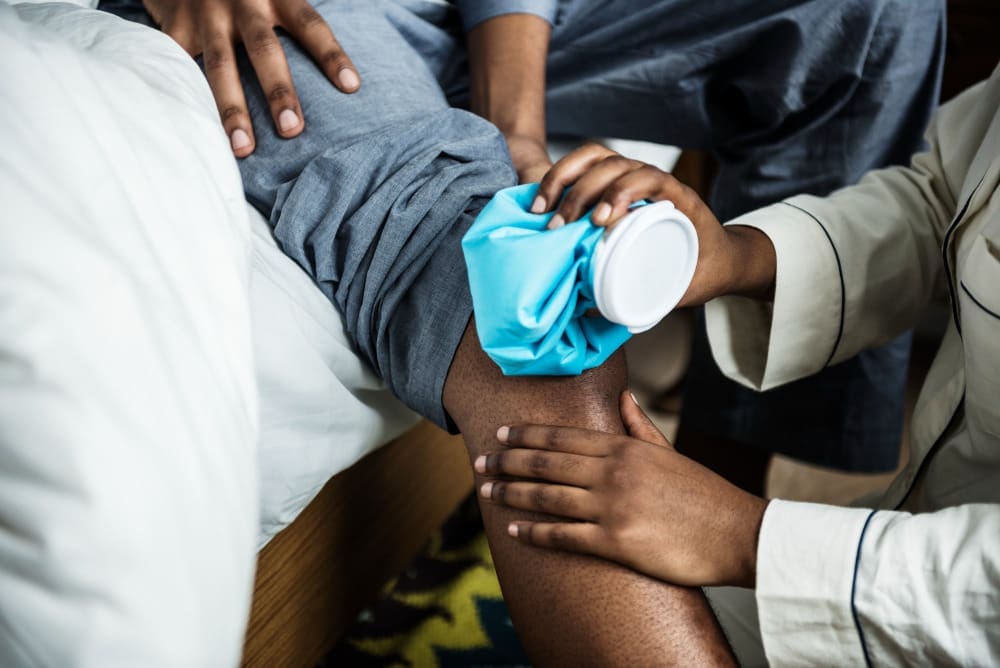
For sudden pain, quick relief is key. Applying ice to the area can cut down inflammation and dull the pain. Use ice packs for 15-20 minutes, several times a day. Also, over-the-counter pain relievers like ibuprofen or acetaminophen can help manage pain and swelling.
- Rest and avoid activities that make the pain worse
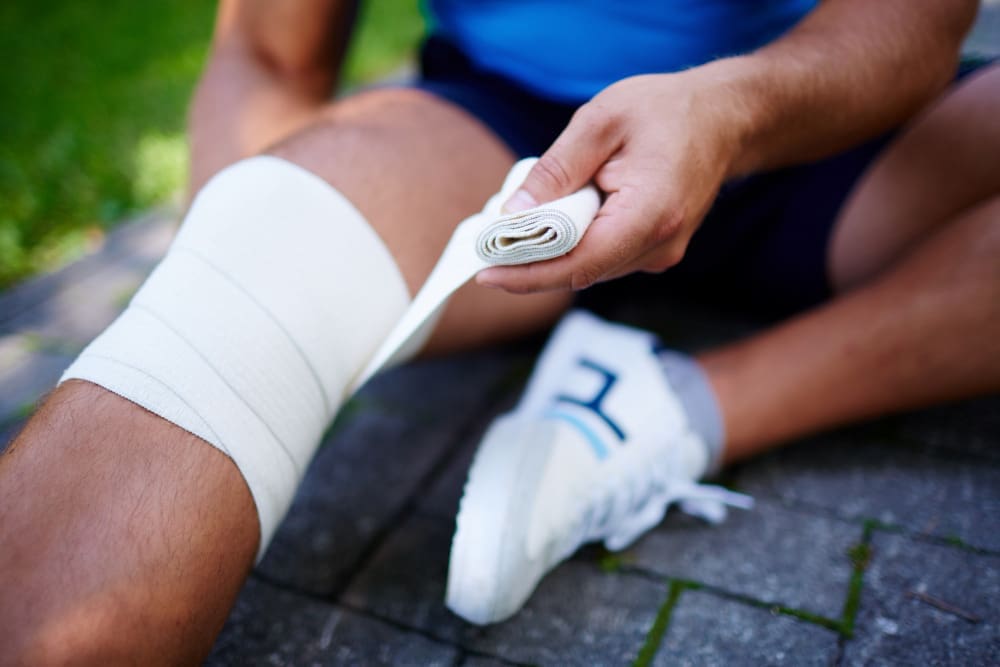
- Use compression bandages for support
- Elevate the knee to lessen swelling
Effective Exercises to Relieve Inner Knee Arthritis Pain
Gentle exercises can strengthen the knee muscles, improving stability and easing pain. Try straight leg raises, knee bends, and leg press. Physical therapy also helps keep the knee mobile and strong.
Lifestyle Modifications for Long-Term Relief
Changing your lifestyle can greatly help with long-term knee pain relief. Keeping a healthy weight eases the knee’s load, while regular exercise keeps muscles strong. Avoid repetitive knee strain and eat anti-inflammatory foods.
Medical Treatments and Interventions
For serious cases, medical treatments are needed. We offer corticosteroid injections to lessen inflammation and viscosupplementation to improve joint lubrication. Sometimes, surgical interventions are needed to fix or replace the damaged joint.
By using these methods together, people can manage their arthritis inside knee pain and live better.
Conclusion: Managing Your Arthritis Inside Knee Pain Effectively
Understanding what causes arthritis inside knee pain is key to managing it well. We’ve looked at many factors, like osteoarthritis and injuries. These can make your knee hurt inside, affecting your daily life.
To handle inside knee ligament pain, you need a few steps. First, use pain relief right away. Then, do exercises and change your lifestyle. Medical help is also important for lasting relief.
It’s vital to tackle arthritis inside knee pain in a full way. Knowing the causes and using different strategies can help a lot. This way, you can feel better and live more comfortably. Managing your pain well lets you do more of what you love, without knee pain getting in the way.
FAQ
What are the common causes of arthritis inside knee pain?
Arthritis inside knee pain can come from several sources. These include osteoarthritis, post-traumatic arthritis, and medial meniscus tears. MCL injuries, pes anserine bursitis, and medial plica syndrome also play a role.
How does osteoarthritis affect the inner knee?
Osteoarthritis in the inner knee causes cartilage to wear down. This leads to pain and stiffness.
What is the relationship between medial meniscus tears and arthritis inside knee pain?
Tears in the medial meniscus can cause arthritis. This results in pain and stiffness in the inner knee.
How can I differentiate between bursitis pain and arthritic pain in the inner knee?
Bursitis pain is marked by inflammation and swelling. Arthritic pain, on the other hand, is linked to cartilage loss and joint damage.
What are the symptoms of MCL injuries that can contribute to inner knee arthritis?
MCL injuries can lead to knee pain, swelling, and instability. These symptoms can contribute to inner knee arthritis.
What are some effective exercises to relieve inner knee arthritis pain?
Exercises that strengthen muscles and improve flexibility can help. They reduce stress on the knee joint, easing pain.
What lifestyle modifications can help provide long-term relief from arthritis inside knee pain?
Keeping a healthy weight and exercising regularly can help. Avoiding activities that worsen the condition also aids in long-term relief.
What are the available medical treatments for arthritis inside knee pain?
Treatments include medications, injections, and physical therapy. In severe cases, surgery may be necessary to address the root cause.
How can I manage my arthritis inside knee pain effectively?
Understanding your pain’s cause is key. Implementing effective strategies and making lifestyle changes can help manage your pain.
Why does my inside knee hurt when squatting?
Squatting pain can stem from osteoarthritis, medial meniscus tears, or MCL injuries. These conditions affect the inner knee.
What is lower medial knee pain?
Lower medial knee pain is pain on the inner knee. It can be due to osteoarthritis or medial meniscus tears.
How can I relieve pain on the inside of my knee?
Relief can come from exercises, lifestyle changes, or medical treatments. The best approach depends on the cause of your pain.
What are the common causes of arthritis inside knee pain?
Arthritis inside knee pain can come from several sources. These include osteoarthritis, post-traumatic arthritis, and medial meniscus tears. MCL injuries, pes anserine bursitis, and medial plica syndrome also play a role.
How does osteoarthritis affect the inner knee?
Osteoarthritis in the inner knee causes cartilage to wear down. This leads to pain and stiffness.
What is the relationship between medial meniscus tears and arthritis inside knee pain?
Tears in the medial meniscus can cause arthritis. This results in pain and stiffness in the inner knee.
How can I differentiate between bursitis pain and arthritic pain in the inner knee?
Bursitis pain is marked by inflammation and swelling. Arthritic pain, on the other hand, is linked to cartilage loss and joint damage.
What are the symptoms of MCL injuries that can contribute to inner knee arthritis?
MCL injuries can lead to knee pain, swelling, and instability. These symptoms can contribute to inner knee arthritis.
What are some effective exercises to relieve inner knee arthritis pain?
Exercises that strengthen muscles and improve flexibility can help. They reduce stress on the knee joint, easing pain.
What lifestyle modifications can help provide long-term relief from arthritis inside knee pain?
Keeping a healthy weight and exercising regularly can help. Avoiding activities that worsen the condition also aids in long-term relief.
What are the available medical treatments for arthritis inside knee pain?
Treatments include medications, injections, and physical therapy. In severe cases, surgery may be necessary to address the root cause.
How can I manage my arthritis inside knee pain effectively?
Understanding your pain’s cause is key. Implementing effective strategies and making lifestyle changes can help manage your pain.
Why does my inside knee hurt when squatting?
Squatting pain can stem from osteoarthritis, medial meniscus tears, or MCL injuries. These conditions affect the inner knee.
What is lower medial knee pain?
Lower medial knee pain is pain on the inner knee. It can be due to osteoarthritis or medial meniscus tears.
How can I relieve pain on the inside of my knee?
Relief can come from exercises, lifestyle changes, or medical treatments. The best approach depends on the cause of your pain.
References
Medical News Today. Stem Cell Transplants Can Be a Safe Treatment for Knee Osteoarthritis Pain. https://www.medicalnewstoday.com/articles/stem-cell-transplants-can-be-a-safe-treatment-for-knee-osteoarthritis-pain
Versus Arthritis. Osteoarthritis of the Knee. https://www.versusarthritis.org/about-arthritis/conditions/osteoarthritis-of-the-knee/