Last Updated on November 27, 2025 by Bilal Hasdemir
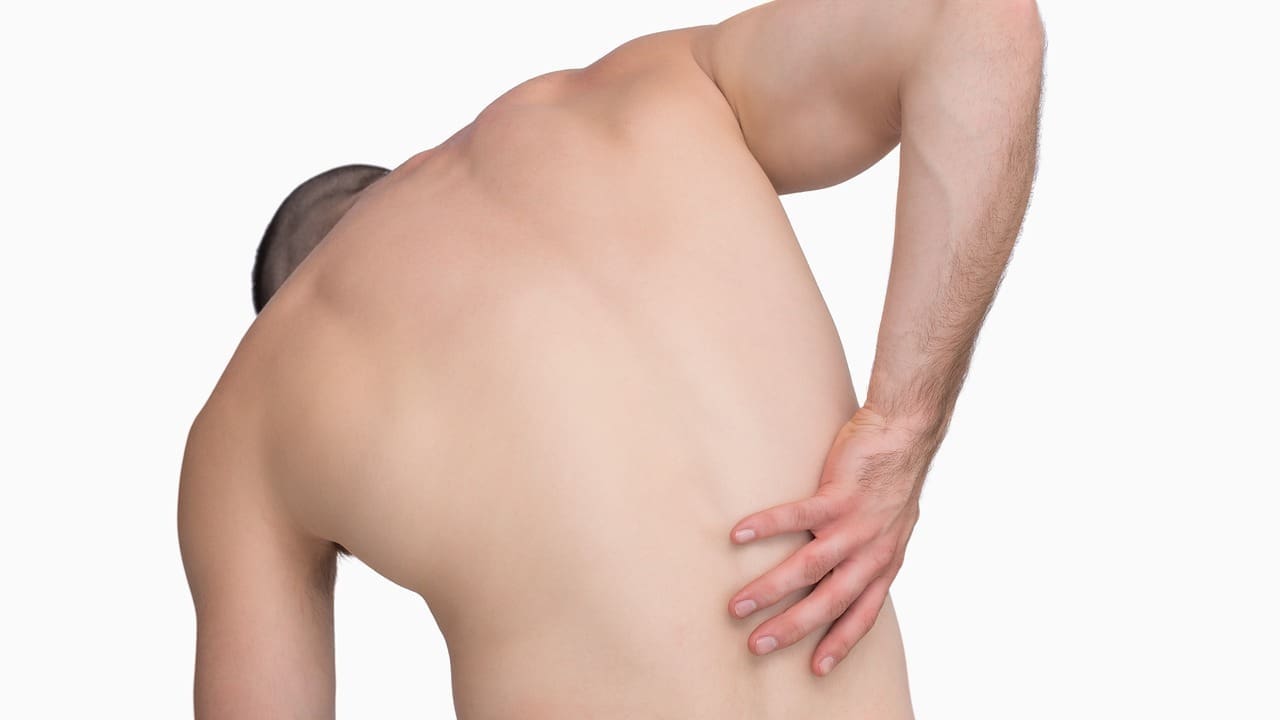
Seeing a lump on the lower back left side can worry you. But knowing what causes it and the risks is key to getting better care. At Liv Hospital, we focus on trusted, patient-centered solutions for all cases. A lump lower left side of back might be soft and movable, like a lipoma or sebaceous cyst.
While some lumps are no big deal, others need a doctor’s look. We’ll look at the different reasons, signs, and risks of a lower back left side lump. This will help you know when to get medical help.
Key Takeaways
- Understanding the causes of a lump on the lower back is key for good care.
- Lumps can be harmless growths like lipomas or sebaceous cysts.
- Some lumps might need a doctor’s check because of hidden issues.
- Knowing the signs and risks of lumps is important.
- Getting medical help is a must if you see unusual changes.
What Causes a Lump Lower Left Side of Back?

Lumps on the lower back, often on the left side, can come from many sources. This includes muscle problems and serious health issues. Knowing what these lumps look like and where they are can help figure out why they’re there.
Common Characteristics of Back Lumps
Back lumps can be very different. They might be soft or hard, and can move or stay in one place. Some lumps hurt, while others don’t. How a lump feels can tell us a lot about it.
A soft, movable lump could be a lipoma, a harmless fatty growth. But a hard, painful lump might be something more serious that needs a doctor’s help.
Why Location Matters in Diagnosis
Where a lump is on your back is very important for figuring out what it is. Lumps can show up on the lower, middle, or upper back. Where it is can point to why it’s there. For example, a lump on the lower left might be from muscle strain or a kidney problem.
| Location | Possible Causes |
|---|---|
| Lower Left Side | Muscle strain, Kidney issues, Lipoma |
| Middle Back | Spinal abnormalities, Muscle knots, Sebaceous cysts |
| Upper Back | Thoracic spine issues, Fibromyalgia, Osteoarthritis |
Knowing where and what a back lump looks like is key to figuring out why it’s there. If you have a lump on your back, seeing a doctor is very important for getting it checked out.
Lipomas: Soft, Movable Fatty Tissue Growths

Lipomas are common lumps on the lower left back. They are soft and can move. These fatty tumors can appear anywhere on the body, including the back. We will look at what lipomas are, their risk factors, and when to see a doctor.
Identifying Features of Lipomas
Lipomas feel soft to the touch and can be moved slightly. They are usually painless and grow slowly. A lump on the lower left back that is a lipoma will have these traits.
It’s important to know that while lipomas are usually harmless, they can hurt if they press on nerves. Or if they grow quickly.
Risk Factors for Development
Several factors can make you more likely to get lipomas. These include:
- Genetic predisposition
- Obesity, though lipomas aren’t always linked to weight
- Trauma to the area
Knowing these risk factors can help spot who might get lipomas in the lower back or elsewhere.
When Lipomas Need Medical Attention
Most lipomas don’t need treatment. But, there are times when you should see a doctor. If a lipoma hurts, grows fast, or shows signs of infection, get medical help.
We suggest seeing a doctor if a lump on your lower left back changes in a way that seems unusual.
Sebaceous Cysts: Fluid-Filled Sacs Under the Skin
A lump on the lower back right side might be a sebaceous cyst. It’s a harmless, fluid-filled sac under the skin. But, it can get inflamed or infected, so you should see a doctor.
Formation and Appearance
Sebaceous cysts happen when the sebaceous gland’s duct gets blocked. This causes a buildup of sebum, leading to a lump. They grow slowly and can be different sizes.
These cysts feel firm and are stuck to the skin. They’re not as easy to move as other lumps, like lipomas. The skin over them might look normal or a bit off.
Signs of Infection or Inflammation
Even though sebaceous cysts are usually harmless, they can get infected or inflamed. Look out for redness, swelling, warmth, and tenderness. You might also see pus or feel a fever.
If you see these signs, get medical help right away. Untreated infections can get worse.
Treatment Options and Home Care
Doctors usually remove sebaceous cysts surgically, if they keep coming back or get infected. But, not all cysts need to be removed. Warm compresses can help with pain.
For infected cysts, doctors might give antibiotics. Always follow their advice for treatment and aftercare to avoid problems and help healing.
Muscle Knots: Myofascial Trigger Points
Myofascial trigger points, or muscle knots, often cause discomfort and appear as lumps in the lower back. These knots are tight, inflamed muscle areas that lead to pain and stiffness.
Causes of Muscle Knots
Muscle knots in the lower back can come from many things. These include:
- Overuse or repetitive strain on the muscles
- Poor posture or biomechanics
- Direct injury to the muscle
- Stress and tension
These factors can cause trigger points. These are specific muscle spasms that can cause pain, both in the knot area and elsewhere.
Pain Patterns and Associated Symptoms
The pain from muscle knots can feel like a dull ache or a sharp stab. It might stay in the knot area or spread to other spots. Common symptoms include:
- Localized pain or stiffness
- Referred pain to other areas
- Decreased range of motion
- Muscle weakness
Self-Treatment and Professional Approaches
There are many ways to handle muscle knots, from self-care to professional treatments. Self-care might include:
- Stretching and exercise
- Self-massage techniques
- Heat or cold therapy
Professional treatments can include:
- Physical therapy
- Trigger point injections
- Massage therapy
- Chiropractic care
It’s wise to talk to a healthcare professional to find the best treatment for you.
Synovial Cysts: Spinal Joint-Related Lumps
As the facet joints in the spine degenerate, there’s an increased risk of developing synovial cysts. These cysts are benign, fluid-filled sacs that can compress nearby nerves. They can cause significant discomfort and neurological symptoms.
Connection to Facet Joint Degeneration
Synovial cysts are closely associated with the degenerative process of the facet joints in the spine. As these joints degenerate, they can become inflamed and produce excess fluid. This leads to the formation of a cyst.
This process is often seen in older adults or individuals with a history of spinal arthritis or degenerative disc disease. The degeneration of facet joints can lead to instability and inflammation. This creates an environment conducive to cyst formation.
Symptoms Including Nerve Compression
Synovial cysts can cause a range of symptoms, mainly due to their ability to compress nearby nerves. Common symptoms include:
- Localized pain or stiffness in the lower back
- Radicular pain or numbness radiating down the legs
- Weakness or tingling sensations in the legs
- In some cases, bowel or bladder dysfunction if the cyst compresses nerves controlling these functions
The severity of symptoms often correlates with the size of the cyst and its proximity to neural structures. Larger cysts or those located near critical nerves are more likely to cause significant symptoms.
Conservative and Surgical Treatment Options
Treatment for synovial cysts depends on the severity of symptoms and the impact on the patient’s quality of life. Conservative management may include:
- Pain management through medication or injections
- Physical therapy to improve spinal mobility and strength
- Activity modification to avoid exacerbating the condition
For patients with severe or persistent symptoms, surgical intervention may be necessary. Surgical options can include:
- Minimally invasive procedures to drain or remove the cyst
- Spinal decompression to relieve pressure on affected nerves
- In some cases, spinal fusion to stabilize the affected segment
We work closely with patients to determine the most appropriate treatment plan based on their individual needs and condition.
Herniated Discs: Spinal Abnormalities Presenting as Lumps
A lump on the lower left side of the back might be due to a herniated disc. This is when the spinal disc material bulges out. It’s a common cause of back pain and can feel like a lump or bulge.
Mechanism of Disc Herniation
A herniated disc happens when the soft, gel-like center of a spinal disc pushes through a tear. This can be due to aging, wear and tear, or injury. When this happens, it can put pressure on nerves, causing pain, numbness, or weakness.
The process involves many factors, including the health of the spine. Knowing how it works is key to diagnosing and treating it well.
Neurological Symptoms and Pain Patterns
Herniated discs can cause different symptoms, depending on where they are and which nerves they affect. Symptoms include pain down the leg, numbness or tingling, and muscle weakness. The pain can be in the lower back or spread to the buttocks and legs.
In some cases, symptoms can be very severe and affect daily life. If symptoms get worse or impact your quality of life, you should see a doctor.
Treatment Approaches and Recovery Timeline
Treatment for a herniated disc often starts with non-surgical methods. This includes physical therapy, pain management drugs, and changes in lifestyle. Sometimes, more serious treatments like epidural steroid injections or surgery are needed.
The time it takes to recover can vary a lot. It depends on how bad the herniation is, how well the treatment works, and individual factors. Most people start to feel better within a few weeks to months with the right care.
It’s important to work with healthcare providers to find the best treatment. With the right plan, many people can get better from a herniated disc and go back to their usual activities.
Tumors and Abnormal Growths: Benign vs. Malignant
When you find a lump on your lower back, knowing if it’s benign or malignant is important. Tumors can be scary, and knowing what they are helps in managing them.
Types of Tumors That Can Affect the Lower Back
The lower back can have different kinds of tumors, both benign and malignant. Benign tumors are not cancerous and don’t spread. Examples are lipomas, fatty growths, and osteochondromas, which are cartilage and bone tumors.
Malignant tumors, or cancerous ones, can spread to other parts. These include primary bone cancers like osteosarcoma and metastatic cancers from other places.
Warning Signs of Malignancy
It’s important to know the signs of cancerous tumors. Look out for:
- A growing lump
- Persistent or increasing pain
- Unexplained weight loss
- Night sweats or fever
If you notice these, see a doctor right away.
Diagnostic Procedures and Biopsy Information
Figuring out what a tumor is involves several steps. First, a doctor will check you physically and ask about your health history. They might use X-rays, MRI, or CT scans to see the lump and its details.
A biopsy might be needed to check if the tumor is benign or malignant. This means taking a tissue sample for a microscope check. The biopsy results will help decide what to do next.
Knowing the tumor’s type and details is key for the right treatment. We aim to give full care and support during diagnosis and treatment.
Abscesses and Infections: Inflammatory Back Lumps
A lump on the lower back might mean an abscess or infection. These need a doctor’s check-up. We’ll look at how these infections start, their signs, and treatment options.
Development of Infections in Back Tissues
Back tissue infections come from bacteria, viruses, or fungi. They can get in through cuts, spread from other places, or from medical procedures. An infection can cause swelling and form an abscess, a pocket of pus that looks like a lump.
Things like a weak immune system, diabetes, and poor blood flow can make infections more likely. Knowing these risks helps prevent and catch infections early.
Identifying Signs of Infection
It’s important to spot infection signs early. Look for redness, swelling, warmth, and tenderness. Fever, chills, and feeling tired are also signs that the infection is spreading.
An abscess might burst on its own or need help to drain. Watching the lump and your health is key to figuring out what to do next.
Antibiotic Treatment and Drainage Procedures
Treating abscesses and infections usually means antibiotics. The right antibiotic depends on the cause and how bad the infection is. Sometimes, draining the abscess is needed to get rid of the pus and help it heal.
Here’s a quick look at how to treat abscesses and infections:
| Treatment Approach | Description | Indications |
|---|---|---|
| Antibiotic Therapy | Use of antibiotics to treat the infection | Bacterial infections, presence of systemic symptoms |
| Surgical Drainage | Surgical incision to drain the abscess | Large abscesses, failure of percutaneous drainage |
| Percutaneous Drainage | Minimally invasive drainage through the skin | Smaller abscesses, patients at high risk for surgery |
It’s critical to see a doctor if symptoms don’t get better or get worse. Quick treatment can make a big difference.
Diagnosing Your Lower Back Lump: Medical Procedures
Diagnosing a lower back lump involves several steps. We use different medical procedures to find the cause. This helps us treat lumps on the lower left back effectively.
Physical Examination Techniques
A thorough physical exam is the first step. We check the lump’s size, shape, and tenderness. We also look at its mobility and where it is.
We ask about when the lump appeared and any changes. We also check for pain or redness. A neurological exam checks for nerve damage or compression.
Imaging Studies: X-rays, MRI, CT Scans
Imaging studies help us understand the lump better. X-rays show bone problems like fractures. MRI images soft tissues like muscles and nerves. CT scans give detailed views of both bones and soft tissues.
Laboratory Tests and Tissue Sampling
Sometimes, we need lab tests to find the cause. A biopsy takes a tissue sample for examination. This helps find abnormal cell growth or infection.
Blood tests check for infection or inflammation signs. These tests help find underlying conditions that may cause the lump.
By combining physical exams, imaging, and lab tests, we can find the cause. Then, we create a treatment plan.
When to Seek Medical Help for a Back Lump
Back lumps can have many causes. Knowing when to see a doctor is key. Some lumps are harmless, but others might be serious. We’ll tell you when to get medical help for a lump on your lower back.
Red Flag Symptoms Requiring Immediate Attention
Some symptoms mean you need to see a doctor right away. These include sudden, severe pain and a growing lump. Also, look out for signs of infection like redness, swelling, or fever. And watch for numbness, tingling, or weakness in your legs.
Table: Red Flag Symptoms
| Symptom | Description |
|---|---|
| Sudden Severe Pain | Pain that comes on suddenly and is severe |
| Increasing Lump Size | Lump that grows larger over time |
| Signs of Infection | Redness, swelling, warmth, or fever around the lump |
| Neurological Symptoms | Numbness, tingling, or weakness in the legs |
Questions to Ask Your Healthcare Provider
Be ready with questions when you see your doctor. Ask about the cause of your back lump. Find out if more tests are needed. Ask about treatment options and lifestyle changes to help manage the condition.
What to Expect During Treatment
Treatment for a back lump varies based on the cause. It might include medication, physical therapy, or surgery. We’ll help you understand what to expect during your treatment.
Conclusion
We’ve looked at why you might have a lump on your lower left back. This could be due to lipomas, sebaceous cysts, or muscle knots. Other causes include synovial cysts, herniated discs, tumors, and abscesses. Each one has its own signs and risks.
A lump on your lower left back can worry you. It’s key to know what’s causing it to find the right treatment. Getting a proper diagnosis is very important.
If you notice a lump, see a doctor right away. They can check for serious issues that need treatment. Your doctor will do a physical exam, imaging, and tests to figure out what’s going on.
Knowing why you have a lump can help you get the right care. We’re here to give you top-notch healthcare and support. We want to help you through your treatment.
FAQ
What are the common causes of a lump on the lower left side of the back?
Lipomas, sebaceous cysts, and muscle knots are common causes. Synovial cysts, herniated discs, tumors, and abscesses or infections can also cause lumps.
How can I tell if a lump on my lower back is serious?
Look out for red flag symptoms like severe pain, fever, numbness, tingling, or weakness. If the lump grows or changes, seek medical help.
What is a lipoma, and when does it need medical attention?
A lipoma is a soft, fatty tissue growth. It usually doesn’t need medical help unless it’s painful, infected, or grows fast.
How do sebaceous cysts form, and what are the signs of infection?
Sebaceous cysts form when a gland is blocked, creating a fluid-filled sac. Signs of infection include redness, swelling, warmth, and pus.
What are muscle knots, and how can they be treated?
Muscle knots cause pain and stiffness. Treatments include stretching, massage, and physical therapy.
What is a synovial cyst, and how is it related to facet joint degeneration?
A synovial cyst is a fluid-filled sac in the spine, linked to facet joint degeneration. It can cause nerve compression and pain.
How is a herniated disc diagnosed and treated?
Imaging studies like MRI or CT scans diagnose herniated discs. Treatment includes physical therapy, pain management, or surgery.
What are the warning signs of a malignant tumor in the lower back?
Warning signs include a rapidly growing lump, worsening pain, and systemic symptoms like weight loss or fatigue.
How are abscesses and infections in the back treated?
Treatment involves antibiotics and sometimes drainage procedures to remove infected material.
What diagnostic procedures are used to determine the cause of a lower back lump?
Procedures include physical exams, imaging studies like X-rays, MRI, or CT scans, and lab tests like tissue sampling.
What questions should I ask my healthcare provider about my back lump?
Ask about causes, diagnostic procedures, treatment options, and what to expect during treatment.
What are the red flag symptoms that require immediate medical attention for a back lump?
Red flag symptoms include severe pain, fever, numbness, tingling, weakness, or bladder or bowel control issues.