Last Updated on November 4, 2025 by mcelik

Feeling pain down the front of your leg can really get in the way of your day. At Liv Hospital, we know how much leg pain symptoms can affect you. This pain can come from many things, like irritated or injured nerves.
We want to help you understand why you’re feeling this pain. In this article, we’ll look at the seven main reasons for this kind of pain. We’ll also talk about symptoms and how nerve damage happens.
Our aim is to help you find the right medical care. Knowing what’s causing your pain is the first step to feeling better.
Key Takeaways
- Anterior leg pain can result from nerve irritation or injury.
- There are multiple causes of pain down the front of the leg.
- Understanding the symptoms is key for diagnosis.
- Nerve damage can lead to chronic leg pain.
- Seeking medical help is essential for effective treatment.
- Liv Hospital offers complete care for international patients.
Understanding Anterior Leg Pain and Nerve Anatomy
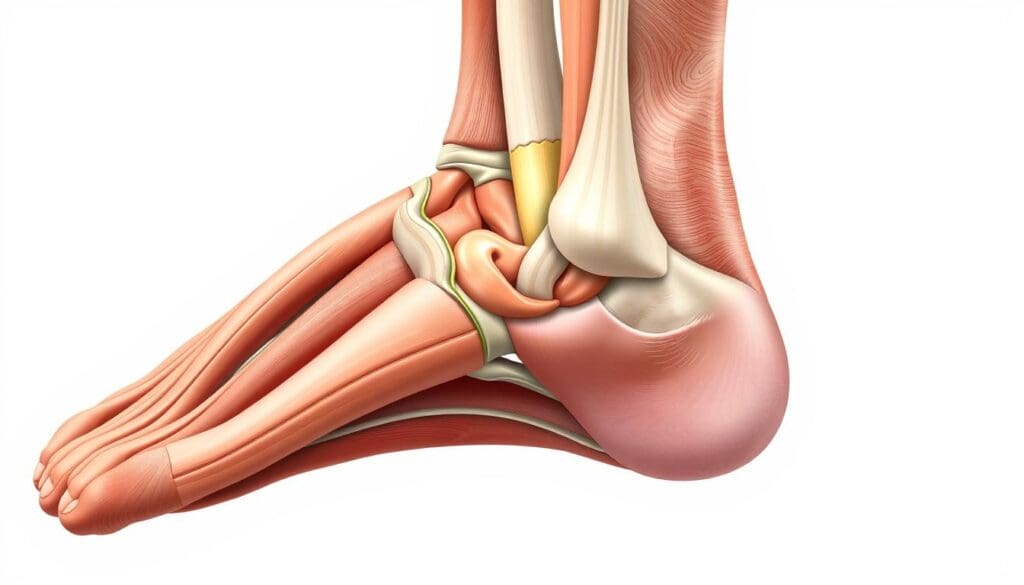
Anterior leg pain can really hurt your daily life. To figure out why, we need to know about the leg’s anatomy.
Anatomy of the Anterior Leg Region
The front of the leg has muscles, bones, and nerves. The femoral and peroneal nerves are key for feeling and moving.
What Constitutes the Front of the Leg
The front leg has the quadriceps muscles and the tibialis anterior muscle. These muscles help with knee and foot movements. The bones are the femur (thigh bone) and the tibia.
Key Nerves in the Anterior Leg Region
The femoral nerve helps straighten the knee. It comes from the lumbar plexus. The peroneal nerve, from the sciatic nerve, controls foot movements.
How Nerve Damage Occurs
Nerve damage can happen from trauma, compression, or metabolic issues. Trauma can hurt nerves directly. Compression happens when nerves are pressed too long, like in nerve entrapment. Diabetes can also damage nerves through peripheral neuropathy.
Knowing the anatomy and causes of nerve damage helps treat anterior leg pain. Doctors can then create a plan to help patients feel better.
Pain Down Front of Leg: Common Symptoms and Warning Signs
Anterior leg pain shows up in different ways. It’s key to know these signs. This helps people get medical help fast and get the right treatment.
Sharp and Shooting Pain Patterns
Sharp and shooting pain in the front of the leg is common. This pain can be very strong. It might happen when you do certain things or move in specific ways.
Burning and Tingling Sensations
Some people feel burning, tingling, or numbness. These feelings can be uncomfortable. They might mean there’s nerve damage or involvement.
Muscle Weakness and Functional Limitations
Muscle weakness is another sign of anterior leg pain. This weakness can make everyday tasks hard.
| Symptom | Description |
|---|---|
| Sharp and Shooting Pain | Intensified pain triggered by activities |
| Burning Sensation | Uncomfortable feeling of heat |
| Numbness and Tingling | Sensations indicating possible nerve damage |
| Muscle Weakness | Reduced strength affecting mobility |
Cause #1: Femoral Neuropathy
Femoral neuropathy causes pain in the front of the leg. It happens when the femoral nerve gets damaged. Knowing about femoral neuropathy helps in finding the right treatment.
How Femoral Nerve Damage Occurs
The femoral nerve can get hurt in many ways. Trauma from accidents or surgery is one reason. Prolonged pressure, like during childbirth, can also cause damage. Keeping diabetes under control is key to avoiding nerve damage.
Symptoms Specific to Femoral Nerve Injury
Symptoms of femoral neuropathy include pain or weakness in the thigh. Pain can feel sharp or shooting and gets worse with activity. Muscle weakness around the knee makes daily tasks hard.
| Symptom | Description |
|---|---|
| Pain | Sharp or shooting pain down the front of the leg |
| Weakness | Muscle weakness around the knee |
| Numbness | Numbness or tingling sensations |
Risk Factors and Prevention
Diabetes, trauma, and prolonged compression raise the risk of femoral neuropathy. Prevention means managing these risks. For people with diabetes, keeping blood sugar levels in check is vital.
Understanding femoral neuropathy helps in getting the right treatment. Treatment often includes physical therapy, medication, or other methods. By knowing the causes and symptoms, we can prevent this condition and find effective treatments.
Cause #2: Peroneal Nerve Compression
Peroneal nerve compression is a big problem in the front leg. It happens when the nerve gets squished at certain spots. This can cause foot drop, weakness, and numbness. Knowing why it happens helps us manage it better.
Common Compression Sites
The peroneal nerve gets compressed most at the fibular head. This spot is easy to press because the nerve is close to the surface. Things that put a lot of pressure here can hurt the nerve.
Symptoms of Peroneal Nerve Damage
Symptoms of nerve compression vary. They often include:
- Foot drop or trouble lifting the foot
- Numbness or tingling on the top of the foot or outer leg
- Weakness in the muscles that move the foot
- Pain or discomfort in the front leg
These symptoms can really affect how you move and feel. That’s why seeing a doctor quickly is important.
Activities That Increase Risk
Some activities or habits raise the risk of nerve compression. These include:
- Crossing the legs or ankles for a long time
- Wearing tight casts or bandages around the knee or leg
- Doing activities that bend the knee a lot or hit the outer knee
Knowing these risks can help prevent nerve compression. If you’re feeling symptoms, leg pain management might include physical therapy, avoiding bad activities, and sometimes surgery to fix the problem.
Cause #3: Trauma and Direct Injury
Trauma to the front of the leg can come from accidents or sports injuries. This trauma can cause pain and even long-term nerve damage. We will look at how trauma affects nerves in the front thigh area.
Impact Injuries to the Front Thigh
Impact injuries, like falls or direct blows to the thigh, can be very painful. They can also damage nerves. The injury’s severity can range from mild bruising to severe nerve damage.
In some cases, the impact can cause compression or stretching of the nerves. This can lead to pain, numbness, or weakness.
Surgical Complications
Surgeries in the thigh area can sometimes harm nerves. This can happen due to the surgical method, how the patient is positioned, or swelling after surgery. Surgeons must take steps to avoid nerve damage during operations.
Sports-Related Nerve Injuries
Athletes are at high risk for nerve injuries because of their sports’ physical demands. Direct blows, overuse, or repetitive strain can damage nerves. Treating these injuries can be tough, needing a detailed plan to manage pain and improve function.
Recovery Timeline After Nerve Trauma
The time it takes to recover from nerve trauma varies. Mild injuries might heal in a few weeks, but severe ones can take months or more. It’s important for patients to follow a rehabilitation plan made just for them to help with recovery.
Cause #4: Tight Casts and External Compression
Tight casts and external compression devices can cause a lot of discomfort and nerve damage. They are used to treat fractures and injuries. But, if not used right, they can harm you. We will look at how they can damage nerves, the signs to watch for, and how to avoid problems during recovery.
Nerve Damage from Immobilization Devices
Immobilization devices like casts can hurt nerves if they’re too tight. This tightness can cause nerve compression. Nerve compression can mess up nerve function, leading to pain, numbness, and other issues.
The risk factors for nerve damage from immobilization devices include:
- Tight or poorly fitting casts
- Prolonged use without regular checks
- Swelling that increases pressure on the nerves
Recognizing Symptoms of Cast-Related Nerve Compression
Symptoms of nerve compression from tight casts or external compression devices vary. They often include:
- Numbness or tingling sensations
- Pain or burning feelings
- Muscle weakness
It’s important to spot these symptoms early to avoid long-term nerve damage.
Preventing Compression During Recovery
To prevent nerve compression during recovery, we suggest:
- Regular checks on the fit of the cast or immobilization device
- Monitoring for signs of nerve compression
- Adjusting the device as necessary to prevent tightness
By being proactive, we can lower the risk of nerve damage. This ensures a smoother recovery.
Causes #5-7: Metabolic and Systemic Conditions
Pain in the front of the leg can signal deeper issues. Some conditions damage nerves or press on them, causing pain in the leg.
Cause #5: Diabetes and Peripheral Neuropathy
Diabetes often leads to nerve damage, known as peripheral neuropathy. High blood sugar can harm nerves, causing pain, numbness, and tingling in the legs.
Diabetic neuropathy is a common diabetes complication. It brings symptoms like:
- Sharp, stabbing, or burning pain
- Numbness or tingling sensations
- Muscle weakness
Managing diabetes can help reduce neuropathy symptoms.
Cause #6: Meralgia Paresthetica
Meralgia paresthetica is when the nerve in the outer thigh gets compressed. This nerve is responsible for sensation in the outer thigh.
Symptoms include:
- Numbness or tingling in the outer thigh
- Burning pain or sensitivity to touch
Wearing tight clothes, being overweight, or standing for long can make symptoms worse. Treatment aims to fix the nerve compression.
Cause #7: Lumbar Radiculopathy
Lumbar radiculopathy is when nerves in the lower back get compressed. This can send pain down the leg.
Causes include:
- Herniated discs
- Degenerative disc disease
- Spinal stenosis
Treatment depends on the cause and may include physical therapy, medication, or surgery.
Diagnosis and Treatment Approaches for Front Leg Nerve Pain
Figuring out and treating pain in the front of the leg needs a detailed plan. It involves knowing the cause, doing the right tests, and picking the best treatments.
Diagnostic Tests and Procedures
Healthcare experts use several tests to find the cause of leg pain. They might do electromyography (EMG) to check muscle function. They also use nerve conduction studies (NCS) to see if nerves are damaged. And they might use imaging tests like MRI or CT scans to look at nerves and tissues. The test choice depends on what they think is causing the pain.
Conservative Treatment Options
For many, non-surgical treatments can help a lot. These include physical therapy to boost strength and mobility. They also include pain management medications to lessen pain. And making lifestyle changes, like better shoes or exercise habits. The aim is to fix the pain cause while avoiding serious problems.
When Surgery May Be Necessary
Sometimes, surgery is needed to ease nerve pressure or fix damaged tissues. This choice is usually made after trying non-surgical treatments.
Physical Therapy and Rehabilitation Protocols
Physical therapy is key in getting better. It helps patients get stronger, move better, and feel less pain. A physical therapist creates a special exercise plan for each patient. The recovery plan might also teach about good posture, body mechanics, and exercises to avoid future pain.
Conclusion: When to Seek Medical Help and Long-Term Outlook
Knowing when to get medical help is key for leg pain. At Liv Hospital, we stress the need for quick medical care for ongoing or severe pain. Conditions like nerve damage can cause this pain, and early diagnosis is vital for treatment.
Managing leg pain requires a full approach. This includes exercises designed to ease pain. Our team creates a care plan for each patient, which might include specific exercises to manage symptoms and boost mobility.
Acting fast can greatly help those with leg pain. Getting medical help early opens up many treatment options.
At Liv Hospital, we aim to provide top-notch care. We work with patients to craft a treatment plan that meets their unique needs. This ensures the best long-term results for our patients.
FAQ
What are the common causes of pain down the front of the leg?
Pain down the front of the leg can be caused by several things. These include femoral neuropathy and peroneal nerve compression. Trauma, tight casts, and metabolic conditions like diabetes are also common causes.
How is femoral neuropathy diagnosed?
Doctors diagnose femoral neuropathy through a clinical evaluation. They also use nerve conduction studies. Sometimes, imaging tests like MRI are needed to see the nerve damage.
What are the symptoms of peroneal nerve compression?
Symptoms of peroneal nerve compression include foot drop. You might also feel weakness, numbness, or tingling in your leg or foot.
Can trauma cause nerve damage in the leg?
Yes, trauma or direct injury can damage nerves in the leg. This can lead to pain, numbness, or weakness.
How can nerve compression due to casts be prevented?
To prevent nerve compression from casts, make sure they’re not too tight. Also, watch for any symptoms of nerve compression.
What is the relationship between diabetes and leg pain?
Diabetes can lead to peripheral neuropathy. This causes pain, numbness, or tingling in the legs.
When should I seek medical help for leg pain?
If you have persistent, severe, or worsening pain, seek medical help. Also, if you notice numbness, weakness, or trouble walking, get help.
What treatment options are available for anterior leg pain?
Treatment for anterior leg pain varies. It can include conservative management like physical therapy and pain management. In some cases, surgery may be needed.
Can physical therapy help in recovering from leg nerve damage?
Yes, physical therapy can help. It improves mobility, strength, and function. This aids in recovering from nerve damage.