Last Updated on November 18, 2025 by Ugurkan Demir

At Liv Hospital, we know that choosing partial knee replacement is a big decision. It’s important to think about the downsides. Partial knee replacement is usually for those with damage in just one part of the knee.
Our team of orthopedic knee specialists first try non-surgical treatments. This includes physical therapy, injections, and medicines. But, if surgery is needed, knowing the good and bad points of partial knee replacement is key.
Partial knee replacement has its benefits. It can lead to quicker recovery and more natural knee movement. Yet, there are big downsides that patients should know about before deciding.
Key Takeaways
- Understanding the pros and cons of partial knee replacement is important for making informed decisions.
- Partial knee replacement is often recommended for patients with damage confined to one compartment of the knee.
- The longevity of a partial knee replacement can vary based on several factors.
- Patients should be aware of the possible drawbacks before undergoing surgery.
- Liv Hospital’s orthopedic specialists emphasize a complete approach to knee health.
What Is a Partial Knee Replacement?
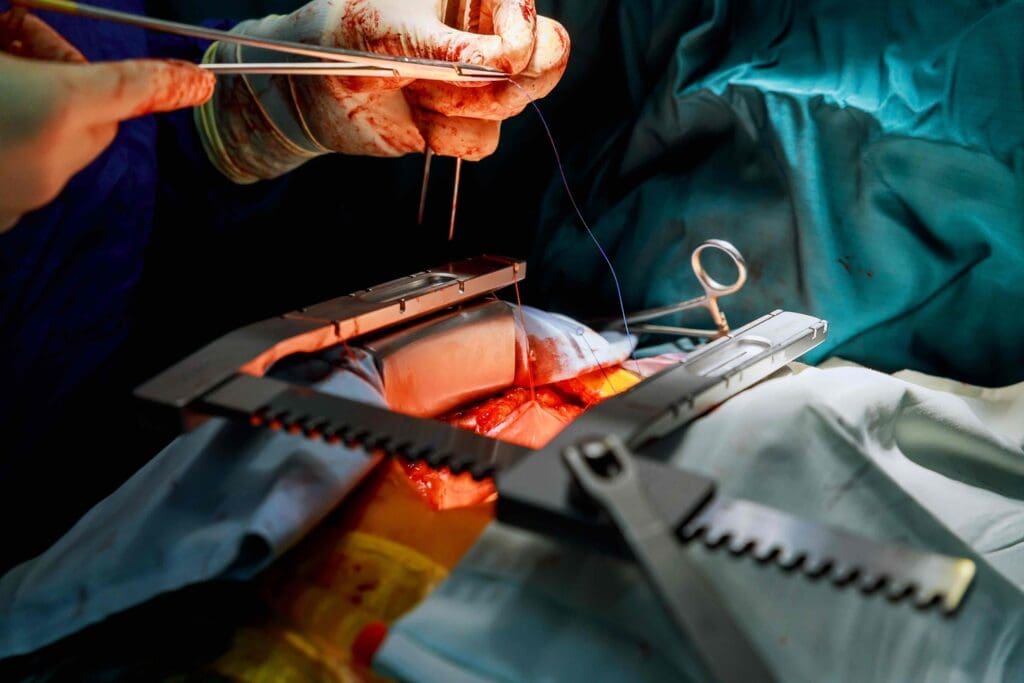
We specialize in partial knee replacement surgery. This method replaces only the damaged part of the knee. It’s for patients with damage in one area, a less invasive option than total knee replacement.
Definition and Basic Procedure
A partial knee replacement, also known as knee partial replacement or half knee replacement, is a surgery. It replaces the damaged part of the knee with artificial parts. This helps relieve pain and restore function in patients with localized knee damage, often from osteoarthritis or trauma.
Our skilled surgeons remove the damaged cartilage and bone during surgery. Then, they implant a prosthetic device that moves like the natural knee. This aims to keep as much of the patient’s natural knee tissue as possible. This can lead to a more natural feeling and faster recovery than total knee replacement.
Different Types of Partial Knee Replacements
There are several types of partial knee replacement procedures. Each is designed to address damage in different knee compartments. The most common types include:
- Unicompartmental Knee Replacement: This is the most common type, where only one compartment of the knee is replaced.
- Patellofemoral Knee Replacement: This type focuses on the area between the kneecap and the femur.
- Bicompartmental Knee Replacement: This involves replacing two compartments of the knee.
Our specialists are skilled in these various techniques. They ensure patients get the most appropriate treatment for their condition.
Partial vs. Total Knee Replacement: Key Differences
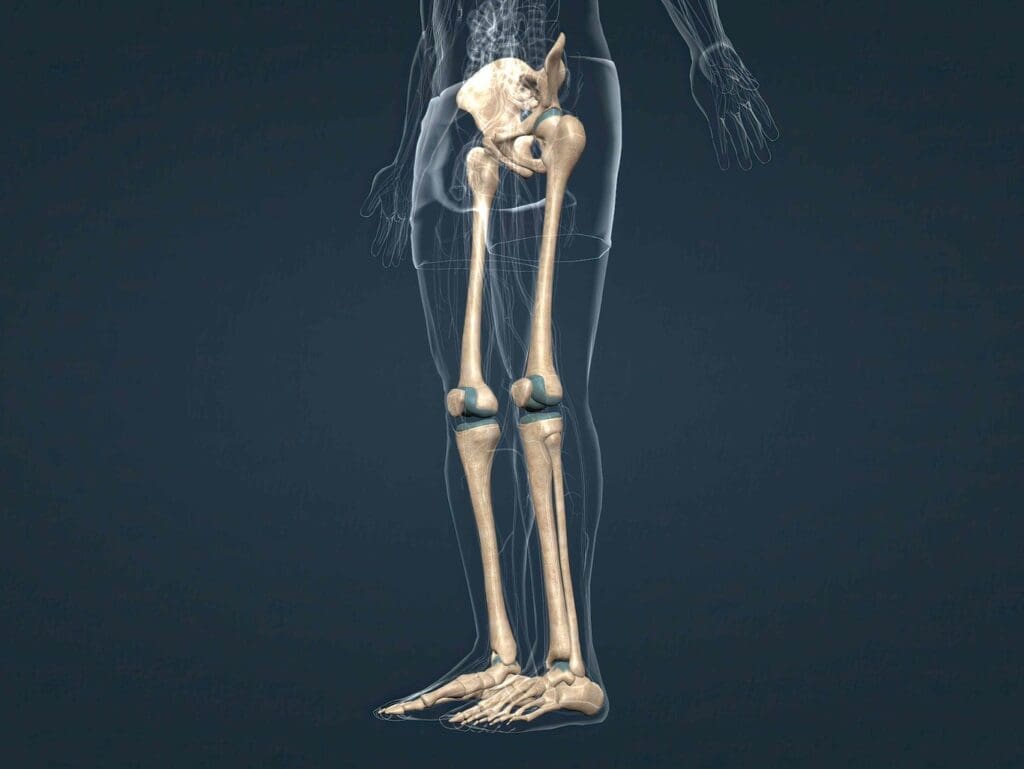
Partial and total knee replacements are two different surgical options. They have different approaches and outcomes. It’s important to know these differences to choose the right option for you.
Surgical Approach Comparison
The main difference is in the surgical approach. A partial knee replacement only replaces the damaged part of the knee. This keeps the healthy parts intact. On the other hand, a total knee replacement replaces the whole knee joint.
Partial knee replacements are less invasive. This means less damage to surrounding tissues. It can lead to quicker recovery and less pain for some patients.
Tissue Preservation Differences
Partial knee replacements save more of the natural knee tissue. This includes ligaments and bone. It can make the knee feel more natural after surgery.
Total knee replacements replace more of the knee’s natural structures. This is often needed for severe arthritis or significant damage.
| Feature | Partial Knee Replacement | Total Knee Replacement |
|---|---|---|
| Surgical Approach | Conservative, less invasive | More extensive, replacing entire joint |
| Tissue Preservation | Preserves healthy knee tissue | Replaces more natural knee structures |
| Recovery Time | Generally faster | Can be longer due to the extent of surgery |
Recovery Timeline Variations
Recovery times differ between partial and total knee replacements. Patients with partial replacements often recover faster. This is because the surgery is less invasive.
Total knee replacements are more extensive. This can mean a longer recovery. But, new surgical techniques and care have improved recovery for these patients.
Every patient’s recovery is unique. It depends on their health, age, and any other conditions they might have.
Ideal Candidates for Partial Knee Replacement
Choosing the right candidates for partial knee replacement is key. It depends on age, activity level, and how much arthritis they have. Several factors are important to ensure the best results.
Age and Activity Level Considerations
Age is a big factor in choosing candidates. People over 60 usually have better bone quality for implants. But, younger people with arthritis in just one area might also be considered.
Being active but not too much is also important. This helps patients get better results from the surgery.
A renowned orthopedic surgeon, says, “Choosing the right patients is key. We look at age, activity level, and health.” This approach leads to the best results.
Localized Arthritis Requirements
Partial knee replacement works best for those with localized arthritis. This means the arthritis is only in one part of the knee. It’s important because it lets the surgeon replace just the damaged part.
Patients with arthritis in more than one part of the knee might not be good candidates.
“Partial knee replacement is a game-changer for patients with localized arthritis, it’s a less invasive option with quicker recovery times.”
Contraindications for Partial Knee Replacement
Some conditions make partial knee replacement less likely. These include being very overweight, having unstable knees, or inflammatory arthritis. Also, those with severe bone loss or big deformities might need a total knee replacement.
- Severe obesity
- Significant knee instability
- Inflammatory arthritis (e.g., rheumatoid arthritis)
- Severe bone loss
- Significant deformity
Knowing these conditions is important. It helps manage what patients expect and improves surgery success. By carefully choosing candidates, surgeons can greatly increase the chance of a successful surgery.
The 7 Major Disadvantages of Partial Knee Replacement
Thinking about partial knee replacement? It’s key to know the downsides that might affect your choice. We’ll give you a full view to help you decide wisely about your treatment.
Overview of Possible Drawbacks
Partial knee replacement has its own set of downsides. These include higher rates of needing another surgery, shorter life for the implant, and complications after surgery. Knowing these risks helps patients set realistic goals for their recovery and future.
Knee problems like arthritis, ACL tears, and deformities can also impact the outcome. We’ll look into how these issues might affect the procedure’s drawbacks.
Risk vs. Benefit Assessment
It’s important to weigh the risks against the benefits of partial knee replacement. The procedure has perks like less damage to tissue and faster healing than total knee replacement. But, it’s vital to consider these against the possible downsides.
Patients should think about their own situation. This includes their age, how active they are, and how much damage their knee has. This way, they can decide if partial knee replacement is the best option for them.
Disadvantage 1: Higher Revision Surgery Rates
Partial knee replacement has a big drawback: it often needs revision surgery. It’s important to think about the chance of needing more surgeries when choosing knee replacement options.
Partial knee replacement only fixes the damaged part of the knee. But, this can make the other parts more likely to get arthritis.
Progression of Arthritis to Other Compartments
Arthritis can spread to other parts of the knee after partial replacement. This is because the other parts of the knee keep getting worn down. This can lead to more damage over time.
Studies show that the healthy parts of the knee can get arthritis too. This might mean more surgery is needed. How fast this happens depends on how active you are, your overall health, and how bad your arthritis was to start with.
Statistical Evidence on Revision Frequency
Research shows partial knee replacements need more surgeries than total knee replacements. A study in Frontiers in Surgery found they might not last as long. They could need to be replaced in 10 to 15 years.
How often partial knee replacements need to be revised varies. But, it’s something patients and doctors need to think about. Knowing these numbers can help make better choices about knee surgery.
Understanding the risk of needing more surgeries can help patients prepare. It’s a key thing to consider when thinking about partial knee replacement.
Disadvantage 2: Limited Implant Longevity
Partial knee replacement has a big drawback: the implant doesn’t last as long as total knee replacements. We tailor our care to each patient’s needs. It’s important to know what affects the implant’s lifespan and how it compares to total knee replacements.
How Long Does a Partial Knee Replacement Last?
The life of a partial knee replacement depends on several things. These include the patient’s age, how active they are, and the type of implant. Modern implants can last 10 to 15 years or more with good care. A study in the Journal of Arthroplasty found that 85-90% of partial knee replacements last 10 years.
“The longevity of partial knee replacement is influenced by multiple factors, including patient selection, surgical technique, and implant design.”
Factors Affecting Implant Lifespan
Several things can affect how long a partial knee replacement lasts. These include:
- Patient age and activity level
- Type of implant material used (e.g., metal, ceramic, or polyethylene)
- Surgical technique and alignment
- Presence of osteoarthritis in other compartments
Younger, more active patients may stress the implant more, shortening its life. Older patients with less active lifestyles might have longer-lasting implants. As “the key to maximizing implant longevity lies in careful patient selection and precise surgical technique.”
Comparison with Total Knee Replacement Durability
Partial knee replacements and total knee replacements have different lifespans. Total knee replacements usually last 15 to 20 years or more. But, partial knee replacements are also a good option for some patients.
The choice between the two depends on the patient’s condition and needs. It’s not just about how long the implant lasts.
| Replacement Type | Average Lifespan | Survivorship at 10 Years |
|---|---|---|
| Partial Knee Replacement | 10-15 years | 85-90% |
| Total Knee Replacement | 15-20 years | 95-98% |
As orthopedic technology improves, both partial and total knee replacements will likely last longer. It’s important for patients to talk to their orthopedic surgeon about their situation and expectations. This way, they can make an informed decision.
Disadvantage 3: Post-Surgical Complications
It’s important for patients to know about the possible complications after a partial knee replacement. The surgery is usually safe, but some issues can affect the outcome and recovery.
Infection Risks and Prevention
Infection is a big risk after surgery, including partial knee replacement. We use antibiotics and keep the surgery area clean to lower this risk.
Patients can help prevent infection by following their care instructions. This includes keeping the wound clean and attending follow-up visits.
Blood Clot Formation
Blood clots, or deep vein thrombosis (DVT), can happen after surgery. We use medicines, compression stockings, and encourage moving around early to prevent this.
| Prevention Method | Description | Effectiveness |
|---|---|---|
| Anticoagulant Medications | Medications that prevent blood clots from forming | High |
| Compression Stockings | Stockings that improve blood flow in the legs | Moderate |
| Early Mobilization | Moving around soon after surgery to improve circulation | High |
Nerve and Blood Vessel Damage
Nerve and blood vessel damage are rare but possible complications. We plan and perform the surgery carefully to reduce these risks.
Nerve damage might cause numbness, tingling, or pain around the knee. Some cases might get better on their own, but others might need more treatment.
By knowing about these complications and how to prevent them, patients can make better choices. This helps improve their results after partial knee replacement surgery.
Disadvantage 4: Mechanical Failures and Implant Issues
The success of partial knee replacement depends on many factors. These include the precision of the surgical technique and the design of the implant. Mechanical failures and implant issues can greatly affect the surgery’s outcome. They can impact patient satisfaction and the implant’s lifespan.
Implant Loosening Causes
Implant loosening is a big concern in partial knee replacement. It happens when the bond between the implant and the bone weakens. This leads to instability and pain. Several factors can cause implant loosening, like poor initial fixation, bad bone quality, and wear and tear.
Proper surgical technique and post-operative care are key to reducing the risk of implant loosening.
Bearing Dislocation
Bearing dislocation is another mechanical issue in partial knee replacement. It occurs when the mobile bearing component moves out of place. This causes discomfort and can lead to more serious problems. The risk of bearing dislocation depends on implant design and surgical precision.
Surgeons must carefully plan and execute the surgery to lower this risk.
Component Misalignment
Component misalignment means the implant components are not placed correctly during surgery. This can cause uneven wear, reduced range of motion, and increased stress on the implant. Advanced surgical techniques and imaging technologies can help place the components more accurately. This reduces the risk of misalignment.
To show the mechanical issues with partial knee replacement, consider the following table:
| Mechanical Issue | Causes | Consequences |
|---|---|---|
| Implant Loosening | Inadequate fixation, poor bone quality, excessive wear | Instability, pain, revision surgery |
| Bearing Dislocation | Implant design, surgical precision | Discomfort, limited mobility, possible further complications |
| Component Misalignment | Surgical inaccuracy, inadequate planning | Uneven wear, reduced range of motion, increased stress on implant |
We know how important it is to tackle these mechanical failures and implant issues. This ensures the best outcomes for patients with partial knee replacement. By understanding these causes and consequences, we can work to reduce their occurrence. This improves patient care.
Disadvantage 5: Persistent Pain and Discomfort
Partial knee replacement can lead to ongoing pain. Many patients hope for relief from knee pain but may not get it. This can cause discomfort after surgery.
Unexplained Pain After Surgery
Some people feel unexplained pain after their surgery. This pain is hard to figure out and treat. It’s because the cause might not be clear right away.
Research shows that unexplained pain could come from nerve damage or complex regional pain syndrome. Knowing the cause is key to managing it well.
Soft Tissue Irritation
Soft tissue irritation can also cause pain after partial knee replacement. This irritation happens when the implant touches nearby tissues or when scar tissue forms.
Management Strategies for Ongoing Pain
Managing pain is very important for those with ongoing pain after surgery. Here are some ways to help:
- Medication: Pain relief drugs can ease discomfort.
- Physical Therapy: Gentle exercises can help move the knee better and lessen pain.
- Injections: Corticosteroid or hyaluronic acid injections might help too.
Creating a pain management plan that fits each person is key. Our healthcare team works with patients to make a plan that works for them.
| Management Strategy | Description | Benefits |
|---|---|---|
| Medication | Use of pain relief drugs | Quick pain relief |
| Physical Therapy | Gentle exercises for knee mobility | Improved mobility, reduced pain |
| Injections | Corticosteroid or hyaluronic acid injections | Targeted pain relief, improved joint lubrication |
Disadvantage 6: Lifestyle and Activity Restrictions
Understanding the effects of partial knee replacement on your lifestyle is key. Patients considering this surgery worry about recovery and long-term quality of life. It’s important to know how it will change your life.
Impact on High-Intensity Activities
Partial knee replacement can affect high-intensity activities. It may not make your knee as good as before, which is a big concern for athletes or those who are very active.
We tell our patients that some sports or activities might be hard or not allowed after surgery. This can be tough for those who love to stay active.
Long-Term Mobility Considerations
Long-term mobility is a big thing to think about. Partial knee replacement can help in the short term. But, long-term effects depend on health, age, and arthritis in other knee parts.
We work with patients to set realistic goals and provide ongoing support. We talk about keeping mobility and managing long-term limits.
Life After Partial Knee Replacement at Different Ages
The impact of partial knee replacement changes with age. Younger patients worry about the implant lasting long and needing more surgery later. Older patients focus on staying independent and mobile.
We help patients understand how partial knee replacement affects their life at different ages. This way, they’re ready for the future.
Our goal is to support patients through the challenges and benefits of partial knee replacement. We want the best outcome for their lifestyle and well-being.
Disadvantage 7: Limited Availability and Expertise
Exploring the downsides of partial knee replacement, we find that limited availability and specialized expertise are big worries for patients.
Surgeon Experience Requirements
Partial knee replacement is a complex surgery needing skilled and experienced surgeons. A study in the Journal of Arthroplasty shows that more experienced surgeons get better results. A top orthopedic surgeon, says, “Surgeon experience is key to partial knee replacement success.”
Need for skilled surgeons can make it hard to get this surgery, mainly in areas with fewer orthopedic experts. It’s vital to find top centers for knee replacement surgeries.
Partial Knee Replacement in the UK Healthcare System
The UK’s healthcare system, like others, struggles to offer partial knee replacement widely. The National Health Service (NHS) covers many knee surgeries, but partial knee replacement varies by region.
The British Orthopaedic Association says, “More standard training and access to partial knee replacement are needed across the UK.” This shows efforts to make care better and more consistent for those needing this surgery.
Insurance and Coverage Challenges
Insurance coverage is a big issue for partial knee replacement. Sometimes, insurance won’t cover it or needs extra approvals, which can slow down treatment.
Dealing with insurance can be tough for patients. It’s key to talk to healthcare providers and insurance companies to know what’s covered and what’s not.
In summary, the limited availability of partial knee replacement and the need for specialized surgical skills are major things for patients to think about when choosing their treatment.
Conclusion: Weighing Your Knee Replacement Options
Exploring the downsides of partial knee replacement shows it’s vital to weigh your options carefully. You should think about the higher chance of needing another surgery, implants not lasting as long, and possible complications after surgery.
When deciding between partial and total knee replacement, talking to your healthcare team is key. They can offer advice tailored to your situation. Your surgeon, nurse, and other team members will help guide you.
Understanding the risks and benefits of each option is important. By considering your choices and getting expert advice, you can choose what’s best for your health and lifestyle.
It’s all about making an informed choice for the best results. We suggest talking openly with your healthcare providers. This way, you’ll be well-prepared to decide on the right knee replacement for you.
FAQ
What is a partial knee replacement?
A partial knee replacement is a surgery. It replaces only the damaged part of the knee. This way, the healthy parts stay intact.
How long does a partial knee replacement last?
A partial knee replacement can last 10 to 15 years. This depends on the patient’s age, how active they are, and the implant type.
What are the main differences between partial and total knee replacement?
Partial knee replacement is less invasive. It keeps more of the natural knee. Total knee replacement replaces the whole knee joint.
Who is a suitable candidate for partial knee replacement?
Good candidates have arthritis in one knee part. They should be active and within a certain age range. Each case is different.
What are the disadvantages of partial knee replacement?
Disadvantages include a higher chance of needing more surgery. The implants may not last long. There’s also a risk of complications and pain
References
- Spire Healthcare. (2022, October 30). Understanding partial knee replacements: risks, procedures and outcomes.Retrieved October 18, 2025, from https://www.spirehealthcare.com/health‑hub/specialties/bones‑and‑joints/understanding‑partial‑knee‑replacements‑risks‑procedures‑and‑outcomes/ spirehealthcare.com