
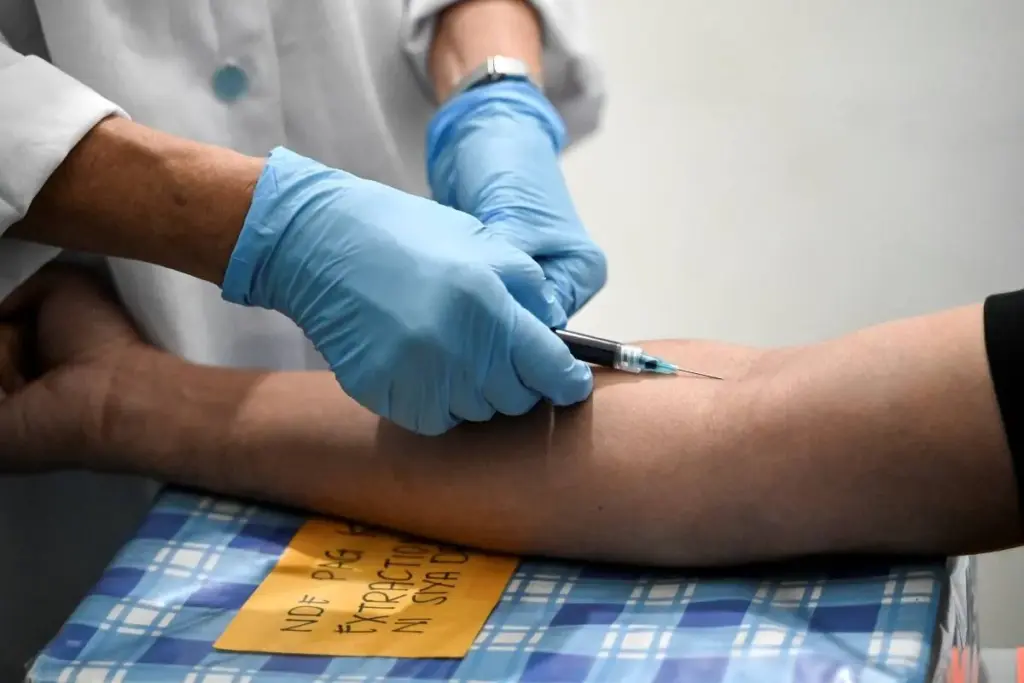
Spotting HIV early in men can change treatment outcomes and life quality. It’s key to know the early signs. Symptoms in the early stages often look like common illnesses, making it hard to act fast.
At Liv Hospital, we stress the need to understand these signs. They include changes in the genitals and systemic symptoms. Men should watch out for flu-like illnesses and swollen lymph nodes. Getting diagnosed and treated quickly can improve life for those with HIV.
Key Takeaways
- Early HIV symptoms in men typically emerge within 2 to 4 weeks of infection.
- Approximately two-thirds of infected individuals experience flu-like symptoms.
- Prompt medical attention is vital if symptoms like cough, night sweats, fever, weakness, or weight loss are seen.
- Understanding HIV urine symptoms is key for early diagnosis.
- Men should be aware of genital changes and systemic symptoms.
Understanding Early HIV Infection in Men
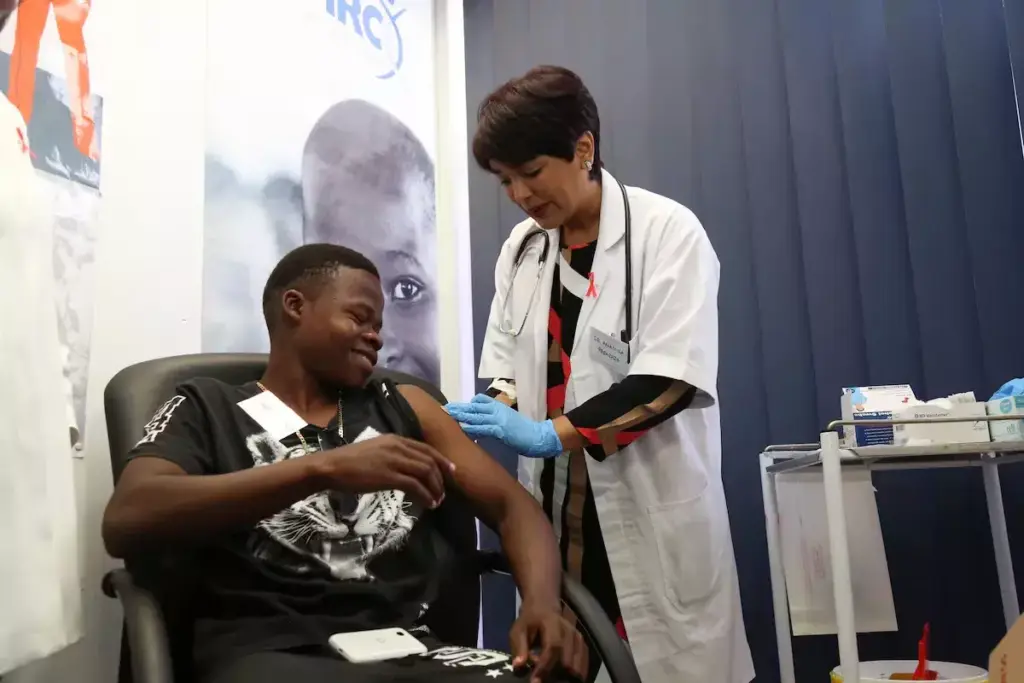
HIV infection goes through different stages. Knowing these stages is key for men to get medical help on time. Spotting symptoms early and getting tested and treated is important.
The Three Stages of HIV Progression
HIV infection has three main stages: acute infection, clinical latency, and AIDS. Each stage has its own traits that are important for managing the disease.
Acute HIV Infection: This first stage happens 2-4 weeks after getting infected. Symptoms like fever, rash, sore throat, and muscle aches are common. It’s very contagious because of the high virus levels.
Clinical Latency: In this stage, the virus is active but not as much. This period can last for years without symptoms. But, the immune system keeps getting damaged.
Acquired Immunodeficiency Syndrome (AIDS): AIDS is the last stage. The immune system is badly damaged. This makes the body more likely to get infections and cancers.
| Stage | Characteristics | Symptoms |
| Acute HIV Infection | High viral load, highly infectious | Fever, rash, sore throat, muscle aches |
| Clinical Latency | Lower viral load, asymptomatic | None or mild |
| AIDS | Severe immune damage | Opportunistic infections, certain cancers |
Why Early Detection Saves Lives
Finding HIV early means starting treatment right away. Treatment keeps the virus under control, improves life quality, and stops AIDS. It also makes it hard for the virus to spread to others.
Regular HIV tests are vital, mainly for those at high risk. Early treatment turns HIV into a manageable condition, not a deadly disease.
7 Critical HIV Urine Symptoms and Early Warning Signs
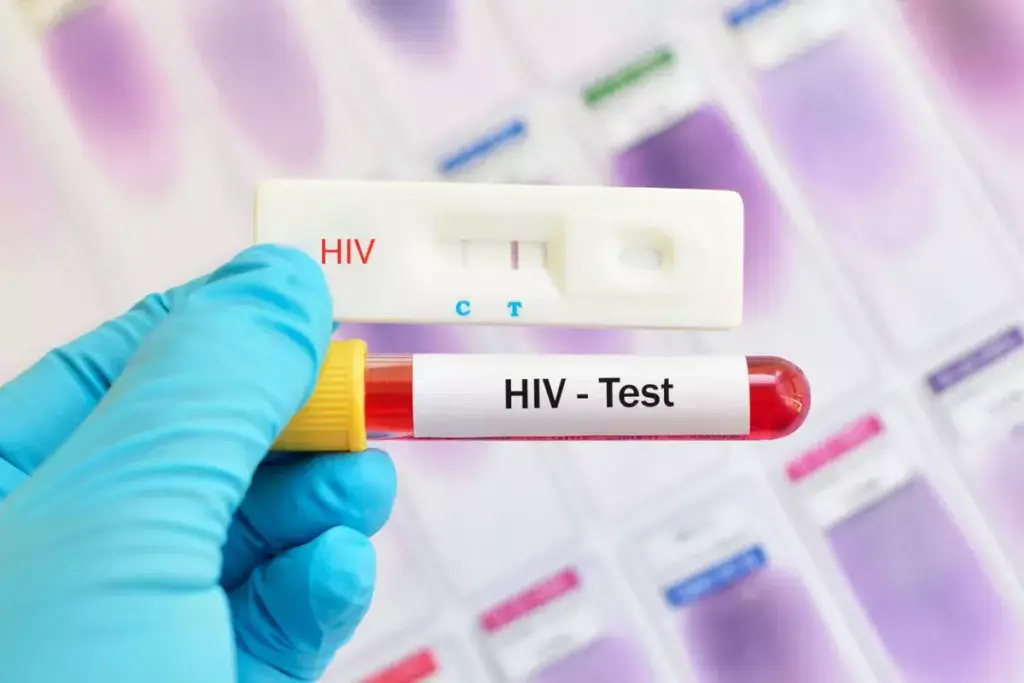
Knowing the early signs of HIV is key for men to get medical help early. HIV can show up in many ways. Spotting symptoms early is the first step to treatment.
We’ll look at important symptoms men should watch for, including urinary tract issues. Early detection is key to managing HIV effectively. Knowing these signs can save lives.
1. Flu-like Symptoms: Fever, Fatigue, and Muscle Aches
Early HIV signs include flu-like symptoms. These are fever, fatigue, and muscle aches. They might seem like the flu, but if they last, think about HIV testing.
2. Swollen Lymph Nodes and Night Sweats
Swollen lymph nodes in the neck, armpits, or groin can mean HIV. Night sweats are another sign. These signs show the body’s fight against the virus.
3. Skin Rashes and Sore Throat
Skin rashes and sore throat can be HIV symptoms. They might be red, itchy, or painful. These signs need medical check-up if they don’t go away.
4. Painful Urination and Urinary Tract Issues
Painful urination is a big warning sign. HIV can harm the urinary tract, causing pain. This symptom, along with others, can signal HIV.
Men should also watch for genital sores, pain while urinating, low sex drive, and erectile dysfunction. Spotting these symptoms early can lead to timely medical care.
It’s vital for men to know that early detection and treatment of HIV can greatly improve life. If you notice these symptoms, see a doctor.
Conclusion: When to Seek Testing and Treatment
It’s important to know the early signs of HIV to get tested and treated on time. Men should look out for signs of HIV in men and know when to see a doctor. Getting tested often is key, mainly for those at risk, to stop HIV spread and better health.
Testing regularly and using protection during sex can stop HIV spread. If you’re at risk, test every three to six months. Hiv treatment can keep the virus under control and improve life quality for those with HIV.
Early detection and treatment are critical in managing HIV. If you’re showing symptoms or have been exposed, get hiv testing and medical help right away. With the right treatment, people with HIV can live long, healthy lives. Knowing when to get tested and treated is essential in fighting aids in men and managing HIV.
FAQ
What are the early signs of HIV in men?
Early signs of HIV in men include flu-like symptoms and swollen lymph nodes. Skin rashes and urinary tract issues are also common. These signs can point to acute HIV infection.
What are the symptoms of HIV in men during the early stages?
Early symptoms in men include fever and fatigue. Muscle aches, swollen lymph nodes, and genital sores are also common. These symptoms can be like those of other illnesses, so it’s key to get tested.
How does HIV affect the urinary tract?
HIV can lead to urinary tract problems. This includes painful urination and discharge. These signs might mean there’s an infection or complication linked to HIV.
What are the three stages of HIV progression?
HIV progresses through three stages: acute HIV infection, clinical latency, and AIDS. Knowing these stages helps men recognize symptoms and get medical help on time.
Why is early detection of HIV important?
Early HIV detection is key because it allows for timely treatment. This prevents the disease from getting worse. Early diagnosis and treatment greatly improve life quality for those with HIV.
Can HIV cause discharge or other genital symptoms?
Yes, HIV can lead to symptoms like discharge and genital sores. It can also cause painful urination. These signs might mean there’s an infection or complication related to HIV.
What should I do if I’m experiencing symptoms of HIV?
If you’re showing HIV symptoms, see a doctor and get tested. Early treatment and diagnosis can greatly improve your health. It also stops the disease from getting worse.
How can I get tested for HIV?
You can test for HIV at a doctor’s office, clinic, or community testing center. Many places also offer at-home testing kits and confidential services.
HIV and AIDS. In StatPearls [Internet]. StatPearls Publishing. https://www.ncbi.nlm.nih.gov/books/NBK534860/