Last Updated on November 18, 2025 by Ugurkan Demir
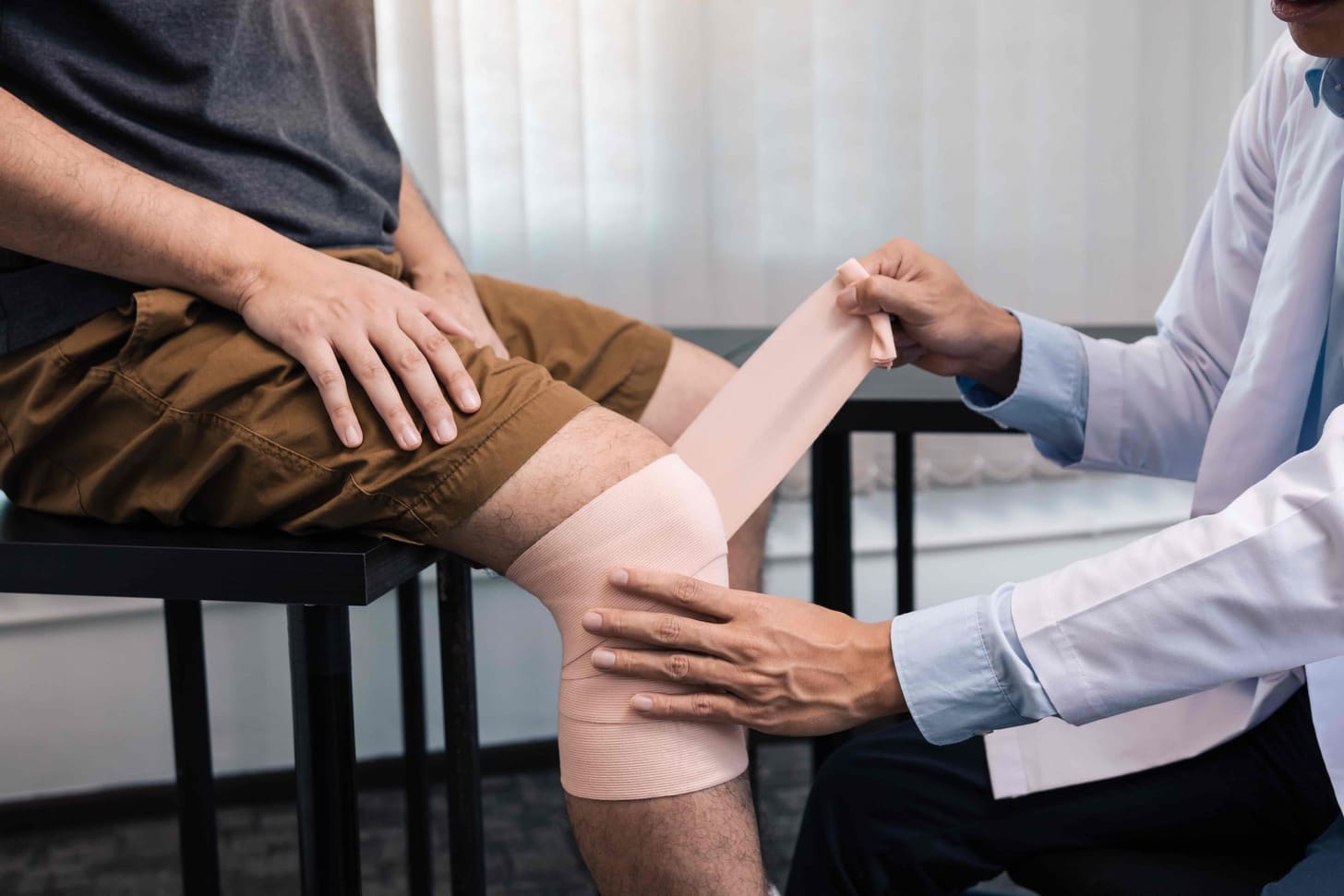
Knee pain can really get in the way of daily life. Luckily, new treatments have come along. These non-surgical options for knee repair give hope to those who don’t want a knee replacement.
Studies show that up to 80% of osteoarthritis patients get better without surgery. At Liv Hospital, we focus on our patients. We use the latest research to help them recover.
Key Takeaways
- Non-surgical alternatives for knee repair are increasingly effective.
- Up to 80% of osteoarthritis patients respond to non-surgical interventions.
- Liv Hospital offers patient-centered, innovative care for knee conditions.
- Recent medical advancements have expanded treatment options.
- Non-surgical interventions can help avoid total knee replacement.
Understanding Knee Pain and When to Consider Non-Surgical Options
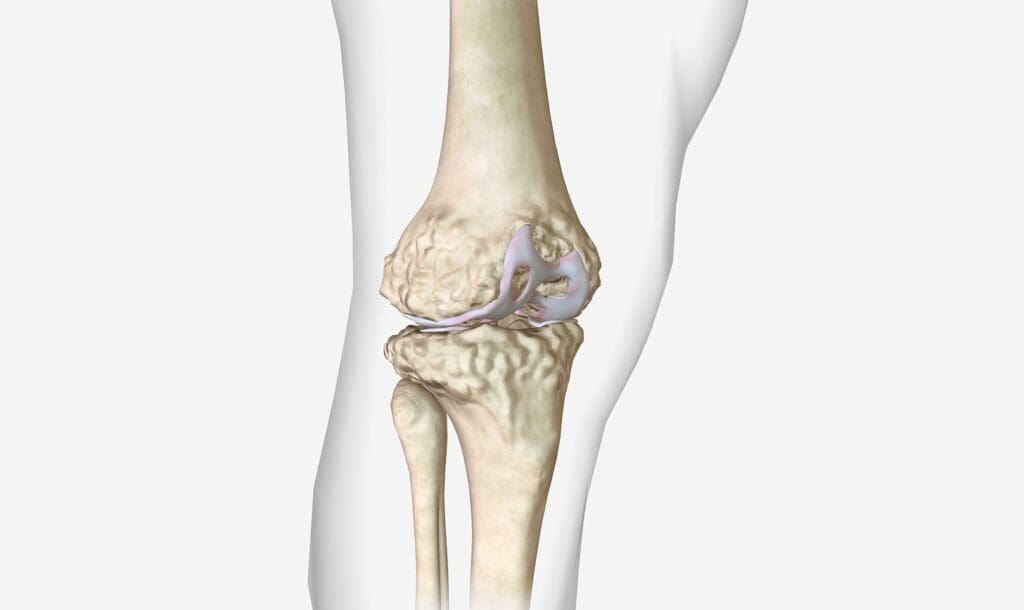
Knee pain is common and affects many people daily. It can come from osteoarthritis, ligament injuries, or meniscal tears. Knowing the cause helps find the best treatment.
Common Causes of Knee Pain and Damage
Knee pain often comes from wear and tear, injuries, or conditions like osteoarthritis. This disease breaks down cartilage, causing bone-on-bone contact and pain. Other causes include sprains, tears, and tendonitis. Finding the cause is key to treating knee pain.
The Limitations and Risks of Surgical Interventions
Surgery, like knee replacement, is considered for severe pain. But, it has risks like infection and blood clots. It may not always stop pain or restore function. So, it’s important to think about safer options first.
Many patients with knee pain can avoid surgery. Up to 80% of those with osteoarthritis can manage without it. This shows non-surgical treatments can be very effective.
Who Benefits Most from Conservative Approaches
For mild to moderate pain, non-surgical methods like physical therapy and bracing are best. They’re good for those who don’t need surgery or want to avoid its risks. People with osteoarthritis can see big improvements with these treatments.
| Condition | Non-Surgical Treatment Options | Potential Benefits |
|---|---|---|
| Osteoarthritis | Physical therapy, bracing, weight management | Pain reduction, improved joint function |
| Ligament Injuries | Physical therapy, bracing | Improved stability, reduced pain |
| Meniscal Tears | Physical therapy, arthroscopic surgery (in some cases) | Reduced pain, improved mobility |
Knowing the causes of knee pain and treatment options helps make better choices. Non-surgical methods can offer relief and function without surgery’s risks.
The Science Behind Knee Repair Without Surgery
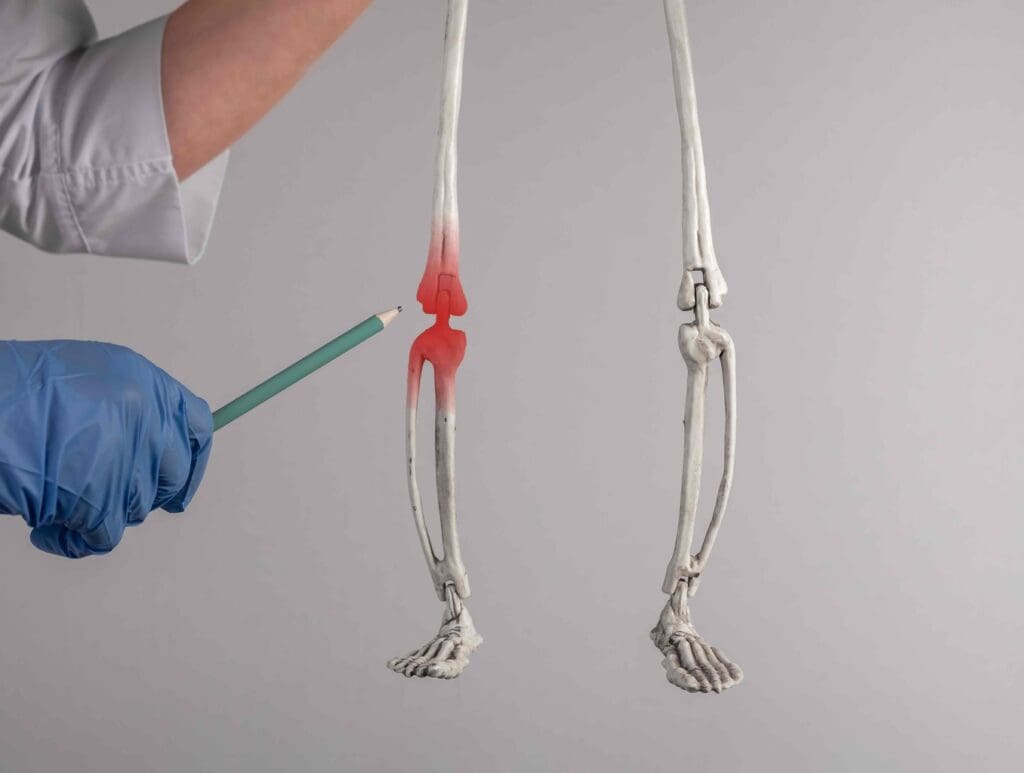
Understanding knee repair without surgery is key for those looking for non-surgical options. These methods have grown, helping with many knee issues.
How Non-Surgical Approaches Promote Healing
Non-surgical knee repair boosts the body’s healing. It includes exercises, manual therapy, and regenerative medicine. These aim to lessen pain and boost knee function.
Regenerative medicine therapies, like PRP injections, are promising. They use the patient’s blood to stimulate healing in damaged areas.
Success Rates for Osteoarthritis and Other Conditions
Studies show non-surgical treatments work well for osteoarthritis and other knee issues. Patients see better pain control and function. For example, physical therapy and weight control help a lot with osteoarthritis.
Success depends on the condition’s severity and the patient’s health. Yet, many find non-surgical methods helpful, making them good alternatives to surgery.
Can Bone-on-Bone Conditions Improve Without Surgery?
Bone-on-bone conditions are tough. But, non-surgical methods can help manage pain and improve function. Advanced bracing, assistive devices, and regenerative therapies are part of these efforts.
Some patients with bone-on-bone conditions see better quality of life with non-surgical treatments. This includes physical therapy, lifestyle changes, and new therapies like genicular artery embolization.
Physical therapy is key for knee repair without surgery. It uses various techniques to help the knee heal and get stronger. A good physical therapy plan is vital for recovering from knee injuries and managing chronic conditions.
Targeted Exercises for Knee Strengthening and Stability
Physical therapy includes specific exercises for knee rehab. These exercises aim to strengthen the knee muscles, improve flexibility, and boost stability. Quad sets, straight leg raises, and wall squats are examples of these exercises.
By strengthening the muscles around the knee, patients can lessen pain and enhance knee function.
Manual Therapy Techniques and Their Benefits
Manual therapy is a key part of knee rehab in physical therapy. These hands-on treatments help reduce pain, improve joint mobility, and aid in healing. Techniques like joint mobilization, soft tissue massage, and trigger point therapy are very effective.
By adding manual therapy to their treatment, patients can see big improvements in knee function and comfort.
Creating an Effective Home Exercise Program
Having a good home exercise program is essential for knee rehab success. We help patients create a personalized program to do at home. This ensures they keep improving between therapy sessions.
This program includes strengthening, stretching, and flexibility exercises tailored to the patient’s needs and goals.
By sticking to their home program and attending regular therapy, patients can see big improvements in their knee health. Remember, consistency and patience are key in knee rehab.
Weight Management as a Knee Repair Without Surgery Strategy
Keeping a healthy weight is key to easing knee joint stress and improving joint health. For those with knee pain or damage, extra weight can make things worse. So, managing weight is a vital part of avoiding surgery.
How Weight Reduction Decreases Knee Stress
Studies show losing one pound reduces knee joint pressure by several pounds. This is because knees carry a lot of our body’s weight. Too much weight can wear down the joint cartilage faster.
We suggest a mix of diet changes and exercise for weight loss. A study in the Journal of the American Medical Association found losing 5% of body weight can greatly improve knee pain and function.
Impact of Weight Loss on Knee Stress
| Weight Loss Percentage | Reduction in Knee Stress |
|---|---|
| 5% | 18-20 pounds |
| 10% | 36-40 pounds |
| 15% | 54-60 pounds |
Anti-Inflammatory Diet Approaches for Joint Health
An anti-inflammatory diet includes foods that reduce body inflammation. This can help with knee pain and damage. Foods rich in omega-3s, antioxidants, and fiber are best.
Good anti-inflammatory foods include fatty fish, nuts, seeds, fruits, and veggies. Avoid pro-inflammatory foods like processed meats and sugary snacks.
Supplements That Support Cartilage and Joint Function
Some supplements help with cartilage health and joint function. Glucosamine and chondroitin sulfate are common choices, but results vary.
Omega-3s and turmeric/Curcuma longa have anti-inflammatory effects that may ease knee pain. Always talk to a healthcare professional before starting any supplements.
Common Supplements for Joint Health
| Supplement | Potential Benefits |
|---|---|
| Glucosamine | Supports cartilage health |
| Chondroitin Sulfate | May improve joint pain and function |
| Omega-3 Fatty Acids | Anti-inflammatory effects |
Regenerative Medicine Therapies for Knee Healing
Regenerative medicine offers new ways to heal knees without surgery. We’re looking into treatments that help the body heal itself.
Platelet-Rich Plasma (PRP) Injections: Procedure and Effectiveness
PRP injections use your own blood to help heal your knee. It’s a popular choice for fixing damaged tissues.
To get PRP, we take your blood, concentrate the platelets, and then inject it into your knee. Research shows it can lessen pain and boost function in people with knee osteoarthritis.
Hyaluronic Acid and Viscosupplementation Treatments
Hyaluronic acid injections, or viscosupplementation, aim to make your knee joint work better. It’s great for those with osteoarthritis.
By adding hyaluronic acid to your knee, we can cut down on bone friction. This can reduce pain and make moving easier. But, how well it works can differ from person to person.
Stem Cell Therapy: Current Evidence and Applications
Stem cell therapy is another method being studied for knee healing. It uses stem cells to fix damaged tissues.
The promise of stem cell therapy is big, but we’re just starting to understand it. More research is needed to see how well it works for knee problems.
Advanced Bracing and Assistive Devices
Advanced bracing and assistive devices are key for knee health. They help reduce strain and support knees with pain or damage. These tools make daily tasks easier.
Types of Knee Braces and Their Specific Functions
Knee braces vary to tackle different knee problems. Prophylactic braces prevent injuries, mainly in sports. Functional braces support knees after injuries like sprains. Rehabilitative braces help knees heal after surgery or injuries.
Choosing the right brace depends on your condition. For example, those with osteoarthritis might use unloader braces. These braces shift weight to ease joint pressure.
Unloading Braces for Bone-on-Bone Conditions
Bone-on-bone conditions are tough. Unloading braces help by moving weight off the damaged area.
Studies show unloading braces cut pain and boost function. A Journal of Orthopaedic Research study found big improvements in knee pain and function for users.
| Condition | Type of Brace | Benefit |
|---|---|---|
| Osteoarthritis | Unloader Brace | Pain reduction, improved function |
| Ligament Injury | Functional Brace | Stability, support |
| Post-surgery | Rehabilitative Brace | Immobilization, healing |
Assistive Devices to Reduce Knee Strain in Daily Activities
Assistive devices like canes and walkers ease knee strain. Orthotic shoe inserts correct gait issues that strain knees.
Adapting daily tasks with adaptive tools also helps. Using a reacher grabber avoids bending, lessening knee stress.
Using these devices daily can greatly improve comfort and mobility for those with knee issues.
Activity Modification and Low-Impact Exercise Alternatives
We suggest trying low-impact exercises to ease knee pain and boost mobility. These exercises are key for keeping knees healthy, whether you have pain or have had injuries.
Water-Based Exercises and Aquatic Therapy
Water-based exercises, or aquatic therapy, are great for knee health. They’re low-impact, making it easier on your joints. This can help reduce knee pain and improve how well you can move.
Aquatic therapy includes water-based activities like walking or leg lifts. These strengthen the knee muscles, improve flexibility, and lessen pain. Many places offer aquatic therapy programs for different needs.
Cycling, Elliptical Training, and Other Low-Impact Cardio Options
Cycling and elliptical training are good for your heart without hurting your knees. They’re easier on the knee than high-impact activities like running.
Cycling is great because you can adjust the resistance to fit your fitness level. Elliptical machines offer a similar workout, simulating running without the knee stress.
Yoga and Tai Chi for Joint Mobility and Strength
Yoga and Tai Chi are low-impact and improve joint mobility and strength. They involve gentle movements and stretches, making them suitable for various knee conditions.
Yoga uses poses and breathing to strengthen knee muscles and improve flexibility. Tai Chi enhances balance and coordination, lowering the risk of falls and knee injuries.
Adapting Daily Activities to Protect Your Knees
Changing daily activities is vital for knee health. Simple adjustments, like using assistive devices, can lessen knee strain.
For instance, wearing a knee support during heavy lifting or bending adds stability. Also, pacing yourself and taking breaks can help manage pain and prevent overdoing it.
Emerging Alternatives to Knee Replacement Surgery
New ways to treat knee pain are being explored. These options aim to help patients avoid major surgery. They offer hope for those suffering from chronic knee pain.
Genicular Artery Embolization for Chronic Knee Pain
Genicular artery embolization (GAE) is a new, less invasive method. It’s promising for those with osteoarthritis. By blocking blood to the inflamed joint, it can reduce pain and swelling.
Studies show GAE’s effectiveness in managing knee pain. For example, a study in the Journal of Vascular and Interventional Radiology found it significantly helped patients who didn’t respond to other treatments.
Radiofrequency Ablation and Nerve Treatments
Radiofrequency ablation (RFA) is another emerging treatment. It uses heat to destroy pain-causing nerve endings. This can offer relief for those with knee osteoarthritis.
Research supports RFA’s effectiveness in treating knee pain. Some patients experience relief for over a year. The procedure is safe and done under local anesthesia.
New Injection Therapies Under Investigation
New injection therapies are also being studied. These include:
- Platelet-rich plasma (PRP) injections with enhanced formulations
- Stem cell therapies using mesenchymal stem cells
- Biologic agents that target specific inflammatory pathways
These treatments aim to heal and reduce inflammation in the knee. Early results are encouraging, giving hope to those with knee pain.
Future Directions in Non-Surgical Knee Treatments
Research is ongoing, leading to more innovative treatments. Some areas being explored include:
| Treatment | Description | Potential Benefits |
|---|---|---|
| Gene therapy | Introducing genes that promote healing or reduce inflammation | Long-term pain relief, tissue regeneration |
| Nanotechnology | Using nanoparticles to deliver targeted therapies | Improved drug delivery, reduced side effects |
| Tissue engineering | Creating artificial cartilage or other knee tissues | Restoration of knee function, reduced pain |
These emerging alternatives may soon offer more options for avoiding knee replacement surgery. We’re committed to keeping up with these advancements to provide the best care for our patients.
Conclusion: Building Your Comprehensive Knee Repair Plan
Knee pain and damage can be managed without surgery. By using non-surgical methods, you can keep your knee healthy. This might help you avoid surgery altogether.
We’ve looked at many ways to avoid knee replacement surgery. These include exercises, managing your weight, and using regenerative medicine. Advanced bracing and changing how you move are also important.
To make a plan that’s right for you, talk to healthcare experts. They can help pick the best non-surgical treatments for your knee. This approach can make your knee better and lower the chance of more damage.
Starting a knee repair plan is a big step towards better knee health. It can also improve your life quality.
FAQ
What are the alternatives to knee replacement surgery?
We offer many alternatives to knee replacement surgery. These include physical therapy, weight management, and regenerative medicine. We also suggest bracing, assistive devices, and changing how you move.
Can bone-on-bone knee conditions improve without surgery?
Yes, you can improve bone-on-bone knee conditions without surgery. Non-surgical methods like regenerative medicine, bracing, and lifestyle changes can help.
How does weight reduction help knee health?
Losing weight reduces stress on your knees. This can ease pain and slow disease growth. We advise a healthy diet and exercise to reach a good weight.
What is regenerative medicine therapy for knee healing?
Regenerative medicine therapies, like PRP injections and stem cell therapy, help heal knees. They also reduce inflammation.
Are there any new alternatives to knee replacement surgery emerging?
Yes, new options are being explored. These include genicular artery embolization and radiofrequency ablation. They aim to relieve chronic knee pain.
How can I protect my knees during daily activities?
Protect your knees by adapting daily activities. Use assistive devices and modify exercises. Try low-impact activities like cycling or yoga.
Can physical therapy help with knee rehabilitation?
Yes, physical therapy is key for knee rehab. It includes exercises and manual therapy. It helps strengthen and stabilize the knee.
What are the benefits of activity modification for knee health?
Modifying activities can reduce knee strain. It helps alleviate pain by avoiding high-impact activities.
Are there any supplements that support cartilage and joint function?
Some supplements, like glucosamine and chondroitin, may support joints. But their effectiveness varies. Always talk to a healthcare professional before using them.
How can I avoid knee replacement surgery?
To avoid knee replacement surgery, focus on knee health. Manage your weight, try physical therapy, and use regenerative medicine. Lifestyle changes can also help.
What is the role of knee bracing in knee repair without surgery?
Knee bracing supports and stabilizes the knee. It helps alleviate pain and improve function, which is great for bone-on-bone conditions.
References
- HealthPartners. (n.d.). Alternatives to Knee Replacement. Retrieved from https://www.healthpartners.com/blog/alternatives-to-knee-replacement/ HealthPartners