Last Updated on November 27, 2025 by Bilal Hasdemir

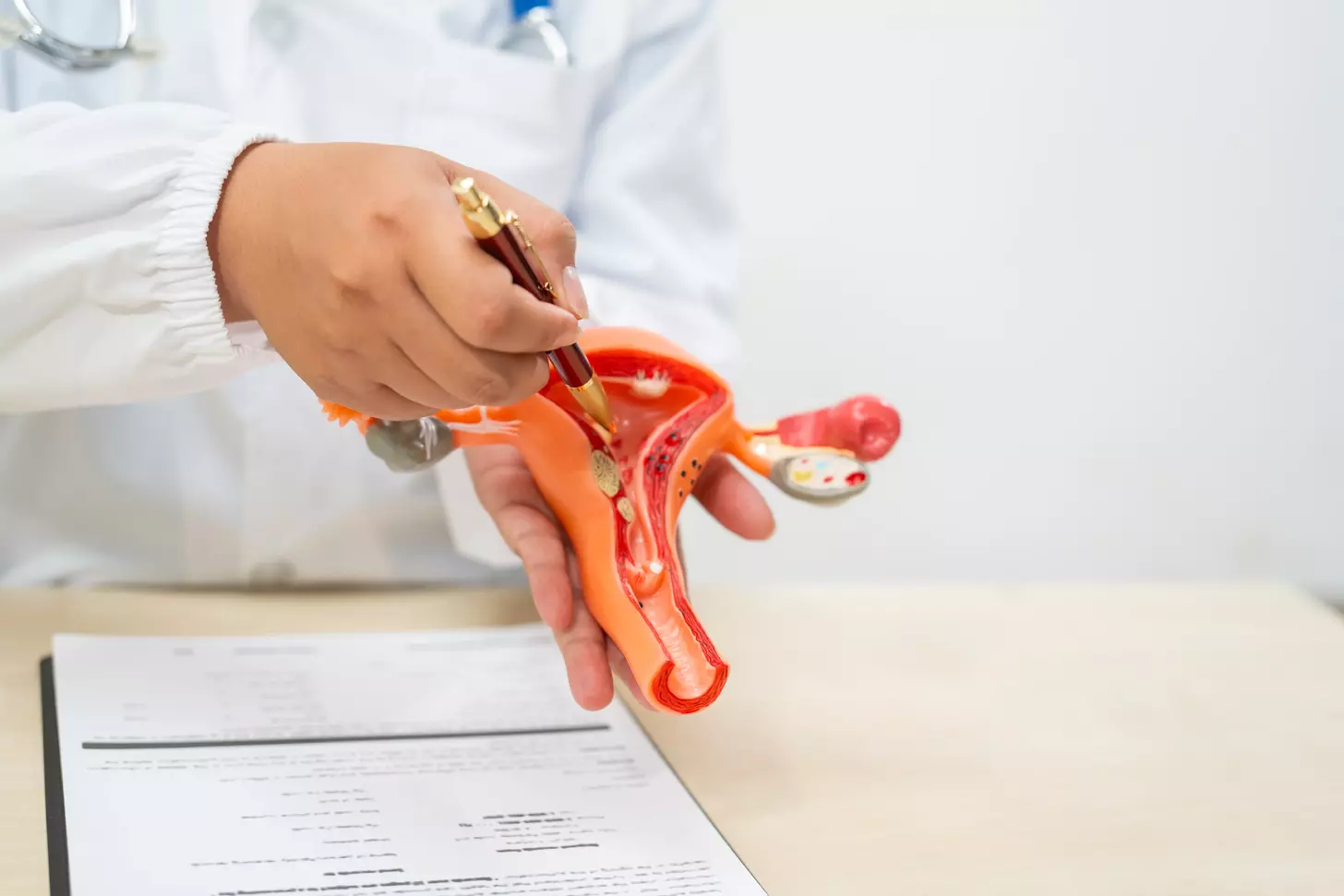
At our center, we know that beating addiction needs a full plan. Our programs tackle the physical, emotional, and social sides of addiction.
We offer personalized, evidence-based treatments to help people take back their lives. We mix medical, psychological, and social help for a complete recovery experience.
Our team creates special treatment plans for each patient. This patient-centered care is key to our mission of top-notch healthcare.
Key Takeaways
- Personalized treatment plans for effective recovery
- Combination of medical, psychological, and social interventions
- Holistic approach to addressing addiction
- Evidence-based treatments for long-term results
- Patient-centered care for individual needs
The Science Behind Modern Drug Rehabilitation
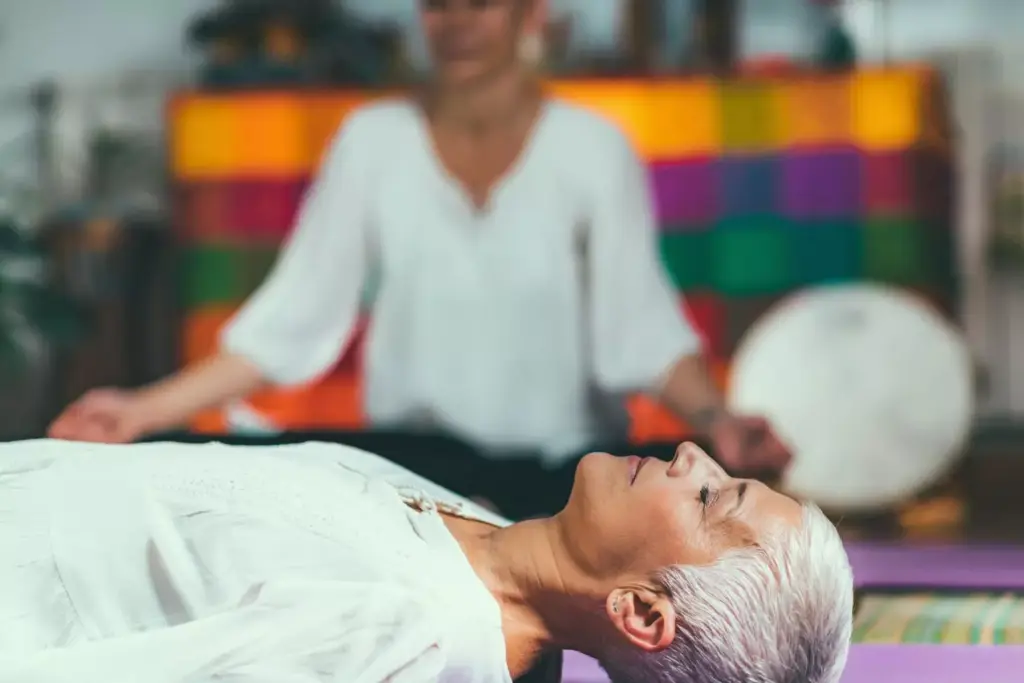
Modern drug rehabilitation uses a detailed approach. It looks at the biological, psychological, and social sides of addiction. Our centres base their programs on scientific research and clinical knowledge.
Defining Drug Rehabilitation in Clinical Settings
In clinical settings, drug rehabilitation helps people beat substance use disorders. It uses a structured treatment plan. Our definition includes medical, psychological, and social support for long-term recovery.
Helping drug abusers is complex. We use a variety of methods to meet their needs. Our goal is to create a supportive environment for healing and growth.
The Multidisciplinary Nature of Addiction Treatment
Addiction treatment needs a team of experts. This team includes doctors, psychologists, and social workers. Our programs use medication-assisted treatment, cognitive-behavioral therapy, and family therapy to meet different patient needs.
- Medical interventions to manage withdrawal symptoms and cravings
- Psychological therapies to address underlying issues and promote coping skills
- Social support to facilitate reintegration into the community
Current Success Rates and Effectiveness Statistics
Research shows that good drug rehab programs can lead to lasting recovery. Success rates depend on the program and the people it helps. Our centres have seen positive results, with many patients staying sober.
| Treatment Outcome | Success Rate |
|---|---|
| Abstinence at 6 months | 60% |
| Reduced substance use | 80% |
| Improved mental health | 75% |
We keep improving our rehab programs based on science. This helps us get better results for our patients.
Comprehensive Clinic Drug Rehabilitation Programs
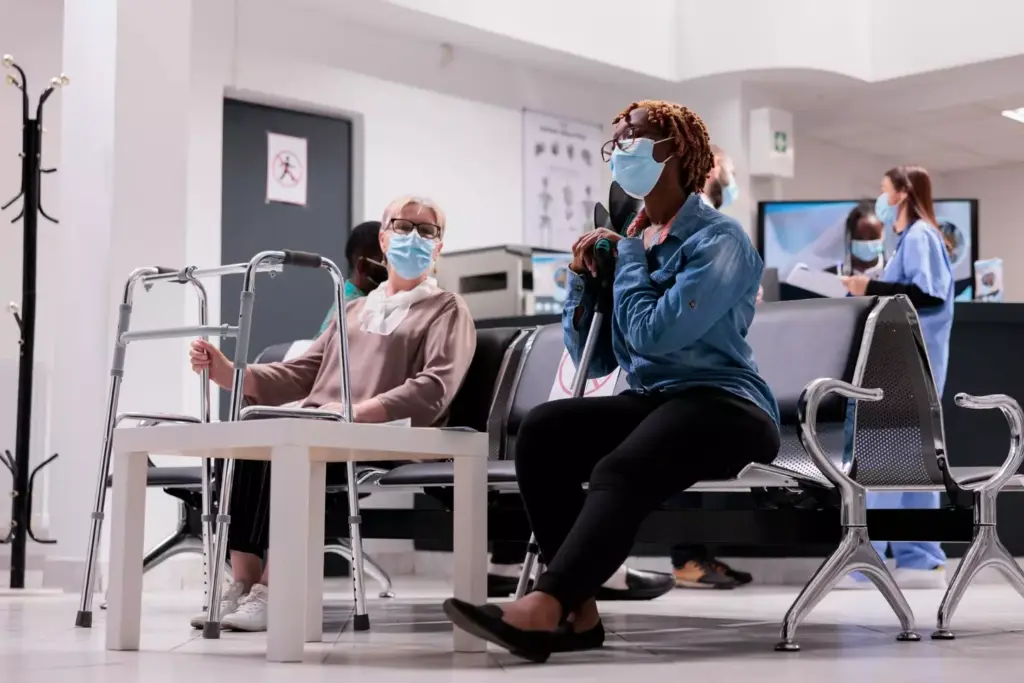
We have drug rehabilitation programs for everyone. Our clinic helps people from the start of treatment to long-term recovery. We support you every step of the way.
Inpatient vs. Outpatient Treatment Options
Our inpatient rehab offers a safe place for recovery. On the other hand, our outpatient treatment is flexible for those with other commitments.
| Treatment Aspect | Inpatient Rehab | Outpatient Treatment |
|---|---|---|
| Level of Care | Intensive, 24/7 supervision | Flexible, scheduled sessions |
| Environment | Residential, isolated from triggers | Community-based, real-world application |
| Support System | Constant medical and peer support | Scheduled support sessions |
The Role of Medical Supervision in Recovery
Medical supervision is key in recovery. It helps manage withdrawal symptoms and health issues. Our medical team creates personalized treatment plans for each patient.
“Effective recovery is not a one-size-fits-all approach; it requires a tailored plan that addresses the individual’s specific needs and circumstances.”
Personalized Treatment Planning Process
Our centre rehabilitation team works with each patient to make a custom plan. This plan meets the individual’s needs, goals, and situation. It makes recovery more effective.
We offer many treatment options and personalized care. This helps people recover fully and live better lives.
Medication-Assisted Treatment (MAT) Approach
Medication-Assisted Treatment (MAT) has changed how we treat drug addiction. It mixes medicines with counseling and therapy. This method helps us tackle addiction’s complex issues fully.
Substance use disorders are complex and need a custom treatment plan. Using FDA-approved medicines helps manage withdrawal and cravings. This makes it easier for patients to start their recovery journey.
FDA-Approved Medications for Substance Use Disorders
Using FDA-approved medicines is key in MAT. These medicines are safe and work well for treating addiction. We choose medicines like methadone, buprenorphine, and naltrexone based on the patient’s needs and addiction type.
| Medication | Use in MAT | Benefits |
|---|---|---|
| Methadone | Opioid dependence | Reduces withdrawal symptoms and cravings |
| Buprenorphine | Opioid dependence | Eases withdrawal symptoms, reduces cravings |
| Naltrexone | Opioid and alcohol dependence | Blocks the effects of opioids, reduces cravings |
Managing Withdrawal Symptoms Safely
Handling withdrawal symptoms is key in recovery. MAT helps detox patients safely, making it less painful. Our medical team watches patients closely, adjusting treatment as needed for a smooth recovery.
Long-term Medication Management Strategies
For many, MAT is a long-term recovery plan, not just a short fix. We help patients create a long-term plan for their medication. This ensures they get the support they need to keep recovering.
By mixing medicines with counseling and therapy, we offer a full treatment experience. It tackles addiction’s physical, emotional, and mental sides. Our aim is to give patients the tools and support for lasting recovery.
Cognitive Behavioral Therapy for Addiction Recovery
Cognitive Behavioral Therapy (CBT) looks at how thoughts, feelings, and actions are connected. It helps people understand and change negative thoughts linked to addiction. Our rehab centers use CBT in our treatment plans to help individuals overcome addiction.
Restructuring Thought Patterns Related to Substance Use
CBT is a proven method that helps people see and change negative thoughts and actions tied to addiction. It teaches patients to spot and handle triggers that lead to substance use.
Our therapists create personalized plans for each patient. This ensures they get the best care for their recovery.
Developing Practical Coping Skills for Triggers
CBT teaches practical skills to deal with triggers and avoid relapse. Patients learn techniques like mindfulness and stress management. These help them face tough situations without turning to substances.
Key Coping Skills Developed Through CBT:
- Identifying and challenging negative thought patterns
- Managing stress and anxiety
- Developing problem-solving skills
- Improving emotional regulation
CBT Success Rates in Clinical Settings
Many studies show CBT is effective in treating addiction. The success rates in clinical settings are high. Many people see a big drop in substance use.
| Treatment Outcome | CBT Success Rate |
|---|---|
| Reduction in Substance Use | 60-80% |
| Relapse Prevention | 50-70% |
| Improved Mental Health | 70-90% |
At our rehab centers, we offer top-notch care with CBT. We give people the tools to manage their addiction. This helps them on their path to long-term recovery and better mental health.
Motivational Enhancement and Contingency Management
Motivational enhancement and contingency management are proven ways to help people recover. They are key parts of our treatment at rehab centers. They help people beat substance abuse and make lasting changes.
Building Internal Motivation for Lasting Change
Building internal motivation is vital in recovery. Our team helps patients find their personal reasons and goals. This gives them purpose and direction.
By enhancing internal motivation, people are more likely to stick with their treatment plans. They make real progress.
We understand why people use substances and tackle these reasons. Through motivational interviewing techniques, we help them see why they want to change.
Incentive-Based Recovery Programs
Incentive-based recovery programs, or contingency management, work well. They give rewards for reaching goals, like clean drug tests or therapy sessions. This keeps patients focused on their recovery goals.
For example, someone fighting opioid addiction might get vouchers for clean drug tests. This method motivates them to stay sober and builds lasting recovery habits. For more on drug addiction, check out Verywell Health.
Measuring Progress Through Behavioral Milestones
Tracking progress is key in recovery. We set clear goals and check on them. This helps us adjust treatment plans for better results.
Goals might include therapy sessions, support group meetings, or sobriety milestones. Celebrating these achievements motivates patients to keep going.
Holistic and Complementary Treatment Methods
Our rehab centers use holistic and complementary treatments to help people recover from drug addiction. We know addiction affects the body, mind, and spirit. So, we use many holistic therapies to meet each patient’s needs.
Mind-Body Approaches to Healing Addiction
Mind-body approaches are key in our holistic treatment. These methods focus on the mind and body connection. They help heal and recover through:
- Mindfulness Meditation: It helps patients become more aware and manage stress.
- Yoga Therapy: It combines poses, breathing, and meditation for healing.
- Cognitive Behavioral Therapy (CBT): It helps change negative thought patterns, often used with mind-body therapies.
Nutrition and Physical Wellness in Recovery
Nutrition and physical wellness are important in recovery. A healthy diet and exercise can balance the body, improve mood, and reduce cravings. Our nutritionists help patients with meal plans that support their health.
Our nutrition and physical wellness programs include:
- Nutritional Counseling: Patients learn about healthy eating and meal planning.
- Physical Activity Programs: We offer activities for all fitness levels and interests.
- Wellness Education: Patients learn about self-care and healthy living.
Alternative Therapies as Treatment Supplements
We also offer alternative therapies to support recovery. These include:
- Art Therapy: It’s a creative way to express feelings and experiences.
- Music Therapy: It uses music to relax, improve mood, and enhance thinking.
- Acupuncture: It helps with withdrawal symptoms, cravings, and overall well-being.
By adding these holistic and complementary treatments, we offer a more complete recovery experience. Our goal is to give patients the tools for long-term recovery and better health.
Family Systems and Social Support Therapy
Recovery from substance abuse gets better when family and social support therapy are part of the plan. At our rehab centers, we know how important it is to include family and the community in recovery.
This way, we can tackle the complex issues that come with addiction. We create a supportive space that helps people stay on the path to recovery. Family therapy is key, helping fix relationships hurt by addiction and improving how family members talk to each other.
Repairing Relationships Damaged by Addiction
Addiction can hurt family bonds, causing mistrust, resentment, and feeling left out. Our therapists help families find ways to heal and rebuild trust. Through family counseling, everyone can understand addiction’s roots and learn better ways to cope.
Family Education and Involvement Programs
Teaching family members about addiction and recovery is essential. Our programs give them the knowledge and tools to support their loved ones well. By getting families involved in treatment, we make a supportive and understanding space for recovery.
Building Community Support Networks
Having a strong community support network is also key for lasting recovery. We help our patients find support groups and community resources for ongoing help and encouragement. This network is vital for overcoming recovery’s challenges and keeping progress.
By adding family systems and social support therapy to our programs, we offer a more complete and supportive recovery environment. This approach not only helps with recovery but also builds a sense of community and belonging. These are key for lasting success.
Dual Diagnosis and Trauma-Informed Care
Combining dual diagnosis and trauma-informed care is key for drug rehab success. Our rehab centers understand that people with substance abuse issues often face mental health problems and trauma.
Treating Co-occurring Mental Health Disorders
Our program focuses on treating mental health issues alongside substance abuse. We use proven treatments for depression, anxiety, and PTSD.
Our team creates personalized treatment plans for each patient. This approach helps manage mental health and achieve recovery.
Addressing Underlying Trauma in Addiction
Dealing with trauma is vital in recovery. Trauma-informed care offers a safe space for healing, acknowledging trauma’s impact.
We use cognitive-behavioral therapy and eye movement desensitization and reprocessing (EMDR) to help process trauma. These therapies aid in developing coping strategies.
Integrated Treatment Protocols for Complex Cases
For those with dual diagnosis and trauma, we have special treatment plans. These plans tackle all the individual’s needs at once.
Our team works together to offer complete care. This ensures all health aspects are covered, making our programs more effective for long-term recovery.
By merging dual diagnosis and trauma-informed care, we offer a complete drug rehab solution. This approach leads to lasting change and better mental health.
Conclusion: Advancing the Future of Rehabilitation
We are dedicated to making drug rehabilitation better. The future looks bright with new treatments and technologies. Our team helps people beat addiction with drug treatment programs.
Rehab centres are key in this journey. They offer treatment plans that fit each person’s needs. We keep up with the latest in drug rehab to give our patients the best care.
Drug rehab is always getting better, thanks to new research and tech. We know treatment includes many therapies. Our goal is to provide top-notch care for everyone.
FAQ
What is drug rehabilitation, and how does it work?
Drug rehabilitation, or drug rehab, is a treatment that covers physical, emotional, and social aspects of addiction. It offers a holistic approach to recovery. This includes medical, psychological, and social interventions.
What types of treatment programs do you offer?
We have inpatient and outpatient treatment programs. Inpatient programs offer a safe, supportive environment. Outpatient programs are flexible and convenient.
What is Medication-Assisted Treatment (MAT), and how is it used?
Medication-Assisted Treatment (MAT) is a key part of our programs. It combines FDA-approved medications with counseling and therapy. This approach addresses the complex needs of those struggling with addiction.
How does Cognitive Behavioral Therapy (CBT) help in addiction recovery?
Cognitive Behavioral Therapy (CBT) helps change thought patterns and develop coping skills. It promotes long-term recovery and better mental health. Our experts work with patients to create personalized plans that include CBT.
What is the role of family therapy in the recovery process?
Family systems and social support therapy are vital in our programs. We help repair relationships damaged by addiction. We also build support networks through family education and involvement.
How do you address co-occurring mental health disorders and underlying trauma?
We provide dual diagnosis and trauma-informed care. This addresses underlying trauma and mental health disorders. Our team creates personalized plans that meet each patient’s unique needs and goals.
What holistic and complementary treatment methods do you offer?
We use mind-body approaches, nutrition counseling, and alternative therapies. These methods provide a well-rounded treatment experience. They support overall well-being and long-term recovery.
How do you measure progress in the recovery process?
We use motivational enhancement and contingency management. These methods help build motivation and achieve milestones. Our team works with patients to create plans that include incentive-based recovery programs.
What is the success rate of your treatment programs?
Our programs aim for long-term recovery and have seen significant success. We stay updated with the latest research and best practices. This ensures our patients receive effective care.
How can I get started with your clinic drug rehabilitation programs?
To start, contact us for an assessment and consultation. Our team will help create a personalized treatment plan. This plan will meet your unique needs and goals.
References
- National Institute on Drug Abuse (NIDA). (2025). IC Fact Sheet 2025. Retrieved from https://nida.nih.gov/about-nida/legislative-activities/budget-information/fiscal-year-2025-budget-information-congressional-justification-national-institute-drug-abuse/ic-fact-sheet-2025