Last Updated on November 27, 2025 by Bilal Hasdemir

At Liv Hospital, we know how complex Arnold Chiari malformation is. It’s a neurological disorder that can cause many symptoms. These can range from headaches to muscle weakness.
We see that every patient is different. The severity of symptoms can vary a lot. Treatment depends on how severe the condition is and the symptoms. It can range from just watching and managing pain to surgery.
Our team of experts is committed to giving you personalized care. We use the latest medical technology to get the best results. We focus on you, guiding you through diagnosis and treatment. We make sure you get all the support you need every step of the way.
Key Takeaways
- Chiari malformation is a complex neurological disorder with varying symptoms.
- Treatment options range from conservative management to surgical intervention.
- Liv Hospital’s patient-centered approach ensures personalized care.
- Advanced medical technology is utilized to achieve the best possible outcomes.
- Comprehensive support is provided throughout the diagnosis and treatment process.
Understanding Chiari Malformation

Exploring Chiari malformation shows us how complex this neurological issue is. It happens when brain tissue moves into the spinal canal, leading to symptoms. Knowing how serious it is and its risks is key.
What Is Arnold-Chiari Syndrome?
Arnold-Chiari syndrome, or Chiari malformation, is a defect in the cerebellum. It affects balance and muscle coordination. “The cerebellum is a critical part of the brain that can be affected by this condition,” notes a top neurosurgeon. We’ll look into this more.
Normal Brain vs. Chiari Malformation
In a normal brain, the cerebellum and brain stem stay inside the skull. But with Chiari malformation, cerebellar tissue moves into the spinal canal.
Is Chiari Malformation Dangerous?
Chiari malformation can be risky if not treated. It can cause chronic pain, numbness, and even paralysis. “Early diagnosis and treatment are key to managing it,” a medical expert stresses. Knowing the dangers helps patients get help quickly.
Types of Chiari Malformation
It’s important to know the different types of Chiari malformation for proper diagnosis and treatment. Chiari malformation is divided into types based on its severity and the brain areas affected.
What Is Chiari Type 1?
Chiari Type 1 malformation is the most common. It happens when the cerebellar tonsils go into the foramen magnum. This can block the flow of cerebrospinal fluid. This type is often without symptoms and might be found by chance during tests for other issues.
Arnold Chiari Malformation Type 1
Arnold Chiari Malformation Type 1 is another name for Chiari Type 1. It’s when the cerebellar tonsils bulge into the spinal canal. Symptoms can vary, from headaches and neck pain to serious neurological problems.
Other Variants (Type 2, Type 3, and Type 4)
While Type 1 is common, there are more severe types:
- Type 2: Known as classical Chiari malformation, it involves more brain tissue displacement into the spinal canal. It’s often linked with spina bifida.
- Type 3: This rare and severe form has a cerebellar encephalocele. This means brain parts bulge through a skull opening.
- Type 4: The most severe, with an underdeveloped or missing cerebellum.
Keary Malformation and AC Malformation
Keary Malformation and AC (Arnold-Chiari) Malformation are sometimes called Chiari Malformation. These conditions are usually present at birth and linked to genetic and developmental issues. Knowing about these conditions is key for proper care and support.
Most Chiari cases are present from birth and linked to genetic and developmental issues. Knowing the different types helps in planning treatment and management.
Causes of Chiari Malformation
Chiari malformation has many causes, including genetics, development, and acquired factors. Knowing these causes helps doctors diagnose and treat the condition better.
What Causes Arnold Chiari Malformation
Arnold Chiari malformation, mainly Type 1, is linked to problems with skull formation at birth. Research points to genetic mutations as a possible cause. People with a family history of Chiari malformation are more likely to get it.
Is Arnold Chiari Genetic?
Arnold Chiari malformation has a genetic link, but it’s not just genetics. Genetic predisposition raises the risk, but other factors like developmental issues also play a part.
- Genetic mutations affecting brain and spine development
- Family history of Chiari malformation
- Congenital abnormalities in skull formation
Developmental Factors
Developmental issues during fetal development can affect brain and skull formation. This can lead to Chiari malformation. Problems like abnormal brain development or issues with the posterior fossa are common causes.
Acquired Causes
Chiari malformation can also be caused by acquired factors. These include:
- Infections affecting the central nervous system
- Injuries to the head or spine
- Conditions that affect the skull and spine, such as spina bifida
Understanding the causes of Chiari malformation is key to effective treatment. By identifying the underlying causes, doctors can provide better care.
Common and Unusual Symptoms
Chiari malformation can cause a wide range of symptoms. These can be common neurological issues or unusual signs. Because symptoms vary, diagnosing the condition can be tough.
Neurological Manifestations
Many people with Chiari malformation have neurological symptoms. They might feel numbness or tingling in their hands and feet. Others might have muscle weakness or trouble with balance and coordination.
Some may also feel dizziness or vertigo. This can make everyday tasks hard.
Pain-Related Symptoms
Pain is a big issue for many with Chiari malformation. They might get headaches at the base of their skull. Or they could have neck pain or pain in their arms or back.
This pain comes from the brain and spinal cord being compressed.
Weird Symptoms of Chiari Malformation
Some people with Chiari malformation experience strange symptoms. They might feel unexplained dizziness or tinnitus (ringing in the ears). These symptoms can be confusing and hard to link to Chiari malformation.
| Symptom | Description | Prevalence |
|---|---|---|
| Headaches | Pain at the base of the skull | Common |
| Numbness/Tingling | Numbness or tingling in hands and feet | Common |
| Dizziness/Vertigo | Feeling of dizziness or vertigo | Less Common |
| Tinnitus | Ringing or other sounds in the ears | Less Common |
How Serious Is a Chiari Malformation?
The severity of Chiari malformation varies. Some people have mild symptoms, while others face severe issues. Knowing how serious it is helps decide the right treatment.
Living with Chiari malformation is tough. Our goal is to offer full care and support. By understanding symptoms and their effects, we can tailor treatments better.
Diagnosis and When to Seek Medical Attention
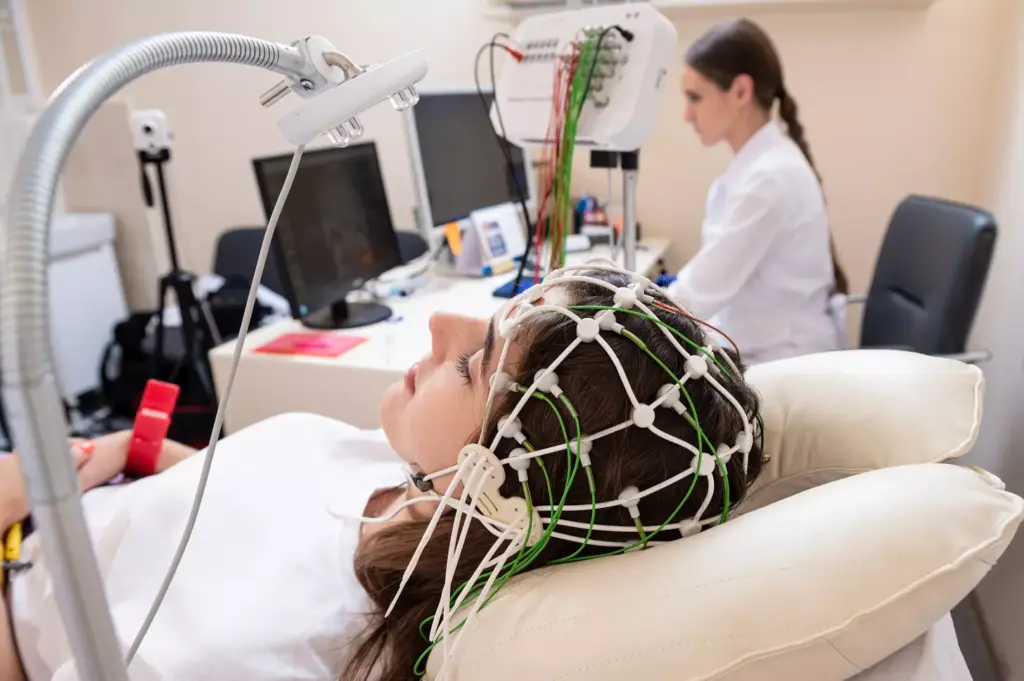
Diagnosing Chiari malformation is complex. It involves looking at your medical history, doing physical exams, and using advanced imaging. These steps help doctors figure out if you have the condition.
Recognizing Warning Signs
Knowing the signs of Chiari malformation is key. Symptoms include headaches, neck pain, dizziness, and numbness in hands and feet. If you have these symptoms, see a doctor right away.
- Headaches
- Neck pain
- Dizziness
- Numbness or tingling in hands and feet
Diagnostic Imaging Techniques
Imaging is vital for diagnosing Chiari malformation. Magnetic Resonance Imaging (MRI) is the best tool. It shows detailed pictures of your brain and spinal cord. MRI helps doctors see how bad the condition is.
Neurological Assessment
A detailed neurological check is important. It looks at how well you move, feel, and respond. This helps doctors understand how much the condition affects you.
Differentiating from Other Conditions
It’s hard to tell Chiari malformation from other conditions. Doctors must rule out other diseases like multiple sclerosis or tumors.
In summary, diagnosing Chiari malformation needs a careful approach. This includes spotting symptoms, using imaging, doing neurological checks, and ruling out other conditions.
7 Essential Chiari Malformation Treatments
Treating Chiari malformation involves different strategies to help patients feel better. The right treatment depends on how bad the symptoms are and the malformation’s size. It also depends on the patient’s overall health.
1. Watchful Waiting and Monitoring
For those with mild symptoms or no symptoms at all, watching and monitoring is often suggested. This means regular visits to the doctor and sometimes imaging tests to keep an eye on things.
2. Medication for Symptom Management
Medicines are key in managing Chiari malformation symptoms. They help with pain, neck pain, and other issues.
3. Posterior Fossa Decompression
Posterior fossa decompression is a surgery to ease brain and spinal cord pressure. It’s usually for those with serious symptoms or whose condition is getting worse.
4. Duraplasty Procedure
In some cases, a duraplasty is done along with posterior fossa decompression. It expands the dura mater to help relieve more pressure.
Here’s a quick look at the main treatments for Chiari malformation:
| Treatment Option | Description | Indications |
|---|---|---|
| Watchful Waiting | Regular monitoring without immediate intervention | Mild or asymptomatic cases |
| Medication | Symptom management through medication | Pain, muscle spasms, and other symptoms |
| Posterior Fossa Decompression | Surgical relief of pressure on the brain and spinal cord | Significant symptoms or worsening condition |
| Duraplasty | Expansion of the dura mater to relieve pressure | In conjunction with posterior fossa decompression |
Every treatment plan is made just for the patient. Doctors will talk about the best options based on the patient’s specific situation.
Surgical Intervention for Arnold Chiari Malformation
When other treatments don’t work, surgery is often needed for Arnold Chiari Malformation. This choice is not easy. It depends on how bad the symptoms are and if surgery could help.
Arnold Chiari Malformation Type 1 Surgery
For those with Arnold Chiari Malformation Type 1, surgery is usually suggested if symptoms are severe. The main goal of Arnold Chiari Malformation Type 1 surgery is to ease pressure on the brain and spinal cord. This can help reduce symptoms and improve life quality.
- Posterior fossa decompression is a common surgical technique used to treat Chiari Malformation Type 1.
- The procedure involves removing a portion of the skull to create more space for the cerebellum.
- In some cases, additional procedures such as duraplasty may be performed to further expand the space.
Surgical Techniques and Innovations
Surgical methods for Chiari Malformation are getting better, thanks to new ideas. We aim to use these advancements to give our patients the best care.
Some of the surgical techniques and innovations include:
- Minimally invasive surgical approaches that reduce tissue damage and promote faster healing.
- Intraoperative monitoring to ensure the safety and efficacy of the procedure.
- Advanced imaging techniques to guide surgeons during the operation.
Potential Risks and Complications
Like any surgery, Arnold Chiari Malformation surgery comes with risks. We do everything we can to lower these risks and make sure our patients know what to expect.
Possible complications may include:
- Infection or wound complications.
- Cerebrospinal fluid leaks.
- Neurological deficits or worsening of symptoms.
Recovery Process
The recovery process after Chiari Malformation surgery varies. It depends on the person and the surgery details. We offer detailed care after surgery to help our patients through this important time.
Key aspects of the recovery process include:
- Close monitoring in the immediate post-operative period.
- Gradual return to normal activities under the guidance of healthcare professionals.
- Follow-up appointments to assess healing and address any concerns.
Living with Chiari Malformation Disease
Chiari malformation is more than a medical issue; it changes life in big ways. It requires careful daily management. Understanding how to manage it can greatly improve life quality for those affected.
Daily Management Strategies
Managing Chiari malformation daily means making lifestyle changes and using medical treatments. Keeping a symptom journal helps track the condition and find patterns. This information is key to making better care choices.
Adding gentle exercises and stress management can lessen symptoms. Knowing your limits and avoiding harmful activities is also important.
Coping with Chronic Symptoms
Dealing with Chiari malformation’s chronic symptoms is tough, both physically and emotionally. Building a strong support network is critical. This includes doctors, family, and friends, as well as online or in-person support groups.
Using cognitive-behavioral therapy (CBT) and mindfulness can help emotionally. These methods help develop coping strategies and improve well-being.
Support Networks and Resources
Access to the right support and resources is key for Chiari malformation patients. We suggest looking into organizations and online communities for help. They offer information, emotional support, and advocacy.
- Patient advocacy groups
- Online forums and support groups
- Educational resources and workshops
- Healthcare providers specializing in Chiari malformation
Long-term Outlook and Quality of Life
The long-term outlook for Chiari malformation patients varies. It depends on the condition’s severity and how well it’s managed. With the right care and support, many lead active, fulfilling lives.
Regular check-ups with healthcare providers are vital. They help monitor the condition and adjust treatments as needed. A proactive, informed approach can greatly improve life quality despite Chiari malformation’s challenges.
Conclusion
Chiari malformation is a complex condition that needs a deep understanding and careful management. We’ve looked at its causes, symptoms, diagnosis, and treatment options in this article.
Arnold Chiari malformation is a special case within Chiari malformation. We’ve talked about the different types and their unique features. This shows how important it is to get the right diagnosis.
Treatment for Chiari malformation varies. It can range from watching closely and using medicine to surgery like posterior fossa decompression. We’ve explained how to choose the best treatment for each patient.
Knowing about Chiari malformation and its treatments helps patients and doctors create personal plans. We aim to offer top-notch healthcare to international patients looking for advanced treatments for Chiari malformation.
FAQ
What is Chiari malformation?
Chiari malformation is a defect in the cerebellum. It can put pressure on the brain and spinal cord. This can cause many symptoms.
What are the main types of Chiari malformation?
There are four main types: Type 1, Type 2, Type 3, and Type 4. Type 1 is the most common and often found in adults.
Is Chiari malformation genetic?
There’s a possible genetic link, but the exact cause is not known. It’s thought to be a mix of genetics and environment.
What causes Arnold Chiari malformation?
The exact cause is not known. It’s believed to be a mix of genetics, development, and possibly acquired factors.
What are the symptoms of Chiari malformation?
Symptoms vary and can include headaches, neck pain, dizziness, and numbness in hands and feet. Other neurological symptoms can also occur.
How is Chiari malformation diagnosed?
Diagnosis involves a neurological assessment and imaging like MRI. Sometimes, other tests are used to rule out other conditions.
What are the treatment options for Chiari malformation?
Treatment options include watchful waiting, medication, and surgery. Surgery may involve removing part of the skull and dura to relieve pressure.
What is the surgical treatment for Arnold Chiari malformation Type 1?
Surgery for Type 1 often involves removing part of the skull and dura. This helps relieve pressure on the brain and spinal cord.
How serious is a Chiari malformation?
The seriousness can vary. Some people have mild symptoms, while others have severe symptoms. It’s important to seek medical evaluation.
Can Chiari malformation be managed without surgery?
Yes, some cases can be managed without surgery. This includes monitoring, lifestyle changes, and medication to manage symptoms.
What is the recovery process like after Chiari malformation surgery?
Recovery varies depending on the individual and surgery. It usually involves rest, rehabilitation, and follow-up care.
Are there support resources available for living with Chiari malformation?
Yes, there are support networks, resources, and healthcare services. They help manage the condition and improve quality of life.
References
- National Health Service. (n.d.). Chiari malformation. Retrieved October 20, 2025, from https://www.nhs.uk/conditions/chiari-malformation/
- Hidalgo, J. A. (2023). Arnold-Chiari malformation. In StatPearls [Internet]. StatPearls Publishing. Retrieved October 20, 2025, from https://www.ncbi.nlm.nih.gov/books/NBK431076/