Last Updated on November 27, 2025 by Bilal Hasdemir
At Liv Hospital, we know how complex congenital vascular anomalies are. These issues, like a vascular ring around the trachea and esophagus, can cause big health problems in babies and young kids. They need accurate diagnosis and top-notch care.
Vascular ring anomalies happen when blood vessels around the trachea and esophagus grow wrong. This can block normal breathing and eating. Symptoms can vary, but common ones include trouble breathing, eating problems, and frequent lung infections.
We know how critical vascular ring surgery is for these issues. Surgery is often needed to fix the blockage and stop more problems. At Liv Hospital, our team is all about giving the best care. We make sure every surgery meets the highest global standards.
Key Takeaways
- Vascular ring anomalies are congenital conditions that can cause significant health issues.
- Surgical intervention is often necessary to treat these anomalies.
- Liv Hospital provides expert care and precise diagnosis for vascular ring conditions.
- The symptoms of vascular ring anomalies can include breathing and feeding difficulties.
- Our team is dedicated to providing world-class care for international patients.
What Is a Vascular Ring Anomaly?
Congenital vascular rings are abnormal formations of the aortic arch. They can encircle and compress the trachea and esophagus. “Vascular rings represent a rare but significant congenital anomaly,” medical professionals say. They can lead to various respiratory and digestive complications.
Congenital Development of Vascular Rings
Vascular rings develop during fetal development. The aortic arch and its branches don’t form as they should. This leads to a ring-like structure around the trachea and esophagus.
The exact cause is often related to genetic factors. In some cases, it may be associated with other congenital heart defects.
How Vascular Rings Affect the Trachea and Esophagus
The encircling nature of vascular rings can cause compression. This compression can lead to symptoms like noisy breathing and recurrent respiratory infections. It can also cause feeding difficulties.
The severity of symptoms varies. It depends on the degree of compression and the specific structures involved. For more information, visit https://www.rbht.nhs.uk/our-services/right-aortic-arch.
The impact of vascular rings on the trachea and esophagus is significant. Early diagnosis and treatment are key. They help alleviate symptoms and prevent long-term complications.
Fact 1: Common Symptoms of Vascular Ring in Infants
A vascular ring can cause a variety of symptoms in infants. These include noisy breathing and trouble feeding. These issues happen because the trachea and esophagus get compressed by the abnormal blood vessel.
Respiratory Symptoms: Noisy Breathing and Recurrent Croup
Infants with vascular rings often have breathing problems. Noisy breathing, or stridor, is a common sign. This happens when the abnormal blood vessel presses on the airway.
They may also get recurrent croup. This is a barking cough and trouble breathing.
Digestive Symptoms: Feeding Difficulties
Digestive symptoms are also common in infants with vascular rings. Feeding troubles happen when the esophagus gets compressed. This makes it hard for the baby to swallow.
It can lead to regurgitation, poor weight gain, and feeding distress.
When Symptoms Typically Appear in the First Year
Symptoms of vascular ring anomalies usually show up in the first year. Many infants start showing signs in the first few months. This is because the vascular ring keeps affecting the trachea and esophagus as they grow.
It’s important to catch these symptoms early. This way, doctors can start treatment right away.
Fact 2: Major Types of Vascular Rings
It’s important to know the different types of vascular rings to help patients. These rings are classified based on their shape and how they affect the body. This knowledge helps doctors choose the right treatment.
Double Aortic Arch Vascular Ring
A double aortic arch is when there are two aortic arches around the trachea and esophagus. This is the most common type of vascular ring.
Key Features:
- Two aortic arches encircle the trachea and esophagus
- Often associated with significant respiratory and feeding difficulties
- Typically requires surgical intervention
Right Aortic Arch with Aberrant Left Subclavian Artery
This type has a right aortic arch and an aberrant left subclavian artery. This can press on the esophagus.
Associated Complications:
- Dysphagia due to esophageal compression
- Respiratory symptoms if there is significant tracheal compression
- Potential for vascular ring-related complications
Pulmonary Artery Sling
A pulmonary artery sling is rare. It happens when the left pulmonary artery comes from the right, wrapping around the trachea.
Distinguishing Characteristics
Each type has its own shape and how it affects the body.
Comparison:
| Type | Anatomical Feature | Common Symptoms |
|---|---|---|
| Double Aortic Arch | Two aortic arches | Respiratory distress, feeding difficulties |
| Right Aortic Arch with Aberrant Left Subclavian Artery | Aberrant left subclavian artery | Dysphagia, respiratory issues |
| Pulmonary Artery Sling | Left pulmonary artery from right pulmonary artery | Respiratory symptoms, stridor |
Associated Complications
Each vascular ring type has its own problems. These can range from breathing trouble to eating issues. Knowing these helps doctors manage the condition better.
Fact 3: Right Sided Aortic Arch with Vascular Ring
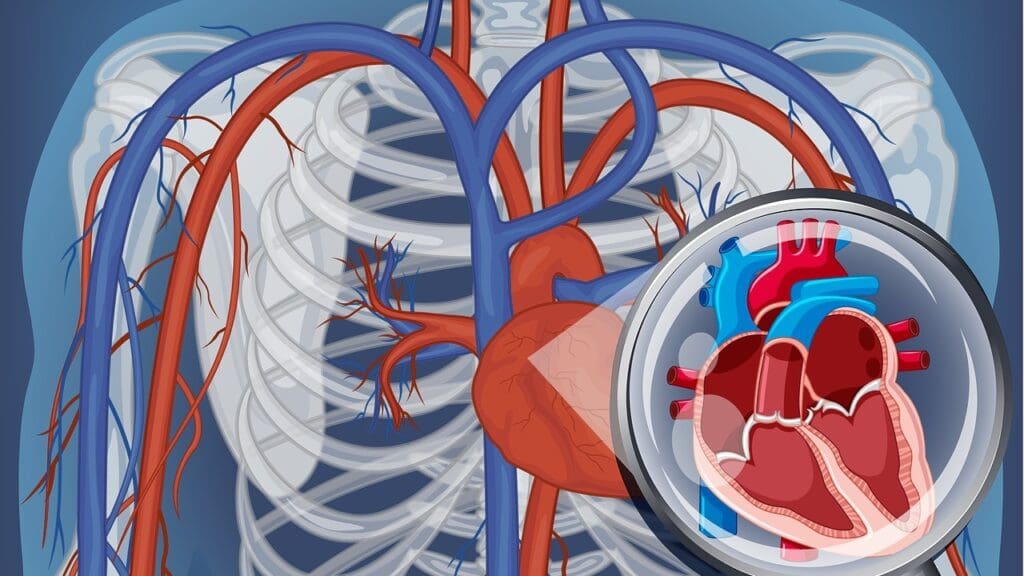
We look into the details of right sided aortic arch with vascular ring. This issue affects how the aortic arch develops. It happens when the aortic arch is on the right side of the trachea, possibly squeezing the trachea and esophagus.
Anatomy and Development
The right sided aortic arch forms when the left aortic arch doesn’t develop right. This can cause different setups, like a double aortic arch or a right aortic arch with an odd left subclavian artery. The anatomy of this issue is complex and varies, needing detailed images for a correct diagnosis.
Dysphagia Lusoria: Causes and Symptoms
Dysphagia lusoria is when swallowing is hard because of an odd right subclavian artery. It’s linked to a right sided aortic arch. Symptoms can be mild or very serious, like trouble feeding in babies. This happens because the subclavian artery starts abnormally, pressing on the esophagus.
Differences from Other Vascular Ring Types
A right sided aortic arch with vascular ring is different from others, like double aortic arch or pulmonary artery sling. It has a unique setup and can cause dysphagia lusoria. Knowing these differences is key for picking the right surgery.
Diagnosing and treating right sided aortic arch with vascular ring needs a team effort. Pediatric cardiologists, cardiothoracic surgeons, and radiologists all play a part. By grasping the specifics of this condition, we can give the best care to those affected.
Fact 4: Diagnosing Vascular Ring Anomalies
Diagnosing vascular ring anomalies needs a detailed approach. This includes prenatal checks and postnatal tests. We’ll look at how these are done before and after birth. Early detection is key to managing the condition well.
Prenatal Detection of Fetal Vascular Ring
Today’s prenatal ultrasound is very advanced. It can spot fetal vascular ring issues early. This lets us get ready for needed treatments after birth.
Postnatal Diagnostic Methods
After birth, we use many tests to confirm vascular ring anomalies. These include high-tech imaging that shows the heart and its surroundings clearly.
Imaging Techniques: MRI, CT, and Echocardiography
Imaging is vital for diagnosing vascular ring anomalies. We use MRI, CT scans, and echocardiography to see the aortic arch and its branches. Each method has its own benefits for checking the vascular ring’s complexity.
It’s also important to evaluate the baby clinically. We look at symptoms like breathing trouble or feeding issues. This helps us understand how severe the condition is and plan the best treatment.
By combining prenatal and postnatal tests, we can accurately find vascular ring anomalies. This leads to better treatment plans. Early detection is essential for improving outcomes for babies with this condition.
Fact 5: Heart Ring Operation Procedures Explained
It’s important for patients and their families to know about heart ring operation procedures. We will explain the different surgical methods used to fix vascular ring problems. This ensures patients get the best care possible.
Surgical Approaches for Different Vascular Ring Types
The type of vascular ring problem decides the surgery method. We use different techniques for each type of ring. This way, every patient gets the right treatment.
Minimally Invasive Techniques
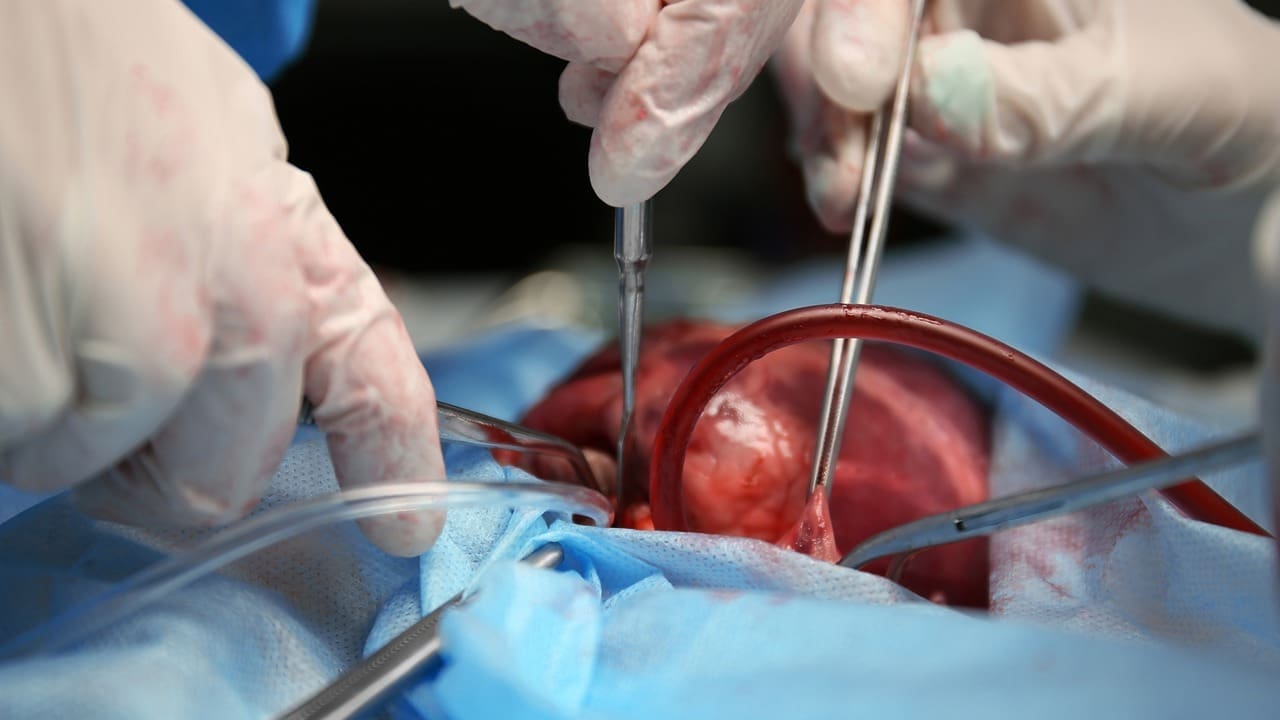
Minimally invasive surgery is often chosen for vascular ring operations. It has less recovery time and less pain after surgery. This method uses small cuts and advanced tools.
Traditional Open Surgery Methods
Sometimes, traditional open surgery is needed. This method uses a bigger cut to give the surgeon a clear view of the ring.
Thoracotomy Approach
The thoracotomy approach makes a chest cut to reach the ring. It lets the surgeon see and fix the problem directly.
Sternotomy Approach
The sternotomy approach cuts through the sternum to get to the heart and ring. It’s used for more complex cases.
We pick the best surgery method for each patient based on their condition. Knowing about these procedures helps patients and families make informed choices about their care.
Fact 6: Vascular Ring Surgery in Infants
Infants face special challenges during vascular ring surgery. They need quick diagnosis and treatment to avoid long-term problems.
Special Considerations for Infant Cardiac Surgery
Fixing vascular rings in infants is a complex task. The team must plan carefully because of the baby’s small size and delicate heart.
| Surgical Consideration | Description |
|---|---|
| Pre-operative planning | Detailed imaging and assessment to understand the vascular ring anatomy |
| Intra-operative care | Precise surgical technique and monitoring to ensure stability |
| Post-operative care | Close monitoring in ICU for possible complications |
Anesthesia and Monitoring During the Procedure
Choosing the right anesthesia for infant surgery is key. It’s important to watch the baby’s heart and vital signs closely during the surgery.
“The anesthesiologist plays a critical role in managing the infant’s hemodynamics and ensuring a stable operative course.” – Pediatric Anesthesiologist
Parental Preparation and Support
Supporting parents is vital during this time. We offer detailed counseling and emotional support to help them understand and cope with their baby’s surgery.
Understanding the unique needs of infant vascular ring surgery helps us prepare families better. This ensures the best care for these young patients.
Fact 7: Recovery and Outcomes After Vascular Ring Repair
After the vascular ring repair surgery, the focus is on recovery. This includes both immediate care and long-term follow-up. We’ll guide you through what to expect during this time.
Immediate Post-Operative Care
Immediate care after surgery is key for a good recovery. Patients are watched closely in the ICU for any issues. We make sure pain is managed and vital signs are good before moving them to a regular room.
- Monitoring for any complications
- Managing pain
- Supporting breathing
Long-Term Prognosis and Follow-Up
The long-term outlook for vascular ring repair patients is usually very good. Most see a big improvement in their symptoms. We stress the need for follow-up visits to check on progress and address any worries.
Important parts of long-term follow-up include:
- Regular visits with the cardiologist
- Imaging to check the repair
- Watching for long-term issues
Success Rates and Symptom Resolution
Vascular ring repair is very successful, with most symptoms gone. Most patients can get back to their usual activities a few weeks after surgery.
Understanding the recovery and outcomes of vascular ring repair helps patients and families. We aim to provide full care and support during the recovery journey.
When to Seek Medical Attention for Suspected Vascular Ring
It’s important to know the warning signs of a vascular ring anomaly in babies. As a parent, spotting these signs can be tough. But knowing them is key to your child’s health.
Warning Signs in Newborns and Infants
Babies with vascular ring anomalies may show certain symptoms. These include:
- Noisy breathing or stridor
- Feeding difficulties or dysphagia
- Recurrent respiratory infections
- Failure to thrive
If your baby shows any of these signs, see a doctor right away.
Symptoms Requiring Urgent Evaluation
Some symptoms need quick medical help. If your baby has:
- Severe difficulty breathing
- Stridor that gets worse
- Big feeding problems and not gaining weight
Seeing a doctor early can really help babies with vascular ring anomalies. If you’re worried, call a doctor.
| Symptom | Possible Indication | Action Required |
|---|---|---|
| Noisy Breathing | Vascular Ring Anomaly | Consult a Healthcare Professional |
| Feeding Difficulties | Esophageal Compression | Seek Medical Evaluation |
| Severe Respiratory Distress | Airway Obstruction | Immediate Medical Attention |
Living with a Child After Vascular Ring Surgery
The journey doesn’t end after vascular ring surgery; it’s just the start of a new chapter in your child’s health. As a parent, knowing about follow-up care, activity limits, and long-term health is key. It helps ensure your child recovers well.
Follow-Up Care Schedule
After vascular ring surgery, your child will need many follow-up visits. These visits are important to check how well the surgery worked and to catch any problems early. Usually, the first visit is a few weeks after they go home.
Activity Restrictions and Recommendations
Most kids can go back to normal activities in a few weeks. But, we suggest avoiding hard activities or sports for a few months. This helps prevent putting too much stress on the surgery site and helps with recovery.
Long-Term Health Considerations
Most kids who have had vascular ring surgery live healthy lives in the long run. We keep an eye on their health with regular check-ups. It’s also important for parents to watch for any signs of problems and get medical help if needed.
Recent Advances in Treatment of Vascular Ring Anomalies
Recent years have brought big changes in treating vascular ring anomalies. These changes offer new hope to patients and their families. They come from new surgical methods and research into the causes of these anomalies.
New Surgical Techniques
New surgical techniques have been a big step forward. Minimally invasive surgeries are now common. They help patients recover faster, feel less pain, and have smaller scars.
For example, vascular ring repair can now be done through small incisions. This means patients can get back to their lives sooner.
Research Developments
Research on vascular ring anomalies is always going on. It aims to improve how we diagnose and treat these conditions. Studies show the value of early diagnosis and advanced imaging in planning surgeries.
Future Treatment Directions
As research digs deeper, we’ll see even more treatment improvements. We might see treatments tailored to each patient’s needs. New technologies, like 3D printing, could help plan surgeries better.
Conclusion
We’ve looked into vascular ring anomalies, a condition where the aorta or its branches form a ring around the trachea and esophagus. This can cause big problems with breathing and eating. The surgery to fix this, called a heart ring operation, is very important.
This surgery can really help people, even babies. It can make breathing easier and help with eating. The type of surgery needed depends on the patient’s health and the shape of the ring.
It’s key to catch vascular ring anomalies early. Doctors can find them before birth or right after. This means they can fix it quickly. Knowing about the surgery and recovery helps families deal with this tough condition.
Fixing vascular rings shows how important good medical care is. We’re always getting better at surgery and care after. This makes life better for those with this condition.
FAQ
What is a vascular ring anomaly?
A vascular ring anomaly is a birth defect. It happens when blood vessels around the heart form a ring. This ring can squeeze the trachea and esophagus, leading to symptoms.
What are the common symptoms of vascular ring in infants?
Infants with this condition may have noisy breathing and trouble feeding. They might also have respiratory distress.
How is a vascular ring diagnosed?
Doctors use imaging like MRI, CT scans, and echocardiography to diagnose it. This can be done before or after birth.
What are the major types of vascular rings?
There are a few main types. These include double aortic arch, right aortic arch with an aberrant left subclavian artery, and pulmonary artery sling.
What is a right sided aortic arch with vascular ring?
This is when the aortic arch is on the right. It can cause symptoms like trouble swallowing.
How is vascular ring repair surgery performed?
Surgery can be done in different ways. It depends on the type and how complex the ring is.
What are the special considerations for vascular ring surgery in infants?
Infants need careful anesthesia and monitoring. Parents also need support and preparation.
What is the recovery process like after vascular ring repair?
After surgery, immediate care is key. Most symptoms go away after a successful surgery.
When should I seek medical attention for suspected vascular ring?
Look for signs like noisy breathing and feeding troubles. Respiratory distress is also a warning sign.
What is the follow-up care schedule after vascular ring surgery?
Regular check-ups with a cardiologist or pediatrician are needed. This helps monitor recovery and long-term health.
Are there any activity restrictions after vascular ring surgery?
Restrictions vary. But usually, kids can get back to normal activities after they recover.
What are the recent advances in treating vascular ring anomalies?
New techniques and research aim to improve outcomes. They also aim to reduce complications.
What are the success rates of vascular ring repair surgery?
Success rates are high. Most kids see big improvements or complete symptom relief after surgery.
Can vascular ring anomalies be detected prenatally?
Yes, some can be found before birth. Fetal ultrasound can detect them.
What is the long-term prognosis for children after vascular ring surgery?
The prognosis is usually good. Most kids live healthy lives after successful surgery.
What is a vascular ring anomaly?
A vascular ring anomaly is a birth defect. It happens when blood vessels around the heart form a ring. This ring can squeeze the trachea and esophagus, leading to symptoms.
What are the common symptoms of vascular ring in infants?
Infants with this condition may have noisy breathing and trouble feeding. They might also have respiratory distress.
How is a vascular ring diagnosed?
Doctors use imaging like MRI, CT scans, and echocardiography to diagnose it. This can be done before or after birth.
What are the major types of vascular rings?
There are a few main types. These include double aortic arch, right aortic arch with an aberrant left subclavian artery, and pulmonary artery sling.
What is a right sided aortic arch with vascular ring?
This is when the aortic arch is on the right. It can cause symptoms like trouble swallowing.
How is vascular ring repair surgery performed?
Surgery can be done in different ways. It depends on the type and how complex the ring is.
What are the special considerations for vascular ring surgery in infants?
Infants need careful anesthesia and monitoring. Parents also need support and preparation.
What is the recovery process like after vascular ring repair?
After surgery, immediate care is key. Most symptoms go away after a successful surgery.
When should I seek medical attention for suspected vascular ring?
Look for signs like noisy breathing and feeding troubles. Respiratory distress is also a warning sign.
What is the follow-up care schedule after vascular ring surgery?
Regular check-ups with a cardiologist or pediatrician are needed. This helps monitor recovery and long-term health.
Are there any activity restrictions after vascular ring surgery?
Restrictions vary. But usually, kids can get back to normal activities after they recover.
What are the recent advances in treating vascular ring anomalies?
New techniques and research aim to improve outcomes. They also aim to reduce complications.
What are the success rates of vascular ring repair surgery?
Success rates are high. Most kids see big improvements or complete symptom relief after surgery.
Can vascular ring anomalies be detected prenatally?
Yes, some can be found before birth. Fetal ultrasound can detect them.
What is the long-term prognosis for children after vascular ring surgery?
The prognosis is usually good. Most kids live healthy lives after successful surgery.
References
- MD Searchlight: https://mdsearchlight.com/heart-health/right-aortic-arches/
- Royal Brompton & Harefield NHS Foundation Trust: https://www.rbht.nhs.uk/our-services/right-aortic-arch
- National Center for Biotechnology Information (NCBI) / Bookshelf: https://www.ncbi.nlm.nih.gov/books/NBK431104/
- Pediatric Surgery Library (APSA): https://www.pedsurglibrary.com/apsa/repview?type=682-141&name=84_1884007_PDF