Last Updated on November 27, 2025 by Bilal Hasdemir

We are seeing a big change in surgery with robotic assisted laparoscopic surgery. This tech mixes computer control with small cuts.
This new way of surgery gives doctors better control and view. It lets them do complex tasks through tiny openings.
So, patients feel less pain, heal quicker, and have less scarring. It’s a great choice for those looking for the latest in medical care.
Key Takeaways
- Enhanced precision and dexterity in complex surgical procedures
- Faster recovery times and minimal scarring
- Reduced pain and discomfort
- Improved visualization for surgeons
- Minimally invasive techniques with small incisions
The Evolution of Minimally Invasive Surgery
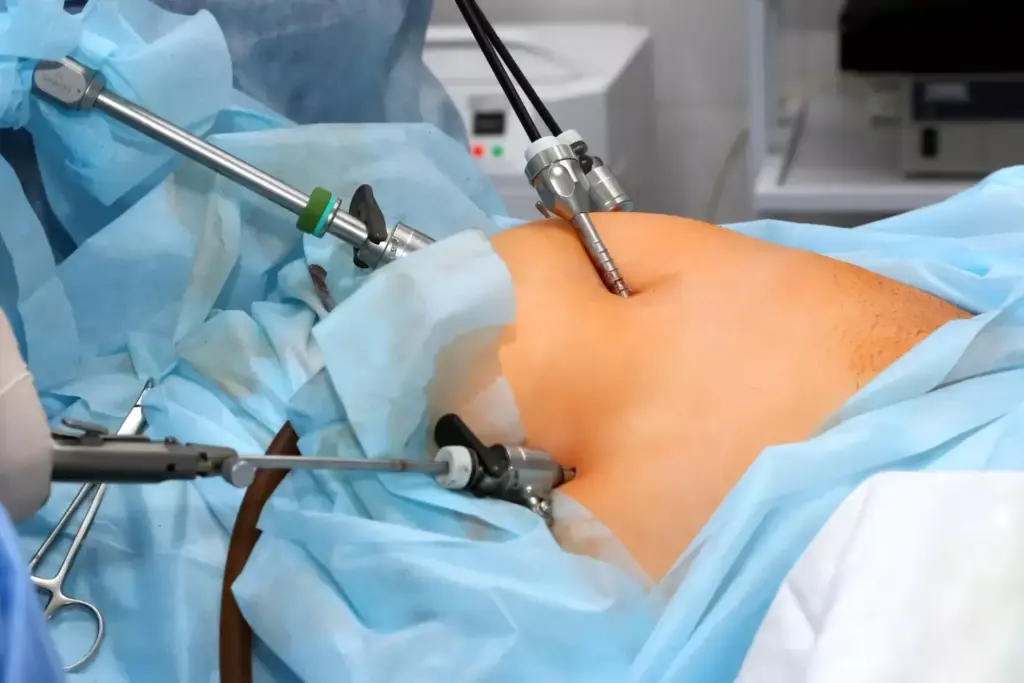
Minimally invasive surgery has changed how we do operations, making them better for patients. We’ve moved from old open surgeries to new laparoscopic and robotic methods. These changes have made surgeries less invasive and more effective.
From Traditional Surgery to Laparoscopy
Old open surgeries were big and hurt a lot, leading to long recovery times. Laparoscopic surgery came along and changed everything. It uses small cuts, less damage, and quicker healing.
Laparoscopy is now key in surgery, giving patients better options for many procedures.
The Introduction of Robotic Systems
Robotic systems in surgery have made big changes. They mix laparoscopy’s benefits with robotic precision and control. This mix lets surgeons do complex tasks with more accuracy.
Current State of Surgical Robotics
Now, surgical robotics keeps getting better. New tech brings better 3D views, easier surgeon tools, and more. These updates help surgeons do their jobs better and reach more patients.
As we keep improving, laparoscopy robotic surgery will be key in future surgery. It’s shaping the future of medical care.
Understanding Robotic Assisted Laparoscopic Technology
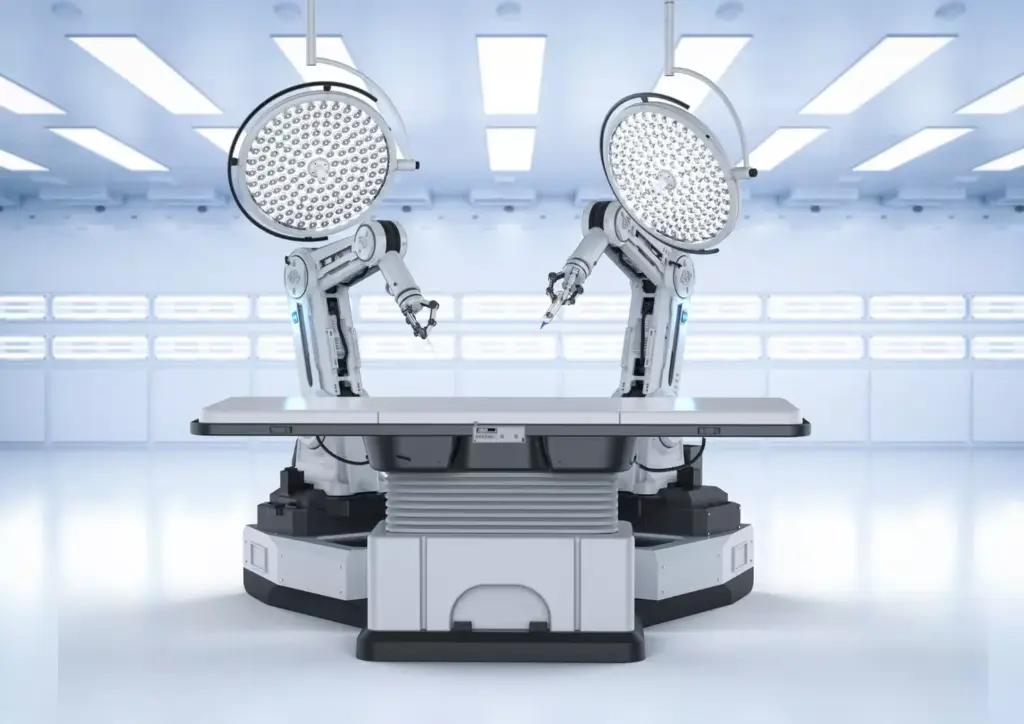
It’s important to understand the tech behind robotic laparoscopic surgery. This technology has changed surgery by giving surgeons better tools. These tools help them do complex surgeries with more precision and control.
Components of a Laparoscopic Robot
A laparoscopic robot, like the da Vinci system, has important parts. It has high-definition cameras for clear views and precise instrumentation for detailed work. The da Vinci system is known for its high-definition visualization and precise instrumentation.
How Surgeons Control Robotic Systems
Surgeons use a console to control robotic systems. This console shows a clear view of the surgery area and lets them control the instruments precisely. It has ergonomic controls for comfort and accuracy.
The robotic systems make the surgeon’s movements into precise actions. This gives them better dexterity and control during surgery.
We use these advanced systems to give our patients the best care. We use the latest in robotic assisted laparoscopic technology to improve surgery results.
Advantage 1: Enhanced Surgical Precision and Dexterity
One key benefit of robotic assisted laparoscopic surgery is better surgical precision and dexterity. Advanced technologies work together to boost the surgeon’s skills.
Tremor Filtration Technology
The tremor filtration tech is a key part of robotic systems. It removes the surgeon’s natural tremor. This makes movements more precise and lowers the chance of complications in delicate surgeries.
By getting rid of unwanted hand movements, surgeons can do complex tasks more accurately and with better control.
Improved Range of Motion
Robotic assisted laparoscopic surgery also gives an improved range of motion over traditional methods. The robotic arms can move in ways human hands can’t. This makes it easier to do complex procedures.
This flexibility is great for surgeries that need precise dissection or suturing.
Scaling of Movements for Delicate Procedures
Robotic systems also let surgeons scale their movements for delicate procedures. This is super useful in surgeries like those in gynecology or urology. It lets surgeons control and manipulate tissues more precisely.
In short, robotic surgery’s tremor filtration, improved range of motion, and movement scaling greatly improve precision and dexterity. These improvements lead to better patient results and open up more complex surgery options.
Advantage 2: Superior Visualization Capabilities
Robotic laparoscopy offers better views of the surgical area. This is key for complex surgeries. It helps surgeons see clearly and work more precisely.
3D High-Definition Imaging
The 3D high-definition imaging in robotic systems is a big step up from 2D. It gives surgeons a detailed view of the area. This makes dissection and suturing more accurate.
Studies show that 3D visualization makes complex tasks easier. It also boosts surgical performance.
10x Magnification Benefits
Robotic laparoscopy also offers magnification up to 10x. This lets surgeons see tiny details clearly. It’s perfect for delicate surgeries.
The mix of high-definition and magnification helps surgeons work more accurately. They can do complex surgeries with better results.
Enhanced Visual Feedback for Surgeons
Robotic laparoscopy gives surgeons enhanced visual feedback. This feedback is vital for making precise moves during surgery. It lets surgeons handle complex procedures better.
With clear views, surgeons can respond well to surgery demands. This leads to better outcomes for patients.
Advantage 3: Reduced Patient Recovery Time
Robotic assisted laparoscopic surgery helps patients recover faster. It’s less invasive, which means less impact on the body. This leads to a quicker return to daily activities.
Smaller Incisions and Reduced Tissue Trauma
The robotic system makes smaller incisions than open surgery. This means less tissue trauma. It reduces pain and complications, making recovery smoother and faster.
Shorter Hospital Stays
Robotic surgery means shorter hospital stays for patients. It reduces surgery trauma. This allows patients to start their recovery sooner, often getting discharged earlier.
Faster Return to Normal Activities
Smaller incisions and less trauma mean a faster return to normal activities. Patients can get back to their routines sooner. This improves their quality of life during recovery.
Advantage 4: Decreased Post-Operative Pain
Robotic assisted laparoscopic surgery is less invasive, leading to less pain after surgery. This is a big plus for many patients. Smaller cuts and less tissue damage mean less pain for patients after surgery.
Benefits of Minimally Invasive Approach
Robotic surgery means smaller cuts than traditional surgery. This approach lowers the risk of infection and pain after surgery. Patients feel less pain because of less tissue damage, making recovery easier.
- Smaller incisions result in less tissue damage
- Reduced risk of infection due to minimal invasion
- Less post-operative pain leads to a more comfortable recovery
Reduced Need for Pain Medication
Less pain means less need for pain meds. This is good for those who don’t like taking pain meds or worry about opioid use. It helps patients feel better and avoid side effects from meds.
Key benefits include:
- Lower doses of pain medication required
- Reduced risk of opioid dependency
- Faster return to normal activities due to less discomfort
Improved Quality of Life During Recovery
Less pain and meds mean a better recovery for patients. They can get back to normal faster and feel better. This makes the recovery process better for patients.
Choosing robotic surgery means a more comfortable recovery. It makes the surgery better and improves the patient’s experience.
Advantage 5: Lower Risk of Surgical Complications
Robotic assisted laparoscopic surgery has cut down on surgical problems in many areas. This big plus comes from several key parts of the robotic tech.
Reduced Infection Rates
Robotic surgery’s small cuts mean less chance of infection. The tech’s precision helps avoid infections, leading to better results for patients.
Decreased Blood Loss During Procedures
Robotic surgery also means less blood lost during surgery. The tech’s clear view and precise control help surgeons avoid bleeding. This makes surgery safer and speeds up recovery.
Fewer Conversions to Open Surgery
Robotic surgery’s advanced features mean fewer times when open surgery is needed. The tech’s fine control and clear view let surgeons do complex tasks without open surgery. This lowers risks from more invasive surgeries.
Let’s look at a study that shows robotic surgery’s benefits:
| Procedure | Robotic Assisted Surgery | Traditional Laparoscopic Surgery |
|---|---|---|
| Infection Rate (%) | 2.1 | 4.5 |
| Average Blood Loss (ml) | 150 | 250 |
| Conversion to Open Surgery (%) | 1.2 | 3.8 |
The study shows robotic surgery’s benefits. It cuts down on infections, blood loss, and the need for open surgery. By using robotic systems, surgeons can greatly improve patient care and lower surgical risks.
Advantage 6: Access to Hard-to-Reach Anatomical Sites
Robotic assisted laparoscopic surgery has made it easier for surgeons to reach complex areas. This has greatly improved surgical results. It has changed how surgeons work inside the body.
Navigating Complex Anatomical Structures
Robotic surgery gives surgeons better control and vision. This makes it easier to work on tricky parts of the body. It’s great for surgeries that need a lot of care.
Surgeons can now move around sensitive spots more accurately. This lowers the chance of problems. The robotic tools help surgeons do complex surgeries with more finesse.
Benefits in Pelvic and Abdominal Surgeries
Robotic surgery is a big help in pelvic and abdominal surgeries. It lets surgeons do precise work, which is key in these surgeries.
Patients see faster recovery times and better results. Robotic surgery causes less damage and helps healing. This makes care better overall.
“Robotic surgery has transformed the way we perform complex procedures, giving us unparalleled access to hard-to-reach areas.”
Advantages for Deep Tissue Procedures
Robotic surgery is great for deep tissue work. It lets surgeons reach places that were hard to get to before. This opens up new possibilities for less invasive surgery.
This is really useful for surgeries that need detailed work in tight spaces. The robotic system’s precision and control make these surgeries easier.
| Procedure | Benefits of Robotic Assisted Laparoscopic Surgery |
|---|---|
| Pelvic Surgery | Improved precision and reduced recovery time |
| Abdominal Surgery | Enhanced visualization and reduced tissue trauma |
| Deep Tissue Procedures | Increased accuracy and control |
Advantage 7: Expanded Clinical Applications of Robotic Assisted Laparoscopic Surgery
Robotic assisted laparoscopic surgery offers many benefits. One key advantage is its wide use in different surgeries. This makes it a great option for many patients.
This surgery is used in gynecology, colorectal, urology, and bariatrics. Its precision and versatility make it perfect for complex surgeries.
Gynecological Procedures
In gynecology, robotic surgery improves the accuracy of surgeries like hysterectomies and myomectomies. The 3D visualization and improved dexterity help surgeons work more carefully. This can lead to less pain and quicker recovery for patients (PMC4286948).
Colorectal Surgery Applications
Robotic surgery also helps in colorectal procedures. It makes complex surgeries easier and more precise. This is very helpful in surgeries that need careful dissection and stitching, like in treating colorectal cancer.
Urological and Bariatric Surgery Benefits
In urology, robotic surgery is now common for surgeries like prostatectomies. It leads to better results and fewer complications. In bariatric surgery, it improves the precision of surgeries like gastric bypass. This can result in better weight loss and fewer problems.
The wide use of robotic surgery shows its big impact on surgery. As technology gets better, we’ll see even more benefits for patients.
Conclusion: The Future of Robotic Surgery
Looking ahead, robotic surgery will keep growing in importance. It will change how surgeries are done. New advancements will help make surgeries better and safer for patients.
The future of robotic surgery looks very promising. New technologies will make surgeries more precise and effective. This will help surgeons do their jobs better.
We expect robotic systems to get even better. This will help surgeons do more complex surgeries. It will also make patient care even better.
Robotic surgery’s future is very bright. It will help in many areas of surgery. We’re committed to bringing the latest robotic surgery technology to our patients.
FAQ
What is robotic assisted laparoscopic surgery?
Robotic assisted laparoscopic surgery is a modern surgery method. It uses a robotic system, like the da Vinci system, to help surgeons. This method offers better precision, dexterity, and vision.
How does robotic assisted laparoscopic surgery differ from traditional laparoscopic surgery?
Robotic assisted laparoscopic surgery uses a robotic system. This gives surgeons better precision and vision. It allows for more complex surgeries through small cuts.
What are the benefits of robotic assisted laparoscopic surgery?
This surgery method offers many benefits. It improves precision and dexterity, and gives better vision. It also reduces recovery time, pain, and complications. It makes it easier to reach hard-to-access areas and expands what can be done in surgery.
Is robotic assisted laparoscopic surgery the same as robotic surgery?
No, they are not the same. Robotic assisted laparoscopic surgery is a type of robotic surgery. It uses laparoscopic techniques with a robotic system.
What is the da Vinci system?
The da Vinci system is a robotic system for surgery. It offers high-definition vision, precise tools, and better dexterity. This helps surgeons perform complex tasks with more accuracy.
How does the da Vinci system enhance surgical precision?
The da Vinci system improves precision with technologies like tremor filtration. It also offers better range of motion and scaled movements. This allows for precise actions in delicate surgeries.
What are the advantages of 3D high-definition imaging in robotic assisted laparoscopic surgery?
3D high-definition imaging in robotic surgery gives a clear view of the surgical site. It allows for precise dissection and suturing. It also enhances the surgeon’s visual feedback.
Can robotic assisted laparoscopic surgery reduce post-operative pain?
Yes, it can. Robotic surgery minimizes tissue trauma and uses smaller cuts. This leads to less pain and a reduced need for pain medication.
Is robotic assisted laparoscopic surgery suitable for all types of surgical procedures?
Yes, it is. Robotic surgery is used in many specialties, like gynecology, colorectal, urology, and bariatric surgery. It offers the benefits of minimally invasive surgery in many areas.
What is the future of robotic assisted laparoscopic surgery?
The future looks bright. As technology advances, robotic surgery will play a bigger role in surgery. We can expect even better patient care and outcomes.